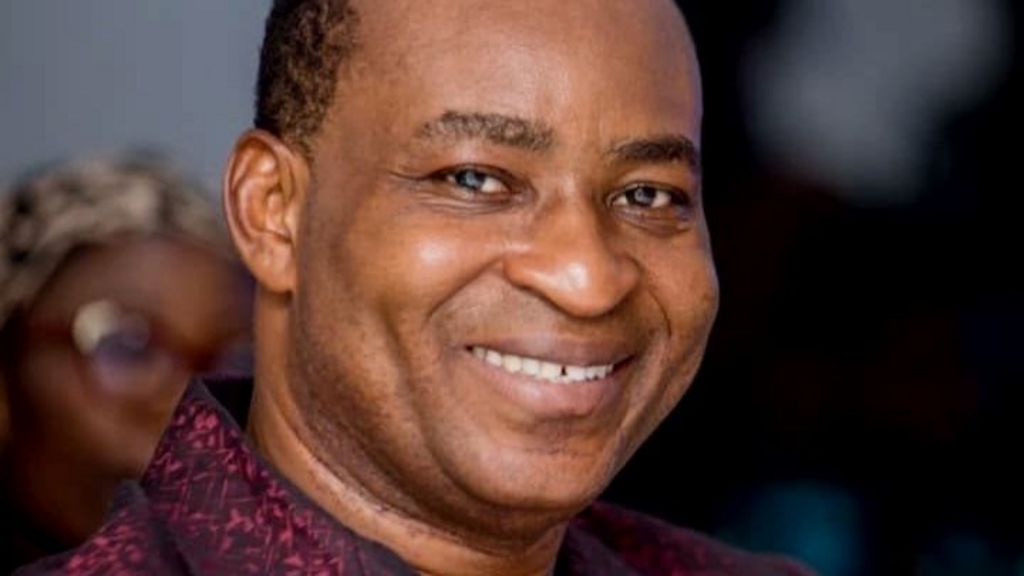
A high-stakes legal ruling in Ghana has plunged the country’s political landscape into turmoil, after a top regional leader from the main opposition New Patriotic Party (NPP) was handed a 20-year hard labor prison sentence and a $10,000 fine on illegal mining charges. Bernard Antwi Boasiako, widely known by his political nickname “Chairman Wontumi” and the NPP’s chairman for the crucial Ashanti Region, made history on Monday as the first senior Ghanaian politician convicted of illicit mining offenses since the national government launched a widespread crackdown on the practice, locally called “galamsey”, back in 2017.
Witnesses in the Accra courtroom reported that Boasiako, who has consistently maintained his innocence against all charges, appeared visibly stunned when the judge read out the verdict. Court documents show he was found guilty on two counts: assigning official mineral rights without government authorization, and facilitating an unlicensed mining operation through his private firm, Akonta Mining. Prosecutors detailed that Boasiako permitted two private individuals, Henry Okum and Michael Gyedu Ayisi, to carry out extraction activities on Akonta Mining’s concession without securing the required approval from Ghana’s Minister of Lands and Natural Resources.
The conviction has drawn an immediate and furious response from NPP leadership, who have denounced the ruling as a politically motivated attack aimed at intimidating opposition figures. NPP General Secretary Justin Kodua Frimpong told reporters shortly after the verdict that the national campaign against illegal mining loses all credibility when it exclusively targets political opponents, particularly in cases where he claims evidence of wrongdoing does not hold up. Frimpong further alleged that the presiding judge ignored clear, exculpatory evidence that would have cleared Boasiako of all charges. The opposition party has already begun legal proceedings to appeal the conviction, Frimpong confirmed.
Ghana holds the title of Africa’s top gold producer, but the widespread proliferation of unregulated illegal mining has caused severe, lasting damage to the country’s ecosystems: vast swathes of protected forest have been cleared, and major waterways have been contaminated with toxic mercury used in small-scale gold extraction, posing major risks to both public health and agricultural production. Successive Ghanaian governments have attempted to crack down on galamsey, even deploying military forces to shut down illegal operations, but these efforts have so far failed to curb the practice’s growth.
While the ruling has sparked political outrage, environmental and human rights advocates have welcomed Boasiako’s conviction as a landmark step toward holding powerful figures accountable for environmental destruction. Adib Saani, executive director of the Jatikay Centre for Human Security and Peace Building, noted that the conviction sends an unmistakeable message: accountability is non-negotiable if Ghana is to protect its irreplaceable natural resources, from old-growth forests to critical river systems. Saani added that the ruling should act as a strong deterrent to other politicians and business leaders who secretly finance illegal mining operations across the country.