A high-profile art theft targeting works by iconic 19th-century Impressionist Pierre-Auguste Renoir in southern France has sparked fresh calls for improved security standards at small cultural institutions globally, according to a leading Guernsey-based arts organizer.
The incident unfolded on Tuesday, when two thieves gained unauthorized access to the Renoir Museum in Cagnes-sur-Mer, making off with four Renoir paintings collectively valued at over €9 million. While two of the stolen canvases were abandoned by the perpetrators during their escape and later recovered by law enforcement, the brazen heist has raised urgent questions about gaps in cultural heritage protection.
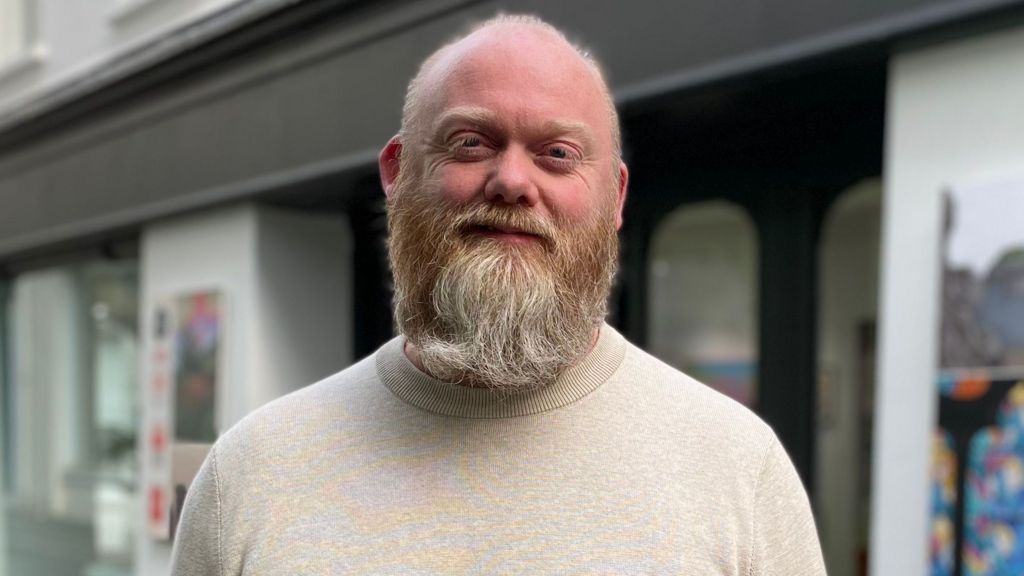
David Ummels, founder of Art for Guernsey, who spearheaded a landmark Renoir exhibition on the Channel Island in 2023, shared his perspective on the theft and its broader implications. Renoir first visited Guernsey in 1883, completing roughly 15 paintings during his month-long stay on the island. Many of these rarely seen works were brought together for the 2023 exhibition, made possible through partnerships with private collectors and international art institutions.
Ummels noted that shifting cultural attitudes have contributed to growing risks for art collections, saying: “It’s a sad reality that many people now view artwork solely through the lens of market value, rather than appreciating the creative cultural value they hold and their unique power to inspire local communities.”
Compared to large metropolitan museums with substantial operational budgets, small regional institutions and galleries face a disproportionate security challenge, Ummels explained. “This theft perfectly illustrates the struggle smaller museums go through. They hold irreplaceable national treasures and cultural legacy, but operate with far smaller budgets than large international institutions. This leaves many relying on outdated, subpar security systems that cannot stop determined thieves.”
On Guernsey, Ummels said the island’s small size and tight-knit community have created an ideally positioned security framework for art collections, but the tension between accessible public access and robust protection remains a persistent challenge. “My core philosophy for public exhibitions is to keep intrusive security measures to a minimum, so visitors can engage with the art freely. But we also have to prepare for unpredictable, reckless acts of theft,” he said. “This incident makes clear that major policy rethinking is needed across the world to support smaller museums in securing their collections.”
Ummels, who settled on Guernsey 11 years ago, said he quickly fell in love with the island’s strong cultural integrity, a trait he argues is worth protecting for future generations. “Passing down our artistic heritage and legacy is critical. It not only preserves our history, it also inspires young people and gives them the courage to create. We have a strong community spirit and kindness here, and we are very fortunate that this kind of incident rarely happens on Guernsey,” he added.