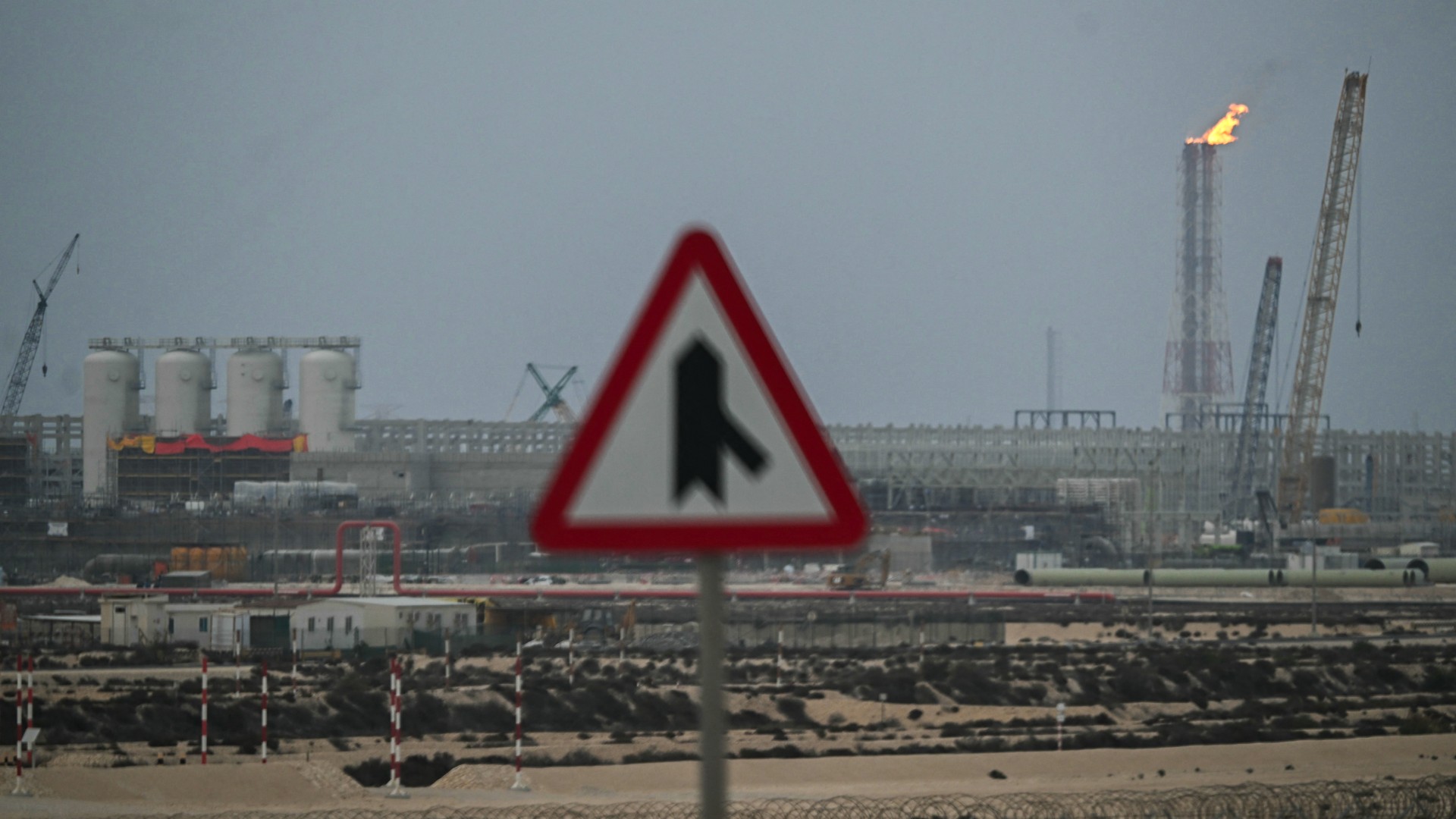
Global energy markets are bracing for a gradual but faster-than-expected rebound in Qatari liquefied natural gas (LNG) supplies after a week that saw diplomatic breakthroughs aimed at de-escalating tensions in the Persian Gulf. In reports published Tuesday, two leading global news outlets outlined QatarEnergy’s accelerated recovery timeline for its export infrastructure, damaged in March Iranian missile strikes that disrupted roughly one-fifth of the world’s total LNG supply.
Multiple sources familiar with QatarEnergy’s plans told Bloomberg the state-owned energy giant expects to restore nearly 80 percent of its full LNG export capacity within two months of the Strait of Hormuz reopening to safe commercial transit. The company will ramp up output incrementally, hitting 50 percent of total capacity within the first month, a recovery pace that outpaces earlier projections from market analysts and energy traders. The remaining 20 percent of capacity, which sustained severe damage in the March strikes, will require years of complex repairs, Bloomberg’s sources confirmed.
Reuters, citing its own anonymous source familiar with logistics operations, added that shipping and transport coordination remain the primary near-term bottleneck: the company will need to rapidly coordinate vessel arrivals, inspections, and loading operations as soon as the strait is reopened to unimpeded traffic.
This planned recovery comes ahead of a landmark diplomatic breakthrough set to take place Friday, when U.S. and Iranian officials will sign a formal memorandum of understanding (MoU) in Switzerland aimed at ending ongoing hostilities across the region. While full terms of the agreement have not been publicly released, former U.S. President Donald Trump gave public assurances Tuesday that the Strait of Hormuz, the world’s most critical energy chokepoint through which roughly a fifth of global oil and LNG trade passes, will be “completely open” to commercial traffic by Friday.
Qatari Foreign Ministry officials expressed cautious optimism that the deal will clear the way for LNG exports to resume, but cautioned that deep-rooted disagreements between Washington and Tehran will not be resolved in a matter of days. European allies of the U.S. share similar reservations about the timeline for a full return to normal trade. Italian Prime Minister Giorgia Meloni, a right-wing leader, added that her government’s support for the diplomatic process is conditional on a full ceasefire to Israel’s ongoing military campaign in Lebanon.
The damage to Qatari LNG infrastructure dates back to March 19, when Iran launched retaliatory missile strikes following joint U.S.-Israeli strikes on Iranian territory that have killed more than 1,265 people in Tehran since the outbreak of the wider regional conflict. Nearly all of Qatar’s LNG output is processed at the Ras Laffan industrial complex, the site that sustained the majority of the damage. Immediately after the strikes, QatarEnergy CEO Saad al-Kaabi told Reuters the attack wiped out 17 percent of the complex’s operating capacity, with full repairs expected to take up to five years and cost an estimated $26 billion. The company shuttered the entire facility shortly after the attack and notified long-term buyers it may be forced to invoke force majeure clauses, waiving liability for missed deliveries while reconstruction work proceeded.
As the world’s second-largest LNG exporter, Qatar accounts for roughly 20 percent of global supplies. With no immediate alternative sources available to replace the disrupted volumes, energy analysts have warned that sustained supply cuts would hit consumer energy prices hardest in import-dependent markets across Asia and Europe.
Shortly after the strikes, Qatari Prime Minister Sheikh Mohammed bin Abdulrahman al-Thani became the only major Gulf energy producer to call for an immediate, unconditional end to the U.S.-Israeli military campaign in Iran, breaking with other regional nations that only issued condemnations of Iran’s retaliatory strike. “Everyone knows who the main beneficiary of this war is, and dragging the whole region into this conflict is,” the prime minister stated at the time.
Despite the ongoing damage and diplomatic uncertainty, Bloomberg reported in April that QatarEnergy has already taken preliminary steps to prepare for a resumption of full operations, running several production trains at reduced capacity to deliver small shipments to neighboring states while positioning the facility to ramp up output as soon as transit through the strait is restored.