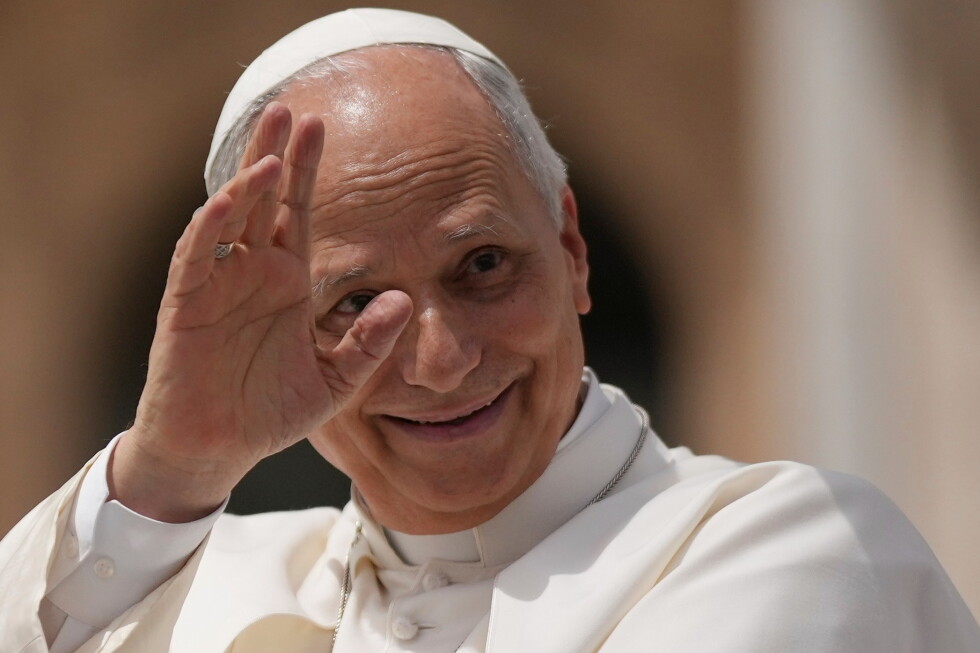
VATICAN CITY — A new chapter in Vatican-European relations opens this weekend as Pope Leo XIV launches a week-long historical visit to Spain, a journey that will place the first American pontiff at the heart of a nation grappling with political upheaval, a decades-long Catholic credibility crisis, and shifting religious identity across modern Europe.
The visit, the first papal trip to Spain in 15 years, marks a deliberate shift in papal outreach. Unlike Pope Francis, who prioritized smaller, far-flung Catholic communities over Europe’s traditional Christian heartlands, Leo is turning his attention back to the continent, which is currently roiled by multiple overlapping crises: the ongoing fallout from Russia’s invasion of Ukraine, rising tensions stemming from the U.S.-Israeli conflict in Iran, and widespread public anxiety over the rapid evolution of artificial intelligence. Ahead of the Spain trip, Leo has already made short visits to Monaco and San Marino this year, with a four-day trip to France scheduled for September, all part of his push to spread a message of peace, unity, and universal human dignity across the continent.
Leo’s visit will kick off Saturday in Madrid, where he will receive an official welcome from King Felipe VI and Queen Letizia, Spain’s Catholic monarchs. The first day will conclude with a prayer vigil drawing thousands of young people, many of whom will experience seeing a pope in their home country for the very first time. In a acknowledgment of the ongoing clergy sexual abuse scandal that continues to hang over the global Catholic Church, the Vatican confirmed late Friday that Leo will meet with survivors of abuse during his visit. Spain’s Catholic hierarchy has only recently begun to confront decades of widespread abuse and institutional cover-ups in what was once one of Europe’s most devoutly Catholic nations, making this meeting a long-awaited step for survivors and church reformers alike.
The undisputed highlight of the Madrid leg of the trip will come Monday, when Leo becomes the first pope in history to address Spain’s bicameral national legislature, the Las Cortes Generales. No previous pope, including St. John Paul II, who visited Spain five times, and Benedict XVI, who traveled there three times, has ever addressed the national parliament. Papal addresses to national legislatures are rare events, and they often stand as defining moments of a pontificate. This milestone comes as Spain’s legislature faces extreme political polarization: the ruling Socialist Party led by Prime Minister Pedro Sánchez is currently reeling from a string of high-profile corruption scandals. Opposition parties, including the center-right Popular Party and far-right Vox, have repeatedly called for Sánchez to step down ahead of scheduled 2027 elections, and have harshly criticized his government’s progressive migration policies.
Madrid has already been overtaken by papal visit fever: Leo’s image covers subway cars, billboards, and metro station advertisements across the capital. Souvenir shops are stocking custom posters, magnets, and other papal memorabilia, while local bakeries are rolling out limited-edition papal-themed cakes and pastries. The pontiff will share the spotlight this weekend, however, with Puerto Rican global music superstar Bad Bunny, who is scheduled to perform two shows of his 10-concert Madrid residency during Leo’s visit. While small protests are expected over the trip’s estimated 15 million euro ($17.2 million) price tag, the parliamentary address still represents a landmark moment for Spain’s Catholic Church, which has been rebuilding its reputation after decades of crisis rooted in the nation’s turbulent modern history.
Shaped by brutal anticlerical violence during the 1936-1939 Spanish Civil War, the church has more recently faced a severe credibility crisis following widespread revelations of clergy sexual abuse and institutional cover-ups. Spain’s religious landscape has shifted dramatically since the end of Francisco Franco’s 1939-1975 dictatorship. Franco, a devout Catholic who framed his rule as a religious crusade against anticlerical leftist, anarchist, and secular movements, left a church that counted 90% of Spaniards as Catholic. After the transition to democracy, however, that number has plummeted to just 55% in 2025, according to polling from Spain’s state public opinion agency, and only 19% of those identifying as Catholic report attending Mass regularly.
Despite decades of growing secularization across Europe, sociologists tracking Spanish religious attitudes say there are early signs of renewed interest in spirituality — particularly among young Spaniards. Narciso Michavila Núñez, president of polling firm GAD3, noted that recent surveys have detected a newfound openness to faith among Generation Z Spaniards, a shift highlighted by the massive commercial success of Spanish pop star Rosalía’s overtly spiritual hit album *Lux*. “God is not just a symbolic tattoo in Spanish society anymore,” Michavila said, ahead of the pope’s visit.
After wrapping up events in Madrid, Leo will travel to Barcelona midweek, where he will celebrate Mass at the iconic Sagrada Familia basilica to mark the 100th anniversary of the death of the basilica’s legendary architect Antoni Gaudí. While Gaudí is currently under consideration for sainthood, Vatican spokesman Matteo Bruni confirmed no announcement about his canonization is planned during the visit. The Mass will also mark the official inauguration of the basilica’s new central Tower of Jesus Christ; the completion of the spire earlier this year earned Sagrada Familia the title of the tallest church in the world.
Leo will close out his trip with a two-day stop in the Canary Islands, a Spanish archipelago off the coast of West Africa that has become a key entry point for migrants crossing the Atlantic from West Africa. A legacy of Pope Francis, who made outreach to migrants and refugees a core priority of his papacy, the stop will see Leo meet with migrants and representatives of humanitarian organizations that provide care to new arrivals. He is also scheduled to lay a wreath in the Atlantic Ocean from the Port of Las Palmas, which earned the infamous nickname “Dock of Shame” in 2020 when thousands of migrants were forced to sleep in the open for weeks during a sudden spike in arrivals.
Leo has continued Francis’s legacy of prioritizing migrant advocacy, repeatedly calling for dignified treatment of migrants in his native United States. For migrants already living in Spain, the visit carries profound meaning. “For those of us who are immigrants with family far from home, having someone as important as the pope come here is truly something extraordinary,” said Constantina Nchama, an Equatorial Guinean migrant living in Madrid, in the days ahead of the visit. “This is a once-in-a-lifetime moment, and I am so very excited.”
The trip comes as Spain’s Socialist government has broken with broader trends in Europe and the U.S. by announcing plans to grant legal status to hundreds of thousands of undocumented migrants already living and working in the country. Sánchez has framed the policy as an economic necessity for Spain, which faces a rapidly aging workforce and persistently low birth rates.