A $1.8 billion compensation initiative launched by the second Trump administration has ignited fierce political backlash, with former Vice President Mike Pence—who was on site during the 2021 US Capitol attack—joining a growing chorus of bipartisan critics condemning the plan as unacceptable and legally questionable.
The fund, branded by the Trump White House as an “anti-weaponization fund” designed to compensate so-called “victims of lawfare” targeted by previous administrations, has stirred particular outrage because hundreds of people charged in connection with the January 6, 2021 Capitol riot have already signaled they intend to file claims for payouts. Pence, who was serving as vice president when the riot unfolded, was forced to flee for safety as rioters—many of whom echoed then-President Trump’s false claims that the 2020 presidential election was stolen—stormed the Capitol building and threatened his life. After law enforcement cleared the building, Pence returned to fulfill his constitutional duty to preside over the certification of Joe Biden’s electoral victory.
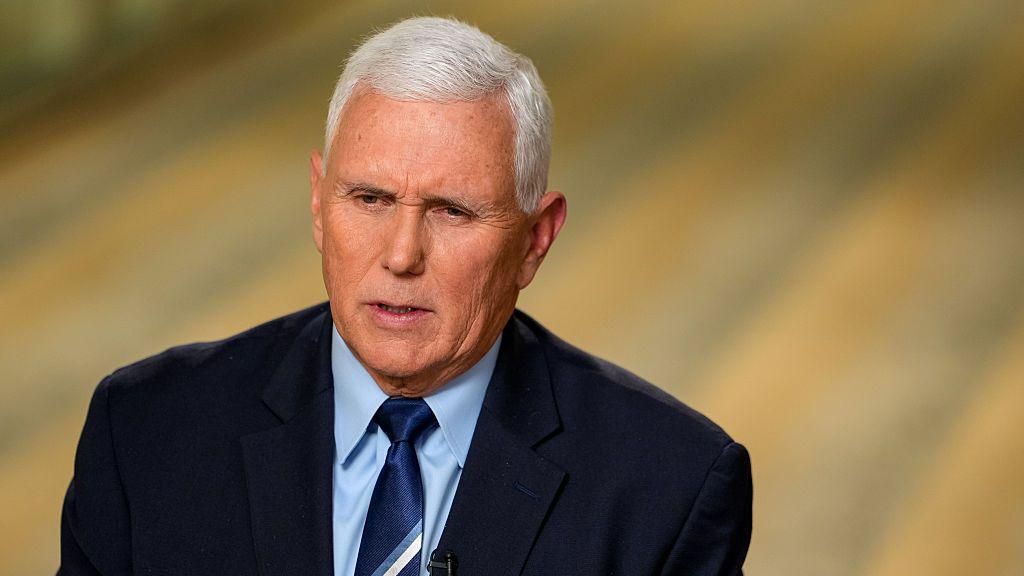
In an interview with NBC News, Pence left no room for ambiguity about his stance, calling the fund a “bad idea from the start” that should be scrapped entirely. “It’s deeply offensive to me that you could have a fund that could even possibly compensate people who assaulted police officers or vandalised the Capitol on January 6,” Pence said, adding that he believes this view is shared by a majority of Republicans and American voters overall.
Official data from the US Department of Justice shows that nearly 1,600 people have faced criminal charges linked to the riot, with around 175 of those defendants facing charges for using deadly or dangerous weapons or inflicting serious bodily injury on law enforcement officers. Roughly 140 officers were injured during the attack, and Trump issued a full blanket pardon to all riot-related defendants on his first day back in office after winning the 2024 presidential election.
The unusual origins of the fund trace back to a legal settlement between President Trump and the Internal Revenue Service. Trump filed a lawsuit against the IRS after his personal tax records were leaked, and he agreed to drop the suit in exchange for a formal apology from the agency and the creation of the $1.8 billion compensation fund.
The plan has drawn opposition from high-profile lawmakers across both major parties, many of whom were themselves forced to hide from rioters when the mob overran Capitol offices in 2021. Senate Republican Majority Leader John Thune has said he is not “a big fan” of the initiative, while former Senate GOP leader Mitch McConnell labeled it “utterly stupid.” North Carolina Senator Thom Tillis, a member of Trump’s own party, went even further, calling the plan “stupid on stilts.” Pennsylvania Republican Congressman Brian Fitzpatrick has already announced he will introduce legislation to block the fund from being enacted entirely.
A small faction of Republican lawmakers have voiced support for the plan, however. Alabama Senator Tommy Tuberville claimed the fund would compensate “hundreds” of “innocent patriotic Americans” who he argued were wrongfully imprisoned over what he called a “made-up witch hunt” tied to the January 6 investigations.
Acting Attorney General Todd Blanche has defended the fund, arguing in a memo to skeptical Republican senators that the $1.8 billion allocation is justified because “literally tens of millions of Americans were subjected to improper and unlawful government targeting.” He also emphasized that eligibility is open to all Americans, regardless of partisan affiliation, saying “Democrats can submit claims, too.” Lawmakers from both parties have demanded more transparency from Blanche about which claimants would be eligible to receive payouts.
Last week, a federal judge issued a temporary order blocking the fund from being established, pending a court hearing scheduled for June 12. In a statement responding to the ruling, a Department of Justice spokesperson said officials remain “extremely confident in the legality of the anti-weaponisation fund which is supported by ample precedent.” The spokesperson added: “We will not allow the policy preferences of judges to interfere with our efforts to provide restitution to victims of lawfare.”
The political clash over the fund highlights ongoing deep divisions within the Republican Party over the legacy of the January 6 attack, as well as Trump’s continued efforts to reshape the party’s stance on the event that disrupted the peaceful transfer of presidential power three years ago.