In a landmark moment for Pakistan’s military modernization and its deepening defense partnership with Beijing, the South Asian nation formally commissioned its first of eight planned Hangor-class submarines at a ceremony hosted in China on Thursday, Pakistan’s military confirmed in an official statement.
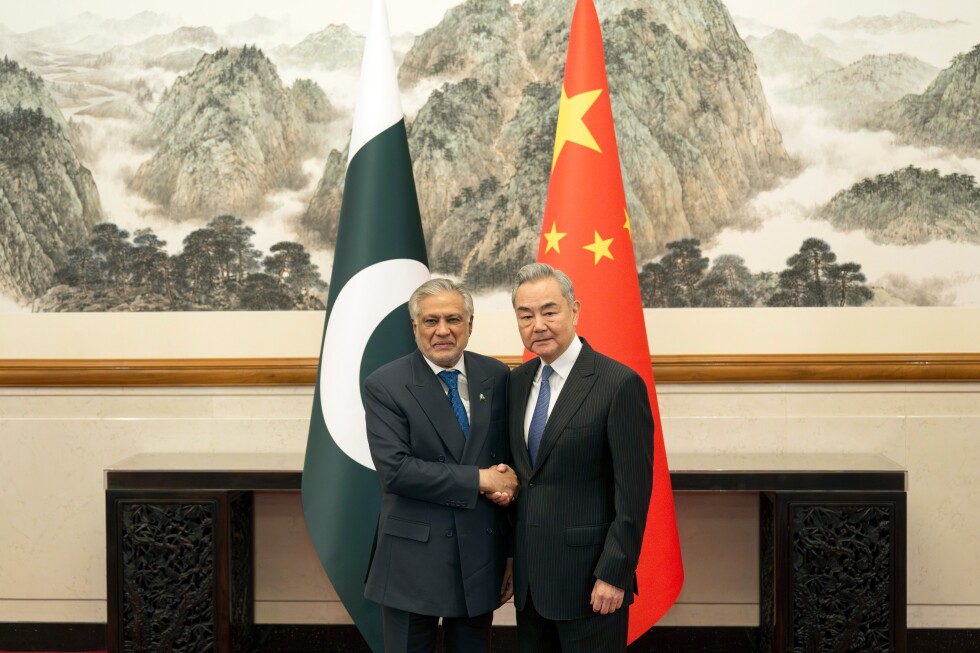
The high-profile commissioning event took place in Sanya, the major southern Chinese port city, with Pakistani President Asif Ali Zardari serving as the chief guest. The gathering also brought together Pakistan’s Naval Chief Admiral Naveed Ashraf and senior military delegations from both countries, marking another high-level diplomatic engagement between the two long-time allies—Zardari and other top Pakistani officials have undertaken multiple visits to China in recent years amid growing bilateral cooperation.
Speaking during his official visit to China, Zardari framed the induction of this cutting-edge submarine as a transformative “historic milestone” for Pakistan’s Navy. He emphasized that the new addition strengthens Islamabad’s commitment to upholding a credible, balanced defense posture, and underlined that Pakistan now holds enhanced capability to defend its territorial sovereignty, safeguard its critical maritime interests, and secure its core economic lifelines that run through regional sea lanes.
Widely reported to be developed based on China’s advanced Type 039B submarine design, the Hangor-class platform is engineered to accommodate a core crew of 38, with additional space allocated for special operations personnel. It is outfitted with a modern arsenal including heavyweight torpedoes and anti-ship missiles, granting it multi-mission strike capability. Under Pakistan’s original agreement for the eight-vessel fleet, the first four are being constructed in China, while the remaining four will be built domestically at the Karachi Shipyard & Engineering Works, located in Pakistan’s southern coastal hub.
For decades, Pakistan has positioned its submarine fleet as a core component of its strategic deterrence posture against neighboring India, a rival with whom it has fought three full-scale wars since achieving independence in 1947. Tensions between the two nuclear-armed neighbors remain high, particularly over the disputed Kashmir region; during a 2024 border standoff, Pakistan deployed Chinese-built J-10C fighter jets and claimed to have downed multiple Indian aircraft, including French-made Rafale jets, a claim that India has never corroborated.
Addressing attendees at the commissioning, Admiral Ashraf highlighted growing global security risks stemming from disruptions to critical maritime choke points, which increasingly threaten the stability of global trade flows and international energy security. This shifting security landscape, he noted, makes the development of advanced, capable naval forces more urgent than ever. The new Hangor-class submarines, fitted with state-of-the-art sensors, advanced weapon systems, and air-independent propulsion technology that allows for extended underwater endurance, will play a key role in preserving regional stability and securing critical shipping routes across the Arabian Sea and the broader Indian Ocean, Ashraf added.
The admiral also drew attention to the historical significance of the “Hangor” class name, which honors a Pakistani submarine that sank an Indian warship during the 1971 Indo-Pakistani War—marking the first successful submarine sinking of an enemy warship since the end of World War II. Beyond military advancements, Ashraf emphasized that the commissioning opens a new chapter in the decades-long defense collaboration between Pakistan and China. This deepening defense partnership runs parallel to growing economic ties: just last year, Islamabad and Beijing reaffirmed their commitment to expanding bilateral economic cooperation and investment under the China-Pakistan Economic Corridor, the flagship infrastructure project of China’s global Belt and Road Initiative.