博客

  • Half of Americans think post-9/11 wars were worth it, poll shows

    Half of Americans think post-9/11 wars were worth it, poll shows

    As the United States prepares to mark the 25th anniversary of the devastating September 11, 2001 terrorist attacks, a new national poll has laid bare deep partisan divisions over the decades-long legacy of the post-9/11 “war on terror” and the domestic surveillance and security infrastructure it spawned.

    On September 11, 2001, 19 al-Qaeda hijackers seized control of four commercial airliners, launching coordinated attacks that killed nearly 3,000 people. Two planes crashed into the Twin Towers of the World Trade Center in New York City, destroying the iconic complex; a third struck the Pentagon outside Washington, D.C.; the fourth crashed into a rural field in Pennsylvania after passengers fought back against the hijackers.

    In response to the attacks, then-President George W. Bush launched sweeping changes to U.S. national security architecture that reshaped American life for generations. The administration created the new Department of Homeland Security, established the Transportation Security Administration (TSA) which introduced widespread airport screening protocols still used today, signed the Patriot Act granting law enforcement broad authority to surveil citizen communications, and secured congressional passage of the 2001 Authorization for Use of Military Force (AUMF). That open-ended military authorization remains in effect 23 years later, and has been invoked by every subsequent administration to launch military operations across at least seven sovereign nations, including Afghanistan, Iraq, Syria, Somalia, Pakistan, Libya and Yemen.

    The new YouGov poll, published Wednesday, surveyed 1,098 U.S. adults aged 18 and older between August 20 and 23, with a margin of error of plus or minus 4.1 percentage points. When asked whether post-9/11 counterterrorism measures—including overseas military operations and expanded domestic security and surveillance—have been “worth the cost”, 48 percent of respondents answered yes, 25 percent said no, and 27 percent reported being unsure.

    Partisan affiliation drove starkly different views: 71 percent of Republican respondents said the measures were worth the cost, nearly double the 36 percent of Democrats who agreed with that assessment. That partisan divide extends to perceptions of national safety: just under half of all respondents (49 percent) said the U.S. is safer today than it was before the 9/11 attacks, but that number jumps to 60 percent among Republicans, while only 20 percent of Republicans say the country is less safe now.

    Maha Hilal, author of *Innocent Until Proven Muslim*, a book documenting the human costs of the war on terror, attributed widespread acceptance of the “safer now” narrative to decades of sustained government propaganda and little visible disruption to daily life for most Americans. “It’s pretty easy to convince people that they’re safer now because their ability to maintain the same sort of lifestyle has been relatively unchanged, especially as Americans tend to be quite apathetic anyway,” Hilal told Middle East Eye.

    The poll also found that a narrow majority of Americans—52 percent—recognize that Muslim Americans have faced worse treatment than followers of other faiths in the post-9/11 era. That finding also splits sharply along partisan lines: 71 percent of Democrats agree that Muslim Americans have been mistreated, compared to just 28 percent of Republicans. This gap comes as Muslim community leaders and experts report that current anti-Muslim rhetoric from leading Republican figures is more extreme today than it was in the immediate aftermath of the 9/11 attacks.

    When asked which ideological group has carried out the most violent attacks within U.S. borders, 25 percent of respondents correctly identified right-wing extremists, while 19 percent blamed Islamic extremists, 17 percent pointed to unaffiliated lone wolves, and 13 percent named left-wing extremists.

    Hilal noted that the decades-long success of the war on terror narrative has made it difficult even for progressive critics to center the harms of Islamophobia, which is often framed as an accidental side effect of counterterrorism rather than a core, intentional feature of the policy. “It has been to reiterate over and over again how this war has been a success, and how it has stopped numerous acts of terrorism,” Hilal said. “Even among leftists and liberals, it has been difficult to communicate the idea that Islamophobia has been a part and parcel to the war.”

    The ongoing resonance of post-9/11 biases has been highlighted by a recent controversy at CBS News, which faced internal backlash from current and former staffers over its coverage of Abdul El-Sayed, the first Muslim Democratic nominee for U.S. Senate in Michigan, who is running in the 2024 November election. Critics accused the network of overt racism and poor journalism for publishing a pre-anniversary story highlighting old, deleted social media posts from El-Sayed. In the posts, El-Sayed compared the more than 1 million U.S. deaths from COVID-19 to the nearly 3,000 deaths from 9/11, and called for the same level of national mobilization to address poverty and the pandemic that the country deployed after the attacks. He also mourned both the victims of 9/11 and the hundreds of thousands of people killed in the post-9/11 wars that followed.

    New research from Brown University’s Costs of War project has underscored the staggering human toll of those post-9/11 conflicts. A 2023 report from the project estimated that at least 4.5 million people have died as a direct or indirect consequence of post-9/11 wars across the Middle East, North Africa and Asia. Of those fatalities, between 3.6 and 3.7 million are classified as indirect deaths, caused by collapsed economies, widespread food insecurity, destroyed public health infrastructure, environmental contamination, and ongoing intergenerational violence and trauma that follow armed conflict. Even after the U.S. withdrew its formal military presence from Afghanistan in 2021, Afghans continue to suffer and die from war-related causes at higher rates than at any point during the conflict, the report found. Many of these indirect deaths could have been prevented if not for the collapse of basic services brought by war, researchers noted.

    While casualty counts for post-9/11 conflicts remain a topic of heated political debate, independent estimates have consistently pointed to massive death tolls: a 2015 report from Nobel Prize-winning organization Physicians for Social Responsibility estimated that more than 1 million people had been killed in Iraq, Afghanistan and Pakistan alone by that point.
  • Brazilian justice who imprisoned Bolsonaro now under fire for alleged links to disgraced banker

    Brazilian justice who imprisoned Bolsonaro now under fire for alleged links to disgraced banker

    Less than two months before Brazil’s critical October general elections, a widening scandal involving one of the country’s top Supreme Court justices has thrown the nation’s highest judicial body into crisis, triggering widespread calls for resignation and putting public trust in core democratic institutions to the test.

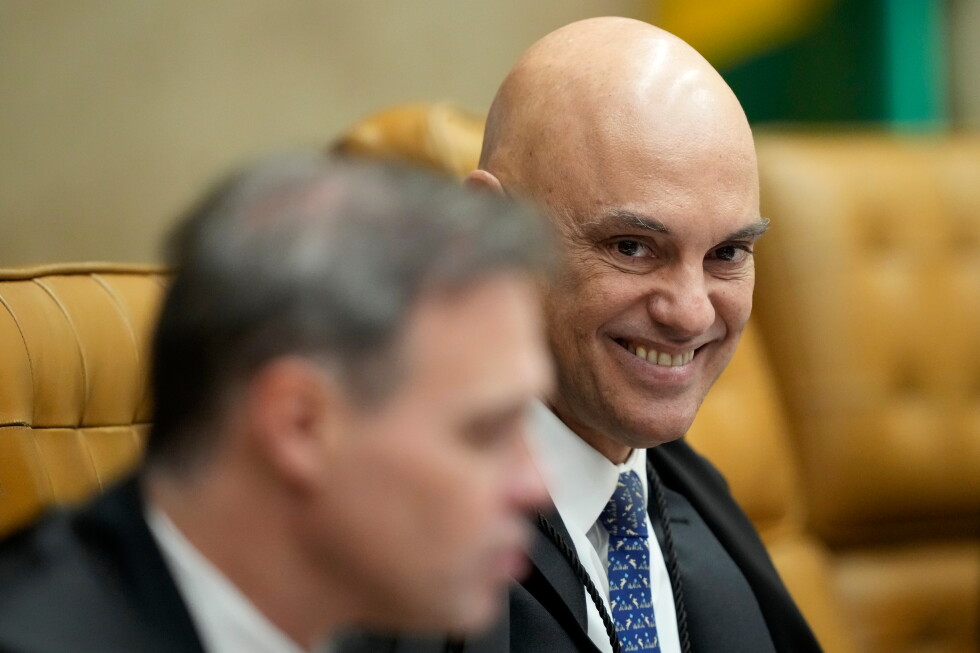
    The controversy centers on Alexandre de Moraes, the Supreme Court justice who recently handed down a 27-year prison sentence to former Brazilian President Jair Bolsonaro over his role in a 2022 coup attempt. Newly unsealed federal police documents have linked Moraes to disgraced fallen banker Daniel Vorcaro, the embattled owner of collapsed Banco Master, who is currently in jail awaiting trial on corruption charges.

    The documents, made public by Moraes’ fellow Supreme Court Justice André Mendonca—an appointee of former President Bolsonaro—outline that investigators have concluded Vorcaro repeatedly sought and acted on guidance from a person law enforcement identifies as de Moraes. In encrypted messages recovered by police, Vorcaro thanked the justice for the guidance (in sections of communications investigators have not been able to fully access) and referenced the alleged conversations in exchanges with personal associates. The filings also confirm a previously public 130 million Brazilian reais (equivalent to roughly $26 million) contract between Vorcaro and Moraes’ wife, Viviane Barci de Moraes, which Moraes personally reviewed.

    Legal representatives for Barci de Moraes issued a public statement Tuesday defending the justice’s actions, noting that Moraes only reviewed the contract to confirm no conflict of interest existed with his judicial role. They emphasized that Moraes has never participated in any court proceedings involving Banco Master or Vorcaro. As of Thursday, Moraes himself has not issued any public response to the allegations.

    Just 24 hours after the documents were unsealed, the full 10-member Supreme Court gathered for a scheduled session in Brazil’s capital Brasilia. Notably, none of the sitting justices publicly addressed the unfolding scandal during the meeting. Moraes sat directly next to Mendonca, the justice who released the documents, and the two did not exchange any words during the session, which was dedicated to other judicial business.

    Outside the court’s walls, however, pressure for Moraes to step down has grown rapidly across the political spectrum. Brazil’s leading daily newspaper Folha de S. Paulo issued a scathing editorial Wednesday arguing that Moraes’ continued tenure on the court brings ongoing dishonor and discredit to Brazil’s entire judicial system. “The most dignified and swift course would be for the justice to resign. That would spare the country’s institutions unnecessary and prolonged damage,” the paper stated, adding that the Brazilian Senate should move forward with impeachment proceedings if Moraes refuses to resign voluntarily.

    The scandal has already ensnared multiple high-profile politicians, and comes at a highly charged moment just ahead of October’s municipal elections. Flávio Bolsonaro, opposition senator and son of the former president, has already admitted to receiving at least $12 million in funding from Vorcaro to produce a biographical documentary about his father. Speaking at a campaign event in the southern state of Rio Grande do Sul, Bolsonaro called for Moraes’ immediate ouster, claiming the justice “committed several crimes” and arguing it is unacceptable for him to remain on the Supreme Court bench in light of the revelations. Multiple other electoral candidates across the political divide have echoed the call for Moraes to step down.

    Even allies of current President Luiz Inácio Lula da Silva have joined the calls for accountability. Carlos Fávaro, a former Lula agriculture minister who is widely seen as a leading voice for Brazil’s business community, wrote on social media that Moraes has only two paths forward: publicly clarify the full details of his relationship with Vorcaro, or resign. Sitting Lula government ministers have not commented publicly on the scandal, and Lula himself has also remained silent on the issue. The scandal has also drawn in other figures, including a long-time Lula ally who has been tied to Vorcaro’s corrupt activities.

    Moving forward, the full Supreme Court will need to vote on whether to authorize a formal investigation into Moraes’ alleged ties to Vorcaro. Procedural decisions about the timing and scope of any probe will fall to Mendonca, who is chairing the case, and Supreme Court Chief Justice Luiz Edson Fachin. Speaking at a formal ceremony ahead of the court’s afternoon session Wednesday, Fachin said he would carefully review all available evidence and follow all established procedures before announcing next steps in the coming days. “In moments of particular gravity, it is everyone’s duty to preserve the integrity of the Supreme Court, the authority of its decisions, respect for its rules and, above all, society’s trust in the institution,” Fachin said.

  • Why wait? Business grads buying firms to install themselves as CEO

    Why wait? Business grads buying firms to install themselves as CEO

    For generations, the standard career path for top Master of Business Administration (MBA) graduates in the United States followed one of two well-worn routes: climb the corporate ladder at a major multinational, or launch a risky startup from scratch. But a growing cohort of ambitious young business school graduates is now taking a third, far less conventional path: raising hundreds of thousands of dollars in investor capital to purchase existing, established companies and install themselves as chief executive officer immediately after graduation.

    This trend, known as entrepreneurship by acquisition or search-fund investing, has exploded in popularity in recent years. Data from 2023 shows that a record 94 new search funds were launched across the U.S. that year, with a total of $682 million in investor commitments poured into the model across 2022 and 2023. Specialized investment firms including Search Fund Partners, Aspect Investors and Anacapa Partners have emerged to back these young, would-be CEOs, drawn by data showing strong, stable returns: a study from the Yale School of Management describes the returns from search-fund acquisitions as “juicy by any standard,” even as critics question the wisdom of putting inexperienced 20-somethings in charge of long-standing businesses.

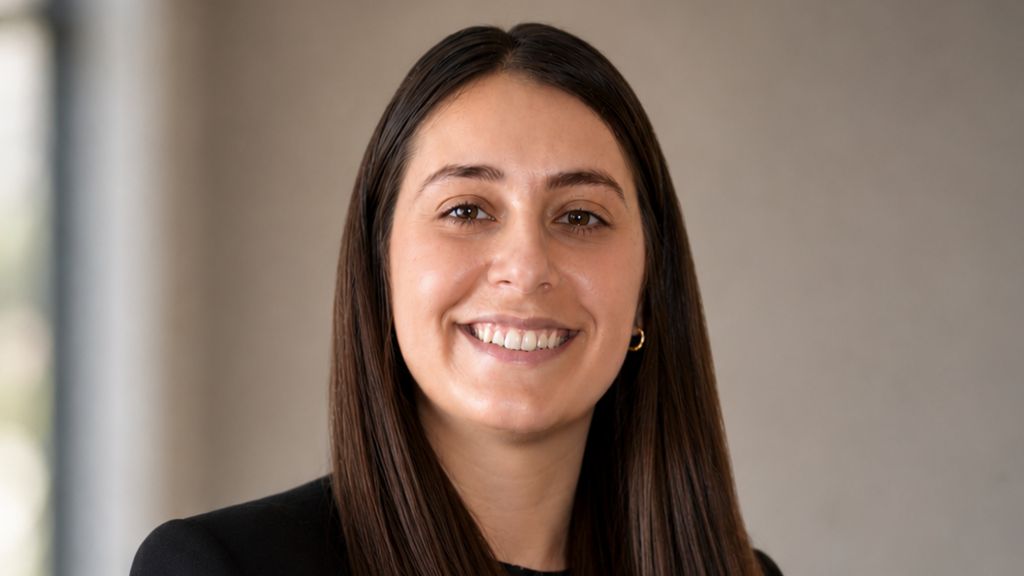
    For 30-year-old Ania Aliev, the journey to the CEO’s office began in an unlikely place: a hospital bed, while she waited to be induced for the birth of her first child in late 2023. Fresh off graduating from Dartmouth College’s prestigious Tuck School of Business, the former finance professional was still finalizing her acquisition deal for Life Support Systems, a Massachusetts-based medical equipment manufacturer, even as investors urged her to pause and focus on childbirth. Three months after welcoming her son, she stepped into the role of owner and CEO.

    Mindful of the common stereotype of a young, finance-trained newcomer arriving to dictate sweeping changes to long-tenured staff, Aliev intentionally adopted a slow, listening-first approach. “If you judge a book by its cover, it’s very easy to be like ‘oh, young girl, Wall Street background, coming in here and telling me what to do’… I was really conscious about that,” she explained. “I really didn’t want to come off that way to my team. My initial approach was just to observe and learn, not come in swinging with a new agenda.”

    More than two years into her tenure, Aliev has delivered on her growth promise: she led the acquisition of a competing firm, a move that has doubled the size of Life Support Systems. While most staff have embraced the new direction, the transition has not been entirely seamless: some longtime employees have left, and Aliev made a small number of roles redundant for workers who were unwilling to adapt to the growth-focused culture. Meaghan Richardson, a long-tenured team member at the company, acknowledges the adjustment was challenging, but frames the change as positive: “It can be a little bit challenging sometimes for those of us who have been here a long time… but it’s been really great since she’s come in because she’s just turned a lot of stuff around, which is really exciting.”

    For every success story like Aliev’s, however, the model carries significant risk, as 39-year-old Scott Duncan can attest. A Harvard Business School MBA, Duncan launched his own search fund in 2018 and ultimately acquired F&M Tool and Die, a Massachusetts-based industrial parts manufacturer that looked like a perfect fit on paper, aligning with his prior engineering experience. At 31, he stepped into the CEO role, but struggles began almost immediately.

    Within months, key skilled employees left the company – including one who launched a low-cost competitor and poached a major client – and remaining staff pushed back against proposed changes. Duncan quickly realized the business had been built entirely around the personality and leadership of the previous owner, and it was nearly impossible for an outsider to take the reins. What followed was seven years of mounting challenges: the Covid-19 pandemic, rising competition from cheaper Chinese imports, and even a major flood that damaged the company workshop. Duncan describes the slow, grinding struggle as “death by a thousand cuts.”

    In February 2024, Duncan had no choice but to shut down the business permanently. He broke the news to his assembled staff, and later filed for personal bankruptcy. “I was a shell of a human being,” he recalled of the period. Now working as a business consultant, Duncan does not oppose the search-fund model, but he urges extreme caution for the young MBAs who enter the space assuming they are immune to failure: “It’s really, really hard, even when things are going well.”

    Leadership experts note that the success or failure of a young new CEO often hinges less on age and more on how they manage uncertainty. Jacqueline Ackerman, a leadership coach and managing partner of Chicago-based Vantage Leadership Consulting, explains that employees do not inherently resist younger leaders: “I don’t think people actually resist youth. I think they resist uncertainty. A lot of times people would associate younger leaders with a lot of change, which creates that uncertainty.”

    For successful young acquirers like Aliev, the model has delivered on its core promise: a career that feels far more fulfilling than the traditional corporate finance roles many leave behind. “I knew I didn’t want to do banking… I just was so unfulfilled by it,” she says. As the number of search funds continues to hit record highs, the debate over whether this trend is a brilliant shortcut to the C-suite or reckless overconfidence will only grow louder among investors and business leaders alike.

  • Watch: What happens now after Lindsay Clancy trial jurors deadlocked again?

    Watch: What happens now after Lindsay Clancy trial jurors deadlocked again?

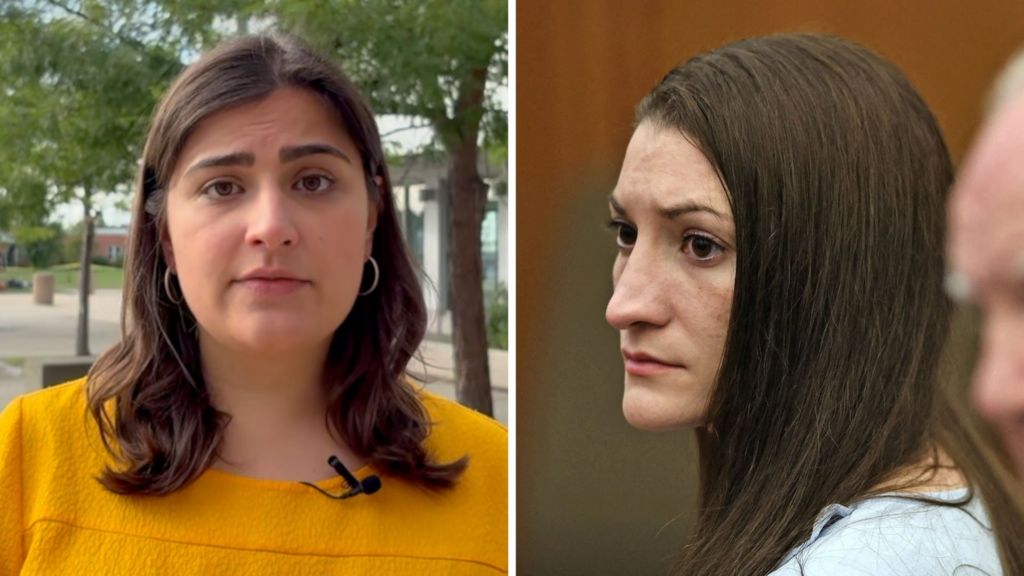
    For the second time in the high-profile Lindsay Clancy trial, jurors have failed to reach a unanimous verdict, leaving the future of the proceedings hanging in the balance. Legal observers and family members of those involved are now closely watching to see whether a mistrial will be officially called by the presiding judge. BBC correspondent Ana Faguy, who has covered the trial from inside the court room, broke down the next steps that could unfold in the wake of this latest deadlock. A jury deadlock occurs when jurors cannot agree on a guilty or not guilty verdict after an extended period of deliberation, forcing the court to weigh its options for moving forward. A second deadlock significantly increases the likelihood of a mistrial being declared, which would result in the entire case being scrapped and leave prosecutors to decide whether to pursue a new trial at a later date. Faguy’s on-the-ground reporting from the court outlines the procedural rules that will guide the judge’s decision, as well as the broader implications of either proceeding with a new panel of jurors or dismissing the case entirely. Stakeholders on both sides of the case are now in a holding pattern, waiting for official confirmation of the court’s next move as the legal process plays out.

  • Wolves announce signing of defender Konan

    Wolves announce signing of defender Konan

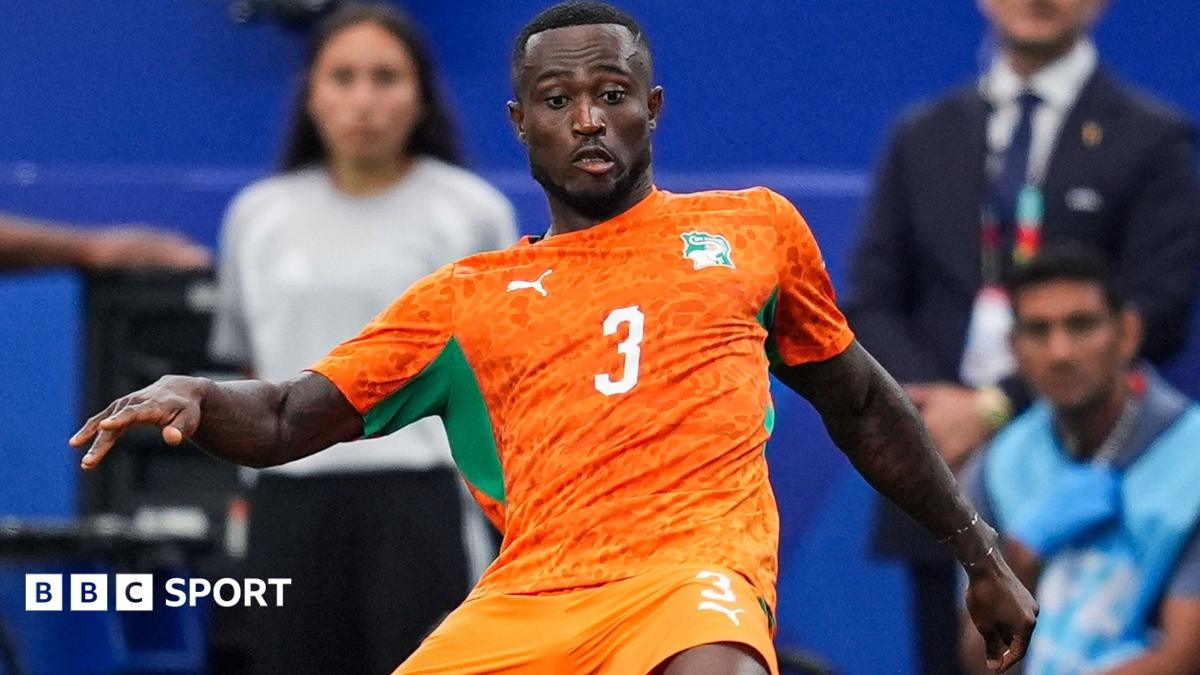
    English Championship club Wolverhampton Wanderers has pulled off an unusual late addition to its squad, confirming the signing of Ivorian international left-back Ghislain Konan nearly a full day after the summer transfer window officially closed. The 30-year-old, who has earned 57 caps for the Ivory Coast national team and featured in this summer’s World Cup tournament, has put pen to paper on a one-year contract with the Midlands side.

    The transfer fills a sudden vacancy in Wolves’ first-team squad that opened up when full-back David Moller Wolfe completed his deadline-day move to German club SV Hamburg. Konan also brings existing familiarity with Wolves’ newly appointed head coach Cesar Peixoto, having played under Peixoto during a 2024-25 season stint at Portuguese top-flight side Gil Vicente.

    A product of famed Ivorian youth academy ASEC Mimosas, Konan launched his professional career in his home country before making the move to European football with Portugal’s Vitoria Guimaraes. In 2018, he joined French Ligue 1 side Stade de Reims, where he established himself as a regular starter over five seasons. After his time in France, Konan’s career took him across multiple leagues: he spent two stints in the Saudi Pro League with Al-Nassr and later Al-Fayha, played half a season in Spain’s Segunda Division with Burgos, and most recently lined up for Gil Vicente in Portugal’s Primeira Liga last term.

    The signing wraps up Wolves’ summer transfer business, addressing a last-minute departure with an experienced defensive option who already has a working relationship with the club’s new coaching staff.

  • Protests in Spain over government’s handling of Ceuta migrant crisis

    Protests in Spain over government’s handling of Ceuta migrant crisis

    A wave of nationwide protests has swept across Spain this week, with thousands of demonstrators turning out in major cities including Madrid to condemn Prime Minister Pedro Sánchez’s response to the unprecedented mass migrant influx into the North African Spanish exclave of Ceuta. Organized by local councils controlled by or heavily influenced by the conservative opposition Popular Party (PP) and far-right Vox party, the rallies have amplified political pressure on the Sánchez administration, with thousands of protestors gathering in Ceuta itself to demand urgent action on the lingering humanitarian and security situation.

    The crisis unfolded in late July, when more than 72,000 migrants crossed the border from Morocco into Ceuta over just two days, on July 30 and 31. While most of the migrants have since returned to Morocco, an estimated 5,000 remain, residing in overcrowded makeshift camps, spreading across city streets and occupying public beaches. This unresolved situation has sparked widespread unrest among local Ceuta residents, who have held near-daily protests calling for the remaining migrants to either be repatriated to their home countries or redistributed to other regions of Spain.

    The political fallout deepened this week following the release of a Spanish National Police report obtained by local media, which contradicts earlier claims from Prime Minister Sánchez that Morocco bore no responsibility for the mass crossing. The report, submitted by the National Immigration and Borders Centre (CENIF) to Spain’s National Court, documents that Moroccan security forces maintained a posture of “total permissiveness” during the influx. It notes that Moroccan police deployed far fewer personnel around the Ceuta border than is standard during normal operations, and interviews with crossing migrants described Moroccan authorities taking a passive approach as thousands crossed. While the report stops short of explicitly accusing Morocco of orchestrating the crisis, it directly undermines Sánchez’s prior public stance on the incident. Morocco has repeatedly denied any involvement in facilitating the mass crossing.

    Sánchez has pushed back against opposition criticism, framing the crisis as the result of human trafficking gangs that lured migrants across the border with false promises spread through online misinformation. The prime minister has also accused right-wing opposition parties of deliberately exploiting the emergency for political gain. Pre-crisis context compiled by Spanish fact-checking outlet Maldita supports the misinformation claim: the outlet confirmed that in the weeks leading up to the July crossing, encouraging messages circulated widely across Moroccan social media platforms, spreading false claims that the border fence was safe and easy to cross. This social media campaign followed a June ruling by Spain’s Supreme Court, though the exact connection remains unconfirmed. According to Ceuta’s mayor, at least 100 migrants have died attempting to swim around the border fence to enter the exclave, contradicting the false claims of easy access spread online.

    On Wednesday, more than 50,000 protestors gathered in the Spanish capital Madrid, according to government counting. PP leader Alberto Núñez Feijóo joined the Madrid rally and delivered a sharp rebuke of the Sánchez government, claiming: “A Spanish city has been invaded, occupied and, unfortunately, this happened with the knowledge of the Government of Spain.” Vox party leader Santiago Abascal went even further, delivering an incendiary speech claiming Sánchez acts “at the service, like a lackey, of the Moroccan regime.” Protesters across all rallies called for Sánchez to step down over his handling of the crisis.

    Local Ceuta resident David Hernandez, a 45-year-old teacher who joined the rally in his home city, told reporters that the government’s response had been unacceptable. “The response has been inadequate, late and, to top it all, has involved a complete dereliction of duty on the part of the government,” he said. “We cannot be second-class citizens, and our border must not be sidelined.” Demonstrators in Ceuta chanted slogans including “Ceuta is not for sale, Ceuta must be defended.”

    The Ceuta crisis is the latest flashpoint in decades of tense diplomatic relations between Spain and Morocco. Morocco has long maintained a formal territorial claim over both Ceuta and the neighboring Spanish autonomous exclave of Melilla, both of which are located on the North African coast and controlled by Spain. The unresolved dispute has repeatedly created friction between the two neighboring nations, with migration often emerging as a core point of contention in bilateral talks.

  • LA Clippers fined $30m by NBA over Leonard deal

    LA Clippers fined $30m by NBA over Leonard deal

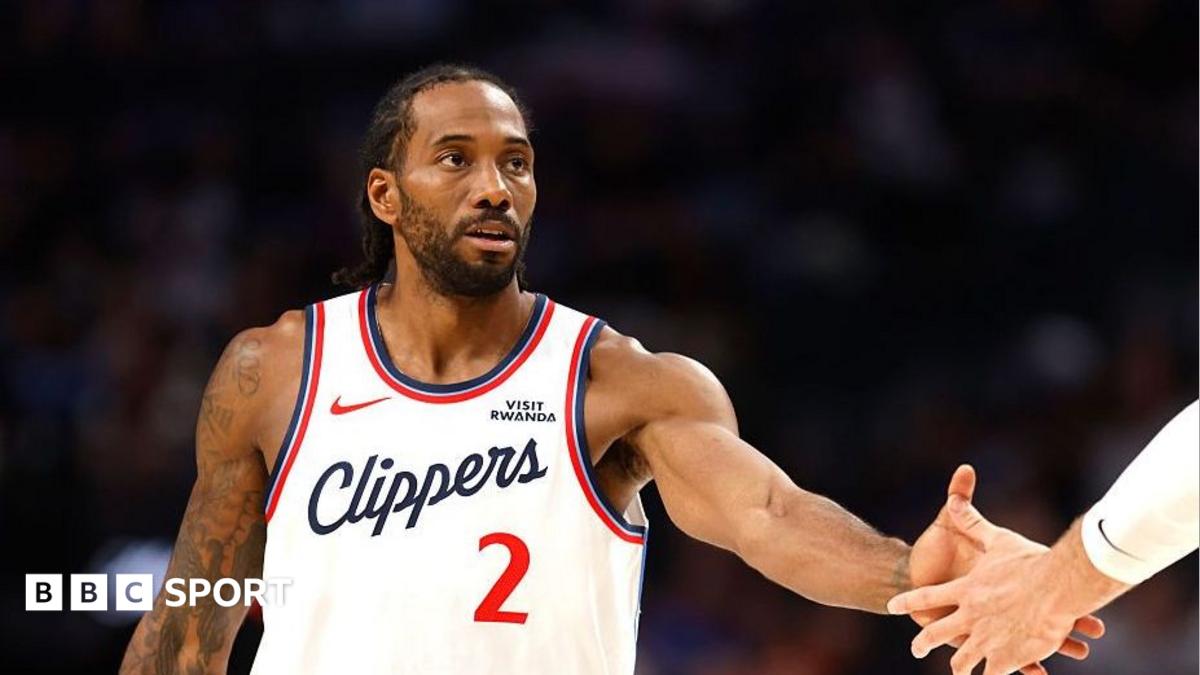
    The National Basketball Association (NBA) has issued the harshest set of penalties in league history to the Los Angeles Clippers, stemming from years-long violations of salary cap rules tied to star forward Kawhi Leonard. The sanctions, announced following a comprehensive month-long league investigation, include a $30 million fine — the largest ever levied against an NBA franchise — the forfeiture of five first-round draft picks between 2029 and 2033, and a one-year suspension of team owner Steve Ballmer from all league and team activities. The penalties come after the NBA probe confirmed a pattern of deliberate misconduct focused on arranging unauthorized off-court income for Leonard during his seven-year tenure with the franchise, which began when he signed with the Clippers as a high-profile free agent in 2019.

    The NBA’s official investigation found that Leonard actively pressured the Clippers organization to secure and facilitate these off-court endorsement and income opportunities, which were structured to bypass the league’s strict salary cap regulations. League commissioner Adam Silver emphasized that the unprecedented severity of the punishments directly reflects the gravity of the franchise’s actions, noting he was deeply disappointed by the Clippers’ flagrant violations of longstanding league rules. The team is no stranger to such transgressions: the NBA confirmed the Clippers are repeat offenders of salary cap circumvention rules, a factor that amplified the severity of the penalties.

    Alongside the team-level sanctions, Leonard, a 35-year-old two-time NBA champion and two-time Finals MVP who left the Clippers for another franchise earlier this year, has been fined $700,000 by the league. Gillian Zucker, the Clippers’ president of business operations, received a one-year unpaid suspension after the league found she provided intentionally misleading statements to investigators probing the violations. For the next five years, all Clippers organizational leadership and personnel will be required to participate in a league-supervised compliance and monitoring program to prevent future rules-breaking.

    In the immediate aftermath of the ruling, Leonard released a public statement via Instagram acknowledging his role in the situation. He stated he accepts full responsibility for his actions, and expressed regret for the distraction the controversy has created for Clippers fans and his own family. The forward pushed back against claims of intentional cap circumvention, however, writing that he entered his original contract with the Clippers and the disputed off-court agreements in good faith, and had no knowledge of any plan by other parties to bypass NBA salary cap rules.

  • Israel vows to retaliate if UK imposes sanctions

    Israel vows to retaliate if UK imposes sanctions

    A sharp diplomatic standoff between Israel and the United Kingdom has intensified in recent days, as top Israeli officials have issued explicit warnings that any new British sanctions targeting illegal Israeli settlements in the occupied West Bank will trigger a swift and proportional retaliation from Jerusalem.

    The public escalation began during an interview with Israeli domestic news outlet Ynet this Tuesday, when Israeli Foreign Minister Gideon Sa’ar laid out Israel’s position amid growing tensions over Israel’s recently announced plan to expand settlement construction in the West Bank’s highly contentious Area E1. Sa’ar levelled criticism directly at the UK’s current Labour government, accusing the administration of pursuing a coordinated agenda against Israel. He noted the government has already restricted Israeli defense imports and imposed punitive measures on senior Israeli ministers, actions that set the stage for the current crisis.

    The Labour government first imposed targeted sanctions in June 2025, when it blacklisted far-right Israeli cabinet members Itamar Ben Gvir and Bezalel Smotrich for their role in inciting settler violence against Palestinian communities during Israel’s ongoing military campaign in Gaza. This Tuesday, UK Foreign Secretary Ed Miliband formalized plans for further action during an address to British Members of Parliament, confirming his government would roll out a “comprehensive” package of sanctions in the coming weeks.

    Miliband emphasized that Israel’s proposed E1 development – which would connect Jerusalem to the existing Ma’ale Adumim settlement and other Israeli built communities east of Jerusalem, effectively splitting the core territory Palestinians have earmarked for their future independent state – poses an existential threat to the prospect of a two-state solution to the Israeli-Palestinian conflict. “This government will not acquiesce in the destruction of the two-state solution,” Miliband told lawmakers, confirming that concrete measures would be outlined in the near term.

    The proposed E1 project has been a flashpoint for international criticism for decades, as its implementation would permanently cut off the geographic contiguity of the West Bank, making a sovereign, viable Palestinian state functionally impossible. Sa’ar rejected Miliband’s announcement outright, framing the planned sanctions as an unjust attack on Israeli interests. “If Britain acts against Israel, Israel will act against Britain,” Sa’ar told Ynet. “They will be making a big mistake. Israel will not be a passive victim of this policy, and we will defend our rights, our interests and our people.” Sa’ar added that Israeli authorities are already making preparations for potential sanctions and finalizing their retaliatory response.

    This public exchange is the latest high-profile clash between the two countries’ top diplomats: just last month, Sa’ar and Miliband traded critical remarks over the E1 settlement expansion plan, opening the rift that has now widened into a full diplomatic crisis.

    According to a Monday report from Israeli right-wing newspaper Ma’ariv, Israeli officials have already privately warned London that any new sanctions on settlements will be met with a “substantial” response. The report noted that Israeli leadership has not yet finalized the form of retaliation, with multiple options on the table including diplomatic and economic measures. One option reportedly under active consideration is the expulsion of British representatives from the US-led International Gaza Support Centre (IGSC), the multinational body established to monitor the ongoing Israel-Hamas ceasefire in Gaza.

    This would not be an unprecedented step for Jerusalem: just last week, Israel expelled Dutch officials from the IGSC in response to the Netherlands’ recent ban on imports of goods produced in illegal Israeli settlements. Earlier this year, Israel similarly removed Spanish representatives from the body, accusing the Spanish government of “obsessive anti-Israel bias.”

    Still, Ma’ariv reported that Israeli leadership is weighing the potential long-term risks of a harsh retaliation against the UK, noting that future British governments led by the Conservative Party or a Reform UK-aligned administration are widely expected to adopt a far more pro-Israel stance. The report also confirmed that the United States administration has been working behind the scenes as an intermediary between the two governments, actively pressuring London to abandon its planned sanctions package.

  • Uber shuts operations in Nigeria and Uganda with immediate effect

    Uber shuts operations in Nigeria and Uganda with immediate effect

    The global ride-hailing powerhouse Uber has delivered a sudden shake-up to its African operations, announcing an immediate full withdrawal from Nigeria — the continent’s most populous nation — and the East African country of Uganda. The company framed the exit as a “difficult decision” reached following a comprehensive review of its global business portfolio, ending 12 years of service in Nigeria and 8 years in Uganda, where it launched in 2014 and 2016 respectively.

    The pullout comes as the company faces broader cost-cutting pressures worldwide: Uber CEO Dara Khosrowshahi recently confirmed the firm would slash 10% of its global workforce to align with shifting economic conditions. This latest exit marks the fourth African market Uber has abandoned in just 12 months, following earlier departures from Ivory Coast and Tanzania. After the restructuring, only four African countries will retain Uber operations: Egypt, Ghana, Kenya, and South Africa.

    In an official statement shared with the BBC, the company emphasized that the exit is isolated to Nigeria and Uganda, noting, “This decision is limited strictly to these two markets and does not impact our operations across the rest of the continent. We remain committed to sub-Saharan Africa, where we continue to see strong growth and opportunity.”

    Long before the exit announcement, Uber had faced mounting operational headwinds in Nigeria. For years, local drivers have organized protests over uncompetitive app fares that failed to keep pace with skyrocketing fuel costs, alongside criticism that Uber’s commission fees cut too deeply into drivers’ already thin profits. Intense competition from rival platforms, including European rival Bolt, Russian-founded inDrive, and a growing cohort of domestic ride-hailing startups, also squeezed Uber’s market share in the country.

    Over its decade-long tenure in Nigeria, Uber experimented with innovative service expansions to adapt to local conditions. In Lagos, the economic heartbeat of the country and one of the most gridlocked cities on Earth, the company launched a water taxi service in 2019 to help commuters avoid the city’s legendary daily traffic jams that routinely disrupt commercial and daily life. However, even these adaptations could not offset the increasingly challenging operating environment that has plagued all ride-hailing operators in Nigeria in recent years.

    The situation worsened dramatically after Nigerian President Bola Tinubu removed decades-old national fuel subsidies following his 2023 election, a policy shift that sent fuel prices soaring and pushed up the cost of living across the country. This year, drivers were hit by a second wave of price increases, driven by global market volatility tied to the ongoing tensions between the United States and Iran.

    For commuters in Uganda’s capital Kampala, Uber’s exit will bring significant changes to daily travel, local newspaper Daily Monitor reports. However, industry analysts note that the gap left by Uber will almost certainly be filled quickly by existing local and regional competitors, including Faras, Bolt, and motorcycle ride-hailing platform SafeBoda.

    Uber has stated that it will provide support to all employees and drivers affected by the exit in both markets. The company’s local support centers will remain operational through September 23 to resolve any outstanding payments, account issues, or other concerns for users and workers in the two countries.

  • Watch: Trump ‘happy’ that Prince Harry and Meghan left the US

    Watch: Trump ‘happy’ that Prince Harry and Meghan left the US

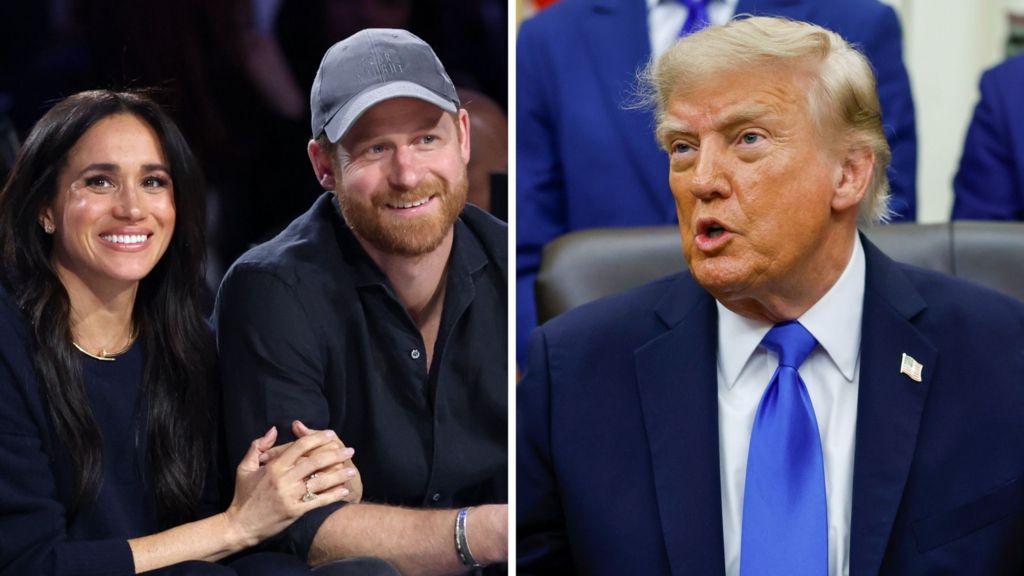
    Former U.S. President Donald Trump has publicly weighed in on the controversial departure of Prince Harry and Meghan Markle from North America, revealing that he is satisfied with their exit while also criticizing the couple for their treatment of the British Royal Family.

    In a recent public comment captured on camera, Trump stated that he is “happy” that Prince Harry and Meghan have left the United States. The former commander-in-chief also made clear that he has never been a supporter of the couple, pointing to what he calls their inappropriate behavior toward the monarchy.

    According to Trump, Prince Harry and Meghan showed “great disrespect” to the Royal Family throughout their time as working royals and in the period following their decision to step back from official royal duties and relocate to North America. The comments come amid ongoing public interest in the couple’s post-royal lives and their relationships with both the House of Windsor and U.S. political circles. Trump’s remarks add another layer of political discussion to the already highly publicized narrative surrounding Harry and Meghan’s transatlantic journey.