博客

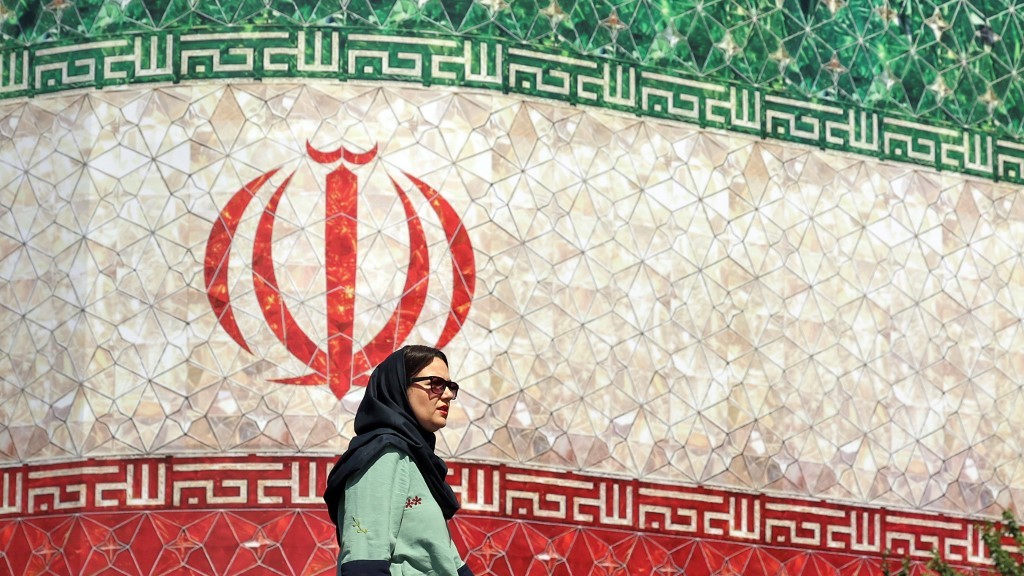
  • Tunisia steps up civil society crackdown as anger mounts over power and water shortages

    Tunisia steps up civil society crackdown as anger mounts over power and water shortages

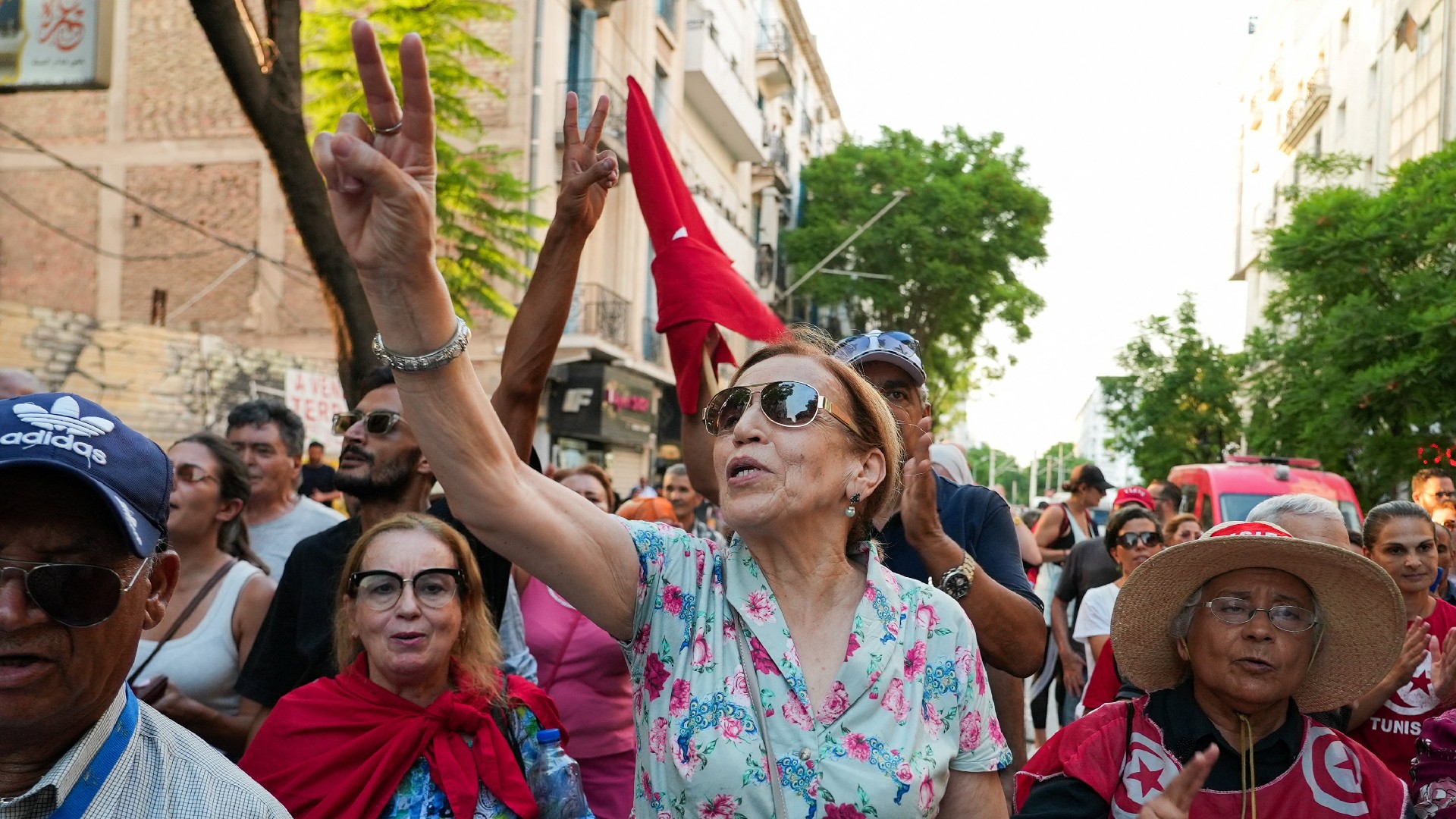
    As record-shattering summer heat pushes Tunisia into a dual crisis of widespread infrastructure collapse and growing public fury, President Kais Saied’s administration has intensified a sweeping, systematic crackdown on the country’s already beleaguered civil society sector, a new Human Rights Watch (HRW) investigation has found. In a 49-page report published Wednesday, the global rights watchdog warns that the escalating targeting of non-governmental organizations (NGOs) is not isolated harassment, but a deliberate campaign to eliminate independent civil society from the North African nation entirely.

    The report lays out a detailed timeline of repression that began between May and December 2024, when authorities arrested 14 staff members from two types of groups in particular: organizations that provide support to asylum seekers, and anti-racism advocacy groups. From 2025 through the first half of 2026, at least 47 individuals linked to targeted NGOs have gone through prosecution in Tunisian courts, the investigation found. At least 10 of those people have been held in pre-trial detention for periods longer than the 14-month maximum allowed under Tunisian national law, a clear violation of domestic legal standards.

    One of the highest-profile cases highlighted in the report is that of Saadia Mosbah, a leading Tunisian human rights defender. In March 2026, Mosbah was sentenced to eight years in prison and ordered to pay a substantial fine on what HRW calls “abusive charges of financial crimes” that are widely seen as politically motivated. Five additional employees of asylum support organizations have also been convicted on similar fabricated charges tied directly to their professional work assisting vulnerable populations, the report confirms. All targeted organizations have been forced to cease operations entirely, leaving critical gaps in services for marginalized communities across Tunisia.

    Saied’s government has also weaponized existing counterterrorism and anti-money laundering laws to criminalize even basic assistance to foreigners living in Tunisia with irregular immigration status, turning humanitarian work into a criminal act.

    The government’s crackdown on dissent has done little to quell growing public anger, which has boiled over into mass street protests in recent weeks amid an unfolding climate and infrastructure emergency. This summer, temperatures in Tunisia have repeatedly climbed close to 50 degrees Celsius, driving unprecedented demand for electricity for cooling and increased strain on water supplies. To cope with constrained generation capacity, the Tunisian Company of Electricity and Gas rolled out rolling, rotating power cuts across multiple regions of the country.

    Those outages have triggered a cascading crisis that has hit the country’s water distribution network, which depends on electric-powered pumping stations to deliver supplies to homes and businesses. The outages have added extra pressure to a water system already severely weakened by years of persistent drought. Compounding the crisis, power cuts and shortages of raw plastic have disrupted production of bottled water, leaving communities without reliable access to safe drinking water during the record heat wave.

    The public health system has been pushed to breaking point as a result. Emergency departments across the country are already overwhelmed treating heat-related illnesses, and on August 29, the Tunisian Organisation of Young Doctors issued a statement warning of an “unprecedented” spike in heat-related deaths, and calling on the Saied administration to declare an official national health emergency.

    Facing growing public outrage over the failures of basic services, Saied has responded by blaming unspecified actors for sabotage, a familiar pattern of conspiratorial rhetoric from the president. He has claimed the outages and shortages are “premeditated acts aimed at inflaming the situation by any means necessary, spreading lies and rumours to sow confusion” and “mistreating citizens even in the most basic services” — but has failed to produce any public evidence to back up these claims.

    The current crackdown on civil society is part of a broader erosion of democratic norms that began shortly after Saied’s July 2021 power grab, when he dissolved the sitting parliament, seized executive authority, and moved to consolidate power under his personal control. Since that time, Tunisian civil liberties have deteriorated to what multiple local and international rights groups describe as an “alarming” state, with widespread condemnation of what they call Saied’s “authoritarian drift” and the sharp, systemic erosion of fundamental rights across the country. Dozens of journalists, opposition politicians, and human rights defenders have been arrested, with many handed lengthy, heavy prison sentences in recent years.

  • Exclusive: Blair asked PA to remove ‘Palestine’ from textbooks, former UK envoy says

    Exclusive: Blair asked PA to remove ‘Palestine’ from textbooks, former UK envoy says

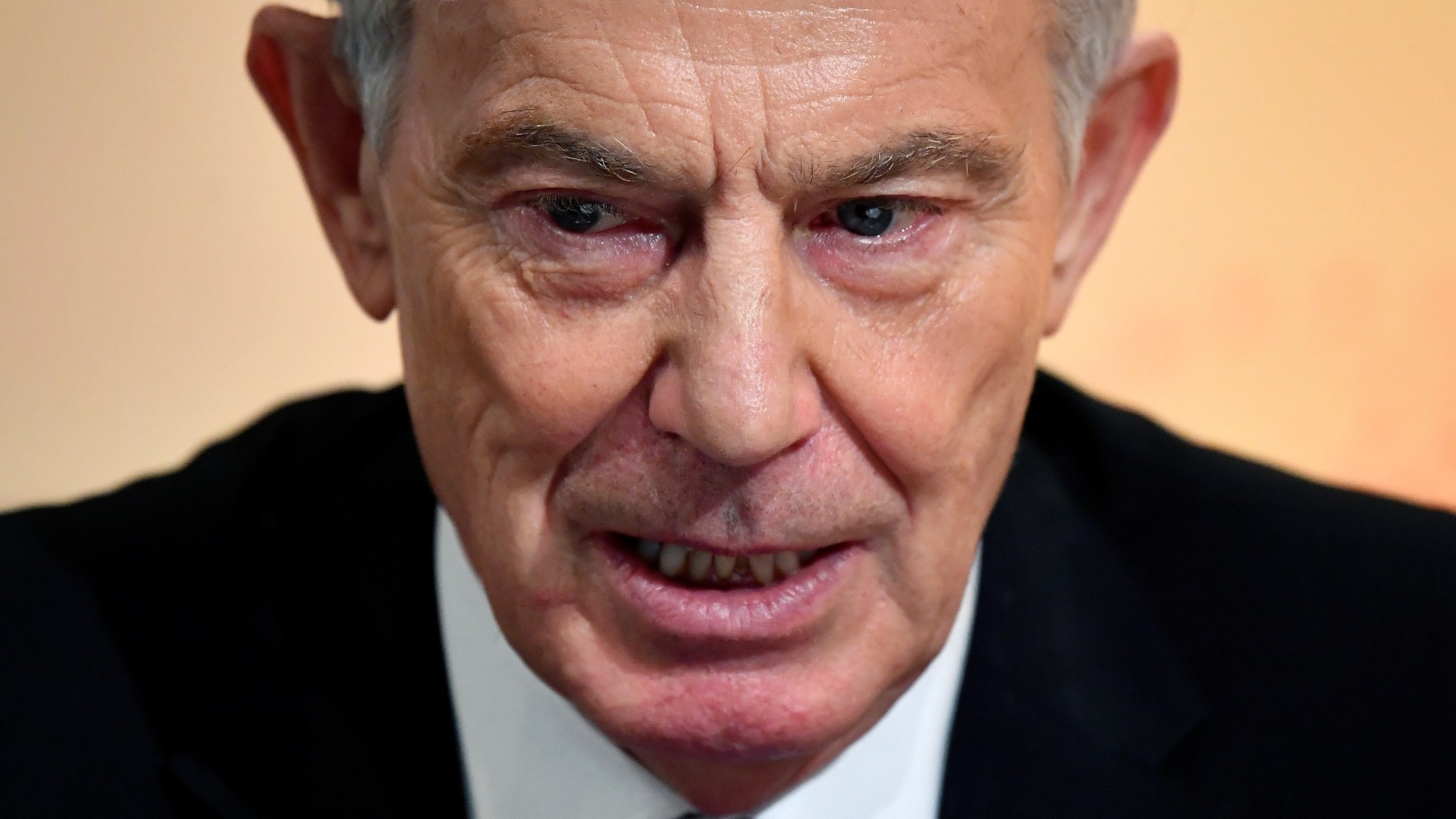
    In a bombshell revelation shared during the David Hearst Podcast, former British Permanent Representative to the United Nations Jeremy Greenstock has pulled back the curtain on a controversial diplomatic demand tied to Donald Trump’s Board of Peace, the U.S.-established body tasked with overseeing post-war Gaza reconstruction. According to Greenstock, the board tapped former UK Prime Minister Tony Blair to pressure the Palestinian Authority (PA) to strip all references to the word ‘Palestine’ from its national school curricula, replacing the term with ‘Samaria’ – the Jewish historical designation for the region. Greenstock, who served as Blair’s senior diplomatic envoy during his time in Downing Street, confirmed the condition was explicit: only if the PA complied with the erasure would the Board of Peace recognize it as a legitimate negotiating partner for a final peace deal with Israel to end the ongoing Gaza conflict.

    The demand was immediately and unequivocally rejected by PA President Mahmoud Abbas, Greenstock confirmed. This revelation has sparked fierce debate over the underlying principles guiding the U.S.-backed peace body, with Greenstock questioning the board’s commitment to basic concepts of justice, historical fairness, and longstanding diplomatic norms in the Middle East.

    Blair’s own policy institute, the Institute for Global Change, has issued a flat denial that the former prime minister made the request. Still, the disclosure lines up with a growing, coordinated global campaign led by Israel and its supporters to eliminate references to ‘Palestine’ and Palestinian identity from educational materials and public cultural institutions, multiple recent investigations and on-the-ground actions confirm.

    Greenstock, speaking from his decades of firsthand experience in Middle East diplomacy, also pulled no punches in his assessment of Blair’s current role heading postwar Gaza planning for the Board of Peace, noting the former prime minister has already encountered significant headwinds in the position. ‘Because of his record on Iraq and on Palestine since he left government, he will be seen as prejudiced. So I think he will have, and is having, difficulties,’ Greenstock explained. He went further, dismissing the entire Board of Peace as an ‘abstract and arbitrary committee’ structurally incapable of shouldering the weight of the high-stakes decisions required to resolve the future status of the Palestinian territories. ‘I don’t think the Board of Peace is a strong enough construct to bear the weight of the difficult decisions that are going to have to be made,’ he emphasized.

    The timeline of diplomatic activity confirms Blair travelled to Israel in mid-August alongside Jared Kushner, Trump’s son-in-law and senior political advisor, and Nickolay Mladenov, the board’s high representative for Gaza. The trio held closed-door, high-stakes talks with Israeli Prime Minister Benjamin Netanyahu, who has already rejected the board’s proposed postwar roadmap for Gaza. Following the Israel meetings, the delegation travelled to Cairo to meet with a proposed Palestinian technocratic interim government that would take control of Gaza post-conflict, as well as representatives of Hamas.

    Greenstock’s criticism extends far beyond the Board of Peace and Blair’s role. In a sharp rebuke to Britain’s new Prime Minister Andy Burnham, the former envoy urged the UK government to stand firm on principle in its Middle East policy, questioning the contradiction of British support for Ukraine in the face of illegal Russian invasion, while failing to hold Israel accountable for its actions in occupied Palestinian territories. ‘How can Andy Burnham go to Kyiv and support President Zelensky because the Russians invaded Ukraine illegally against United Nations principles, to be condemned around the world for going against the United Nations Charter, and not stand up for justice in the Middle East in the Arab-Israel question?’ Greenstock asked.

    He called for a full review of British arms sales to Israel, and argued that under international law, the UK is obligated to arrest both Netanyahu and former Israeli Defense Minister Yoav Gallant if they enter British territory, as both men face active arrest warrants from the International Criminal Court. ‘We’re under an obligation through our treaty position in the UN and through our support for the statute of the ICC. I think as far as the ICC is concerned, and if anybody who had been indicted by the judges of the ICC, they should be arrested,’ he stated.

    Greenstock also outlined his analysis of Netanyahu’s long-term strategic goals, arguing the Israeli prime minister is acting to fulfill a promise to his late father, historian Benzion Netanyahu, to annex the entire West Bank (referred to by Israelis as Judea and Samaria) and bring it under permanent Israeli sovereignty. He said Netanyahu saw the October 7, 2023 attacks as a unique opportunity to advance that goal.

    Turning to broader trends in global power and the ongoing regional conflict, Greenstock warned Israeli citizens that their country is rapidly losing soft power influence across the globe, a shift that will have long-term consequences for Israeli security. He emphasized that lasting peace can only come through compromise with regional actors, noting that military solutions to long-standing political disputes have repeatedly failed in the modern era. ‘If I was an Israeli citizen, I would worry that my country was losing soft power appeal around the world. It matters in the long term, and it matters for peace and security in the Middle East that there should be some sense of compromise,’ he said.

    Greenstock, who served as a senior coalition official in Iraq immediately after the 2003 invasion, reflected on his firsthand experience with U.S. foreign policy, arguing that America’s overreliance on hard power has led to repeated military failures across the Middle East over the past two decades. He noted that since the 1999 Kosovo conflict, neither the U.S. nor the UK has achieved a decisive, lasting victory in any military intervention, a trend he attributes to a fundamental misunderstanding of modern power dynamics. ‘We are in a world now where power has been diffused in all sorts of ways. And soft power has become more important. The capacity to persuade rather than compel has become extremely important… The legitimacy of using weaponry to force your will has become diminished in world opinion,’ he explained.

    On the recent U.S.-Israeli strikes on Iran, Greenstock argued the Trump administration failed to adequately plan for the consequences of the attack, miscalculating Iran’s asymmetric military capabilities, including its ability to disrupt global oil trade through the Strait of Hormuz. He also suggested the timing of the strike was not accidental, noting it aligned with growing domestic political pressure on Trump over the Jeffrey Epstein files and multiple legal challenges facing his administration. ‘It’s not an accident that the timing of that attack on Iran might have been affected by things that were happening domestically,’ he said.

    Greenstock also addressed the recent Mecca Agreement signed by Turkey, Saudi Arabia, and Pakistan, framing the pact as a clear response to growing Arab and Muslim distrust of U.S. leadership in the region. He explained that two key factors have eroded confidence in U.S. leadership: the repeated failure of U.S. hard power to deliver stable political outcomes in the Middle East, and the Trump administration’s explicit prioritization of ‘Make America Great Again’ domestic interests over the needs and priorities of U.S. allies in the region.

    Looking at the broader shift in global diplomacy, Greenstock noted that the core moral and legal principles enshrined in the UN Charter are increasingly being set aside in favor of unilateral pursuit of narrow national interest, a shift that has reshaped Middle Eastern politics more than any other region. Today, he argued, there is no shared framework of principles guiding regional negotiation, unlike the cooperative security model developed in Europe after the Cold War.

    Contextualizing the reported textbook demand, recent weeks have seen multiple high-profile actions advancing the erasure of ‘Palestine’ from public life. Just days before Greenstock’s interview, Israeli authorities began imposing their national curriculum on more than 45,000 Palestinian students in state-run East Jerusalem schools, part of a broader crackdown on Palestinian education in the occupied city. Earlier this year, UNRWA Lebanon, the UN agency for Palestinian refugees that Israel has banned from operating, faced intense pressure that forced it to replace the word ‘Palestine’ with ‘West Bank’ and ‘Gaza Strip’ on sixth-grade geography maps, a move that sparked widespread protests and strikes across Palestinian communities. That pressure came even after an independent review led by former French Foreign Minister Catherine Colonna found no evidence to support Israeli claims that UNRWA staff participate in terrorist organizations.

    In the United Kingdom, a cross-party group of members of Parliament has recently called for a formal investigation into the British Museum’s decision to remove references to ‘Palestine’, ‘Palestinian’ and ‘Israelite occupation’ from its public displays. An investigation by Middle East Eye confirmed the museum’s decision came directly in response to targeted lobbying by pro-Israel activists between October and December 2024.

    Since the October 2024 ceasefire brokered by the U.S. that established the Board of Peace, violence has continued unabated in Gaza. Israel has carried out repeated air and drone strikes across the enclave, killing at least 1,300 Palestinians and wounding more than 4,000. Just this week, at least seven rapid air strikes hit an area west of Gaza City, followed by drone attacks on any moving person in the area, local reports confirm. While Hamas and other Palestinian factions have agreed to a disarmament plan as part of the ceasefire framework, Israel has refused to withdraw its forces from Gaza until the disarmament process is fully completed.
  • Netherlands moves billions in gold to London in ‘crisis preparedness’ move

    Netherlands moves billions in gold to London in ‘crisis preparedness’ move

    In a high-stakes strategic move that underscores growing global economic uncertainty, De Nederlandsche Bank (DNB) has confirmed it moved 86 tonnes of gold worth billions of dollars out of the United States and Canada to be stored at the Bank of London, citing escalating geopolitical unrest as the core driver behind the months-long operation.

    The complex relocation was carried out between March and August of 2026, bank officials announced Wednesday. DNB President Olaf Sleijpen framed the shift as a critical step to reinforce the central bank’s resilience and crisis preparedness, noting that gold held at the Bank of England is widely recognized as the most liquid form of the precious metal, far easier to access and trade during periods of market disruption than reserves held in North America.

    Of the 86 tonnes reallocated, only 27 tonnes were physically transported across the Atlantic: 27 tonnes of gold bars were moved from New York and Ottawa to a DNB storage facility in Zeist, the Netherlands, before an equivalent volume and quality of bars was transferred onward to London, eliminating the need for melting and recasting the gold. The exact logistics of the transatlantic shipment remain undisclosed for security reasons. The remainder of the reallocation was completed through a strategic swap: DNB sold its gold holdings in New York and purchased matching volumes in London, a method the bank said allowed it to spread operational and security risks across the complex project.

    The announcement comes against a backdrop of mounting economic and geopolitical friction globally. A long-running trade dispute between the U.S. and Canada has intensified in recent months, with both sides imposing new retaliatory tariffs after negotiations collapsed. The U.S. has imposed tariffs on key Canadian industrial sectors including steel, aluminum, lumber and automobiles, plus an additional 50% levy on roughly C$28 billion (US$20 billion) worth of Canadian goods announced in August. Beyond the transatlantic trade rift, ongoing military tensions between the U.S. and Iran have created persistent uncertainty for the U.S. economy and global trade flows at large. While DNB did not name specific events tied to its reference of “geopolitical unrest,” market analysts broadly link the decision to these overlapping global risks.

    The reshuffle has significantly altered the geographic distribution of DNB’s total gold reserves. Before the move, 31.3% of the bank’s gold was held in New York and 19.7% in Ottawa. Following the relocation, both the U.S. and Canada now hold just 18.5% of DNB’s gold reserves each. At the end of 2025, DNB’s total gold stock stood at 612.4 tonnes, valued at €72.2 billion. The share of reserves held in London has jumped from 18.1% to 32.1%, while the share kept within the Netherlands remains unchanged at 30.8%.

    Central bank gold analysts note that the move reflects a broader trend among European central banks of re-evaluating the geographic distribution of their gold reserves in response to shifting geopolitical and economic risks, with London’s long-established position as a global gold trading hub making it a preferred alternative for reserve holders seeking liquidity and security.

  • Iran strikes US bases across region after American attack kills 18, including children

    Iran strikes US bases across region after American attack kills 18, including children

    A major escalation of conflict has erupted across the Middle East after Iran launched coordinated missile and drone attacks against multiple United States military facilities in the region, a retaliatory move following deadly US airstrikes that killed 18 people on Iranian soil earlier this week.

    Among the casualties of the US strikes was a family gathering in the village of Kuhestak, located near the southern coastal city of Sirik, where at least four civilians—including two children attending a wedding—were killed. The strike has sparked widespread outrage across Iran, with top political and military leaders condemning the attack as an unprovoked act of aggression against innocent civilians.

    Iran’s elite Islamic Revolutionary Guard Corps (IRGC) confirmed it carried out the multi-site retaliatory operation, targeting US positions in three regional countries. First, in Erbil, the capital of Iraq’s autonomous Kurdistan Region, Iranian missiles and drones destroyed a US maintenance facility, weapons storage warehouses, and the guidance system of an American surveillance aerostat, according to state-run Iranian news agency IRNA.

    The strikes extended further into the Arabian Peninsula, hitting two key US military bases in the United Arab Emirates: Al Dhafra Air Base and Al Minhad Air Base. The IRGC stated that dozens of Iranian army kamikaze drones targeted radar systems and core US personnel positions at both installations, noting that Al Dhafra serves as a primary operational hub for US military air operations, reconnaissance, and surveillance missions across the region.

    A third strike targeted Ali Al Salem Air Base in Kuwait, hitting the headquarters and official residence of the US commander stationed at the facility. The IRGC reported that the attack ignited a blaze in a drone hangar and launch infrastructure that the US has used to carry out strikes on Iran, destroying multiple American drones in the process.

    Colonel Ebrahim Zolfaghari, spokesperson for Iran’s Khatam al-Anbiya Central Headquarters, announced in a report broadcast by state broadcaster IRIB that the retaliatory strikes inflicted heavy damage on US military infrastructure, weapons, and equipment. He added that a “significant number” of American commanders and service members were killed or wounded in the attacks, though this claim has not yet been independently verified. Zolfaghari stressed that offensive operations against US forces will continue until Washington faces consequences for its actions, warning that any future US strikes will trigger “heavier, broader and more destructive” Iranian responses. He also cautioned that regional countries that host and assist US military operations will be held responsible for any resulting fallout.

    Top Iranian political and military figures have sharpened their rhetoric in the wake of the civilian deaths. Iranian Parliament Speaker Mohammad Bagher Ghalibaf issued a scathing rebuke of Washington, labeling US forces “Satan” in a post on the social platform X. “If a power acts like Satan, picks targets like Satan, and kills like Satan, it’s Satan,” he wrote. IRGC political deputy General Yadollah Javani called on regional governments to expel US forces from their national territories, specifically warning Kuwait, Bahrain, and Jordan that any facility used to launch attacks against Iran will become a legitimate target for Iranian strikes.

    In response to the attacks, Bahrain confirmed its air defense systems intercepted incoming Iranian drones after authorities ordered residents to seek shelter across the country. Separately, the IRGC announced that two commercial oil tankers hit sea mines and became disabled while attempting to traverse the Strait of Hormuz, after US operatives directed the vessels onto what Tehran calls an “illegal route.” The IRGC noted it had previously warned shipping companies of the dangers of using the unapproved passage, adding that additional penalties will soon be imposed on companies that ignore official guidance and cooperate with the US.

    The sharp escalation of hostilities has sent shockwaves through global energy markets, as investors fear new disruptions to oil supplies and a slide into open direct conflict between the two countries. Brent crude prices climbed above $95 per barrel in immediate trading following the attacks.

    US President Donald Trump rejected widespread speculation that Washington is seeking to push Iran back into nuclear negotiations, writing on his social platform Truth Social that he prefers the current US strategic position, which he claims gives the US “almost total control of the Hormuz Strait” and has left Iran’s economy “totally collapsing.” He added that Iran was “playing out the inevitable” before asking, “When are the Iranian people going to rise up and fight?”

    In a separate, unrelated development, the USS Abraham Lincoln aircraft carrier arrived in Thailand for a five-day port call after more than 200 consecutive days deployed at sea. The extended deployment has been marked by reports of worsening onboard conditions and growing concerns over the mental health of the carrier’s sailors. Thousands of US personnel will stay near the coastal resort city of Pattaya, a destination widely known for its nightlife industry, for the duration of the port visit.

  • Woman charged with juror intimidation in Lindsay Clancy trial

    Woman charged with juror intimidation in Lindsay Clancy trial

    As one of the most divisive murder trials in recent U.S. history enters its jury deliberation phase, a 56-year-old Massachusetts woman has found herself facing serious criminal charges for allegations related to interfering with the judicial process.

    Dawn Light, a registered nurse with no prior criminal record, was taken into custody this week after authorities accused her of photographing members of the jury seated for the trial of Lindsay Clancy, a 36-year-old woman charged with murdering her three young children. According to official accounts, Light was located in a vehicle parked in a court-ordered restricted zone outside Plymouth District Courthouse on Tuesday. When law enforcement confronted her, she initially denied capturing any video or photos of individuals leaving the building, stating she was simply waiting to catch a glimpse of Clancy. A subsequent review of her mobile phone found deleted photos of jurors exiting the courthouse, leading to her immediate arrest.

    Light was arraigned on a charge of aggravated intimidation of a juror on Wednesday. Entering a plea of not guilty, her defense attorney Jennifer White framed the entire incident as a simple misunderstanding, telling the court that her client only intended to photograph Clancy, not the seated jury. Following the brief court hearing, Light was swarmed by a crowd of reporters gathered outside the courtroom, where she offered only one terse response when asked why she wanted to see Clancy: “Why not?”

    Prosecutors argued that Light’s actions pose a tangible threat to the integrity of the Massachusetts judicial system, which has already gone to extraordinary lengths to protect juror privacy and maintain the sanctity of the ongoing trial. Clancy’s highly publicized case has become a national and international media spectacle, drawing more than 200 registered reporters to the small coastal Massachusetts town and sparking widespread, deeply divided conversation across global social media platforms.

    Judge William Sullivan, who is overseeing the Clancy trial, issued a formal order explicitly banning any photography or filming of deliberating jurors, a restriction put in place to shield jury members from outside pressure and influence. In court, prosecutors described Light’s violation of this order as a severe breach of court rules that undermines the fair trial process. While prosecutors requested $50,000 in cash bail, the judge ultimately denied the request, though imposed a series of strict pre-trial conditions: Light is barred from entering court grounds, prohibited from contacting any individual associated with the Clancy trial, and ordered not to reproduce or distribute any juror-related photos that may be stored on her iCloud account.

    The Clancy trial itself has dominated headlines for months, in large part because it has ignited urgent public debates around critical societal issues: mental health access, the clinical impacts of postpartum psychosis, and the complex question of where to draw the line on criminal responsibility for acts committed while a defendant experiences severe acute mental illness. Since Thursday, the 12-member jury has been locked in deliberations to determine whether Clancy is criminally liable for the deaths of her three children. Despite the saturation media coverage surrounding the case, all deliberating jurors are strictly prohibited from consuming any news or social media content related to the trial, and are instructed to reach a verdict based solely on the evidence and testimony presented in the courtroom. Over the past several weeks, a rotating group of Clancy supporters has gathered outside the courthouse to demonstrate, adding another layer of public attention to the already high-stakes proceeding.

  • Uganda names its crude oil blend ‘Pearl Sweet’ ahead of commercial production

    Uganda names its crude oil blend ‘Pearl Sweet’ ahead of commercial production

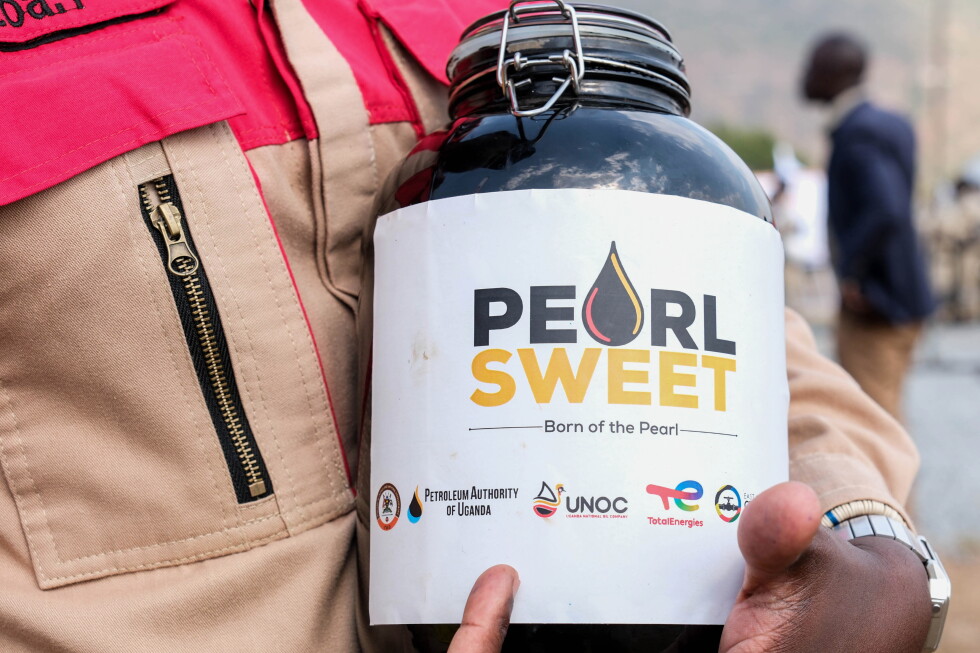
    KIKUUBE, UGANDA – In a landmark step toward launching full commercial oil production by the end of 2024, Ugandan energy officials announced Wednesday that the East African nation’s first prospective crude oil blend will be branded “Pearl Sweet.” The official naming ceremony was held at the Kingfisher oil infrastructure site, operated by China National Offshore Oil Corporation (CNOOC), drawing government leaders and project stakeholders to mark the country’s imminent transition to an official oil-producing state.

    The carefully selected name carries dual meaning that blends national heritage and commercial practicality, Uganda’s Ministry of Energy explained in an official statement following the event. The “Pearl” moniker references former British Prime Minister Winston Churchill’s iconic 20th-century description of Uganda as “the pearl of Africa,” while the “Sweet” designation highlights the blend’s key commercial advantage: a naturally low sulfur content that makes it more desirable for refiners. Ministry representatives added that formal branding is a critical precondition for advancing marketing outreach and building partnerships with prospective global crude buyers.

    Geological surveys confirm Uganda holds approximately 1.6 billion barrels of recoverable crude oil reserves, split between two major development projects led by international energy firms. French energy giant TotalEnergies holds the largest stake in the upstream operations, while CNOOC leads the separate Kingfisher project. The Uganda National Oil Company retains a 15% equity share in the developments on behalf of the Ugandan public.

    Ugandan President Yoweri Museveni framed the milestone as a turning point for national economic transformation. “This marks an important milestone in our journey to develop Uganda’s oil and gas resources for value addition and economic transformation,” Museveni said, emphasizing plans to capture maximum domestic value from the reserves through onshore refining, domestic petrochemical manufacturing, and electricity generation from associated natural gas. He added that developing the country’s oil sector will cut Uganda’s heavy dependence on imported petroleum products, strengthening national energy security.

    At full buildout, production is projected to plateau at roughly 230,000 barrels of crude per day, with blended crude set for export through a major new export network. Despite Wednesday’s celebration of progress, the two-decade journey from initial crude discovery to commercial production has been marked by repeated legal, regulatory, and environmental setbacks.

    The center of global controversy is the planned East African Crude Oil Pipeline, a 1,443-kilometer heated pipeline that will connect the Lake Albert oil fields in western Uganda to the export terminal at Tanga, Tanzania. Environmental campaigners and climate activists have fiercely opposed the project, arguing that developing new fossil fuel reserves directly contradicts global emissions reduction commitments laid out in the Paris Climate Agreement.

    Much of the activist pressure has focused on TotalEnergies, which has been named as a defendant in at least two separate lawsuits filed in French courts by advocacy groups and local communities. The suits allege that the pipeline and associated oil development have violated local communities’ land rights and access to food, forcing thousands of people from their homes to make way for infrastructure.

    Additional ecological risks stem from the location of oil drilling and pipeline routing. Oil wells are being drilled within the boundaries of Murchison Falls National Park, a biodiverse wilderness on the Nile River home to hippopotamuses, giraffes, rare antelope species, and hundreds of native bird species. The pipeline itself will cut through protected forest reserves and game management areas, running along the shoreline of Lake Victoria, the continent’s largest freshwater body that supplies drinking water to more than 40 million people across the region.

    TotalEnergies has pushed back against criticism, stating that the pipeline uses cutting-edge construction and monitoring design that will guarantee safe operation for decades, with minimal risk of leaks or ecological harm. But the combination of climate risks and sensitive ecological positioning has kept opposition to the projects strong globally.

    Ugandan government officials have rejected external criticism, framing climate-focused opposition to the oil projects as an overreach that infringes on the country’s sovereign right to develop its natural resources to lift its population out of poverty. Officials note that an estimated 20 million Ugandans live on less than $2 a day, and oil sector revenues are projected to drive widespread investments in healthcare, education, and infrastructure that would deliver long-term benefits to millions of citizens.

  • South African airline behind daring  stadium stunt cancels next flyby, regulator says

    South African airline behind daring stadium stunt cancels next flyby, regulator says

    A controversial low-altitude aerial stunt performed by regional South African carrier Airlink has triggered regulatory scrutiny and forced the cancellation of a planned repeat performance at a major national sporting event, South Africa’s civil aviation authority (SACAA) confirmed this week.

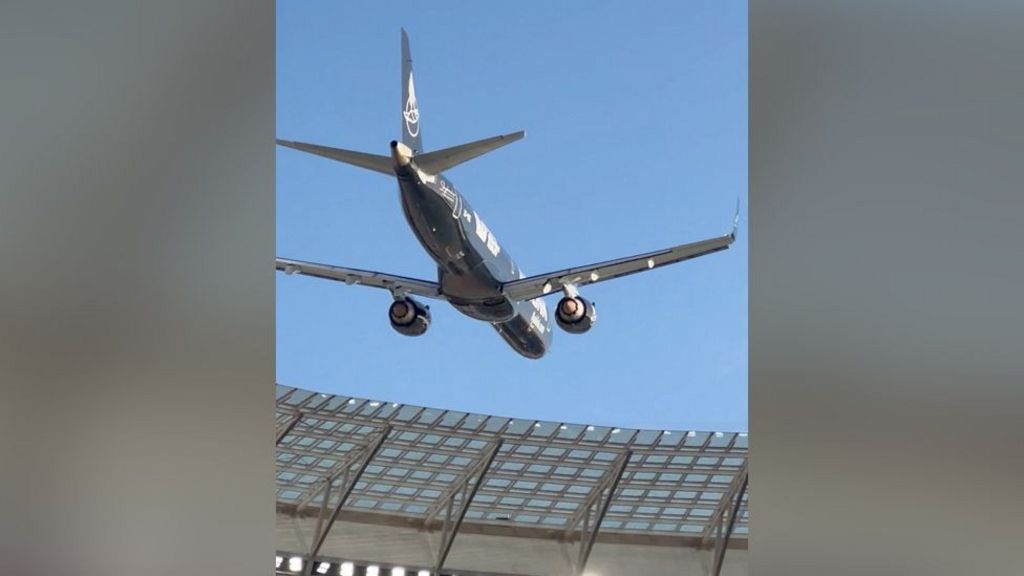
    Last Saturday, two Airlink jets completed a close-formation flyover of Cape Town’s packed DHL Stadium, just moments before kickoff of a highly anticipated rugby test match between South Africa’s Springboks and New Zealand’s All Blacks. Video footage of the stunt, which quickly spread across global social media platforms, captured the twin jets roaring past the stadium amid coloured smoke, with onlookers capturing dramatic angles that showed the aircraft mere feet from the stadium’s roof structure.

    Independent analysis from flight tracking service Flightradar24 has verified that the lead jet passed less than 50 feet (15 meters) above the stadium’s upper roof line. The stunt immediately split public opinion: aviation enthusiasts and spectators praised the extraordinary precision and skill of the flight crews, while critics slammed the manoeuvre as a reckless, unnecessary risk taken with thousands of spectators packed inside the venue below.

    In an official statement released after the stunt, Airlink defended the operation, noting that the flypast was planned and executed within pre-approved, thoroughly rehearsed limits for altitude and speed. The airline added that the manoeuvre was carried out by a team of highly experienced veteran pilots with specialized training in aerial display operations.

    Originally, Airlink had been scheduled to repeat the close-formation flypast this coming Saturday at Soweto’s FNB Stadium, which will host the decisive third test of the current series between the Springboks and All Blacks. However, SACAA confirmed Wednesday that Airlink has withdrawn its plan for the second stunt, following widespread public debate and media scrutiny over the safety of the original Cape Town flyover.

    The South African aviation regulator noted that it had granted formal approval for the initial stunt, after reviewing Airlink’s submitted safety plans and procedural documentation. It confirmed that the airline had followed all required regulatory protocols to secure permission for the event. SACAA has now launched a deeper post-stunt investigation, having obtained full flight data recordings from the two aircraft and completed reviews of all additional operational documentation related to the event.

    “As the independent safety oversight body for South African skies, SACAA gives the public its full assurance that aviation safety and security compliance will always remain our top priority, and this mandate is not negotiable,” the regulator said in its statement. SACAA also highlighted that South Africa maintains a strong global reputation for excellent air safety standards, a track record it is committed to upholding through rigorous regulatory oversight.

    Low-altitude flypasts have long been a popular ceremonial addition to major national events in South Africa, ranging from high-profile international sporting fixtures to presidential inauguration ceremonies, with past events featuring both military aircraft and commercial passenger jets. As of Wednesday evening, Airlink has not issued any public comment on the cancellation of the planned Soweto flyover or the ongoing regulatory investigation.

  • Uber to cut over 3,000 jobs in major global restructuring

    Uber to cut over 3,000 jobs in major global restructuring

    San Francisco-based ride-hailing and delivery giant Uber has launched one of its largest corporate restructurings in recent years, announcing it will eliminate roughly 10% of its global workforce – totaling more than 3,000 roles – to trim bloated management layers, refocus spending on high-priority core operations, and position the company for long-term growth.

    The workforce reduction will bring Uber’s total employee count back to just under 30,000, a level last recorded in 2021 before the company’s period of rapid expansion that followed the COVID-19 pandemic. In an internal memo sent to all staff, CEO Dara Khosrowshahi explained that the company’s fast-paced growth over recent years had led to an accumulation of unnecessary management tiers and fragmented small teams, which created bottlenecks that slowed critical decision-making across the business.

    “These changes are designed to make Uber simpler and faster, while unlocking capital that we can reinvest in the areas that are most central to our future success,” Khosrowshahi wrote in the email, adding that the leaner structure will put the company in a stronger position to capitalize on its biggest upcoming opportunities.

    The layoffs impact both managerial and non-managerial staff across the organization. As part of the broader overhaul, Uber plans to merge most of its smallest underperforming teams into larger, more cohesive business units. As of the announcement, the company has not publicly disclosed which geographic regions or office locations will see the heaviest job losses.

    Alongside workforce cuts, Uber is revising its office and remote work policy: nearly all employees will be required to work in person at company-designated hub offices, with only around 1% of all roles approved for permanent remote work. Market analysts project the restructuring will generate up to $2 billion in annual cost savings for the company, capital that will be redirected to key growth initiatives. Uber is currently ramping up investment in autonomous vehicle partnerships, expanding its core ride-hailing and food delivery networks, and scaling up its emerging robotaxi operations.

    Investors reacted positively to the restructuring announcement, with Uber’s share price climbing nearly 2% in trading following the news. The layoffs mark a notable shift for Uber, which had avoided large-scale workforce reductions seen across many other major tech firms after the pandemic, when countless big tech players cut jobs while redirecting massive budgets to artificial intelligence research and development. The restructuring confirms the company’s strategic shift toward a leaner, more agile operating model that prioritizes investment in its highest-growth, future-facing business lines.

  • Xi’s Egypt visit hints at China’s larger African vision

    Xi’s Egypt visit hints at China’s larger African vision

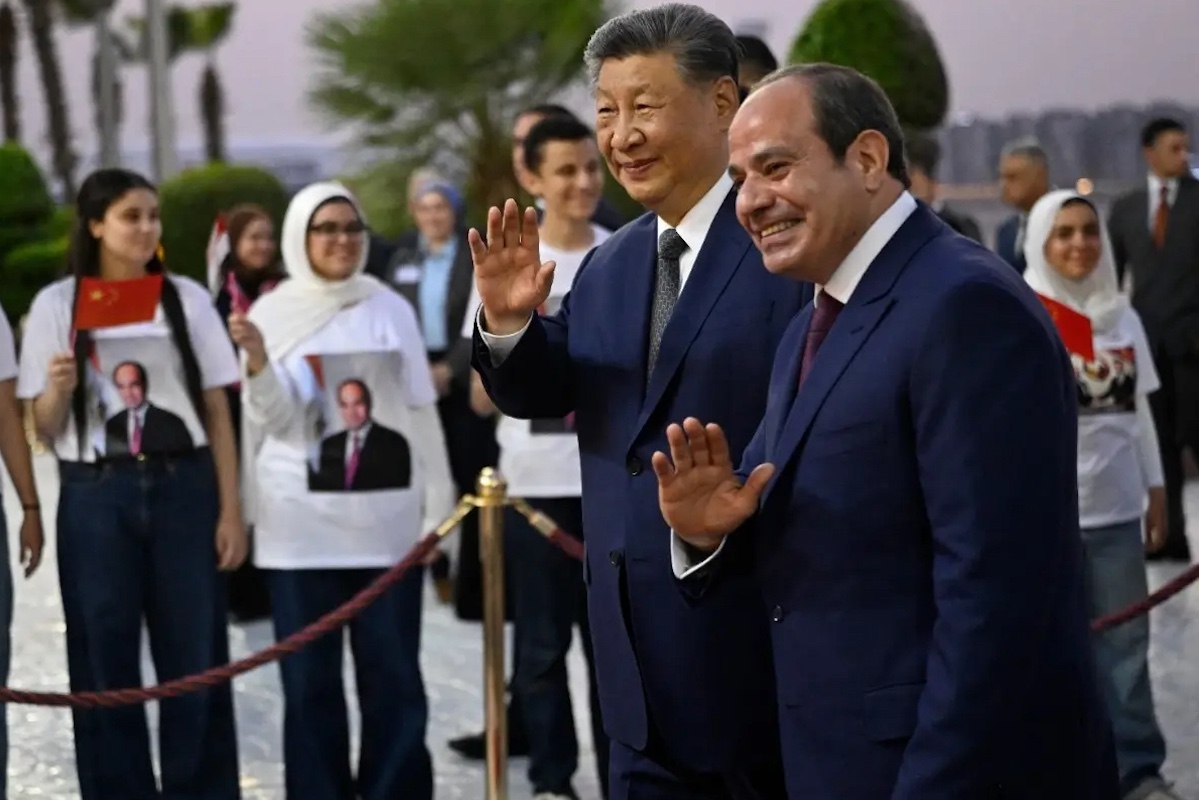
    Ten years after his last state visit to Egypt, Chinese President Xi Jinping has arrived in Cairo, marking a new chapter in China’s evolving engagement across the Middle East and Africa. For decades, China’s policy in the Middle East has centered on Gulf energy supplies, robust trade ties with Saudi Arabia and the United Arab Emirates, and careful diplomatic balancing between Iran and Arab states. These relationships remain critical to Beijing’s regional strategy, but President Xi’s visit underscores a deliberate shift: China is expanding its footprint west and south, positioning Egypt as a strategic gateway to African markets, infrastructure networks, and political influence.

    Ahead of the presidential visit, China deployed J-16 fighter jets, aerial refueling tankers, and early-warning aircraft on a 6,000-kilometer journey to Egypt for the second iteration of the “Eagles of Civilization” joint military exercise. While some observers frame this deployment as evidence that China seeks to displace the United States as the dominant security power in the region, that claim overstates current realities. Washington maintains extensive military basing, command infrastructure, and formal defense alliances that Beijing has yet to build, and Egypt continues to integrate military equipment from the U.S., France, Russia, and China simultaneously.

    Rather than seeking to replace existing security arrangements, China is building a targeted, durable network of economic, technological, and limited security partnerships that do not require Egypt to abandon its other longstanding allies. The geographic core of this network is clustered around the Suez Canal, just east of Cairo. What began as Chinese construction contracts has evolved into a full-fledged manufacturing hub: by the end of 2025, the China-Egypt TEDA industrial zone in Ain Sokhna was home to nearly 200 companies, attracted over $3.8 billion in foreign direct investment, and created approximately 10,000 local jobs, according to data released earlier this year.

    The zone already produces fiberglass, electrical machinery, consumer appliances, and industrial chemicals, with a large-scale tire manufacturing facility set to launch phased production in the near future. Cairo has also prioritized attracting investment in solar cells, battery manufacturing, and electric vehicle production, aligning with global clean energy transitions. This industrial base offers China a strategic advantage that its Gulf partnerships alone cannot provide: a permanent manufacturing foothold in Africa, positioned directly along the shortest maritime trade route connecting Asian production centers to European consumer markets. Egypt’s membership in the African Continental Free Trade Area (AfCFTA) also grants Chinese firms operating here access to integrated commercial networks across the Arab world and the entire African continent.

    Chinese companies based in the Suez zone are not just geographically closer to sub-Saharan African markets; they can also leverage the cross-continental trade networks that Cairo has spent decades building, which Egypt now aims to expand under the AfCFTA framework. For Egypt, the partnership brings equally tangible benefits. Cairo is grappling with urgent needs for foreign currency inflows, job creation, and expanded export capacity, and it has long sought to address a lopsided trade balance with China. In 2025, China was Egypt’s largest non-oil trading partner, but official data shows Chinese exports to Egypt reached $19.9 billion, while Egyptian exports to China totaled just $819 million – a stark imbalance that Cairo is eager to correct.

    A growing total volume of trade does not automatically translate to a healthier, more mutually beneficial bilateral relationship. The long-term success of the partnership will hinge on whether local Egyptian suppliers are integrated into supply chains, whether Egyptian exporters gain greater access to the huge Chinese market, and whether the partnership restructures Egypt’s economy rather than just increasing its import dependency. Technology transfer is emerging as the next critical test of this dynamic. Chinese tech giant Huawei has submitted a bid to build artificial intelligence data centers for the Egyptian government using 2,008 Ascend chips, while the U.S. State Department has coordinated a rival proposal backed by Nvidia, AMD, and Microsoft. As President Xi arrives in Cairo, this tender has turned Egypt into the site of an open competition between the two superpowers’ competing technology ecosystems.

    Huawei has already outlined a 12-month construction timeline for its proposal, while the U.S.-backed consortium is expected to offer more advanced chips and access to a deeper global software ecosystem. For Egypt, this competitive dynamic puts Cairo in a uniquely advantageous position to negotiate favorable terms, as both blocs are eager to secure a foothold in the market. This pragmatic flexibility defines Egypt’s approach to military and diplomatic engagement more broadly: its air force operates American F-16s, French Rafales, and Russian MiG-29s, and now adds joint training with Chinese aircraft to its portfolio. Egypt joined the BRICS bloc last year and has deepened ties with Beijing, but it still receives substantial annual military assistance from Washington and maintains strong economic links with Europe and the Gulf states.

    This flexible approach works to China’s advantage as well. Beijing’s low-profile, non-intrusive model of engagement allows it to deepen its regional presence without taking on the burdens of addressing every regional crisis, from the ongoing conflict in Gaza to security challenges in the Red Sea. Chinese firms can expand industrial capacity, sell cutting-edge technology, and strengthen defense cooperation, while Cairo retains primary responsibility for local security and regional mediation efforts.

    That said, there are clear limits to the current scale of cooperation. While the TEDA industrial zone has created jobs and expanded production, Egypt’s trade imbalance with China remains stark. If Beijing is to frame this relationship as a model development partnership, it will need to ensure that more economic value is retained locally within Egypt. The joint military exercises also need to be kept in perspective: they offer Chinese pilots valuable operational experience in the region and give Egypt another option for security partnership, but they do not signal an imminent replacement of the existing regional security order.

    China’s overall military and security presence in the Middle East remains far smaller than that of the United States. Chinese commercial shipping and companies still rely on the freedom of navigation provided by the U.S.-led regional security architecture – a system that Beijing has often criticized, but has not yet put forward a viable alternative to replace.

    For these reasons, the true significance of Xi Jinping’s visit will not be measured in the warmth of public diplomatic statements, but in the tangible outcomes that emerge after the visit concludes. New factories will only deliver long-term benefit if they support the growth of local Egyptian supply chains. Technology agreements will only be meaningful if Egyptian workers and institutions are trained to operate, maintain, and govern these systems. Expanded bilateral trade will only benefit both sides if Egyptian exports to China grow significantly alongside Chinese exports to Egypt.

    While the Gulf region will remain central to China’s Middle East strategy for the foreseeable future, Egypt offers Beijing an unprecedented gateway into the broader African continent. For Cairo, this strategic position allows it to negotiate more favorable investment terms that align with its own economic development goals. Once the visit ends, the real test will be how much of this expanding partnership is ultimately built, managed, and owned by Egyptians themselves.

  • BBC visits village swept away by deadly floods

    BBC visits village swept away by deadly floods

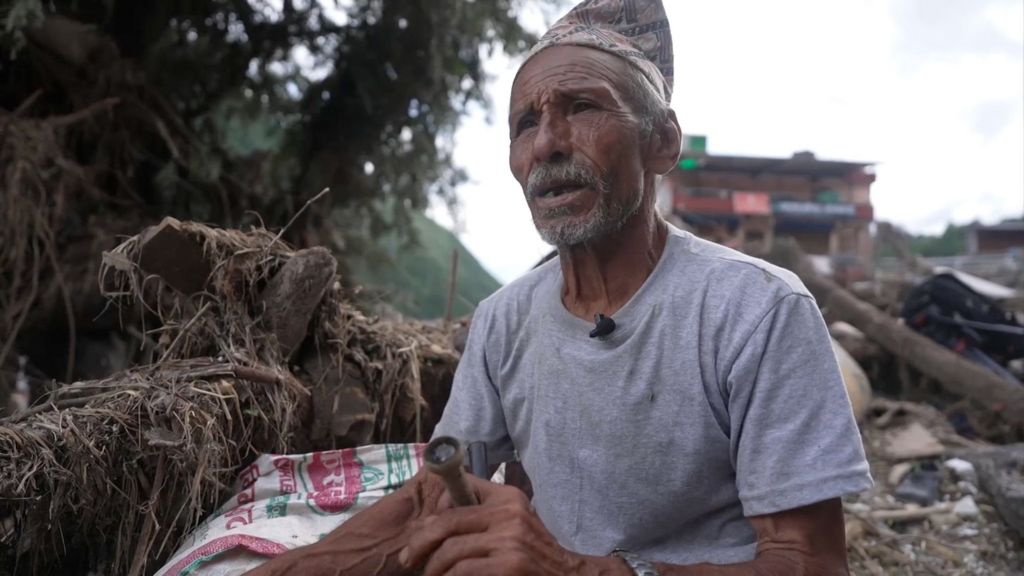
    In the wake of catastrophic flash floods that have erased an entire rural community from the map in South Asia, a BBC correspondent has documented the raw human suffering unfolding amid ongoing search and rescue efforts. Azadeh Moshiri, the BBC’s South Asia correspondent, traveled to the disaster zone to speak with survivors still grappling with unthinkable loss after the floodwaters swept through their settlement. One local resident, who asked to speak on condition of anonymity to share his grief, told the reporter that he has been stuck in limbo for days, still waiting for recovery teams to retrieve the body of his wife, who was swept away when the flood hit the village. The disaster, which has already been marked as deadly by regional authorities, left no part of the small settlement untouched; entire homes, infrastructure, and community spaces were destroyed by the surging water. Rescue teams have been working around the clock to reach remote affected areas, but challenging terrain and lingering flood hazards have slowed progress, leaving many grieving families like this man’s waiting for answers and closure. The visit to the destroyed village shines a stark light on the human cost of extreme weather events that have grown more frequent and severe across South Asia in recent years.