博客

  • Brazil’s Lula warns Trump not to meddle in Brazil’s elections

    Brazil’s Lula warns Trump not to meddle in Brazil’s elections

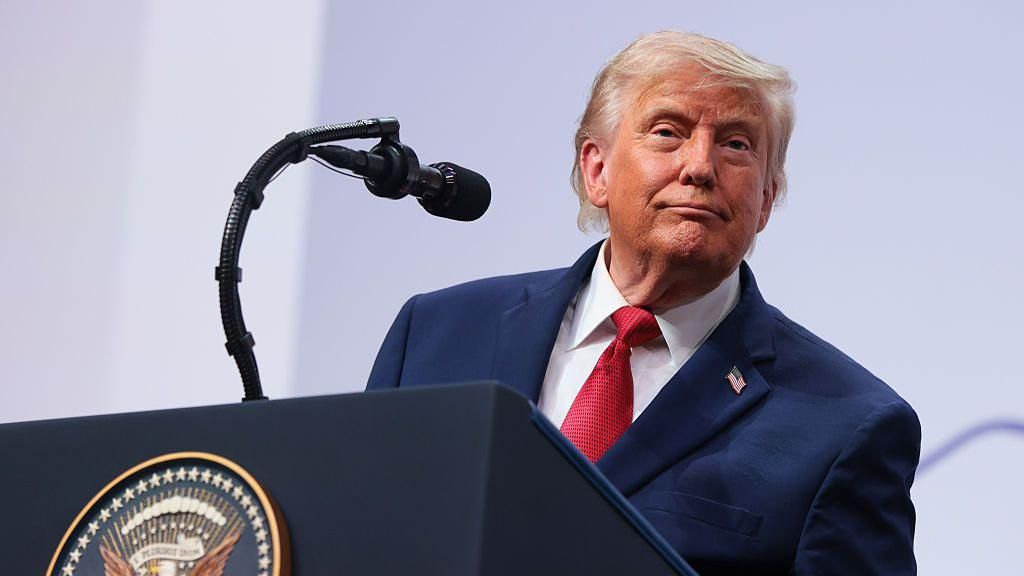
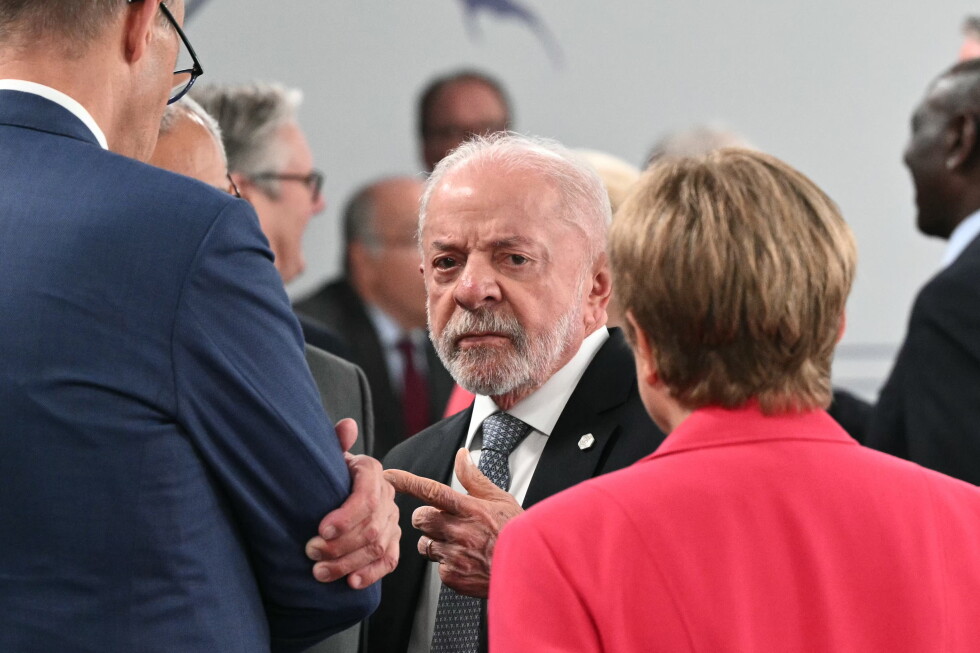
    Following the recent conclusion of the G7 summit in Evian-les-Bains, France, a sharp exchange of words between Brazilian President Luiz Inácio Lula da Silva and former U.S. President Donald Trump has brought simmering cross-border tensions to a head, with Lula issuing a clear rebuke of U.S. interference in Brazil’s domestic political affairs ahead of the country’s October presidential vote.

    The confrontation was triggered by fresh comments Trump made this Wednesday, in which he claimed Brazil had grown “politically dangerous” and alleged the Lula-led government was seeking to arrest a member of the Bolsonaro family who is performing strongly in pre-election polling. While Brazil’s Supreme Court convicted former lawmaker Eduardo Bolsonaro — one of ex-President Jair Bolsonaro’s sons — on Tuesday of coercive actions tied to his father’s 2023 coup trial, sentencing him to four years and two months in prison, Trump’s comment was widely interpreted to reference Flávio Bolsonaro, Jair Bolsonaro’s eldest son, who is Lula’s main challenger in the upcoming presidential race and has not faced arrest warrants. The court found Eduardo Bolsonaro guilty of illegally meddling in his father’s trial by lobbying U.S. officials to pressure Brazilian judicial bodies into halting proceedings.

    When a journalist shared Trump’s remarks with Lula during a post-summit press conference, the Brazilian leader pushed back firmly. Lula argued that Trump’s comments revealed a fundamental lack of understanding of his country, rooted in his close ties to the Bolsonaro family. “If he knows Brazil through his relations with the Bolsonaro family, he doesn’t know Brazil,” Lula stated. “He can go on liking Bolsonaro — the father, the son, the grandson — that’s not my problem, it’s his. (…) But don’t interfere in Brazil’s elections, because Brazil’s elections are Brazil’s business.”

    This public clash is the latest in a series of growing rifts between the Lula administration and the Trump-led U.S. government that stretch back more than a year. Shortly after Eduardo and Flávio Bolsonaro traveled to Washington D.C. for meetings with Trump and other U.S. officials, the Trump administration took two controversial steps that Lula has openly opposed. First, it designated two of Brazil’s largest drug trafficking organizations, First Command Capital and Red Command, as foreign terrorist groups. On Wednesday, Lula repeated his criticism of this designation, noting that while the groups do inflict violence on Brazilian communities, their core goal is illicit profit rather than ideological political change, disqualifying them from the terrorist label.

    Second, the Trump administration has proposed imposing a new 25% tariff on Brazilian imports, basing the move on unsubstantiated claims that Brazil — the world’s 10th largest economy — engages in unfair trade practices. Lula even traveled to Washington earlier this year in a diplomatic push to convince Trump to abandon the tariff plan, making the final proposal all the more disrespectful in his view. Lula restated his grievance over the tariff this week, saying “I think what he did was disrespectful toward Brazil. He knows that. That’s why I said he still behaves like an emperor. We were negotiating an agreement.”

    Additional longstanding tensions stem from U.S. sanctions imposed on Brazilian Supreme Court Justice Alexandre de Moraes, a move the Trump administration justified by claiming the judge’s prosecution of Jair Bolsonaro was politically motivated. Bolsonaro, who lost the 2022 Brazilian presidential election to Lula, was convicted of orchestrating a coup attempt to remain in power, a process Lula has repeatedly defended as a legitimate part of Brazil’s judicial system. Lula has repeatedly framed U.S. actions, from the tariffs to the sanctions, as violations of Brazil’s national sovereignty, dating back to last year when Trump first imposed trade restrictions and called Bolsonaro’s prosecution a “witch-hunt trial.”

    As Brazil heads toward a highly competitive presidential election, the open confrontation between Lula and Trump underscores the deepening divide between the two countries and the growing risk of external interference in Brazil’s democratic process.

  • Irish PM warns about deep-fakes after financial scam video

    Irish PM warns about deep-fakes after financial scam video

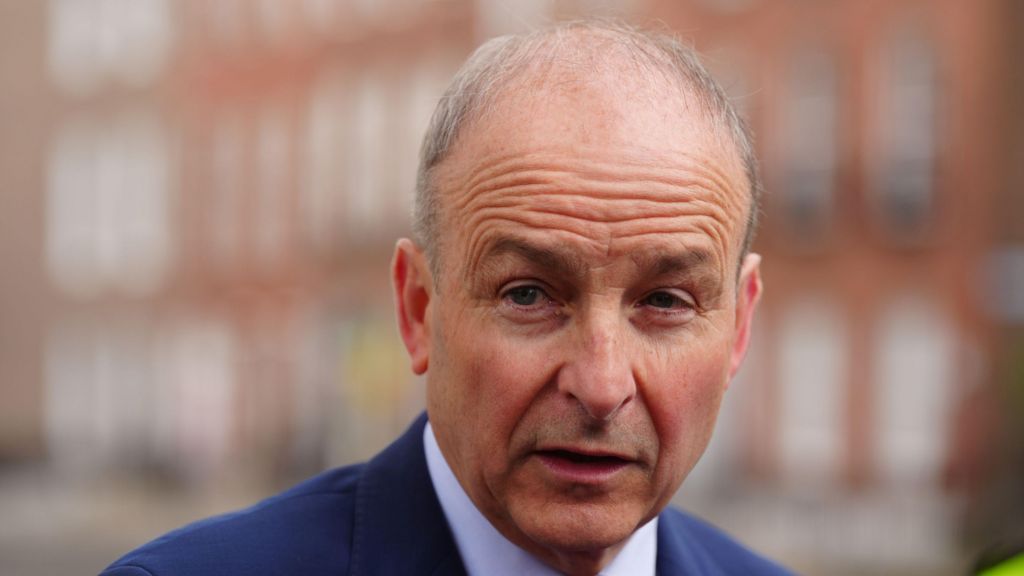
    Ireland’s head of government has issued an urgent public warning following the circulation of a convincing AI-generated deepfake video that misuses his likeness to advertise a fraudulent financial scheme. Taoiseach Micheál Martin confirmed that the doctored clip, which has spread across multiple social media platforms, is an obvious example of malicious synthetic content, and is highlighting the urgent need for greater vigilance among internet users. The altered video, created to appear authentic using artificial intelligence technology, features a fake version of Martin speaking with a modified English accent. In the clip, the deepfake falsely promises that investors of any age can earn up to €40,000 (equivalent to roughly £35,000) by starting with just a €250 initial investment and a mobile phone. In an official response posted to his own social media channels, Martin addressed the fraudulent content directly. “So, this is clearly very false material pertaining to myself,” he stated. “It is illustrative of the kind of manipulation and distortion that can take place on social media, and a reminder to us all to be vigilant on social media and to take care.” Beyond warning the general public, Martin also placed responsibility on social media hosting platforms, calling for stricter proactive measures to block harmful manipulated content from being uploaded in the first place, and to implement rapid removal protocols whenever deepfakes are identified. Deepfakes — AI-manipulated video, image, or audio content crafted to mimic real people and events — have become far more accessible and simple to produce in recent years, thanks to the widespread availability of consumer-facing text-to-image and generative AI tools that lower the barrier to creating convincing synthetic media. This is not the first high-profile case of malicious deepfake use in Irish politics in recent months. During the country’s October presidential election, an AI-generated video pretending to show candidate Catherine Connolly announcing her withdrawal from the race spread widely online. Connolly, who ultimately won the election and is now President of Ireland, condemned the clip at the time as a “disgraceful attempt to mislead voters and undermine our democracy.” BBC News NI has reached out to two of the world’s largest social media platforms, Meta and X, to request comment on the recent deepfake scam targeting Martin.

  • Initial US-Iran agreement leaves many key issues to be negotiated

    Initial US-Iran agreement leaves many key issues to be negotiated

    At the G7 summit held in France, US President Donald Trump publicly touted a newly announced US-Iran memorandum of understanding as a landmark diplomatic victory for the United States. The tentative agreement, unveiled on Wednesday, paves the way for the reopening of the Strait of Hormuz and launches a 60-day negotiating window to work toward a full, final accord addressing the full scope of disputes between the two long-time adversaries. Despite the White House’s celebratory framing, new details shared by senior US administration officials during an off-camera press briefing reveal that critical gaps remain, and the current text falls far short of the president’s stated core goal: permanently eliminating Iran’s ability to develop a nuclear weapon.

    Trump has repeatedly claimed the preliminary deal guarantees Iran will never acquire, build or produce a nuclear weapon, a promise that does not align with the actual content of the agreement, which administration officials read aloud to reporters on background. Instead of locking in permanent restrictions, the MOU only extends an existing ceasefire and kickstarts a high-stakes two-month push for a lasting comprehensive nuclear pact. To put that timeline in perspective, it took the Obama administration 20 months of grueling, extended negotiations to reach the original 2015 Joint Comprehensive Plan of Action, leaving many foreign policy observers questioning whether the Trump administration can resolve all outstanding sticking points in less than one-tenth that time.

    The only binding nuclear commitment included in the current text is Iran’s pledge to downblend its existing stockpile of highly enriched uranium, a process that will be monitored by the International Atomic Energy Agency (IAEA). Senior US officials characterized this commitment as a meaningful concession from Tehran, but all technical specifics — including the exact logistics of the downblending process and the mandatory timeline for completion — are left to be negotiated during the 60-day window that will open after the official signing of the MOU this Friday.

    On the issue of financial relief for Iran, Trump has drawn a clear contrast with his predecessor, claiming his administration will not send any direct US taxpayer funds to Tehran, a direct rebuke of the Obama administration’s 2016 $1.7 billion settlement that has long drawn criticism from conservative Republicans. Eager to cement a foreign policy legacy ahead of his term, Trump has repeatedly positioned his emerging Iran deal as far stronger than the 2015 agreement, using the rejection of direct US payments to bolster that argument. However, the text of the MOU tells a more ambiguous story: it states that the US will collaborate with regional partners to develop a formal, mutually agreed reconstruction plan for Iran that involves at least $300 billion in investment.

    While administration officials insist the agreement does not require the US to contribute any direct funding to Iran, the language of the text is intentionally vague, leaving open the possibility that the US could eventually provide financial concessions as part of a final settlement. This ambiguity creates significant political risk for Trump and Vice President JD Vance, who rose to political power campaigning on an anti-interventionist platform that promised no new endless wars in the Middle East. The MOU’s language around reconstruction funding could draw backlash from Trump’s core MAGA base, even if any future financial support for Iran does not come directly from US government coffers.

    Many other core priorities that Trump and his allies laid out at the start of the US-Iran conflict also receive only cursory attention in the one-and-a-half-page preliminary agreement. When the war first began, Trump identified cutting off Iranian funding for regional proxy groups like Lebanon-based Hezbollah as a top national security goal, a priority that aligned closely with the interests of Israel, which joined the US in the conflict and has waged a separate military campaign against the Iranian-backed militia. While the ceasefire laid out in the MOU extends to Hezbollah, the group is barely mentioned elsewhere in the text, and it remains completely unclear whether negotiations will force Iran to end its long-standing support for Hezbollah and other proxy militias across the Middle East.

    Similarly, the text does not include any detailed restrictions on Iran’s ballistic missile program, another core issue that Trump and Israeli Prime Minister Benjamin Netanyahu identified as a non-negotiable priority when the war launched.

    As things stand now, whether the MOU signed in Geneva this week will ultimately lead to a durable, comprehensive final agreement remains very much an open question. While the text sets a 60-day deadline for negotiations, it also explicitly allows for an extension if both sides agree, a clause that suggests neither Washington nor Tehran are confident a full deal can be reached in the allotted timeframe. Even Trump himself struck a noncommittal tone when asked about the prospects for lasting peace during his G7 press conference. “If it doesn’t get done in 60 days, it’s all right,” Trump said. “We go back to bombing.”

  • Trump has nothing but praise for Modi at G7 after tensions over US military strike, trade

    Trump has nothing but praise for Modi at G7 after tensions over US military strike, trade

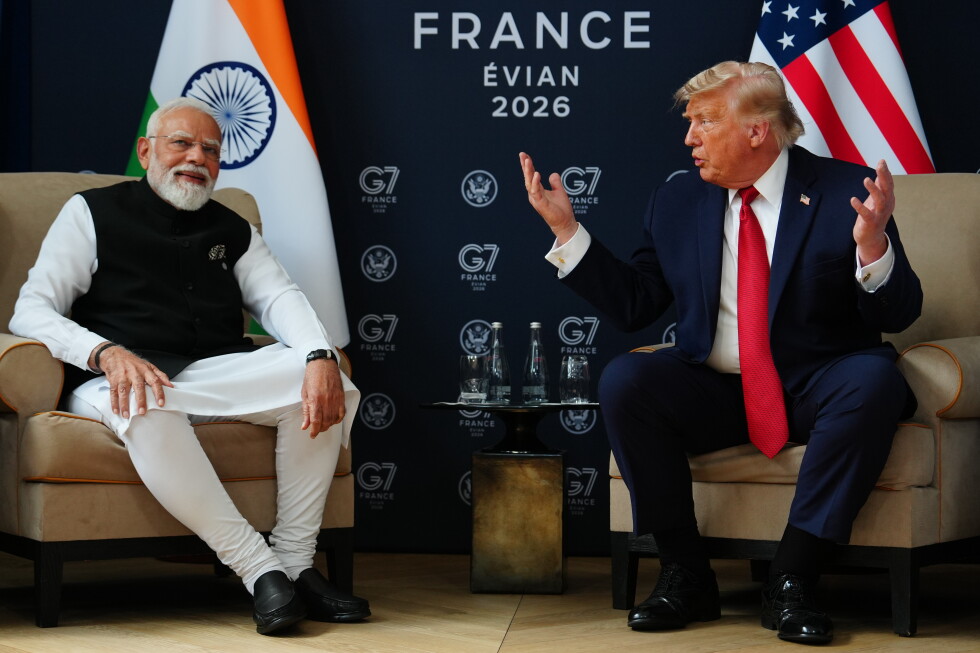
    EVIAN-LES-BAINS, France — On the sidelines of the 2025 G7 Summit hosted by French President Emmanuel Macron, U.S. President Donald Trump moved swiftly Wednesday to project unbroken unity with Indian Prime Minister Narendra Modi, lavishing public praise on the Indian leader as a “loyal friend” even as a cascade of thorny disputes — from trade frictions to oil sanctions, and most recently, the tragic death of three Indian mariners in a U.S. military strike — have put their long-warm bilateral relationship to the test.

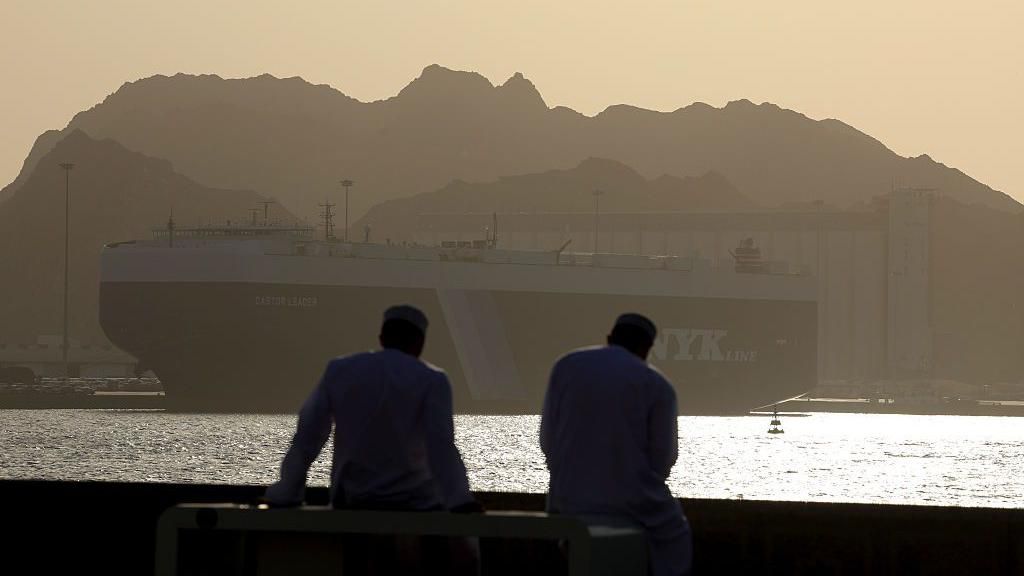
    The high-stakes meeting came exactly one week after three Indian sailors lost their lives in a strike targeting a tanker in the Gulf of Oman, carried out amid a U.S. blockade intended to disrupt unauthorized oil shipments moving through the strategic Strait of Hormuz. India’s Foreign Ministry had already registered a formal diplomatic protest over the deadly incident ahead of the leaders’ sit-down, putting the fatal strike front and center on the bilateral agenda.

    Modi joined the G7 gathering as one of several guest invitees extended by Macron, marking a key opportunity for behind-the-scenes talks between the two leaders amid growing global geopolitical shifts. From the opening moments of the meeting, Trump pushed back firmly against any speculation of a rift between Washington and New Delhi, launching into a sustained series of compliments for Modi that acknowledged his shrewd negotiating style while framing their personal rapport as the foundation of a rock-solid bilateral relationship.

    “We have the best relationship. We cannot be closer than we are. Would you say that, sir? I don’t think we can be any closer,” Trump stated as he clasped Modi’s hand in a public show of unity. “Both him and I, and our nations. But it really starts with the two of us.”

    For his part, Modi did not shy away from addressing the deadly strike directly, raising the critical issue of maritime safety for the hundreds of thousands of Indian seafarers working on commercial vessels across the globe, including regular transits through the always tense Strait of Hormuz. “Their safety is of utmost importance to us,” Modi affirmed, before thanking Trump for his recent diplomatic efforts to broker a ceasefire agreement ending the war with Iran.

    “You made tremendous efforts towards reaching this understanding and this agreement, and I’m confident that the issue of seafarers will receive the highest priority during the implementation of this agreement,” he added.

    When pressed by reporters to offer words of condolence to the families of the deceased Indian mariners, Trump acknowledged the danger of the maritime profession and reaffirmed shared commitment to supporting global seafarers. “It’s a tough profession. There’s no question about it. And we work together on it,” he said. “We love all of those people. They’re great people.”

    The personal bond between Trump and Modi has been a defining feature of U.S.-India relations throughout Trump’s first term in office, marked by high-profile public displays of camaraderie. During a 2020 state visit to India, Modi drew global attention by organizing a massive welcoming rally for Trump at a packed cricket stadium, an event that left a lasting positive impression on the U.S. president. Just months before that trip, the two leaders shared the stage at the “Howdy Modi” rally in Houston, Texas, which drew a crowd of tens of thousands of Indian diaspora members to show their support for the Indian prime minister.

    But in recent months, that once smooth relationship has grown increasingly complicated by new geopolitical frictions. Russia’s full-scale invasion of Ukraine has created a difficult diplomatic balancing act for New Delhi, which has maintained longstanding defense and energy ties with Moscow even as the U.S. has pressed allies to cut ties with the Kremlin. That rift spilled over into trade policy last year, when the Trump administration imposed steep new tariffs on a wide range of Indian exports, with the move explicitly tied to New Delhi’s decision to continue purchasing discounted crude oil from Russia.

    While the two economic powers eventually negotiated a limited interim trade agreement to de-escalate tensions, talks on a far more comprehensive broader trade pact remain ongoing, with no final deal yet reached. Speaking on Wednesday, Trump struck an optimistic note about the state of those negotiations, saying a new full agreement was “very close” even as he joked about Modi’s formidable negotiating skills.

    “He’s the most beautiful looking man. He looks so nice. He’s like an angel. But actually, he’s as tough as — he’s a killer,” Trump said of Modi.

  • Cape Verde goalkeeper set to be reunited with his mum

    Cape Verde goalkeeper set to be reunited with his mum

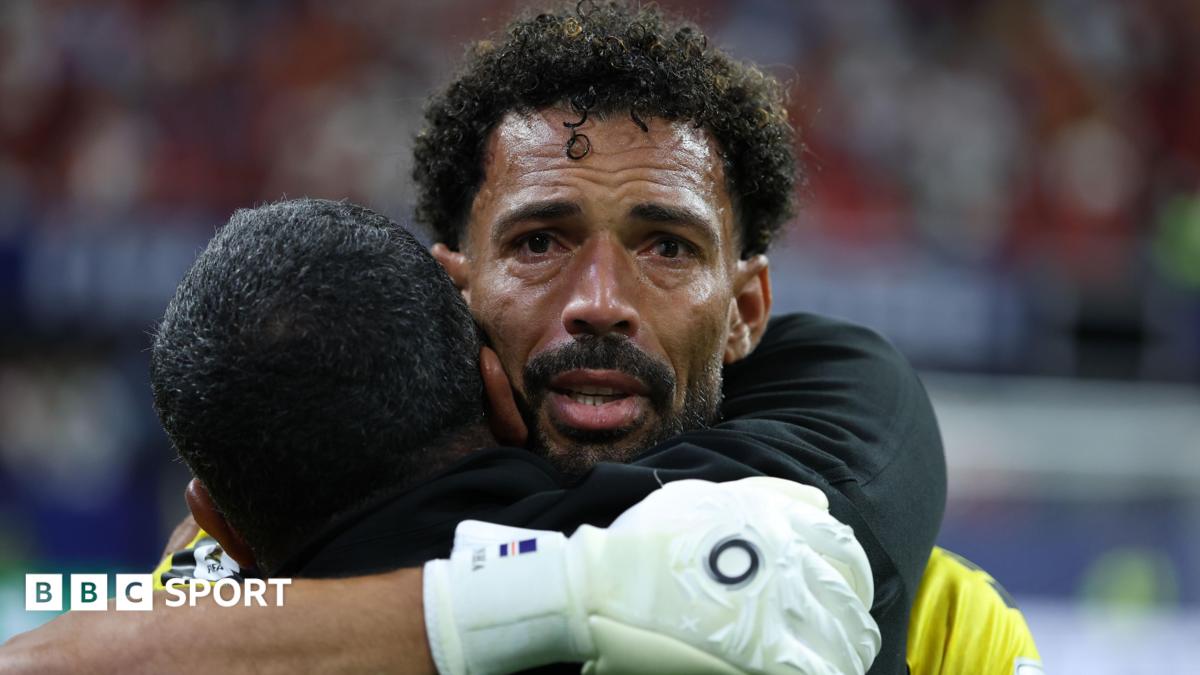
    The 2026 FIFA World Cup has already delivered one of its most heartwarming stories, as goalkeeper Vozinha – whose extraordinary performance secured a historic goalless draw for Cape Verde against defending giants Spain – is set to be reunited with his mother ahead of the nation’s second group stage match against Uruguay this Sunday. The 40-year-old shot-stopper, who earned player-of-the-match honors after making seven game-changing saves to block Spain’s relentless attacks, captured global attention when he opened up about his mother’s absence from the tournament following the match on Monday. After decades of chasing his World Cup dream, Vozinha shared that his mother could not travel to the United States to watch him play because the high cost of the required visa put the trip out of their reach.

    Vozinha, who became the oldest player ever to debut in a nation’s first ever World Cup match at 40 years and 12 days old, spoke emotionally about the loss of his grandparents, who raised him and died before they could see him reach football’s biggest stage. “I cried because I grew up with my grandparents,” he told reporters after the Spain draw. “Unfortunately, they were not here. They died a few years before. They were everything to me, everything in my life. And also because of my mum. She didn’t manage to be here because of the visa. Because of the money you have to pay for the visa, we didn’t manage it in time. I would like her to be here.”

    That public comment sparked swift action from US political leaders, who moved quickly to resolve the barrier. House Democratic Leader Hakeem Jeffries, a Brooklyn-based Congressman, announced on social media platform X that the visa fees have been fully waived, and logistics are already underway to bring Vozinha’s mother to Miami for the upcoming Uruguay match. “No mother should miss the chance to see her child make history,” Jeffries said. He confirmed that he had coordinated with Secretary of State Marco Rubio to urge the State Department to use its authority to clear the way for Vozinha’s mother’s travel. “It is a privilege to announce that Vozinha’s mom will be able to secure a visa in time to attend the game this Sunday against Uruguay. All fees have been waived consistent with official policy. Travel arrangements are now being made for mother and son to reunite in Miami. I thank Secretary Rubio, US State Department officials, the government of Cape Verde and Fifa for working together to make this possible,” Jeffries added.

    A senior State Department official later confirmed the process is moving forward, saying, “We can confirm our visa team in Praia is in close touch with her and providing the needed services.” The high visa cost stems from a US policy requiring citizens of five World Cup participating nations to pay a refundable £11,000 visa deposit, though match ticket holders were granted an exemption to the rule back in May.

    Vozinha’s road to the World Cup has been far from conventional. He only turned professional at the relatively late age of 25 in 2012, and at one point considered stepping away from the Cape Verde national team before pushing on to pursue his lifelong dream of reaching the World Cup. Across his decades-long career, he has played club football across Europe and Africa, with stints in Slovakia, Angola, Moldova, and Cyprus, before landing his current role with Chaves in Portugal’s second-tier league. He has earned 91 caps for Cape Verde, and his heroics against Spain have turned him into a global cult hero, attracting millions of new followers on social media in the days since the historic draw.

    Cape Verde is competing in its first ever World Cup, and sits in Group H alongside Spain, Uruguay, and Saudi Arabia. Following Sunday’s clash with Uruguay, the African side will round out group play against Saudi Arabia on June 27.

  • Equatorial Guinea government resigns after missing targets, vice president says

    Equatorial Guinea government resigns after missing targets, vice president says

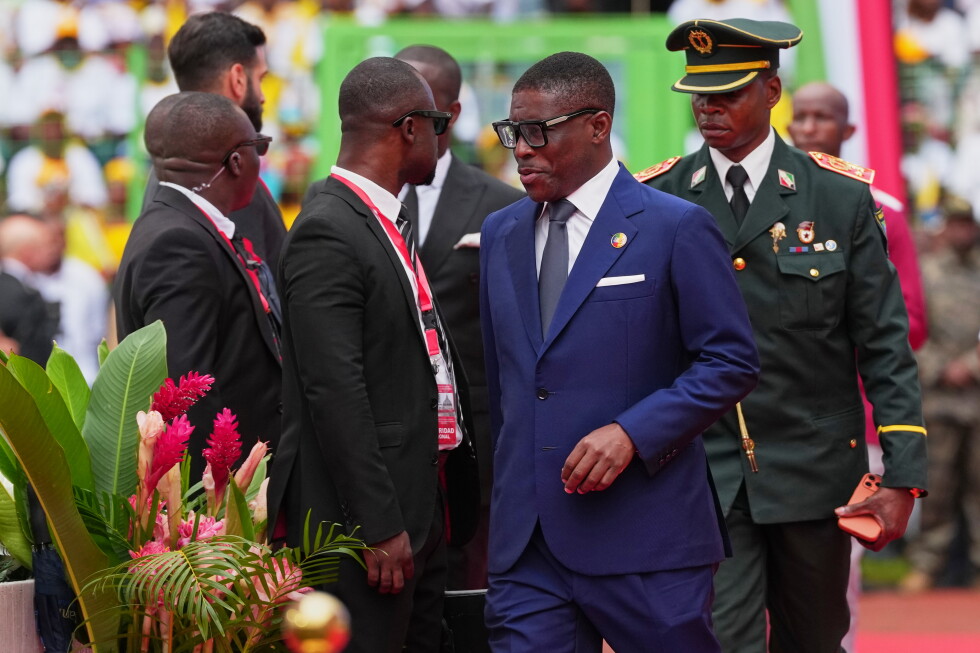
    In a sudden political shakeup in the Central African oil-rich nation of Equatorial Guinea, the full national cabinet has stepped down after an internal review found the administration delivered only 10 percent of its stated policy and development targets, Vice President Teodoro Nguema Obiang Mangue has confirmed.

    Obiang Mangue, the son of long-ruling President Teodoro Obiang Nguema Mbasogo, announced Tuesday that Prime Minister Manuel Osa Nsue Nsuga formally tendered the collective resignation of all cabinet ministers after the government fell drastically short of pre-agreed performance benchmarks. In an official statement published to the social platform X, the vice president noted that the administration’s delivery rate fell dramatically short of public expectations and the official commitments the government made when it took office. He did not, however, provide details on how the 10 percent achievement metric was calculated.

    The ruling Democratic Party of Equatorial Guinea (PDGE) has pinpointed the core issues that prompted the mass resignation: entrenched corruption across government agencies, persistent delays in key public development projects, and a years-long failure to advance economic diversification away from the country’s overwhelming dependence on oil exports. The party added that President Obiang Nguema Mbasogo himself expressed deep dissatisfaction with the sitting government’s overall performance.

    A new full cabinet is expected to be named and sworn in within the coming days, but political analysts widely note the reshuffle is unlikely to shift the country’s long-standing balance of power. President Obiang Nguema Mbasogo, who has held the presidency since 1979, is the longest-serving sitting head of state on the African continent, and maintains near-total control over the national political system, holding the sole authority to appoint all members of government.

    Dissent is effectively nonexistent in Equatorial Guinea, according to international human rights monitors. Rights advocacy organizations and the U.S. State Department have repeatedly accused the country’s ruling establishment of arbitrary detention, torture, and extrajudicial killing of political opponents and activists who challenge government policy. The country is also one of 10 African nations that entered into widely criticized deportation agreements with the former Trump U.S. administration, under which it accepts third-country asylum seekers deported from the United States.

  • What’s in the US-Iran agreement?

    What’s in the US-Iran agreement?

    Nearly four months after open hostilities broke out between the United States and Iran, senior American officials have publicly released the full text of a landmark bilateral memorandum of understanding (MoU) designed to cement a lasting ceasefire, reopen the critical Strait of Hormuz, and ultimately end the ongoing conflict between the two nations.

    The Trump administration has framed the 14-clause agreement as strictly performance-based, meaning Iran will only access the concessions laid out in the text after it fulfills all of its binding commitments under the deal. Speaking from the G7 summit hosted in Evian-les-Bains, France, former President Donald Trump told reporters that the formal signing of the agreement would take place “shortly”, with an indicative target date as early as June 18.

    The opening clause of the MoU requires the US, Iran, and their respective allied partners to declare an immediate and permanent end to all military operations across every active front, including the ongoing conflict in Lebanon. From the Trump administration’s perspective, growing anxiety has mounted in recent days that expanded Israeli military operations against the Iran-aligned Hezbollah movement could derail the fragile agreement with Tehran. For its part, Iranian officials have long maintained that any ceasefire must explicitly include Lebanon, with a Foreign Ministry spokesperson warning Wednesday that any continued Israeli military activity in the country would count as a clear violation of the understanding, prompting unspecified “necessary measures” in response. The agreement codifies that neither side will launch offensive military action or issue threats of force against the other moving forward, while committing both parties to upholding the full territorial integrity and sovereign authority of the Lebanese state. The end goal of the agreement is a full, permanent end to the bilateral conflict, though the reaction of Israeli leadership to this core requirement remains unconfirmed as of Wednesday.

    A second core clause reaffirms that both nations will respect each other’s full sovereignty and territorial integrity, and commit to refraining from any interference in each other’s internal domestic affairs. Analysts note this provision is likely to draw pushback from Iranian dissident groups, who have previously received public support from Trump, who promised “help is on the way” to anti-government protesters that demonstrated across major Iranian cities earlier this year.

    Under the third provision, the US and Iran have agreed to work toward a comprehensive final peace deal within a maximum 60-day window, a timeline that can be extended if both sides consent to an extension. The countdown will officially begin once leaders from the two countries sign the MoU during a planned ceremony in Geneva scheduled for later this week. Iranian Foreign Ministry spokesman Esmaeil Baqaei confirmed Wednesday that “so far, our plans for the Geneva meeting have not changed”, adding that a proposal to have the two national presidents sign the agreement is currently under active review. The Iranian foreign ministry has also formally confirmed its commitment to reaching a final understanding within the 60-day timeline.

    The fourth clause outlines a phased rollback of American maritime restrictions: once the MoU enters into force, the US will begin lifting its naval blockade and all other disruptions or impediments on Iranian commercial ports, with full completion of the blockade removal scheduled for 30 days. During this transition period, the number of vessels the US permits to access Iranian ports will be calibrated to match the rate of traffic restoration Iran achieves in the Strait of Hormuz. Once a comprehensive final deal is signed, the US has committed to withdrawing all American military forces from areas in proximity to Iran within 30 days, returning the US military posture and asset positioning to the status it held before hostilities began on February 28.

    Parallel to the American blockade rollback, the MoU requires Iran to deploy its best efforts to organize immediate, unrestricted free passage for all commercial vessels through the Strait of Hormuz, with no transit fees charged for crossing. This has been a top priority for the US since the outbreak of war, when the closure of the strategic chokepoint triggered a sharp spike in global oil prices. The agreement requires commercial traffic to resume immediately once the MoU is signed, with technical, military obstacles and existing mines to be cleared as a priority. American officials repeatedly emphasized during an off-camera briefing Wednesday that all vessels will be guaranteed free, toll-free access to the strait under the terms of the deal. Long-term, Iran will cooperate with Oman and other Gulf Cooperation Council states to negotiate a broader multilateral framework for managing navigation access and security in the Strait of Hormuz. A senior US official noted that while Washington expects Iran to push aggressively to assert its sovereign rights over the waterway, Gulf states would never accept a permanent tolling system for transit.

    A sixth key provision commits the US and its regional partners to develop a definitive, mutually approved reconstruction and economic development plan for Iran valued at a minimum of $300 billion. The formal funding and implementation mechanism will be finalized within 60 days of a comprehensive final deal, with all necessary US licenses, waivers and regulatory approvals to be granted. Notably, the agreement does not require direct American financial contribution to the fund: a senior administration official stressed that the US is not required to pay “a cent of money” to Iran. To illustrate, the official offered a hypothetical example: if Iran complies fully with its commitments, Emirati authorities could move forward with constructing a new power plant in Iran with American diplomatic approval, no US public funds required. Trump and other senior officials have gone out of their way to stress to the American public that no direct US taxpayer funds will go to Iran, a stark contrast the administration says to the 2015 Iran Nuclear Deal negotiated by the Obama administration.

    Under the agreement’s seventh clause, the US will terminate all existing economic sanctions on Iran, including those imposed via UN Security Council resolutions and unilateral American sanctions. The exact timeline for sanctions removal remains to be negotiated as part of the final deal, though both sides have confirmed their shared intention to address the issue immediately once the MoU takes effect. Iran’s economy has already suffered severe damage from years of crippling sanctions, exacerbated by the recent American campaign, Operation Economic Fury, which has sought to cut Tehran off entirely from the global financial system.

    On the nuclear issue, the eighth clause codifies Iran’s commitment to not pursue or acquire a nuclear weapon, and both sides have agreed to implement a framework to manage the existing stockpile of enriched uranium held by Iran. The specific mechanism for managing the material has not been finalized, with the agreement noting that details will be settled in subsequent negotiations. At a minimum, the existing enriched uranium will be downblended domestically under continuous supervision by the International Atomic Energy Agency (IAEA). A senior US official called this baseline requirement a “major win” for American negotiating positions, with Trump previously stating that preventing Iran from acquiring a nuclear weapon accounted for 99% of his objectives when he launched Operation Epic Fitry earlier this year. As the deal is structured to be performance-based, all sanctions relief laid out in the seventh clause is directly tied to Iran fulfilling its nuclear commitments under clause eight.

    The ninth and tenth clauses establish a nuclear status quo during the transition period before the enriched uranium stockpile is fully addressed, freezing the current state of Iran’s nuclear program until a final deal is reached. In practical terms, this means the US will not impose new additional sanctions on Iran during the transition, and will issue temporary waivers for exports of Iranian crude oil, petroleum products, and associated services including international banking transactions and commercial transportation.

    The eleventh clause addresses the longstanding sticking point of Iranian frozen assets, a core demand for Tehran that has represented a major obstacle to progress in negotiations for months. Under the agreement, the US commits to making all frozen and restricted Iranian funds fully available once the MoU is signed, with specific release procedures to be negotiated during the transition talks. A senior US official confirmed Wednesday that assets will be released incrementally as Iran complies with specific commitments during the post-MoU negotiations, such as beginning the process of downblending its highly enriched uranium stockpile, as an incentive for continued adherence to the deal.

    The final three clauses lay out the procedural and governance framework for the agreement. First, the US and Iran will establish a joint monitoring mechanism to oversee MoU implementation and compliance with any future final deal, though the exact structure and authority of this body remains undetermined. Once the MoU is signed and implementation begins, formal negotiations for a comprehensive final deal will launch immediately. Finally, the agreement requires that any final bilateral deal will receive formal endorsement via a binding UN Security Council resolution to cement its international legitimacy.

  • Ex-Nigeria oil minister cleared in UK bribery trial

    Ex-Nigeria oil minister cleared in UK bribery trial

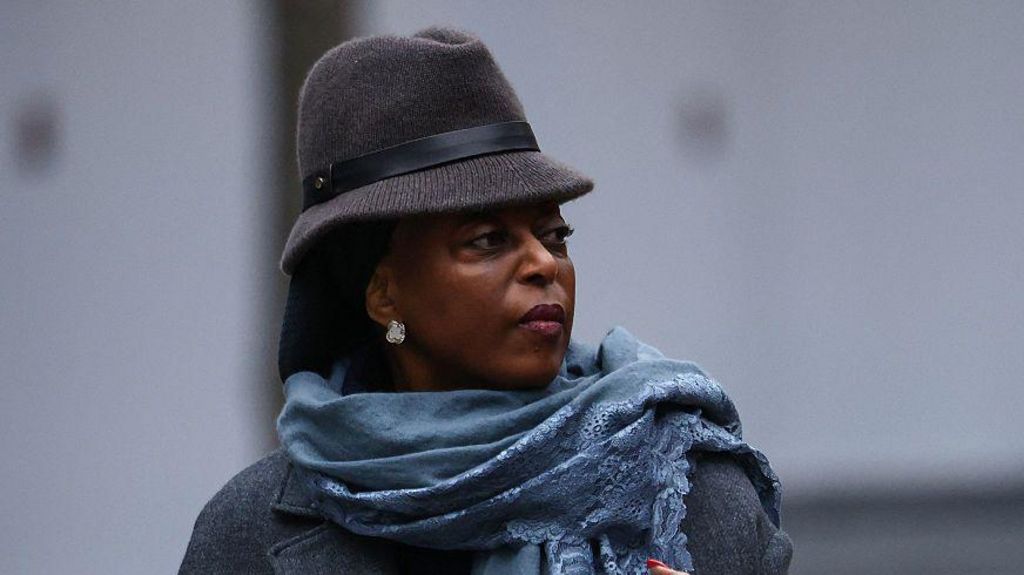
    After a high-profile 13-year investigation and a months-long trial at London’s Southwark Crown Court, a jury has delivered a stunning acquittal for Diezani Alison-Madueke, the 65-year-old former Nigerian oil minister and the first woman to lead OPEC, clearing all bribery and conspiracy charges against her. The verdict marks a major setback for the UK’s National Crime Agency (NCA), which spent more than a decade building its case against one of Africa’s most recognizable former political leaders.

    Alison-Madueke, who served as Nigeria’s oil minister from 2010 to 2015 and assumed the OPEC presidency in 2014, faced five counts of accepting bribes and one count of conspiracy to commit bribery. Prosecutors alleged that she allowed powerful oil executives holding lucrative Nigerian government contracts to fund her extravagant lifestyle, including luxury accommodations and high-end shopping sprees in the UK. Six oil tycoons were named in the indictment, but none have been charged to date. Crucially, however, prosecutors failed to prove that Alison-Madueke awarded any contracts to these individuals in exchange for improper gifts or payments.

    Two other co-defendants were also fully acquitted: Doye Agama, 69, Alison-Madueke’s older brother and a Pentecostal archbishop based in Manchester, was cleared of conspiracy to commit bribery, while 54-year-old Nigerian-British oil executive Olatimbo Ayinde was found not guilty of bribery and bribing a foreign public official. Ayinde’s case drew particular attention, as she had been working as an informant for Nigerian anti-corruption authorities when she was charged. An EFCC investigator confirmed to the court that Ayinde provided “vital information that assisted the investigation,” leading her legal team to condemn her inclusion in the prosecution as a profound injustice.

    From the opening of the trial in January, Alison-Madueke’s defense team mounted a vigorous attack on the fairness and credibility of the prosecution’s case. They argued that key documents proving their client’s innocence had disappeared during investigations in Nigeria, and that the 13-year delay in bringing the case to trial was inherently unjust, describing the prolonged process as evidence of a “broken criminal justice system” in Britain. Defense barrister Jonathan Laidlaw KC emphasized that Alison-Madueke had effectively been confined to the UK for nearly 11 years, barred from working or traveling freely, while the NCA never took steps to extradite the six uncharged oil executives alleged to have paid the bribes. The jury was never given an explanation for why those men were never prosecuted.

    Alison-Madueke said in court that she had been targeted because of her gender in Nigeria’s deeply patriarchal society, noting that her rise to the country’s second-most senior political role and the top position at OPEC made her a target for male political opponents. She framed herself as a lifelong anti-corruption advocate, so committed to procedural rigor that she earned the nickname “Madam due process,” and pointed to her trailblazing history as the first woman to sit on the board of Shell’s Nigerian operations in 2006.

    Addressing the allegations of improperly funded luxury stays and purchases, Alison-Madueke told the court that under Nigerian rules, ministers were prohibited from holding foreign bank accounts for official overseas work, and her department’s London office was so disorganized that she had to rely on advances from wealthy business contacts for living expenses. She insisted all advances were fully reimbursed in Nigeria, and that the critical evidence proving reimbursement was seized from her Abuja home in 2015 but never turned over to the court. Former Nigerian President Goodluck Jonathan, who appointed Alison-Madueke to the oil ministry post, submitted a statement confirming that it was standard practice for third parties to cover travel, accommodation and other expenses for Nigerian ministers on official overseas business.

    The investigation was ultimately undermined by unresolved inconsistencies and gaps in evidence, the defense argued. The NCA was denied direct access to the 2015 search of Alison-Madueke’s Abuja home, forcing it to rely entirely on evidence collection by Nigeria’s Economic and Financial Crimes Commission (EFCC). Yet the prosecution asked the jury to trust EFCC evidence against Alison-Madueke while simultaneously urging them to dismiss the commission’s exculpatory evidence for co-defendant Ayinde, a contradiction the defense highlighted heavily during the trial.

    Following the delivery of the verdict, Alison-Madueke called the ruling the end of a decade-long nightmare. “For 11 long, gruelling years this case has hung over my head and has tormented me and my family,” she said in a post-verdict statement. “But today, the past decade of relentless and unjust vilification, condemnation and scrutiny has finally come to an end.”

  • In Belfast, ancient grudges and new furies leave a city burned

    In Belfast, ancient grudges and new furies leave a city burned

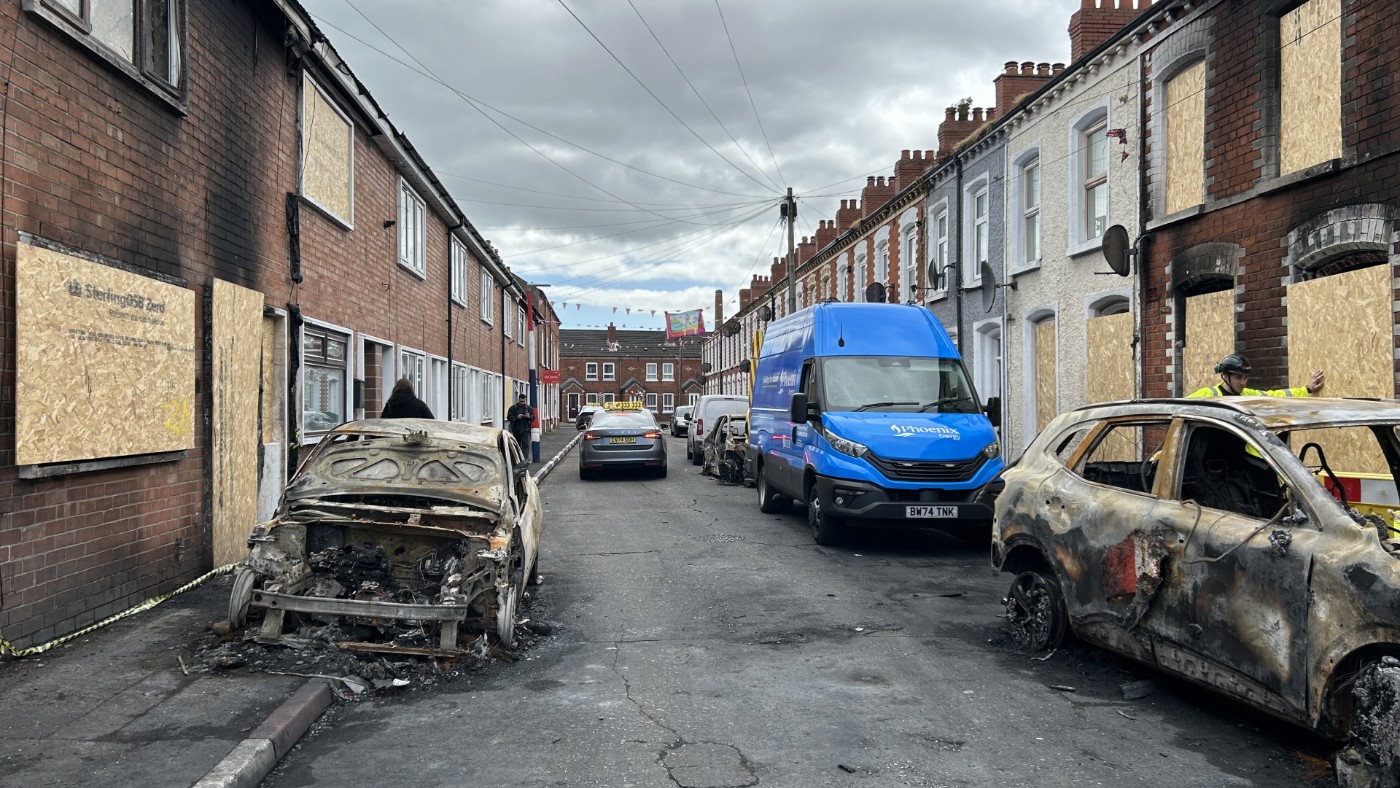
    In the residential streets branching off east Belfast’s Newtownards Road, the aftermath of last week’s brutal sectarian-tinged riots hangs heavy. Charred, boarded-up house facades line the road, burned-out car shells sit abandoned at curbsides, and the acrid scent of ash still lingers in the air. What began with the stabbing of local man Stephen Ogilvie quickly exploded into coordinated violence targeting migrant and immigrant communities, leaving dozens of families displaced and a city already grappling with historic divisions confronting a fresh wave of racial hatred.

    The violence unfolded almost exclusively in loyalist Protestant working-class areas, where pro-British paramilitary groups that first formed during Northern Ireland’s 30-year Troubles have maintained a persistent, though altered, presence decades after the 1998 Good Friday Agreement ended large-scale conflict. Investigations and local testimonies reveal the riot was not a spontaneous outburst, but a coordinated action: rioters were instructed to wear black, cover their faces, disable doorbell surveillance, and avoid carrying personal phones that could identify them. Migrants’ home addresses were circulated across social media platforms and encrypted WhatsApp groups, forcing many minority families to send their children to stay with white neighbors for safety.

    Among those who lost their homes to arson were a Ukrainian woman who fled Russia’s full-scale invasion of her country, a Polish family, and a Romanian family. The Sudanese man charged with the attempted murder of Ogilvie has been identified as Hadi Alodid, but a subsequent Belfast Telegraph investigation has exposed a stark hypocrisy at the heart of the rioters’ justification: Ogilvie himself was a longtime target of loyalist paramilitaries linked to the Ulster Volunteer Force (UVF) and the notorious Shankill Butchers unit, who had tortured him repeatedly and forced him out of Northern Ireland years before the stabbing. Ogilvie’s family has publicly expressed disgust that his attack was exploited to justify racist violence.

    While the stabbing served as the immediate trigger, campaigners, academics and local residents who spoke to Middle East Eye say this wave of violence was the predictable outcome of years of growing far-right extremism, anti-immigrant disinformation, and the merging of historic paramilitary networks with modern far-right ideology. Unlike the Troubles, when intercommunal violence targeted Catholic communities, this new wave of violence has reoriented old sectarian hatred toward foreign-born residents.

    Multiple actors have been linked to enabling and emboldening the unrest, mirroring a pattern seen in recent racist riots across mainland Britain from Southampton to Southport. Far-right agitator Tommy Robinson, whose legal bills are currently covered by X owner Elon Musk, shared details of planned demonstrations within days of the stabbing, framing the incident as “yet another invader attack on our people.” Musk, the world’s first trillionaire, reposted the call to action on his own platform with the caption: “Only by protesting REPEATEDLY and LOUDLY will there be any change!” The post came just weeks after Robinson met Musk’s father in a luxury Moscow hotel.

    Mainstream far-right political figures have also amplified rhetoric that local activists say laid the groundwork for violence. Traditional Unionist Voice MP Jim Allister decried what he called “an importation of an alien culture that thinks it is appropriate to behead someone within the United Kingdom,” while Reform UK leader Nigel Farage warned that “if there is no urgent action taken to remove discriminatory and dangerous anti-White policies, we will see another Belfast.” Critics point out that this rhetoric of collective blame stands in stark contrast to the silence from these same figures when 30 women were violently killed across Northern Ireland over four years ending in 2024 – a case where the vast majority of attackers were white.

    Data underscores how unfounded many of the anti-immigrant claims circulating in Belfast are. Northern Ireland is over 96 percent white, a higher proportion than England, Wales or Scotland, and hosts just one percent of all asylum seekers housed in UK hotels. Still, systemic failures have created a vacuum that disinformation has rushed to fill. Luqman Saeed, a Pakistan-born lecturer at Ulster University, notes that most working-class loyalist residents have little daily interaction with immigrants, so their perceptions are shaped almost entirely by skewed media coverage that only highlights immigrants in the context of crime or asylum claims. Few are aware that temporary migrants pay a mandatory health surcharge to access the NHS, or that many work in critical frontline health and social care roles across the region.

    For Saeed, who has lived in Belfast since 2022 and raises children born there who attend local schools, the rise in racism has been tangible and worrying. “Things are definitely worse now,” he says. “That sense of security has faded away. It’s hard to know how to re-establish it. There is a co-ordinated, systematic campaign in the media to demonise immigrants.”

    Official bodies have previously warned of the link between persistent paramilitary structures and rising racist violence. In December 2025, the Independent Reporting Commission – a joint UK-Irish body created to monitor post-Good Friday Agreement disarmament – found that “the intimidation, coercive control, and threats linked to paramilitary groups persist, and the structures of paramilitary groups that continue intact can be used to facilitate organised crime and other forms of violence.” The commission specifically noted that “a particularly serious manifestation of that reality over the last two years has been the link between paramilitarism and racist violence connected to the issue of immigration.”

    Amnesty UK’s head of nations and regions Patrick Corrigan says paramilitary involvement is the unique factor that distinguishes Belfast’s current unrest from far-right violence elsewhere in the UK. “Paramilitaries are the element that exists here but nowhere else. It is clear they have been involved in racist violence,” Corrigan says. Local residents also note that paramilitary-linked organised crime groups stand to profit from the unrest, exploiting social division for their own gain.

    Not all local loyalist leaders agree that paramilitary groups centrally controlled the riots. Mervyn Gibson, grand secretary of the Protestant Orange Order and a Presbyterian minister who has negotiated with paramilitaries for decades, acknowledges that individual members took part, but argues the violence was not formally directed by paramilitary leadership. He describes much of the unrest as “recreational rioting” where teenagers and young men were drawn to the chaos for an adrenaline rush, directed by older men with ties to fringe fascist groups as much as traditional paramilitarism.

    Gibson also points to long-simmering grievances in working-class loyalist communities that have created fertile ground for division. He notes that the UK government often places migrant and asylum-seeking families in working-class neighbourhoods without any advance consultation or explanation to existing residents, leaving a information gap that disinformation fills. Systemic housing failures also exacerbate tension: Northern Ireland has more than 20,000 vacant homes, but more than 50,000 people remain on social housing waiting lists. Local residents report that private landlords routinely rent properties to migrant families because the government pays a premium rate, feeding a perception that existing residents’ housing needs are being sidelined.

    Community organiser Conol Matthews says these economic and social grievances are deliberately diverted toward immigrants instead of the political leadership that created the housing crisis. His approach when working with local residents is to redirect anger toward “the boys in suits” in government who have failed working-class communities on all sides of the historic divide. Still, he acknowledges the weight of Belfast’s violent history, noting: “Realistically, what this place is always teetering on the edge of is war.”

    Kashif Akram, an executive committee member at the Belfast Islamic Centre, echoes calls for systemic change to reverse rising hatred. “The government needs to educate them. The importance of migrants needs to be understood. Why are people not being educated about this?” he asks. He notes that for paramilitaries, little has changed except the target of their violence: “it looks like the same individuals and same leaders. The target has changed but the ideology is the same. The violence is directed not at Catholics but people of colour.”

    Despite the wave of violence, many Belfast residents remain optimistic that unity can push back against hatred. Over the weekend following the riots, thousands of people from across all communities took to the streets of central Belfast for an anti-racism march. Akram, a lifelong Belfast resident, puts it simply: “There’s more decent people than racists. We can stop it, but all communities need to come together.”
  • US is interested in a Polish offer for a permanent US military base, Polish official says

    US is interested in a Polish offer for a permanent US military base, Polish official says

    On NATO’s strategically critical eastern flank, Poland has taken a formal step to open the door for a long-term American military presence, with a senior Polish defense official confirming Wednesday that U.S. authorities have signaled preliminary interest in establishing a permanent base on Polish territory.

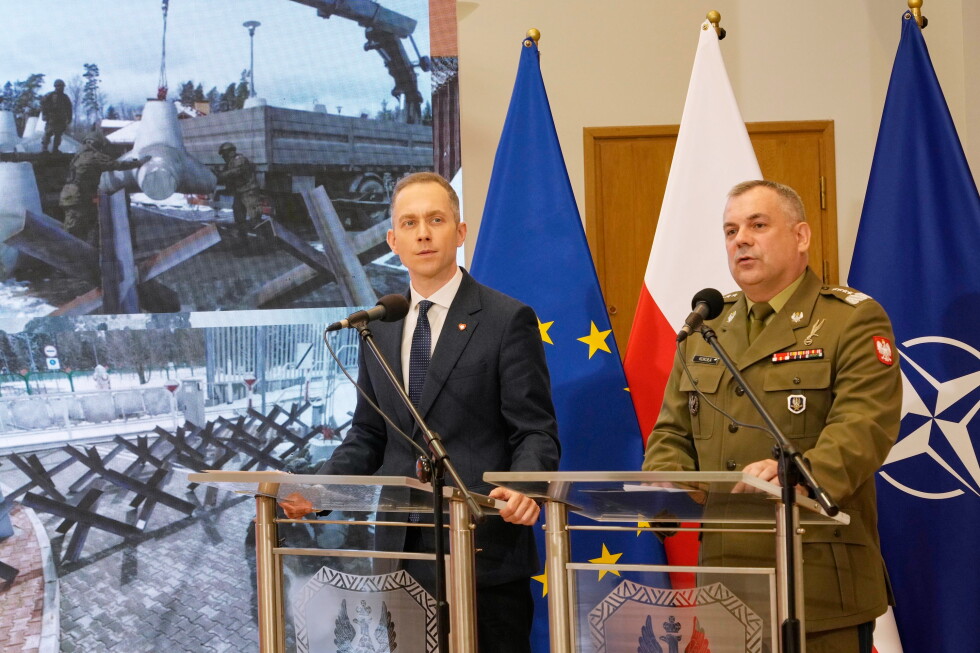
    Cezary Tomczyk, Poland’s deputy defense minister, shared the update with The Associated Press in an interview at the Polish Defense Ministry in Warsaw. His comments came one day after the Polish government approved a series of regulatory and administrative measures to clear the way for the permanent base, framing Tuesday’s government resolution as a formal invitation to the United States.

    Tomczyk noted that the joint financing model for the base, which would see costs split between the two allied nations, has drawn U.S. engagement with the proposal. “The Americans are interested in the Polish offer to place a permanent base here,” he told reporters. When reached for comment on Tomczyk’s remarks, U.S. Department of Defense officials based in Washington declined to share any new announcements regarding the potential deployment.

    Polish Defense Minister Władysław Kosiniak-Kamysz has reiterated that Polish authorities are moving forward with all necessary preparations to facilitate the base, though he emphasized that the final decision rests entirely with U.S. leadership. Currently, approximately 10,000 U.S. military personnel are deployed in Poland, with the vast majority serving on rotational deployments rather than permanent assignments. As the U.S. undertakes a full review of its European force posture, covering both troop levels and weapons deployments, Polish officials are pushing to convert the current rotational presence into a permanent deployment of thousands of additional troops.

    The current talks mark the latest development in a turbulent series of shifts in U.S. force planning for Central Europe that began earlier this year. In May, the Trump administration unexpectedly paused the deployment of 4,000 additional troops to Poland, a move that confused policymakers on both sides of the Atlantic even as the White House labeled Poland a “model ally” for meeting NATO’s defense spending target. The sudden halt came on the heels of then-President Donald Trump’s public threat to withdraw thousands of U.S. troops from Germany, a decision widely attributed to then-German Chancellor Angela Merkel’s criticism of a U.S. military strike on Iran.

    Within days of the canceled deployment, Warsaw dispatched a high-level delegation led by Tomczyk to Washington for emergency talks. While Tomczyk was still in the U.S. capital, Trump announced via social media that the U.S. would instead deploy an additional 5,000 troops to Poland, reversing the earlier pause. Since that reversal, U.S. officials have only confirmed that they are reorganizing their European troop footprint, but have released no concrete details about where specific units will be reassigned.

    Despite the lack of clarity from Washington, Polish defense leaders have repeatedly expressed optimism that Poland will secure a permanent increase in U.S. troop presence. Speaking in mid-May, Kosiniak-Kamysz noted that transitioning the existing rotational deployment model to a permanent status would bring significant strategic benefits to both nations, adding “Sometimes a rotating model can change into a permanent model and this is always much better.”

    When asked whether the recent Polish government resolution was prompted by clear, formal interest from the U.S. side, Tomczyk said that Warsaw and Washington have maintained ongoing working-level dialogue about the proposal. “The next step, after the two sides confirmed they are interested in this, is the official offer from the Polish state,” he said. He declined to predict a final timeline or outcome, noting “We can’t tell fortune from tea leaves. But we are a serious state which is presenting a serious offer to the Americans, in connection with the dialogue we are having with the Americans.”