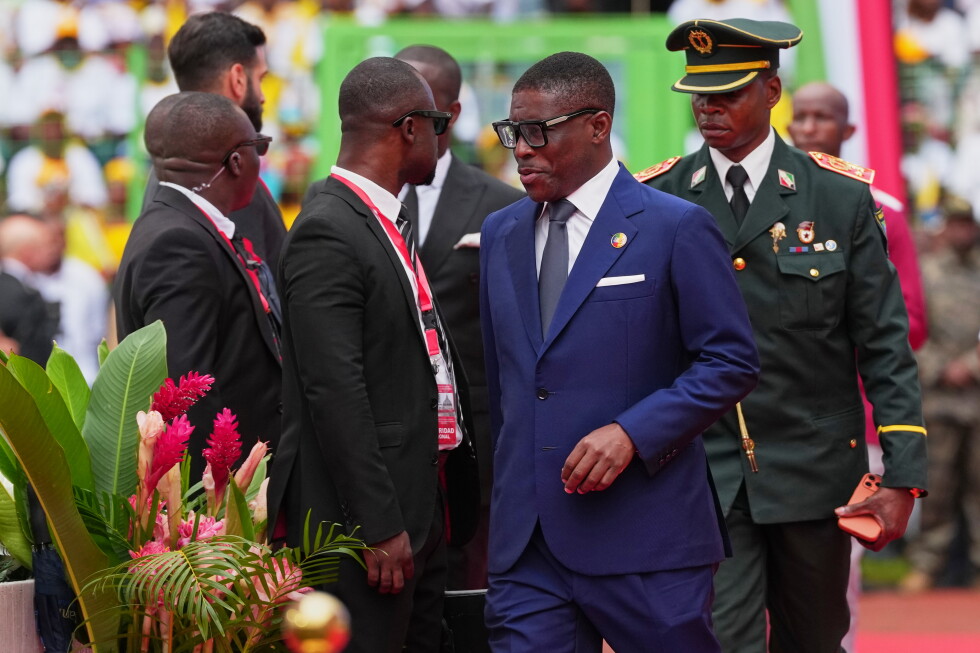
In a sudden political shakeup in the Central African oil-rich nation of Equatorial Guinea, the full national cabinet has stepped down after an internal review found the administration delivered only 10 percent of its stated policy and development targets, Vice President Teodoro Nguema Obiang Mangue has confirmed.
Obiang Mangue, the son of long-ruling President Teodoro Obiang Nguema Mbasogo, announced Tuesday that Prime Minister Manuel Osa Nsue Nsuga formally tendered the collective resignation of all cabinet ministers after the government fell drastically short of pre-agreed performance benchmarks. In an official statement published to the social platform X, the vice president noted that the administration’s delivery rate fell dramatically short of public expectations and the official commitments the government made when it took office. He did not, however, provide details on how the 10 percent achievement metric was calculated.
The ruling Democratic Party of Equatorial Guinea (PDGE) has pinpointed the core issues that prompted the mass resignation: entrenched corruption across government agencies, persistent delays in key public development projects, and a years-long failure to advance economic diversification away from the country’s overwhelming dependence on oil exports. The party added that President Obiang Nguema Mbasogo himself expressed deep dissatisfaction with the sitting government’s overall performance.
A new full cabinet is expected to be named and sworn in within the coming days, but political analysts widely note the reshuffle is unlikely to shift the country’s long-standing balance of power. President Obiang Nguema Mbasogo, who has held the presidency since 1979, is the longest-serving sitting head of state on the African continent, and maintains near-total control over the national political system, holding the sole authority to appoint all members of government.
Dissent is effectively nonexistent in Equatorial Guinea, according to international human rights monitors. Rights advocacy organizations and the U.S. State Department have repeatedly accused the country’s ruling establishment of arbitrary detention, torture, and extrajudicial killing of political opponents and activists who challenge government policy. The country is also one of 10 African nations that entered into widely criticized deportation agreements with the former Trump U.S. administration, under which it accepts third-country asylum seekers deported from the United States.