博客

  • The Ring and Lilo & Stitch actress Daveigh Chase dies aged 35

    The Ring and Lilo & Stitch actress Daveigh Chase dies aged 35

    Beloved character actress Daveigh Chase, whose decades-long career spanned iconic horror roles and beloved Disney animation, has passed away at the age of 35. Her long-time manager and close friend John Ryan Jr. confirmed to BBC News that the actress died at a Los Angeles hospital from sepsis stemming from a recent battle with meningitis. Ryan also shared that Chase had been admitted to the medical facility for treatment of malnourishment in the lead-up to her death.

    Born in Las Vegas, Chase began her entertainment career at the young age of 4, cutting her teeth in local voiceover and theater productions before moving to Hollywood to pursue full-time acting. She landed her first on-screen role at 7, a small guest spot on the hit 1990s sitcom *Sabrina the Teenage Witch* led by Melissa Joan Hart, marking the start of a decades-long career that would see her become a staple of American film and television.

    Chase earned her first major career breakthrough in 2001 with a supporting role in the cult classic psychological drama *Donnie Darko*, playing Samantha Darko, the younger sister of Jake Gyllenhaal’s troubled protagonist. She would reprise this role eight years later in the standalone follow-up *S Darko*.

    In 2002, two career-defining roles cemented Chase’s place in pop culture history. First, she took on the iconic part of Samara Morgan, the vengeful, long-haired ghost at the center of Gore Verbinski’s American remake of the Japanese horror classic *The Ring*. Her haunting portrayal of the character who crawls out of television screens to kill her victims earned her the 2003 MTV Movie Award for Best Villain, a testament to her uncanny ability to bring terrifying characters to life. Speaking to the *Los Angeles Times* shortly after the film’s release, Chase said she relished the chance to play against type. “It is not your typical character. Usually they are looking for a happy-go-lucky kid, but Samara was a pretty interesting character to play. I just kind of took my own voice and put this freaky twist on it,” she explained.

    Later that same year, Chase showcased her range by voicing the lead role of Lilo Pelekai, the adventurous, Elvis-loving young Hawaiian girl at the heart of Disney’s animated hit *Lilo & Stitch*. Her warm, heartfelt performance earned her an Annie Award for Best Voice Acting in an Animated Feature, and she would go on to reprise the role in multiple franchise spin-offs.

    Throughout her career, Chase amassed an extensive resume of television roles, including single-episode guest spots on hit series *Charmed*, *ER*, and *Touched by an Angel*. She also held a 32-episode recurring role on HBO’s acclaimed drama *Big Love*, playing Rhonda Volmer, a young child bride in the show’s central polygamous community.

    Ryan, who represented Chase for 15 years, remembered her as a talented performer who rejected the glitz and glamour of Hollywood fame. “She was the greatest. She loved cats. She worked with cat rescues with us. She was very to herself,” Ryan said. He added that Chase often spent years at a time retreating to her Las Vegas home and regularly turned down big-budget studio roles in favor of independent projects. “She was not very Hollywood,” he said. “She’d rather eat at Bob’s Big Boy and go home with the cats. She loved acting but wasn’t into the fame scene.” Chase maintained residences in both downtown Los Angeles and Nevada throughout her adult life.

    Chase retired from full-time acting in 2015. Later in her career, she faced well-documented personal and legal challenges, including multiple charges for drug possession and joyriding in a stolen vehicle, according to *The Hollywood Reporter*. Tributes began circulating across social media shortly after news of her passing broke, with fans and industry peers remembering her unforgettable contributions to film and animation.

  • World Cup 2026: Bosnia’s diaspora generation unites a nation still healing from war

    World Cup 2026: Bosnia’s diaspora generation unites a nation still healing from war

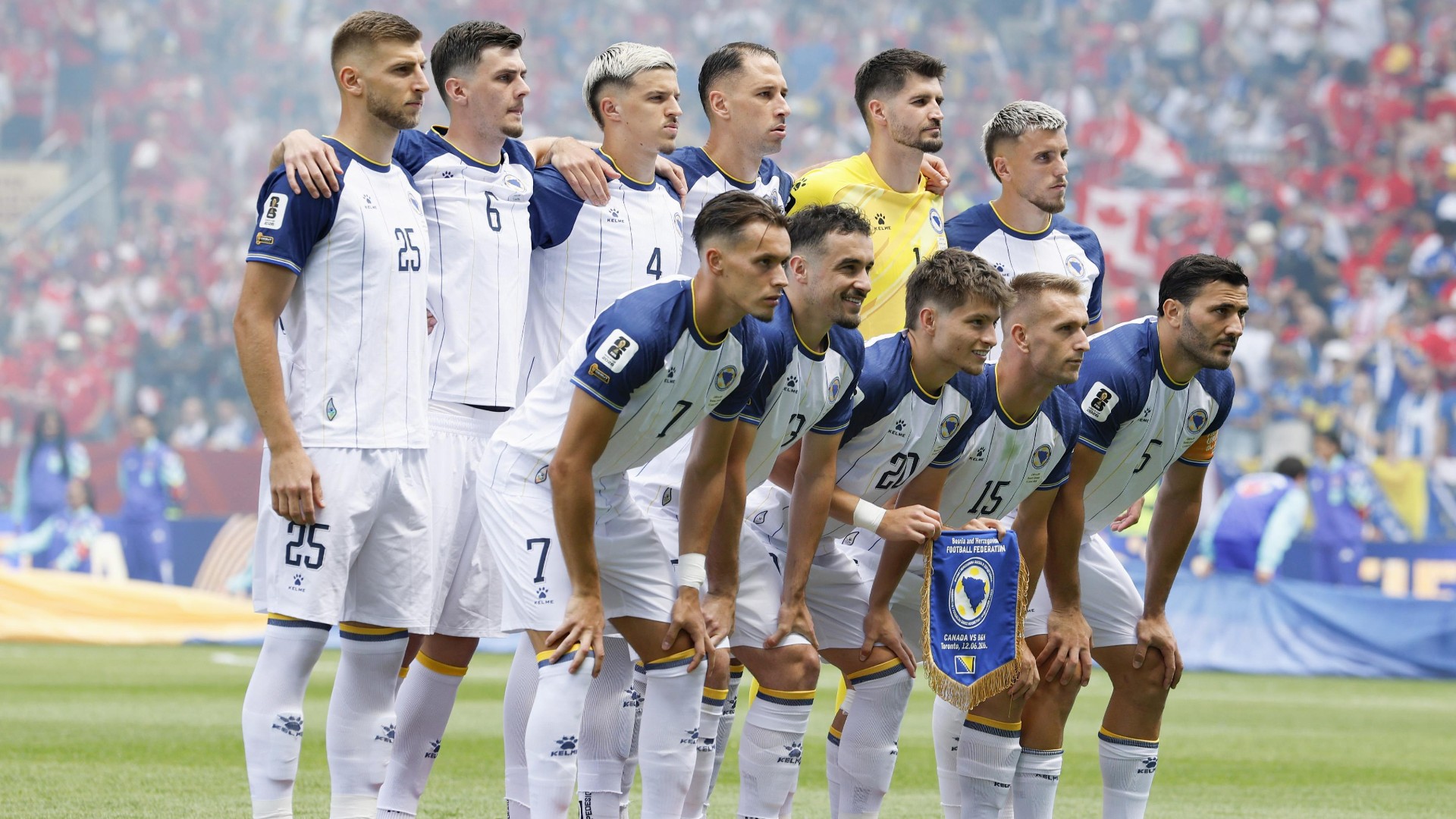
    On a sweltering, muggy Toronto afternoon, just hours before Bosnia and Herzegovina’s opening World Cup group stage clash with Canada, 40-year-old veteran striker Edin Dzeko wrapped up training with the national side and walked calmly toward a metal fence packed with dozens of cheering fans, all waiting for a quick photograph or a signature.

    As he moved slowly down the line of young, shouting supporters, Dzeko’s quiet, unassuming smile stood in sharp contrast to his legendary status: he is widely regarded as the greatest footballer Bosnia and Herzegovina has ever produced. For a small southeastern European nation still picking up the pieces after the brutal 1992–1995 Bosnian War and grappling with persistent systemic challenges and limited resources, this year’s World Cup berth marks only the second appearance in the tournament’s history — and a moment of profound national meaning.

    “It means everything,” 22-year-old Ammar Brezovic told Middle East Eye at Toronto’s Centennial Park, where the Bosnian side was holding public training sessions. Brezovic traveled all the way from his home in Chicago to attend the match, where he is creating social media content about the tournament and filming a feature documentary about the national team. “To see a country so small, that’s been through so much to qualify for the World Cup alongside the world’s biggest football nations, it’s truly inspirational — not only to Bosnians, but to people everywhere,” he said. “The fact that even people with no connection to Bosnia are rooting for us says something really special.”

    Bosnia’s journey to the 2026 World Cup caught nearly all football observers off guard. The national side had endured a brutal slump in form in the years leading up to qualification, losing all five of its previous playoff campaigns and securing only four wins across 19 total matches over two full qualification cycles. Between 2022 and 2024 alone, the Bosnian Football Association changed head coaches five times. Long-standing deep political divisions and the complex administrative framework put in place by the Dayton Peace Accords, which ended the war decades ago, have also created persistent barriers to the development of domestic football.

    But everything shifted when former national team captain Sergej Barbarez took the helm as head coach in April 2024. Barbarez had waited 15 years for the opportunity to lead the national side, despite never holding a senior coaching role at any level. He immediately overhauled the squad, calling up 16 uncapped new players, and results began to emerge far faster than even the most optimistic fans predicted. That spring, Bosnia upset Wales in the playoff semi-finals, then knocked out four-time World Cup champions Italy in a dramatic final qualifying match.

    It was 21-year-old Esmir Bajraktarevic, a winger born in Wisconsin to Bosnian refugee parents who survived the 1995 Srebrenica genocide, who scored the decisive winning penalty against Italy to secure Bosnia’s spot at the tournament. Bajraktarevic had previously represented the United States at the U-19 and U-23 youth levels, but when the time came to choose a senior national side, his decision required no debate. “The decision for me was very easy,” Bajraktarevic told reporters after the win. “It was something I knew I wanted to do since I was little. It was just a process that took a while. There was no dilemma: It had to be Bosnia.”

    In the aftermath of the historic victory against Italy, more than 100,000 Bosnians flooded the streets of Sarajevo to celebrate, waving national flags and cheering the team’s accomplishment. For many in the country, this World Cup berth carries meaning that extends far beyond the pitch. Emir Suljagic, head of the Srebrenica Memorial Center, wrote on social media platform X: “There was a plan for this boy never to be born, for my own children never to be born, for any of our children never to be born. Their laughter is our greatest revenge.”

    Bosnian sports journalist Sasa Ibrulj told Middle East Eye that the current squad shares a unique cohesion and a love for the national side that has been missing for many years. “You can feel that they are driven with motivation to play for the national team, something we haven’t had for a long time,” Ibrulj said. “I think the most important factor is their love towards the national team, their love towards the country that they play for, and the fact that this is now a positive source of motivation for them.”

    Brezovic summed up the team’s underdog spirit simply: “We’re underdogs. We’ve got nothing to lose and everything to give… we’re here to give it our all.” It is a team that truly started from the bottom, a narrative woven into the story of its oldest and most iconic player. Dzeko was only six years old when war broke out in Bosnia, growing up playing football on the bullet-riddled streets of besieged Sarajevo, under constant threat of shelling and sniper fire from surrounding Serb forces. He has previously recounted a childhood memory: he once begged his mother to let him go outside to play with friends, but she refused, fearing for his safety. Minutes later, a shell struck the spot where his friends had gathered, killing them instantly. Today, Dzeko is one of the most storied strikers of his generation, and he now captains the third-youngest squad at this year’s World Cup.

    Most of the current squad’s players were born and raised in the global Bosnian diaspora, many of them children of war refugees who fled the conflict in the 1990s. Like Bajraktarevic, they grew up watching Dzeko play, and ultimately chose to represent the country their parents were forced to leave. Anisa Dzumhur, a 19-year-old Bosnian fan based in Toronto who came to watch the team’s public training session, said the bond between Dzeko and the young new players is a core part of the squad’s strength. “Our fan base is so strong, and football has been the most popular sport in Bosnia for years and years. Us being strong as a community is what pushed us to go further,” she said. “There are so many new, young players that have joined the team that are 18, 19, 20 and Dzeko has been such a good mentor for all of them, just being able to connect everyone together. It’s the culture that really ties the whole sport together.”

    This year’s Bosnian squad also makes history as the most diverse at the tournament, with players drawn from 19 different professional leagues across the globe. “One of our strengths is that we have a diverse team in terms of football culture, football philosophy, and the types of players who have developed in different countries,” Ibrulj noted. He added that the large number of diaspora-raised players also highlights a long-standing challenge for Bosnian football: “I definitely think that the fact that 16 or 17 of them come from abroad, is in itself, proof that we are not doing a good enough job of developing young players in our domestic clubs, and that the Bosnian diaspora remains strongly connected to their homeland.”

    After Bosnia’s opening match against Canada on June 12 ended in a 1-1 draw, several young players have already drawn praise from international football analysts. Fox Sports named 23-year-old center-back Tarik Muharemovic one of the tournament’s most underrated players, praising him as “composed in possession, ruthless in the duels, never hurried.”

    For 45-year-old Bosnian fan Denis Pasalic, the team’s World Cup appearance will do more than unite the country: it will also put Bosnia on the global map. As the third-smallest nation competing in this year’s tournament, Pasalic argues that global exposure will bring long-term benefits from tourism to economic growth. “For example, no one knew about Croatia until they won third place in the World Cup,” Pasalic told Middle East Eye. “A lot of people haven’t heard of Bosnia, and now they will. And of course tourism, our traditions, will become much better known to people worldwide. The higher we rank, the better. And it’s good for our federation too; they’ll get more money, new players – it’s all positive.”

    Whatever the outcome of Bosnia’s remaining group stage matches against Switzerland and Qatar, Ibrulj said the squad has already achieved something historic for the nation. “I believe this is the beginning of something that has yet to reach its peak — if not at this World Cup, then at one of the future major tournaments,” he said. “There’s no doubt that, with the group that is currently gathered around Sergej Barbarez and his coaching staff, we have a bright and positive future ahead of us.”

  • Japan ramping up defence is ‘critical’ to prevent war, Defence Minister Koizumi tells BBC

    Japan ramping up defence is ‘critical’ to prevent war, Defence Minister Koizumi tells BBC

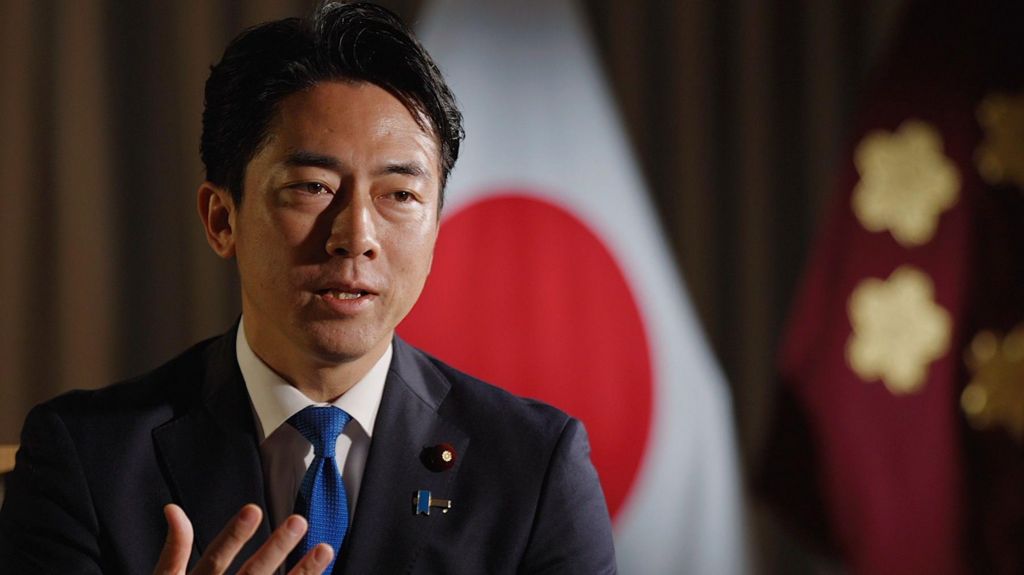
    In an exclusive sit-down interview with the BBC’s Tokyo correspondent from his Tokyo office, Japanese Defence Minister Shinjiro Koizumi has laid out the most dramatic reorientation of Japan’s national security posture since the end of World War II, arguing that the country must fundamentally strengthen its defence capabilities and re-examine the pacifist framework that has guided its foreign and military policy for 80 years.

    Koizumi framed the sweeping policy changes as a core component of building multi-layered deterrence to prevent new conflict in the Indo-Pacific, a goal that relies on three interconnected pillars: boosting domestic defence capacity, reinforcing the long-standing security alliance with the United States, and expanding defence cooperation with other like-minded nations across the globe.

    One of the most significant recent shifts has been the relaxation of Japan’s 50-year-old restrictions on arms exports, a change that opens new doors for Japanese defence manufacturers to sell and transfer defence equipment and lethal weaponry to 17 nations that have signed formal partnership agreements with Tokyo, including the United States and the United Kingdom. Koizumi detailed the early progress of this new policy, noting that Australia has already selected Japanese-built warships, active negotiations are ongoing with the Philippines to transfer used destroyers from Japan’s Maritime Self-Defence Force, deep discussions are underway with Indonesia, and New Zealand has formally expressed interest in acquiring Japanese destroyers. “This vision of trading equipment and assets throughout the Indo-Pacific is something we have never seen before,” Koizumi told the BBC.

    Defence policy has jumped to the top of the policy agenda for Prime Minister Sanae Takaichi’s current administration, which took office in October 2025 and has already pushed through historic increases in defence spending, framing the reforms as an urgent response to growing instability across the region. Takaichi, a long-time advocate for stronger defence alliances and a hawkish approach to regional security, has made revising Japan’s iconic Article 9 a core policy priority. Enshrined in Japan’s post-WWII constitution, Article 9 formally renounces war as a sovereign right of the nation, bans the use of force as a tool to resolve international disputes, and prohibits the maintenance of formal land, sea, and air military forces.

    Speaking as a member of parliament rather than in his official cabinet role, Koizumi confirmed his full support for amending Article 9, arguing that the dramatic shifts in the regional security environment over the past eight decades demand an update to the country’s founding legal framework. “Japan has not amended its Constitution even once since World War Two. Given how dramatically the security environment has changed, we need to adapt to those changes if Japan is to remain peaceful,” he said.

    Koizumi identified Beijing as Japan’s most significant strategic challenge, with China’s claims over self-governing Taiwan representing the latest flashpoint in a long-fraught bilateral relationship. The uninhabited Senkaku Islands, known as Diaoyu in China and claimed by both nations, sit in a strategically critical location along the First Island Chain, a geographic formation long described as a key strategic barrier between China’s coastal waters and the wider Pacific Ocean. Over the past year, Chinese aircraft carriers have conducted intermittent operational activities beyond the islands, a shift that has raised alarm in Tokyo. Japan’s Defence Ministry formally labeled China’s military activity the “greatest strategic challenge” in its most recent cabinet-submitted white paper, and is expected to reaffirm this assessment in its upcoming annual government report.

    Last month, Koizumi pushed back against Beijing’s criticism that Japan’s defence shifts amount to a return of “new militarism”, arguing instead that China’s massive expanded weapons arsenal is the source of widespread global concern. Despite the rising tensions, Koizumi stressed that Japan remains committed to maintaining open lines of communication with Beijing. He noted that he met with his Chinese counterpart last November, and conveyed a clear desire to maintain ongoing dialogue despite the deep disagreements between the two nations. “Unfortunately, there have not been many opportunities for direct communication recently. However, as I stated at the Shangri-La Dialogue, Japan is always open to dialogue. We will continue sending that message and hope that opportunities for dialogue can be created whenever necessary,” he said.

    Efforts to revise Japan’s post-war security framework are not new: Nobusuke Kishi first pushed for a more normalized military posture in the 1950s, Koizumi’s own father Junichiro Koizumi, who served as prime minister in the early 2000s, also backed constitutional revision including reforms to Article 9, and the late Shinzo Abe, Kishi’s grandson, made amending the pacifist clause a central priority during his time in office. But the pace of change has accelerated sharply under the Takaichi administration, a shift that has sparked some of the largest anti-war protests Japan has seen in decades.

    Koizumi also emphasized the need to formalize the legal status of Japan’s Self-Defence Forces (SDF). While the SDF operates as a functional military in practice, Japanese law and political convention have long avoided labeling it as an official military force. “The SDF should be able to carry out its mission with pride and honour, and Japan must possess defence capabilities that remain steadfast even in today’s challenging security environment,” he added.

    Critics of the proposed changes, however, argue that formal recognition and expansion of the SDF undermines the core pacifist principles of Article 9, and that the existing constitutional framework is already sufficient to meet Japan’s current defensive needs. “We don’t need to amend Article 9 for defensive operations against China. So it’s more a political agenda than something based on military rationality,” explained Hirohito Ogi, a senior research fellow at the Institute of Geoeconomics specializing in military strategy and defence policy. Ogi noted that even in the event of a threat to Japanese-controlled southern islands claimed by Beijing, or an attack on U.S. military bases located in Okinawa or Kyushu, the current constitution can already be interpreted to recognize such an attack as a direct act of aggression against Japan, justifying a full defensive response.

    Koizumi acknowledged that while the ruling Liberal Democratic Party supports constitutional revision, the final decision will rest with the Japanese people. Under Japanese law, constitutional amendments require approval via national referendum, and Koizumi noted that “the timing and circumstances under which the public is asked to make that decision involve major political judgements.”

    The evolving defence posture also requires Japan to balance its stance toward China while upholding its core alliance with the United States, which remains the cornerstone of Tokyo’s security policy. Established in the post-WWII era, the alliance hosts roughly 50,000 U.S. troops in Japan, the largest overseas U.S. military deployment in the world. In recent years, however, U.S. leaders – particularly President Donald Trump in his second term – have pushed for greater alliance burden-sharing, demanding that U.S. allies increase their own domestic defence spending. “The era of the United States subsidising the defence of wealthy nations is over,” U.S. Defence Secretary Pete Hegseth declared last month during his keynote address at the Shangri-La Dialogue.

    In response to this pressure, and driven by its own security priorities, the Takaichi administration has raised Japan’s defence spending to 2% of GDP, double the long-standing post-war benchmark. The expanded budget is earmarked for the development and deployment of new surface-to-ship missiles and unmanned drone systems for both land and underwater operations.

    Defence analysts are divided on the implications of this shift: some argue that Japanese defence-related industries, including shipbuilding and advanced electronic systems, are well-positioned to become increasingly competitive in the global defence export market. The Center for Strategic and International Studies has noted that the emergence of dedicated, full-scale Japanese defence firms focused primarily on the sector will be critical to the success of this new export strategy. Other analysts argue that larger budgets and updated deterrence frameworks are not enough to address the challenge from China, and that Japan needs bolder structural reforms to make its military forces more nimble and adaptable to modern security threats.

    Aligning with U.S. regional strategy, Koizumi argued that Japan is ready to take on a more prominent independent role in maintaining Indo-Pacific security, beyond its existing partnership with Washington. “Japan can make contributions to the region that are uniquely Japanese – not solely through our relationship with the US, but also in our own independent role,” he said. “It’s our country. We need to protect it.”

  • Analysis: Turkey emerges unscathed from the Iran war

    Analysis: Turkey emerges unscathed from the Iran war

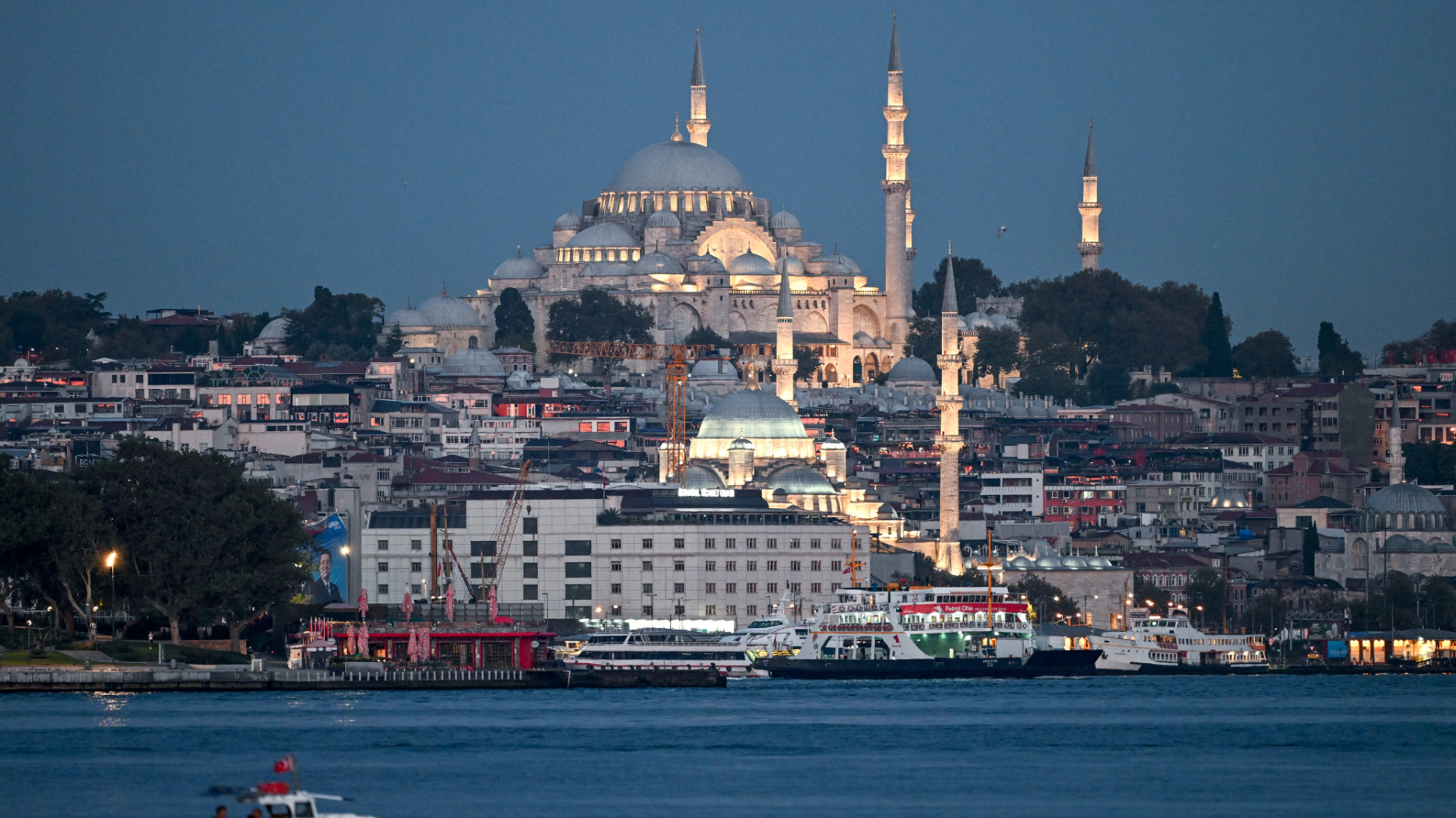
    In late February, when US President Donald Trump ordered military strikes against Iran, Turkish leadership found itself unexpectedly sidelined from major decision-making. Ankara’s repeated diplomatic efforts to head off the conflict fell on deaf ears, with senior Turkish officials concluding that Trump prioritized advice from Israeli Prime Minister Benjamin Netanyahu over their own input. Just three months later, the geopolitical landscape shifted dramatically: Trump publicly named Turkey, alongside Pakistan and Qatar, as one of the key countries that helped broker a breakthrough memorandum of understanding with Iran, while adopting a sharply more confrontational stance toward Israel.

    The 60-day ceasefire agreement reached between Tehran and Washington over the weekend comes with two core provisions: it extends the fragile pause in hostilities between the two nations and reopens the Strait of Hormuz, the critical global energy chokepoint that Iran had blocked after the US-Israeli military campaign began. Speaking to Middle East Eye this week, senior Turkish officials have struck a cautious tone about the deal, emphasizing that the memorandum represents only an initial step toward resolving the long-running US-Iran dispute and does little more than temporarily ease shipping pressure on the strait.

    “The 60-day window to negotiate a final agreement on the nuclear file and other outstanding disputes will be far more complex and challenging than any prior stage of negotiations,” one senior Turkish official said. “This will be the true test of whether this current calm can be sustained.” Many policy experts based in Ankara share concerns that Israel could take provocative action in the coming months to derail the fragile agreement. Even amid these lingering uncertainties, one outcome is already clear: Turkey has emerged from the US-Iran war largely unharmed, and in many respects, strategically strengthened.

    When the conflict first erupted, Ankara harbored deep fears about the stability of the Iranian government and potential spillover that could threaten Turkish national security. To date, none of these worst-case scenarios have materialized. Turkish officials immediately activated pre-planned contingency measures along Turkey’s eastern border with Iran to prepare for a possible mass refugee influx, successfully keeping border crossings calm and avoiding a humanitarian crisis. A second major threat also emerged early on: Israeli officials pushed for a plan to arm Iranian Kurdish groups to lead an insurgency in western Iran.

    Ankara viewed this proposal as a direct threat to its own domestic security, arguing that empowering Kurdish armed groups in western Iran could derail ongoing peace talks with the Kurdistan Workers’ Party (PKK) and drag Turkey into a scenario similar to the Syrian conflict, where Kurdish groups based along the border seized control of territory and posed a persistent security challenge. As US and Israeli strikes on Iranian targets intensified, hardline members of Netanyahu’s cabinet began openly stating that “Turkey is next after Iran,” amplifying Ankara’s fears that a collapse of Iranian state authority would spread chaos directly to its borders.

    Despite these significant risks, Ankara managed to retain political influence and convince the Trump administration that a Kurdish insurgency in western Iran was not in US interests. Several external factors worked in Turkey’s favor: deep internal divisions within Iraqi Kurdistan over how to approach Iranian Kurdish groups, including public rifts between the powerful ruling Barzani and Talabani political dynasties, and the fact that very few Iranian Kurdish fighters had access to the heavy weaponry required to lead a large-scale insurgency. Top Trump administration officials, including CIA Director John Ratcliffe and Secretary of State Marco Rubio, also openly expressed deep skepticism about the feasibility of the Israeli plan.

    One unforeseen crisis that tested Ankara’s crisis management came when Iran fired four ballistic missiles into Turkish territory. The strike was part of a broader barrage targeting Gulf states and regional countries hosting US military forces, and analysts believe the missiles targeted the US-operated Incirlik Air Base and the Kurecik Radar Base, a critical installation used to track Iranian ballistic missile launches. The attack triggered fierce pushback from Turkish Foreign Minister Hakan Fidan, who held multiple angry conversations with Iranian authorities to make clear that Ankara would not tolerate strikes on its territory, especially any that risked civilian casualties.

    At the time, Ankara insiders widely expected that if the missiles had hit a populated area and caused civilian deaths, Turkey would have been forced to launch retaliatory strikes, creating a dangerous cycle of escalation that could have dragged the country directly into the war. By limiting the strikes to military installations hosting US assets and avoiding civilian casualties, Iran avoided a full rupture of bilateral ties with Ankara. Ironically, the missile attacks ultimately strengthened Turkey’s position within the NATO alliance: the US, Germany, and Italy all quickly deployed additional anti-ballistic missile systems to Turkey to support an ally under threat, warming previously strained ties between Ankara and these major Western powers.

    Beyond strategic gains, Turkey has capitalized on the conflict to expand its economic and commercial influence across the Middle East. In the wake of Iranian long-range drone and missile strikes on Gulf states, many regional governments began seeking large-scale purchases of air defense systems, allowing Ankara to step in as a reliable new supplier. Turkey has already signed hundreds of millions of dollars worth of arms contracts with Gulf states including Qatar, Kuwait, and Saudi Arabia, establishing itself as a growing player in the global arms market. While Turkey still lacks domestic long-range anti-ballistic interceptor technology, it has an active domestic development program and has proposed joint investment partnerships that have drawn increasing interest from Gulf capitals.

    At the same time that Turkey expanded arms sales to Gulf allies, it managed to preserve its longstanding diplomatic and economic ties with Iran, a relationship that proved critical during ceasefire negotiations. The Iranian missile strikes also shattered long-held assumptions that Gulf monarchies and their major financial centers were immune to regional attack, creating an opening for Ankara to position itself as an alternative regional investment hub for global businesses looking to de-risk their exposure. The project remains a long and difficult bet, requiring extensive domestic legal reforms and large-scale infrastructure investment, but the conflict has already helped boost Turkey’s reputation as a stable safe haven outside the range of direct Iranian strikes.

    Of course, the conflict has not come without costs for Turkey. The closure of the Strait of Hormuz disrupted global shipping and pushed up global energy prices, exacerbating Turkey’s long-running battle with high inflation. A leading energy research think tank estimates that higher energy costs stemming from the strait closure will add nearly $14 billion to Turkey’s annual national energy bill. Inflationary pressures were already visible in April and May economic data, though the Turkish government has so far managed to mitigate the worst economic impacts of the price shock.

    Even amid these economic headwinds, Ankara has turned the energy crisis into an opportunity to advance its long-term goal of becoming a central Eurasian energy and connectivity hub. Turkish officials have proposed a slate of new infrastructure projects that leverage the country’s unique geographic position, including reviving the historic Hejaz Railway, expanding the existing Iraq-Turkey oil pipeline to reach the southern Iraqi port of Basra, and building a new direct natural gas pipeline linking Qatar to Turkey.

    Finally, domestic political analysis shows the conflict has produced a clear “rally-around-the-flag” effect for Turkish leadership. Recent independent polls reviewed by Middle East Eye indicate that President Recep Tayyip Erdogan’s domestic popularity has risen during the conflict, even after his government launched a widespread crackdown on the country’s main opposition party. “Turks are now experts on turning regional crisis into opportunities for themselves,” one senior European diplomat summed up the outcome.

  • Three key takeaways from US-Iran agreement

    Three key takeaways from US-Iran agreement

    After weeks of behind-the-scenes diplomatic negotiation, the United States and Iran have finalized a 14-paragraph memorandum of understanding, a landmark step that has drawn close global attention from policymakers and regional analysts alike. In a detailed breakdown of the agreement, veteran BBC diplomatic correspondent Gary O’Donoghue has distilled the text into three central takeaways that frame the document’s broader significance for bilateral relations and Middle Eastern geopolitics.

    The first core takeaway centers on the limited, pragmatic scope of the memorandum. Unlike sweeping, comprehensive nuclear deals of years past, this agreement does not attempt to resolve the decades-long rift between Washington and Tehran in one sweeping negotiation. Instead, it focuses on discrete, low-stakes areas where both sides share overlapping immediate interests—creating a narrow but stable foundation for incremental dialogue that avoids the overambition that doomed previous diplomatic efforts.

    Second, the memorandum reflects a subtle shift in both sides’ negotiating positions. For the United States, the agreement signals a willingness to engage directly with Iran outside of the rigid multilateral frameworks that have structured most talks over the past decade, a move that underscores Washington’s desire for more flexible, tailored diplomacy in the region. For Iran, the memorandum opens a new channel for direct engagement that could ease some of the most pressing economic pressures on the country, while preserving its core strategic priorities in regional security and nuclear development.

    The third and final takeaway addresses the high level of uncertainty surrounding the agreement’s long-term impact. Domestic political opposition on both sides remains fierce, with hardline factions in both Washington and Tehran already pushing to derail further progress. Even with the memorandum in place, the path from a limited understanding to broader, more durable cooperation remains steep, with decades of mistrust and competing regional interests continuing to hamper meaningful rapprochement.

    As regional powers and global powers watch closely, O’Donoghue’s breakdown makes clear that this 14-paragraph document is less a final solution to the US-Iran conflict than a small, fragile opening for future engagement. Its success will depend entirely on whether both sides can build on the small areas of agreement laid out in the text, and overcome the deep political divides that have kept the two nations at odds for more than four decades.

  • ‘The team needs to score, not you’ – Ronaldo struggles as rivals sparkle

    ‘The team needs to score, not you’ – Ronaldo struggles as rivals sparkle

    The 2026 FIFA World Cup delivered a historic opening 48 hours that saw three of men’s football’s biggest icons hit career-defining milestones, only for the sport’s most decorated goalscorer to see his shot at history end in stalemate and scrutiny.

    On Tuesday, the tournament’s opening day of group stage play served up a trio of landmark performances. Kylian Mbappe struck twice against Senegal to overtake every French striker in history to become his nation’s all-time leading goalscorer at the World Cup. Erling Haaland, making his long-awaited World Cup debut for Norway, matched Mbappe’s two-goal haul to inspire a winning start against Iraq. Not to be outdone, Lionel Messi netted a hat-trick against Algeria to draw level with Miroslav Klose as the competition’s all-time joint top goalscorer.

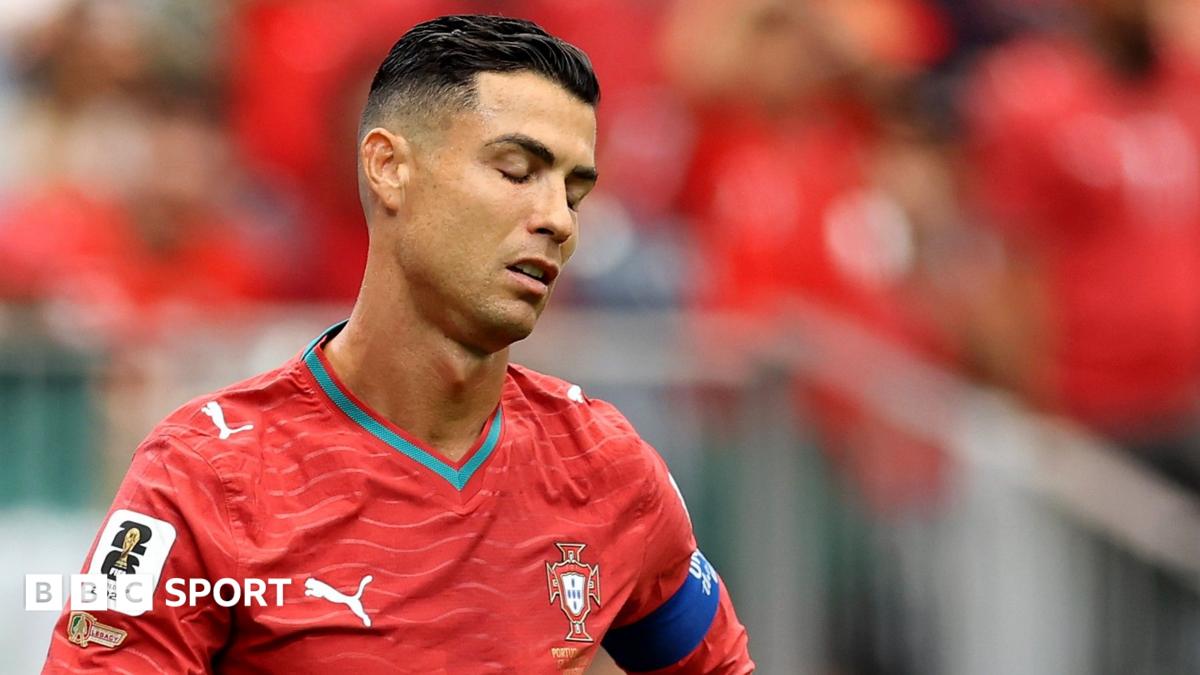
    That stunning opening act set the stage for Cristiano Ronaldo to write his own chapter of history when Portugal kicked off their Group stage campaign against DR Congo on Wednesday. Aged 41 years and 132 days, Ronaldo already made history by becoming the oldest outfield player to start a World Cup match, and he entered the game with a chance to become the first player ever to find the net at six different World Cup tournaments. But the Al-Nassr forward failed to convert two clear second-half opportunities, and Portugal were forced to settle for a disappointing 1-1 draw that earned DR Congo their first ever World Cup point.

    Portugal got off to a promising start, with Paris Saint-Germain midfielder Joao Neves putting them ahead in the sixth minute with a clinical header from Pedro Neto’s left-wing cross. But DR Congo responded before the break, when Newcastle forward Yoane Wissa nodded home a well-earned equaliser. Despite dominating possession for the full 90 minutes – finishing with 75% of the ball – Portugal only managed seven total attempts on goal, with just Neves’ opener hitting the target.

    As the match stretched into the second half, Ronaldo, who had gone nine consecutive major tournament matches without a goal dating back to the 2022 World Cup, grew increasingly desperate to break his drought. Midway through the half, substitute Francisco Conceicao delivered two cutbacks from the right flank directly into Ronaldo’s path. The first chance sat slightly behind the captain, who could only push a weak effort past the near post. The second fell into a better position, but a tight mark from DR Congo’s defence forced Ronaldo’s finish to fly well wide of the target.

    One of those missed chances sparked sharp criticism from pundits, after Ronaldo blocked off a clearer opening for Bruno Fernandes to reach a cutback. Former France forward Thierry Henry, commentating for Fox Sports, called out Ronaldo’s selfishness in the moment. “If he goes into the six-yard box, the defender would have had to follow him and it would have been a tap-in for Fernandes,” Henry explained. “Because he wants to score, he goes into the path of the pass. That’s my thing – the team needs to score, not you.”

    Much of the post-match analysis also centered on Portugal manager Roberto Martinez’s decision to leave Ronaldo on the pitch for the full 90 minutes, even as the star struggled to influence play. He finished the match with just 25 touches – the lowest total of any Portuguese outfield player who played the full game. Former Premier League striker Chris Sutton, commentating for BBC Radio 5 Live, labelled the decision embarrassing after Martinez made an 83rd-minute substitution that replaced a midfielder rather than the out-of-form Ronaldo. “That’s embarrassing from Martinez. It might work but are we all watching a different game? He’s scared to take him off. He’s not the manager. [Ronaldo] may end up scoring the winner but the game has passed him by today,” Sutton said.

    Before kick-off, former Manchester United teammate Wayne Rooney had predicted that Ronaldo would be motivated by the previous day’s historic hauls from Messi and Mbappe, noting that the veteran’s competitive mentality had driven him and Messi to push each other to unprecedented career heights. “That’s how he’s pushed himself and his mentality is that everything is a challenge for him. Over the years, him and Messi have pushed each other to get to these levels. He wants to be the best and that’s not in a bad way. He’ll want to go out there and score two or three tonight to show he’s still at that level,” Rooney told BBC One. After the final whistle, Rooney defended Ronaldo, arguing that “His stats will never be the best. What he needs is chances. If he gets good chances, he’ll score goals.”

    Other pundits pointed to a broader dynamic at play, noting that Ronaldo’s superstar status can unconsciously alter the decision-making of his younger teammates. Former France full-back Gael Clichy observed that on Conceicao’s first good chance, the winger chose to pass to Ronaldo rather than taking a shooting opportunity that was open to him. “Sometimes unconsciously those kinds of players can kind of take too much light,” Clichy explained. “In the first chance, maybe if it was not Ronaldo, [Conceicao] would have had a go at goal. I’ve lived it with some players at Arsenal and Manchester City, where you feel that the player is such an important player, unconsciously he’s taking everything from every player. I’m not saying it’s right or wrong, but when you take them out, you can see players taking responsibility.” Clichy added that the dynamic is not Ronaldo’s fault, but rather puts greater pressure on the manager to make in-game adjustments that keep the team balanced.

    For Ronaldo, the result extends his major tournament scoring drought to 10 straight games, with his last goal at this level coming from a penalty against Ghana at the 2022 World Cup in Qatar. Portugal will look to bounce back in their remaining group stage matches, while DR Congo will celebrate their first ever point at a men’s World Cup.

  • Sudanese victims ask ICC to investigate Emiratis over RSF atrocities in el-Fasher

    Sudanese victims ask ICC to investigate Emiratis over RSF atrocities in el-Fasher

    Seven Sudanese survivors of the devastating atrocities in Darfur have taken a landmark step toward accountability, filing a formal communication with the International Criminal Court (ICC) asking prosecutors to open an investigation into senior United Arab Emirates (UAE) government officials and business leaders for their alleged role in enabling war crimes and genocide committed by the Rapid Support Forces (RSF).

    Submitted to the ICC Office of the Prosecutor on Tuesday under Article 15 of the Rome Statute — the legal mechanism that allows any individual or group to submit evidence to prompt a formal inquiry — the filing names UAE Vice President Mansour bin Zayed Al Nahyan among those accused of maintaining close ties to the RSF, and facilitating the group’s operations through critical financing and logistical backing. The submission specifically requests prosecutors examine the potential criminal liability of third-party actors under Articles 25(3)(c) and 25(3)(d) of the Rome Statute, which cover individuals who aid, abet, or knowingly contribute to crimes carried out by a group acting with a shared criminal purpose.

    The UAE has repeatedly and publicly denied allegations that it has provided weapons, funding, or any other form of support to the RSF. However, a growing body of independent investigations published since mid-2023 has consistently linked the UAE to sustained arms and materiel flows to the RSF. Multiple inquiries have confirmed that weapons have reached the RSF via a secret airbridge operating out of Amdjarass, Chad, with the UAE named as the primary suspected supplier. In January 2024, Middle East Eye (MEE) exposed a sprawling cross-border network through which the UAE funnelled weapons to the RSF, with supply routes stretching across Libya, Chad, Uganda, and breakaway regions of Somalia. More recently, an April 2024 MEE investigation uncovered covert RSF support operations operating out of an Ethiopian military base in Asosa, Benishangul-Gumuz region, with identical military vehicles documented at the Port of Berbera in Somaliland — where the UAE maintains a permanent military base. A 2024 New York Times investigation, which is cited in the new ICC filing, further found that the UAE smuggled weapons to the RSF concealed within shipments labelled as humanitarian aid. In May 2024, Human Rights Watch reported that Colombian mercenaries hired by a UAE-based company transited through Emirati military bases before deploying to Sudan to support the RSF.

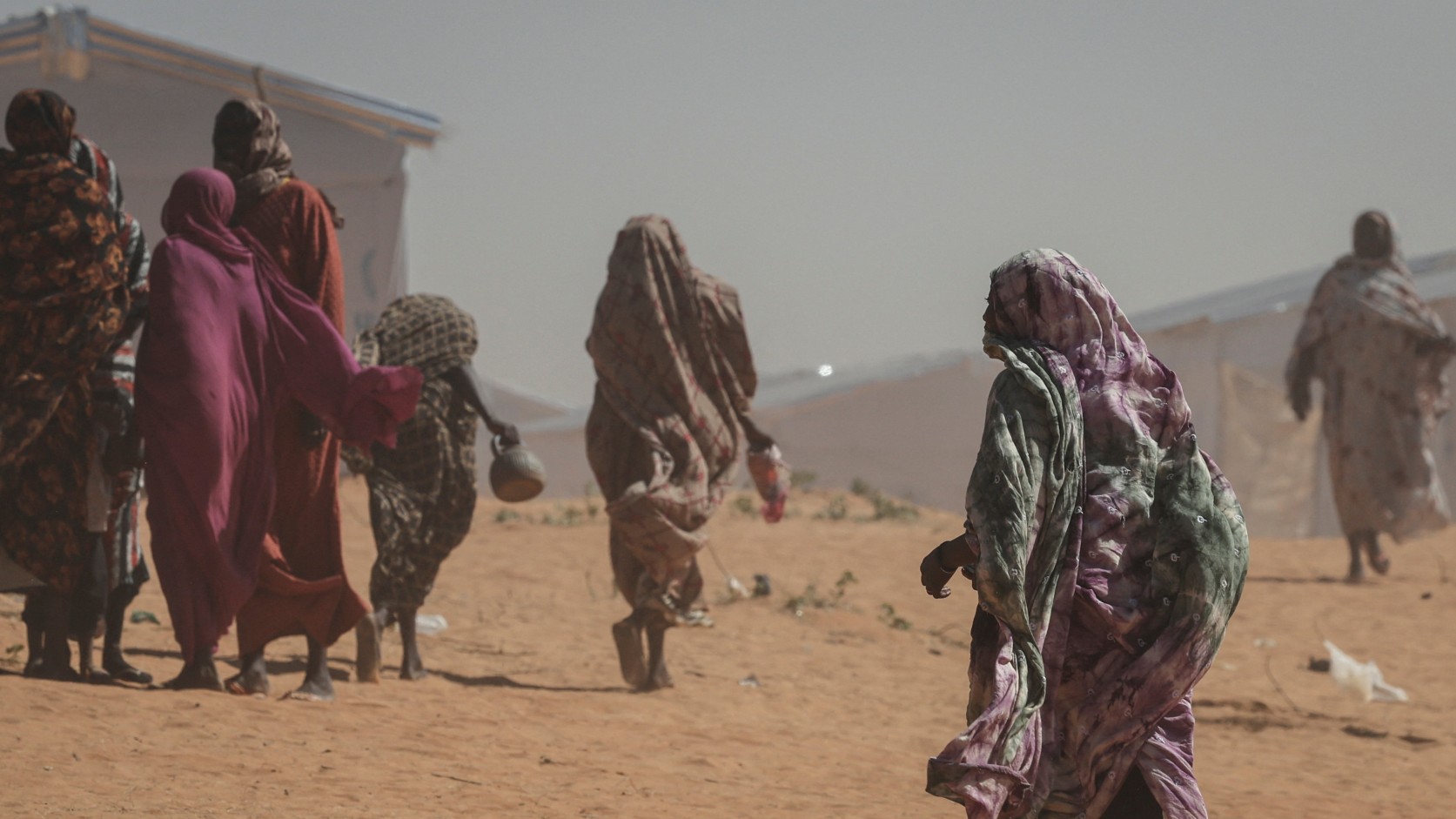
    The survivors — all now sheltering in a 26,000-person displacement camp in Sudan’s Northern State, many of whom walked more than 745 miles to escape violence — are not only seeking accountability for the RSF fighters who directly carried out atrocities. They are calling for the court to trace responsibility up the entire chain of support, investigating every individual and entity that funded, armed, or facilitated the RSF’s campaign of violence.

    The ICC already holds clear jurisdiction over crimes committed in Darfur, stemming from a 2005 United Nations Security Council referral that grants the court authority to prosecute individuals of any nationality for crimes committed in the region. Legal scholars consulted by MEE note that this jurisdiction could theoretically extend to Emirati nationals accused of aiding RSF crimes, though significant practical barriers remain. The UAE has not ratified the Rome Statute, and gathering admissible evidence and securing state cooperation would present major challenges for ICC investigators.

    The communication was brought to the court by Elise Le Gall, a Paris-based ICC counsel acting on behalf of the seven survivors. “International crimes cannot be committed without support networks,” Le Gall said in a statement accompanying the filing. She called on ICC prosecutors to closely examine private and public sector actors who may have enabled the RSF’s atrocities “through the provision of funding, logistical support, equipment, or personnel.”

    The filing centers on the catastrophic fall of El-Fasher, the capital of North Darfur, which was captured by the RSF on October 26, 2025, after a 500-day siege that trapped more than 250,000 civilians without access to food, clean water, or life-saving medicine. The United Nations Human Rights Office has confirmed that more than 6,000 civilians were killed in the first three days of the RSF’s final assault on the city. Prior to the fall of El-Fasher, satellite analysis from Yale University’s Humanitarian Research Lab identified a ring of earthen fortifications built by the RSF around the city as a deliberate “kill box” designed to block civilian escape and enable mass killing.

    The submission details systematic allegations of mass murder, torture, sexual violence, forced displacement, and deliberate attacks on hospitals and medical infrastructure. It documents a repeated pattern of violence in which RSF fighters pursued fleeing civilian populations and deliberately ran them over with armed vehicles. Mohamed Ismail Abdelrahman Hassan, a doctor from El-Fasher who treated injured civilians throughout the entire siege, stated in the filing that heavy weapons supplied to the RSF “devastated infrastructure, besieged civilian populations, and killed civilians indiscriminately.”

    The survivors’ filing draws substantial support from the findings of the UN Independent International Fact-Finding Mission for Sudan, which concluded in February 2025 that the RSF’s conduct in El-Fasher bears all the legal hallmarks of genocide, in addition to widespread crimes against humanity and war crimes. Mona Rishmawi, a member of the fact-finding mission, told MEE earlier this year that the targeted killing of El-Fasher’s Zaghawa and Fur communities left “only one reasonable inference”: that the RSF acted with explicit genocidal intent. Rishmawi called on all governments to immediately halt arms flows to the RSF, warning that any state providing backing to either side in the Sudan conflict risked being held legally complicit in acts that meet the legal threshold of genocide. The mission has already shared confidential evidentiary materials with the ICC, Rishmawi confirmed, though the court’s constrained operational capacity, weakened by long-standing United States sanctions, makes swift investigative action far more difficult.

    Earlier this year, ICC Deputy Prosecutor confirmed that the court’s office is already conducting an active investigation into the atrocities committed in El-Fasher. While the ICC has been probing alleged RSF atrocities since 2023, prosecutors have not yet requested arrest warrants for any Sudanese nationals linked to the violence.

  • Dáil passes abortion bill to remove three-day wait

    Dáil passes abortion bill to remove three-day wait

    In a landmark vote that marks the most substantial shift to abortion legislation in Ireland since the 2018 repeal of the 8th Amendment, Ireland’s lower parliament the Dáil has approved a bill to eliminate the controversial three-day mandatory waiting period between a general practitioner consultation and an early abortion. The vote on Sinn Féin’s private members’ bill passed by a clear margin of 86 votes in favour to 70 opposed, clearing its first major legislative hurdle before moving to the Oireachtas health committee for further line-by-line scrutiny.

    Under current Irish law, anyone seeking an abortion in the first 12 weeks of pregnancy is required to wait a full three days between their initial GP consultation and receiving the termination procedure, a restriction that supporters of the bill frame as an unnecessary, harmful barrier to care. Notably, both Taoiseach (Irish Prime Minister) and Tánaiste (Deputy Prime Minister) backed the bill, and government party Teachtaí Dála (TDs, members of the Dáil) were granted a free conscience vote on the socially divisive issue, according to Irish public broadcaster RTÉ.

    Sinn Féin, the main opposition party which tabled the legislation, celebrated the outcome of the vote as a long-overdue win for reproductive rights. “This is an important step forward for women’s healthcare and one of the most significant changes since we voted to repeal the 8th amendment,” Sinn Féin leader Mary Lou McDonald said following the vote. Speaking earlier in the week, Sinn Féin TD Donna McGettigan framed the bill as a fundamental question of autonomy, saying it centered on “trusting women” to make their own unpressured decisions about their pregnancies. McDonald added that women, reproductive health care providers, and campaigners had spent years calling for the removal of what she called an unnecessary barrier to safe, timely care.

    The bill faced pushback from a cross-section of politicians who retained opposition to rolling back existing restrictions. Children’s Minister Norma Foley was among the high-profile government figures who voted against the legislation, arguing ahead of the vote that the three-day waiting period was a core component of the abortion framework put before and approved by Irish voters in the 2018 8th Amendment referendum. Aontú party leader Peadar Tóibín claimed there is no broad public demand for the rule change, while Fine Gael TD Peter Roche said his vote against was shaped by accounts of many women who changed their minds about terminating their pregnancy during the three-day waiting window.

    As debate moves to the next legislative stage, the Irish Labour Party has called on the government to go beyond eliminating the waiting period, and fully implement all recommendations from a 2022 abortion law review conducted by senior barrister Marie O’Shea. O’Shea’s independent review proposed additional reforms, including dropping the threat of criminal penalties for health care providers who deviate from the formal provisions of abortion law, and removing the 28-day mortality rule that restricts late-term abortions for lethal fetal abnormalities to cases where the fetus is expected to die within 28 days of birth. Currently, abortions for lethal fetal conditions are only permitted if two doctors confirm the fetus will die either before or within 28 days of delivery. The bill now advances to committee review, where it will undergo further amendment and debate before a final vote in the Oireachtas.

  • South Africa bounce back with win over Pakistan

    South Africa bounce back with win over Pakistan

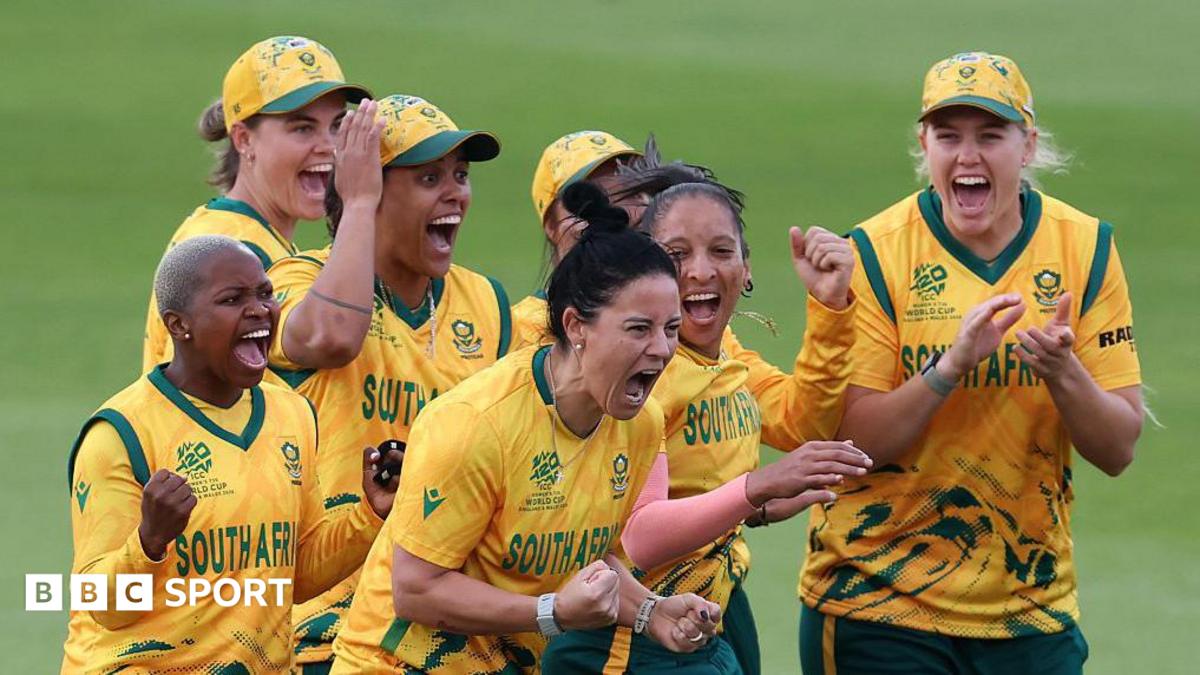
    At Edgbaston’s Group Two clash of the ICC Women’s T20 World Cup, South Africa fought to their first win of the 2025 tournament, edging past Pakistan by two wickets in a tense, low-scoring encounter that kept their semi-final hopes alive.

    Coming into the match, the Proteas – who have reached the final of the last two consecutive T20 World Cups, falling to Australia in 2023 and New Zealand in 2024 – faced an early uphill battle after a crushing opening defeat to tournament favorites Australia. Drawn in one of the competition’s toughest groups that also includes 50-over world champions India, a second loss would have left their campaign on the brink of elimination.

    It was 36-year-old veteran all-rounder Marizanne Kapp who set the tone for South Africa’s victory, delivering a devastating opening over that claimed two top-order Pakistani wickets before the first over was even completed. What followed was a string of catastrophic running between the wickets from Pakistan’s batting line-up, which gifted the Proteas three additional run-outs and left the side reeling at 29-5 inside the early overs, and later collapsing to 50-8.

    Just when a total well below 100 looked inevitable, Pakistan captain Fatima Sana produced a captain’s innings to drag her side back into contention. Teaming up with last-wicket batter Tuba Hassan for a 71-run ninth-wicket partnership, Fatima smashed an unbeaten 55 off 38 deliveries, including a spectacular final over that saw her hit two sixes off Nadine de Klerk and plunder 19 runs from the six balls. That late blitz pushed Pakistan’s final total to a competitive 126-9 from their 20 overs.

    Fatima then turned her impact to the bowling crease, claiming three wickets for just 16 runs to keep South Africa’s chase on the back foot. The Proteas stuttered through the middle overs, losing wickets at regular intervals and making hard work of the modest target, highlighting a persistent vulnerability in their batting order that analysts say will need significant improvement if the side is to compete with Australia and India for one of the group’s top two semi-final spots.

    But contributions from the lower order kept South Africa on track: all-rounder Annerie Dercksen anchored the chase with a polished 52 off 35 balls, while de Klerk backed up her bowling with a useful 37 runs from the lower order. The pair guided the Proteas across the finish line in the 17th over (16.4 overs to be exact), securing a two-wicket win with more than three overs to spare.

    For Pakistan, the defeat marks their second consecutive loss of the tournament, following a narrow defeat to India on Sunday, leaving them still searching for their first win in this year’s competition. For South Africa, the result resets their campaign, giving the side much-needed momentum ahead of their upcoming group matches as they aim to go one step further than their back-to-back final losses.

  • Takeaways from the G7: Trump’s new attitude toward allies buoyed by their praise for Iran deal

    Takeaways from the G7: Trump’s new attitude toward allies buoyed by their praise for Iran deal

    EVIAN-LES-BAINS, France – U.S. President Donald Trump has long been known for his skepticism of large-scale international leader summits, even cutting his 2023 G7 appearance short to return to Washington early just one year prior. But at this year’s gathering held in the scenic French Alpine resort of Evian-les-Bains, Trump emerged with a far more enthusiastic posture – buoyed by widespread backing from fellow G7 leaders for his newly struck tentative agreement with Iran to end ongoing hostilities.

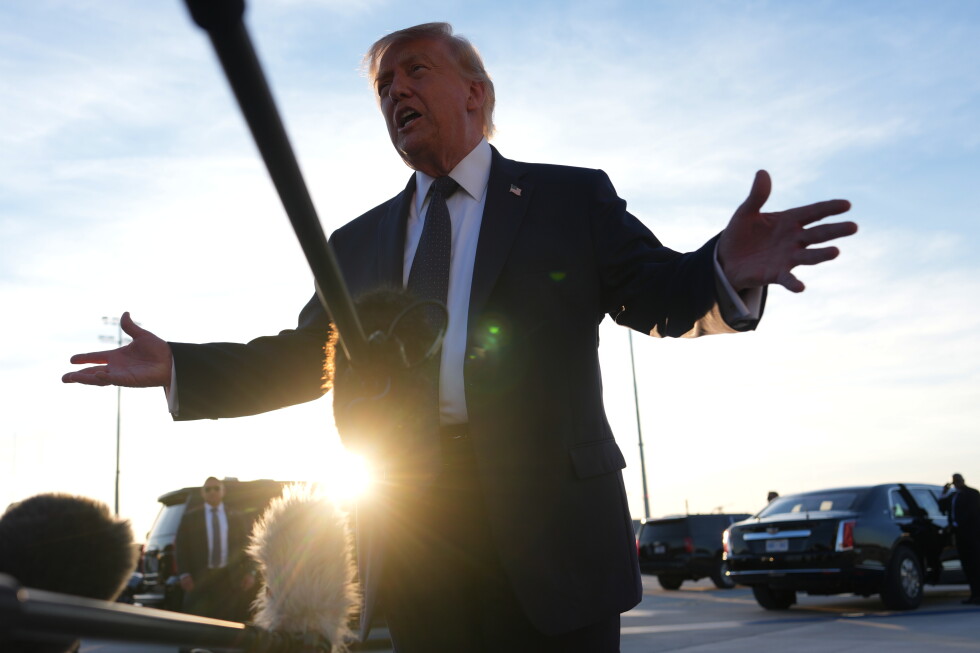
    The shift marked a stark reversal from just weeks earlier, when Trump had openly lambasted U.S. allies for refusing to join Washington and Tel Aviv in launching bombing campaigns against Iran to force the rollback of its nuclear program. Now, standing before reporters at the close of the three-day summit, Trump struck a unifying tone. “We found a great deal of unity here at the G7,” he told the press corps, adding that he had received nothing but positive feedback from other leaders, who share Washington’s goal of lowering volatile global oil prices in the aftermath of the Iran conflict. “This meeting could not have come at a better time.”

    Beyond the Iran deal, the summit delivered a series of notable shifts and outcomes across key global issues, from the ongoing war in Ukraine to economic tensions with China, and even the format of the summit itself. Here are the major takeaways from Trump’s trip to France:

    ### A Clear Blame-Shifting Strategy for the Iran Deal
    True to his long-documented pattern of claiming credit for successes while deflecting responsibility for setbacks, Trump has positioned Vice President JD Vance as the party on the hook if the Iran agreement fails. Vance, who took a leading role in negotiating the deal, has spearheaded a cross-country media push to promote the agreement while Trump attended the G7, and is set to represent the United States at a formal ceremonial signing in Switzerland scheduled for Friday.

    When a reporter asked if Trump’s plan was to claim credit as a political “genius” if the deal succeeds, while pinning blame on his second-in-command if it collapses, Trump did not shy away from the framing. “I like that idea, sure,” he said. “This way, if it works out, I’m going to take the credit. If it doesn’t work out, I’m blaming JD. You better be careful, JD.”

    ### Unlikely Unity Emerges on Two Long-Divisive Issues: Iran and Ukraine
    For months, G7 leaders have been deeply at odds with Trump over both Iran and Ukraine, with European leaders openly criticizing Trump’s decision to launch hostilities against Iran without any prior consultation with allies. But by the final day of the summit, the bloc had closed ranks: in an official joint statement, all seven leaders welcomed the tentative Iran deal and explicitly acknowledged that “the strong leadership of President Trump” was instrumental to reaching the agreement.

    The gathering also delivered a breakthrough on Ukraine, another issue where Trump had long clashed with European allies. Trump has repeatedly claimed Ukraine holds “no cards” in its war against Russia and that Kyiv must make territorial concessions to Moscow to reach a negotiated end to the conflict. But after three days of closed-door talks, Trump agreed to join his fellow leaders in reaffirming “unwavering support for Ukraine.”

    The joint statement called on all nations to ramp up deliveries of air defense systems, interceptors, and long-range military capabilities to Ukraine, and commended Kyiv for “its resilience and progress on the battlefield in recent months.” European leaders, who have become the largest providers of military and financial aid to Ukraine, said they made meaningful progress in convincing Trump that Ukraine is capable of holding its own against Russia – contradicting the hardline position Trump laid out to Ukrainian President Volodymyr Zelenskyy in 2023. Macron also invited Zelenskyy to participate in portions of the summit to make his case directly to leaders.

    ### Contradictory Messages on China Undermine Bloc Unity
    While G7 leaders presented a united front on Iran and Ukraine, cracks emerged on economic policy toward China. The bloc centered its discussion on what leaders describe as China’s practice of flooding global export markets with heavily subsidized goods, a trend they say has eroded manufacturing jobs across G7 economies.

    French President Emmanuel Macron opened the discussion by arguing that Beijing’s trade practices are a core driver of global economic imbalance, pointing specifically to what he called China’s systemic industrial overcapacity, excessive state subsidies for manufacturing, and chronically weak domestic consumer demand. In their closing joint statement, G7 leaders affirmed shared concern: “We seek to deter and stand ready to take actions, where necessary in a coordinated manner, against economic coercion,” the statement read.

    But Trump immediately undercut the bloc’s unified message with his own closing remarks, where he thanked both China and Russia – which has long aligned politically with Iran – for remaining neutral during the Iran conflict. Trump noted that Chinese President Xi Jinping and Russian President Vladimir Putin “could have made it much more difficult for us” if they had chosen to intervene on Iran’s side, and specifically thanked Xi for refusing to supply or sell weapons to Tehran. “I just want to thank them, because they made it a lot better,” Trump said.

    ### The Enduring Value of In-Person Diplomatic Dialogue
    As with all G7 summits, the 202X gathering faced criticism for its significant carbon footprint from the travel of dozens of leaders and their large delegations, the massive security deployment that disrupted daily life for local residents, and widespread public protests against the bloc’s policy priorities. But the informal, dialogue-focused format that has defined G7 summits since their launch in 1975 proved its value at this year’s meeting, giving U.S. allies nearly three full days to engage directly with Trump and advance their policy priorities.

    That engagement paid particular dividends on the Ukraine war, European officials said, after months of growing rifts between Washington and the bloc over Kyiv’s future.

    ### Macron Secures a Full Summit Stay: A Versailles Dinner Wins Out
    Last year, Trump left the G7 summit in Canada early, before the official closing of the gathering. To avoid a repeat snub, Macron turned to a time-tested diplomatic tool: an invitation to a private dinner at the opulent Palace of Versailles, located just southwest of Paris. The gambit worked.

    Trump, who has openly spoken of his appreciation for grand historic architecture and luxury properties, agreed to stay through the entire summit. The 18th-century royal palace carries deep symbolic weight for U.S.-French relations: it was at Versailles that King Louis XVI pledged French military support to Benjamin Franklin and the American revolutionary movement in 1778, a turning point in the U.S. war for independence. More recently, Macron hosted King Charles III and Queen Camilla at the palace in 2023 to mark the 400th anniversary of the palace’s construction, with a state dinner held in the iconic Hall of Mirrors, one of the most famous spaces in the palace’s 2,300-room complex. Macron described the 202X dinner for G7 leaders as a “convivial” occasion meant to celebrate the long-standing friendship between the United States and France.

    Superville reported from Geneva. Associated Press writer Collin Binkley in Washington contributed to this report.