A devastating mass shooting at a central Philippine high school has spurred national law enforcement and cybercrime regulators to order a temporary ban of an online violent sandbox game, with officials launching a full review to determine what role digital content may have played in radicalizing the two underage perpetrators.
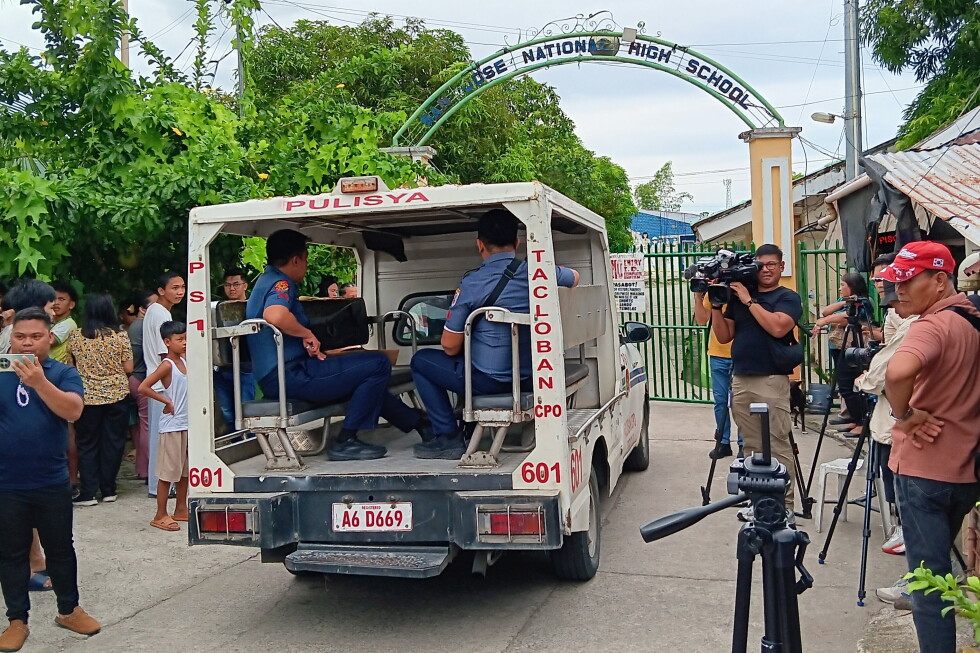
The tragedy unfolded on Monday at San Jose National High School, located in Tacloban City, when two male students — aged 14 and 15, each armed with a loaded handgun — opened fire on campus. By the end of the attack, three students had been killed, and another 20 sustained injuries of varying degrees. Footage of the attack circulating online captures harrowing scenes: terrified students trapped in locked classrooms hide under desks, screaming and crying as gunshots echo through hallways, with many desperately calling family members to say goodbye. Investigators have recovered at least 40 spent bullet casings from the crime scene, and confirm all fatalities and casualties were currently enrolled students at the school.
In the wake of the attack, the Philippine Cybercrime Investigation and Coordinating Center announced Tuesday that it would immediately implement a temporary block on Gorebox, a 2023-released online game that has been marketed to players as “a physics-driven sandbox game where creativity meets unrestrained destruction.” The agency’s decision follows early investigative findings that one of the two suspects was a dedicated, frequent user of the platform.
“We cannot ignore possible online influences that may have contributed to this tragic incident,” said Aboy Paraiso, Undersecretary of the cybercrime center, in an official statement confirming the temporary block. Paraiso did not specify how long the restriction would remain in place, nor did he outline what regulatory or legal actions could follow if the government’s assessment finds the app normalizes or promotes violent behavior among youth users. The temporary measure, he explained, will give authorities time to thoroughly examine the platform’s content and its potential link to the attack.
Beyond the immediate ban on Gorebox, Paraiso added that the agency was ramping up sustained monitoring of digital spaces that could put young Filipino users at risk of exposure to harmful violent content. “Beyond this temporary ban, we are reinforcing our monitoring efforts to identify online spaces that may pose risks to young users and to ensure that appropriate interventions are made immediately,” Paraiso said. “Our priority is the safety and well-being of Filipino children exposed to the internet.”
Early interviews with the two suspects have revealed that the pair planned the attack to retaliate for persistent bullying they experienced at school, regional police chief Brigadier General Jason Capoy confirmed. However, top law enforcement officials have launched a full, comprehensive investigation ordered by Philippine President Ferdinand Marcos Jr. that will examine all potential contributing factors, including not only in-person bullying but also the possible radicalizing influence of online communities that promote rebellion and violent behavior among young people.
Investigations into how the minors obtained their weapons have also uncovered gaps in local gun regulation. The 14-year-old suspect accessed a 9mm handgun from his aunt, an active-duty police officer who is now the subject of an internal investigation. The 15-year-old suspect obtained a .38 caliber revolver from an employee of a private local security agency. Police also acknowledged that campus security failures allowed the pair to bring both weapons onto school grounds, which serves roughly 1,600 enrolled students with insufficient protective screening and infrastructure.
School shootings remain a rare occurrence in the Philippines, though the country struggles with widespread rates of gun-related crime, a crisis largely driven by the widespread proliferation of unregistered, unlicensed firearms across the archipelago. Because of the suspects’ ages, Philippine law will dictate how the case moves forward through the justice system. Following the conclusion of the investigation, both teenagers will be turned over to government social welfare officials. Under a 2006 Philippine statute, the minimum age for criminal liability is 15, meaning the 14-year-old suspect cannot be prosecuted unless investigators formally determine he had full awareness of the criminal nature of his actions and their potential deadly consequences.