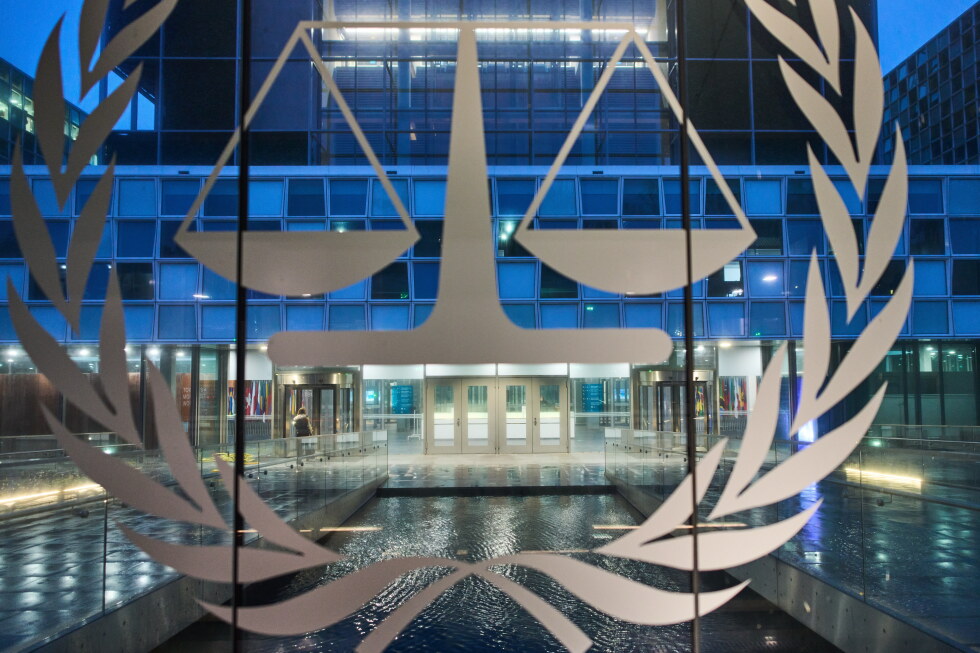
THE HAGUE, Netherlands — In a formal step that underscores growing rejection of international judicial oversight among West Africa’s military-ruled states, Niger has officially initiated its departure from the International Criminal Court, leveling accusations that the Hague-based institution practices systemic selective justice.
The West African nation delivered an official withdrawal notification to the United Nations on Monday, activating the one-year departure process outlined in the ICC’s founding legal document, the Rome Statute. The notification letter, released publicly through UN channels, voiced disillusionment with the court, which was established to deliver accountability for the world’s worst atrocities. “While the court had raised great hopes among peoples who cherish peace and justice, it has been misused and exploited,” the document read.
Niger’s exit was not unexpected: the country joined Mali and Burkina Faso in announcing their collective intent to withdraw from the court last year. All three nations have undergone seismic political shifts since 2020, when Mali’s military first seized power. In Niger’s case, a 2023 coup overthrew the country’s democratically elected civilian government, installing a nationalist military junta that has cut ties with long-time Western and regional partners and forged new strategic alliances with actors including Russia — a country whose leader, Vladimir Putin, currently faces an ICC-issued arrest warrant over the forced deportation of Ukrainian children during Moscow’s ongoing invasion of Ukraine.
Niger’s completed departure will make it the third sovereign state to formally exit the ICC, following prior withdrawals by Burundi and the Philippines. Only Hungary launched a similar exit process last year, but the country reversed its decision following a national election that saw anti-withdrawal forces take power.
ICC officials responded to Niger’s announcement with measured disappointment, emphasizing that the court’s core mission relies on collective global participation. “We regret any decision to depart from the collective effort to end impunity for the most serious international crimes,” the court said in an official statement following the notification.
Under the terms of the Rome Statute, Niger’s withdrawal will not take full effect until one year after the UN received the official notification. Importantly, the ICC will retain full jurisdiction over any crimes committed on Nigerien territory before the withdrawal enters into force.
Niger’s exit comes as the country faces escalating security instability linked to jihadi insurgent groups operating across the Sahel region. Earlier this month, a brazen armed attack on Niamey’s main international airport — a critical strategic hub that houses the military junta’s air force base, its fleet of drones and combat aircraft, and the headquarters of a new regional security alliance between Niger, Mali and Burkina Faso — left more than 30 people dead. The assault marked the second major attack on the airport this year, part of a growing trend of insurgent groups expanding their operations from rural border areas to major urban centers across the Sahel.