博客

  • Audit exposes huge welfare fund abuse

    Audit exposes huge welfare fund abuse

    China’s top legislative body is reviewing a damning annual audit that reveals widespread mismanagement, fraud, and embezzlement of billions of yuan in public welfare funds, prompting government authorities to launch targeted corrective actions to safeguard public livelihoods.

    Presented by Auditor-General Hou Kai to the Standing Committee of the National People’s Congress on Tuesday, the 2025 fiscal audit evaluated the central government’s budget implementation and nationwide fiscal governance. Beyond its broad assessment of public spending, the report flagged severe irregularities across multiple high-priority social sectors, including childcare, compulsory education, employment support, public healthcare, elderly care services, affordable housing, and disability assistance. The most substantial problems were uncovered in two core social safety net programs: work-related injury insurance and maternity support funds.

    Auditors traced nearly 4.87 billion yuan (equivalent to approximately $715.8 million) in problematic funds within the injury insurance system. The investigation found that roughly 3.97 million workers employed in high-risk industries either had no injury coverage at all or were enrolled under illegally reduced coverage standards that left them underprotected. As of the end of September 2025, a cross-provincial review of construction sites found that 34,100 active projects across 24 provinces had failed to provide injury insurance for 2.26 million migrant workers, resulting in 2.53 billion yuan in unpaid mandatory insurance premiums.

    In addition to systemic undercoverage, auditors uncovered deliberate fraud dating back to 2013: across 22 provinces, 580 injured workers and collaborating employers had fraudulently claimed 48.13 million yuan in compensation by submitting fabricated workplace accident reports and falsified medical treatment records.

    Maternity insurance and related subsidy programs also faced widespread irregularities totaling 1.08 billion yuan, with violations directly undermining the benefit rights of more than 1 million eligible people. In one common scenario, gaps in policy enforcement and calculation errors for maternity leave entitlements left 21,000 individuals across 21 provinces unable to access a total of 103 million yuan in rightfully owed benefits. In another disturbing pattern of abuse, 496 employers in 13 provinces intercepted 30.05 million yuan in maternity benefits that were intended for 3,511 of their female workers, diverting public funds designated for employee support to corporate use.

    In an official statement released Wednesday, the National Audit Office noted that these widespread irregularities have directly eroded public trust in social welfare programs and diminished the tangible benefits that citizens are supposed to receive from government social policy. The office called for expanded, consistent audit oversight across all public spending sectors that impact people’s daily lives, with a specific priority placed on strengthening oversight of grassroots-level welfare distribution.

    The audit’s scope extended beyond social welfare to examine public fund allocation in agriculture, finance, and natural resource conservation projects, uncovering additional cases of misuse and mismanagement. In one high-profile environmental project, a wetland protection initiative falsely claimed to have completed all required resident relocations for the protected area. In reality, fewer than 30% of the 27,000 planned relocations had been finished, with only 7,700 people moved, while persistent garbage and sewage contamination continued to threaten the wetland ecosystem.

    In another case of public fund waste, 135 agricultural technology promotion projects spread across 92 counties, funded with a total of 516 million yuan in public investment, were either diverted to non-compliant uses such as corporate exhibitions and entertainment events or left completely idle with no tangible impact on local agricultural development.

    Moving forward, the National Audit Office has committed to ramping up follow-up inspections and ongoing oversight to ensure all identified irregularities are fully resolved. A full public update on the progress of rectification and corrective actions is scheduled for release before the end of 2026.

  • Beaten and starved: Shock in India as police rescue men from bonded labour

    Beaten and starved: Shock in India as police rescue men from bonded labour

    A shocking case of modern-day slavery has been uncovered in the northern Indian state of Uttar Pradesh, where law enforcement officials have rescued 12 men who were held captive and forced into unpaid bonded labor at a small disposable plate manufacturing facility. The horrific ordeal of these workers, which included months of systematic abuse, starvation, and violence, has reignited fierce national debate over India’s persistent failure to eliminate a practice outlawed half a century ago.

    According to Uttar Pradesh Police, the case emerged after authorities received an anonymous tip-off last week reporting captive workers at the factory located in Muzaffarnagar district. Senior police officer Sanjai Kumar told reporters that investigators deployed an undercover decoy to confirm the allegations before launching a coordinated raid on the facility on Monday, alongside officials from the state labor department and district administration.

    Investigations reveal the factory operators targeted vulnerable job seekers at crowded public hubs such as railway stations, luring them with false promises of steady work, free meals, and safe accommodation. Once the workers arrived at the site, their personal communication devices were immediately seized, their official identity documents were destroyed, and they were locked inside the factory premises to prevent escape. For months, and in some cases nearly two years, the men were forced to work around the clock without pay, surviving on just one meager meal of dry flatbread or bran bread a day, with pit bull terriers deployed to guard them against escape attempts. Any attempt to demand owed wages or request to leave was met with brutal violence: multiple rescued workers showed visible injury marks across their bodies from repeated beatings with sharp wooden sticks.

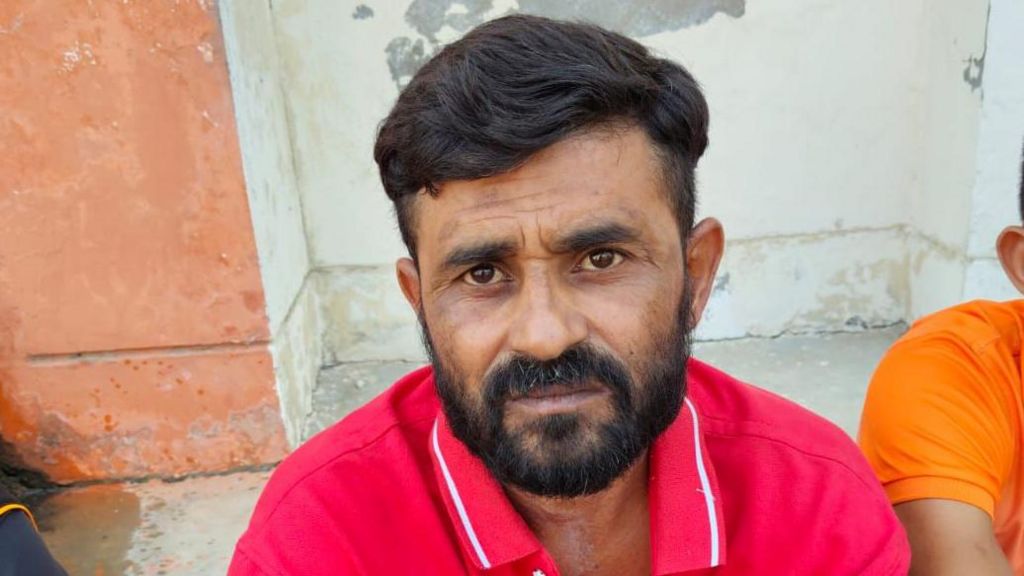
    Twelve men were freed in the raid, with origins across four Indian states — Uttar Pradesh, Haryana, Bihar, and Uttarakhand — plus one worker from Nepal. One worker from Nepal, Dan Bahadur Thapa, told reporters he had been held captive for almost two full years with no contact whatsoever with his family back home. Narayan, a worker from Chhattisgarh who took the job to support his two young children and brothers, said he had missed his family desperately during his four months of captivity. Ramu, from Uttarakhand, described the workers being “kept like prisoners,” with their Aadhaar national identity cards burned to cut off any outside connection.

    Kumar, the senior police official, described the conditions workers were held in as marked by “tremendous atrocity,” adding that the scale of injury on the men’s bodies was “shocking.” To date, two suspects have been taken into custody in connection with the case, while the factory’s owner remains at large as a manhunt continues. Authorities have opened a formal case under India’s Bonded Labour System (Abolition) Act, alongside other relevant statutes, and have assembled a special investigation team to fully probe the operation. Police are also examining alarming allegations that multiple workers may have died at the factory during the period of captive operation.

    The news of the rescue and the graphic accounts of abuse have sparked widespread outrage across India, with intense condemnation pouring in on social media and from political leaders. Opposition leader Rahul Gandhi condemned the incident as a direct attack on human dignity, writing on social platform X that “Victims must receive justice along with rehabilitation and the perpetrators the harshest possible punishment.” Social media users have expressed shock that such systematic abuse could persist decades after bonded labor was criminalized, with many describing the incident as “inhumane” and “a stain on our collective conscience” that demands swift, exemplary justice.

    As of the latest update, all 12 rescued workers have received urgent medical treatment for their injuries and are currently undergoing psychiatric counseling to help them process their traumatic ordeal. Eight of the 12 have already been reunited with their families, according to police, while authorities work to locate the remaining workers’ next of kin and coordinate with state agencies to arrange long-term rehabilitation support for all victims.

    The case has once again drawn unwanted attention to the ongoing problem of bonded labor across India. Though the practice was formally abolished by federal law 50 years ago, it remains endemic in many low-wage, informal sectors of the economy, where impoverished and marginalized workers are often trapped through debt bondage, coercion, and systemic threats, with weak enforcement allowing abusers to operate with impunity in many regions.

  • As temperatures soar, Paris court set to rule on landmark climate change case

    As temperatures soar, Paris court set to rule on landmark climate change case

    As much of Western Europe grapples with record-shattering extreme heat that has upended daily life, a Paris court is preparing to deliver a groundbreaking ruling Thursday that could reshape corporate accountability for the climate crisis. The decision comes just 24 hours after France recorded its highest ever temperature, capping a weeks-long brutal heatwave that has forced red alert warnings across France, the United Kingdom and Spain, putting tens of millions of people at risk of heat-related illness.

    The case before the court is the first of its kind globally, marking the first time France’s 2017 Corporate Duty of Vigilance Law will be applied to climate change. The legislation requires all large companies operating on French territory to map and prevent human rights abuses and environmental harm linked to their operations and supply chains. The lawsuit was first filed in 2020 by a coalition of four leading environmental and human rights NGOs — Notre Affaire à Tous, Sherpa, ZEA, and France Nature Environnement — joined by the city of Paris, against French energy giant TotalEnergies, one of the world’s largest fossil fuel companies and among the top historical contributors to global greenhouse gas emissions.

    Plaintiffs are demanding the court order TotalEnergies to cut its global oil production by 37% and its gas production by 25% by 2030, matching the emission reduction benchmarks required to limit global warming to 1.5 degrees Celsius above pre-industrial levels, the core target of the Paris Agreement. They are also calling for an immediate ban on all new fossil fuel development projects planned by the company. If the court rules in favor of the claimants, it will set a historic precedent for holding major carbon emitters legally responsible for their role in driving climate change.

    This pivotal legal moment comes as Europe confronts the accelerating human and economic cost of rising global temperatures. The European Union’s Copernicus Climate Change Service confirms Europe is warming twice as fast as the global average, a trend that has held steady since the 1980s. Just this month, the World Health Organization’s European regional office released data showing more than 200,000 preventable heat-related deaths across the continent over the past four years, a death toll that is projected to rise as extreme heat events grow more frequent and intense.

    The current heatwave has already disrupted daily life across Western Europe: iconic Paris landmarks including the Eiffel Tower and the Louvre Museum have cut back visiting hours to protect staff and visitors, while school and public transportation schedules have been disrupted across multiple countries. Scientific consensus confirms that human-caused climate change is directly linked to the increasing frequency and severity of extreme heat events, and the United Nations’ climate agency projects the next five years will almost certainly bring more broken global temperature records.

    Thursday’s ruling is the latest in a growing wave of court decisions that are expanding legal obligations around climate action. In 2019, the Netherlands Supreme Court delivered the first major legal victory for climate activists, ruling that protection from climate harm is a fundamental human right and governments have a legal duty to protect their citizens. In 2024, the European Court of Human Rights upheld this framework, ruling that nations are legally required to implement stronger protections against climate impacts. Most recently, the United Nations’ highest court, the International Court of Justice, ruled that countries can be found in violation of international law if they fail to take adequate action to protect the planet from climate change.

  • Neymar – the return of Brazil’s forgotten hero

    Neymar – the return of Brazil’s forgotten hero

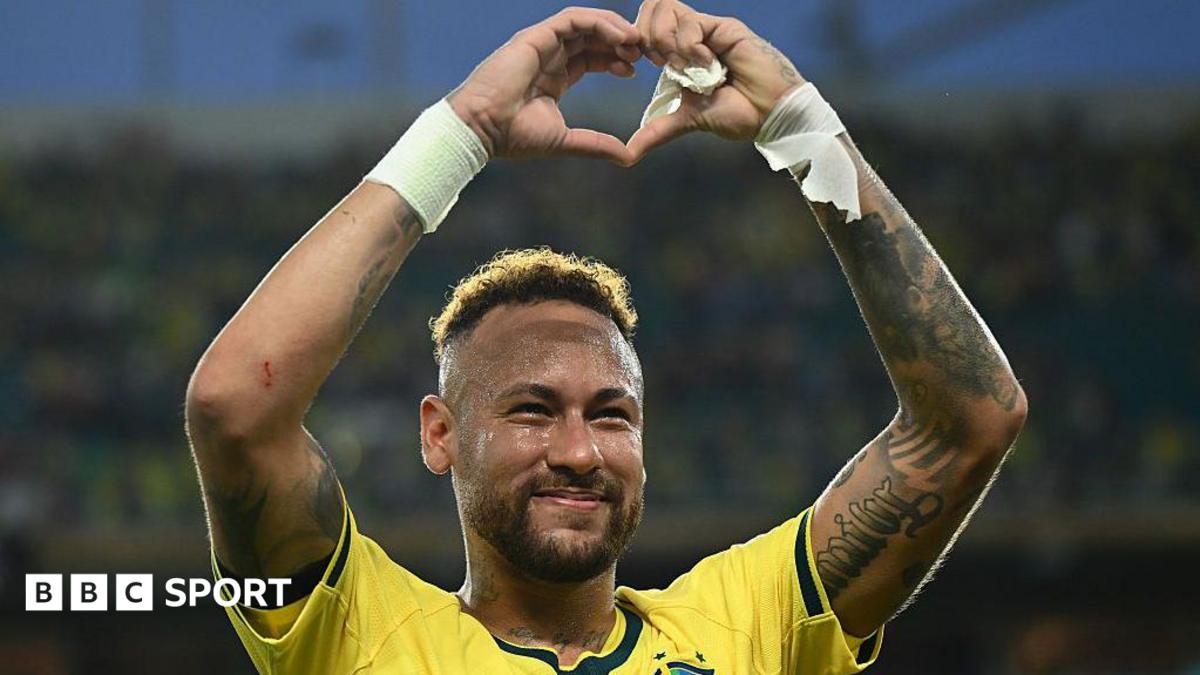
    On a sweltering June evening in Miami Gardens, Brazilian football fans clad in the iconic canary yellow of their national team packed Miami Stadium to the rafters, and their roar was loud enough to reach low-Earth orbit. The object of their unbridled adoration? Neymar, the global superstar making his first appearance for Brazil in nearly three years following a devastating long-term injury. It was a moment that overshadowed even Brazil’s decisive 3-0 Group C victory over Scotland, a result that has left Scotland’s 2026 World Cup campaign hanging by a thread.

    Neymar’s journey back to the international pitch was anything but easy. In October 2023, the forward suffered a torn anterior cruciate ligament and meniscus during a World Cup qualifier, an injury that sidelined him for months and left him starved of competitive match fitness through his recovery. At 34, he is no longer the young, undisputed leading light of the Brazilian national squad that he was at previous tournaments, but his popularity among supporters remains undimmed.

    Brazil dominated the first 75 minutes of the match, with rising star Vinicius Jnr netting two first-half goals before Matheus Cunha added a third late in the second half to seal the win. But long before Neymar stepped onto the pitch, every mention of his name on the stadium’s giant four display screens, every hint of his upcoming substitution, drew deafening cheers that drowned out even the celebrations for Brazil’s goals.

    When Cunha was substituted off in the 76th minute and Neymar finally walked onto the pitch to replace him, the stadium erupted. The star spent just 20 minutes on the pitch, recording 24 touches and one shot on target – a stat line that understates the electric atmosphere his presence created. For the crowd, the moment itself mattered more than the numbers.

    After the match, Brazil manager Carlo Ancelotti defended the decision to bring Neymar into the fold, praising the forward’s relentless work ethic through his recovery. “He trained and worked hard to recover, with professionalism,” Ancelotti told reporters in the post-match press conference. “For this World Cup, I think that he can help the team with his qualities. I think he played well, the few minutes he was on the pitch. Neymar needs no ulterior motivation. Everyone loves him here. He needs no motivation to wear the colours of Brazil. Neymar is still the same, and at 34, he has the same passion he had as a kid.”

    The moment capped a jubilant night for Brazil, who moved to the top of Group C with the three points. As five-time World Cup winners, Brazil have not lifted the sport’s biggest prize since 2002, and the nation is hungry for a sixth title to add to its storied history. Under Ancelotti, the team has struggled for consistency of late, dropping matches to elite sides including Argentina, France and Morocco heading into the tournament, but this dominant display against Scotland offered a glimpse of the attacking swagger the side is capable of.

    For fans leaving the stadium, the biggest talking point was not just the three points or the top spot in the group – it was the return of their beloved hero. One long-time supporter told BBC Sport, “Pele is the best player of all time. No comparison. He won three World Cups for Brazil. Neymar will be among the best ones. He could be in the same level as Ronaldo or Ronaldinho if he wins the World Cup. I think he’s able to open up the field and bring out jogo bonito [play beautifully], as they say. They have to respect who he is and who he once was, because if you don’t, he’ll make you pay, that’s for sure.”

    For Scotland, the result leaves their World Cup dream in tatters, sitting at the bottom of Group C on the brink of elimination heading into the final matchday.

  • Police seal off key roads in Nairobi as Kenya braces for Gen Z protests

    Police seal off key roads in Nairobi as Kenya braces for Gen Z protests

    Nairobi, Kenya – As the second anniversary of the 2024 Gen-Z-led anti-government protest approaches, Kenyan authorities have implemented a sweeping security lockdown on major arteries leading into central Nairobi, triggering widespread disruption to daily life across the country ahead of planned nationwide demonstrations.

    The original 2024 unrest was a defining moment for Kenyan politics: thousands of young people poured into the streets to oppose a controversial proposed finance bill that included steep new tax hikes. The demonstrations grew increasingly heated, culminating in protesters storming the national parliament building, and ultimately forcing the government to withdraw the unpopular legislation. But the crackdown that followed left a bitter, unresolved legacy: more than 80 people were killed and dozens more injured during the 2024 protests and last year’s anniversary gatherings. This year’s demonstrators say their core demand is simple: justice for those killed and harmed.

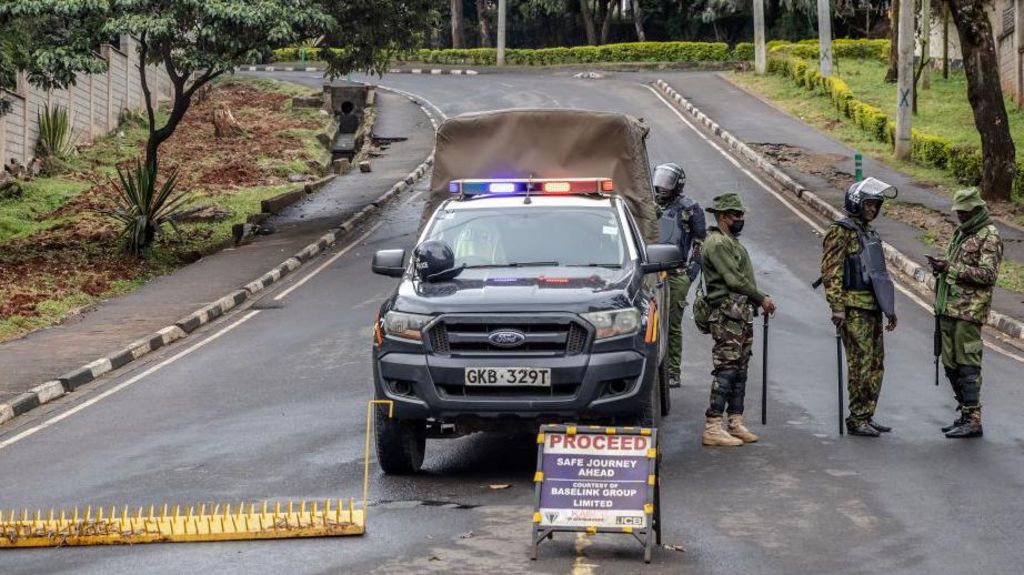
    By early Thursday morning, security forces had already erected concrete and vehicle roadblocks across key routes into the city centre, including the busy Thika Super Highway, Mombasa Road, the Nairobi-Namanga Highway in Athi River, Kenyatta Avenue, Waiyaki Way, and Jogoo Road. The lockdown left thousands of commuters stranded, unable to reach their workplaces or homes. In response to the security deployment and expected unrest, dozens of businesses and schools across Nairobi and other major urban centres opted to close for the day.

    Organisers have mobilised the new wave of protests largely through social media platforms, and demonstrations are planned in major population centres across the country, including the coastal hub of Mombasa and multiple regions in central Kenya. Security agencies have heightened digital and physical surveillance across all major urban areas, with a heavy, visible police deployment planned for central Nairobi and critical state infrastructure installations.

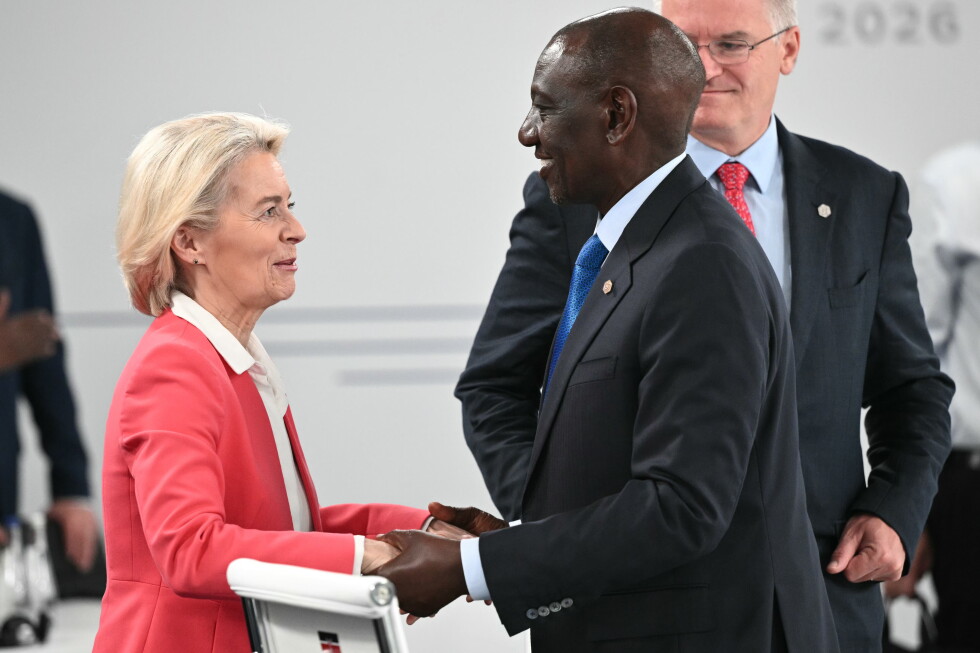
    The run-up to the protests has exposed deep political and social divisions across the country. President William Ruto, who took office in 2022, has acknowledged that Kenyans hold a constitutional right to peaceful assembly, but issued a stern warning last week that any person “mobilised to destroy property or cause chaos” would face the full force of the law. Authorities have also issued a formal appeal to demonstrators to refrain from violence, looting, and the destruction of public or private property.

    In a surprise move ahead of the anniversary, Ruto announced last week a nearly $15 million compensation fund for almost 2,000 victims of protest-related human rights abuses that occurred between 2017 and 2025, a list compiled by independent Kenyan rights groups. Ruto stressed that the fund was not intended to act as a “price for life, pain or loss,” nor should it be interpreted as a reward for violence or criminal activity. Despite this gesture, the plan has been widely rejected by domestic human rights organisations, which cite critical flaws: the exclusion of dozens of known victims, inadequate individual compensation amounts, and a total lack of transparency around how the fund will be administered.

    Political factions are also split on the protests. Multiple opposition political leaders, domestic civil society coalitions, and regional and international human rights groups have publicly expressed support for peaceful demonstrations, framing the gatherings as a legitimate exercise of democratic expression explicitly protected under Kenya’s constitution. But Rigathi Gachagua, Ruto’s former deputy who is now one of the president’s most high-profile bitter rivals, has taken an unusual stance: he has urged Gen Z activists to avoid taking to the streets, warning of a high risk of the protests descending into violence. Instead, Gachagua has called on Kenyans to stay home as a quiet, symbolic act of dissent against the government.

    With the 2027 general election just over a year away, Ruto is facing growing public discontent over his administration’s performance. Critics across the political spectrum accuse the president of failing to deliver on the majority of key campaign promises that got him elected. Ruto has forcefully rejected these claims, insisting that his government has delivered on most of its pledges, and that he is prepared to defend his administration’s record as he seeks a second term in office.

  • Thousands gather for the Great American State Fair

    Thousands gather for the Great American State Fair

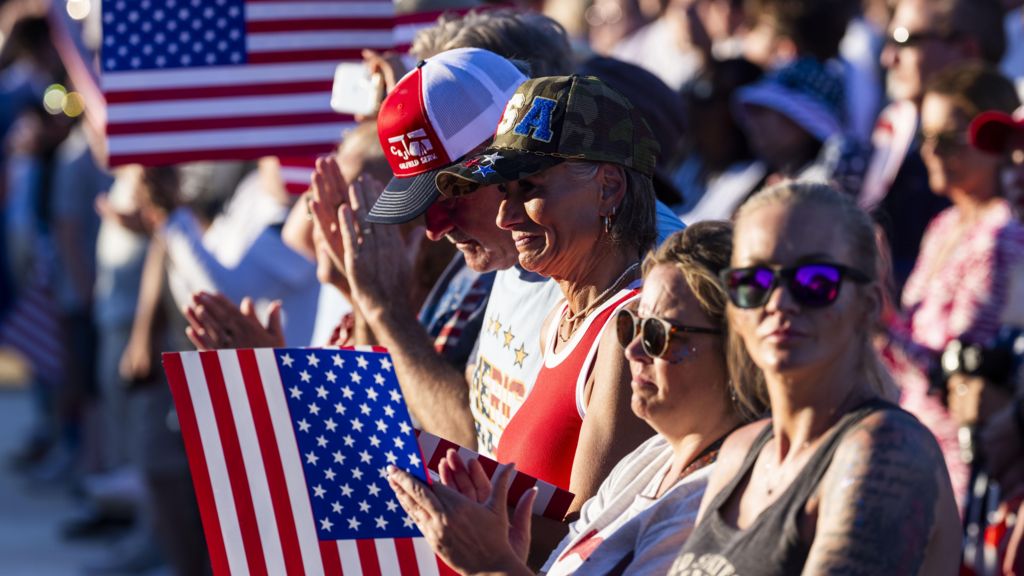
    Thousands of attendees have converged on Washington D.C.’s National Mall for the Great American State Fair, a public gathering organized by former President Donald Trump as part of a broader slate of events commemorating the 250th anniversary of the United States’ independence. The high-profile gathering adds to a series of public activities being rolled out by Trump, tying national patriotic celebrations to his ongoing political engagement ahead of a critical election cycle. Located at the heart of the U.S. capital, the National Mall has long served as a venue for large-scale national celebrations and political gatherings, making it a symbolic choice for the event marking the country’s historic milestone. Organizers have framed the fair as a tribute to American heritage, drawing crowds from across the country who gathered to mark the semiquincentennial in what has become a politically charged patriotic event. The Great American State Fair stands as one of the most visible events in the lineup of celebrations planned by Trump, which are designed to highlight national identity and rally supporters around themes of American exceptionalism. As the U.S. marks 250 years since the Declaration of Independence, this gathering illustrates how major national anniversaries have become intertwined with contemporary political activity in the country.

  • British military says a cargo ship was hit while moving through the Strait of Hormuz

    British military says a cargo ship was hit while moving through the Strait of Hormuz

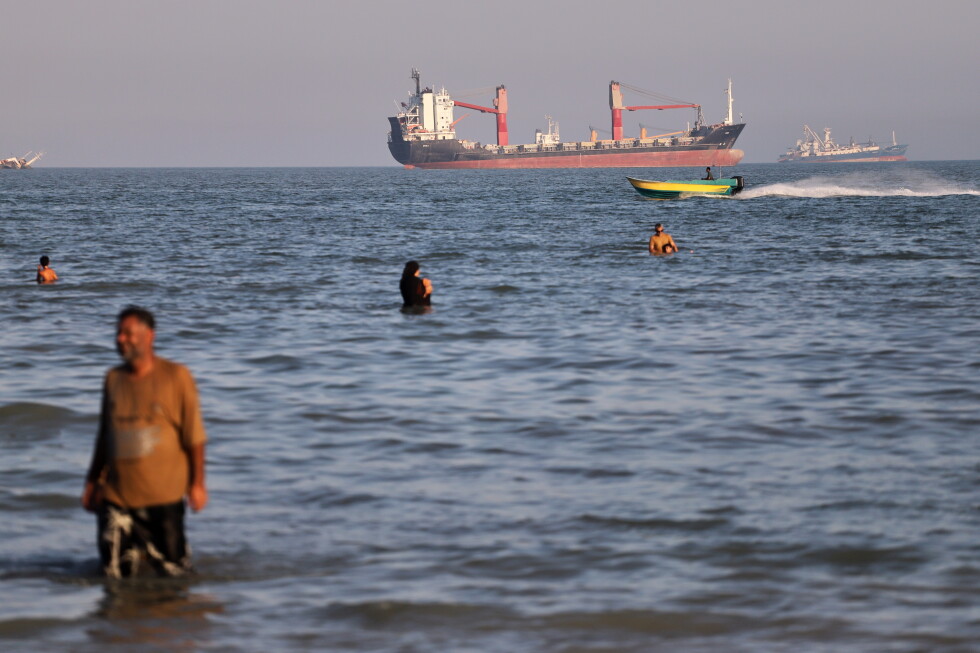
    In a fresh escalation of tensions around one of the world’s most critical energy chokepoints, a projectile struck an unidentified cargo vessel traveling through a UN-endorsed alternative shipping corridor in the Strait of Hormuz on Thursday, British military officials confirmed. The attack came just hours after Iran’s Islamic Revolutionary Guard Corps issued explicit threats barring vessels from using the unapproved route, leaving the international community scrambling to assess responsibility and the broader implications for global energy markets.

    The UK Maritime Trade Operations, which monitors regional shipping security, reported that while the targeted vessel suffered structural damage, there were no reported casualties and no leakage of hazardous materials that would cause environmental damage off the Omani coast. Officials have not yet confirmed the identity of the ship’s operator or the source of the projectile, leaving key details of the incident unconfirmed as of Thursday evening.

    The contested alternative shipping corridor was organized by Oman and the International Maritime Organization (IMO), a United Nations body, to free hundreds of commercial vessels trapped in the Persian Gulf after Iran laid naval mines in the strait’s traditional central shipping lane. Iran placed the mines in the central corridor following a cross-border strike by the U.S. and Israel on Iranian assets on February 28, a move that cut daily shipping transits from a pre-conflict average of more than 130 to fewer than 40 at the lowest point of the crisis. Before the conflict, the central route carried roughly 20% of the world’s daily supply of oil and natural gas, giving Iran significant leverage over global energy markets amid ongoing negotiations with Washington.

    Opening the new coastal corridor along the UAE and Omani coastlines is designed to reduce this leverage and ease mounting pressure on the fragile global economy, a core goal of the ongoing interim peace talks between the U.S. and Iran. Under a memorandum of understanding signed last week, the two sides have 60 days to hammer out final details of a tentative agreement covering everything from free navigation through the strait to the future of Iran’s stockpile of highly enriched uranium.

    U.S. Secretary of State Marco Rubio, who is currently traveling through the Gulf region to reassure regional American allies of Washington’s commitment to security, reaffirmed the U.S. commitment to protecting the new corridor on Thursday. “If that [free transit] stops, then we’re going to have a problem,” Rubio told reporters ahead of meetings with Gulf Cooperation Council foreign ministers in Bahrain, the home of the U.S. Navy’s 5th Fleet. “There is no part in this deal that’s undertaken that in any way undermines the security, the stability or the prosperity of any of our partners in the Gulf region,” he added. Bahrain’s Foreign Minister Abdullatif bin Rashid al-Zayani thanked the U.S. for its continued support, noting “today we see a glimmer of hope for our region” while stressing that “it was critically important that Iran adheres to its obligations.”

    Shipping data from recent days shows a steady increase in traffic through the new corridor, even as volumes remain well below pre-conflict levels. Lloyd’s List Intelligence reported that 125 vessels crossed the strait last week, up from just 33 the week prior, while S&P Global recorded 78 transits on Wednesday alone — the highest daily number since the outbreak of hostilities, but still far off the prewar average. “Opportunistic operators — and there are many of them — emboldened by the lower transit risk, or at least the perceived lower transit risk, have begun chasing the backlog of trapped cargoes,” explained Richard Meade, editor-in-chief of Lloyd’s List. Global shipping giant Maersk confirmed Thursday that one of its container vessels, the Maersk Baltimore, and a second chartered ship had successfully exited the strait via the new route that morning.

    Iran has repeatedly rejected the new corridor as unauthorized, with the Revolutionary Guard’s naval branch issuing a fresh warning Thursday carried by state-run IRNA news agency. “The new route was established without notice or coordination with Iran, calling it “unacceptable and completely dangerous,” the statement read. “The only authorized route for passing through the Strait of Hormuz is the one declared by the Islamic Republic of Iran. Vessel traffic outside these routes is extremely dangerous and prohibited. Violators will be dealt with.” On Wednesday, private security firm Ambrey reported that an Iranian Guards sailor radioed a warning to one passing tanker, saying: “You are in range of my missiles and maybe [I] fire on you.”

    Despite the attack, global oil markets reacted with relative calm Thursday, with benchmark crude prices briefly dipping below $73 per barrel — the last pre-conflict price level — a signal that investors believe the broader diplomatic process remains on track. Still, the strike underscores the fragility of the tentative detente, which is already complicated by public sparring between U.S. and Iranian leaders, who have traded threats and claimed opposing concessions that the other side denies.

    Tensions are also flaring on a second front in Lebanon, where a fragile ceasefire between Israel and Iranian-backed Hezbollah militants has begun to unravel in recent days. Israel confirmed that it targeted Hezbollah militants in southern Lebanon this week, with Lebanese health officials reporting three civilian deaths in a Thursday strike on a vehicle. Hezbollah called the attack a clear violation of the ceasefire but has not yet launched retaliatory strikes, while the Israeli military had no immediate comment on the incident. The strike came as Lebanese and Israeli delegations visited Washington to discuss a proposed phased Israeli troop withdrawal from southern Lebanon. Israel’s military added that a reservist soldier was killed and another wounded in southern Lebanon on Thursday. Since the latest round of fighting began in March, more than 4,000 Lebanese have been killed in Israeli strikes, while 37 Israeli soldiers have died in combat in Lebanon or northern Israel.

    This report contains contributions from Lee in Manama, Bahrain, David McHugh in Frankfurt, Germany, and Julia Frankel in Jerusalem, and is aggregated from original Associated Press reporting.

  • ‘He’s always welcome’: How a young Irish boxer befriended a rap legend

    ‘He’s always welcome’: How a young Irish boxer befriended a rap legend

    For rising Irish boxing star Aaron McKenna, the path to his first world title shot began with an unexpected ringside spectator that would turn into an unlikely cross-industry friendship. Now, on the cusp of the biggest fight of his career, he is leaving the door open for his famous fan to join him in Ireland.

    McKenna and his older brother Stephen cut their teeth as young professional boxers during early training stints in Los Angeles, where daily grueling sparring sessions were the norm. The pair, both naturally competitive, pushed each other to the limit in every round, turning their routine training into high-stakes contests. That dynamic shifted unexpectedly in 2018, when global rap superstar Kendrick Lamar wandered into the gym after wrapping his own workout just as the McKenna brothers stepped into the ring for eight rounds of technical sparring.

    “Me and Stephen looked at each other straight away,” Aaron McKenna recalled in recent interviews. “We’re both super competitive, so having someone of his stature watching just made us turn it up another notch.” Lamar stayed through the full eight rounds, and after the session ended, he struck up a conversation with the two young Irish fighters. The pair hit it off immediately, with McKenna noting that the Grammy-winning rapper was far from the arrogant celebrity many might expect.

    “He’s a real nice fellow, really down to earth, no arrogance or nothing,” McKenna said. The run-in turned into repeated encounters, with McKenna, who was living in California full time at the time, crossing paths with Lamar regularly at the gym.

    That friendship soon extended beyond the four walls of the training facility. When McKenna booked a pro bout at the Fantasy Springs Casino, more than four hours outside of Los Angeles, Lamar made the drive to attend. Just moments before McKenna was set to walk to the ring from the small Irish village of Smithborough, County Monaghan, Lamar knocked on the door of his dressing room to wish him luck.

    “For someone of his magnitude to come in and wish me luck just shows how good of a person he is,” McKenna said. That night, McKenna delivered a standout performance, scoring a second-round knockout to extend his early professional winning streak. The two stayed in contact after the fight, until the Covid-19 pandemic forced McKenna and his family to return to his native Ireland in 2020.

    In the years since, Lamar’s profile has only soared higher. In 2025, he took home five Grammy Awards for his viral hit *Not Like Us* before headlining the Super Bowl halftime show, cementing his status as one of the biggest music stars on the planet. Meanwhile, McKenna has steadily climbed the professional boxing ranks, working his way to a long-awaited world title opportunity.

    When Lamar first watched him spar in that Los Angeles gym, McKenna was just a teen with a handful of pro fights under his belt. Now 26, he is set to step into the ring in Dublin this August to challenge Italian fighter Etinosa Oliha for the vacant IBF middleweight world title, the biggest bout of his young career.

    “I’m starting to come into my prime years,” McKenna told BBC News NI. “This is where my career has really taken off. My next fight is for the world title, so I’m hitting the big stage now.”

    McKenna is currently putting the final touches on his training camp at the McKenna family’s own gym in Monaghan, with top sparring partners flying in from the United Kingdom and the United States to prepare him for the title clash. When asked if any special guests are expected, the Irish contender extended an open invitation to his old friend.

    “Kendrick is always welcome,” he said. “An open invitation anytime. Maybe he’ll come to the fight.”

  • Kenyan police block roads around the country’s capital ahead of anti-government protest

    Kenyan police block roads around the country’s capital ahead of anti-government protest

    NAIROBI, Kenya – Two years after a wave of deadly anti-government unrest left at least 60 people dead and saw protesters storm Kenya’s national parliament, authorities have sealed off the capital Nairobi ahead of a planned demonstration demanding accountability and fair compensation for victims’ families.

    The June 2024 protests erupted when thousands of young Kenyans marched on parliament to push legislators to reject a controversial finance bill that would have raised new taxes amid a sustained cost-of-living crisis. Security forces responded with live fire outside the legislative building, killing dozens of unarmed demonstrators. Today, families of those killed still say they are waiting for justice, and are criticizing the national government for rampant delays and a lack of transparency in its promised victim compensation program.

    Last week, Kenyan President William Ruto sought to balance competing priorities, stating that demonstrators would be allowed to exercise their constitutional right to protest, but warning that the government would not allow action that disrupts daily life, including children’s access to school and workers’ ability to reach their jobs. He explicitly cautioned against any attempt to “shut down the country.” Ruto also framed the ongoing compensation initiative as a formal acknowledgment by the state that harm was done to civilians, but clarified it does not constitute a legal admission of government guilt, and should not be interpreted as a reward for unrest.

    A day before the scheduled protest, Interior Minister Kipchumba Murkomen added that police would provide a formal escort for peaceful demonstrators, but pledged to block any criminal elements that attempt to infiltrate the march to damage or raid private businesses. By early Thursday morning, those security measures had transformed the capital: police had erected concrete and vehicle roadblocks on every major highway leading into Nairobi, cutting off vehicle access to the city center. Parliament buildings remained heavily barricaded, and most private businesses across the capital chose to close their doors for the day ahead of the demonstration.

    Opposition political leaders have publicly thrown their support behind the protest, joining calls for full transparency in how the government allocates compensation to families of victims of human rights abuses committed during the 2024 unrest. For many families, the frustration runs deep: two years on, most have yet to receive any form of payout, even after submitting all required documentation to the Kenya Human Rights Commission.

    Edith Wanjiku, a mother whose 19-year-old son Ibrahim Kamau was killed by two gunshot wounds to the neck during the 2024 unrest, described the devastating emotional toll the loss and ongoing delay have had on her family. “We’ve really suffered emotionally for the last two years,” Wanjiku told the Associated Press. She confirmed that her family completed all required paperwork months ago, but has received nothing from the compensation fund. “Only two out of 10 families whose children were shot that day near Parliament have been compensated and we are wondering what criteria the government is using,” she said.

  • Rescuers search through rubble for Venezuela earthquake survivors

    Rescuers search through rubble for Venezuela earthquake survivors

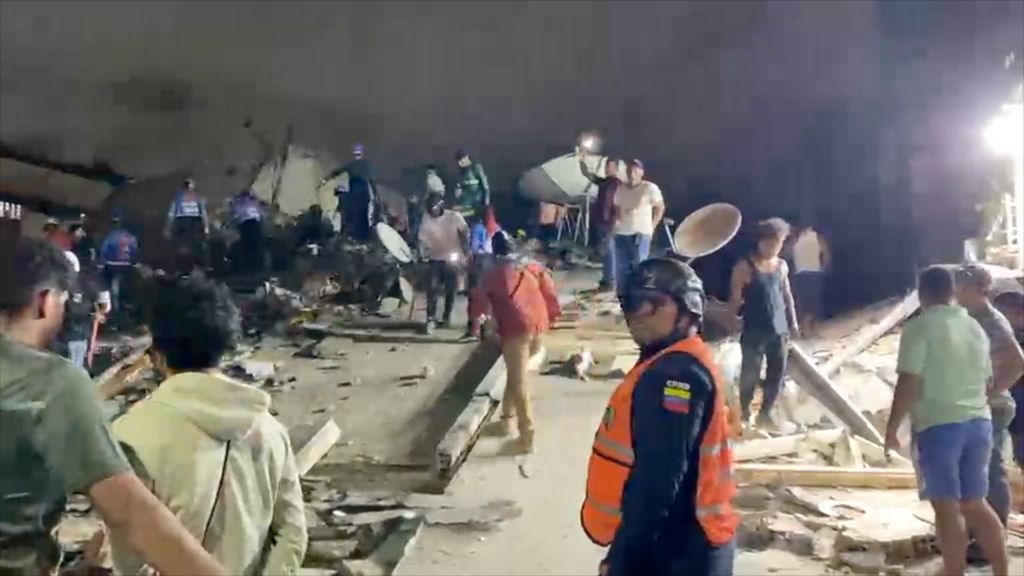
    A devastating sequence of back-to-back earthquakes has rocked Venezuela’s capital Caracas, leaving a crumpled collapsed building in its wake and triggering urgent large-scale rescue operations. Emergency response teams have deployed to the disaster site, where crews are methodically sifting through piles of concrete and twisted metal debris in the hopes of locating and pulling trapped survivors to safety.

    The twin seismic events caught residents off guard, and the collapse of the structure has sparked fears that multiple people may still be trapped beneath the rubble. Local emergency management authorities have not yet released updated figures on casualties or the full scope of infrastructural damage across the city, but the immediate activation of search-and-rescue protocols underscores the severity of the seismic event.

    Rescue teams are working around the clock, utilizing specialized equipment to detect signs of life beneath the wreckage. The disaster has prompted calls for coordination between local and national response agencies, as well as offers of mutual aid from neighboring regions that stand ready to support relief efforts if needed. As operations continue, rescue workers remain focused on their primary mission: finding any survivors who may still be clinging to life in the ruins of the collapsed building.