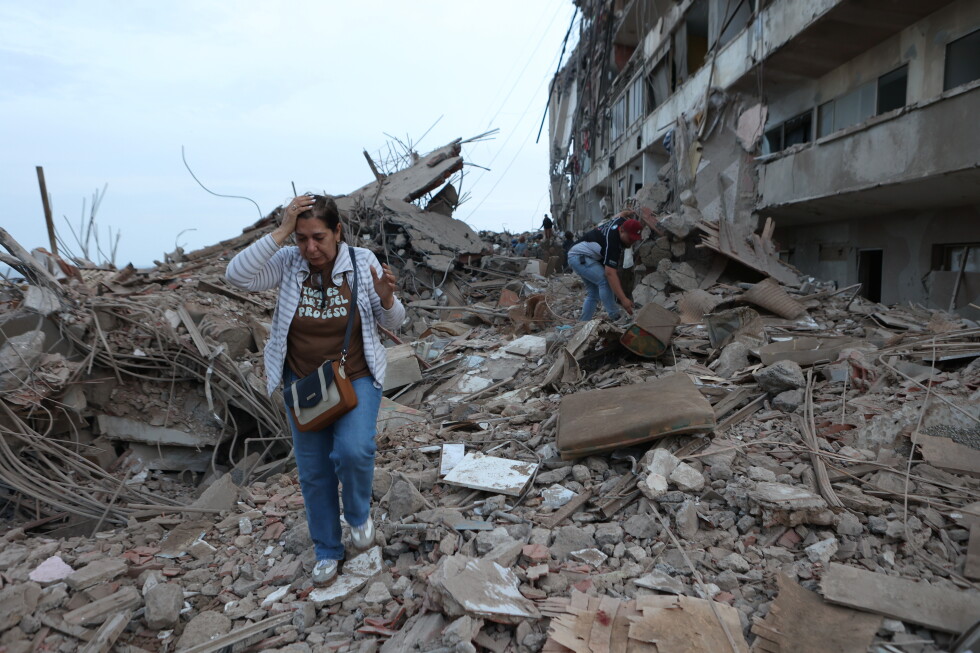
On a Wednesday evening, northern Venezuela was struck by two consecutive powerful earthquakes with magnitudes of 7.2 and 7.5, triggering widespread destruction that has already killed hundreds of people, left thousands unaccounted for, and caused dozens of buildings to collapse. With the death toll expected to rise in the coming hours and days, aid groups and government bodies across the globe have launched urgent response efforts to locate missing survivors, provide critical medical care, and deliver humanitarian support to thousands of injured and displaced people.
The International Federation of Red Cross and Red Crescent Societies (IFRC) has outlined the most pressing immediate needs: search and rescue personnel and resources, emergency temporary shelter for displaced households, urgent medical treatment, and long-term access to clean drinking water and functional sanitation systems.
Humanitarian leaders warn that the relief operation will face significant logistical and bureaucratic hurdles from the outset. Michael Capponi, president of Miami-based non-profit Global Empowerment Mission (GEM), noted key challenges including damaged or closed airport infrastructure in affected regions and delayed visa processing for international aid workers seeking to enter the country. “No single organization can meet all the needs alone,” Capponi emphasized. “Collaboration across governments and non-governmental organizations is critical to ensuring we cover all ground efficiently and swiftly.”
As the global aid community mobilizes, charity watchdog Charity Navigator has issued guidance for potential donors looking to support relief efforts, warning against unvetted fraudulent fundraising campaigns. The organization advises donors to verify that groups working in the region have a proven track record of disaster response in Venezuela and hold registered 501(c)(3) non-profit status in the U.S. Charity Navigator has also published a public, curated list of pre-vetted organizations leading on-the-ground relief to help donors direct their support safely.
Below is a breakdown of the major vetted organizations already leading response efforts:
1. **Global Empowerment Mission (GEM)**: Headquartered in Doral, Florida, GEM is partnering with long-term local ally We Love Foundation to deliver aid. Just one day after the quakes, GEM had already begun packing emergency supplies including food, clean water, hygiene kits, and medical necessities for shipment to a newly established distribution hub in Caracas. The organization has a history of disaster response in Venezuela, with prior deployments in 2018 and 2019.
2. **CORE**: Founded in the wake of the 2010 Haiti earthquake, this humanitarian non-profit is deploying response personnel and partnering with The Wayuu Taya Foundation, a community organization that has long served Indigenous Wayuu communities across the Venezuela-Colombia border with local staff already on the ground in Caracas. The partnership plans to distribute direct cash assistance to vulnerable impacted families, alongside food, drinking water, hygiene kits, and other critical emergency supplies.
3. **Direct Relief**: A California-based medical humanitarian organization, Direct Relief is funding the deployment of a search-and-rescue team from Spanish NGO Bomberos Unidos Sin Fronteras (BUSF) and is standing by to ship emergency medical supplies to local healthcare partners on the ground as needs are identified. The organization has extensive experience responding to major seismic disasters, including the 2023 twin earthquakes that hit Syria and Turkey.
4. **International Red Cross**: Even after sustaining damage to its national headquarters in Venezuela, the Venezuelan Red Cross has kept its national network of hospitals and clinics fully operational to deliver care to injured survivors. Its rescue teams are supporting evacuation operations and search efforts for missing people, while drawing on pre-positioned stockpiles of relief supplies to meet immediate needs. Red Cross societies across neighboring Latin American countries with large Venezuelan diaspora populations, including Ecuador, Colombia, Mexico, Costa Rica, Honduras, and Argentina, have also activated family tracing services to help reconnect displaced people with separated loved ones.
5. **Airlink**: A global humanitarian organization specializing in logistics and transport support, Airlink will coordinate with commercial airlines and logistics companies to move search-and-rescue teams, medical responders, and critical aid including pharmaceuticals, water filtration systems, and food into affected areas of Venezuela on behalf of other participating non-profits.
6. **World Central Kitchen (WCK)**: Founded by celebrity chef José Andrés, WCK specializes in providing fresh, hot meals to disaster-affected communities and first responders. The organization has already mobilized to scale meal operations in northern Venezuela, and has prior experience responding to crises in the country, most recently supporting displaced families in Sucre state after Hurricane Beryl hit in 2024.
7. **Catholic Relief Services**: The international aid arm of the U.S. Catholic Church is partnering with local affiliate Caritas Venezuela to deliver emergency shelter, food, clean water, and medical care to impacted households across northern Venezuela.
8. **Global Impact**: A non-profit philanthropy advisor and intermediary, Global Impact has launched a dedicated Venezuela Earthquakes Response fund that will distribute donations to a network of pre-vetted responding organizations, including UNICEF USA and Save the Children.