博客

  • Watch: Inside the Venezuela country club now a makeshift hospital

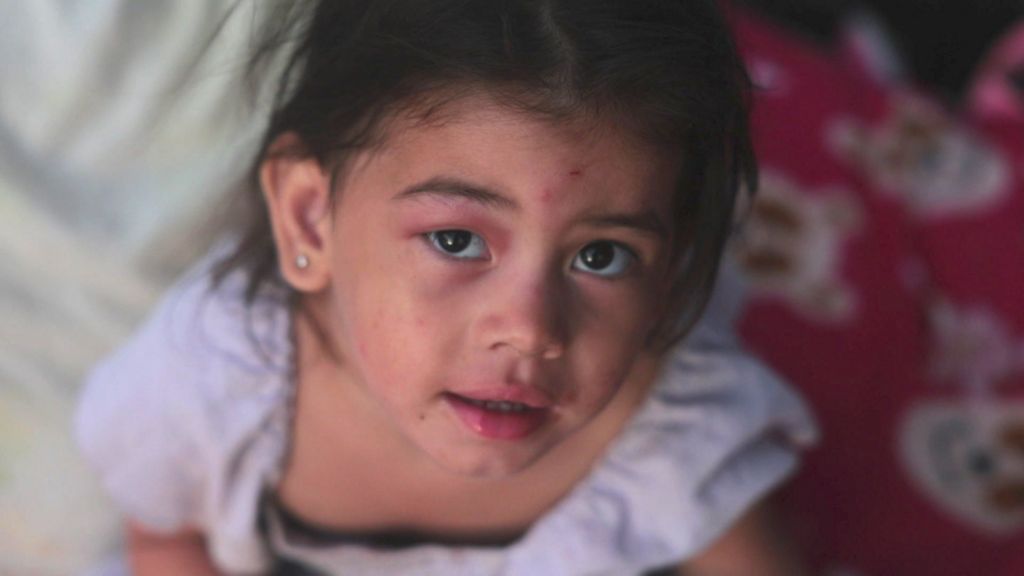
    Watch: Inside the Venezuela country club now a makeshift hospital

    In the wake of catastrophic earthquakes that ripped through Venezuela, leaving a trail of destruction and displaced communities, an unlikely space has been repurposed to serve the urgent needs of injured survivors: a local country club. What was once a recreational gathering spot for leisure and social events has been quickly reimagined as a provisional medical facility, where rescue teams and healthcare workers are tending to those affected by the natural disaster.

    The conversion of the country club underscores the desperate shortage of formal healthcare infrastructure in the disaster-hit region, as widespread damage from the seismic events left many permanent hospitals damaged, destroyed, or overwhelmed by a surge of patients. First responders and volunteer medical crews worked around the clock to clear event spaces and lounges, convert open courtyards into patient wards, and set up temporary medical equipment to deliver critical care to survivors.

    Witness footage from the site captures the stark contrast between the facility’s original purpose and its new life as a lifeline for vulnerable communities. Survivors with a range of injuries, from minor fractures to critical trauma, are receiving treatment in the converted spaces, while aid organizations coordinate to bring in additional supplies, medication, and medical personnel to support the ongoing response effort. This ad-hoc adaptation has become a critical lifeline at a moment when Venezuela’s disaster response system is stretched to its limit, highlighting how communities are leveraging any available space to meet the most urgent needs of those affected.

  • Rights groups criticise Turkey protest ban ahead of Nato summit

    Rights groups criticise Turkey protest ban ahead of Nato summit

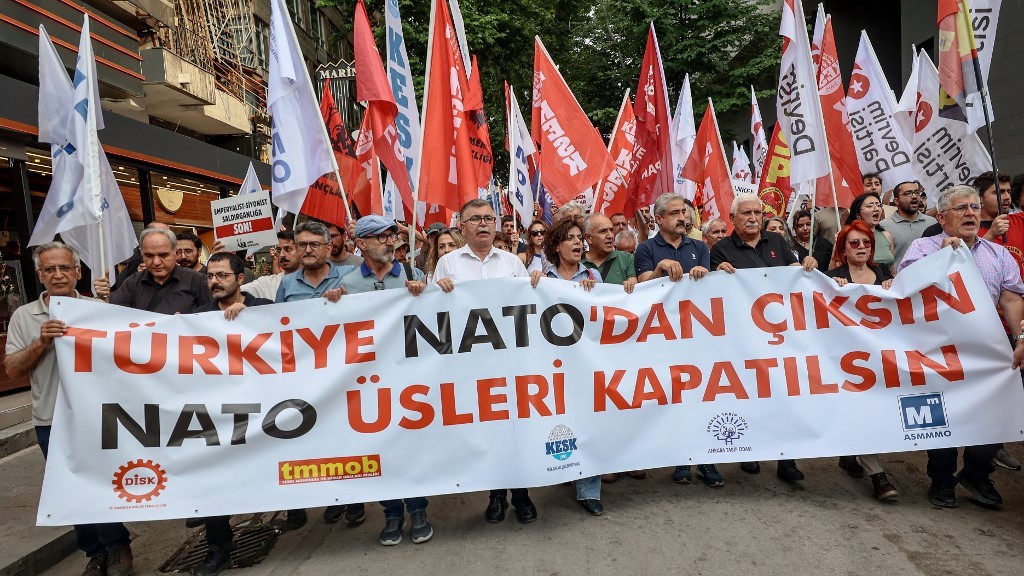
    As the 32-nation NATO alliance prepares to convene its upcoming summit in Ankara this July 7–8, sweeping pre-event security measures implemented by Turkish authorities have drawn fierce international condemnation from human rights and press freedom advocates.

    Last week, the Ankara Governorate unveiled a 13-day province-wide prohibition on all public gatherings, set to begin Sunday. Officials justified the broad restriction by citing the need for enhanced national security and protective measures surrounding the high-stakes leadership conference. The ban has been accompanied by a large-scale law enforcement crackdown that has resulted in the detention of hundreds of people across Turkey.

    Turkish authorities confirm that 225 individuals have been taken into custody, with the government identifying many detainees as alleged affiliates of two groups: the leftist Revolutionary People’s Liberation Party/Front (DHKP/C) and the Islamic State. However, the detainee pool also includes a number of prominent Turkish civil society figures unaffiliated with any militant organization. Among those held are academic Emel Memis, LGBTQ rights activist and journalist Yildiz Tar, Nevzat Ozer, a representative from leading environmental NGO the Tema Foundation, Burcu Arikan, spokesperson for the independent labor union Umut-Sen, and Semra Demir and Kursat Bafra, two attorneys with the Progressive Lawyers Association. State-run Anadolu Agency confirmed that 178 of the detained suspects have been formally arrested, while the remaining 34 have been released conditional to judicial supervision.

    Global human rights watchdog Amnesty International has issued a scathing rebuke of the measures, framing the protest ban and mass arrests as an unjustifiable assault on foundational rights to peaceful assembly and free expression. “All the excessively broad and disproportionate restrictions that prevent the exercise of the right to peaceful assembly must be lifted,” stated Esther Major, Amnesty International’s deputy research director for Europe. Major also called out a separate, parallel restriction on press freedom: NATO’s decision to deny press accreditation to dozens of Turkish journalists, including reporters from leading independent Turkish outlets such as Cumhuriyet, Sozcu, Anka, T24 and Medyascope. Major described the accreditation denial as a direct blow to media freedom, urging the alliance to reverse its decision and allow excluded journalists to cover the summit.

    The upcoming summit marks a landmark gathering for the alliance, bringing together heads of state from all 32 member states, including U.S. President Donald Trump. Turkey has held NATO membership since 1952, and currently boasts the alliance’s second-largest standing land army. For decades, the country’s NATO membership has faced criticism from Turkish leftist groups and some Islamist factions, who argue the alliance has locked Turkey into U.S. geopolitical dominance and suppressed domestic socialist and anti-imperialist movements. Public anger over the summit has intensified in recent months, fueled by widespread opposition to U.S. support for Israel’s military campaign in Gaza and recent U.S. strikes on Iran, leaving the Turkish government eager to prevent large-scale public demonstrations during the leaders’ meeting.

    Following the accreditation denial, a coalition of global and Turkish press freedom organizations released a joint statement last Friday condemning NATO’s decision. The statement highlighted a striking contradiction at the heart of the rejection: NATO’s own accreditation criteria list editorial independence as a core eligibility requirement, making it deeply inconsistent that the alliance would reject applications from outlets that are explicitly defined by that standard of independence. “Should a governmental institution with a documented track record of restricting press access have played any role in this process, NATO risks allowing domestic media pressures to influence what should be an independent credentialing framework,” the joint statement added.

    Outlets that do not meet accreditation requirements in the upcoming NATO Summit. Middle East Eye, which first reported on the unfolding controversy, reached out to NATO press officials for comment on the accusations, but received no response by the time of this publication.

    This report has been prepared for independent news dissemination from the original reporting by Middle East Eye, which provides unrivaled independent coverage and analysis of the Middle East, North Africa and broader global affairs.

  • Inside the World Cup knockout stage bracket: Some teams have an easier path than others

    Inside the World Cup knockout stage bracket: Some teams have an easier path than others

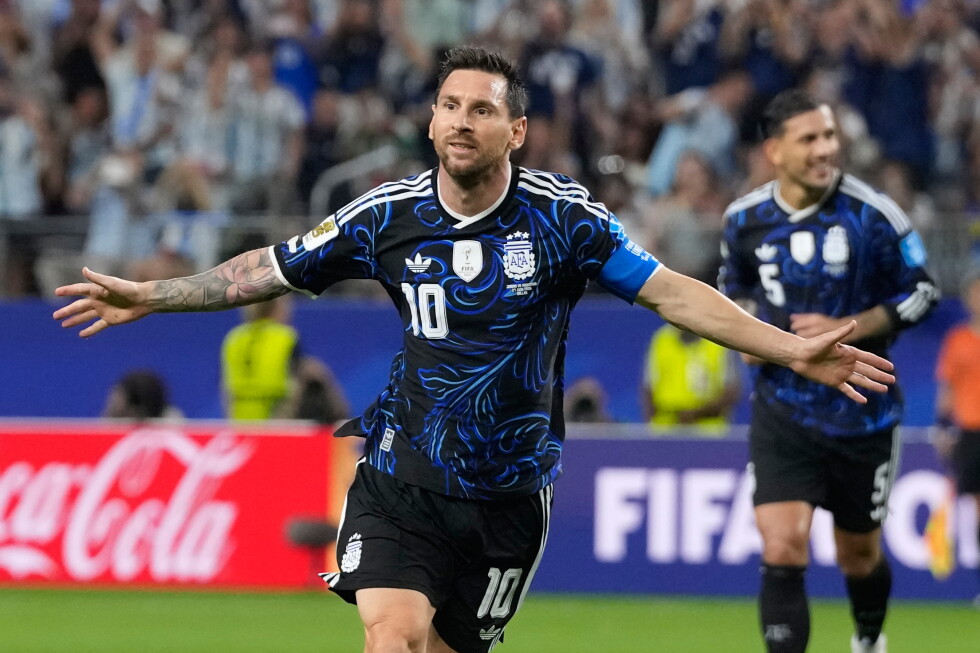
    MIAMI GARDENS, Fla. – The 2026 FIFA World Cup knockout round bracket is finalized, and a side-by-side comparison with the seeding structure of the NCAA Men’s Basketball Tournament highlights just how lopsided the draw has turned out for some of the tournament’s highest-ranked contenders. If the World Cup used the same ranking and seeding framework as college basketball’s iconic March Madness, several fan-favorite sides would already be pointing fingers at a hypothetical selection committee for their unforgiving early paths. Among those stuck with the toughest early draws are Morocco and the Netherlands, with England, Mexico, Portugal, and Spain also sharing their disappointment over their bracket positions. The only clear winner in the structure? Lionel Messi’s Argentina, which walks into the knockout stage with one of the most accessible routes to the tournament’s semifinal round.

    Unlike the NCAA Tournament, which relies on a selection committee to assign seeds and build matchups, the World Cup’s knockout bracket is predetermined based on group stage results: group winners face runners-up from opposite groups in a fixed structure. FIFA also does not adjust seeds between rounds like many North American sports leagues, which guarantees that several lower-ranked sides will advance past the first knockout round at minimum. To examine how the bracket stacks up against a traditional seeding model, AP ranked all 32 remaining knockout teams 1 through 32 based on pre-knockout FIFA live rankings, revealing sharp disparities in difficulty across the tournament’s four regional brackets.

    ### Foxborough Region
    The Foxborough Region, which hosts its quarterfinal match on July 9 in Foxborough, Massachusetts, opens with a brutal opening round clash that dooms one high-ranked team to an early exit. The first round matchups pit 12th-ranked Germany against 27th-ranked Paraguay, second-ranked France against 26th-ranked Sweden, 29th-ranked South Africa against 25th-ranked Canada, and a showdown between two of the tournament’s top seven teams: seventh-ranked Netherlands and sixth-ranked Morocco. This early matchup guarantees that at least one elite contender will be eliminated before the Round of 16. If both top seeds advance, European powerhouses France and Germany would face off in the Round of 16 in what amounts to a premature elite clash. Travel also favors the top regional seeds: the winner of South Africa vs Canada faces two cross-country time zone changes en route to the quarterfinal, while Germany, Paraguay, France and Sweden all play their first two knockout rounds in the Northeast U.S., in Massachusetts, New Jersey or Pennsylvania. If seeds hold true to form, France will advance to face Morocco in the Foxborough quarterfinal.

    ### Inglewood Region
    Hosting its quarterfinal on July 10 in Inglewood, California, the Inglewood Region brings a favorable draw for the host United States men’s national team, but a tough start for Portugal and Spain. First round matchups are 8th-ranked Portugal vs 13th-ranked Croatia, third-ranked Spain vs 18th-ranked Austria, 14th-ranked U.S. vs 30th-ranked Bosnia and Herzegovina, and 10th-ranked Belgium vs 17th-ranked Senegal. The U.S. opens against one of the lowest-ranked teams in the knockout field and gets to stay in the Pacific time zone all the way through the regional final, a major logistical advantage. For Ronaldo and Portugal, however, the draw is far from gentle: a tough opening match against Croatia, followed by a potential Round of 16 clash with Spain – a matchup that leaves Spain equally unhappy with their seeding. The winner of the Belgium-Senegal opening match in Seattle gets to stay in the city for their second round matchup against the U.S.-Bosnia winner, a much-appreciated break for fatigued squads. If seeds hold, Spain will advance to face Belgium in the Inglewood quarterfinal.

    ### Miami Gardens Region
    The Miami Gardens Region plays its quarterfinal on July 11 at the host site in Miami Gardens, Florida, with first round matchups: fifth-ranked Brazil vs 16th-ranked Japan, 24th-ranked Ivory Coast vs 19th-ranked Norway, ninth-ranked Mexico vs 20th-ranked Ecuador, and fourth-ranked England vs 28th-ranked Congo. Both Mexico and England enter their opening matches as heavy favorites, and a win for both would set up an all-elite Round of 16 clash – which would technically count as a road game for England, played in Mexico City. Mexico enters the knockout stage as one of only two teams that did not allow a single goal through the group stage, joining Spain in that rare defensive achievement. For Brazil, the path to the quarterfinal is far more open: the five-time world champions open against Japan, and would face the low-seeded winner of Ivory Coast vs Norway in the second round if they advance. If seeds hold, Brazil will face England in the Miami Gardens quarterfinal.

    ### Kansas City Region
    The Kansas City Region also hosts its quarterfinal on July 11 in Kansas City, Missouri, and boasts the most lopsidedly favorable draw for the tournament’s top-ranked team: top-ranked Argentina opens against 31st-ranked Cape Verde, followed by matchups between 22nd-ranked Australia and 21st-ranked Egypt, 15th-ranked Switzerland vs 23rd-ranked Algeria, and 11th-ranked Colombia vs 32nd-ranked Ghana. While there is no official selection committee for the World Cup, this draw lines up as a dream opening for Messi and Argentina: the eight-time Ballon d’Or winner gets to open knockout play just miles from his club home at Inter Miami’s stadium in nearby Miami Gardens. The winner of Argentina’s opening match faces the winner of Australia vs Egypt in the second round, while the Switzerland-Algeria matchup is projected to deliver high-scoring action, and Colombia faces a motivated Ghana side playing with no pressure as a low seed. If seeds hold, Argentina will advance to face Colombia in the Kansas City quarterfinal.

    ### Key Bracket Takeaways
    Beyond the regional breakdowns, several key notes stand out for the Round of 32: France, Mexico and Argentina are the only three teams to exit the group stage with perfect 3-0-0 records. Four opening round matchups pit two unbeaten teams against each other: Netherlands vs Morocco, both 2-0-1; Belgium vs Senegal, both 1-0-2; Brazil vs Japan, 2-0-1 vs 1-0-2; and Argentina vs Cape Verde, 3-0-0 vs 0-0-3.

    Football fans can expect a flurry of goals in several opening round matches: France vs Sweden saw the two sides combine for 17 goals across group play, while Netherlands-Morocco combined for 16, Belgium-Senegal for 14, Brazil-Japan for 14, and U.S.-Bosnia and Herzegovina for 13. On the opposite end of the spectrum, the first goal in Mexico-Ecuador will almost certainly decide the matchup: Mexico did not allow a single goal in group play, while Ecuador conceded just two across their three group matches.

    Looking ahead to the later rounds, the 2026 World Cup semifinal matchups are set: the winner of the Foxborough quarterfinal will face the winner of the Inglewood quarterfinal in Arlington, Texas on July 14, while the Miami Gardens winner will take on the Kansas City winner in Atlanta on July 15. The 2026 World Cup final is scheduled for July 19 at MetLife Stadium in East Rutherford, New Jersey.
  • Ugarte has ‘most serious injury footballer can face’

    Ugarte has ‘most serious injury footballer can face’

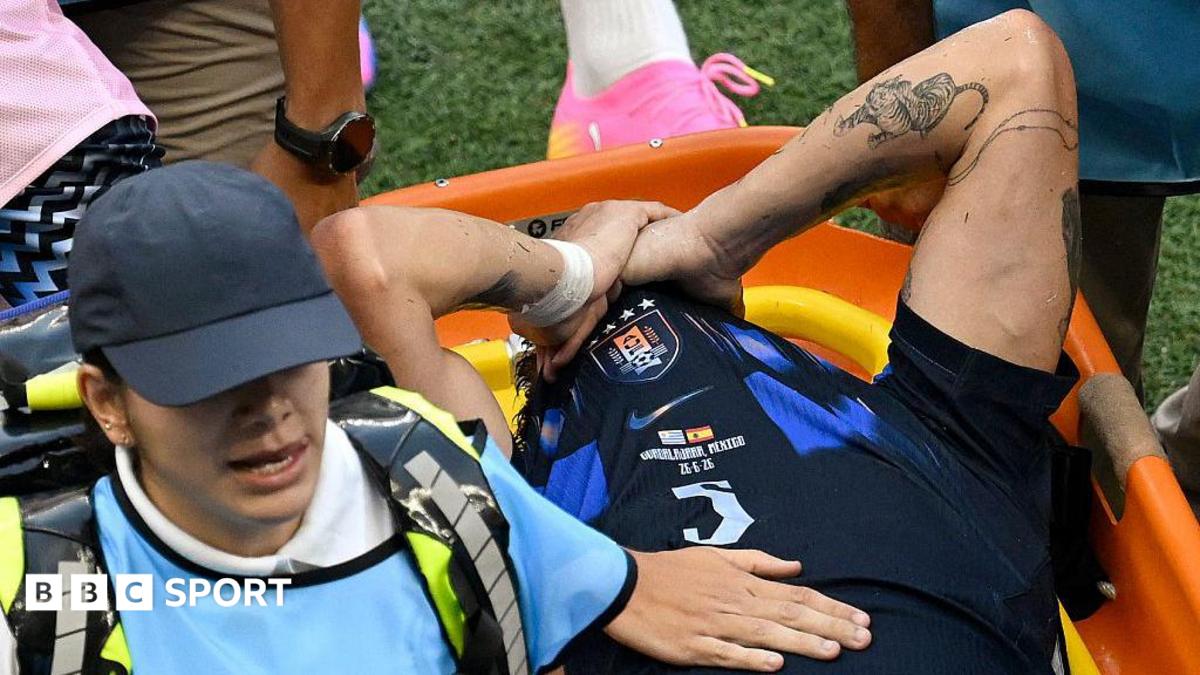
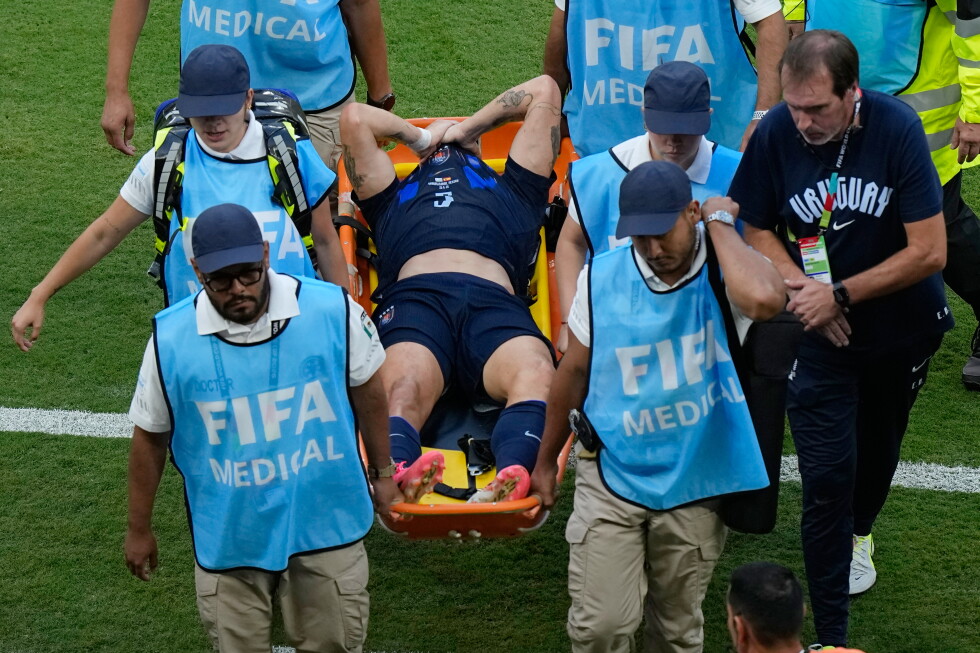
    The 2026 FIFA World Cup has delivered a devastating blow to Manchester United midfielder Manuel Ugarte, who suffered a career-altering knee injury while on international duty with Uruguay, leaving both the player and his club facing months of uncertainty. The 25-yearold sustained the ligament damage during Uruguay’s group-stage defeat to Spain in Guadalajara on Friday, when he twisted his knee awkwardly while attempting a tackle in the build-up to Spain’s match-winning goal. Ugarte was immediately carried off the pitch on a stretcher, sidelining him before he could see out the critical contest.

    After initial evaluations by Uruguay’s medical team on Saturday, Ugarte is now set to return to Manchester to undergo comprehensive scans and specialist assessments that will determine the full extent of the injury and the next steps for his treatment. Multiple Uruguayan media outlets have reported the injury is a torn cruciate ligament – a damage that typically keeps footballers out of action for six to nine months – and Ugarte’s own social media statement has reinforced these grim projections.

    In an Instagram post published Sunday, Ugarte opened up about the devastating turn of events, calling the injury “the most serious injury a footballer can face”. “Suffering this in one of the most important matches in my country’s history, and seeing it end this way without being able to stay on the pitch and support my team-mates until the final whistle, is something that will stay with me for the rest of my life,” he wrote. Despite the disappointment, the midfielder struck a defiant tone, vowing to comeback stronger than before. “Hitting rock bottom will make me stronger in every sense, and I truly believe that’s the case here,” he added. “Without a doubt, when life wants you to stop, it finds a way to let you know. It’s up to me to take the positives from this. Success in life is about starting again every time you fall.”

    While Manchester United has not confirmed the full diagnosis, waiting for their own clinical team’s assessment, club officials are privately preparing for the worst-case scenario. In an official statement, the club said: “Manchester United can confirm that Manuel Ugarte has suffered a knee ligament injury whilst representing Uruguay in Friday’s World Cup group-stage match against Spain. Assessment of the injury is ongoing to determine the best course of treatment and the rehabilitation timescale. Everyone wishes Manuel a successful recovery and we will be supporting him every step of the way.”

    The injury comes at a pivotal moment for Ugarte, who joined Manchester United from Paris Saint-Germain for a £50.8 million transfer in 2024. The midfielder has failed to live up to the expectations placed on him at Old Trafford, with his last appearance coming in a home Premier League defeat to Leeds United on April 13. Ahead of the World Cup, it was widely expected that Ugarte would be moved on this summer – either via a permanent transfer or a loan deal – as United prioritized a complete overhaul of their midfield. Those plans are now in serious doubt, with the club’s immediate focus shifting to the player’s recovery.

    The injury to Ugarte adds another layer of complication to Manchester United’s already turbulent summer transfer plans, which have already faced multiple delays. The club had already agreed a £35 million deal to sign Atalanta midfielder Ederson, but plans for his pre-medical ahead of the July 9 start of pre-season training were scrapped after the 26-year-old earned a late call-up to Brazil’s 2026 World Cup squad. Ederson will now complete his medical once Brazil’s World Cup campaign concludes, before joining the club’s training complex at Carrington after a mandatory three-week rest period.

    United’s other midfield targets have hit their own snags: the club walked away from a potential move for Nottingham Forest’s Elliot Anderson after sticker shock over the combined cost of transfer fee and wages, while negotiations with West Ham United for Portugal international Mateus Fernandes have stalled over disagreements on transfer valuation, with Tottenham Hotspur also in the race for the player. United retains an interest in Bournemouth’s Alex Scott, and saw a bid rejected by Brighton & Hove Albion for Cameroonian midfielder Carlos Baleba last summer.

    The biggest unanswered question now is how a long-term injury for Ugarte will impact the club’s available transfer budget for the summer window. With Ugarte’s expected departure off the table for the foreseeable future, United’s hierarchy will need to reevaluate their financial plans as they aim to bring in at least two or three new midfield faces this window.

  • Uruguay and Man United midfielder Manuel Ugarte sustains knee ligament damage at the World Cup

    Uruguay and Man United midfielder Manuel Ugarte sustains knee ligament damage at the World Cup

    ATLANTA – Fresh off Uruguay’s early elimination from the 2022 FIFA World Cup, English Premier League side Manchester United has confirmed disappointing injury news for one of their key midfield signings: Uruguayan international Manuel Ugarte has been diagnosed with knee ligament damage sustained during his nation’s final group stage match.

    The injury occurred in the opening 45 minutes of Uruguay’s 1-0 defeat to Spain on Friday, a result that sealed the two-time World Cup champions’ exit from the tournament before the knockout round. Ugarte, a consistent starter for Uruguay throughout the group stage, featured in all three of the side’s group matches, but the campaign ended in disappointment for both the player and his national team.

    In an official statement released Sunday, Manchester United confirmed that medical teams are still conducting further assessments to finalize a treatment plan and map out an expected timeline for Ugarte’s rehabilitation. “Everyone at the club wishes Manuel a successful recovery and we will be supporting him every step of the way,” the statement added.

    Ugarte’s injury caps off a thoroughly underwhelming tournament for Uruguay, which failed to secure a single win across its three group fixtures. The underperforming side was forced to share points with lower-ranked underdogs Cape Verde and Saudi Arabia, a result that left the squad outside the top two of their group. The disappointing campaign even prompted outgoing head coach Marcelo Bielsa to publicly admit he felt he had left no meaningful positive impact on Uruguayan soccer during his tenure in charge of the national team.

    Beyond the disappointment for Uruguay’s World Cup run, Ugarte’s injury also creates unexpected disruption for Manchester United’s pre-season preparations. The club is set to return to UEFA Champions League competition for the upcoming season after a two-year absence from the tournament, and the defensive midfielder was expected to be a critical piece of manager Erik ten Hag’s squad for the domestic and European campaign.

  • Europe’s heatwave linked to 1,300 deaths, WHO says, as Germany hits record 41.7C

    Europe’s heatwave linked to 1,300 deaths, WHO says, as Germany hits record 41.7C

    An unprecedented early-summer heatwave sweeping across Eastern Europe has shattered all-time national temperature records across multiple countries, with the World Health Organization (WHO) linking the extreme heat to hundreds of excess deaths and sounding urgent alarms over Europe’s accelerating rate of climate warming.

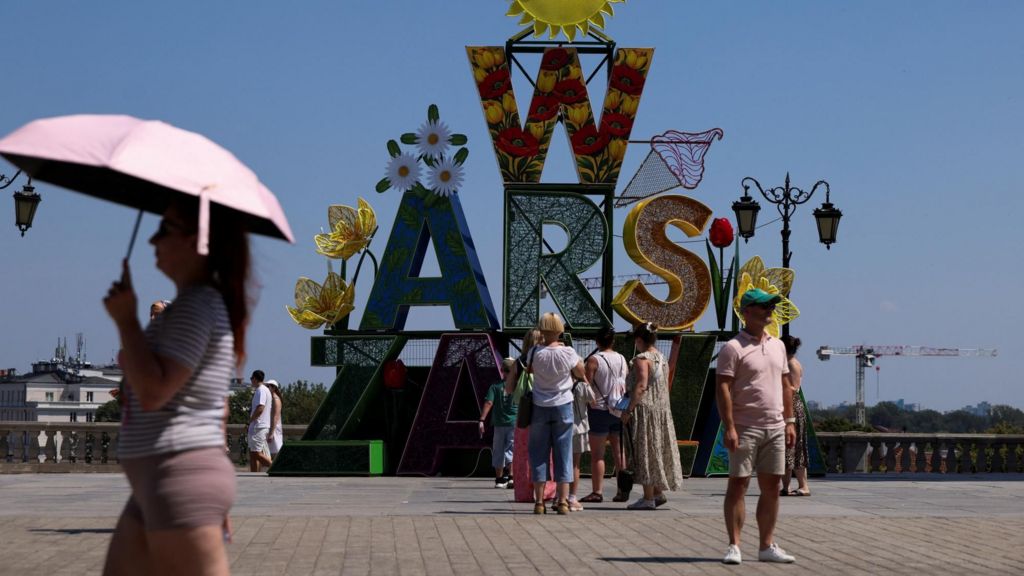
    As the scorching heat shifted eastward across the continent on Sunday, national weather services confirmed multiple historic temperature milestones. Poland recorded its highest ever temperature since records began, hitting 40.2°C in the western border town of Słubice, an official spokeswoman from the country’s Institute of Meteorology and Water Management confirmed to AFP. The reading topples the previous national record to mark a new historic high for the Central European nation.

    Neighboring Germany extended its run of record-breaking heat for a third consecutive day, with preliminary data showing a high of 41.7°C registered at a monitoring station in Coschen, a town in eastern Brandenburg’s border region close to Poland. For the Czech Republic, Sunday brought the country’s second national temperature record in as many days: the country’s national meteorological service CHMI logged 41.1°C at Doksany, a town north of the capital Prague. While forecasters project Sunday marked the peak of the current heatwave for the Czech Republic, severe thunderstorms are expected to move into western regions in the coming hours.

    The extreme heat has already taken a severe human toll across the continent, WHO director-general Tedros Adhanom Ghebreyesus confirmed in a public post on platform X. Since June 21, more than 1,300 excess deaths have already been recorded across Europe, all connected to dangerous high temperatures. France’s national health ministry added its own data Sunday morning, reporting around 1,000 more deaths than the usual seasonal baseline in the country since just Wednesday, with the vast majority of excess fatalities among people aged 65 and older. The agency also recorded a 40% jump in the number of deaths occurring in private residences, a trend linked directly to unregulated extreme indoor heat.

    Tedros described heat stress as a underrecognized “silent killer,” noting that most European residential buildings, workplaces and educational institutions were not designed or constructed to withstand these new, unprecedented temperature extremes. The ongoing heatwave has already forced widespread disruption: hundreds of millions of people across the continent are living under extreme heat warnings, schools have closed in high-risk regions, and national energy grids are already buckling under increased demand for cooling.

    In a stark climate warning, Tedros emphasized that Europe is warming faster than any other continent on the planet, heating at twice the global average rate. Fueled by ongoing man-made climate change and global warming, extreme heat events once classified as once-in-a-generation anomalies have now become an almost annual occurrence across the continent. He called on all European national governments to prioritize public health adaptation by fully implementing evidence-based heat health action plans, the key step to protect vulnerable populations as extreme heat becomes more frequent.

    The current record-breaking heatwave adds to a growing body of evidence showing the accelerating impacts of human-caused climate change across Europe, with public health systems increasingly strained to respond to the growing threat of extreme summer heat.

  • Three firefighters die battling huge wildfires on Colorado-Utah border

    Three firefighters die battling huge wildfires on Colorado-Utah border

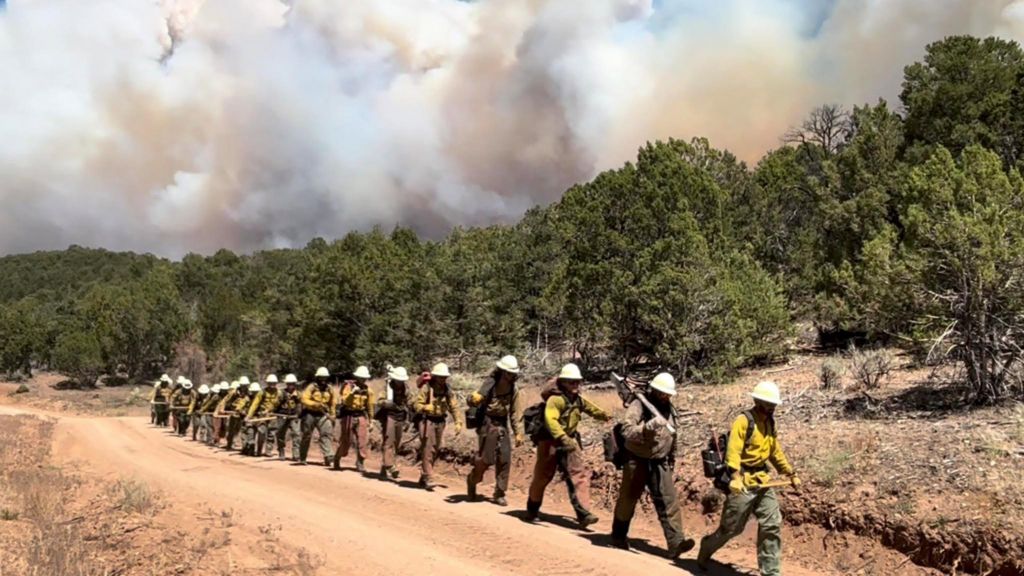
    A devastating wildfire disaster on the Colorado-Utah border has claimed the lives of three elite federal firefighters and left two others with burn injuries, after a sudden, fast-moving blaze trapped the crew during containment operations on Saturday.

    The fallen first responders were assigned to the Knowles and Gore fires, two separate blazes that have since merged with other wildfires to form the massive Snyder Mesa complex. As of Saturday evening, the merged fire had already scorched more than 28,000 acres of parched western land, according to a statement from Colorado Governor Jared Polis’s office.

    According to the U.S. Department of the Interior, the crew was overwhelmed without warning by shifting flames as the fire expanded at an explosive rate. The incident is classified as a burnover — a rare but extremely dangerous scenario where rapid fire spread cuts off all escape routes for on-the-ground crews, forcing firefighters to deploy emergency last-resort fire shelters as their only chance of survival. The two injured crew members were airlifted to nearby medical facilities for treatment of their burns.

    Identities of the deceased firefighters have not yet been released to the public, as agencies continue to notify next of kin. In the wake of the tragedy, officials have focused on supporting the affected families, friends, and fellow crew members through the crisis. “Our immediate focus is on supporting their families, friends, and fellow crewmates during this incredibly difficult time,” said a representative from the U.S. Wildland Fire Service. “The US Wildland Fire Service stands united with the USDA Forest Service in grief and in our unwavering support for the loved ones left behind. Their bravery, dedication, and sacrifice will never be forgotten.”

    All five firefighters involved in the incident were employees of federal public land management agencies: the U.S. Wildland Fire Service and the U.S. Forest Service. Notably, the U.S. Wildland Fire Service, an agency under the Department of the Interior, was only established in January of this year to streamline cross-agency wildfire response across millions of acres of federal public land.

    Hours after the fatal incident, Governor Polis issued a formal state of emergency for Colorado, activating the Colorado National Guard to assist overwhelmed local and federal firefighting teams. “I’m devastated about the loss of three heroic firefighters who died in the line of duty in Western Colorado,” Polis said in an official statement. “To the loved ones of those lost, and to their fellow crew members – some who are still battling the flames – know that the State of Colorado mourns alongside you.”

    The disaster comes as the entire western U.S. faces an early and intense wildfire season, with dozens of active blazes burning across Colorado and Utah. In Utah, the largest active fire is the Cottonwood Fire, which had expanded to more than 93,000 acres by Sunday and remained 0% contained, per U.S. Forest Service updates. Utah Governor Spencer Cox has pre-emptively issued an emergency ban on all recreational fireworks ahead of the Fourth of July weekend, a popular holiday where firework use often sparks accidental wildfires in dry conditions.

    While most of the fires burning across the two states are concentrated in sparsely populated rural areas, they have already started to threaten mountain resorts and remote recreational cabins, prompting evacuation orders for some local communities. The current outbreak of large blazes has been driven by a combination of record warm winters, persistent drought, and unseasonably high winds that have turned much of the region’s vegetation into tinder.

    Climate scientists have long warned that human-caused climate change is increasing the frequency and severity of extreme weather conditions that fuel catastrophic wildfires, including prolonged heat waves and deep drought. Researchers project that without major action to cut greenhouse gas emissions and reform wildfire management, wildfires will only grow more frequent and intense across the American West in coming decades.

  • British man held in Ecuador after woman’s body found in suitcase

    British man held in Ecuador after woman’s body found in suitcase

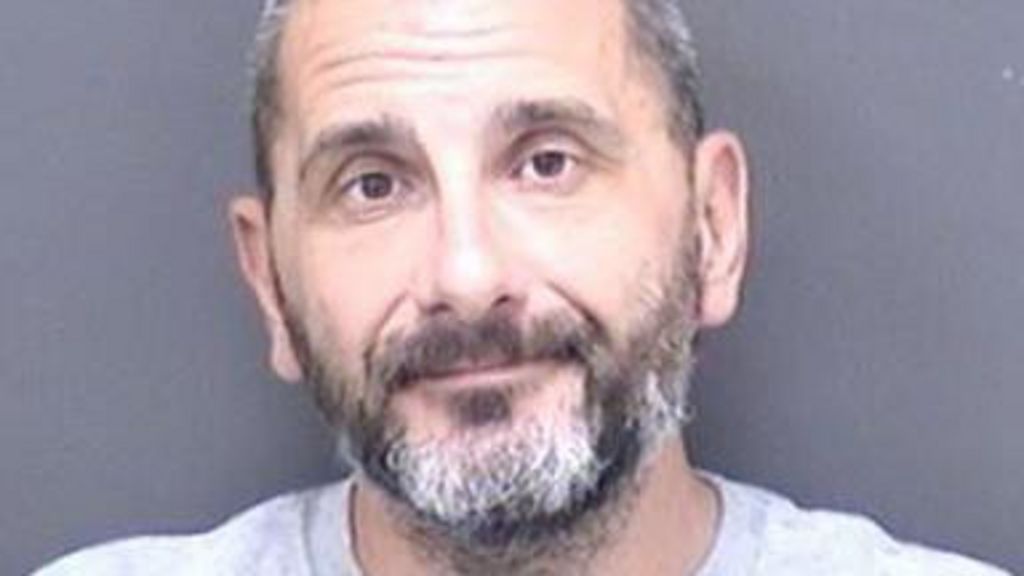
    A 46-year-old British national from Bournemouth, Dorset has been taken into custody in Ecuador following the gruesome discovery of a woman’s body sealed inside a suitcase in neighboring Colombia, law enforcement authorities have confirmed. Matthew Ashley Foster-Smith stands accused of causing the death of 36-year-old Natalia Villalba in a Bogota apartment on June 18, according to official statements from Colombian law enforcement. Colombia’s Attorney General’s Office has laid out detailed allegations that Foster-Smith beat Villalba to death before stashing her remains in a suitcase in an attempt to cover up the crime and then fled the country to evade capture. After the alleged murder, Colombian prosecutors secured a formal arrest warrant and requested international assistance, prompting Interpol to issue a high-priority Red Notice to alert law enforcement agencies globally to the fugitive’s presence. Acting on this international alert, local law enforcement officers detained Foster-Smith at Quito International Airport, Ecuador’s main air gateway, as he attempted to move through the transport hub. Bogota Mayor Carlos Fernando Galan confirmed that Dorset Police, the UK law enforcement agency responsible for Foster-Smith’s home region, provided critical support to the international operation that led to the fugitive’s location and arrest. A spokesperson for the UK Foreign, Commonwealth & Development Office confirmed that British consular officials are extending standard support to the detained British citizen and have established communication with Ecuadorian local authorities regarding the case. Court records from the UK show that Foster-Smith has a recent criminal history in his home country: he was previously sentenced to two years and two months in prison for stalking convictions stemming from offenses committed in 2023. When he was released from custody, Dorset Police successfully applied for expanded statutory powers to enforce indefinite restrictions intended to protect his previous stalking victim. A comprehensive stalking prevention order issued by Poole Magistrates’ Court in January 2024 required Foster-Smith to maintain regular check-ins with UK police, disclose all changes to his residential address and vehicle information, and a permanent ban on contacting any of his previous victims. The order also imposed strict limitations on his ability to use electronic communication devices. Media outlets have reached out to Dorset Police to request additional comment and further details on the coordination between UK and South American law enforcement in this case, with no immediate statement released as of the latest updates.

  • England cricket captain Ben Stokes makes dramatic retirement announcement during test match

    England cricket captain Ben Stokes makes dramatic retirement announcement during test match

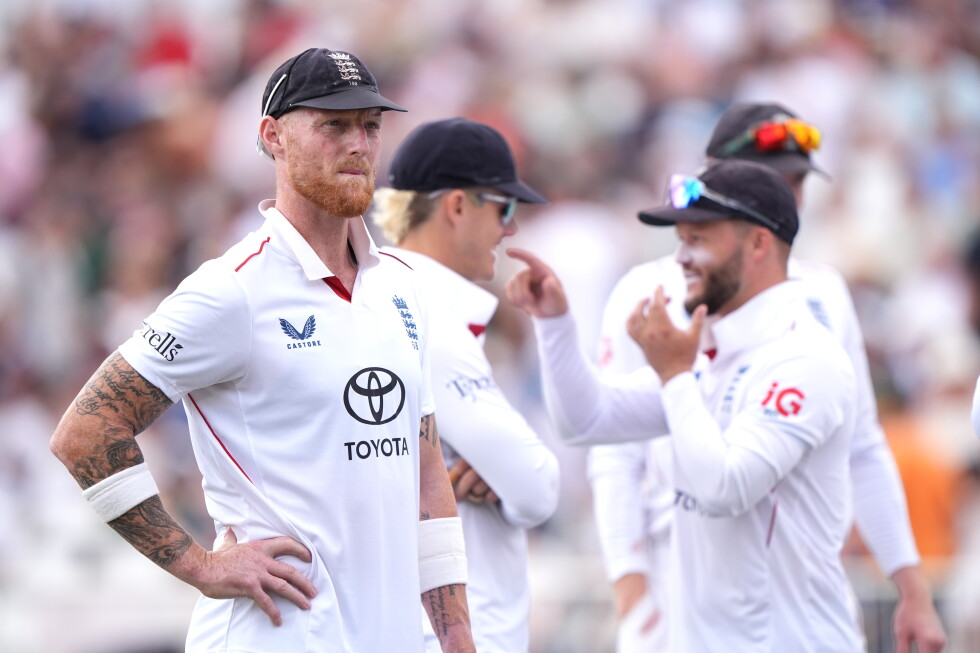
    In a stunning announcement that has sent shockwaves through the global cricket community, England men’s cricket captain Ben Stokes revealed Sunday that he will retire from all forms of international cricket within days, making the surprise declaration in the middle of the series-deciding third Test against New Zealand at Trent Bridge.

    In a video of the dressing room address shared publicly by England Cricket, Stokes told his assembled teammates ahead of Day 4 play: “This is my last two days as your captain and my last two days representing England.” The declaration came with the three-match series deadlocked at 1-1, with the match set to extend into a fifth and final day on Monday to determine the series winner.

    Stokes’ bombshell announcement landed just 15 minutes before the afternoon tea break on Day 4. In a moment that encapsulated his legendary career, the all-rounder picked up a New Zealand wicket just moments after his revelation, and received a thunderous standing ovation from the packed Trent Bridge crowd as he led the England team off the pitch at the end of the session. When addressing his teammates, Stokes kept the specific motivations behind his early exit private for the time being, saying: “The reasons can wait (about) why. But I’ve had many trips to the well before for this team and I’ve got one more trip to do.”

    Over a 15-year international career, Stokes has cemented his status as one of the most iconic and successful cricketers of his generation. His most legendary performances came in two global title wins: he was the standout star of England’s dramatic, last-ball victory over New Zealand in the 2019 50-over World Cup final at Lord’s, widely regarded as one of the most thrilling matches in cricket history. He then repeated that championship success three years later, playing a pivotal role in England’s 2022 T20 World Cup triumph — the same year he took on the role of Test captain for the national side.

    The retirement announcement caps a turbulent series for Stokes off the pitch. After the opening Test at Lord’s, Stokes and teammate Gus Atkinson made headlines when they were dropped from the squad for the second Test. The pair had spent an evening at a London nightclub, where an England team security official was reportedly assaulted by a player from professional rugby side Saracens. The England and Wales Cricket Board (ECB) initially stated the pair had “breached specific contractual obligations”, issued them written warnings, and launched a formal investigation. The independent Cricket Regulator oversight panel later concluded there was “insufficient evidence to establish that any regulatory breach occurred”, and Stokes was reinstated to the side for the deciding third Test.

    ECB chairman Richard Thompson paid tribute to Stokes’ transformative career, calling him “one of England’s greatest ever cricketers and one of the defining figures of his generation.” Thompson added: “His performances under pressure, his relentless competitiveness and his ability to produce the extraordinary when it matters most have given me and millions of other fans memories that will endure forever. Beyond his remarkable achievements on the field, his performances have inspired many youngsters to embrace cricket with positivity and belief. We are losing a batsman, a bowler, a captain and a talisman.”

  • Australian man charged with murder after dead girl found in suitcase in Thailand

    Australian man charged with murder after dead girl found in suitcase in Thailand

    A chilling homicide case has sent shockwaves across Thailand, after authorities discovered the body of a 17-year-old Thai national stuffed inside an abandoned suitcase, and arrested an Australian man who was attempting to flee the country just hours after the victim was reported missing.

    Local law enforcement in the popular coastal resort city of Pattaya confirmed the details of the fast-moving investigation, which unfolded over less than 12 hours on Friday and Saturday. The victim, identified by local media as 17-year-old Tunchanok Donhomla, was first registered as a missing person at 5 p.m. local time on Friday, according to official police records.

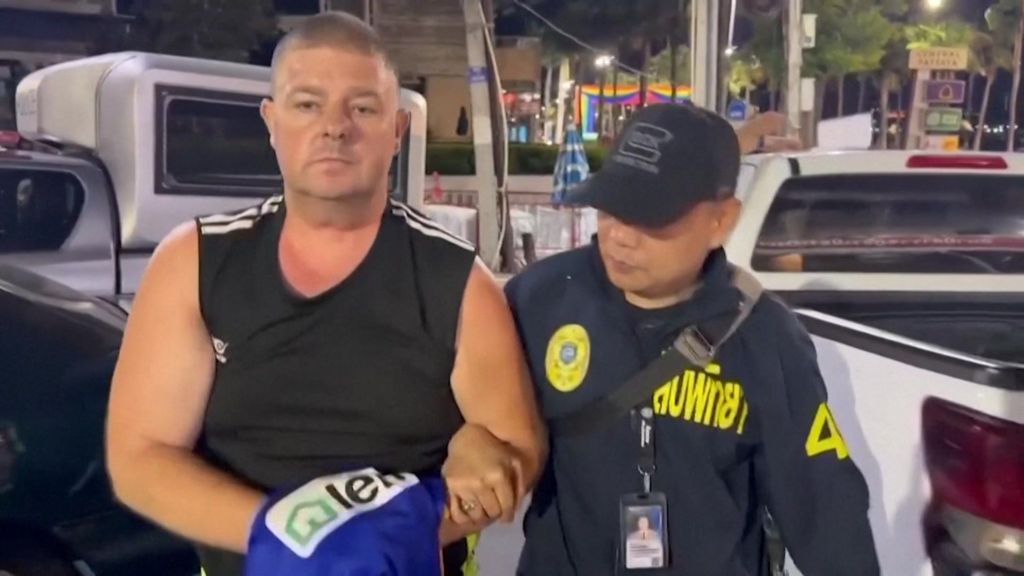
    Investigators immediately began reviewing closed-circuit security camera footage from the area, and the footage revealed a key sequence of events linking the suspect, identified as Simon Peter Carman, to the disappearance. According to police statements, the footage captured Carman entering a local condominium alongside Tunchanok, before exiting the building alone roughly an hour later. When he left, officers confirmed, Carman was dragging a large hard-shell suitcase behind him. He then loaded the suitcase onto the back of a motorbike and drove in the direction of a nearby unused railway line, where the bag was ultimately abandoned.

    Acting on the intelligence gathered from the CCTV footage, Thai police tracked Carman to Suvarnabhumi International Airport, located roughly 150 kilometers north of Pattaya in Thailand’s capital Bangkok. Officers took him into custody at 1:15 a.m. on Saturday, just as he was preparing to board an international flight and leave the country. A quarter of an hour after the arrest, law enforcement teams searching the railway corridor found Tunchanok’s naked body inside the abandoned suitcase Carman had left behind.

    Carman has been formally charged with a number of offenses, including primary murder, alongside additional charges of hiding and transporting a corpse, and sexual offenses against a minor. The Australian suspect has denied all charges against him, and has claimed that the killing was an act of self-defense.

    In an unusual recorded message released from custody, Carman addressed Tunchanok’s family, saying, “I feel bad for what happened to your daughter. It was out of my control. I know you’ll be very sad, upset… same [as] me.” He also added a warning to other women and girls, urging them to “just be careful.”

    The victim’s family has spoken out publicly about the tragedy. Tunchanok’s father told reporters he is “deeply saddened” by the violent and unexpected death of his teenage daughter, while her step-mother called for full accountability, saying, “I just want him to face the full consequences” for the killing. Representatives from the Australian Department of Foreign Affairs and Trade have confirmed they are providing consular assistance to Carman, in line with standard protocol for Australian citizens arrested overseas.