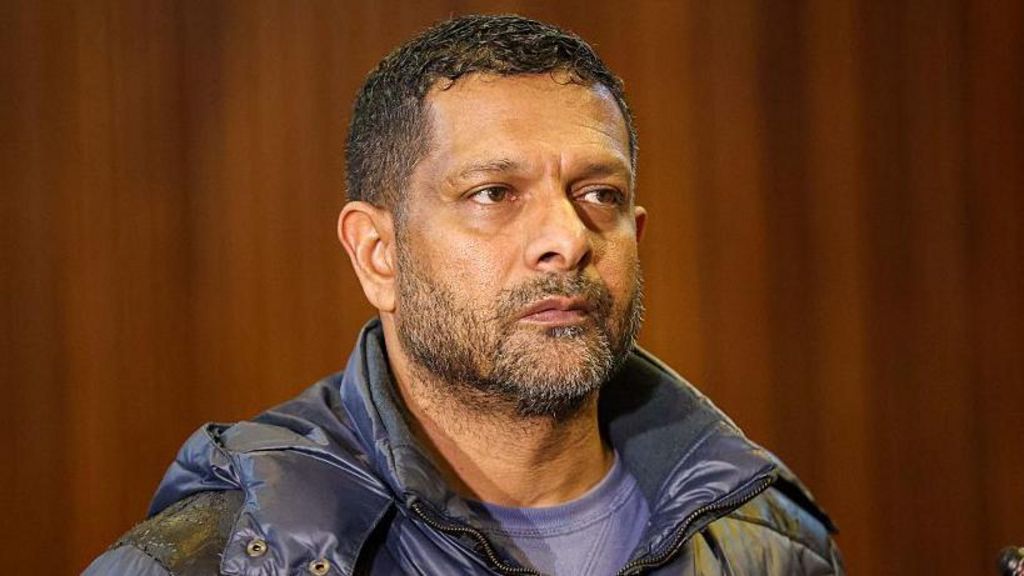
A high-ranking South African law enforcement official has escaped death in a targeted shooting in Johannesburg, just days before he was scheduled to give evidence under oath at a public commission examining widespread criminal infiltration of the national police service.
Major-General Feroz Khan, Deputy Head of South Africa’s Crime Intelligence Division, was ambushed and shot multiple times while driving to his residence on Sunday evening, according to local media reports. He was immediately rushed to a nearby medical facility where he underwent urgent emergency surgery, as of Monday his current condition has not been updated by official authorities.
The timing of the attack has sparked immediate public speculation, as Khan was expected to testify before the Madlanga Commission, a public inquiry established to probe systemic criminality and corruption within South Africa’s police force. The commission was convened last year after Lieutenant-General Nhlanhla Mkhwanazi, another senior police leader, publicly alleged that transnational organised crime syndicates had successfully infiltrated key levels of the South African government and law enforcement apparatus.
In an official statement released to the public on Monday, South African Police Service (SAPS) spokesperson Brigadier Athlenda Mathe confirmed that a full investigation into the attempted assassination is already underway. Mathe cautioned against premature conclusions regarding the motive for the attack, noting that it would be irresponsible to link the shooting to Khan’s upcoming appearance at the corruption inquiry at this early stage of the investigation.
The attack comes amid growing public concern in South Africa over the links between organised crime, corruption, and state institutions, with the Madlanga Commission tasked with uncovering the full extent of criminal penetration of the national police force. No suspects have yet been named or arrested in connection with Sunday’s shooting.