博客

  • Backlash after China bubble tea firm ordered to pay Louis Vuitton $1.5m

    Backlash after China bubble tea firm ordered to pay Louis Vuitton $1.5m

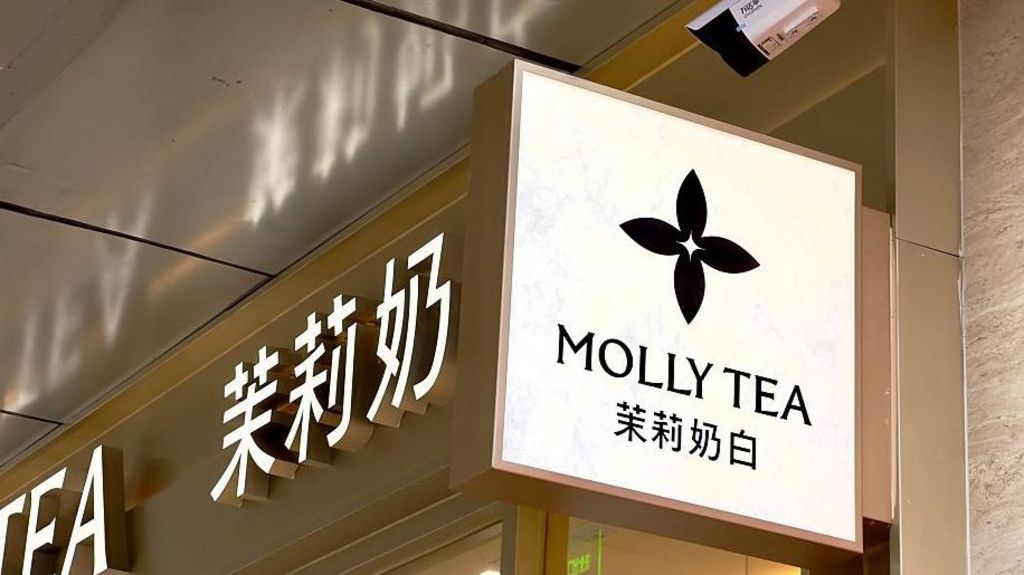
    A recent court ruling in eastern China has placed intellectual property protection in the global spotlight after popular domestic tea chain Molly Tea was found guilty of trademark infringement against French luxury giant Louis Vuitton, ordering the beverage brand to pay 10.3 million yuan (equivalent to £1.1 million or $1.5 million) in compensatory damages.

    According to state-owned Chinese newspaper China Daily, the Suzhou City Intermediate People’s Court in Jiangsu Province handed down the verdict, which also requires the Shenzhen-headquartered Molly Tea to immediately cease all use of the infringing four-petal flower logo and issue a formal public apology to Louis Vuitton. The outlet further confirmed that Molly Tea and its associated enterprises had previously submitted multiple trademark applications to the China National Intellectual Property Administration, most of which were rejected. Only the textual trademark containing the Chinese characters for “Molly Tea” was ultimately approved for registration.

    The ruling quickly went viral across Chinese social media platforms, splitting public opinion and generating heated nationwide discussion. As of this reporting, a hashtag tied to the case has accumulated over 400 million views and tens of thousands of public comments, with neither side backing down from their positions.

    Many social media users have voiced support for Molly Tea, pushing back against the court’s conclusion. Critics of the verdict argue that simple four-petal floral geometric patterns have been a common design element across global cultures for centuries, long before Louis Vuitton registered its trademark. Others have pointed to a history of Western luxury brands drawing inspiration from traditional Chinese art and cultural artifacts without formal licensing or credit, noting that many historical patterns originating in China were never formally patented by their creators. One Weibo user publicly pledged to “drink a cup of Molly Tea daily” as an act of solidarity with the brand, while another commentator on Chinese social platform RedNote echoed the sentiment that basic geometric shapes cannot be claimed as exclusive intellectual property by any single brand.

    On the opposing side, many online commentators have backed the court’s ruling and Louis Vuitton’s legal action. Supporters of the verdict emphasize that trademark law is clear: Louis Vuitton’s four-petal monogram was formally registered and legally protected, regardless of the historical origins of floral patterns. Many argue that all brands, domestic or international, are required to respect established intellectual property rights, and that imitation cannot be justified regardless of industry differences between a luxury fashion house and a domestic tea chain. One Weibo user noted that critics of the ruling should familiarize themselves with Chinese intellectual property law first, arguing that the legal standing of Louis Vuitton’s claim is unambiguous.

    The BBC has reached out to both Molly Tea and Louis Vuitton for official statements responding to the verdict and subsequent public discussion, but no comments have been released as of this update. The case has reignited broader conversations in China about intellectual property protection, the balance between global IP standards and cultural design legacy, and the growing frequency of legal disputes between international luxury brands and domestic Chinese consumer companies.
  • Russian missile and drone attack on Ukraine’s capital kills at least 3

    Russian missile and drone attack on Ukraine’s capital kills at least 3

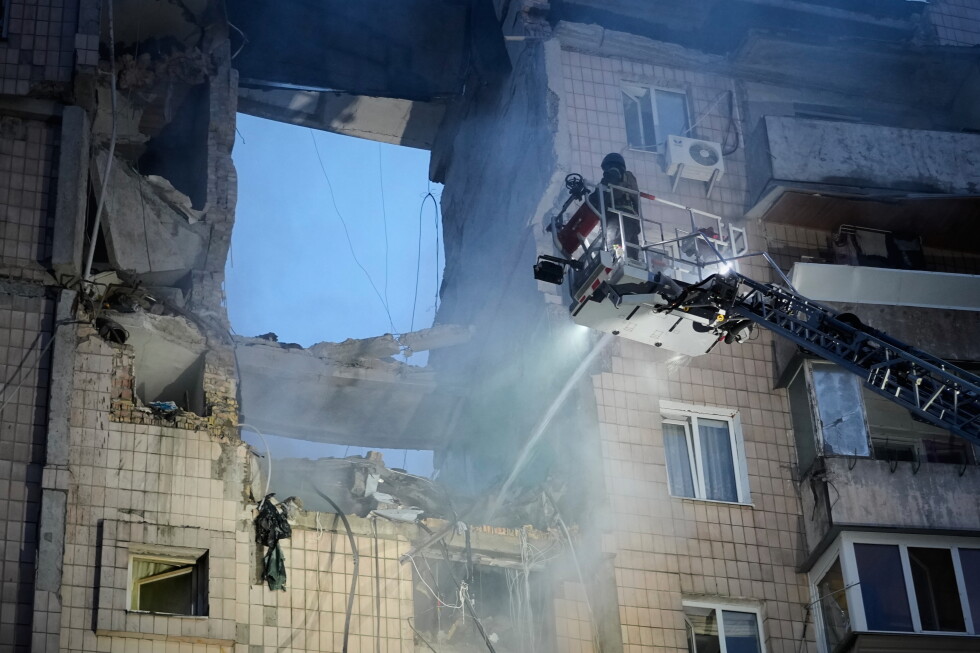
    In the early hours of Monday, Russia executed a sustained multi-wave assault on Ukraine’s capital Kyiv using ballistic missiles, cruise missiles and attack drones, leaving at least three civilians dead just hours after Ukrainian President Volodymyr Zelenskyy publicly warned that a large-scale attack was imminent, Ukrainian officials confirmed.

    The assault inflicted severe damage on civilian residential infrastructure across the capital. Tymur Tkachenko, head of Kyiv’s City Military Administration, announced via Telegram that a residential apartment block in Kyiv’s Podilskyi district suffered partial collapse from the strikes. In the eastern Darnytsia district, multiple multi-story residential buildings were also hit and damaged, with emergency responders warning that an unknown number of residents remain trapped under crumbled debris.

    “These are not military targets — these are ordinary apartment buildings, places where ordinary Kyiv residents slept and went about their daily lives,” Tkachenko said of the targeted civilian areas.

    As the assault continued through the early hours of Monday, loud explosions reverberated across multiple districts of the capital city, forcing thousands of local civilians to rush to underground metro stations to seek emergency shelter from the incoming strikes.

    Monday’s coordinated attack marks the second major Russian strike on Kyiv in less than a week. Just days prior, a separate combined Russian assault on the capital killed at least 31 people, making it one of the deadliest single attacks on Kyiv in recent months.

    In a Telegram statement issued late Sunday, before the strikes began, Zelenskyy repeated his urgent appeal to Western allies to speed up and expand deliveries of advanced air defense systems to Ukraine, specifically calling for more Patriot missile interceptors. The Ukrainian president emphasized that delays in replenishing Ukraine’s critical air defense stocks do not just leave Ukrainian cities vulnerable — they directly embolden the Kremlin to continue its full-scale invasion, which is now in its fourth year.

  • Australian PM apologises for ‘inappropriate’ comments about Kylie Minogue

    Australian PM apologises for ‘inappropriate’ comments about Kylie Minogue

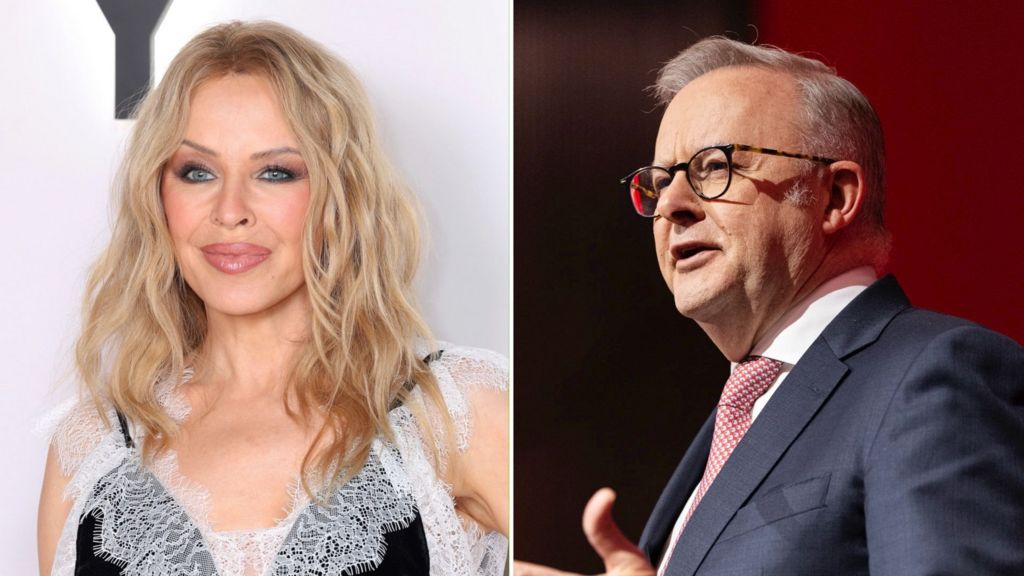
    Australian Prime Minister Anthony Albanese has issued an unequivocal public apology after facing widespread condemnation for sexually charged comments he made about global pop icon Kylie Minogue during a lighthearted podcast interview last week.

    The controversial exchange unfolded during a recording of *Bush Deep*, a comedy podcast hosted by YouTube comedian Nikki Osborne, which took place inside the prime minister’s official Canberra residence over the weekend. Osborne, who bills herself as a “wildly inappropriate journalist” who poses questions mainstream interviewers would never dare to ask, asked Albanese to play the viral “shag, marry or date” game, assigning Minogue, fellow Australian A-lister Nicole Kidman and entertainer Rhonda Burchmore as the three options.

    Albanese, who married his partner Jodie Haydon last November, just six months prior to the interview, initially attempted to deflect the question, noting he had only recently tied the knot. But after persistent pushing from Osborne, the prime minister relented, saying “Oh, Kylie, clearly.” When the host followed up to ask if he would choose Minogue for all three options, Albanese confirmed “All of the above,” adding that the popstar is “terrific.”

    The comments quickly sparked a fierce backlash from politicians across the political spectrum, with critics labeling the remarks inappropriate, disrespectful to women and damaging to the integrity of the office of prime minister. Independent Community Strong MP Zali Steggall argued that the comments were entirely out of line, saying Albanese “needs to learn to push back, lead by example and call it out as sexist.” Shadow Communications Minister Sarah Henderson echoed the criticism in a post on social platform X, writing that the comments were “disrespectful to women, embarrassing to Australians and demean the office of Prime Minister.”

    With Albanese currently traveling through the Pacific region, Acting Prime Minister Richard Marles defended the government’s track record on gender equity during an interview with ABC Radio National Breakfast. Marles emphasized that the current administration is “utterly committed” to advancing women’s standing in Australian society, and noted that Albanese’s cabinet is the first in Australian history to achieve gender parity between male and female ministers. “From time to time, we obviously do different interviews to the one we are doing now,” Marles added.

    The controversy also included an additional awkward exchange during the same interview, when Osborne made a sexually charged comparison of Japanese Prime Minister Sanae Takaichi to 1990s pop culture icon Pamela Anderson after Albanogue mentioned Takaichi had gifted him two melons during an overseas visit.

    Early on Monday, Albanese released a brief, one-line formal statement addressing the furore: “I apologise unequivocally for the comments.”

  • From ‘a beautiful night’ to ‘world’s greatest hangover’, guests react to Taylor and Travis’s wedding

    From ‘a beautiful night’ to ‘world’s greatest hangover’, guests react to Taylor and Travis’s wedding

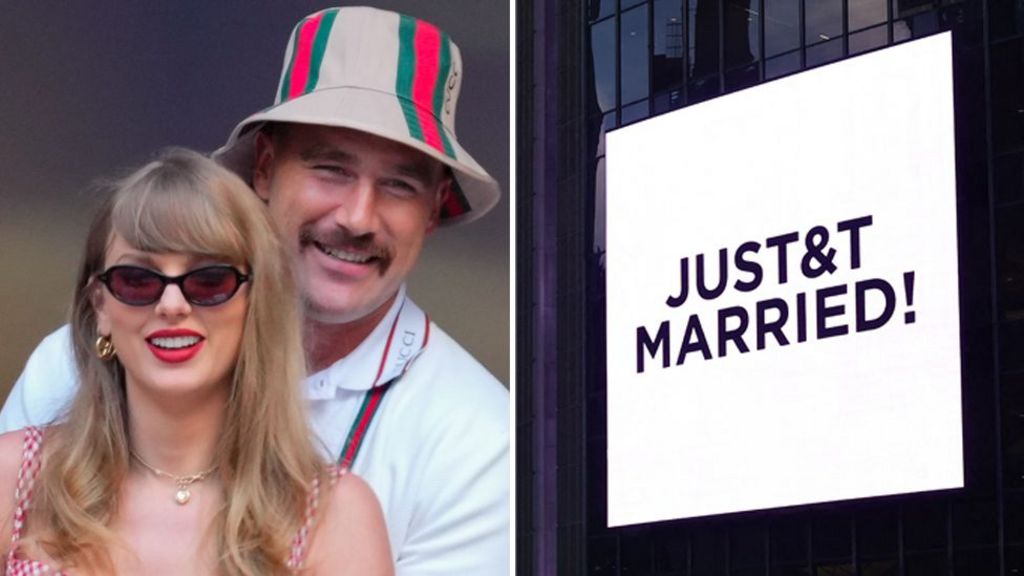
    Two days have passed since global pop icon Taylor Swift tied the knot with NFL Super Bowl champion Travis Kelce, and details of one of the most anticipated celebrity weddings of the decade are finally starting to trickle out from A-list guests who joined the couple for the big day.

    Reports suggest the guest list topped 1,000 names, drawing the biggest stars from music, Hollywood, and professional sports. For weeks leading up to the event, the couple had maintained extremely tight security around wedding details, with all attendees reportedly requested to keep photos and specifics under wraps to protect their privacy. To date, Swift and Kelce have not released any official photographs from the ceremony themselves.

    Still, that hasn’t stopped celebrity guests from dropping subtle (and not-so-subtle) hints about the night on social media, after the Friday celebration held at New York City’s iconic Madison Square Garden. From clear confirmations of attendance to cryptic outfit posts set to Swift’s biggest hits, fans have been poring over every post to piece together how the star-studded event unfolded.

    Actress Jessica Alba was one of the first guests to openly confirm her attendance, sharing a selfie of herself in a sleek black Prada gown to her Instagram story. “We love love,” she wrote. “Congrats to T&T – such a beautiful night celebrating you.” The post was set to Swift’s breakout hit Love Story, while a second behind-the-scenes post, set to The Fate of Ophelia, showed Alba and her partner Danny Ramirez getting ready ahead of the nuptials.

    BBC Radio 1 Breakfast Show host Greg James, who received his live invitation from Swift on his own program earlier this year, also confirmed he made the guest list. Posting to Instagram on Saturday, James wrote: “Just to say: true to her word, of course the invitation arrived and of course I couldn’t tell anyone. And oh my god, what an unbelievably brilliant night.” The host added that he was still recovering from the big night of celebrations: “I am currently experiencing the world’s greatest hangover and unable to reply to the hilarious number of messages I have received over the last 24 hours.”

    James wasn’t the only attendee nursing post-wedding hangover. Actress and singer Suki Waterhouse, who previously confirmed she was invited to the wedding in an interview with Variety earlier this year, shared a Instagram story featuring a Francis Bacon quote: “I often work best with a hangover because my mind is crackling with energy and I can think very clearly.” She also posted a carousel of New York trip photos, including a selfie of her in a silver gown taken in a car, captioned “NYC, land of love.” Waterhouse, who is currently preparing for her own upcoming wedding to actor Robert Pattinson, previously said she planned to attend Swift’s big day to pick up wedding planning inspiration.

    Other stars also took to social media to share their looks for the event. Severance actor Adam Scott posted a photo of himself alongside fellow comedy star Paul Rudd, captioned simply “T&T” with two red heart emojis. Actress Niecy Nash shared a video of her car ride to Madison Square Garden with her wife, singer-songwriter Jessica Betts, alongside photos of herself in a strapless floor-length blue gown. “The Betts pulled up to the Travis Kelce & Taylor Swift wedding. A time was had. The love in the room was palpable,” she wrote. “Wowwwwwww is the best way to describe it. From beginning to end, no detail was spared! Congrats! Welcome to the club!”

    Joseph Kahn, the music video director who collaborated with Swift on iconic hits including *Bad Blood* and *Look What You Made Me Do*, also shared his experience over the weekend. He called the event “wonderful”, revealing: “I got to meet Steven Spielberg and the lovely Kate Capshaw and talk filmmaking with the GOAT (lifelong dream achieved). What I will say about the wedding was it was so much funnier and emotional than expected, and as big as it was, it also felt very intimate. And yes, literally everyone was there. It was like living in the internet.”

    Pap photographers stationed outside the venue spotted dozens more A-list celebrities arriving and departing, including Selena Gomez, Camila Cabello, Hugh Grant, Gracie Abrams, Gigi Hadid, Bradley Cooper, Tom Hanks, Millie Bobby Brown, Ellie Goulding, Graham Norton and Dakota Johnson. Many more guests entered and exited through private entrances to avoid press attention.

    Kelce’s mother Donna Kelce, a beloved figure among NFL fans who attended the event, shared her own brief reaction to the wedding in a Sunday Instagram post from Macy’s department store about the city’s 4 July fireworks. When asked about her son’s new marriage, she said: “I really can’t say a heck of a lot but it was magical, man, magical.”

    Dozens more celebrity names are rumored to be on the guest list, including Sabrina Carpenter, Jennifer Lawrence, Lana Del Rey, Lena Dunham, Emma Stone, the Haim sisters, Sir Paul McCartney, Zoe Kravitz, Stevie Nicks, Nicole Kidman, Reese Witherspoon and Greta Gerwig. Several other stars have dropped strong hints of their attendance: actress and singer-songwriter Toni Collette shared a photo of herself in a floral sleeveless dress set to Swift’s track Paper Rings, later commenting on Adam Scott’s post that “it had been so good to see you guys. What a night!”

    Former Black Eyed Peas singer Fergie shared a glamorous photo of herself against a New York city backdrop, captioned: “Got to play dress up in Vintage Christian Dior by Galliano & celebrate love.” Country singer Maren Morris shared a series of Instagram videos showing a group of guests traveling to the event in their formal wear, singing along to Swift’s Love Story, captioned with the song’s lyric “baby just say yes.” Morris wrapped up her posts with a relatable photo of herself wearing dark sunglasses and curled up with a blanket on a plane flight home, writing: “24 hours of chaos and now I can sleep.”

  • Former UK minister demands reparations from Britain’s ex-colonies

    Former UK minister demands reparations from Britain’s ex-colonies

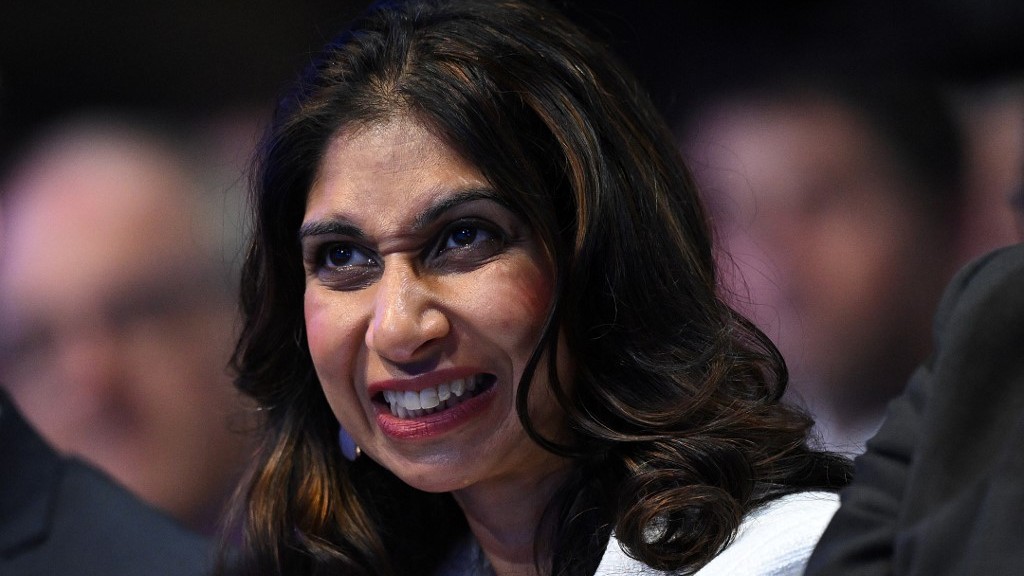
    A provocative new intervention into the long-running global debate over colonial reparations has reignited fierce backlash against former British Home Secretary Suella Braverman, after the right-wing politician claimed Britain’s former colonies should pay compensation to London for the empire’s purported positive contributions to their development.

    Braverman, who left the Conservative Party to join the right-wing Reform UK earlier this year, made the claims in a public post on the social platform X in July 2026. Her comments came in response to Labour MP Bell Ribeiro-Addy, who recently shared a Guardian article outlining Jamaica’s plan to submit a formal petition to King Charles later this year demanding reparations for the harms of British colonial rule and chattel slavery.

    In her post, Braverman argued that the British Empire delivered widespread global benefits, while acknowledging that the historical institution of chattel slavery was an abhorrent crime. She claimed that demanding 21st-century British taxpayers pay reparations for 18th-century atrocities has no legal foundation, and went further: if the British government is to seriously consider reparations demands, former colonies should instead compensate the UK for the massive investment, labor and contribution the British Empire made to build the foundational systems that support many of today’s thriving democracies.

    However, multiple facts undermine Braverman’s core claims. First, official records from the British government itself confirm that British taxpayers were not asked to pay reparations to enslaved people or their descendants – they were forced to pay off the enslavers themselves. In 1835, the UK government took out a £20 million loan to compensate enslavers for the loss of their human property after the abolition of slavery. That sum equaled roughly 5% of the UK’s total GDP at the time, which would amount to more than $3 billion in modern currency. The British government did not finish repaying this debt until 2015, meaning generations of UK taxpayers funded payouts to slave owners, not to the communities harmed by slavery.

    Beyond this, historians and economic researchers have repeatedly disproven Braverman’s claim that Britain built colonial infrastructure for the benefit of colonized peoples. There is no credible academic evidence that the British Empire invested in its colonies to advance the well-being of local populations; colonial economic systems were explicitly designed to extract natural resources, coerce cheap labor and siphon massive amounts of wealth back to London, rather than supporting self-determined development for colonized societies. For example, landmark research from economist Utsa Patnaik, published by Columbia University Press after analyzing nearly 200 years of economic data, found that Britain extracted roughly $45 trillion in wealth from India alone during its centuries of colonial rule.

    At its territorial peak, the British Empire controlled roughly one-quarter of the world’s total land area, encompassing dozens of nations across every inhabited continent. Notably, Braverman herself is of Indian heritage, with parents who migrated to the UK from former British colonies – a background that has drawn additional criticism for her remarks.

    Within hours of her post going public, Braverman faced widespread condemnation from social media users and commentators across the globe. Many critics called out her rhetorical framing, pointing to the line “Of course slavery was abhorrent but” as a dismissive tactic that minimizes the scale of the harm caused by colonialism and chattel slavery. Others directly refuted her “investment” claim, writing that the British Empire did not invest in colonies – it stole their wealth and resources to enrich the British metropole at the expense of local populations.

    Responding to Braverman’s intervention, Ribeiro-Addy noted that it is becoming increasingly difficult for British institutions to rely on their long-standing tactic of ignoring legitimate reparations demands, as global pressure for accountability continues to grow.

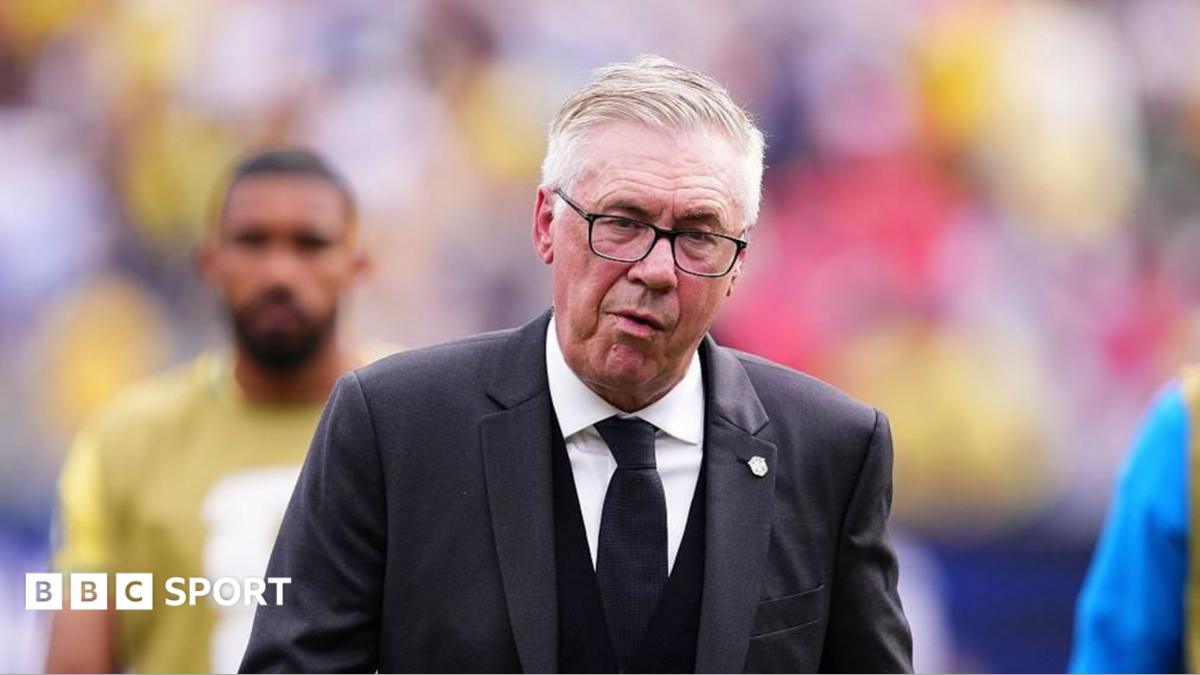
  • Ageing Brazil need major surgery – but is Ancelotti the man to do it?

    Ageing Brazil need major surgery – but is Ancelotti the man to do it?

    For two consecutive World Cups, Brazil exited at the quarter-final stage, each time leaving with a hint of bad luck. But their 2026 campaign ended far earlier – and there is no misfortune to blame for their comprehensive defeat at the hands of a clinical Norway side, who booked their spot in the tournament’s quarter-finals courtesy of Erling Haaland’s match-winning influence.

    This early elimination stands as an unmitigated disaster for Brazilian football, a far cry from the standards the five-time world champions have set for decades. The pressure was already high when Carlo Ancelotti took the reins 16 games ago, tasked with digging Brazil out of a qualifying crisis that saw them lose four of five matches prior to his appointment. The Italian coach made an immediate impact, notching 10 wins, three draws and just three losses to steady the ship and secure their place in the 2026 tournament. But that turnaround was ultimately not enough to avoid a shocking early exit.

    Brazil now faces the need for deep-rooted systemic change, starting with the position that was once their greatest source of magic and creativity: central midfield. The shift away from imaginative, playmaking midfield work has eroded Brazil’s style of play – and their results. The fact that Norway dominated possession and outpassed Brazil comfortably on a warm summer matchday is a statistic that would have seemed unthinkable a generation ago, but it is a direct consequence of the current squad’s unbalanced makeup.

    Ancelotti’s decision to recall Casemiro from 18 months out of international selection shaped the entire dynamic of Brazil’s midfield. While the veteran brought much-needed structure to the side and allowed Bruno Guimarães to thrive – a performance only undermined by an early penalty miss that could have changed the entire game – his well-documented vulnerability in open space was a persistent flaw. This was exposed as early as the second minute, when Norway had a goal ruled out, and forced Brazil to drop deep into a defensive block, letting Norway build rhythm and confidence through consistent passing.

    Compounding midfield issues was the pre-match loss of Lucas Paquetá to injury in the previous round against Japan. Ancelotti openly admitted he had no replacement with the same skill set, forcing a tactical reshuffle that brought Arsenal’s Gabriel Martinelli into the side and left Brazil’s attack almost entirely reliant on rapid counter-attacks. The coach’s initial squad selection also raised questions: including only five central midfielders was a major oversight. When right-back Wesley picked up an injury in the final warm-up match, Ancelotti used the replacement spot to bring in Ederson, the prospective Manchester United signing, rather than adding cover in the critical midfield area. Yet while the coach carries his share of the blame, the systemic issue runs deeper: the country’s youth development system is currently flooded with talented wide forwards, but failing to produce enough top-quality central midfielders to fill the pipeline.

    The most controversial call Ancelotti made, however, surrounded the selection of Neymar. Facing public pressure from a star-struck Brazilian fanbase desperate to see the legendary forward included, the coach broke his own rules. He had previously stated Neymar would only earn a call-up if he was in form and fully fit, and that he would not select injured players – but he bent every rule to include the veteran, despite clear evidence that Neymar was nowhere near the match-sharpness of his prime.

    Neymar’s brief cameo against Scotland prior to the match showed exactly how far off form he was, looking like a retired player guesting in a charity exhibition match. Even so, Ancelotti gave him a start against Norway, forcing a complete reshuffle of Brazil’s attacking line. Lacking the mobility to track back and contribute defensively, Neymar was shifted to centre-forward, pushing in-form stars Vinícius Júnior and Endrick out wide and deeper – moving them further from goal, exactly where they are least dangerous. This reshuffle opened up space in Brazil’s half, finally giving Haaland the quality service he needed to punish the Samba Boys.

    Neymar did score a late penalty, but not before escaping a red card for a wild, petulant foul that many observers argued should have seen him sent off. After the match, the 34-year-old indicated his time with the Brazilian national team has come to an end, 16 years after he made his debut at the same New Jersey stadium in a friendly against the United States. “I tried, I tried… now it’s over! I started here, I finished here,” he told Brazilian broadcaster ge tv. The defeat left Neymar in tears, bringing a potential close to one of the most iconic international careers in modern football – and it also signals the end of the line for a number of other aging players in Brazil’s squad.

    Post-match, Ancelotti remained defiant, framing the defeat as the starting point for a new era for Brazilian football. “I don’t think this is the end. I think this is the start of a new cycle,” he insisted. “What I can say, what we can do and what we are going to do, is keep working hard for the national team, keep trying to improve and find new ideas. I think we have done a good job, but this is football and this is sport. You just have to deal with it, deal with the sadness and the taste of defeat. I am very much used to this and we will handle this. We will use it as fuel going forward.”

    With the 2030 World Cup co-hosted by Argentina, Paraguay and Uruguay set to be the next major tournament, the rebuilding process begins right now. Conmebol’s qualification process will be far simpler for Brazil this cycle, as the three co-hosts already have automatic spots. Ancelotti holds a long-term contract with the Brazilian FA, but the big question remains: is he the man to lead the massive generational and tactical overhaul Brazilian football desperately needs? Or is he best suited to being a short-term fixer, the manager who picks apart small problems to pick up trophies across Europe? This time, the fix did not hold for Brazil, and the country is left waiting to see if there will be another chance under his leadership.

  • Canada to decide between German, South Korean submarine bids on Monday

    Canada to decide between German, South Korean submarine bids on Monday

    TORONTO – Canada is on the cusp of a landmark decision in one of the largest military procurement projects in the nation’s history, with an announcement expected Monday that will name either Germany’s ThyssenKrupp Marine Systems or South Korea’s Hanwha Ocean as the contractor for a fleet of 12 new conventionally powered submarines, a deal valued in the tens of billions of dollars.

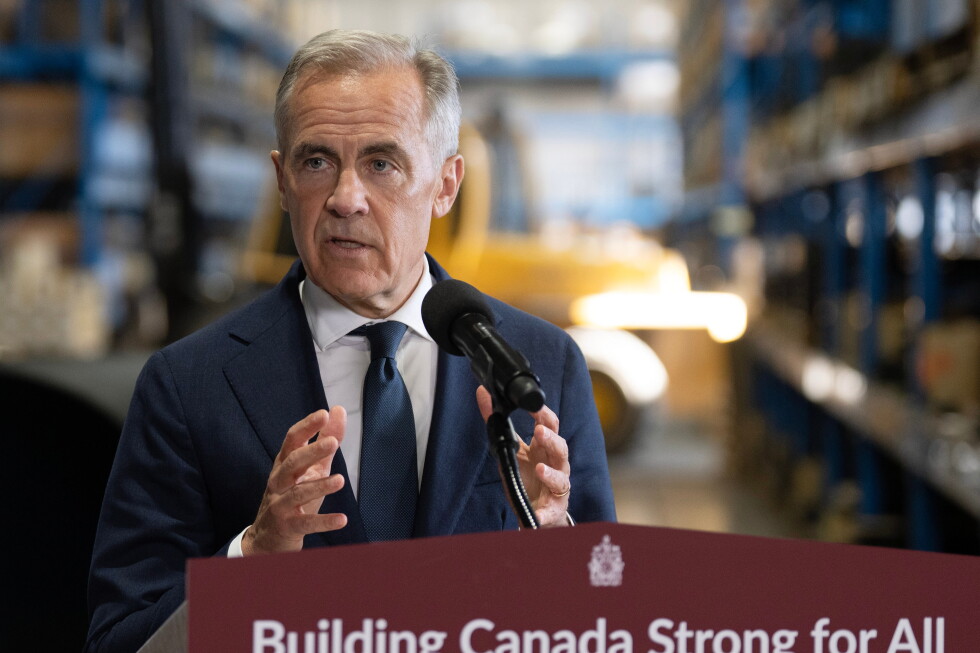
    The timeline for the announcement is strategically aligned with Prime Minister Mark Carney’s upcoming departure for the NATO summit hosted in Turkey, coming as alliance members ramp up collective defense spending across the bloc. Before making the public selection, Carney is scheduled to visit a Canadian Armed Forces base in Nova Scotia, the Atlantic coastal province that would likely play a central role in the future operation of the new submarine fleet. During the visit, Carney is set to unveil what his office describes as “new measures to make Canada more secure, resilient, and prosperous.”

    While a spokesperson for the prime minister has not confirmed that the submarine procurement decision will drop on Monday, Carney previously stated in May that an announcement would come within weeks, keeping the expected timeline intact.

    The push for new submarines comes as Canada’s existing fleet of four Victoria-class submarines faces persistent operational challenges, with the vessels barely able to maintain active service. This capability gap has put increased pressure on the Canadian government to move forward with the large-scale replacement program.

    The two bidders have taken distinctly different approaches to court Canadian decision-makers. The German-led ThyssenKrupp Marine Systems, which operates in partnership with Norwegian industry partners, has centered its pitch on strengthening NATO collective defense, pointing out that it already supplies the majority of conventional submarines in service across allied navies.

    On the South Korean side, Hanwha Ocean has waged an aggressive outreach and marketing campaign, focusing heavily on the domestic economic benefits the deal would bring to Canada. Just last month, the company showcased its KSS-III diesel-electric submarine in British Columbia after the vessel completed the first ever trans-Pacific crossing by a South Korean Navy submarine, a move designed to demonstrate the craft’s long-range capability and seaworthiness. Both bidders have pledged that their proposals will deliver significant job creation and domestic investment for Canadian communities if selected.

    The procurement also ties directly to Canada’s broader defense commitments to the North Atlantic Treaty Organization. Carney’s administration has already pledged to meet the alliance’s upgraded defense spending targets, promising to hit the existing 2% of GDP benchmark this year before ramping up annual spending to 5% of gross domestic product by 2035, in line with NATO’s new requirements for member states.

  • Philippine Senate opening the politically volatile impeachment trial of Vice President Sara Duterte

    Philippine Senate opening the politically volatile impeachment trial of Vice President Sara Duterte

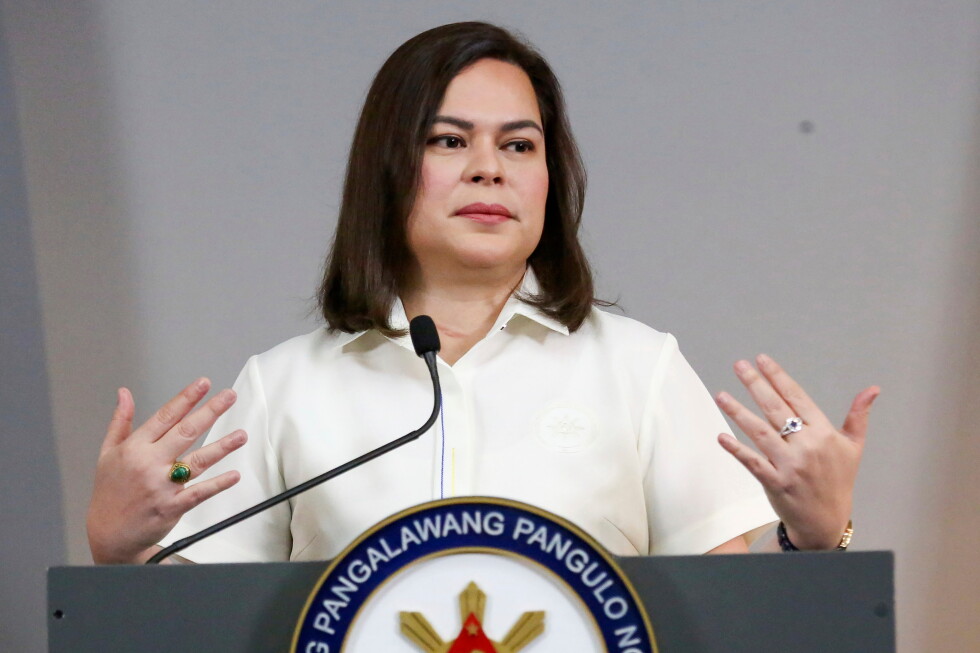
    MANILA, Philippines – A defining chapter of Philippine political turbulence is set to open Monday, as the country’s Senate convenes as an impeachment court to hear historic charges against Vice President Sara Duterte, in a proceeding that lays bare the collapse of one of Southeast Asia’s most powerful political alliances. The trial comes amid a deep and public rift between Duterte and sitting President Ferdinand Marcos Jr., a split that has reshaped the country’s domestic politics and shifted its geopolitical alignment, and carries high stakes for Duterte’s planned 2028 presidential bid.

    Security preparations are already in full force to manage expected unrest: more than 6,000 Philippine police officers, including specialized anti-riot units, have been deployed around the Senate complex in Manila to separate expected gatherings of both pro- and anti-Duterte demonstrators. According to a pretrial planning document obtained by the Associated Press, the trial is scheduled to run for 92 days, and Duterte has the option to appear in person at the opening hearing, or be represented exclusively by her legal team.

    The impeachment charges against Duterte are severe: they include allegations of amassing unexplained wealth, misappropriating confidential state funds, and making a public threat to assassinate President Marcos Jr., his wife, and a top pro-Marcos House speaker if Duterte were killed amid their ongoing political conflict. Duterte has issued a blanket denial of all allegations, but has declined to address the specific claims in public ahead of the trial’s start. A two-thirds majority vote from the 24-member Senate – equivalent to 16 votes – is required to convict Duterte. If found guilty, she will be permanently stripped of the right to hold any public office, effectively ending her already announced plan to run for the presidency in 2028, when Marcos concludes his current six-year term.

    The current impeachment proceeding is the culmination of a rapid and spectacular collapse of a once-formidable political partnership. Duterte and Marcos ran as joint running mates in the 2022 national elections, a strategic alliance that merged the electoral power of two of the Philippines’ most influential political dynasties to seize control of the country’s top two offices. That alliance fractured almost immediately after taking office, and has devolved into open hostility in recent months.

    Sara Duterte is the daughter of former Philippine President Rodrigo Duterte, Marcos’ immediate predecessor, who remains in detention at the International Criminal Court (ICC) in The Hague following his arrest last year. The elder Duterte is scheduled to go on trial starting November 30 on charges of crimes against humanity, stemming from his administration’s brutal anti-drug crackdown that killed an estimated thousands of mostly low-income suspects, drawing widespread condemnation from Western governments and global human rights organizations. Rodrigo Duterte has repeatedly denied authorizing extrajudicial killings, though he openly threatened drug suspects with death throughout his time in office. Sara Duterte has publicly blamed Marcos for facilitating her father’s arrest and transfer to the ICC, deepening the animosity between the two camps.

    Beyond domestic political conflict, the rift between Marcos and the Duterte political bloc also reflects a sharp shift in Philippine geopolitics. Since taking office, the Marcos administration has expanded defense cooperation with the United States, the Philippines’ longstanding treaty ally, and taken a firmer public stance against China’s escalating territorial claims and aggressive actions in the disputed South China Sea. This marks a sharp reversal from the elder Duterte’s tenure, during which he cultivated close diplomatic and economic ties with Chinese President Xi Jinping and Russian President Vladimir Putin, while repeatedly threatening to cut diplomatic and military ties with Washington. Sara Duterte has faced widespread public criticism for refusing to condemn China’s recent aggressive actions against Philippine coast guard vessels and fishing boats operating in the disputed waters, including incidents where Chinese coast guard units used high-powered water cannons to block Filipino vessels.

    The impeachment process was initiated last month by the Philippine House of Representatives, where Marcos holds a commanding majority of allied lawmakers, who voted overwhelmingly to approve the articles of impeachment against Duterte. Duterte’s supporters have decried the proceedings as a politically motivated persecution, designed to eliminate Duterte as a political rival and weaken her bloc ahead of upcoming elections. The crackdown on pro-Duterte political figures has already accelerated in recent weeks: Sen. Jinggoy Estrada, a leading member of the Senate bloc that backs the Duterte family, was arrested and detained last month on a non-bailable plunder charge linked to an alleged bribery scheme connected to national flood-control infrastructure projects. Estrada has denied all wrongdoing. Another pro-Duterte senator, Rodante Marcoleta, is also facing potential arrest on a non-bailable plunder charge for allegedly accepting massive undeclared campaign donations that were never disclosed in his mandatory public assets declaration. Marcoleta has also denied any illegal activity. A third pro-Duterte political figure, Sen. Ronald dela Rosa – who served as national police chief under Rodrigo Duterte and oversaw the implementation of the anti-drug crackdown – has gone into hiding after the ICC issued an arrest warrant for him as a co-perpetrator in the alleged crimes against humanity committed during the Duterte administration.

  • Bangladesh courts China even as ties with India improve

    Bangladesh courts China even as ties with India improve

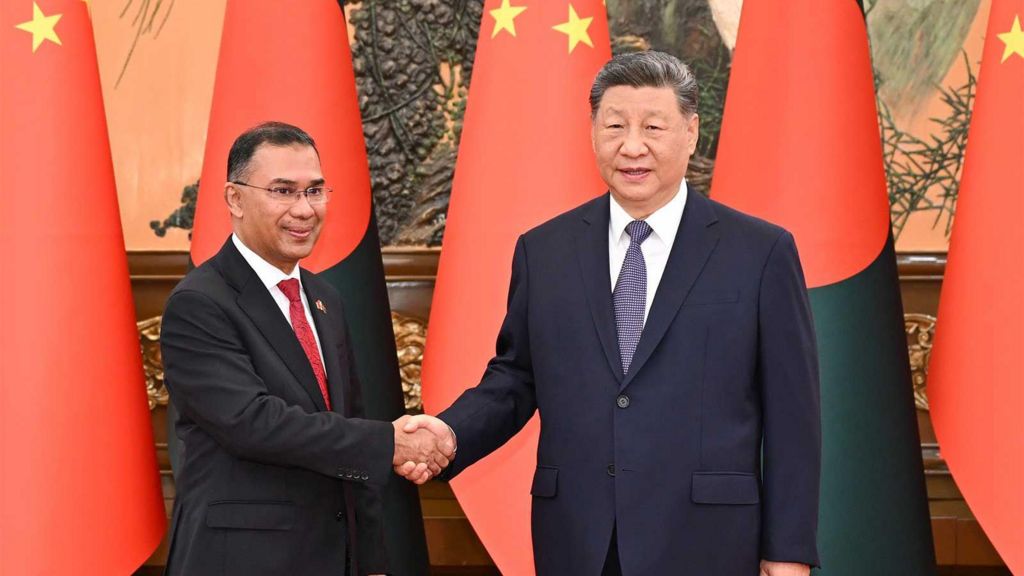
    In a move that has reshaped regional diplomatic dynamics, Bangladesh’s newly inaugurated Prime Minister Tarique Rahman recently concluded high-level talks with Chinese President Xi Jinping during his visit to Beijing, the second stop on his first official overseas trip since taking office. The visit, which comes as Dhaka pursues a recalibration of its foreign policy priorities amid efforts to reset strained ties with traditional partner India, underscores the new government’s push to attract increased Chinese investment and deepen bilateral cooperation to reboot Bangladesh’s sluggish post-uprising economy.

    Rahman’s itinerary – which included a first stop in Malaysia followed by the Beijing trip – has been closely parsed by geopolitical analysts, who frame the choice of destinations as a clear signal of Dhaka’s new strategic direction. Breaking from longstanding convention that sees newly elected South Asian leaders make New Delhi their first overseas port of call, Rahman’s Beijing stop has been interpreted in some Indian policy circles as a deliberate signal to Delhi, which has maintained close ties to ousted former Prime Minister Sheikh Hasina following her 2024 ouster.

    The 2024 mass uprising that toppled Hasina’s government fundamentally altered Bangladesh’s diplomatic landscape. After Hasina fled the country and received refuge in India, relations between Dhaka and Delhi turned sharply frosty, a tension that persisted through the tenure of the interim government led by Muhammad Yunus, when India avoided high-level diplomatic exchanges with Dhaka. Following Rahman’s landslide electoral victory in February 2026 at the head of the Bangladesh Nationalist Party, however, both sides have taken incremental steps to reduce tensions and move toward a reset of bilateral ties.

    Former Indian Foreign Secretary Shyam Saran notes that a noticeable de-escalation has already occurred: cross-border economic activity has gradually normalized, India has resumed issuing tourist visas to Bangladeshi citizens, and passenger bus services between the two countries – suspended for 18 months – have partially restarted, connecting Kolkata to Dhaka and Dhaka to Agartala. Earlier this year, when global fuel supplies were disrupted by the Middle East conflict, Delhi delivered thousands of tonnes of emergency fuel to Bangladesh via the cross-border Friendship Pipeline. Most recently, India appointed new High Commissioner Dinesh Trivedi to Dhaka, a move that carried a symbolic signal of intent to improve ties: Trivedi was elevated to cabinet rank, a rare step for an Indian high commissioner to Bangladesh.

    Even with these incremental improvements, full rapprochement between Dhaka and Delhi remains out of reach, with multiple persistent irritants still straining bilateral relations. Widespread anti-India sentiment in Bangladesh, rooted in New Delhi’s past support for Hasina, continues to shape public opinion. A bitter controversy has also emerged over Dhaka’s claims that India’s Border Security Force has pushed thousands of predominantly Bengali-speaking Muslims deemed illegal immigrants into Bangladesh without following formal repatriation processes, a move that has sparked widespread public anger in Bangladesh. Compounding these tensions, inflammatory comments targeting Bangladesh made by Hindu nationalist politicians during recent West Bengal state election campaigns have sent confusing and unwelcome signals to Dhaka, according to former Bangladeshi diplomat Humayun Kabir. After the Hindu nationalist Bharatiya Janata Party ended 16 years of Trinamool Congress rule in the border state, which shares deep linguistic, cultural and ethnic ties with Bangladesh, these political frictions have taken on added significance.

    Two agreements from Rahman’s Beijing trip have drawn particular scrutiny from New Delhi, where geopolitical competition with China remains a core national security priority: a joint agreement to conduct a technical feasibility study for Teesta River management projects, and a deal to develop a special economic zone near Bangladesh’s Mongla Port. For India, any Chinese involvement in Teesta River projects is a highly sensitive security issue. The transboundary river, long the subject of a stalled water-sharing negotiation between India and Bangladesh, sits close to the strategic Siliguri Corridor – the 22-kilometer “Chicken’s Neck” strip that connects India’s mainland to its seven northeastern states. “Any Chinese involvement in any project close to our border will always be a matter of concern. So, we would certainly not welcome that at all,” Saran explained.

    Bangladeshi officials push back on these concerns, noting that previous Bangladeshi governments extended an invitation for India to participate in Teesta development, but New Delhi dragged its feet on a decision. They argue China possesses both the technical expertise and financial capital needed to deliver large-scale infrastructure projects like dredging and desilting work required to restore the river’s flow for agricultural use. For its part, Beijing has moved to ease Indian anxieties, emphasizing that its cooperation with Bangladesh is not aimed at any third party. “China-Bangladesh cooperation does not target any third party and should be free from third party influence,” Chinese Foreign Ministry Spokesperson Guo Jiakun told reporters during Rahman’s visit.

    Beyond the Teesta and special economic zone projects, Rahman’s visit produced another major strategic announcement: China offered to advance development of the China-Myanmar-Bangladesh Economic Corridor, which would connect China’s Yunnan Province to both Southeast Asian nations. China already holds significant economic and security clout in Bangladesh: it is the country’s largest defense supplier, accounting for more than 70% of Bangladesh’s arms imports, and Dhaka holds more than $6 billion in debt to Beijing.

    For India, which has long viewed South Asia as its traditional sphere of influence, China’s steady expansion of its footprint across the region – from Bangladesh to Sri Lanka and the Maldives – represents a major strategic challenge. India’s efforts to reset ties with Rahman’s government are further complicated by the ongoing presence of Hasina in Delhi: Dhaka has formally requested Hasina’s extradition to face execution after she was convicted in absentia of crimes against humanity for a 2024 crackdown on student protests that left hundreds dead. Hasina has denied all charges. “As long as Hasina is in Delhi, it may be somewhat difficult politically for Rahman to come to India,” Saran noted.

    Even with these barriers, many analysts argue that a full breakdown in India-Bangladesh ties is unlikely, as India remains too economically and strategically important for Dhaka to ignore. For India, stable relations with Bangladesh are also a critical national security priority, as it helps counter ethnic separatist movements active in India’s northeastern states. Ultimately, for Prime Minister Rahman, navigating relations between the two competing Asian regional powers will remain one of the most delicate and consequential diplomatic balancing acts of his premiership, with outcomes that will shape Bangladesh’s economic future and regional geopolitics for years to come.

  • Red card system in disarray over Trump, Fifa and Balogun decision

    Red card system in disarray over Trump, Fifa and Balogun decision

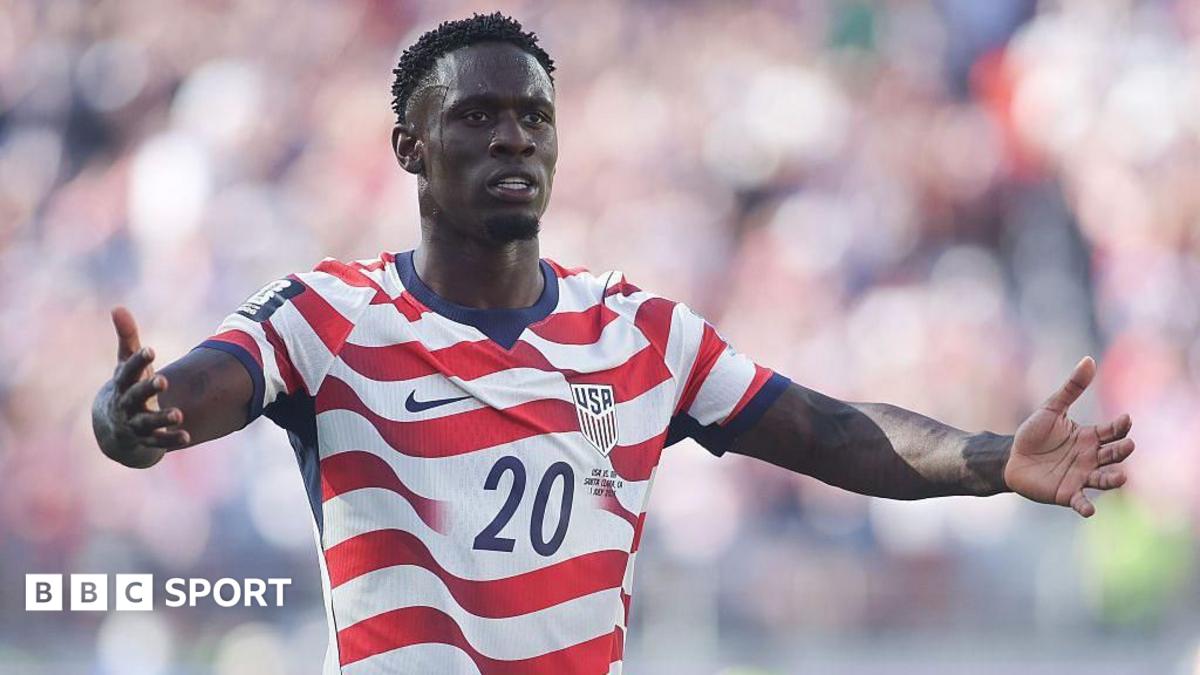
    For decades, one of the most unshakable rules in FIFA World Cup football has stood firm: any player shown a red card will automatically miss their team’s next match. No exceptions, no appeals, no room for negotiation. That long-standing certainty has now been thrown into chaos, after FIFA granted an unprecedented reprieve to United States star forward Folarin Balogun, leaving the sport grappling with urgent questions about fairness, consistency and political interference.