For two consecutive World Cups, Brazil exited at the quarter-final stage, each time leaving with a hint of bad luck. But their 2026 campaign ended far earlier – and there is no misfortune to blame for their comprehensive defeat at the hands of a clinical Norway side, who booked their spot in the tournament’s quarter-finals courtesy of Erling Haaland’s match-winning influence.
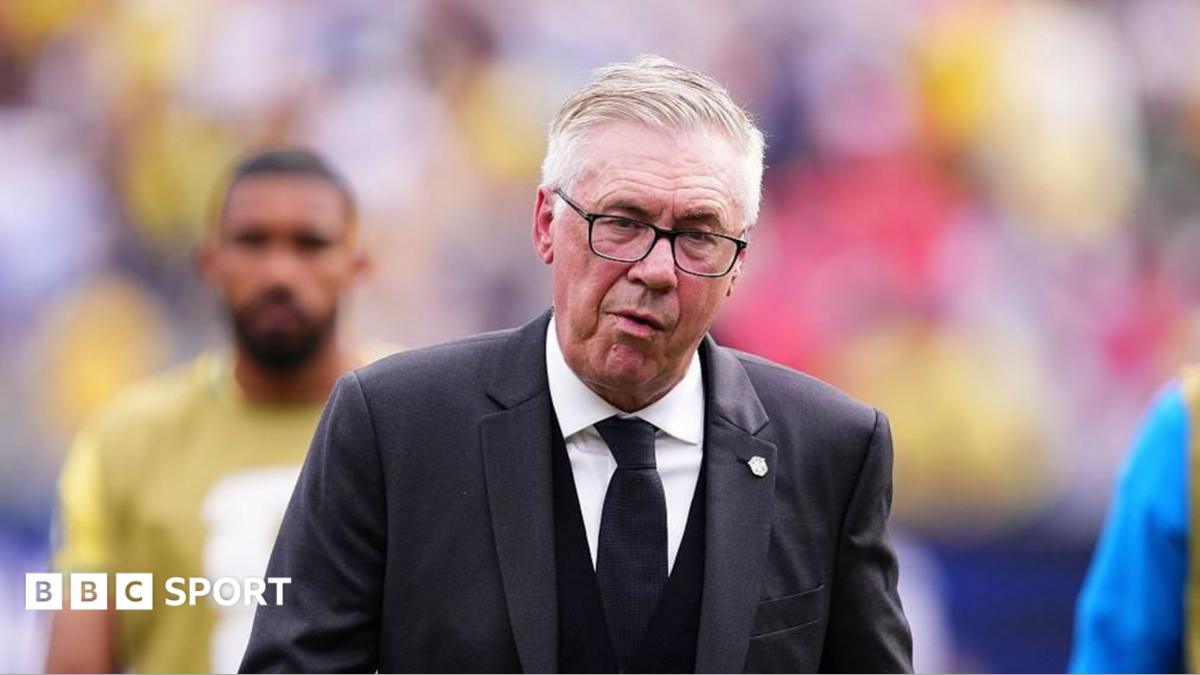
This early elimination stands as an unmitigated disaster for Brazilian football, a far cry from the standards the five-time world champions have set for decades. The pressure was already high when Carlo Ancelotti took the reins 16 games ago, tasked with digging Brazil out of a qualifying crisis that saw them lose four of five matches prior to his appointment. The Italian coach made an immediate impact, notching 10 wins, three draws and just three losses to steady the ship and secure their place in the 2026 tournament. But that turnaround was ultimately not enough to avoid a shocking early exit.
Brazil now faces the need for deep-rooted systemic change, starting with the position that was once their greatest source of magic and creativity: central midfield. The shift away from imaginative, playmaking midfield work has eroded Brazil’s style of play – and their results. The fact that Norway dominated possession and outpassed Brazil comfortably on a warm summer matchday is a statistic that would have seemed unthinkable a generation ago, but it is a direct consequence of the current squad’s unbalanced makeup.
Ancelotti’s decision to recall Casemiro from 18 months out of international selection shaped the entire dynamic of Brazil’s midfield. While the veteran brought much-needed structure to the side and allowed Bruno Guimarães to thrive – a performance only undermined by an early penalty miss that could have changed the entire game – his well-documented vulnerability in open space was a persistent flaw. This was exposed as early as the second minute, when Norway had a goal ruled out, and forced Brazil to drop deep into a defensive block, letting Norway build rhythm and confidence through consistent passing.
Compounding midfield issues was the pre-match loss of Lucas Paquetá to injury in the previous round against Japan. Ancelotti openly admitted he had no replacement with the same skill set, forcing a tactical reshuffle that brought Arsenal’s Gabriel Martinelli into the side and left Brazil’s attack almost entirely reliant on rapid counter-attacks. The coach’s initial squad selection also raised questions: including only five central midfielders was a major oversight. When right-back Wesley picked up an injury in the final warm-up match, Ancelotti used the replacement spot to bring in Ederson, the prospective Manchester United signing, rather than adding cover in the critical midfield area. Yet while the coach carries his share of the blame, the systemic issue runs deeper: the country’s youth development system is currently flooded with talented wide forwards, but failing to produce enough top-quality central midfielders to fill the pipeline.
The most controversial call Ancelotti made, however, surrounded the selection of Neymar. Facing public pressure from a star-struck Brazilian fanbase desperate to see the legendary forward included, the coach broke his own rules. He had previously stated Neymar would only earn a call-up if he was in form and fully fit, and that he would not select injured players – but he bent every rule to include the veteran, despite clear evidence that Neymar was nowhere near the match-sharpness of his prime.
Neymar’s brief cameo against Scotland prior to the match showed exactly how far off form he was, looking like a retired player guesting in a charity exhibition match. Even so, Ancelotti gave him a start against Norway, forcing a complete reshuffle of Brazil’s attacking line. Lacking the mobility to track back and contribute defensively, Neymar was shifted to centre-forward, pushing in-form stars Vinícius Júnior and Endrick out wide and deeper – moving them further from goal, exactly where they are least dangerous. This reshuffle opened up space in Brazil’s half, finally giving Haaland the quality service he needed to punish the Samba Boys.
Neymar did score a late penalty, but not before escaping a red card for a wild, petulant foul that many observers argued should have seen him sent off. After the match, the 34-year-old indicated his time with the Brazilian national team has come to an end, 16 years after he made his debut at the same New Jersey stadium in a friendly against the United States. “I tried, I tried… now it’s over! I started here, I finished here,” he told Brazilian broadcaster ge tv. The defeat left Neymar in tears, bringing a potential close to one of the most iconic international careers in modern football – and it also signals the end of the line for a number of other aging players in Brazil’s squad.
Post-match, Ancelotti remained defiant, framing the defeat as the starting point for a new era for Brazilian football. “I don’t think this is the end. I think this is the start of a new cycle,” he insisted. “What I can say, what we can do and what we are going to do, is keep working hard for the national team, keep trying to improve and find new ideas. I think we have done a good job, but this is football and this is sport. You just have to deal with it, deal with the sadness and the taste of defeat. I am very much used to this and we will handle this. We will use it as fuel going forward.”
With the 2030 World Cup co-hosted by Argentina, Paraguay and Uruguay set to be the next major tournament, the rebuilding process begins right now. Conmebol’s qualification process will be far simpler for Brazil this cycle, as the three co-hosts already have automatic spots. Ancelotti holds a long-term contract with the Brazilian FA, but the big question remains: is he the man to lead the massive generational and tactical overhaul Brazilian football desperately needs? Or is he best suited to being a short-term fixer, the manager who picks apart small problems to pick up trophies across Europe? This time, the fix did not hold for Brazil, and the country is left waiting to see if there will be another chance under his leadership.