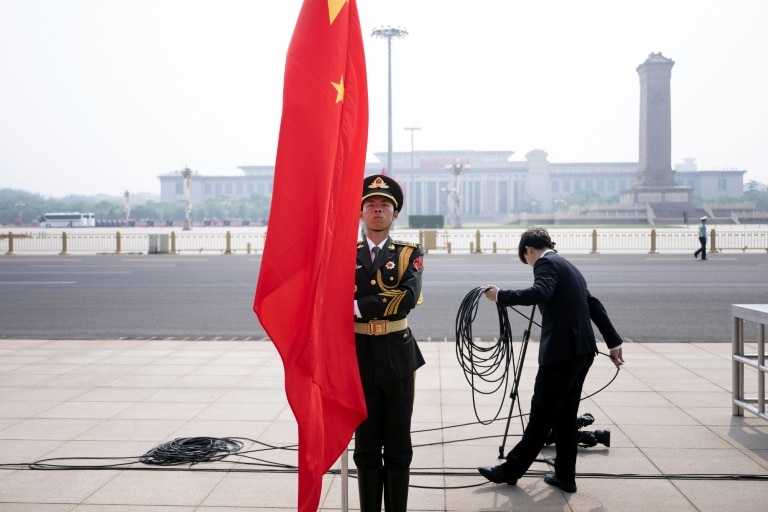
As the United States redirects much of its strategic and military attention to escalating conflict with Iran in the Middle East, China has carried out a test of a long-range, nuclear-capable submarine-launched ballistic missile, delivering a high-profile demonstration of its expanding nuclear and military capabilities to global observers. The test, conducted earlier this week, comes two years after Beijing launched an intercontinental ballistic missile into waters near French Polynesia, and drew immediate condemnation from Washington and several regional powers. However, just as with prior Chinese military advances that have been overshadowed by other global crises, this demonstration was quickly pushed out of global headlines by the resumption of U.S. strikes on Iran, the latest outbreak of violence between Washington and Tehran that broke a ceasefire reached on April 8.
博客
-

Sam Darcy targets running return as he reveals positive knee injury update
For rising Australian Football League star Sam Darcy of the Western Bulldogs, a season-ending anterior cruciate ligament (ACL) rupture has done nothing to dim his competitive fire or alter his signature playing style. The 22-year-old superstar, who suffered the devastating knee injury during the club’s round 6 clash against Geelong, has confirmed his rehabilitation is progressing without any unexpected setbacks, and he is on track to begin light running as soon as next month.
Darcy opened up about his recovery journey Wednesday, stepping away from his training regimen to help the AFL and hardware chain Bunnings launch the first-ever National Footy Sausage Sizzle, a community fundraiser that will see more than 260 local footy clubs host barbecues this weekend to raise much-needed funds for grassroots programs. The young forward said he had completed the hardest phase of his recovery, the initial months spent reducing swelling and relearning how to walk comfortably after surgery.
“I saw the surgeon today, and he’s really happy with how everything is progressing,” Darcy told reporters. “Everything is on track. I work closely with the club’s physiotherapy team every day, and we haven’t hit any hiccups so far. The first couple of months were definitely the toughest part — getting the swelling under control, relearning to walk — but now I’m moving around comfortably. I’m doing regular work on the spin bike, swimming laps in the pool, and putting in daily work at the club. The hardest part of this process is behind me.”
From here, Darcy will shift his focus to building strength and gradually reintroducing weight-bearing movement. He is scheduled to begin sessions on the AlterG anti-gravity treadmill at the 16-week post-surgery mark, with full light running set to start in just over a month. The rehab team is taking a conservative approach to ensure the injured knee heals fully and reduces the risk of future complications, a timeline Darcy says he is comfortable with.
Notably, Darcy has a genetic predisposition that put him at higher risk of a serious knee injury over the course of his career. Even with that context, the 2025 Mark of the Year winner — who earned the award for a spectacular acrobatic mark against Melbourne — says he has no plans to rein in his aggressive, instinctive style of play when he returns to the field.
“Not at all — I don’t think I need to change anything,” he asserted. “I just need to focus on building my strength, refining my running mechanics, and making sure everything moves efficiently and smartly. I still want to play with aggression, lean into my strengths, play on instinct, and keep a free mind out on the field. I’m not going to spend every play worrying about getting hurt again.”
Darcy says he draws inspiration from the dozens of AFL and other professional athletes who have returned to peak form after ACL injuries, and he is fully confident he can get back to his best. “I’m confident I can get 100 per cent back to my top level,” he said. “A lot of players have gone through this same injury across AFL and other sports, and that gives me a lot of motivation. I fully believe this whole process is going to go smoothly.”
The young star admitted that sidelining him for the rest of the season has been a difficult adjustment. Ever since his junior playing days, game day has always been the highlight of his week, and sitting on the sidelines has been a frustrating experience. Even so, he is keeping his focus on his recovery and his eventual comeback, with his competitive mindset fully intact.
-
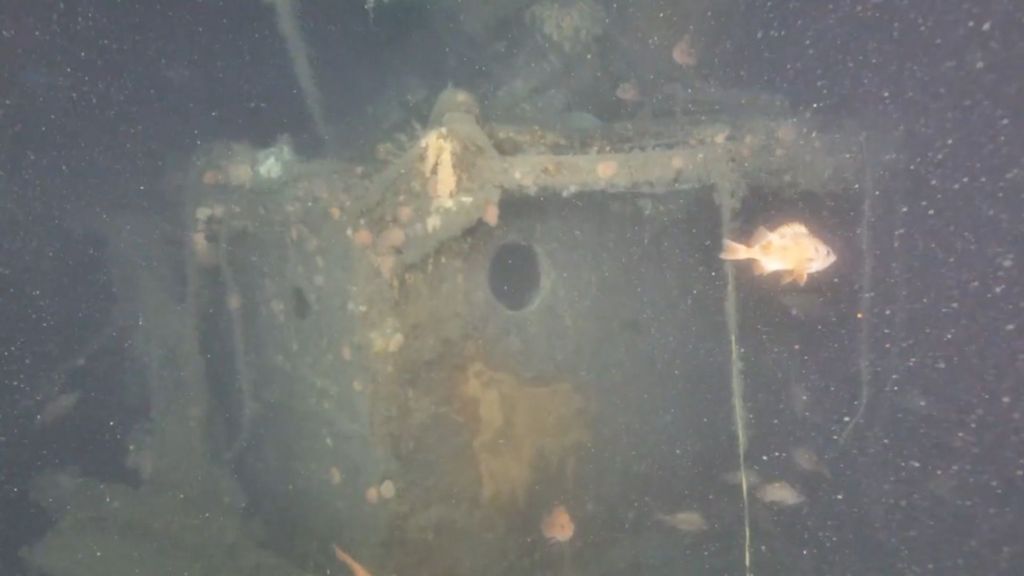
New footage shows first look at Ernest Shackleton’s final ship Quest
For more than a century, the final resting place of polar explorer Ernest Shackleton’s iconic last ship has rested out of human sight, hidden beneath the frigid, dark waters of the South Atlantic. Now, a team of marine scientists has changed that, capturing the first high-quality footage of the wrecked vessel Quest, the ship that carried Shackleton on his final Antarctic adventure.
Shackleton, one of the most legendary figures of the early 20th century’s Heroic Age of Antarctic Exploration, first captured global attention for his daring expeditions into one of the harshest, most unforgiving environments on Earth. His final journey came to an abrupt end in January 1922, when he suffered a fatal heart attack aboard the Quest shortly after the ship arrived at South Georgia Island, a remote outpost in the sub-Antarctic. Following his death, the ship continued on with its expedition, but eventually sank years later under unknown circumstances, leaving its location a mystery for decades.
The newly released footage marks the first time researchers have been able to document the wreck in detail, after locating the site in recent expeditions. Marine scientists say the footage offers an unprecedented glimpse into a pivotal piece of polar exploration history, allowing historians and the public alike to connect with a story that has captivated adventure seekers for generations. The discovery also opens new doors for archaeological research, giving experts the chance to study early 20th-century polar expedition ship construction and better understand the conditions that led to the vessel’s sinking.
For the scientific team behind the project, the capture of this footage is more than a technological achievement—it is a moment that honors the legacy of one of exploration’s most iconic figures. “This is a moment we’ve spent years working toward,” said one expedition lead in a statement following the footage’s release. “Shackleton’s story of resilience and ambition has inspired generations, and being able to share the first clear look at his final ship is a privilege that connects past and present.”
-

Ireland passes bill banning goods from Israel-occupied settlements in West Bank and Jerusalem
On Tuesday, Ireland’s national parliament passed a historic piece of legislation that bans the import of all goods produced in Israeli settlements located in the occupied Palestinian territories of the West Bank and East Jerusalem.
Officially titled the Israeli Settlements (Prohibition of Importation of Goods) Bill, the new law targets goods originating from Israeli settlements that fall outside of Israel’s 1967 armistice lines, which are not recognized as part of Israel under international law. The legislation explicitly frames its actions as compliance with Ireland’s binding international legal obligations, as outlined in the landmark advisory opinion issued by the International Court of Justice (ICJ) on July 19, 2024.
That ICJ ruling, which was formally upheld by the United Nations General Assembly, determined that Israel’s long-term occupation of Palestinian territories beyond the 1967 borders is unlawful under international law, and requires all UN member states to take active steps to avoid complicity in maintaining the illegal occupation. Aligning with this global mandate, the coalition government that backed the Irish bill says the measure is intended to cut off trade ties that enable the perpetuation of the illegal status quo Israel has established in the Occupied Palestinian Territory.
Ireland has emerged as one of the most vocal critics of Israeli policy toward Palestinians among European nations in recent years. The country formally recognized Palestinian statehood in May 2024, and became the first government in the European Union to officially characterize Israel’s military campaign in Gaza as an act of genocide. This string of pro-Palestine actions has triggered sharp diplomatic backlash from Israel: Israeli Foreign Minister Gideon Saar has already responded to the new import ban by ordering the permanent closure of Israel’s embassy in Dublin.
The import ban vote is only the latest in a series of escalatory steps taken by Dublin against Israel over the past year. Just last month, Ireland imposed entry bans on two far-right Israeli cabinet ministers, Itamar Ben Gvir and Bezalel Smotrich, who had already been sanctioned in June for repeated public incitement to violence against Palestinian communities. Alongside Spain, Ireland has also taken a leading role in pushing the European Union to conduct a full formal review of the 1995 EU-Israel Association Agreement, the foundational trade and cooperation pact that governs bilateral relations between the bloc and Israel. Most recently, Ireland joined Spain at an emergency international summit co-hosted by Colombia and South Africa in July 2025, where attendees coordinated collective concrete measures to hold Israel accountable for its alleged violations of international law.
Public opinion in Ireland reflects the government’s hardening stance, with opinion polls consistently showing among the highest levels of popular support for Palestinians in Europe. Current polling data finds that 86 percent of the Irish public agrees with the assessment that Israel is carrying out genocide in Gaza, while 62 percent of respondents — a clear majority — support the EU imposing harsh economic sanctions on Israel, mirroring the restrictive measures imposed on Russia following its 2022 invasion of Ukraine. The country’s recently elected president, Catherine Connolly, who won an overwhelming landslide victory in the October 2025 presidential election, has long been one of the most prominent Western political voices in support of Palestinian rights. Connolly recently spoke publicly about her pride in her sister, Dr. Margaret Connolly, who was one of six Irish citizens detained by Israeli forces in April while participating in the Global Sumud Flotilla, an effort to deliver humanitarian aid to blockaded Gaza.
Despite this widespread public and political support for Palestinian statehood and accountability for Israel, the new import ban marks a notable shift from Ireland’s prior largely symbolic actions toward concrete policy change. While Ireland is the first EU member state to formally pass this type of settlement goods ban, Spain already implemented its own ban on settlement imports along with a full arms embargo against Israel back in September 2025.
Still, policy analysts have raised questions about the real-world impact of Ireland’s legislation, noting that watered-down compromises made to secure passage may leave the measure with little tangible effect. The bill retains provisions that allow pre-existing trade contracts to continue uninterrupted and includes broad exemptions for certain types of goods, softening the policy’s potential impact.
The push for a ban on Israeli settlement goods first emerged in Irish politics nearly a decade ago, with the original version of the Occupied Territories Bill first introduced in 2018. At that time, the sitting Irish government blocked the bill from ever taking effect. The current centre-right coalition government has approved a heavily revised version of the original proposal that only bans physical goods from settlements, and entirely excludes trade in services — a sector that makes up roughly 70 percent of all bilateral trade between Ireland and Israel.
Diplomatic and economic pressure from the United States political establishment was a key factor driving the decision to weaken the legislation, according to political sources. In October 2025, Democratic Congressman Josh Gottheimer of New Jersey published an open letter to Irish Taoiseach Micheal Martin, warning that passing a full ban on settlement goods would cause significant long-term damage to Ireland’s economic credibility and its commercial partnerships with U.S. businesses.
-
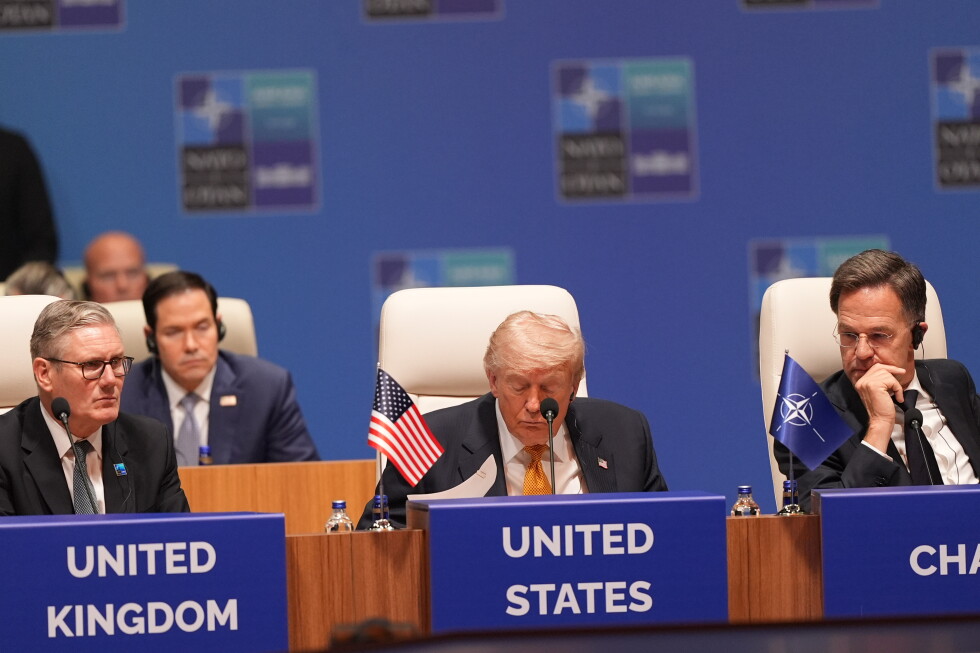
Takeaways: Trump leaves NATO summit declaring ‘a lot of love’ with allies after a rocky start
ANKARA, Turkey — The high-stakes NATO summit held in the Turkish capital on Wednesday appeared poised for chaos before U.S. President Donald Trump and allied heads of state even convened formal discussions. Despite lingering tensions fueled by renewed criticism of U.S. allies from Trump that cast public doubt on his commitment to the transatlantic alliance, alliance leaders emerged with a unified reaffirmation of their core mutual defense promise.
In post-summit remarks to reporters, Trump pushed back against narratives of division, saying, “There was a lot of love in that room. A lot of unity. We’ve had a tremendous time and I think a great success.” In the official summit declaration, leaders framed their commitment to NATO’s foundational Article 5 — which codifies the principle that an attack on one member constitutes an attack on all — as “ironclad.”
This public show of unity came after a awkward interlude: NATO Secretary-General Mark Rutte claimed allies “warmly welcomed President Trump’s leadership,” a statement that jarred with Trump’s recent public demand that the U.S. take control of Greenland, an autonomous territory of NATO member Denmark. Still, Rutte framed the gathering as a clear success for the alliance, stating simply, “The message from this summit is simple. NATO delivers.”
Among the most unexpected developments to emerge from the gathering was the fallout from Trump’s recent decision to approve retaliatory military strikes against Iran, authorized shortly after he left a NATO leaders’ dinner. The unusual timing of the order, announced mid-summit, highlighted a longstanding grievance Trump has held against the alliance: he has repeatedly complained that NATO allies have failed to contribute to efforts to keep the strategic Strait of Hormuz open to international shipping.
Intriguingly, Rutte declined to rule out a future NATO role in any broader conflict involving Iran. “Obviously Iran is outside NATO territory,” Rutte said, adding: “If helpful, NATO is always willing to play a role. But first now, let’s see what happens over the coming days and weeks.” The open door to NATO involvement aligns with Trump’s priorities, though it has stirred unease among many member states. NATO has billed itself as a defensive alliance focused exclusively on transatlantic security, and its last out-of-area mission in Afghanistan ended in chaotic withdrawal, leaving allies deeply reluctant to be drawn into new extra-regional conflicts.
One of the most consequential announcements for the ongoing war in Ukraine came directly from Trump, who revealed the U.S. will grant Ukraine a manufacturing license to produce Patriot air defense systems domestically to counter Russian missile and drone strikes. This long-sought concession marks a major breakthrough for Ukraine, which has entered the fifth year of its war against Russian invasion and has urgently needed expanded access to the advanced air defense technology.
“We’ll give them the right to make Patriots. We’ll show them how to do it,” Trump said during a bilateral meeting with Ukrainian President Volodymyr Zelenskyy. “I think they can produce them pretty quickly.” Patriots are notoriously expensive, in extremely high global demand, and have long production timelines; Zelenskyy has lobbied for expanded access to the systems for years, and more recently pushed for domestic production rights to speed up delivery.
For summit host Turkey, the gathering brought major potential policy shifts. Trump announced the U.S. is prepared to lift longstanding sanctions on Turkey, clearing the path for the possible return of F-35 stealth jet sales to Ankara. The announcement came despite formal objections from Israel. Trump noted he had “haven’t totally made up my mind” on a final decision, but Turkish President Recep Tayyip Erdogan — who has built a close personal rapport with Trump — gave a public thumbs-up after the announcement was translated for him. Turkey was removed from the F-35 program in 2019 after it purchased Russian S-400 air defense systems, a move that violated alliance security guidelines.
Beyond the Patriot license announcement, the summit brought a notable shift in Trump’s public tone toward Ukraine. Dropping his usual harsh criticism of Zelenskyy, Trump praised the Ukrainian leader’s efforts to advance potential negotiations to end the war. “We’ve actually developed a good relationship. It’s hard to believe,” Trump said, adding that Zelenskyy has “done an amazing job” and “been very effective” in leading Ukraine through the conflict.
Alliance leaders also approved a massive 70 billion euro ($80 billion) multi-year military support package for Ukraine, spanning from this year through 2027. The package is structured as 30 billion euros per year from a European Union loan program, paired with 40 billion euros in direct contributions from NATO allies. Notably, the Trump administration has effectively halted all new U.S. military spending for Ukraine, so the U.S. will not contribute to the new package. NATO diplomats confirmed that most of the 40 billion euro allocation for 2026 has already been secured from allies.
Rutte, the new NATO Secretary-General, launched an aggressive outreach effort to accommodate Trump’s longstanding demand that allies increase their own defense spending. He highlighted that European allies and Canada have increased their combined defense spending by nearly $300 billion over the past two years, a shift he directly tied to Trump’s pressure. At a high-profile defense industry event marked by upbeat production and dramatic branding, Rutte celebrated “tens of billions” of dollars in new weapons and military equipment contracts sealed during the summit. “I would argue that without you in this chair, this would not have happened,” Rutte told Trump in a private meeting ahead of the formal summit. “Grab the win. It’s there.”
In the final summit declaration, leaders announced the start of a sweeping transformation of the world’s largest military alliance, centering on the goal of “building the future: a stronger Europe in a stronger NATO.”
One lingering unresolved question emerged around the location and timing of NATO’s next scheduled summit. Albania had been widely expected to host the 2027 gathering, but the final declaration only stated “We look forward to our next meeting,” omitting the standard formal confirmation of the host and date. While Albanian Prime Minister Edi Rama is personally popular among allied leaders, some members have cooled on hosting the summit in the Balkan nation due to its low levels of defense spending. Other allies have reportedly pushed back to avoid scheduling a high-profile divisive summit during what could be another election cycle with Trump as U.S. president. Rutte acknowledged that Albania remains the planned venue, but added “of course we still have to decide on an exact time.”
Associated Press reporters Seung Min Kim in Ankara, Michelle L. Price, and Collin Binkley in Washington contributed reporting to this article.
-
On La Guaira’s beaches, Venezuela quake survivors improvise showers and toilets amid water shortages
A month after a pair of powerful back-to-back earthquakes tore through coastal Venezuela, thousands of displaced survivors are grappling with a worsening public health emergency, driven by catastrophic shortages of clean drinking water and basic sanitation infrastructure. The disaster, which struck on June 24, left a staggering toll: Venezuelan government figures confirm 3,685 people killed, 190 buildings completely destroyed, and another 856 structures left damaged beyond safe habitation. In the hardest-hit coastal state of La Guaira, many survivors have been forced to take shelter in makeshift camps or out in the open, with no access to the basic services that protect public health.
For decades, many communities across Venezuela have struggled with inconsistent water access from the state-run utility, with some neighborhoods receiving potable service just once every one to two months even before the quakes. The earthquakes have compounded this pre-existing crisis by shattering the large blue plastic home storage tanks that most families rely on to reserve water between service deliveries. Juliani Herrera, a 20-year-old survivor who sustained multiple cuts during the tremors when she fell from her motorcycle amid the violent shaking, explained that nearly all neighborhood household tanks cracked or burst when the ground shifted. “Now, we have to wait to see if a tanker comes and fills buckets,” she said, after collecting a donation package at a beach-side temporary shelter.
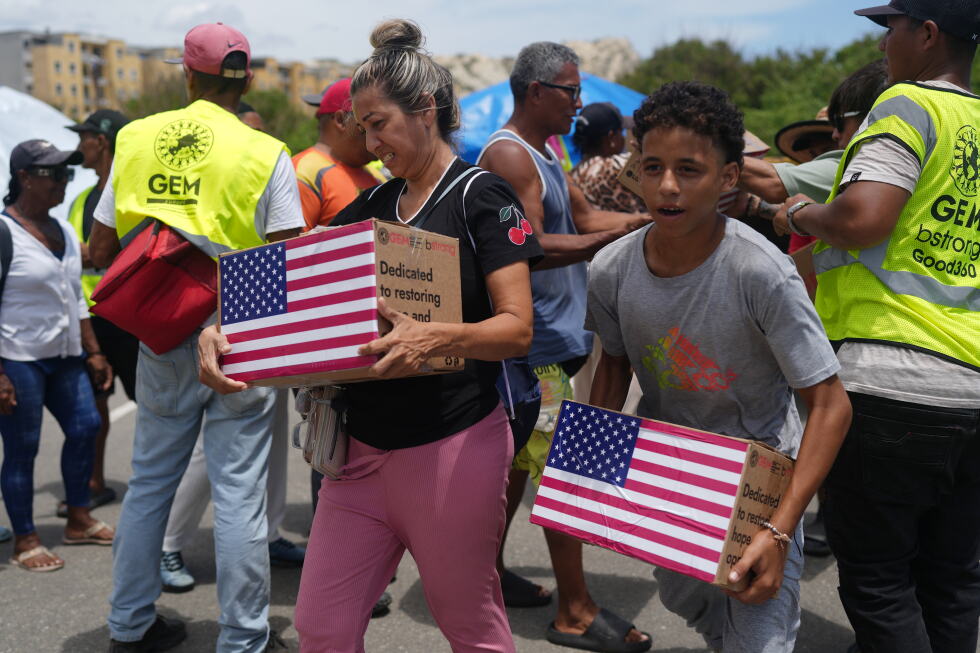
In Maiquetía, the coastal city that hosts Venezuela’s primary international airport, dozens of residents lined up Wednesday to receive aid boxes marked with the United States flag, stocked with emergency food, bottled water, and basic hygiene kits that include soap, a toothbrush, and cleansing towelettes. Herrera was among those who received one of these boxes, which she carried several blocks back to her shelter with iodine-stained scratches still visible across her chin, arm, and hands.
With no access to formal sanitation facilities, many families in La Guaira have been forced to use the region’s popular Caribbean beaches for bathing and open defecation. Feces now litter stretches of the shoreline that once drew crowds of tourists and local visitors. Other survivors stretch their limited remaining water supplies to cover cooking, cleaning, and personal hygiene, choosing between basic needs daily.
The Norwegian Refugee Council’s regional advocacy director for Latin America, Beatriz Ochoa, has warned that the crowded, unsanitary living conditions create severe risks of communicable disease outbreaks, exacerbated by the region’s sweltering tropical temperatures, ongoing seasonal rains, and a near-total lack of privacy for survivors. Ochoa noted that affected communities have already demonstrated remarkable resilience, organizing spontaneous systems to maintain basic cleanliness in shared shelter spaces, including improvised toilets and informal waste collection. “Their determination is remarkable, but families should not have to shoulder this burden alone,” she said, calling for urgent scaled-up intervention to improve conditions and prevent a secondary public health disaster.
-

Judge orders Trump’s $5m damages be released to E Jean Carroll
A federal judge has cleared the way for veteran writer E. Jean Carroll to receive more than $5 million in damages, plus accrued interest, that sitting U.S. President Donald Trump was ordered to pay over a civil ruling finding him liable for sexual abuse and defamation. The ruling brings an end to Trump’s latest bid to delay payment while he pursued a last-ditch appeal to the U.S. Supreme Court.
In a Wednesday order, Judge Lewis Kaplan — who oversaw the original 2023 civil trial — directed a court clerk to disburse the frozen funds, which Trump had deposited into a court-controlled account shortly after the initial jury verdict to satisfy the judgment during the appeals process. Trump had requested a hold on the $5.8 million total payment (which includes interest and additional costs) while he asked the Supreme Court to revisit its earlier decision to decline hearing his appeal of the case.
The origins of the case stretch back to the mid-1990s, when Carroll, now an 82-year-old former magazine columnist, alleged that Trump sexually assaulted her in a fitting room at the Bergdorf Goodman luxury department store in Manhattan. Decades later, after Carroll went public with the accusation, Trump repeatedly denied the claim, and in a 2022 post on his Truth Social platform, he labeled the incident a complete hoax — a statement that formed the basis of Carroll’s defamation claim alongside her allegation of sexual assault.
In May 2023, a jury seated in a New York federal court unanimously found Trump liable on both counts, and awarded Carroll $5 million in compensatory and punitive damages. Since the verdict, Trump has mounted a multi-stage appeals challenge, arguing that Kaplan improperly permitted the admission of prejudicial evidence that skewed the jury’s view of his case. Last year, a federal appeals court upheld the original jury verdict, ruling that Kaplan had not made any legal errors that would justify throwing out the ruling or ordering a new trial.
This is not the only defamation ruling Carroll has secured against the president. In a separate 2024 civil trial, a second jury found Trump liable for additional defamatory statements he made about Carroll, and awarded her nearly $84 million in additional damages. Trump also appealed that ruling, but a panel of federal judges rejected his challenge last year. The BBC has reached out to Trump’s legal team for a response to Wednesday’s order, and has not yet received comment. Kaplan has not specified a timeline for when the funds will formally be transferred to Carroll.
-

US man jailed after swapping 17th century manuscript
In a case that highlights ongoing vulnerabilities in cultural heritage stewardship at major academic institutions, a 39-year-old California man has been sentenced to 12 months and one day in federal prison for orchestrating a sophisticated scheme to steal a rare 17th-century Qing Dynasty Chinese manuscript from the University of California, Los Angeles (UCLA) Library.
According to official statements from the U.S. Department of Justice (DOJ), the perpetrator, Jeffrey Ying of Fremont, used a network of aliases to gain controlled access to a collection of ancient Chinese artworks and texts, some of which date back more than 600 years. The rare manuscripts held by UCLA’s library system are not part of general public circulation; access requires advance reservation and formal check-out, a protocol Ying exploited to carry out his fraud.
Ying’s modus operandi followed a consistent pattern: after checking out an original rare manuscript, he would return the library several days later with a carefully crafted counterfeit dummy copy in its place. Authorities confirmed that he frequently traveled to China shortly after each successful swap, a timeline that raised immediate red flags for investigators.
The scheme was uncovered after UCLA library staff noticed that multiple rare Chinese manuscripts were unaccounted for in their collections. A preliminary review traced the last access of the missing items to a visitor using the alias “Alan Fujimori”, a trail that ultimately led investigators to Ying. When law enforcement executed a search warrant at a Los Angeles-area hotel where Ying was staying, they uncovered critical evidence of his operation: blank scrolls and manuscript templates cut to match the size and style of the stolen works, along with prefabricated asset tags matching the library’s labeling system that were intended to finish the counterfeit dummies. Investigators also found a cache of library cards registered under multiple different names, confirming that Ying had long planned his scheme to access the rare collection.
Ying entered a guilty plea to a single federal charge of theft of the 17th-century Qing Dynasty manuscript, marking the conclusion of the investigation. The case comes amid a rapidly expanding market for historical Chinese cultural artifacts: as China’s middle class grows in wealth and cultural engagement, demand for authentic historical heritage has surged, supporting both a growing network of state-run museums and a robust private art market. For U.S. academic institutions holding global cultural collections, the case underscores the need for enhanced verification and inventory protocols to prevent similar art thefts.
-
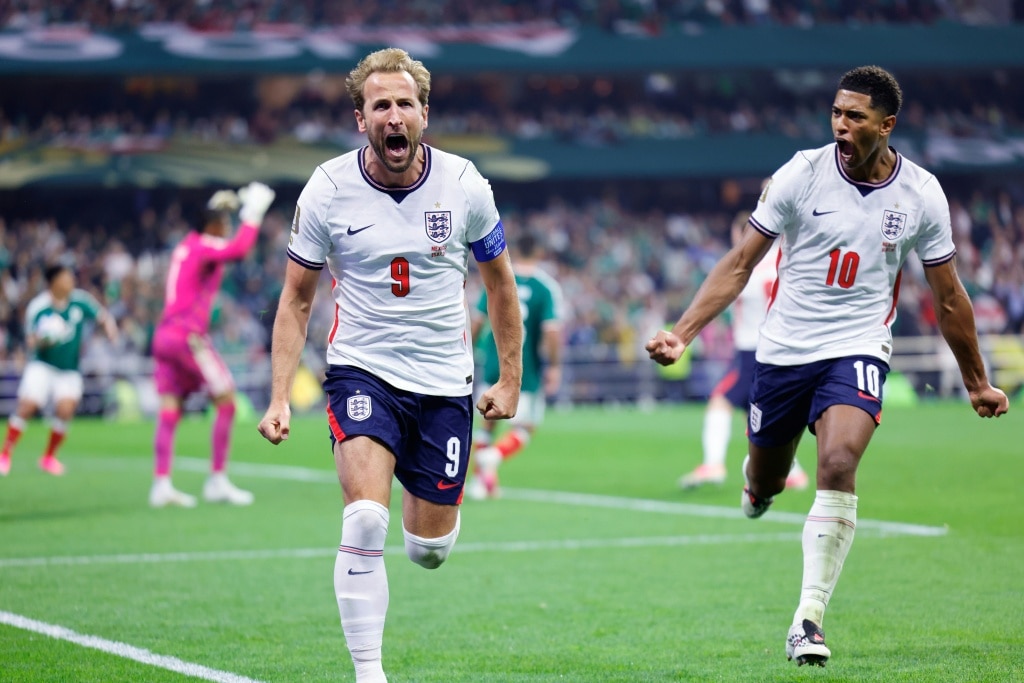
France, Morocco kick off blockbuster World Cup quarter-finals
The 202X FIFA World Cup has entered its most intense phase, with the first of four eagerly anticipated quarter-final matches kicking off Thursday as defending runners-up France face off against Morocco at Foxborough’s Gillette Stadium, outside Boston. After four weeks of breathtaking on-pitch action that managed to overshadow pre-tournament concerns over exorbitant ticket prices and geopolitical tensions, the largest and most logistically challenging World Cup in history has been narrowed down to the final eight contenders, all still vying for the sport’s biggest prize.
Heading into Thursday’s showdown, France stand out as the tournament’s most formidable attacking force, and are targeting their third World Cup crown overall. Les Bleus have stormed into the final eight in devastating form, racking up 14 goals across five matches, with captain and star forward Kylian Mbappe already netting seven of those strikes, putting him level with Norway’s Erling Haaland just one goal behind Golden Boot leader Lionel Messi of Argentina. England’s Harry Kane sits close behind on six goals, creating a four-way race for the tournament’s top scorer honor that adds extra drama to the remaining fixtures.
Thursday’s clash is a rematch of the iconic 2022 Qatar World Cup semi-final, where France claimed a narrow victory over Morocco before going on to lose a legendary final against Argentina on penalties, a result that stoked long-running tension between the two nations. For Morocco, this tournament has already been a success: the African champions cruised through their group stage, knocked out the Netherlands in the round of 16, and comfortably defeated Canada to book their spot in the last eight. Under head coach Mohamed Ouahbi, who led Morocco to a surprise under-20 World Cup title last year, the Atlas Lions have built a reputation for a dangerous blend of technical skill, physical intensity, and sharp tactical discipline that makes them a serious threat to France’s title hopes.
French head coach Didier Deschamps, who is set to step down from his role after the conclusion of this tournament, has moved to dismiss concerns over the appointment of Argentine match officials for Thursday’s tie, with a potential repeat of the 2022 World Cup final still on the cards if both France and Argentina progress to the final. “There is nothing I can do about refereeing appointments. I just try to have confidence in the officials,” Deschamps told reporters. “Our opponents are Morocco. I can’t consider the referee to be an opponent.”
The winner of France vs Morocco will advance to the tournament semi-finals, where they will face the victor of Friday’s quarter-final between European champions Spain and Belgium, held in Los Angeles. Spain, who have not conceded a single goal across their run to the last eight, eliminated Cristiano Ronaldo’s Portugal in the round of 16, and while they have not matched France’s free-scoring attacking form, they are widely expected to give a strong test to Belgium, who defeated the United States 4-1 in their round of 16 tie to secure their quarter-final spot.
On the opposite side of the draw, tournament holders Argentina will face Switzerland in Kansas City on Saturday, after a dramatic late comeback that kept their dream of becoming the first back-to-back World Cup winners since Brazil in 1962 alive. Argentina were pushed to the brink by Cape Verde in the round of 32, and pulled off an incredible “Houdini act” against Egypt in Atlanta on Tuesday, erasing a two-goal deficit late in the match to seal a 3-2 win that kept their title defense on track. “We didn’t want today to be the end, we didn’t want to go home,” Messi, who already has eight tournament goals, said after the comeback win.
The winner of Argentina’s clash with Switzerland will go on to face either Norway or England in Atlanta. England booked their quarter-final spot with a thrilling 3-2 victory over Mexico at Estadio Azteca, a drama-packed win that has renewed belief among the Three Lions that they can end their 58-year wait for a major tournament title. Standing in their way is a formidable Norway side led by in-form star Erling Haaland, who scored both of his team’s goals in a round of 16 win over Brazil on Sunday.
Off the pitch, the Egyptian Football Association has filed an official complaint to FIFA over the officiating in their defeat to Argentina, calling for the entire refereeing team that oversaw the match to be removed from the remainder of the tournament. The complaint alleges “serious refereeing mistakes committed by the team of referees and double standards” that directly caused Egypt’s elimination. In unrelated off-the-field news, Croatia head coach Zlatko Dalic announced he would step down from his role after nine years in charge, a tenure that included a surprise run to the 2018 World Cup final.
-
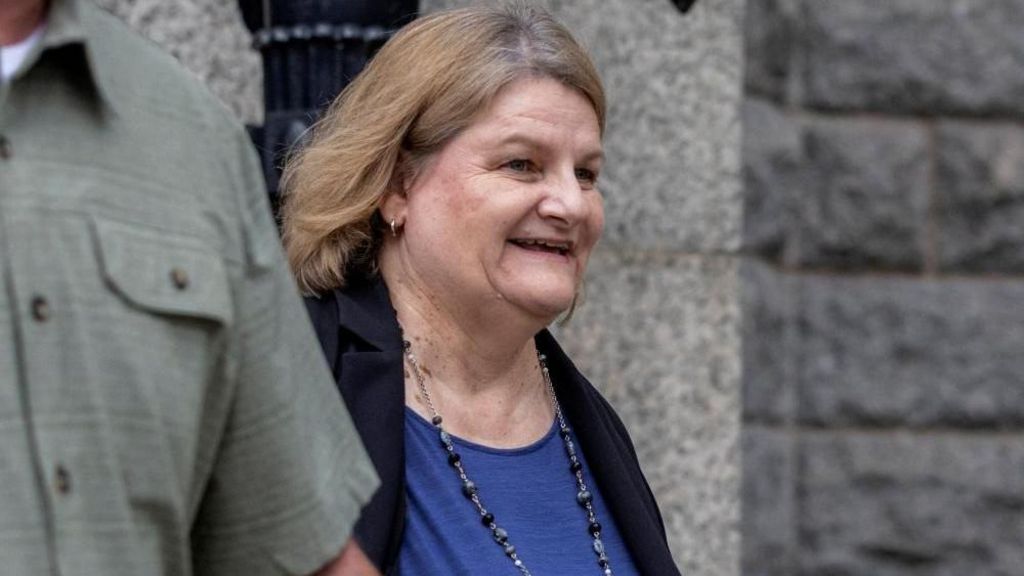
Ex-US judge spared from prison for helping migrant evade federal agents
A federal court has handed down a sentence that spares former Milwaukee County Judge Hannah Dugan from any prison time, one year after she was convicted of obstructing a federal proceeding related to her actions helping an undocumented immigrant evade U.S. immigration agents at her Wisconsin courthouse.
The 2025 incident sparked intense partisan friction across the state, becoming a rallying point for conservative critics of loose immigration enforcement who framed Dugan’s actions as proof of a deeply politicized liberal judiciary. On Wednesday, District Judge Lynn Adelman ruled that a $5,000 fine was sufficient punishment for the 65-year-old former jurist, concluding that custodial sentence was unnecessary to meet the legal goals of sentencing. Adelman noted that Dugan, who built a nine-year career on the bench and resigned amid impeachment pressure from Wisconsin’s Republican leadership, had compiled a long record of positive service to the Milwaukee community.
Dugan’s legal troubles date back to April 18, 2025, when Mexican national Eduardo Flores-Ruiz, who faced misdemeanor battery charges, appeared for a scheduled hearing at her courtroom. Six law enforcement officers from the FBI, U.S. Immigration and Customs Enforcement (ICE), and the Drug Enforcement Agency were present at the courthouse to take Flores-Ruiz into federal custody. Per an FBI affidavit, Dugan reacted with open anger to the terms of the arrest warrant and ordered the federal agents to report to the office of the court’s chief judge. While the officers waited, Dugan directed Flores-Ruiz and his defense attorney to a private side exit typically reserved for jury members, in an attempt to help him avoid detention. The attempt was ultimately unsuccessful: immigration agents intercepted the pair shortly after they left the courtroom, and Flores-Ruiz was later deported from the U.S.
Dugan was taken into custody two weeks after the incident, a development that was celebrated by allies of the Trump administration, who had cited her actions as evidence of Democratic-aligned judges undermining federal immigration policy. In December 2025, a jury found her guilty of obstructing a criminal proceeding, but acquitted her on a second charge of concealing a person from arrest. She had already resigned from her judicial post earlier that year, as Wisconsin Republicans moved forward with impeachment proceedings against her.
Ahead of Wednesday’s sentencing, Dugan addressed the court for the first time after choosing not to testify during her trial. She pushed back against the polarized framing of her actions that has dominated public discussion of the case, noting she has been labeled both a lawless rogue and a hero to immigration advocates. “I am neither. I am a public servant who was just trying to do my job,” she told the court. Dugan added that her actions on the day of the incident aligned with longstanding court administrative policies and community priorities for the Milwaukee courthouse, and that she had never acted with malicious intent.
Dugan faced a maximum possible sentence of five years in federal prison for the obstruction conviction. Her legal team had already announced plans to appeal the conviction ahead of the sentencing hearing, and had urged the court to impose a lenient sentence, pointing to her decades of public service that ended abruptly with her arrest in 2025.