博客

  • Noskova’s glimpse of Wimbledon trophy inspired title glory

    Noskova’s glimpse of Wimbledon trophy inspired title glory

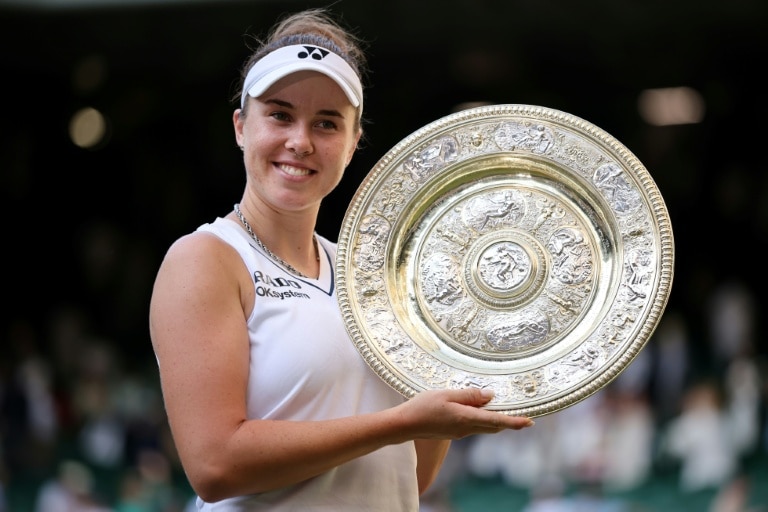
    On a dramatic Centre Court Saturday at Wimbledon, 21-year-old Czech rising star Linda Noskova pulled off one of the most memorable comebacks in recent women’s singles history, clinching her first ever Grand Slam title with a 6-2, 5-7, 6-3 victory over compatriot and close friend Karolina Muchova. What made the win even more extraordinary was the unlikely moment of motivation that reignited her fighting spirit: a passing glimpse of the iconic Venus Rosewater Dish during a mid-match bathroom break.

    Noskova’s path to the trophy looked all but guaranteed in the second set, when she held a commanding 5-2 lead and held five match points to close out the win without a decider. But a chaotic collapse saw her squander every chance, allowing Muchova to claw back and level the match at one set apiece. Crushed by frustration, the ninth seed buried her face in a towel to wipe away tears before trundling off court to the locker room, desperate to reset her mind and body for the final set.

    It was on that walk through the Centre Court corridors that Noskova’s perspective shifted. Glancing into a display cabinet, she saw the gleaming championship trophy sitting beside the smaller runners-up shield. The stark visual of what she stood to lose jolted her out of her slump. After splashing cold water on her face in the bathroom, she resolved to leave everything on the court rather than settle for second place.

    “I was just telling myself that the match is starting over,” Noskova told reporters after the match. “But what really helped me, the first step I took off court, the trophies were there. I was like, ‘I’m not going to take the small one, I’m taking the big one. I have been so close. This will probably be the heartbreak of my life. If I’m going to leave my soul on court in the third set, whatever that be.’”

    That renewed focus paid off immediately. Staring down three break points in the opening game of the decider, Noskova held serve before landing a critical break of Muchova’s serve to seize control of the set. When her next match point arrived, she did not falter, closing out the win and collapsing to the grass in a mix of joy and disbelief.

    Noskova’s win makes her the youngest women’s singles Wimbledon champion since another Czech great, Petra Kvitova, lifted the trophy in 2011. Fittingly, two-time champion Kvitova – who Noskova idolized as a young player – was watching on from the royal box, and personally congratulated the new champion in the Centre Court lounge after the match. Her victory also extends Czech Republic’s stunning recent streak at Wimbledon, following Marketa Vondrousova’s 2023 win and Barbora Krejcikova’s 2024 title.

    Off the court, the moment carried deep personal meaning for Noskova, who lost her mother Ivana to cancer two years ago. Unable to hold back tears during her post-match speech, she paid tribute to her late mother, blowing a kiss to the sky after lifting the silverware. “Having shown her heart and desire in spades, Noskova had done her mother proud,” the original report noted.

    Reflecting on the rollercoaster nature of her win, Noskova acknowledged that the pressure of her first Grand Slam final had gotten to her in the second set, leaving her hands frozen and her feet slower than usual. “A final is a final. No matter what you do, there’s always the pressure. You always want to keep your cool, be okay, be like nothing is happening. But deep inside of you you know it’s very important,” she said. “Just winning it this way, really having to fight for it, having all these ups and downs, it matters a lot, but I do have to learn a lot from this match, definitely.”

    For the self-described down-to-earth 21-year-old, the dramatic Wimbledon triumph opens a new chapter in her young career, leaving her with the tennis world at her feet. The match also echoes one of Wimbledon’s most iconic moments of Czech tennis history: Jana Novotna’s 1993 final collapse against Steffi Graf, which saw the Czech cry on the Duchess of Kent’s shoulder before eventually claiming her own title five years later in 1998.
  • Bellingham scores twice to lift England past Haaland and Norway 2-1 and into World Cup semifinals

    Bellingham scores twice to lift England past Haaland and Norway 2-1 and into World Cup semifinals

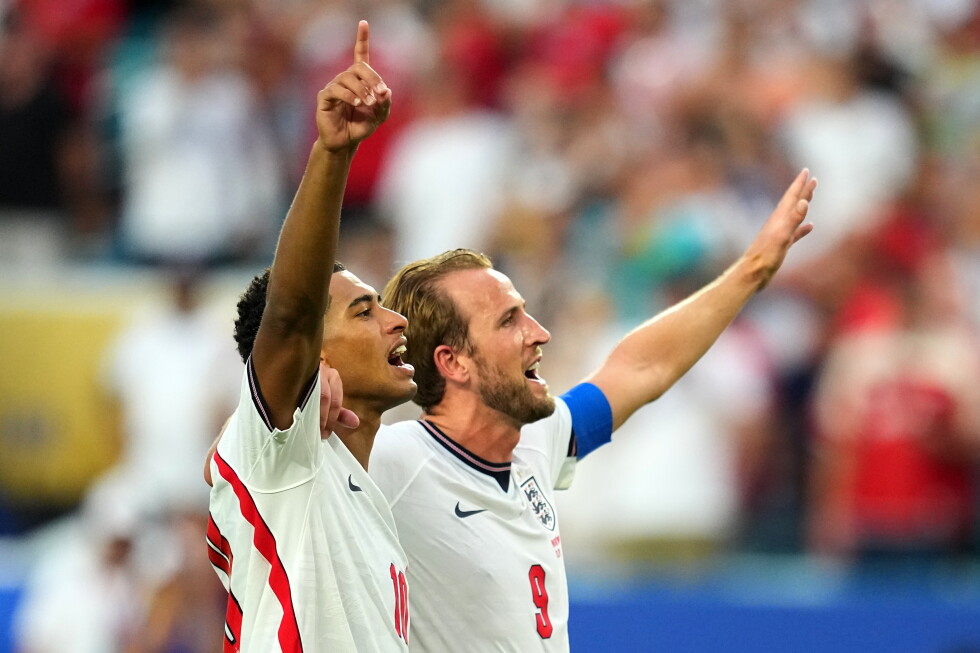
    MIAMI GARDENS, Florida — The humid 92-degree heat of South Florida could not stop Jude Bellingham from writing a new chapter of World Cup history on Saturday. The 21-year-old Real Madrid midfield star delivered two clutch goals to lift England to a dramatic 2-1 quarterfinal victory over Norway, booking the Three Lions a spot in the tournament’s final four for the first time since 2018.

    The match opened with a brief moment of silence to honor 25-year-old South African midfielder Jayden Adams, whose passing was announced earlier the same day, before play got underway. It did not take long for the underdog Norwegian side to shock the heavily favored English squad. Andreas Schjelderup, making just his second start of the tournament, stunned England, which had dominated possession to that point, in the 36th minute when his shot ricocheted off the right post and rolled into the net. The young winger, who set up both of Erling Haaland’s goals in Norway’s round-of-16 upset win over Brazil, celebrated as his teammates lifted him onto their shoulders, while England’s Harry Kane lingered near midfield, appealing for an uncalled foul.

    Schjelderup’s opening strike put Norway ahead going into halftime, but Bellingham responded with a close-range equalizer before the break that drew a deafening roar from the packed stadium, which included celebrity spectators Mick Jagger and England legend David Beckham. There was minor controversy around the equalizer: moments before Bellingham received the ball, a Norway goal kick appeared to glance off an overhead aerial camera cable before falling to England midfielder Elliot Anderson. Under FIFA rules, a ball striking the cable requires a stoppage of play and a drop ball restart, but tournament officials later confirmed that in-game sensors installed in the match ball confirmed no contact took place, allowing the goal to stand.

    Norway came close to doubling their lead in the 56th minute, when Torbjørn Heggem put a rebound past England goalkeeper Jordan Pickford after a corner. However, a VAR review ruled the goal out due to a foul by Haaland in the penalty area. It was one of multiple missed chances for the Manchester City star, who entered the match as the tournament’s joint-top scorer. Haaland was denied a goal by a point-blank save from Pickford in the first half, and was held scoreless for the first time throughout the entire World Cup. Fatigue and a dead leg picked up in the second half forced Haaland off the bench in the second period of extra time, and the star striker sat slumped on the substitution bench, clearly dejected after the premature end to his match. Norwegian head coach Ståle Solbakken defended the choice to substitute his star, noting “He was finished. Maybe I should have taken him out 10 minutes before. … He did everything he could.”

    With the match tied at 1-1 after 90 minutes, Bellingham struck again in the third minute of extra time, slotting home the go-ahead goal that would seal the win for England. When the final whistle blew, Bellingham locked arms with Kane as the thousands of England fans in attendance sang The Beatles’ iconic “Hey Jude” in tribute to the match-winner.

    With the win, England, the 1966 World Cup champions who have carried relentless pressure to return to the tournament final this year, advance to the semifinal round where they will face Argentina. Bellingham now sits level with Kane on six tournament goals, just two goals behind shared leaders Kylian Mbappé of France and Lionel Messi of Argentina, and one behind Haaland. This is Bellingham’s second consecutive two-goal performance, after he netted twice to guide England past co-host Mexico in the round of 16.

    In the aftermath of the win, the England camp saw a public disagreement between head coach Thomas Tuchel and Bellingham over the team’s performance. Tuchel opened his post-match interview with Fox Sports by acknowledging the quality of reaching the final four, but made clear his dissatisfaction: “We made life very, very difficult for ourselves today. The result is fantastic… but I’m not happy with the performance in every sense.” He later clarified in his official press conference that he was proud of the squad’s ability to battle through adversity, but stood by his critique, adding “I think we can play faster. I think we can play more clinical.”

    Bellingham pushed back on the assessment, pointing to the grueling conditions that shaped the match. “Well, whatever,” he said, shaking his head. “It’s difficult out there. It’s a tough shift. My thoughts and appreciation goes to the players out there who put in a great shift.” He also highlighted the mental resilience that carried England through the test: “For me, the biggest one is psychological and how you can manage setbacks, how you can manage adversity. This team showed yet again that they can do it and that’s a really valuable skill and trait to have.”

    For Norway, the defeat brings an end to a breakout World Cup run that captured global attention, marked by the team’s viral “Viking row” celebration and the magnetic charisma of Haaland. This is the first time the Nordic nation has ever reached the World Cup quarterfinals, marking a historic milestone for the program even as their run ends one step short of the final four.

  • How a viral seal called Neil caused mayhem in Australia

    How a viral seal called Neil caused mayhem in Australia

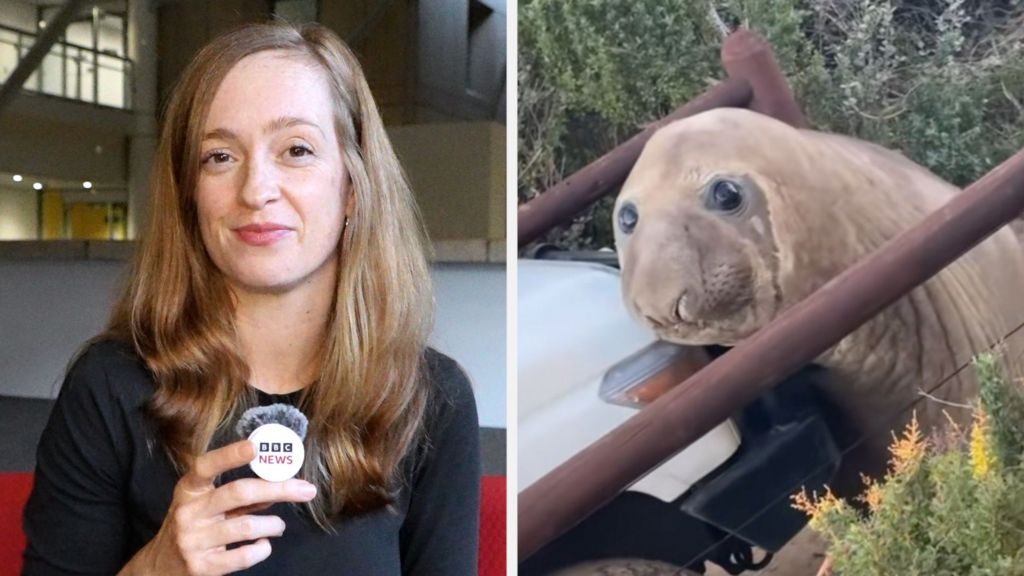
    A five-year-old male elephant seal, now known globally by the name Neil, has become an unexpected viral internet sensation after bringing widespread disruption to a small community on the coast of southern Tasmania, Australia. What began as a routine resting stop for the young marine mammal, who came ashore to molt and recover from months at sea, quickly turned into a major local incident as crowds of curious onlookers flocked to see the 1,000-kilogram animal.

    Local authorities were forced to close popular coastal roads and cordon off multiple residential and recreational areas to prevent risky interactions between humans and the seal, a protected species in Australia. The closure disrupted daily commutes, local business operations, and planned community events for several days as Neil remained on land. Despite the disruption, Neil quickly won over social media users around the world, with viral photos and videos racking up millions of views and turning the seal into a global household name.

    Wildlife experts explained that young elephant seals regularly come ashore to rest, a natural behavior that is critical for their health and survival. They urged the public to maintain a safe distance of at least 50 meters to avoid stressing the animal, which can become aggressive if it feels threatened. After nearly two weeks of resting on Tasmania’s southern coast, Neil eventually returned to the open ocean, leaving behind a trail of viral content and a community that had adapted to its unexpected famous visitor.

  • Polish PM pledges memorial to victims of WW2 ‘genocide by Ukrainian nationalists’

    Polish PM pledges memorial to victims of WW2 ‘genocide by Ukrainian nationalists’

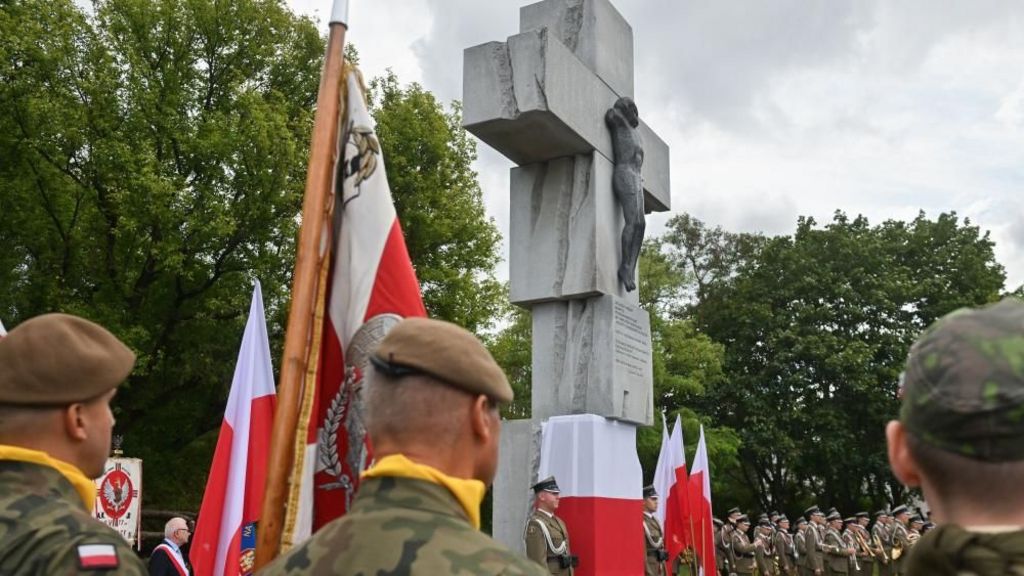
    On Saturday, commemorative events honoring the victims of the 1943–1945 Volhynia killings unfolded across Poland, starting in the capital Warsaw, as the country marked the anniversary of one of the most divisive tragedies of World War Two between Poland and Ukraine. Speaking at the national ceremonies, Polish Prime Minister Donald Tusk unveiled plans to establish a dedicated national memorial to the ethnic Polish victims of what Warsaw describes as a genocide carried out by Ukrainian nationalist forces during the conflict.

    The historical dispute at the heart of the current tensions centers on events that took place when Volhynia, then a Polish territory under Nazi German occupation, saw widespread violence between ethnic groups. Polish official records confirm that approximately 100,000 ethnic Polish civilians were killed between 1943 and 1945 by the Ukrainian Insurgent Army, better known by its abbreviation UPA. For decades, this shared painful history has created persistent rifts between Warsaw and Kyiv, with starkly differing national narratives of the events. While Poland frames the violence as a deliberate genocide of ethnic Poles, many Ukrainians view the UPA as heroic freedom fighters that struggled for Ukrainian independence, fighting against multiple occupying forces including Nazi Germany, the Soviet Union, and pre-war Polish governing institutions.

    In his address marking the anniversary, Tusk struck a careful but firm tone, stating that upholding the historical truth is a non-negotiable obligation to the victims, while also framing it as a necessary step to move past the region’s painful history and build a more cooperative future. “Memory cannot be the servant of hatred. The answer to nationalism cannot be more nationalism,” Tusk said, adding that Ukraine must acknowledge this shared historical truth as it pursues its goal of accession to the European Union.

    Saturday’s announcement comes just one month after a sharp diplomatic escalation between the two close allies, amid Russia’s ongoing full-scale invasion of Ukraine. Last month, Poland revoked the Order of the White Eagle—Poland’s highest state honor—from Ukrainian President Volodymyr Zelenskyy over his decision to name an active Ukrainian military brigade after the UPA. Polish President Karol Nawrocki defended the move while stressing that the diplomatic row would not alter Poland’s unwavering military and political support for Ukraine against Russian aggression, a commitment Warsaw has held since the 2022 invasion began. In a show of solidarity with Zelenskyy, three former Ukrainian presidents chose to return their own Order of the White Eagle awards to Poland following the decision.

    In a pre-recorded video address released late Saturday, Zelenskyy responded to the commemorative events, noting that representatives of the Ukrainian government had joined Polish officials in joint prayers for the victims of the Volyn killings in ceremonies held in both countries. He emphasized that Ukraine is committed to a transparent, honest process of documenting and confirming the historical facts of all civilian deaths during the World War Two period. Zelenskyy also reiterated that in the current geopolitical context, Poland and Ukraine share a single existential threat: “This is a mortal threat to our independence, to our states, to every city, to every village, and this threat is called Russia.”

    Despite the ongoing historical dispute, both leaders have reaffirmed that their core strategic alignment against Russian aggression remains intact, even as they work through the lingering tensions over conflicting memories of World War Two.

  • Iran supreme leader calls for revenge for father’s killing

    Iran supreme leader calls for revenge for father’s killing

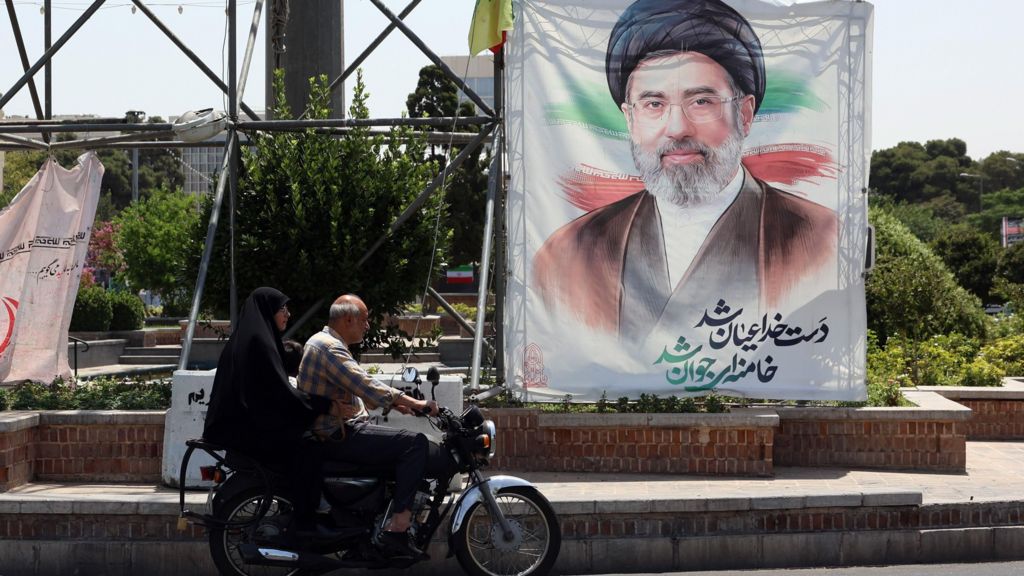
    Almost five months after a US-Israeli air strike killed long-serving Iranian Supreme Leader Ayatollah Ali Khamenei on the first day of open conflict, his son and successor Mojtaba Khamenei has issued his first public address, pledging unwavering revenge for his father’s death and the deaths of other Iranians killed in the ongoing war. The hardline declaration comes as a fragile two-month ceasefire between Washington and Tehran has collapsed, pushing the Middle East back to the brink of full-scale regional conflict.

  • Noskova survives tearful meltdown to win first Wimbledon title

    Noskova survives tearful meltdown to win first Wimbledon title

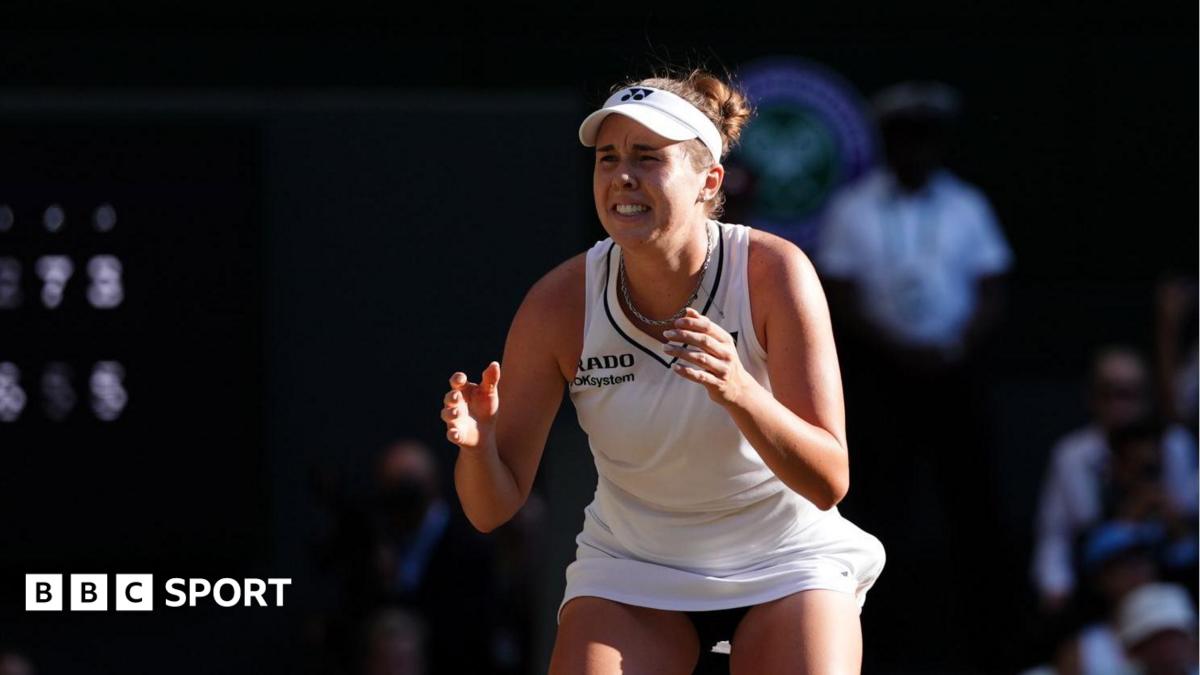
    On a historic Saturday at the All England Club, 21-year-old Czech star Linda Noskova wrote her name into Wimbledon folklore in one of the most breathtaking women’s singles finals the tournament has ever seen. After squandering five consecutive match points and suffering a tearful mid-match meltdown that seemed set to end her run, the ninth seed summoned extraordinary mental fortitude to defeat 10th-seeded compatriot Karolina Muchova 6-2, 5-7, 6-3, claiming the first Grand Slam title of her burgeoning career. The 2-hour-28-minute clash delivered enough twists and turns to rival a Hollywood blockbuster, capping a fairy-tale run for a player who had never advanced past the quarterfinals of any major before this year’s tournament.

    Noskova dominated the opening set with ease, putting Muchova under constant pressure and closing it out 6-2 to put herself one set away from the crown. When she earned the chance to serve for the match in the second set, she quickly built a 40-0 lead, holding four match points that appeared to seal the win. But a sudden collapse of nerve saw her waste every opportunity, allowing Muchova to break back and level the set. When Muchova held serve to make it 5-5, Noskova dropped a fifth match point, overwhelmed by emotion. She buried her head in a towel to wipe away tears before Muchova closed out the second set 7-5, leaving the Centre Court crowd stunned. A visibly shaken Noskova stormed off court for the decisive break ahead of the third set, a timeout that would prove to be the turning point of the match.

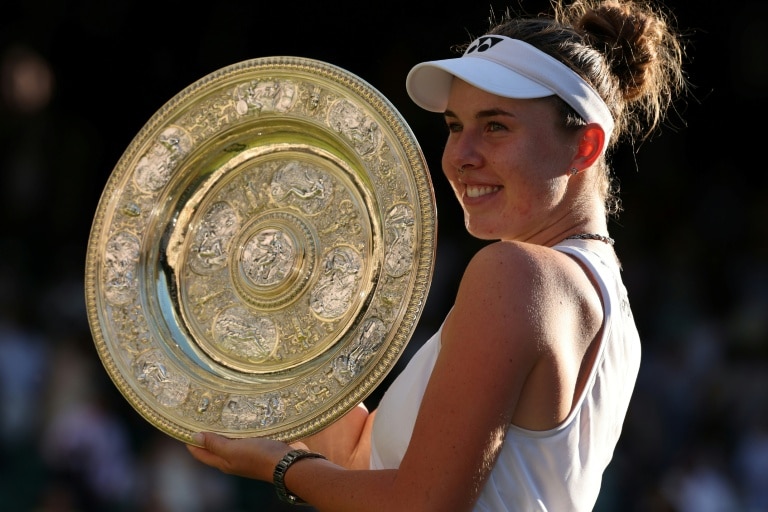
    Pulling herself from the depths of despair, Noskova refocused during the break, breaking Muchova early in the third set and holding firm to close out the match. When the final point landed, she collapsed to the grass in disbelief, finally processing that she had claimed the sport’s most prestigious singles title. This victory makes Noskova the youngest women’s singles champion at Wimbledon in 15 years, echoing the 2011 success of her childhood idol and compatriot Petra Kvitova, who won the first of her two Wimbledon crowns at the same age. Fittingly, Kvitova watched her protégé’s breakthrough from the royal box during the trophy ceremony, completing a full-circle moment for Noskova, who first picked up a tennis racket inspired by Kvitova’s 2011 win.

    The result also extends a remarkable run of Czech dominance at the All England Club: Noskova’s win marks the third time in four years that a Czech woman has lifted the Venus Rosewater Dish, following Barbora Krejcikova in 2024 and Marketa Vondrousova in 2023. Off the court, the 21-year-old has already endeared herself to fans with her quirky personality: she is an avid baker, relies on a series of lucky pre-match rituals, including drinking matcha prepared by a friend every morning during the tournament, and has opened up about the painful grief that shaped her 2024 Wimbledon run, when she competed just weeks after her mother’s death from cancer. That bittersweet memory has now been replaced by a far happier one, easing a small measure of that pain.

    In her post-victory speech, Noskova paid tribute to her opponent and reflected on the grueling physical and mental toll of the tournament. “All these matches have been so tough physically and mentally tough, today especially. It’s never easy to get the last point. Karo, you really made me work for it. All the sad tears, happy tears, sweat, blood and it’s all worth it. I will never forget these two weeks,” she said after lifting the trophy. Muchova, who was competing in her second Grand Slam final, was also emotional after the defeat, but paid tribute to her long-time friend in a lighthearted, gracious speech. “Really tough to find any words, but I’ll start with Linda, my ‘ex-friend’. I’m kidding obviously, kinda! The way you handled it is really unbelievable. Beyond this you are a very kind person. You deserve it,” Muchova said.

    Noskova takes home the £3.6 million ($4.8 million) winner’s prize, cementing her status as one of the most exciting rising stars on the WTA Tour. Notably, she only competed in her first professional grass court match in Birmingham back in 2023, but has since won more grass court matches than any other player on the tour over the past two years. With her first Grand Slam title secured, the 21-year-old has firmly established herself as a force to be reckoned with in women’s tennis for years to come.

  • Pro-Palestinian groups urge ‘decisive action’ after Burnham’s Gaza apology

    Pro-Palestinian groups urge ‘decisive action’ after Burnham’s Gaza apology

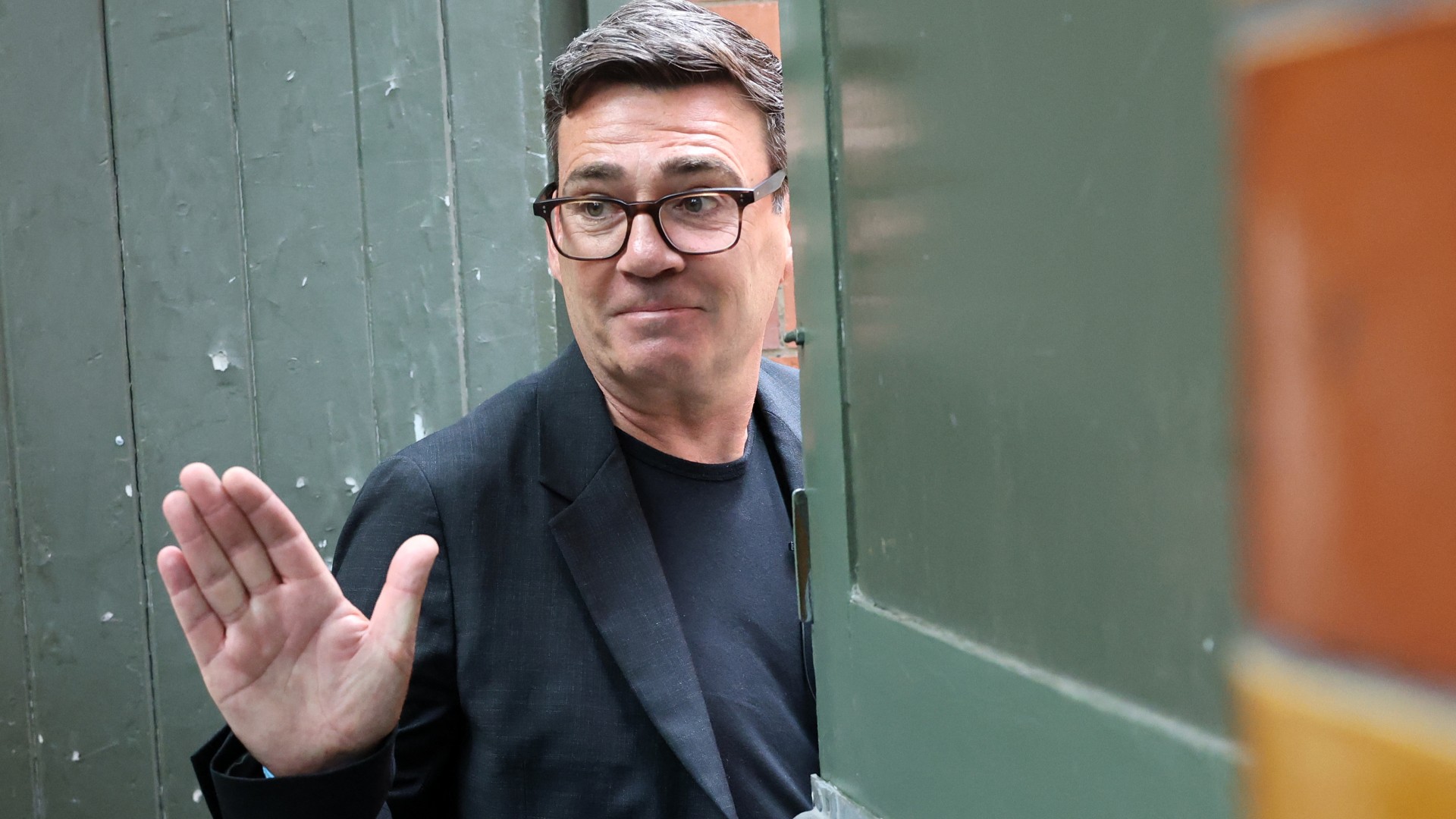
    As the race to determine the next leader of Britain’s Labour Party — and the country’s next prime minister — enters its final phase, leading contender Andy Burnham has issued a rare public apology for his party’s flawed initial response to Israel’s military campaign in Gaza, drawing measured praise from pro-Palestine groups and fellow Labour figures who are now pushing for tangible policy change to match his words.

    Burnham, who is widely tipped to secure the leadership in the upcoming vote this month, broke ranks with earlier party messaging earlier this week to acknowledge widespread public anger over Labour’s early handling of the Gaza crisis. “I know many people feel that at the start of Israel’s military action in Gaza, my party didn’t get it right, and I am sorry about that. The response has too often not been good enough. We need to do better,” he said in his public remarks.

    Describing the catastrophic “unbearable suffering” unfolding across Gaza as “a scar on our collective conscience”, Burnham pulled no punches in criticizing Israel’s decades-long expanding occupation of Palestinian territories. “We’ve got to do more to put pressure on the Israeli government,” he added.

    The apology has drawn a mostly positive early reaction from within Labour’s own ranks. Wes Streeting, former UK health secretary, called Burnham’s comments “extremely welcome”, while Norwich South MP Clive Lewis framed the statement as “an important and much-needed first step”. Ealing Central and Acton MP Rupa Huq echoed that sentiment, noting “High time this is acknowledged and glad something will be done about it.” The Labour Muslim Network, an influential group representing Muslim party members, described the intervention on X (formerly Twitter) as “A huge and important intervention from the potential next leader of the Labour party.”

    Burnham, a former Greater Manchester mayor who returned to Parliament last month via a Makerfield by-election, took care to acknowledge steps already taken by Keir Starmer’s outgoing Labour government, including its formal recognition of Palestinian statehood, sanctions targeting far-right Israeli cabinet ministers, and a ban on the transfer of British-made bombs and ammunition to Israel. “We have taken some important steps,” he said. “But let’s be honest, the UK was too slow to call for a ceasefire. And we must now do more to strengthen our approach.”

    He went on to warn that ongoing Israeli actions are undermining any path to a lasting two-state solution, pointing to repeated violations of existing ceasefire agreements and a sharp surge in violent extremist settler attacks across the West Bank and East Jerusalem. “Netanyahu’s government is clearly attempting to make a two-state solution impossible,” he said. If elected leader, Burnham pledged to explore further sanctions against violent Israeli settlers and implement new restrictions on trade with illegal Israeli settlements built on occupied Palestinian land.

    Notably, Burnham stopped short of formally endorsing the growing global consensus that Israel’s campaign amounts to genocide, arguing that such a designation is a matter for international judicial bodies rather than elected politicians. “There is increasing evidence that war crimes appear to have been committed,” he said, adding “it was for international courts, and not politicians, to decide.”

    That stance has drawn pushback from major pro-Palestine advocacy groups, including the Palestine Solidarity Campaign (PSC), one of the UK’s largest pro-Palestine activist organizations, which warned that words alone are not enough and demanded immediate decisive action to follow the apology. The group pointed out that a United Nations commission of inquiry, alongside multiple independent human rights organizations and legal experts, already confirmed last month that Israel is committing acts of genocide in Gaza.

    “You have stated that this is something for the international courts to decide, but the Genocide Convention requires all states – including Britain – to take action to prevent genocide as soon as they become aware there is a serious risk of it,” the PSC wrote in an open letter to Burnham. The group also criticized the UK’s historical complicity in Israeli actions, noting the country has long actively supported Israeli policies and “willfully ignoring rulings of the courts”, including the International Court of Justice’s landmark 2004 ruling that Israel’s occupation of Palestinian territory is unlawful, and that all third-party states must end any actions that aid or abet Israeli violations of international law.

    The PSC laid out clear demands for Burnham: formally recognize the UN commission’s genocide finding, adopt the 2025 Labour Party conference policy mandating a full arms embargo on Israel and broad sanctions, ban all trade with illegal Israeli settlements and any trade that props up the Israeli occupation, and roll back the use of what the group calls “authoritarian” public order and anti-terror laws to crack down on peaceful pro-Palestine protests.

    Currently, the United Nations, dozens of major human rights organizations, and hundreds of independent human rights experts have formally classified Israel’s military campaign in Gaza as genocide. The offensive has killed more than 73,000 Palestinians in the enclave to date, according to latest public health counts from Gazan authorities.

  • US Democrat Ro Khanna says he was detained by armed Israeli settlers

    US Democrat Ro Khanna says he was detained by armed Israeli settlers

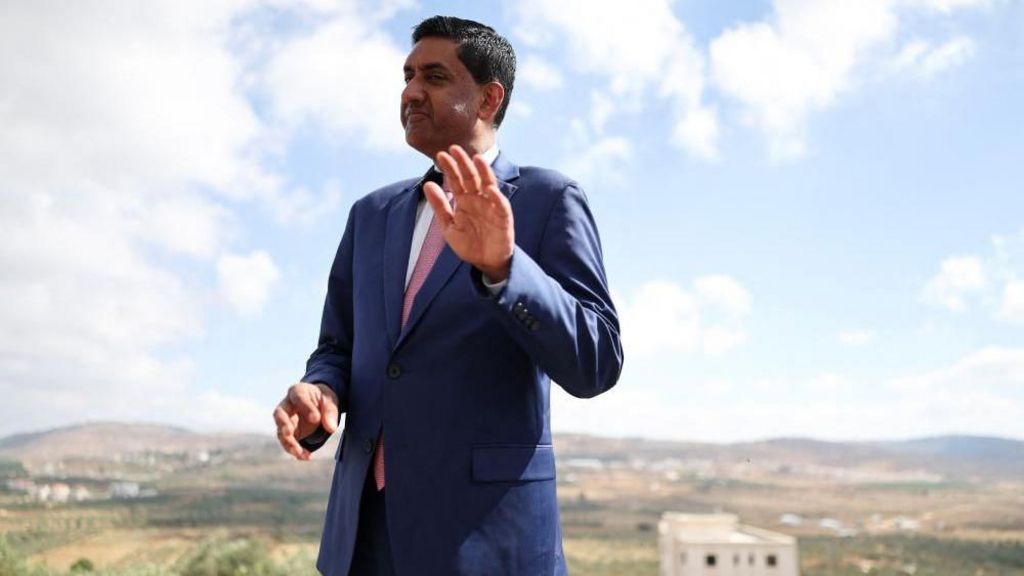
    A high-profile Democratic U.S. lawmaker has brought new international attention to escalating tensions in the occupied West Bank after revealing he was held for an hour and a half by armed Israeli settlers during an official visit last week. Ro Khanna, a 49-year-old California congressman who is openly considering a 2028 bid for the U.S. presidency, told reporters the incident unfolded Wednesday as he and his travel team traveled through the territory to assess the human impact of Israeli occupation.

    Khanna and his staff were riding in a private van en route to the destroyed Palestinian community of Khirbet Zanuta when a group of settlers carrying semi-automatic M4 rifles surrounded the vehicle and blocked their path, cutting off any route forward. In a public post shared to the social platform X shortly after the incident, Khanna said that even after the Israel Defense Forces (IDF) arrived at the scene, military personnel aligned with the settlers and continued the unplanned detention of his delegation.

    “We were at a village that Israeli settlers had destroyed – they had ruined the school, they had wiped out the entire community, and we were simply documenting what we saw,” Khanna explained to reporters in an interview. “These extremists came in with machine guns, American-made M4s, blocked the road, and detained us. When they called the IDF, the IDF took their side, not the side of a visiting American congressional delegation.”

    A spokesperson for the IDF pushed back against Khanna’s account in an official statement issued after the incident. The military said troops and local police were dispatched to the area after receiving an initial report that settlers had blocked civilian vehicle traffic. “Upon their arrival, the troops dispersed the Israeli civilians and allowed the vehicles to continue on their way,” the statement read. The BBC also confirmed it had requested additional comment from the IDF, with no further response provided as of press time.

    One of Khanna’s aides, who was present during the detention, confirmed that the delegation reached out to the U.S. Embassy in Jerusalem to request assistance while they were blocked. The group was ultimately released after a contingent of Israeli police intervened to end the standoff.

    The incident comes amid long-running global controversy over Israeli settlements in the West Bank, territory Israel has occupied since the 1967 Arab-Israeli War. Since 1967, Israel has constructed more than 160 formal settlements across the West Bank and East Jerusalem that are home to roughly 700,000 Israeli Jewish citizens. These settlements are universally recognized as illegal under international law, a position the Israeli government has rejected repeatedly. Today, an estimated 3.3 million Palestinian residents live in the occupied West Bank alongside the settlements, with growing frequency of violent clashes between settlers and local Palestinian communities that the IDF has failed to curb in many cases.

  • Buttler and Brook sparkle as England goes top of T20 rankings with clean sweep over India

    Buttler and Brook sparkle as England goes top of T20 rankings with clean sweep over India

    Southampton, England – In a dominant display of aggressive batting that rewrote the T20 international record books, England secured a resounding 56-run victory over India on Saturday, sealing a 4-0 clean sweep of the five-match series and claiming the number one spot in the ICC men’s T20 world rankings.

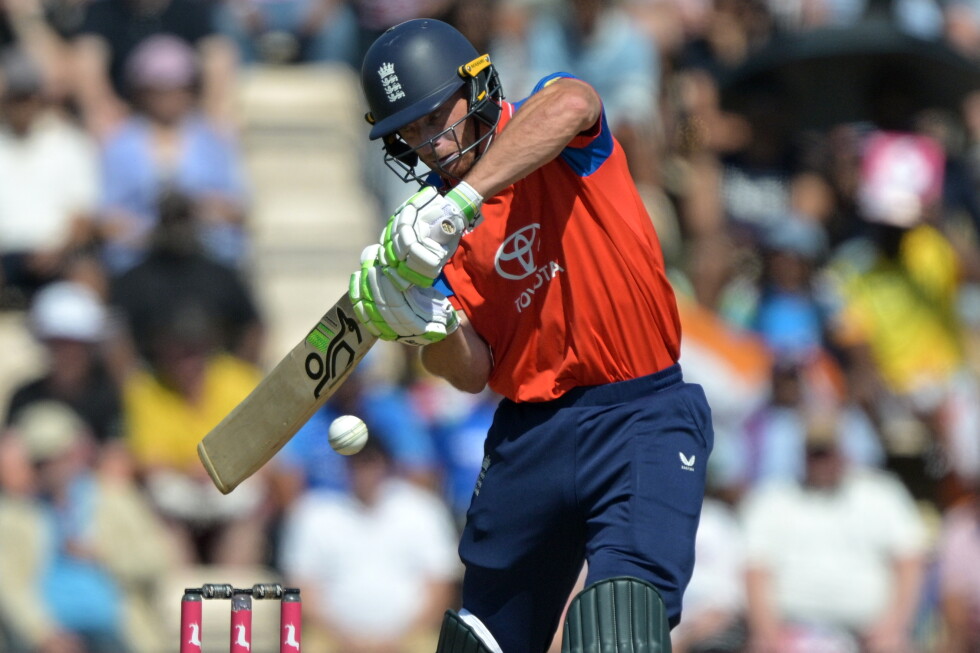
    The iconic clash at the Utilita Bowl was defined by a sensational second-wicket partnership between star wicketkeeper-batter Jos Buttler and stand-in captain Harry Brook, who combined for a staggering 233-run stand – the highest partnership for any wicket in England’s T20 international history. The pair rained sixes across the ground, powering England to a final total of 257 for three wickets, the third-highest team total in England’s T20 history and the nation’s largest ever score against India.

    Buttler led the charge with a blistering 131 runs off just 64 deliveries, marking a welcome return to top form for the experienced batter. He smashed 12 fours and 8 sixes on his way to notching his second career T20 international century. Brook continued his outstanding run of form through the series – which opened with a washout abandoned due to bad weather – remaining unbeaten on 95 runs from only 45 deliveries, with 4 fours and another 8 sixes to his name. Only late in the innings did India manage to break the partnership, with all-rounder Shivam Dube claiming two wickets including Buttler’s, though his single costly over conceded 22 runs.

    India’s defeat came after the side won the toss and elected to bowl first, a decision that would ultimately prove costly. Ahead of the match, India opted to rest 15-year-old teenage prospect Vaibhav Sooryavanshi, who had failed to deliver a impactful performance across the first three matches of the tour.

    Chasing a mammoth target of 258 runs, India got off to a disappointing start, with opener Abhishek Sharma departing for just three runs. Despite middle-order resistance from Ishan Kishan, who hit 56 runs off 35 balls, and Tilak Varma, who raced to a 25-ball 53, India could only manage a final total of 201 for eight wickets. England’s bowlers controlled the chase effectively: all-rounder Sam Curran finished with figures of three wickets for 36 runs, while veteran leg-spinner Adil Rashid claimed two wickets for just 24 runs. With the result, England displaced India from the top of the T20 rankings, capping off a near-perfect series with an unassailable 4-0 lead heading into the final dead rubber.

  • Noskova holds off extraordinary Muchova fightback to win Wimbledon

    Noskova holds off extraordinary Muchova fightback to win Wimbledon

    On a tense, emotion-charged afternoon at Wimbledon’s Centre Court, 21-year-old Czech rising star Linda Noskova delivered one of the most dramatic women’s singles finals in recent Grand Slam history, battling back from the brink of collapse to defeat close friend and compatriot Karolina Muchova 6-2, 5-7, 6-3 and claim her maiden major title.

    Noskova, the tournament’s ninth seed, appeared set for a straight-sets rout just an hour into the match, holding a commanding 6-2, 5-2 lead and earning five consecutive championship points to close out the win. But as the finish line came into view, nerves got the better of the first-time Grand Slam finalist, allowing 10th seed Muchova to storm back with five straight games to force a deciding third set. The 15,000-strong Centre Court crowd watched in stunned silence as Noskova’s seemingly unassailable lead slipped away, leaving the young contender facing an unexpected battle for the Venus Rosewater Dish.

    What followed was a masterclass in mental resilience. Rather than letting the collapse derail her, Noskova reset her focus, held steady through the decider, and earned a sixth championship point when she stepped up to serve for the title once again. This time, she did not falter: an ace set up match point, and she sealed the win with a clinical service winner that sent her collapsing to the grass in a flood of relief. Muchova, her doubles partner at the 2024 Paris Olympics, was quick to embrace her compatriot at the net, joking post-match that she was now “my ex-friend” before praising Noskova’s mental toughness. “The way you handled it and the way you played was unbelievable. You deserve it,” Muchova said.

    In her emotional on-court victory speech, Noskova paid tribute to her family, and to her mother Ivana, who passed away on the eve of the Wimbledon tournament two years prior. “I wouldn’t be here without her,” she told the crowd, before blowing a kiss to the sky that earned a standing ovation from the stands. She also thanked her father, who traveled to London for the match, saying “I know you don’t like flying so I appreciate it” as she teared up. She later added of her opponent and the milestone: “I’m glad I played my first major final with you and I think we made history today.”

    Noskova’s win cements the Czech Republic’s ongoing dominance at the All England Club, making her the third Czech women’s singles champion in four years, following Marketa Vondrousova in 2023 and Barbora Krejcikova in 2024. Her triumph was watched from the stands by two of Czech tennis’ biggest icons: nine-time Wimbledon champion Martina Navratilova, and two-time winner Petra Kvitova, one of Noskova’s childhood idols.

    Long touted as one of the sport’s most promising young talents, Noskova has lived up to the hype years after she first emerged as a top-ranked junior. She became the youngest player in the WTA top 100 back in 2022, and a run to the quarterfinals of the 2024 Australian Open confirmed her ability to compete at the highest level. Entering this year’s Wimbledon, she had already built momentum by winning the grass-court title in Berlin last month, and her run to the fourth round at the 2023 Wimbledon left her feeling confident on the All England Club’s turf.

    This title run was far from easy, even before the dramatic final. Noskova had to save match point against Romania’s Sorana Cirstea in the third round to keep her tournament alive, making her only the third woman in history to win the Wimbledon women’s singles title after surviving match point earlier in the tournament, following Venus Williams in 2005 and Serena Williams in 2009.

    Along with lifting the iconic Venus Rosewater Dish, Noskova walks away with a £2 million prize purse and a new career-high WTA ranking of seventh in the world, confirming her place among the sport’s elite as she begins what looks set to be a storied Grand Slam career.