博客

  • India’s T20 blueprint rattled as England’s 4-0 sweep rewrites the script at Southampton

    India’s T20 blueprint rattled as England’s 4-0 sweep rewrites the script at Southampton

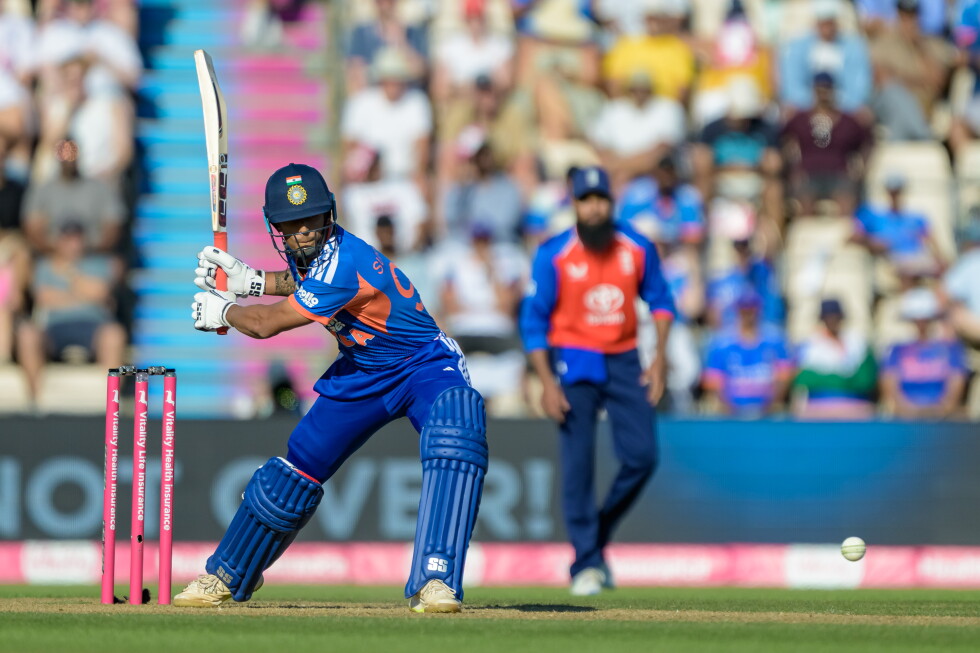
    In a dominant display that upended pre-series expectations, England has delivered a resounding 4-0 whitewash of India in their bilateral T20 series, sending a stark wake-up call to the Indian side as it begins a two-year rebuilding process ahead of the co-hosted 2026 T20 World Cup in Australia and New Zealand.

    The decisive final match at Southampton on Saturday sealed England’s historic win, after India conceded more than 250 runs in a T20 on home soil for the first time in the side’s history. India, a two-time T20 World Cup champion, looked flat and disorganized across every department of the game throughout the five-match series, a performance that laid bare deep structural issues in the newly restructured squad.

    England’s attack was unplayable from the first ball, not only containing India’s much-vaunted IPL star lineup including Abhishek Sharma, Ishan Kishan and new captain Shreyas Iyer, but also shattering the confidence of highly touted 15-year-old prodigy Vaibhav Sooryavanshi. Indian selectors’ decision to fast-track Sooryavanshi’s international debut following a breakout IPL 2025 campaign backfired dramatically. The teenage left-hander, dismissed twice by his Rajasthan Royals teammate Jofra Archer with aggressive short-pitched bowling, managed only a combined 42 runs across three innings, failing to live up to the hype surrounding his call-up.

    India’s poor form is not an isolated slump. Prior to the England tour, the side suffered a shocking 2-0 home series defeat to Ireland, a result that already signaled deep flaws in the squad. Key regulars Jasprit Bumrah and Hardik Pandya missed the series through injury, while 2024 World Cup-winning captain Suryakumar Yadav was dropped from the squad entirely. Star batter Shubman Gill, captain of the IPL’s Gujarat Titans, was also left out of the traveling side, a decision that now looks increasingly questionable as selectors are expected to reconsider his position in future squads ahead of the 2026 World Cup.

    The whitewash has left India with a string of unwanted negative records. This marks the first time the side has dropped six consecutive T20 matches, ended a 16-series unbeaten streak in T20 bilateral cricket, and is the first time India has been swept in any T20 bilateral series against England that featured more than two matches.

    Batting struggles plagued India from the opening game. All three of the side’s opening batters failed to find consistent form across the series, while the middle order lacked any clear identity, with constant reshuffling of batting positions between spots five through eight. Promising young left-hander Tilak Varma, who has piled up runs in spin-friendly Asian conditions, managed only 104 runs across the series, with his only half-century coming in the dead-rubber final game at Southampton.

    In the aftermath of the final defeat at Bristol, India assistant batting coach Ryan ten Doeschate acknowledged that the side needs far more than superficial changes to turn its form around, particularly in foreign conditions. “I guess we have spoken so much about adaptability, but I think it’s got to the point now where you actually have to unpack that suitcase,” he told reporters after the match. “It’s easy to say we need to adapt. We need to assess and adapt. Every coach from under-nine cricket says that about every department of the game. It’s got to a point now where we actually have to really unpack what that means and understand the process that’s needed to be able to make those adaptations, so to speak.”

    ten Doeschate emphasized that India must confront its consistent underperformance in overseas conditions and build a new mentality to adapt to different pitch and weather conditions around the world. “Do we want to be a team that smashes 250 in India and looks great when you hit 80-meter sixes at Eden Gardens? Or do we want to come to places like this and places like Manchester and places like Southampton where things are slightly different?” he said. “And again, thinking further down the line, the MCG and those sort of places, do we want to be the team that actually excels in different conditions and do we have the mentality to make those adjustments? And that’s the mental challenge and that’s what we need the players to be able to take on.”

    Following the clean sweep, England has also climbed to the top spot in the ICC men’s T20 world rankings, capping off a historic series for the side.
  • Zoos closing exhibits in bid to protect their animals

    Zoos closing exhibits in bid to protect their animals

    After the deadly H5 strain of avian influenza was confirmed on Australian territory, zoos and wildlife parks across the country have rolled out sweeping emergency biosecurity measures and temporary operational changes to safeguard their captive animal populations, as the outbreak expands into three states.

    The first confirmed case of H5 bird flu in Australia was recorded on June 20, when an infected migratory seabird was discovered on Western Australia’s south coast. In the weeks since, the virus has spread: five cases have now been confirmed in WA, two in South Australia, and one in New South Wales where an infected giant petrel was found at Hawks Nest. Just this week, South Australian health authorities confirmed the virus reached a native Australian bird species, marking a worrying escalation of the outbreak.

    Unlike many other regions that faced sudden, unplanned outbreaks, Australia benefited from months of advance warning as the virus spread globally over recent years, allowing the nation’s major zoos to prepare contingency plans well before the first local case was detected.

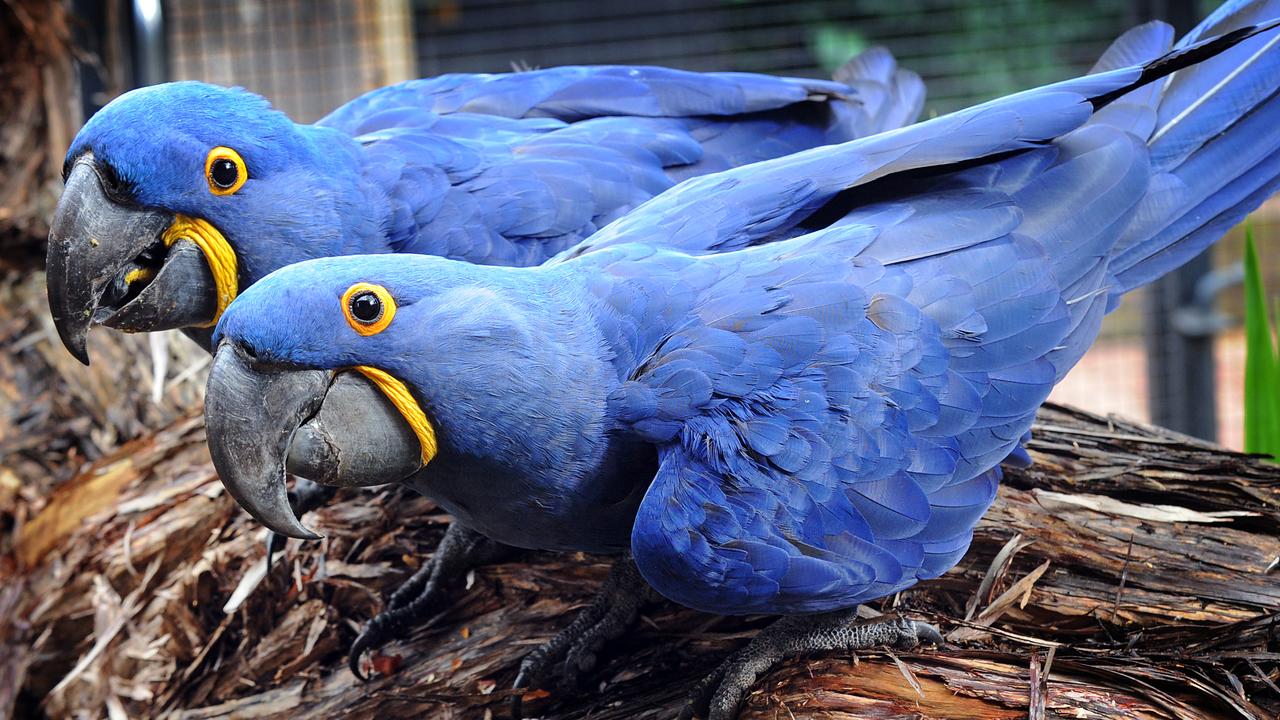
    At Adelaide Zoo, one of the country’s most high-profile wildlife attractions and the only Australian zoo that hosts giant pandas, management has taken the difficult step of temporarily closing multiple key attractions. The zoo’s popular walk-through aviaries are currently shut to visitors, the daily interactive little penguin experience has been suspended, and all free-flight bird shows featuring owls, macaws and other avian species have been called off indefinitely.

    Phil Ainsley, chief executive of Zoos SA, which operates both Adelaide Zoo and the Monarto Safari Park, said that planning for the arrival of H5 bird flu has been underway for years. “Our core priority will always be the health and welfare of the animals under our care,” Ainsley explained. “We have comprehensive, tested response plans in place, and we stand ready to roll out additional biosecurity controls if the situation worsens. We are in constant close coordination with national and state government agencies, and all our actions follow the latest guidance from wildlife disease experts.”

    Over at Perth Zoo, management has implemented a suite of layered precautionary measures designed to cut the risk of transmission between wild birds and captive species, particularly for some of the nation’s most at-risk endemic animals. Extra physical barriers, public hand sanitisation stations, and informational signs have been installed across the site — measures that echo the widespread public health protocols adopted during the COVID-19 pandemic. Enclosure modifications now include covering the habitats of critically endangered species such as western ground parrots, numbats and black cockatoos with protective roofing barriers to prevent contact with wild birds.

    Perth Zoo is also currently evaluating a policy that would require staff and visitors to wear personal protective equipment, including disposable foot coverings, when entering certain high-risk animal enclosures. While walk-through aviaries at the zoo remain open for now, management says full closure remains an active option if the outbreak spreads further. David van Ooran, Perth Zoo’s executive director, noted that the facility drew on years of insight from international zoo colleagues to build its response plan. “The biggest benefit we had was advance awareness of this threat, which let us learn from facilities overseas that have already navigated outbreaks and tailor our own response accordingly,” van Ooran said. “We believe our preparations put us in a strong position to manage this, and we are monitoring the changing situation closely every day.”

    Van Ooran emphasized that the main transmission risk comes from wild birds that are drawn to the zoo’s lush botanical landscapes and water features, noting that the threat is shared across the entire community. “Like most zoos, we have beautiful green spaces and water features that naturally attract wild birds, that’s unavoidable,” he explained. “That said, we have a very detailed biosecurity plan in place, and we are looking at adding specialized sanitation mats at the entrances to our walk-through aviaries. While we have not had to close these exhibits yet, we are prepared to take that step if needed.”

    Despite the new restrictions, van Ooran stressed that the zoo remains fully open to visitors, especially during the current busy school holiday period, and encouraged the public to visit as normal. “Our message to the community is clear: we are very much open for business, and the overall visitor experience will not change in any meaningful way,” he said. “We still encourage people to plan a trip and enjoy the zoo as they normally would.”

    Taronga Zoo, which operates two major wildlife veterinary hospitals in Sydney, has implemented strict new protocols for people seeking care for sick wild birds: the facility now requires the public to call ahead before bringing any birds to the hospital, to reduce the risk of introducing the virus onto zoo grounds. Nationwide, zoos are urging members of the public not to attempt to transport sick or dead wild birds to zoos for veterinary care, to avoid accidental virus transmission.

    Australia’s national health authorities have issued clear public guidance: any person who encounters a sick or dead wild bird is advised not to touch the animal, and to immediately report the sighting to the national Emergency Animal Disease Hotline at 1800 675 888.

  • Israeli settlers held US lawmaker Ro Khanna at gunpoint in occupied West Bank

    Israeli settlers held US lawmaker Ro Khanna at gunpoint in occupied West Bank

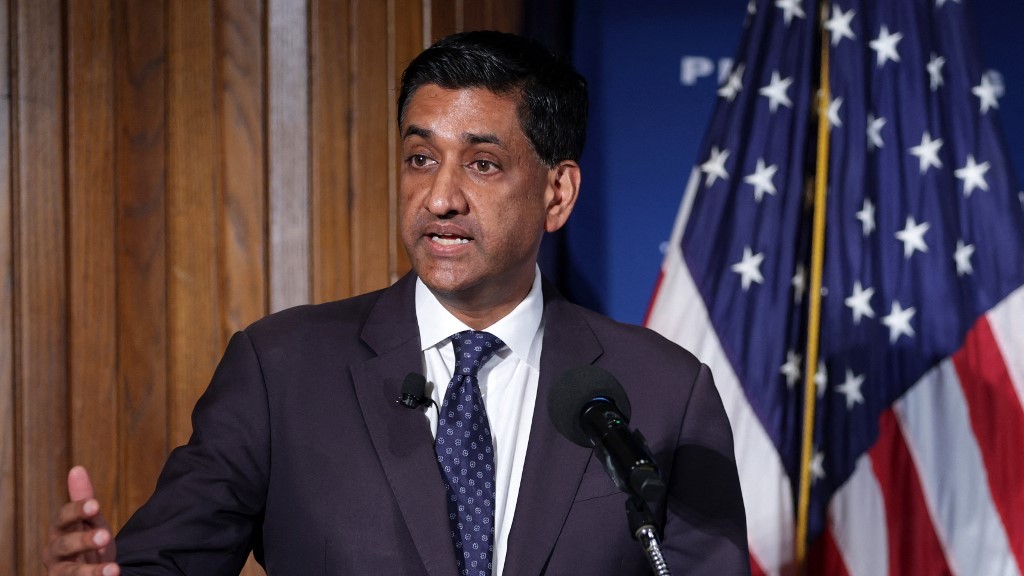
    A high-profile progressive Democratic U.S. Congressman Ro Khanna was held at gunpoint by armed Israeli settlers wielding American-made firearms during a fact-finding visit to a displaced Palestinian community in the occupied West Bank, an incident that has reignited scrutiny of U.S. military support for Israel and shifting partisan attitudes toward the Israeli government.

    Khanna, who represents a California district, shared the details of his detention in a public post on X (formerly Twitter) on Saturday, July 11, 2026. “Israeli settlers, brandishing American made M4s, detained me & other Americans on my trip to Palestine,” he wrote. “When the IDF arrived, they sided with the settlers & continued our detention. They made a huge mistake. You will be hearing more soon.”

    The lawmaker’s visit was centered on Khirbet Zanuta, a small Palestinian Bedouin community that has been systematically displaced by repeated violent attacks from Israeli settlers. According to on-the-ground accounts, settlers have driven out most residents through a campaign of intimidation and property destruction: they have burned the local school, looted private homes, assaulted local people with rifle butts and stones, smashed residential windows and community solar panels, drained local water storage tanks, and dumped raw sewage onto agricultural land that local families depend on for livelihoods.

    Speaking to Reuters after his release, Khanna described the sequence of events: “We were at a village that Israeli settlers had destroyed, they had destroyed the school, they had destroyed that village, and we were just looking at it. And these hoodlums come in with machine guns – M4, an American-made machine gun – and they detain us. They block off the road. And then they call the IDF and the IDF is on their side, not on the side of the Americans.”

    Cameron Kasky, an aide who was part of Khanna’s traveling delegation, confirmed that the group was held for more than an hour. Kasky added that during their detention, the delegation made repeated attempts to contact the U.S. Embassy in Jerusalem to request official assistance. It was ultimately Israeli police, not the Israeli Defense Forces (IDF), that stepped in to secure the group’s release, according to Kasky.

    As of now, there is no public confirmation of whether U.S. Ambassador to Israel Mike Huckabee, a known hardline supporter of Israeli settlement expansion, chose to intervene on the delegation’s behalf or issue any public criticism of the incident. The IDF has issued a muted public response, acknowledging that settlers blocked vehicles near Khirbet Zanuta but claiming its own forces were responsible for de-escalating the confrontation – a claim that contradicts accounts from Khanna and his delegation.

    The incident draws particular attention to the longstanding U.S. military aid package to Israel, which provides $3.8 billion in annual funding for Israeli military equipment – including the M4 rifles that the settlers used to detain the congressional delegation. This connection comes at a time of rapidly shifting public opinion within the U.S. Democratic Party, where support for Israel has fallen sharply amid growing public awareness of Israel’s military campaign in Gaza and its discriminatory apartheid policies in the occupied West Bank.

    Recent polling from Reuters/Ipsos underscores this shift: Israel’s favorability rating among Democratic voters dropped from 59% in 2018 to just 22% by May 2026, reflecting a growing backlash against continued unconditioned U.S. military support for the Israeli government amid widespread allegations of human rights abuses against Palestinian people.

  • How men with female surnames are standing up to ridicule in Kenya

    How men with female surnames are standing up to ridicule in Kenya

    Across Kenya, a centuries-old naming convention is facing a quiet but transformative shift, as a growing number of Kenyan men — particularly from the country’s largest ethnic group, the Kikuyu — are rejecting the tradition of inheriting their father’s first name as a surname to instead claim their mother’s name as their own. This departure from social norm has sparked fierce public debate, drawing both acclaim as a marker of shifting gender dynamics and criticism that frames it as a threat to traditional ideas of masculinity.

    For generations, Kenyan naming customs dictated that children take their father’s given name as their family name, while women who married often adopted their husband’s first name as their own surname. Women who choose to keep their mother’s name rarely face the same level of public scrutiny that men with maternal surnames encounter. Many men who bear their mother’s name report facing ridicule, stigma, and unfair social judgment, even as the practice grows more visible in public life, including among the country’s political and cultural leadership.

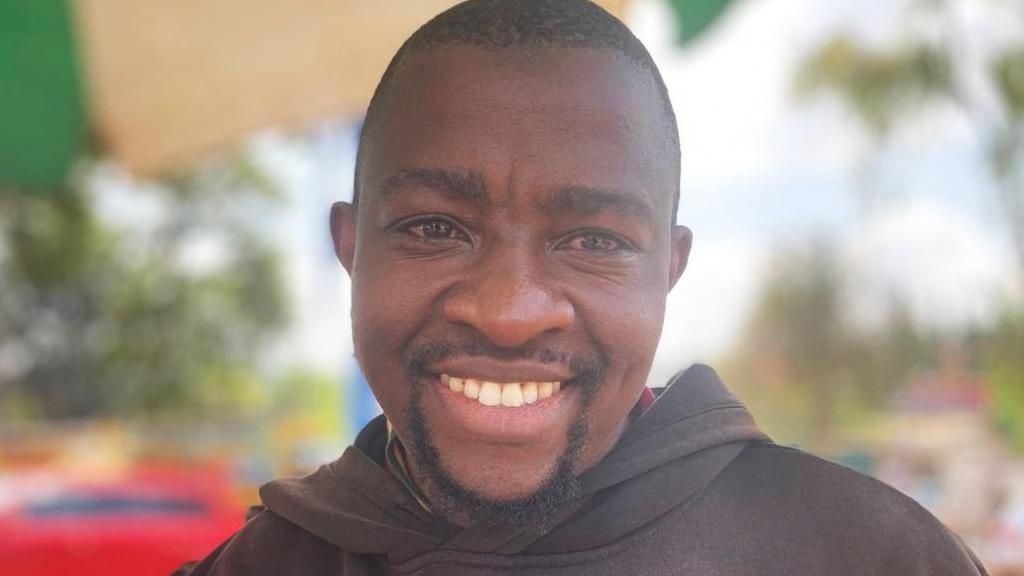
    John Njũgũna Wanjikũ, a Kenyan member of parliament who was raised by a single mother and has carried his mother’s name since birth, goes by the common Kikuyu nickname “Ka-Wanjikũ” — literally translated as “child of Wanjikũ” — after first winning office in 2021. He is one of a growing number of prominent public figures who openly bear maternal surnames, a sight that would have been extremely rare just a few decades ago.

    Veteran Kenyan benga musician Peter Kĩgia was one of the earliest public figures to break the naming norm decades ago, when he adopted his mother’s name for his public identity. Now in his 60s, Kĩgia performs and records under the stage name Kĩgia wa Esther, meaning “Kĩgia, son of Esther”, and even named his record label Wa Esther Productions. “When you take your mother’s name, it means you love and respect her,” he told the BBC. Today, his choice has become a trend in Kenya’s music industry, with dozens of younger male artists following his lead — street posters across the capital Nairobi advertise performers like Waithaka wa Jane and 90K Ka Msoh, all of whom use their mother’s name publicly, even if they retain their paternal surname for formal legal purposes.

    For journalist Simon Macharia Wangũi, the choice to adopt his mother’s name as an official surname was a deliberate, deeply personal decision. Raised mostly by his grandmother after his mother’s death in 2003 when he was just 12 years old, Wangũi had no official surname until he applied for a birth certificate in his final year of high school. With his father absent for almost his entire life — a man he says he has “only heard rumours of his existence” — Wangũi saw no reason to claim a paternal name. “Why give somebody credit where it does not exist?” he asks. Though he acknowledges bearing a maternal surname has brought moments of “identity crisis”, Wangũi says he remains proud of his choice, and notes that success despite social stigma often leads others to view the choice as a mark of resilience.

    Still, the stigma attached to male maternal surnames has taken a toll on many who bear them. Broadcaster Evans Kibe Waceke, who himself carries a maternal surname, explains that common social stereotypes frame children raised by single mothers as inherently “undisciplined” and lacking “certain morals”. The national debate over the practice erupted into public view two years ago, after prominent motivational speaker Robert Burale claimed that adopting a mother’s surname undermined men’s masculinity. His comments prompted TV personality Fred Mũitĩrĩri to go public with his own experience, revealing that he ultimately chose to drop his maternal surname and use only his first names due to years of bullying and shame. “Do you know how embarrassing it is for a boy to be called out, in a room full of kids, [with] a girl’s name?” he wrote on Facebook, adding that the constant harassment contributed to depression when he was 23 years old.

    Cultural experts point to shifting social realities as the core driver behind the growing popularity of maternal surnames. Young Kikuyu cultural commentator Wairimũ Mũkũrũ, who has a large following on social media, notes that the trend has grown alongside a sharp increase in single-mother households across the country. Traditionally, even children born to unmarried mothers would be given a surname from a male relative — most commonly the mother’s eldest brother, who would step into a paternal role. But Mũkũrũ explains that male relatives often refuse to share their surname, because granting a child the name also gives them legal rights to inherit family property.

    Mũgwe wa Njũhĩ, an official with the Kikuyu cultural organization Kiama Kĩa Ma, confirms this dynamic, saying male relatives often avoid granting their names to children of single mothers to prevent future inheritance disputes. But he also pushes back against criticism of maternal surnames, pointing to Kikuyu cultural origins that are rooted in matrilineal lineage. According to Kikuyu myth, the community traces its origins to the 10 daughters of Gikũyũ and Mũmbi, the founding couple of the Kikuyu people. Kikuyu clans are even named after these 10 daughters, meaning the community has long aligned itself with female lineage. “I am Mũmbũi by clan [derived from Wambũi, one of the daughters]. We have always aligned ourselves with women, from the very beginning,” he says. Veteran musician Kĩgia wa Esther adds that critics from outside the Kikuyu community often misunderstand the cultural context of the practice.

    University of Nairobi lecturer George Gathigi, an expert on Kikuyu social issues, explains that informal identification by mother’s name is not a new practice — it was once common in large polygamous families, where children from different mothers would be identified by their mother’s name to avoid confusion, since Kikuyu culture traditionally draws from a small pool of family first names. Even the iconic late Kenyan author Ngũgĩ wa Thiong’o, whose father had four wives, wrote in his memoir that he was known informally as Ngũgĩ wa Wanjikũ — after his mother — during his childhood. What is new, Gathigi says, is the formal adoption of maternal surnames as legal identities.

    Gathigi argues that the formalization of this trend reflects the growing economic and social power of Kenyan women, especially in households where fathers have abandoned their parental responsibilities. As women increasingly take on roles that were traditionally reserved for men, stepping into both parental roles in single-parent households, children are choosing to honor that contribution by claiming their mother’s name. Still, not all observers frame the shift as positive: Gathigi himself says he sees the normalization of maternal surnames as a “bad thing” that reflects the breakdown of traditional family structures, a sentiment shared by critics across the country. Conservative voices have gone as far as calling the practice “a yoke around men’s necks” and an effort to “womanise the Kikuyu man and make him weak”.

    Despite the ongoing backlash and social stigma, men who have chosen to claim their mother’s name say the choice brings a sense of meaning and identity that outweighs the criticism. For many, it is not just an act of personal honoring, but a quiet re-shaping of centuries-old culture to fit the changing realities of modern Kenyan life.

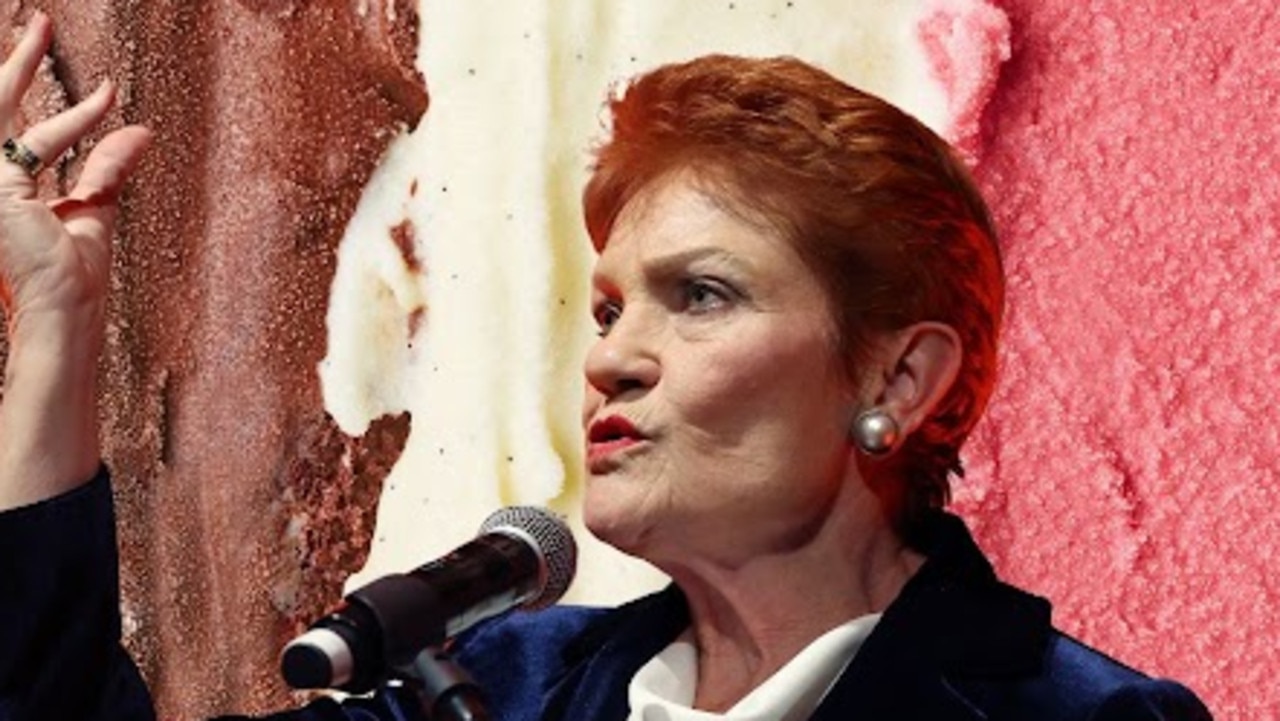
  • Labor MP likens Pauline Hanson, One Nation to ‘vanilla’ ice cream over monoculturalism stoush

    Labor MP likens Pauline Hanson, One Nation to ‘vanilla’ ice cream over monoculturalism stoush

    A fiery debate over national identity and multiculturalism has erupted across Australia’s political right, sparked by One Nation leader Pauline Hanson’s explosive call for an Australian “monoculture” during her debut address to the National Press Club. The controversial remark has left right-of-center parties scrambling to clarify their positions, with senior Labor minister Jason Clare drawing a playful but cutting comparison between competing right-wing groups and Neapolitan ice cream to call out their ideological ambiguity.

    In a weekend interview with Sky News, Education Minister Jason Clare — whose own spouse is Vietnamese-Australian and has long been a vocal supporter of Australia’s migration-driven diversity — slammed Hanson’s monoculture proposal as absurd. He argued that the three major right-wing political forces: the Liberal Party, the National Party, and One Nation, are all scrambling to appeal to the same conservative voter base, much like different flavors of Neapolitan ice cream ultimately all trying to pass as plain vanilla.

    “The Liberal Party has a proud record of supporting multiculturalism that it ought to stand by, but it can’t even bring itself to say the word ‘multiculturalism’ anymore,” Clare said. “That reeks of pure desperation.” When pressed by reporters whether his vanilla analogy was a coded reference to a preference for a white-only Australia, Clare walked back the interpretation, clarifying that his comparison instead referenced the overlapping policy agendas of the three right-wing parties, specifically their shared support for loosening employment protections and suppressing wage growth. Clare went on to frame Australia’s cultural diversity as a national strength, using his own fruit salad analogy to explain the value of multiculturalism to primary school students: “We all love individual fruits, but they are far better together than apart.”

    Hanson’s monoculture remark has forced every corner of the conservative movement to take a public stance, creating awkward rifts across the right. Most Liberal MPs, who represent many electorates with large migrant populations, have pushed back against Hanson’s proposal while echoing calls for stricter character-based migration checks, a policy push that has gained renewed traction in the wake of the recent Bondi Beach terror attack. Liberal leader Angus Taylor, who had previously signaled he was open to electoral cooperation with One Nation, doubled down on his criticism earlier this week, warning that a One Nation election win would bring “an eternity of pain” to Australian politics.

    The confusion came to a head when Clare referenced Barnaby Joyce, the high-profile National Party MP for New England, in his press conference. Clare initially stated that journalists should ask Joyce himself to clarify the meaning of the analogy, and later noted that he considered Joyce “a good man who believes in multiculturalism.” But Joyce quickly pushed back on that characterization in subsequent remarks, saying bluntly: “I don’t believe in multiculturalism.”

    Joyce argued instead for a unifying national Australian culture that all residents must adhere to, with clear “guardrails” to protect the shared freedoms of all Australians, regardless of their ethnic heritage. “The issue isn’t where your family comes from — it’s whether you abide by the shared rules that protect all of our liberties when you live here,” he explained. He also went on to criticize literalist and fundamentalist interpretations of both the Koran and the Bible, and argued that existing migration character checks have failed, pointing to the two men linked to the Bondi Beach attack: one who arrived in Australia during the Howard government era, and another who was born in the country.

    Shortly after Joyce’s remarks, Liberal MP Dan Tehan stepped in to clarify his party’s position, saying the Coalition supports “multiculturalism, but with Australian values at its core.” Tehan, who represents an electorate with a large East Timorese community, noted that migrant Australians can embrace Australian values while retaining their own cultural traditions, a balance the Coalition wants to preserve. He blamed the Labor government for failing to prioritize embedding Australian values within Australia’s multicultural framework.

    One Nation representatives have still struggled to offer a clear, consistent definition of the “monoculture” that Hanson called for, leaving the controversy unresolved and continuing to pressure conservative parties to lock in their positions on national identity and migration ahead of future electoral contests.

  • ‘Ted Lasso’ stars bring World Cup fever to Kansas City as Argentina faces Switzerland

    ‘Ted Lasso’ stars bring World Cup fever to Kansas City as Argentina faces Switzerland

    KANSAS CITY, Mo. — When global soccer icon Lionel Messi and defending World Cup champion Argentina took the field at Kansas City’s Arrowhead Stadium to fight for a semifinal spot against underdog Switzerland in a Women’s World Cup quarterfinal, there was no bigger celebrity spectator than the character who turned American soccer into a global pop culture phenomenon: Ted Lasso.

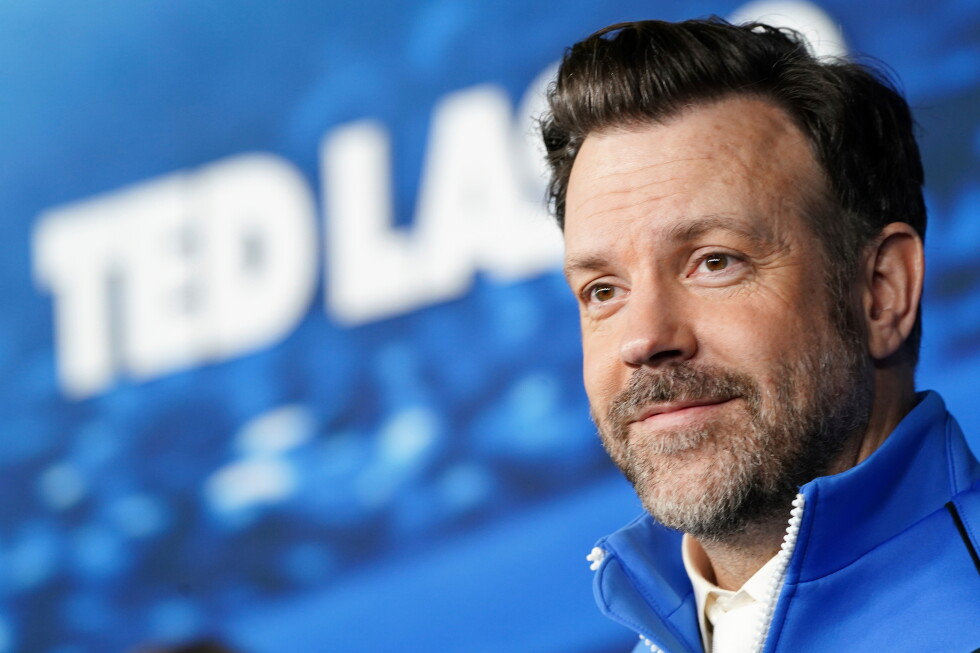
    The beloved fictional head coach of AFC Richmond may exist only on Apple TV+, but actor Jason Sudeikis — the Overland Park, Kansas native who brings Lasso to life — turned the historic match into a massive public watch party Saturday night at CPKC Stadium, located just minutes from downtown Kansas City. The event comes just weeks ahead of the hotly anticipated August 5 premiere of *Ted Lasso*’s fourth season, which has been on hiatus since the third season wrapped on May 31, 2023.

    Sudeikis, who has retained deep ties to his Kansas City hometown even after his rise to Hollywood fame, says working on the hit soccer-centered comedy-drama has only deepened his lifelong appreciation for the sport. “As much as we loved football before we got started on the show, I’ve grown to love it even more as we’ve gotten more immersed in global soccer culture,” Sudeikis explained to attendees Saturday.

    For the upcoming fourth season, the production made a deliberate choice to film much of the new content across the Kansas City metro area. That includes on-location shoots at CPKC Stadium, the purpose-built home of National Women’s Soccer League side Kansas City Current. The venue made an ideal spot for the thousands-strong watch party, as the new season of *Ted Lasso* centers its main plotline on the launch of AFC Richmond’s new professional women’s team — a plot thread that was first teased by Juno Temple’s character, publicist Keeley Jones, in the final moments of season 3, when the show’s renewal for a fourth run was still uncertain.

    Temple, who attended Saturday’s event wearing a teal Kansas City Current jersey, called the timing of the World Cup and the new season’s premiere a perfect alignment to shine a spotlight on women’s soccer. “It feels like a perfect moment to be talking about women’s football, and representing it — not that I play, obviously,” Temple said. “So that’s first and foremost. I hope that’s something people really treasure. And I also hope people enjoy the journey each of the characters are going on.”

    Beyond the show’s upcoming plot, the *Ted Lasso* cast says the series has quietly helped grow interest in soccer among American audiences over the course of its run. Brendan Hunt, who serves as both a writer for the show and portrays the quiet, beloved Coach Beard, notes that attitudes toward soccer in the U.S. have shifted dramatically since the country last hosted the World Cup in 1994.

    “I’ve certainly heard from a lot of people that didn’t care about soccer at all until they started to watch *Ted Lasso*,” Hunt said. Comparing the 1994 tournament to the current event, Hunt added: “As opposed to 1994 when we had the World Cup and people knew even less about soccer, including me, people were ready for it. Yes, the world has come with this great energy, but we were more ready to be aware of their presence, and reciprocate energy. And we’re not as far behind as far as the sport’s popularity as it’s made out to be, and this World Cup is showing it.”

    As for the happy coincidence of a World Cup quarterfinal featuring Argentina landing in Kansas City just weeks before *Ted Lasso*’s new season drops? Hunt laughed off the coincidence, hinting that the alignment may have been more intentional than it seems. “Luck of the draw,” he said with a wry smile. “The actual show about to come out after the World Cup? I think someone manipulated that. Might have been a corporate choice.”

  • Iran’s supreme leader vows killers of father ‘will be held accountable’

    Iran’s supreme leader vows killers of father ‘will be held accountable’

    Rising geopolitical tensions in the Middle East have taken a sharp turn after Iran’s newly installed Supreme Leader Mojtaba Khamenei publicly pledged retribution for the death of his father and predecessor, Ali Khamenei, who was killed in a joint US-Israeli airstrike on February 28. In a formal written statement released to Iranian media via the supreme leader’s official Telegram channel Saturday, Mojtaba Khamenei framed vengeance for his father’s killing as an unnegotiable national mandate, stating that freedom-aligned people across the globe would soon begin executing key parts of the revenge campaign.

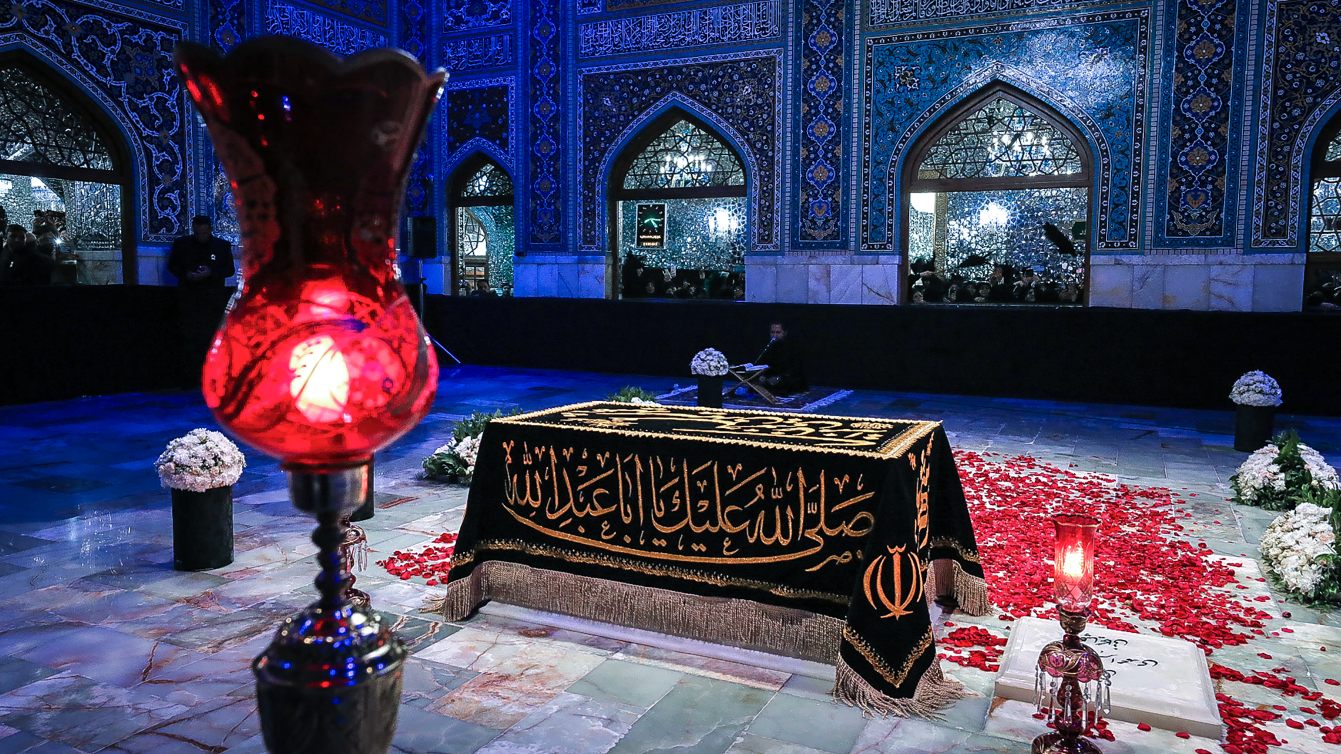
    The pledge comes one day after state-led funeral commemorations for the former supreme leader concluded, wrapping up a week of cross-national memorial events held across Iran and neighboring Iraq. Ali Khamenei was laid to rest Friday at the Imam Reza shrine in the northeastern Iranian city of Mashhad, one of the holiest pilgrimage sites in global Shia Islam. The funeral procession first launched a week prior in the Iranian capital Tehran and the holy city of Qom, before commemorations extended to major Iraqi Shia centers Najaf and Karbala.

    In his statement, the new supreme leader expanded his vow of revenge beyond his father’s killing, promising to hold responsible parties accountable for the deaths of a martyred commander and all Iranians killed in the two most recent regional conflicts. He emphasized that the campaign of accountability is not contingent on his personal participation or the presence of other senior Iranian officials, stressing that retribution is unavoidable and that Iranian sympathizers across the world would contribute to fulfilling the mission. “The killers of the late leader should know that they will be held accountable for their crimes,” Mojtaba Khamenei said.

    Since taking office after his father’s assassination, the new supreme leader has not made any public appearances. Multiple unconfirmed reports indicate he was wounded in the same airstrike that killed Ali Khamenei. In a report citing senior anonymous sources based in Tehran, global news agency Reuters confirmed that Mojtaba Khamenei is currently recovering from his injuries, but has not regained enough strength to appear before the public. The report added that Iranian security officials have also intentionally restricted his public exposure, amid ongoing credible threats of follow-up targeted attacks against the country’s new leadership.

    The latest statement from Tehran comes at a moment of already extreme friction between the United States and Iran, with a recently agreed temporary ceasefire outlined in last month’s memorandum of understanding rapidly falling apart. Iranian officials confirmed that US airstrikes carried out across six Iranian cities earlier this week killed 17 people and wounded 115 more. On Friday, one day before Mojtaba Khamenei’s statement, the US Treasury Department announced a new round of harsh economic sanctions targeting a key financial backer of the new Iranian supreme leader, alongside 13 additional individuals and entities with ties to the Iranian government.

    Iranian Foreign Minister Abbas Araghchi issued a sharp rebuke of the US actions, accusing Washington of deliberately violating the terms of the interim ceasefire agreement. Araghchi argued that the recent airstrikes and new sanctions prove the United States has abandoned its previously established diplomatic commitments, further eroding trust between the two long-adversarial nations.

  • Noskova’s glimpse of Wimbledon trophy inspired title glory

    Noskova’s glimpse of Wimbledon trophy inspired title glory

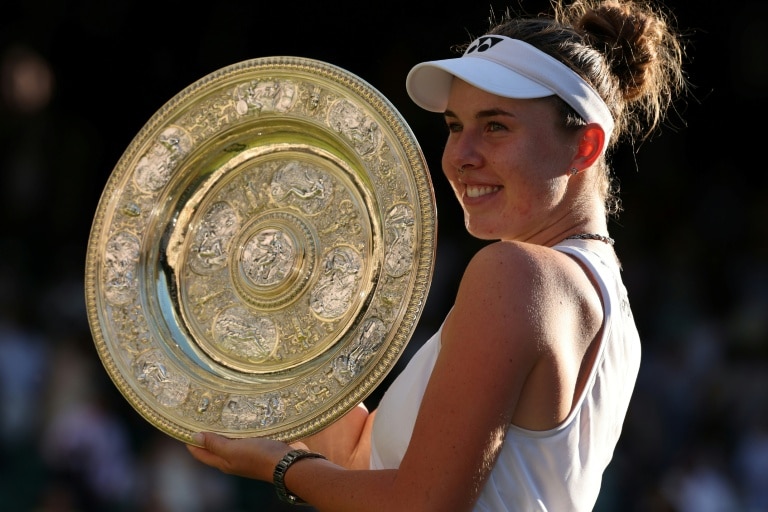
    On a dramatic Centre Court Saturday at Wimbledon, 21-year-old Czech rising star Linda Noskova pulled off one of the most memorable comebacks in recent women’s singles history, clinching her first ever Grand Slam title with a 6-2, 5-7, 6-3 victory over compatriot and close friend Karolina Muchova. What made the win even more extraordinary was the unlikely moment of motivation that reignited her fighting spirit: a passing glimpse of the iconic Venus Rosewater Dish during a mid-match bathroom break.

    Noskova’s path to the trophy looked all but guaranteed in the second set, when she held a commanding 5-2 lead and held five match points to close out the win without a decider. But a chaotic collapse saw her squander every chance, allowing Muchova to claw back and level the match at one set apiece. Crushed by frustration, the ninth seed buried her face in a towel to wipe away tears before trundling off court to the locker room, desperate to reset her mind and body for the final set.

    It was on that walk through the Centre Court corridors that Noskova’s perspective shifted. Glancing into a display cabinet, she saw the gleaming championship trophy sitting beside the smaller runners-up shield. The stark visual of what she stood to lose jolted her out of her slump. After splashing cold water on her face in the bathroom, she resolved to leave everything on the court rather than settle for second place.

    “I was just telling myself that the match is starting over,” Noskova told reporters after the match. “But what really helped me, the first step I took off court, the trophies were there. I was like, ‘I’m not going to take the small one, I’m taking the big one. I have been so close. This will probably be the heartbreak of my life. If I’m going to leave my soul on court in the third set, whatever that be.’”

    That renewed focus paid off immediately. Staring down three break points in the opening game of the decider, Noskova held serve before landing a critical break of Muchova’s serve to seize control of the set. When her next match point arrived, she did not falter, closing out the win and collapsing to the grass in a mix of joy and disbelief.

    Noskova’s win makes her the youngest women’s singles Wimbledon champion since another Czech great, Petra Kvitova, lifted the trophy in 2011. Fittingly, two-time champion Kvitova – who Noskova idolized as a young player – was watching on from the royal box, and personally congratulated the new champion in the Centre Court lounge after the match. Her victory also extends Czech Republic’s stunning recent streak at Wimbledon, following Marketa Vondrousova’s 2023 win and Barbora Krejcikova’s 2024 title.

    Off the court, the moment carried deep personal meaning for Noskova, who lost her mother Ivana to cancer two years ago. Unable to hold back tears during her post-match speech, she paid tribute to her late mother, blowing a kiss to the sky after lifting the silverware. “Having shown her heart and desire in spades, Noskova had done her mother proud,” the original report noted.

    Reflecting on the rollercoaster nature of her win, Noskova acknowledged that the pressure of her first Grand Slam final had gotten to her in the second set, leaving her hands frozen and her feet slower than usual. “A final is a final. No matter what you do, there’s always the pressure. You always want to keep your cool, be okay, be like nothing is happening. But deep inside of you you know it’s very important,” she said. “Just winning it this way, really having to fight for it, having all these ups and downs, it matters a lot, but I do have to learn a lot from this match, definitely.”

    For the self-described down-to-earth 21-year-old, the dramatic Wimbledon triumph opens a new chapter in her young career, leaving her with the tennis world at her feet. The match also echoes one of Wimbledon’s most iconic moments of Czech tennis history: Jana Novotna’s 1993 final collapse against Steffi Graf, which saw the Czech cry on the Duchess of Kent’s shoulder before eventually claiming her own title five years later in 1998.

  • Bellingham scores twice to lift England past Haaland and Norway 2-1 and into World Cup semifinals

    Bellingham scores twice to lift England past Haaland and Norway 2-1 and into World Cup semifinals

    MIAMI GARDENS, Florida — The humid 92-degree heat of South Florida could not stop Jude Bellingham from writing a new chapter of World Cup history on Saturday. The 21-year-old Real Madrid midfield star delivered two clutch goals to lift England to a dramatic 2-1 quarterfinal victory over Norway, booking the Three Lions a spot in the tournament’s final four for the first time since 2018.

    The match opened with a brief moment of silence to honor 25-year-old South African midfielder Jayden Adams, whose passing was announced earlier the same day, before play got underway. It did not take long for the underdog Norwegian side to shock the heavily favored English squad. Andreas Schjelderup, making just his second start of the tournament, stunned England, which had dominated possession to that point, in the 36th minute when his shot ricocheted off the right post and rolled into the net. The young winger, who set up both of Erling Haaland’s goals in Norway’s round-of-16 upset win over Brazil, celebrated as his teammates lifted him onto their shoulders, while England’s Harry Kane lingered near midfield, appealing for an uncalled foul.

    Schjelderup’s opening strike put Norway ahead going into halftime, but Bellingham responded with a close-range equalizer before the break that drew a deafening roar from the packed stadium, which included celebrity spectators Mick Jagger and England legend David Beckham. There was minor controversy around the equalizer: moments before Bellingham received the ball, a Norway goal kick appeared to glance off an overhead aerial camera cable before falling to England midfielder Elliot Anderson. Under FIFA rules, a ball striking the cable requires a stoppage of play and a drop ball restart, but tournament officials later confirmed that in-game sensors installed in the match ball confirmed no contact took place, allowing the goal to stand.

    Norway came close to doubling their lead in the 56th minute, when Torbjørn Heggem put a rebound past England goalkeeper Jordan Pickford after a corner. However, a VAR review ruled the goal out due to a foul by Haaland in the penalty area. It was one of multiple missed chances for the Manchester City star, who entered the match as the tournament’s joint-top scorer. Haaland was denied a goal by a point-blank save from Pickford in the first half, and was held scoreless for the first time throughout the entire World Cup. Fatigue and a dead leg picked up in the second half forced Haaland off the bench in the second period of extra time, and the star striker sat slumped on the substitution bench, clearly dejected after the premature end to his match. Norwegian head coach Ståle Solbakken defended the choice to substitute his star, noting “He was finished. Maybe I should have taken him out 10 minutes before. … He did everything he could.”

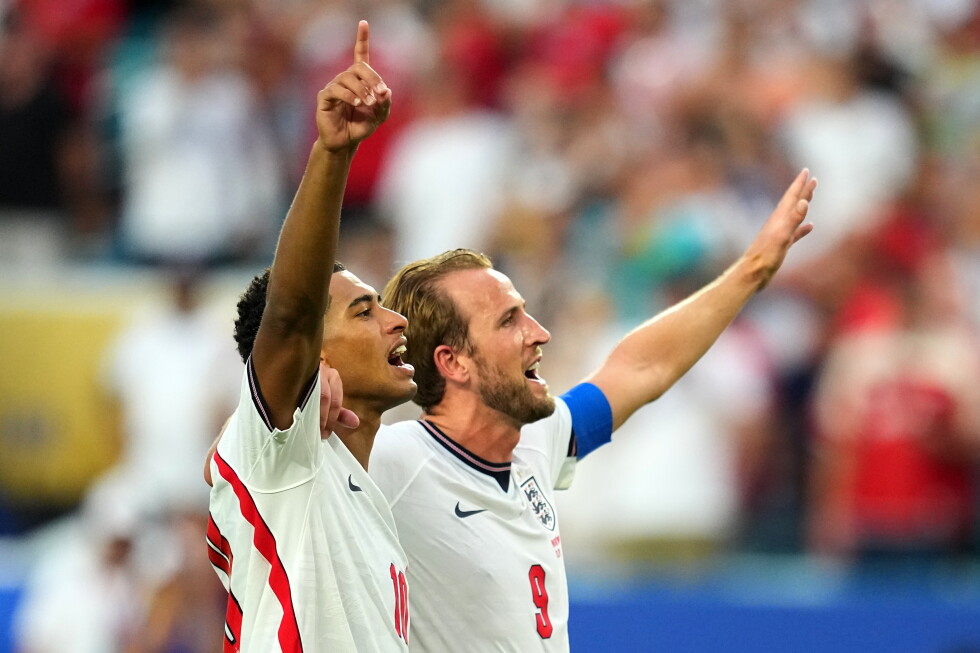
    With the match tied at 1-1 after 90 minutes, Bellingham struck again in the third minute of extra time, slotting home the go-ahead goal that would seal the win for England. When the final whistle blew, Bellingham locked arms with Kane as the thousands of England fans in attendance sang The Beatles’ iconic “Hey Jude” in tribute to the match-winner.

    With the win, England, the 1966 World Cup champions who have carried relentless pressure to return to the tournament final this year, advance to the semifinal round where they will face Argentina. Bellingham now sits level with Kane on six tournament goals, just two goals behind shared leaders Kylian Mbappé of France and Lionel Messi of Argentina, and one behind Haaland. This is Bellingham’s second consecutive two-goal performance, after he netted twice to guide England past co-host Mexico in the round of 16.

    In the aftermath of the win, the England camp saw a public disagreement between head coach Thomas Tuchel and Bellingham over the team’s performance. Tuchel opened his post-match interview with Fox Sports by acknowledging the quality of reaching the final four, but made clear his dissatisfaction: “We made life very, very difficult for ourselves today. The result is fantastic… but I’m not happy with the performance in every sense.” He later clarified in his official press conference that he was proud of the squad’s ability to battle through adversity, but stood by his critique, adding “I think we can play faster. I think we can play more clinical.”

    Bellingham pushed back on the assessment, pointing to the grueling conditions that shaped the match. “Well, whatever,” he said, shaking his head. “It’s difficult out there. It’s a tough shift. My thoughts and appreciation goes to the players out there who put in a great shift.” He also highlighted the mental resilience that carried England through the test: “For me, the biggest one is psychological and how you can manage setbacks, how you can manage adversity. This team showed yet again that they can do it and that’s a really valuable skill and trait to have.”

    For Norway, the defeat brings an end to a breakout World Cup run that captured global attention, marked by the team’s viral “Viking row” celebration and the magnetic charisma of Haaland. This is the first time the Nordic nation has ever reached the World Cup quarterfinals, marking a historic milestone for the program even as their run ends one step short of the final four.

  • How a viral seal called Neil caused mayhem in Australia

    How a viral seal called Neil caused mayhem in Australia

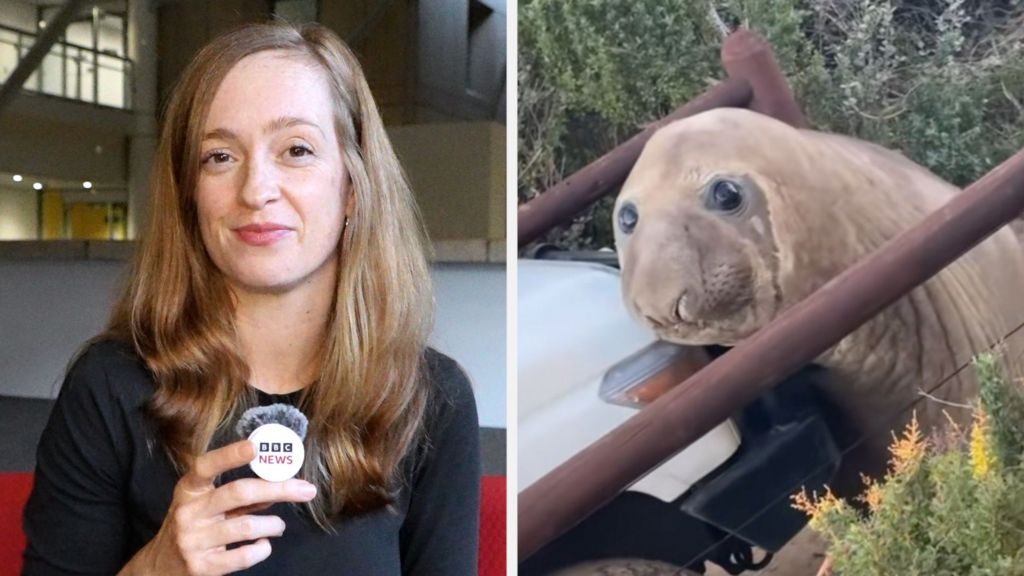
    A five-year-old male elephant seal, now known globally by the name Neil, has become an unexpected viral internet sensation after bringing widespread disruption to a small community on the coast of southern Tasmania, Australia. What began as a routine resting stop for the young marine mammal, who came ashore to molt and recover from months at sea, quickly turned into a major local incident as crowds of curious onlookers flocked to see the 1,000-kilogram animal.

    Local authorities were forced to close popular coastal roads and cordon off multiple residential and recreational areas to prevent risky interactions between humans and the seal, a protected species in Australia. The closure disrupted daily commutes, local business operations, and planned community events for several days as Neil remained on land. Despite the disruption, Neil quickly won over social media users around the world, with viral photos and videos racking up millions of views and turning the seal into a global household name.

    Wildlife experts explained that young elephant seals regularly come ashore to rest, a natural behavior that is critical for their health and survival. They urged the public to maintain a safe distance of at least 50 meters to avoid stressing the animal, which can become aggressive if it feels threatened. After nearly two weeks of resting on Tasmania’s southern coast, Neil eventually returned to the open ocean, leaving behind a trail of viral content and a community that had adapted to its unexpected famous visitor.