博客

  • People flee as Russian strike hits near Ukraine coffee shop

    People flee as Russian strike hits near Ukraine coffee shop

    In northeastern Ukraine, a sudden Russian strike near a local coffee shop sent civilians scrambling for safety on Wednesday, with three separate surveillance cameras capturing the chaotic sequence of events that unfolded in the city of Sumy. The footage, which has been verified by local emergency officials, shows members of the public going about their daily routines near the commercial establishment before a loud blast triggered immediate panic. In a matter of seconds, civilians can be seen ducking for cover to shield themselves from flying shrapnel and debris, then sprinting toward nearby buildings and underground shelters to escape potential follow-on attacks.

    Sumy, a city that sits just 50 kilometers from the Ukrainian-Russian border, has faced repeated artillery and missile strikes since Russia launched its full-scale invasion of Ukraine in February 2022. Local authorities confirmed that the strike hit an open area approximately 200 meters from the coffee shop, which was located in a densely populated residential neighborhood that was busy with civilians at the time of the attack. No immediate fatalities were reported, though emergency services noted that two civilians suffered minor injuries from flying glass and were treated on site by paramedics.

    The recorded incident offers another stark example of the constant threat facing civilian populations in border regions of Ukraine, even as fighting remains concentrated in the eastern and southern parts of the country. Ukrainian officials have repeatedly warned that Russian forces continue to target infrastructure and civilian areas in northern and northeastern Ukraine to keep residents off-balance and divert military resources from frontline operations. Local authorities in Sumy have urged residents to remain vigilant and heed all air raid alerts, noting that strikes can occur with little to no warning in the area.

  • Ukrainian prime minister to step down as Zelenskyy announces government reshuffle

    Ukrainian prime minister to step down as Zelenskyy announces government reshuffle

    On Sunday, Ukraine saw two interconnected developments reshaping the ongoing Russia-Ukraine conflict: a high-profile government leadership change and a new wave of cross-border drone attacks targeting Russian energy infrastructure, sending regional tensions soaring.

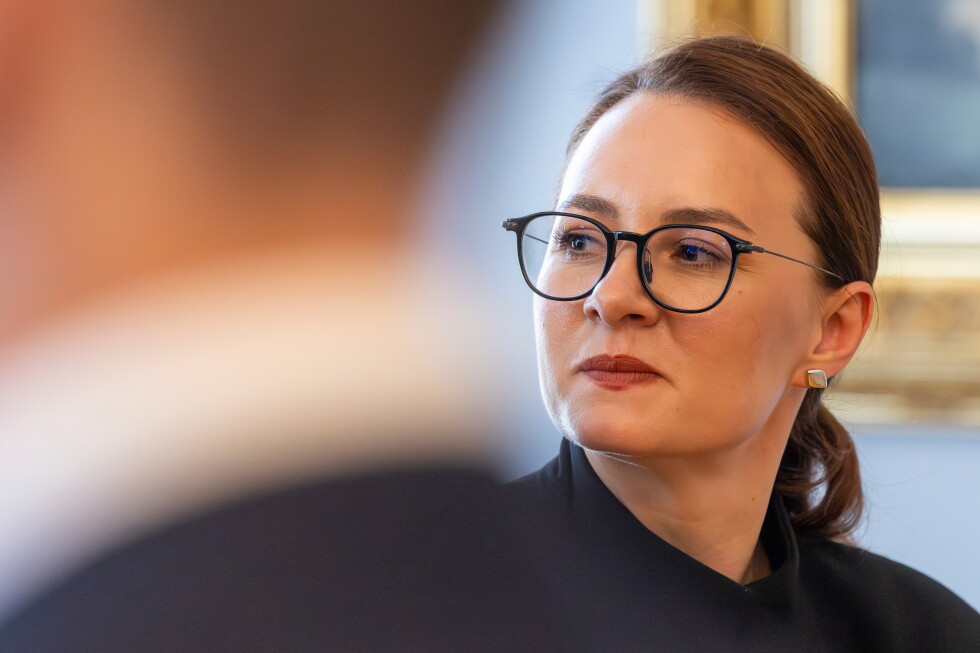
    In a social media statement confirming her departure, outgoing Prime Minister Yulia Svyrydenko confirmed she had stepped down as part of a broader government overhaul announced by President Volodymyr Zelenskyy. The 39-year-old, who previously served as Ukraine’s economy minister, was only appointed to the prime minister post in July 2025, after she led high-stakes negotiations that secured a landmark minerals deal between Kyiv and Washington — an agreement widely viewed as a critical step to anchor long-term U.S. economic and security interests in Ukraine amid the ongoing war.

    Reflecting on her tenure, Svyrydenko noted she was proud to have led the country’s executive branch through one of the most challenging chapters in modern Ukrainian history. While she confirmed discussions about her next role with Zelenskyy, she offered no additional details on the specifics of the reshuffle. She emphasized her continued commitment to public service, stating she stands ready to take on any task that strengthens Ukraine’s global position, defends its national sovereignty, and accelerates the arrival of a just and lasting peace. The president confirmed he has offered Svyrydenko a new senior role leading a high-priority initiative focused on relations with a key international partner, as part of Kyiv’s broader shift in political strategy.

    Zelenskyy framed the upcoming reshuffle as a targeted restructuring to align leadership with Ukraine’s current war-time priorities. Under the new structure, every core area of foreign policy will be assigned to a dedicated leader with proven, substantial experience, who can deliver on agreements reached at the head-of-state level and meet the expectations of the Ukrainian public. The president also added that changes are planned for top leadership within Ukraine’s law enforcement agencies, alongside the cabinet-level reshuffle.

    Parallel to the political shakeup in Kyiv, Ukrainian forces continued their campaign of long-range strikes targeting Russian energy infrastructure on Sunday. In Russia’s Samara Oblast, located roughly 500 miles east of the Ukraine-Russia border, a Ukrainian strike left one person dead and three injured — including one child — according to regional governor Vyacheslav Fedorishchev. Fedorishchev confirmed the strike damaged multiple residential properties and an industrial site, and independent Russian media reports identified the Syzran Oil Refinery, a facility owned by Russian energy giant Rosneft, as the primary target. Images circulating on social media showed thick plumes of black smoke billowing from the refinery complex, which has been repeatedly targeted by Ukrainian forces in recent months.

    In a separate attack, Russian regional officials confirmed a drone strike damaged an empty oil tanker transiting the Azov-Black Sea maritime canal in Rostov Oblast. Local governor Yuri Slyusar noted there is no immediate risk of an oil spill from the damaged vessel.

    These latest strikes follow a steady string of Ukrainian attacks on Russian oil infrastructure that have already triggered widespread fuel shortages across multiple Russian regions, with authorities implementing gasoline rationing and motorists facing hours-long waits to refuel. In response, Moscow has ramped up its own missile bombardment of Ukrainian population centers and critical infrastructure, underscoring Ukraine’s ongoing vulnerability to large-scale ballistic missile attacks.

    Zelenskyy has publicly characterized Ukraine’s strikes on Russian energy sites as a campaign of “long-range sanctions”, a deliberate response to Russia’s ongoing full-scale invasion, which entered its fourth year in 2025. On Sunday, Russia’s Ministry of Defense announced it had carried out its own strikes on the southern Ukrainian port cities of Odesa and Chornomorsk, located in Odesa Oblast. As of Sunday evening, Ukrainian officials had not yet issued a public response to Russia’s claims of the strikes.

  • Volkswagen CEO looks to avoid plant closures as automaker moves to cut costs

    Volkswagen CEO looks to avoid plant closures as automaker moves to cut costs

    BERLIN – As one of the world’s largest automakers works to reverse slipping operational and financial performance, Volkswagen Group CEO Oliver Blume has firmly signaled that plant shutdowns are not on the table as part of the company’s ongoing restructuring efforts. In comments published Sunday by German newspaper Bild am Sonntag, Blume emphasized that more strategic alternatives exist compared to shuttering domestic facilities, amid growing market pressure and internal cost-reduction targets. Headquartered in Wolfsburg, Germany, Volkswagen currently navigates two major headwinds: mounting internal pressure to slash operational costs at its home base in Germany, and rapidly intensifying competition from local and global rivals in the high-value Chinese electric and internal combustion vehicle market. Just last week, the automaker announced that its three-year long “fundamental realignment” initiative has entered its next critical phase, revealing plans to cut its global model lineup by as much as 50 percent to streamline production and reduce overhead. The company did not release detailed breakdowns of which models would be cut, or what additional cost-cutting measures would be implemented, leaving industry analysts and stakeholders guessing about the future of several of Volkswagen’s German production facilities. “There are more intelligent solutions than closing plants,” Blume told the outlet. The CEO added that ongoing cost-reduction programs at Volkswagen’s German factories have already started delivering tangible results, noting that “we were able to improve our factory costs in Germany by an average 20% last year alone.” Blume characterized that 20 percent reduction as “strong progress” for the company’s restructuring goals. Blume also acknowledged that while consumer demand for Volkswagen’s broad portfolio of vehicles remains robust, the company’s profit margins on those products are far lower than leadership targets. “Volkswagen’s products are very popular, but we just earn too little money with them,” he explained. “So we must continue to reduce our costs. In all kinds of costs.” The comments come as global automakers across the industry face shifting consumer demand, rising raw material costs, and steep investment requirements for the transition to electric vehicles, forcing many legacy manufacturers to implement broad restructuring efforts to remain competitive.

  • Senegal sack manager Thiaw in wake of World Cup exit

    Senegal sack manager Thiaw in wake of World Cup exit

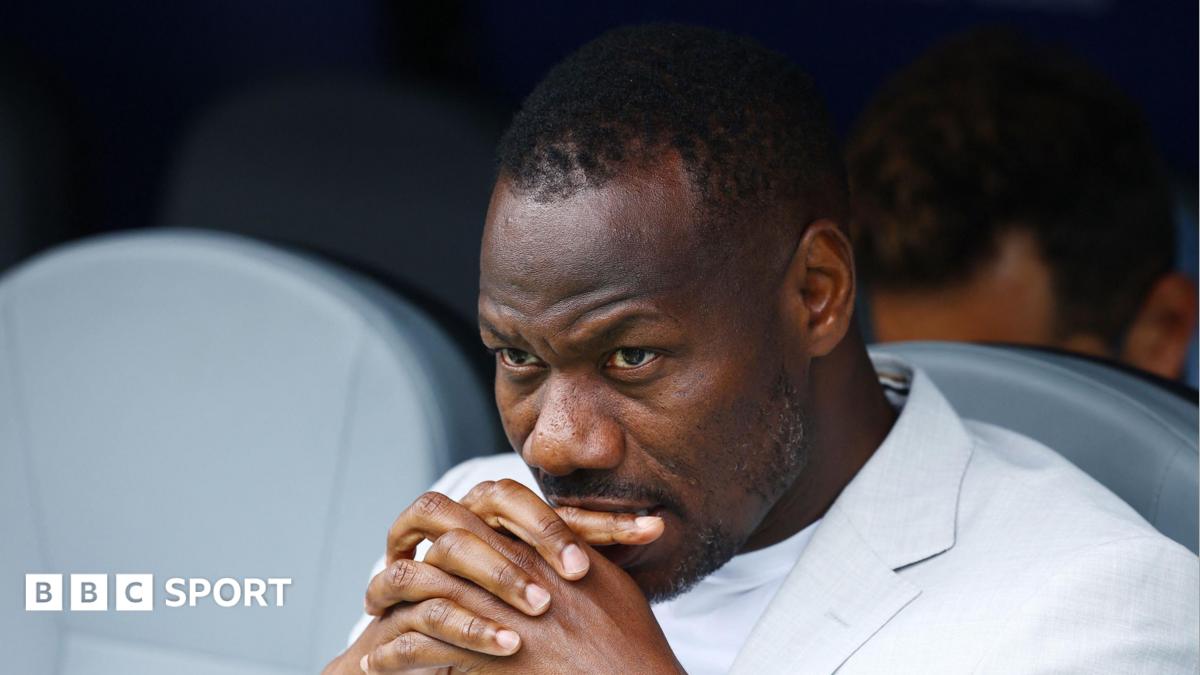
    Another major international football tournament has ended in disappointment for Senegal, with the national federation confirming the dismissal of head coach Pape Thiaw just days after the Teranga Lions crashed out of the 2026 FIFA World Cup in the knockout round.

    Thiaw had held the senior team’s top coaching role since December 2024, and his tenure was marked by controversy long before the squad arrived in North America for this year’s World Cup. The campaign got off to a shaky start: the side suffered back-to-back defeats to France and Norway in their first two Group Stage matches, leaving them on the brink of elimination heading into the final group fixture against Iraq. In a stunning turnaround, Senegal routed Iraq 5-0 to climb into third place in their group, and claimed the final available spot among the highest-ranked third-place teams to advance to the round of 32.

    What followed was a dramatic and heartbreaking exit against Belgium. Senegal held a commanding 2-0 lead late in regulation time, but allowed two late Belgium goals to force the match into extra time. A controversial penalty converted by Youri Tielemans sealed a 3-2 win for Belgium, knocking Senegal out of the tournament.

    The fallout from the defeat was immediate. Key Senegal midfielder Pape Gueye publicly announced just hours after the loss that he would step away from international football, and would not return to the national side as long as Thiaw and the current coaching staff remained in charge.

    After days of internal review, the Senegal Football Federation (FSF) announced Thiaw’s departure in a formal statement. The body said the decision came “after a thorough evaluation of the sporting results and prospects of the national team”, adding that the dismissal was made “in the best interests of Senegalese football”.

    This World Cup exit is the second major setback for Senegalese football in 2026, and cements a period of turmoil that began earlier this year at the 2025 Africa Cup of Nations (AFCON). In that tournament’s final against Morocco in January, Thiaw led his entire squad off the pitch in protest after Morocco was awarded a stoppage-time penalty. After a 17-minute delay, the team returned to the field; Brahim Diaz’s penalty was saved, and Gueye scored an extra-time winner that appeared to give Senegal the title. But in March, the Confederation of African Football (CAF) overturned the result, stripped Senegal of the title, and awarded the win to Morocco due to Thiaw’s walk-off protest. Senegal has since filed an appeal with the Court of Arbitration for Sport to challenge the decision and reclaim the title.

    Thiaw, a former Senegal international, was part of the country’s 2002 World Cup squad that reached the quarter-finals in one of the nation’s most famous tournament runs.

  • US Senator Lindsey Graham dies after ‘brief and sudden illness’, his office says

    US Senator Lindsey Graham dies after ‘brief and sudden illness’, his office says

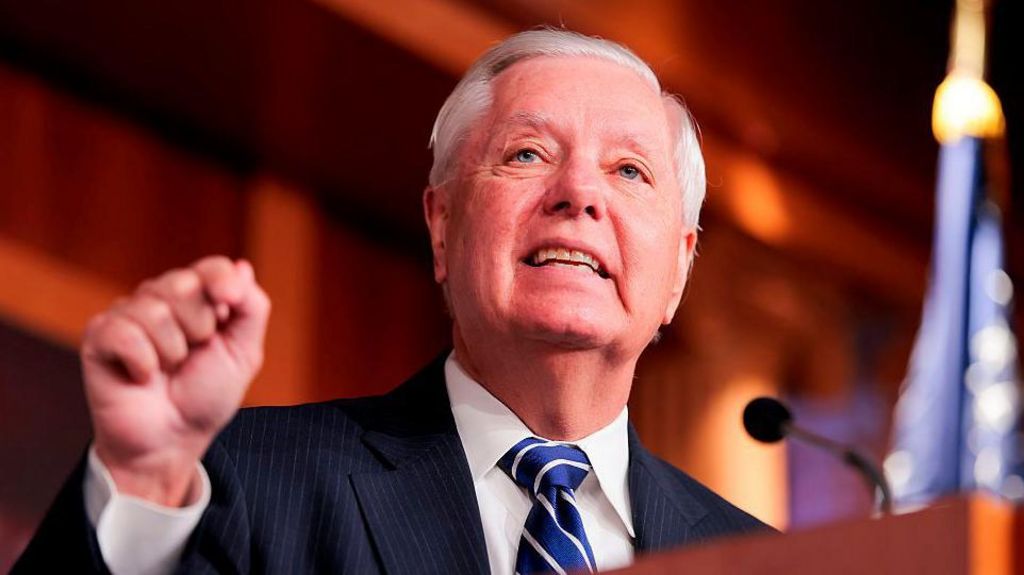
    Veteran Republican Senator Lindsey Graham of South Carolina, a towering figure in U.S. defense and foreign policy circles and a close ally of former President Donald Trump, has passed away at the end of last week following a sudden, short illness, his office confirmed in an official statement.

    The statement, released shortly after his passing, noted that Graham died on Saturday evening. In the midst of their grief, the senator’s family requested privacy while asking for the public’s thoughts and prayers during this extraordinarily challenging time.

    First elected to the U.S. Senate in 2002, Graham built a decades-long career marked by outsized influence in Washington. Over his tenure, he rose to chair the Senate Budget Committee, and emerged as one of the most prominent and frequently cited voices on national security and international affairs across Capitol Hill. Long a fixture in bipartisan and Republican policy debates, he maintained a close political alliance with Trump that shaped many GOP policy positions through multiple presidential cycles.

    In what would be his final public overseas trip before his death, Graham had just returned to the U.S. from the Ukrainian capital Kyiv, where he met with Ukrainian President Volodymyr Zelensky on the Friday before his passing. A lifelong and outspoken advocate for robust U.S. military and diplomatic support for Ukraine in its war against Russian invasion, Graham repeatedly warned of the broader geopolitical consequences of Russian victory. In a 2023 interview with the BBC, he argued that Russian President Vladimir Putin would not limit his expansionist ambitions to Ukraine, adding that a faltering Western commitment to Kyiv would ultimately threaten security in the Indo-Pacific, specifically the status of Taiwan.

    News of his sudden passing has already drawn reactions across political circles in Washington, closing out a decades-long career that shaped U.S. foreign and domestic policy for more than two decades.

  • Germany moves to criminalise denial of Israel’s existence while refusing to recognise Palestine

    Germany moves to criminalise denial of Israel’s existence while refusing to recognise Palestine

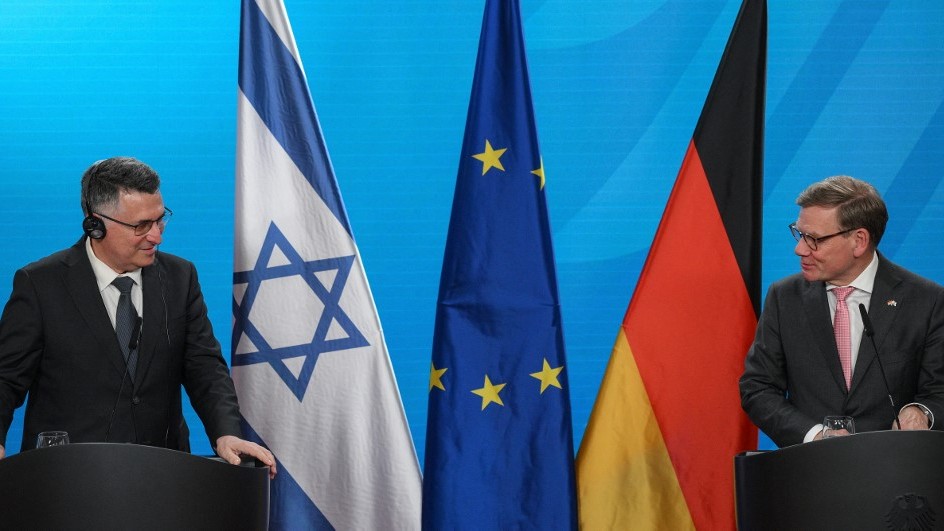
    Germany’s federal legislative upper chamber, the Bundesrat, has given its formal approval to a contentious draft law that would impose criminal penalties including up to five years of prison time or substantial fines for anyone who publicly denies Israel’s right to exist or calls for the abolition of the Israeli state. The proposal, which was initially put forward by lawmakers from the German state of Hesse, cleared the upper house in a vote held Friday. It will now head to the Bundestag, Germany’s lower parliamentary body, for deliberation following the body’s upcoming summer recess.

    A key point of contention around the legislation is the unequal legal status it creates between Israel and Palestine: the draft extends unprecedented legal protections to Israel that the German government has repeatedly refused to grant to a Palestinian state. Berlin has maintained a longstanding policy of rejecting formal recognition of Palestinian statehood, continued to ship large volumes of weapons to Israel throughout its ongoing military campaign in Gaza that global observers have labeled genocide, and kept uninterrupted bilateral trade ties despite widespread international condemnation of Israel’s apartheid policies and accelerating ethnic cleansing practices in the occupied West Bank.

    The new criminal law is just one part of a broader nationwide crackdown on pro-Palestine solidarity activism across Germany. German authorities have moved to restrict peaceful demonstrations, academic conferences, and cultural events organized in support of Palestinian human rights, a pattern that drew formal rebuke from United Nations independent experts last October. Four UN special rapporteurs and two independent legal experts issued a statement at the time accusing German institutions of systematically criminalizing, penalizing, and suppressing completely legitimate activism in solidarity with the Palestinian people. The experts noted that protesters were only advancing widely recognized legitimate demands: halting German arms exports to Israel, ending the Israeli military campaign in Gaza and illegal occupation of Palestinian territories, guaranteeing unimpeded access for humanitarian aid to Gaza, securing formal international recognition of a Palestinian state, and holding perpetrators of documented international crimes accountable.

    Even independent German institutional assessments have raised red flags about the legality of the proposal. The Bundestag’s own in-house research service warned in a May analysis that the Hesse-backed draft is very likely incompatible with Germany’s post-WWII constitution. The assessment concluded the law would effectively create a legally protected special status for one specific viewpoint, directly contradicting the protections for freedom of expression enshrined in Article 5 of Germany’s Basic Law.

    The research service report explained that both denying Israel’s right to exist and calling for the elimination of the state generally qualify as subjective value judgments, not unprotected incitement. Extending the narrow constitutional exception that bans Nazi propaganda to cover this type of political speech about Israel would be extremely difficult to justify under existing German legal principles, the report added. If that extension cannot be legally justified, the resulting restriction on freedom of expression has no basis in Germany’s constitution.

    Global human rights organization Amnesty International has also publicly opposed the legislation. While the group emphasized that the protection of Jewish life in Germany carries unique historical and moral weight, it noted that this proposed initiative poses a massive threat to fundamental freedom of expression across the country. Left Party Member of Parliament Luke Hoß echoed those criticisms, describing the proposal as an obviously unconstitutional act of symbolic politics that will weaken rather than strengthen efforts to combat antisemitism in Germany.

  • Teenage tennis star to play for Ghana in major event

    Teenage tennis star to play for Ghana in major event

    A rising 16-year-old tennis talent from Hadley, Telford, is preparing to compete on an international stage next week, carrying the flag of Ghana at the prestigious Billie Jean King Cup hosted in Gaborone, Botswana. For Gwen Klu, this moment marks the culmination of years of dedicated training and an unexpected journey into competitive tennis that began with a simple school outreach visit.

    Klu’s first encounter with the sport came when a local tennis coach visited her primary school, extending an invitation to train at the Telford Tennis Centre. That casual introduction sparked a lifelong passion, and today, she has spent three and a half years refining her skills at the Ellesmere College Tennis Academy, where she has become a staple competitor for Shropshire’s county-level teams. Her standout performances at junior competitions have earned her an official ITF junior world ranking, catching the attention of national tennis federations across three continents.

    With dual European and West African heritage, Klu holds eligibility to compete for three countries: she was born in the United Kingdom, her father is a former Ghanaian national volleyball player, and her mother hails from France. When Ghana’s tennis federation reached out to extend an invitation to join their national team for the continental tournament, Klu did not hesitate to accept. “Ghana gave me the opportunity first so I just took their call,” she explained, adding that the trip also represents a meaningful cultural opportunity. “I feel like this is quite a good experience and good opportunity to be able to travel different countries in Africa and also to discover the cultures.”

    Klu will compete in the tournament’s Africa III group, where her team will face off against athletes from 10 other African nations, including regional tennis powerhouses Algeria, Nigeria, and Tunisia. The group stage follows a round-robin format, with the top two finishing teams earning promotion to the higher-tier Europe-Africa II division. Despite the stakes of the competition, Klu says she is keeping her focus simple: playing her best tennis, no matter the opponent. “I’ve had a few people from Nigeria, for example, that I’ve already played against, so I’m not bothered about who I’m playing really. I just want to go there and do my best,” she said.

    Looking ahead beyond the tournament, Klu shared that she hopes her performance in Gaborone will attract potential sponsors to support her budding tennis career. Currently, all competition and training costs are covered by her family, and additional financial backing would allow her to pursue more high-level competitive opportunities as she advances in the sport.

  • Vietnam police detain captain after speedboat capsizing kills 15 Indian tourists

    Vietnam police detain captain after speedboat capsizing kills 15 Indian tourists

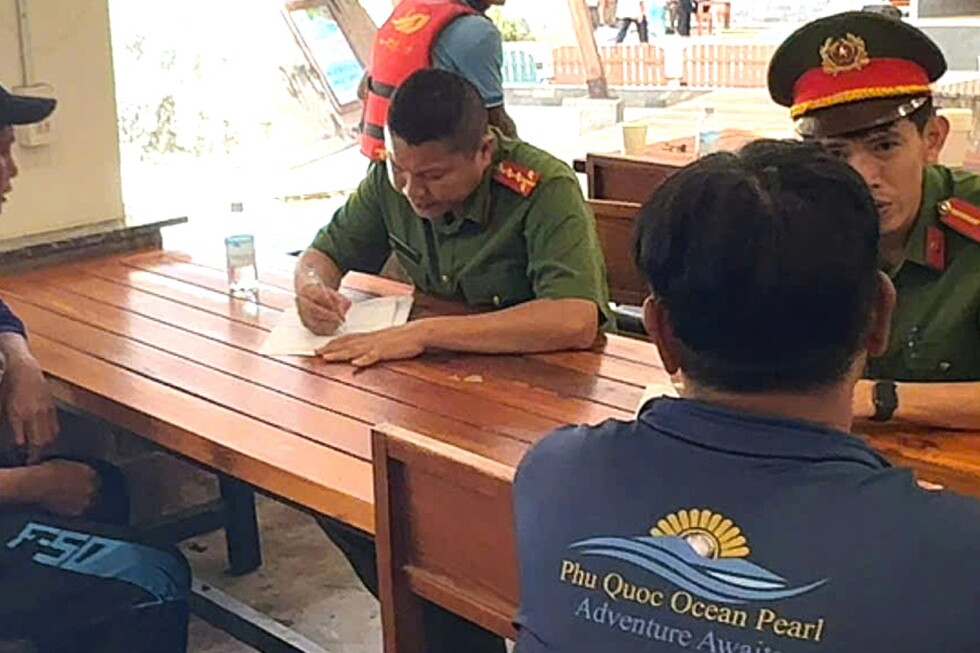
    A tragic maritime accident off the coast of Vietnam’s popular Phu Quoc Island has left 15 Indian tourists dead after a sightseeing speedboat overturned just minutes after departing a nearby island on Saturday afternoon. Vietnamese law enforcement has detained the vessel’s captain as investigations into the deadly incident get underway.

    The 36-passenger craft — carrying 32 Indian tourists and 4 Vietnamese crew members — flipped less than 500 meters from shore shortly after leaving Hon May Rut Ngoai, a small islet located off the southern tip of Phu Quoc, Vietnam’s largest island. Authorities confirmed Sunday that 57-year-old captain Nguyen Hong Hai has been taken into custody, facing formal investigation over suspected violations of national waterway transport safety regulations.

    All 15 deceased passengers were participants in an incentive corporate trip organized by Lava International, an Indian consumer electronics and smartphone manufacturer. The excursion was planned for the company’s employees, distributors and retail partners, the firm confirmed in statements following the accident.

    Ashish Kumar, a Lava distributor from Guntur, India who witnessed the crash from the nearby shore, recalled the chaotic scene to the Associated Press. The tour group had split into three separate speedboats to travel between the area’s islands. When the first boat departed and began to capsize, Kumar and his group immediately began shouting for help. Nearby boats rushed to the scene, but by the time rescuers arrived, many passengers had already been overcome by rough open water.

    Ha Van Loc, a local boat captain who was operating in the area at the time of the 12:40 p.m. accident, told Vietnamese state outlet VN Express that he spotted the overturned vessel with around a dozen people clinging to its upturned hull. Dozens more passengers, many of whom were not wearing their required life jackets, struggled against churning 3-meter-high waves. Loc explained that rough conditions prevented his larger vessel from getting close enough to pull all survivors aboard, for fear that his boat’s propeller would injure people floating in the water. He and his crew threw rope-tethered life buoys to struggling passengers, pulling four survivors to safety within 10 minutes. Loc then filmed the scene to alert other nearby boat operators, prompting a mass rescue response that brought nearly a dozen additional local boats and official rescue teams to the site within minutes.

    Despite the rapid response, choppy seas with waves reaching up to 10 feet slowed rescue operations significantly. Smaller jet skis ultimately proved far more maneuverable than larger vessels, ferrying survivors back to shore one by one. Reports from surviving passengers indicate that the captain did instruct all guests to put on life jackets before departure, but many passengers instead carried the flotation devices in their hands. When the boat overturned, multiple passengers were trapped inside the hull, forced to escape through the vessel’s bow or side windows.

    Eyewitness Kumar also noted that no dedicated emergency medical personnel were waiting on shore when survivors were brought back to land. Local tourists and tour company staff took turns administering cardiopulmonary resuscitation and oxygen to unconscious victims before emergency personnel arrived. Two emergency resuscitation doctors and a nurse were eventually dispatched to the site, and all 17 injured survivors were transported to Phu Quoc Sun Hospital for treatment.

    Updates from the Indian Embassy in Hanoi, shared via social media on Sunday, confirmed that 16 of the 17 survivors have already been discharged from medical care and are en route back to India. One survivor remains in a Vietnamese hospital in critical condition. The embassy added that the remains of the 15 deceased victims are being transferred to Ho Chi Minh City to complete official formalities before being repatriated to India by air. Officials confirmed that 10 of the dead were from India’s southern Tamil Nadu state, three from Andhra Pradesh, and two from Kerala.

    Phu Quoc Island, located off Vietnam’s southern coast, is one of the country’s top beach tourism destinations, drawing millions of domestic and international visitors annually to its white sand coastlines and clear tropical waters. Hon May Rut Ngoai, the departure point for the fatal trip, sits roughly 10 kilometers south of Phu Quoc’s main tourist areas.

    India has emerged as one of Vietnam’s fastest growing international tourism markets in recent years. Vietnamese officials project the country will welcome roughly 750,000 Indian visitors in 2025, a nearly 50% increase from 2024 numbers. Industry leaders attribute the rapid growth to expanded direct flight connections between major Indian and Vietnamese cities, as well as Vietnam’s flexible liberalized e-visa policy for Indian travelers.

  • ‘We should all be excited’ – Messi set for first England meeting

    ‘We should all be excited’ – Messi set for first England meeting

    For 20 years of senior international football, across more than 200 appearances and 125 goals for his country, Lionel Messi has never shared a pitch with England’s men’s national team. That long-awaited gap in the 39-year-old’s legendary career will finally close this Wednesday, when Argentina and England lock horns in a 2026 FIFA World Cup semi-final at Atlanta, kicking off at 20:00 BST and airing live on BBC One and BBC iPlayer. The historic showdown became possible only after a hard-fought quarter-final against Switzerland, where Argentina clawed their way to a 3-1 extra-time victory despite the Europeans holding momentum for large stretches of regular play.

    Though Messi went goalless against Switzerland – his first scoreless match of this tournament – he still remains tied with France’s Kylian Mbappe for the tournament’s Golden Boot lead with eight strikes, and retains his status as the men’s World Cup’s all-time leading goalscorer. Ahead of the unprecedented meeting, football pundits have weighed in on what England can expect from the eight-time Ballon d’Or winner, and just how much of a threat the Inter Miami forward poses.

    BBC pundit Micah Richards called the matchup one that all football fans should be excited for, noting that England’s biggest challenge will be containing an otherworldly talent who cannot be marked through traditional means. “Marking him is impossible because he doesn’t run back. He goes into little spaces where he shouldn’t really be. He switches on at the right times [and] he’s got the best technique. His spatial awareness is fantastic. He’s got a great shot,” Richards said. He added that Messi, like England’s own Jude Bellingham, carries an unmatchable on-pitch personality and aura, calling Messi’s aura “next level” among all active footballers.

    Former England striker Chris Sutton offered a more tempered perspective, telling BBC Radio 5 Live that England should view the matchup as an exciting opportunity rather than a daunting one. “I think Thomas Tuchel and the England players will be relishing the prospect of playing this Argentina team in its current guise, its current form, because this isn’t a great Argentina team but they do have a habit of finding a way,” Sutton explained. Ex-England forward Wayne Rooney echoed that take, pointing out that Messi offers little defensive output for Argentina, which could be an exploitable weakness – but warned that the captain can single-handedly change a match with moments of unrivaled quality. “He doesn’t run back, but he has big moments a bit like with Jude Bellingham. He has big moments and moments of quality. The thing with Messi is his decision-making – he comes to life in moments of the game and he makes the right decision,” Rooney said, adding that consistent concentration and communication between England defenders will be key to limiting the Argentine icon.

    South American football expert Tim Vickery emphasized that this semi-final is the matchup Argentina has been waiting for. “Lionel Messi couldn’t possibly end an international career, over 200 matches, without playing the team that Argentina fans see as their biggest rival,” Vickery told 5 Live, recalling that Argentine fans already chanted “he who doesn’t jump is an Englishman” during the Switzerland quarter-final, a taunt that will likely echo through Atlanta on Wednesday.

    The England-Argentina rivalry is one of the most storied and dramatic in international football, with decades of iconic moments shaping the feud. From Diego Maradona’s infamous “Hand of God” goal that knocked England out of the 1986 World Cup quarter-final, to David Beckham’s controversial red card at the 1998 World Cup, every encounter between the two sides has delivered high-stakes drama. What makes this semi-final even more historic is that it will be the first meeting between the two nations in nearly 21 years, and the first ever for Messi in a senior Argentina shirt.

    Messi made his senior Argentina debut in 2005 at 18, after leading the nation to a World Youth Championship title earlier that year. Just months after his debut, England and Argentina met in a friendly in Geneva – but Messi was forced to watch from the sidelines, suspended after being sent off just 30 seconds into his senior debut against Hungary. In that goalless (for Messi) contest, Argentina twice took the lead before Michael Owen scored two late dramatic goals to hand England a 3-2 victory under manager Sven-Goran Eriksson. That friendly remains the only senior meeting between the two nations since Messi entered the international scene, leaving the Wednesday semi-final as a completely new milestone for both sides.

    Messi’s career goal record against other nations shows his consistent dominance across every level of opposition. He has scored 11 goals in 12 matches against Bolivia, his favorite opponent, seven goals against both Venezuela and Ecuador, and five and six against South American giants Brazil and Uruguay respectively. Against European opposition, he has scored three goals each against Croatia, Switzerland, and France – including a memorable double in Argentina’s 2022 World Cup final victory over France. Of all the nations Messi has faced more than once, only Qatar has managed to keep him off the scoresheet across two meetings.

  • US, UK and 12 other nations reaffirm 2016 ruling invalidating China’s claims in South China Sea

    US, UK and 12 other nations reaffirm 2016 ruling invalidating China’s claims in South China Sea

    On Sunday, a coalition of 14 nations led by the United States and the United Kingdom issued a joint statement from Manila reaffirming that China’s sweeping territorial claims over the South China Sea lack any legal foundation, in a public backing of the landmark 2016 international arbitration ruling.

    The statement was timed to mark the anniversary of the July 12, 2016, decision handed down by a permanent arbitration tribunal based in The Hague. The tribunal was convened under the framework of the United Nations Convention on the Law of the Sea (UNCLOS), the global treaty that governs all maritime activity. The joint statement describes the arbitration outcome as a definitive, final and legally binding milestone that settles core legal questions around competing claims in the strategic waterway.

    The arbitration case was first launched by the Philippines in 2013, one year after a tense months-long standoff at a contested shoal ended with China taking effective control of the feature. China declined to participate in the proceedings, and has refused to acknowledge the ruling ever since it was issued. Beijing continues to assert sovereignty over nearly the entire South China Sea, a critical global shipping chokepoint that has been labeled one of the most dangerous potential conflict flashpoints in East Asia.

    The waterway is claimed in whole or in part by multiple governments: China, the Philippines, Vietnam, Malaysia, Brunei and Taiwan. Repeated territorial standoffs between claimant states have played out in the region for decades, with confrontations growing more frequent and high-risk in recent years.

    Beyond the U.S. and UK, the other signatories to Sunday’s statement are the Philippines, Japan, Australia, New Zealand, Canada, Germany, Italy, Estonia, Latvia, Lithuania, Romania and Slovenia. In the text, the coalition explicitly rejected “China’s expansive maritime claims in the South China Sea, including those based on ‘historic rights,’” echoing the core finding of the 2016 tribunal.

    The 2016 ruling sided overwhelmingly with the Philippines’ legal arguments, concluding that UNCLOS provides no legal support for China’s claims to historic resource rights in areas of the South China Sea beyond its internationally recognized territorial boundaries. UNCLOS, which entered into force in 1994, has been ratified by more than 170 countries and regions including both China and the Philippines.

    The 14-nation statement condemned destabilizing unilateral actions across the disputed waters, singling out the use of coast guard vessels, military assets and maritime militia to intimidate and obstruct lawful maritime and air operations conducted by other states. “Such actions endanger the safety of personnel and fishermen and seriously degrade regional peace and security,” the statement read.

    The coalition stressed that freedom of navigation and overflight, as enshrined in UNCLOS, must be protected and preserved, and called for all territorial disputes to be resolved through peaceful diplomatic means consistent with the 1982 UNCLOS framework.

    China had not issued a public response to Sunday’s joint statement as of press time. But in recent public comments through its embassy in Manila, Beijing has repeatedly made clear it will never recognize the 2016 ruling, which it labels “illegal, null and void.” “The award will not alter the historical and factual basis for China’s sovereignty over the islands of the South China Sea and their adjacent waters,” the embassy said in a previous statement, adding that the outcome “will not weaken China’s resolve and determination to safeguard its sovereignty and maritime rights and interests.”

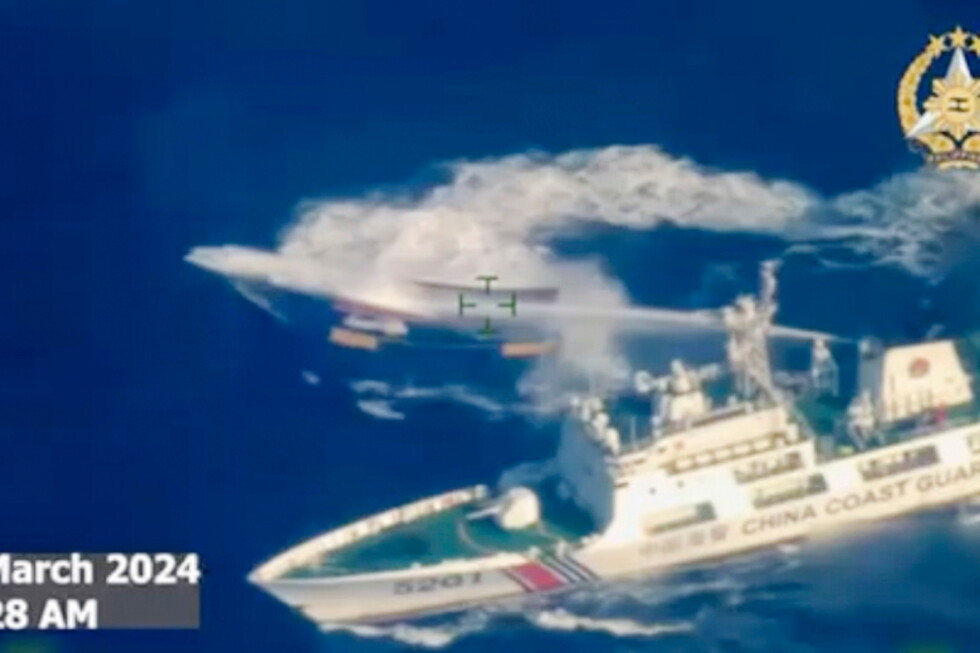
    Territorial tensions in the South China Sea have spiked in recent years, most frequently involving Chinese forces and vessels alongside Philippine and Vietnamese fishing fleets and government vessels. Chinese coast guard vessels have been documented using high-powered water cannons, military-grade laser dazzlers, and dangerous blocking maneuvers against Philippine vessels and fishermen from other claimant states. These actions have led to high-seas collisions and multiple high-risk near encounters between aircraft and vessels in the area.

    Washington has repeatedly pressured Beijing to comply with the 2016 arbitration ruling. Both the current Biden administration and previous Trump administration have reaffirmed that as part of the long-standing mutual defense treaty between the U.S. and the Philippines — America’s oldest treaty ally in Asia — Washington is legally obligated to come to the Philippines’ defense if Filipino forces, civilian or military vessels, or aircraft come under armed attack in the South China Sea.