博客

  • Kenyan court dismisses Rastafarians’ bid to legalise cannabis

    Kenyan court dismisses Rastafarians’ bid to legalise cannabis

    Kenya’s highest judicial body has thrown out a legal challenge from the country’s Rastafarian community, which had pushed to exempt religious practitioners from national cannabis bans on the grounds of constitutional protection for freedom of belief. The case, which has drawn widespread public attention across the East African nation, centers on a longstanding tension between controlled drug policy and religious autonomy.

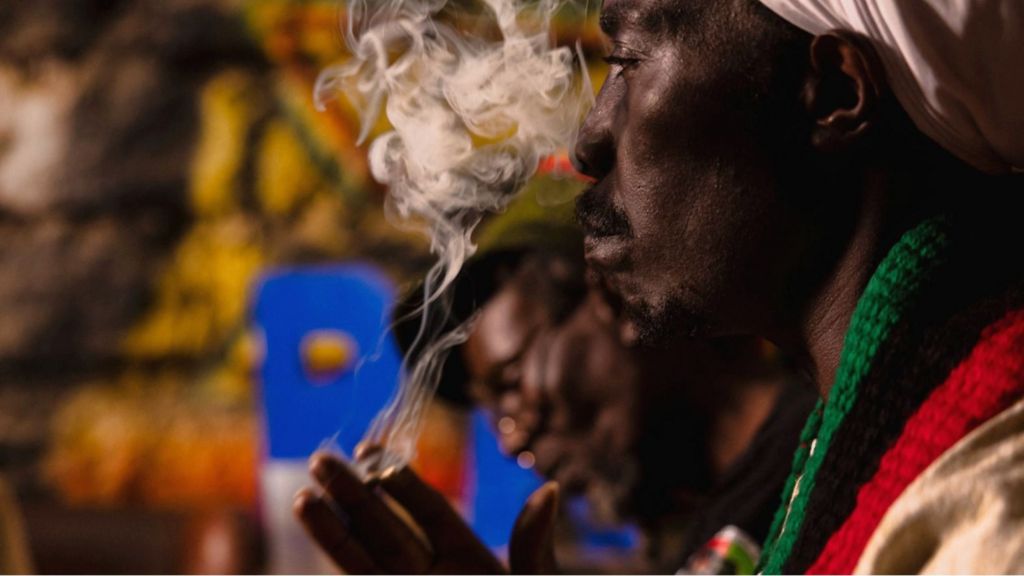
    The Rastafarian community has long held that cannabis, referred to in their doctrine as a sacred herb, is an integral part of their spiritual practice. In their submission to the court, the group argued that the blanket national prohibition on cannabis use directly violated the fundamental right to religious freedom enshrined in Kenya’s constitution.

    In the widely watched ruling delivered by Justice Bahati Mwamuye, the court dismissed the petition on the basis that the Rastafarian group failed to present sufficient evidence proving that existing drug legislation infringed on their constitutional rights. While the outcome fell short of the community’s demands, Justice Mwamuye used the ruling as an opportunity to call for a far-reaching, inclusive national conversation on the country’s cannabis policies.

    “This is not an issue that concerns only the Rastafarian community. It is a national question that touches every segment of our society,” Justice Mwamuye stated in his judgement. “We need to hold open, frank discussions about what direction our cannabis policies should take moving forward.”

    The ruling comes amid a growing movement across Kenya to review the country’s strict cannabis laws. Advocates for reform have put forward a range of economic and social arguments for loosening restrictions, noting that regulated commercial cultivation could generate new employment opportunities for thousands of Kenyans, increase public tax revenues, and unlock the potential of industrial and medical applications of cannabis that remain off-limits under current law. For the Rastafarian community, however, the debate is first and foremost a matter of religious equality, with members maintaining that their sacred use of cannabis deserves legal recognition and protection under the law.

  • We shouldn’t confuse politics and football – Scaloni

    We shouldn’t confuse politics and football – Scaloni

    One of the most iconic rivalries in international men’s football is set to reignite this Wednesday at Atlanta Stadium, as defending champions Argentina face England for a spot in the 2026 FIFA World Cup final. For England, a win would mark their first appearance in a World Cup final since their historic 1966 triumph, adding extra weight to an already charged encounter.

    Long-running political tensions between the two nations have overshadowed this fixture for decades, rooted in the 1982 Falklands War – a 74-day conflict over the sovereignty of the South Atlantic territory (claimed as Las Malvinas by Argentina) that killed 649 Argentine soldiers, 255 British service members, and three civilians. The sovereignty dispute remains unresolved to this day, and off-pitch tensions have repeatedly spilled into on-pitch encounters, most notably Diego Maradona’s infamous 1986 World Cup quarter-final victory over England.

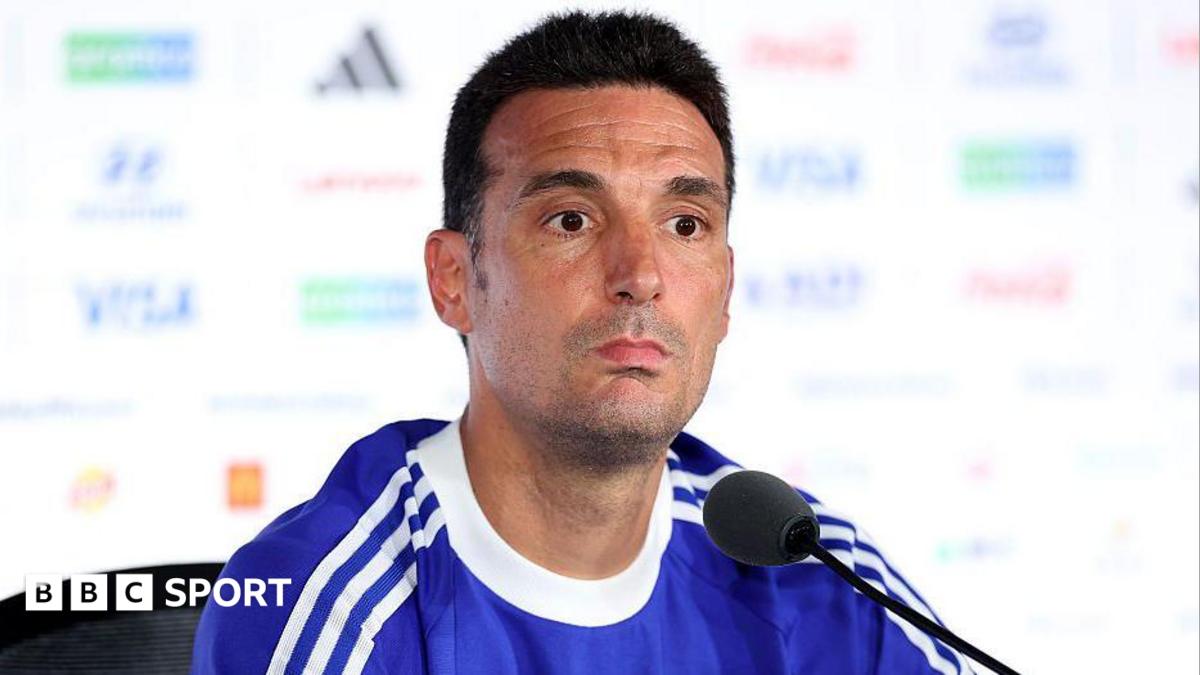
    Speaking ahead of the high-stakes semi-final, Argentina head coach Lionel Scaloni – who led his nation to the 2022 World Cup title in Qatar – made clear he will not blend political history with the 90 minutes of football on Wednesday. “The reality is that this is a football match. I can’t mix things up, especially out of respect for what happened so many years ago,” Scaloni told reporters. “It was a very sad period in our history, and there isn’t much we can do about it, that’s the reality. Things are happening elsewhere in the world, and we criticise the existence of war. We certainly remember those people, of course. But it is a football match; we shouldn’t confuse the two.”

    Organizers have implemented enhanced security protocols around the match to account for the decades of historical friction between the two fanbases. Tensions flared in the lead-up to the semi-final after video captured Argentine players singing a controversial pre-match chant referencing the disputed islands following their dramatic 3-2 last-16 win over Egypt. This encounter also marks the first time Lionel Messi, Argentina’s 39-year-old eight-time Ballon d’Or winner, has ever faced England in a World Cup fixture during his legendary career. Messi has carried Argentina through their 2026 tournament run, notching eight goals to tie France’s Kylian Mbappe for the tournament lead.

    Despite reaching the semi-finals, Argentina have not yet hit their collective stride in this year’s knockout stage. Following a tough extra-time win over Cape Verde in the round of 32, the defending champions required another 30 minutes of extra play to defeat ten-man Switzerland in the quarter-finals. But Scaloni pushed back on any concerns over his side’s form or fatigue ahead of Wednesday’s clash. “A month-and-a-half ago I would have taken getting to the semi-final if you had offered me that, so I don’t mind how we got here,” he said. “I can’t reproach my players. Whether we are tired or not I don’t care. This is a World Cup semi-final.”

    Scaloni confirmed that his coaching staff has been preparing the squad to handle England’s standout attacking duo: striker Harry Kane and midfielder Jude Bellingham, both of whom have netted six goals apiece through England’s run to the semi-final. “They are two great players, among the best in the world. Any coach would like to have them,” he acknowledged.

    The match is scheduled to kick off at 20:00 BST on July 15, with full broadcast coverage available across BBC platforms. UK viewers can watch live UHD coverage on BBC One and BBC iPlayer starting from 19:00 BST, while radio commentary will air on BBC Radio 5 Live and BBC Sounds from 18:00 BST. Live text updates, in-play clips, and post-match analysis will also be available via the BBC Sport website and mobile app.

  • More health workers strike as Ebola cases in Congo exceed 2,000, including 754 deaths

    More health workers strike as Ebola cases in Congo exceed 2,000, including 754 deaths

    In the conflict-wracked eastern region of the Democratic Republic of the Congo, a devastating Ebola outbreak driven by the rare Bundibugyo virus has reached a grim milestone, with confirmed cases climbing to 2,011 and total deaths hitting 754, according to newly released official government data. World Health Organization (WHO) officials confirm this is the fastest-expanding Ebola event ever recorded, outpacing containment efforts at every turn.

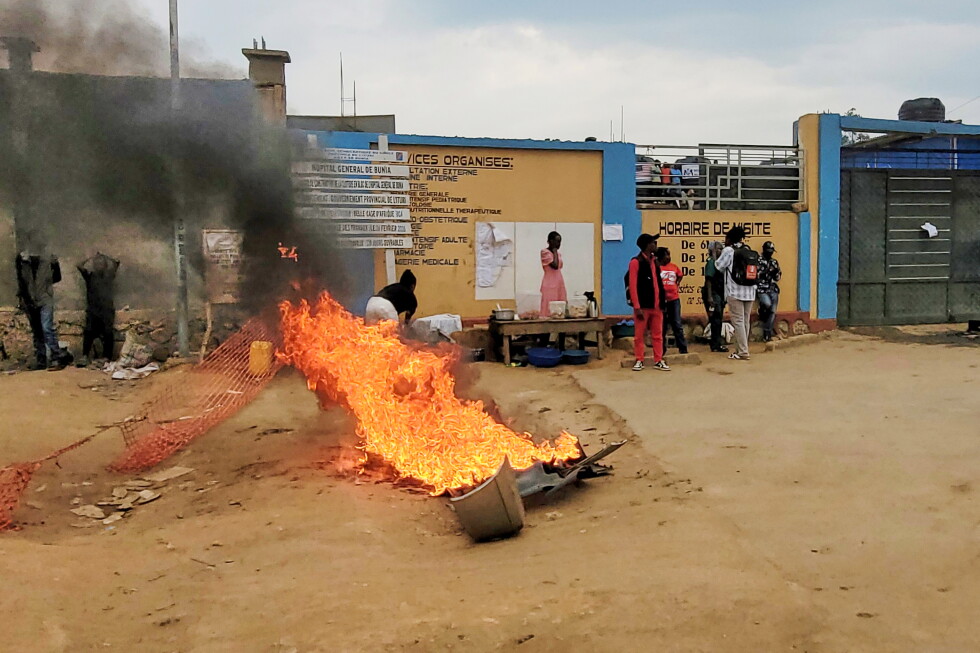
    The crisis has been compounded by growing unrest among frontline medical teams, who have walked off the job over unmet pay promises. On Wednesday, staff at Bunia General Hospital — the largest medical facility in the outbreak’s epicenter — launched a strike, barricading the hospital entrance to demand long-delayed wages earned while working in high-risk, resource-strapped conditions. This industrial action follows a similar strike just two days earlier at an Ebola treatment center in Rwampara, another Ituri Province hotspot that has borne the brunt of the outbreak. That strike ended after workers secured a government commitment to issue back pay within 72 hours, but many frontline staff report they have not received any compensation since the outbreak began in mid-May, leaving deep lingering frustration.

    Public health experts warn multiple overlapping barriers are making the outbreak extremely difficult to contain. The most pressing issue is the unprecedented rate of spread: roughly 80% of all new confirmed cases stem from unknown transmission chains that officials have been unable to map. To date, authorities have only successfully traced 67% of known close contacts of infected patients, a rate far too low to halt transmission. Complicating tracing efforts further, health teams have still not identified the outbreak’s index case (patient zero), while widespread population displacement from ongoing armed conflict and frequent cross-community movement of artisanal miners have scattered thousands of potentially exposed people across the region.

    Unlike previous Ebola outbreaks in Congo that were caused by the more common Zaire strain — for which effective, approved vaccines and treatments already exist — there are no licensed medical countermeasures for the Bundibugyo virus driving this current event. In a small glimmer of hope for the response, enrollment for a clinical trial testing two promising investigational treatments has recently launched in Ituri, though results will not be available for months.
    Additional systemic challenges continue to undermine response work: a critical funding gap has left operations under-resourced, repeated attacks on health facilities have forced care closures in high-risk areas, ongoing armed violence in eastern Congo prevents teams from reaching remote communities, and deep-seated mistrust between local populations and public health workers has reduced cooperation with contact tracing and isolation efforts.
    As of the latest data release, 753 patients remain in isolation care at hospitals across the region, while 366 people have recovered from infection so far. More than 100 frontline healthcare workers have already contracted the virus since the outbreak began, according to WHO figures. WHO’s emergencies chief Dr. Chikwe Ihekweazu, who recently completed an assessment visit to Bunia, noted that many of the newly recorded deaths are people who never accessed care, dying in their home communities before medical teams could intervene.

  • Major miners carry ASX higher as most other sectors stumble

    Major miners carry ASX higher as most other sectors stumble

    On a Wednesday trading session marked by widespread downward pressure, strong gains from Australia’s top mining firms and a record-breaking close for financial giant Macquarie pulled the benchmark ASX 200 into positive territory, defying broader market headwinds. The ASX 200 finished the day up 32.60 points, a 0.37% increase that pushed the index to a closing level of 8841.10. The broader All Ordinaries index mirrored this gain, rising 0.37% or 33.30 points to close at 9034.60. While the final result landed in the green, the market gave up most of its early momentum after the index jumped to an intraday high of 8865 immediately following the opening bell.

    Alongside the equity gains, the Australian dollar appreciated against the U.S. dollar to hit a three-week peak of 69.90 U.S. cents. Of the 11 market sectors tracked on the ASX, only six closed higher, and the materials sector carried nearly all of the upward momentum, surging 1.70% by the closing bell.

    Leading the sector rally was mining juggernaut BHP, which notched a 3.15% gain to close at $60.56, making it the single largest contributor to the ASX 200’s positive finish. Rival Rio Tinto added 1.14% to close at $165.47 after the firm released stronger-than-expected quarterly production results, and Fortescue Metals closed 0.32% higher at $19.08.

    Justin Lin, an investment strategist at Global X ETFs, explained that the unexpected mining rally ties to growing geopolitical tension between the U.S. and Iran, which has pushed investors to revert to a strategy popular in the previous quarter: seeking out assets with perceived earnings certainty. While most Australian companies do not have direct exposure to the fast-growing semiconductor and AI hardware sectors that investors are flocking to, Lin noted that the materials sector is being used as a proxy play. “Given the expected upstream benefits for critical commodities as AI data centre investment accelerates,” Lin explained, investors see mining stocks as a secondary way to gain exposure to the AI boom.

    Lin added that BHP’s outsized gain also came from a confluence of additional factors: the broader sector rally, positive sentiment from Rio Tinto’s strong results, and the stock trading from a discounted base after falling nearly 15% since mid-June.

    Australia’s big four retail banks delivered a mixed performance, with the overall financial sector eking out only a tiny 0.15% gain. Commonwealth Bank rose 0.41% to hit $170.00 per share, but Westpac slid 0.16% to $36.58, National Australia Bank dropped 1.11% to $39.27, and ANZ fell 0.44% to $35.95. The financial sector’s small gain was largely driven by Macquarie, the wealth management giant that rallied 2.02% to $258.16 per share, hitting a new all-time record closing high.

    Despite the gains for miners and financials, most sectors faced downward pressure driven by climbing Brent crude oil prices, which hit a recent peak of $85.61 U.S. dollars per barrel. Rising energy costs act as a drag on broad corporate earnings and consumer spending across the Australian economy.

    In individual company news, Rio Tinto’s positive close came after the miner reported a 3% rise in copper equivalent production for the first half of 2024, alongside Pilbara iron ore shipments of 85.3 million tonnes – a figure that outpaced consensus market expectations. Evolution Mining bucked the positive trend for the materials sector, dropping 3.74% to $11.34 per share even after the firm confirmed it hit its 2026 financial year production and cost guidance, pulling 715,000 ounces of gold and 66,000 tonnes of copper from its operations, and reporting a record group cash flow of $1.35 billion. Travel group Webbet also fell 1.18% to $2.52 per share following the announcement of a leadership change: Nicole Sheffield, a former executive at Wesfarmers who has also held senior leadership roles at Australia Post, News Corp and Seven West Media, will take over as chief executive and managing director, filling the vacancy left by Katrina Barry.

  • Bangkok bar fire toll rises to 32 as PM vows venue overhaul

    Bangkok bar fire toll rises to 32 as PM vows venue overhaul

    A devastating blaze that ripped through a popular Bangkok entertainment venue has pushed the confirmed death toll up to 32, Thai authorities announced Wednesday, with the country’s prime minister pledging a sweeping, nationwide overhaul of safety regulations for bars, clubs and public gathering spots. The fire broke out Sunday night at Rong Beer Na Lad Phrao, a well-frequented restaurant and bar located on Bangkok’s Lad Phrao road, and spread with alarming speed, trapping patrons inside the structure as smoke and flames engulfed the space. In the aftermath of the disaster, investigators have been working to unpack both the root cause of the fire and the series of safety failures that turned a manageable emergency into one of the capital’s deadliest public incidents in recent years, with dozens of victims’ bodies recovered near locked or unmarked exit routes.

    Footage of Prime Minister Anutin Charnvirakul’s visit to the fire site, released by his office and reviewed by Agence France-Presse, reveals critical flaws in the venue’s emergency exit layout. On-site officials told the prime minister the bar had two fully functional exit doors, but one was marked exclusively for staff, with no clear signage indicating it could serve as a public emergency escape route. This lack of clear marking left patrons unaware of the alternative exit as the fire spread, Anutin observed during his visit. When pressed on the reasoning behind the unmarked door, one first responder at the scene suggested the bar’s management had intentionally hidden the exit to prevent customers from leaving without paying their bills. Further investigation also found a second potential escape route was locked at the time of the blaze, a dangerous oversight that left Anutin expressing public outrage: “How could this happen?”

    In response to the tragedy, the Thai government has ordered an urgent, full safety inspection of every registered entertainment venue across the country. Anutin also announced that officials would launch a full review of national venue classification regulations, after it was revealed that Rong Beer Na Lad Phrao did not hold a valid license to host live music — despite regularly staging live performances for large crowds. “Businesses that do not comply with regulations are not sustainable, and the owner of this venue will face the utmost prosecution,” the prime minister added. The bar’s owner was admitted to an intensive care unit immediately after the fire, though authorities have not released an update on his current condition as of Wednesday.

    Longstanding concerns have been raised about Thailand’s enforcement of public health and safety regulations, particularly for entertainment venues operating in major tourist and population centers. The 2009 Santika Club fire, which broke out during New Year’s Eve celebrations in central Bangkok, killed 67 people and injured more than 200 others, highlighting systemic gaps in venue safety enforcement that have persisted for decades. A building safety expert speaking to AFP earlier this week confirmed that Rong Beer Na Lad Phrao lacked all of the mandatory safety systems required to host the large crowds and live events it regularly organized.

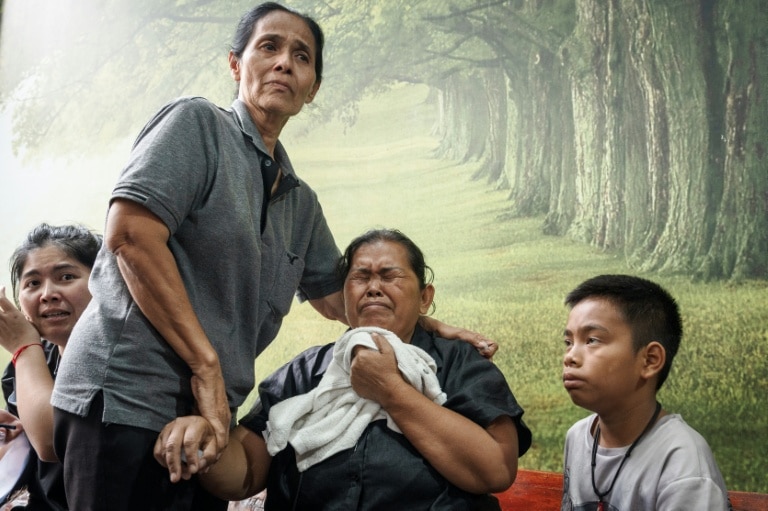
    As of Wednesday’s update from the Bangkok municipal government-run Erawan Emergency Medical Centre, 73 people were injured in the blaze, with more than a dozen still listed in critical condition in hospitals across the capital. Grieving relatives of the deceased have been gathering at Police General Hospital in Bangkok this week to identify and claim the remains of their loved ones, as authorities work to complete their investigation into the disaster.

  • Face-to-face with ancient Rome: Exhibition in Hungary brings forgotten faces to life

    Face-to-face with ancient Rome: Exhibition in Hungary brings forgotten faces to life

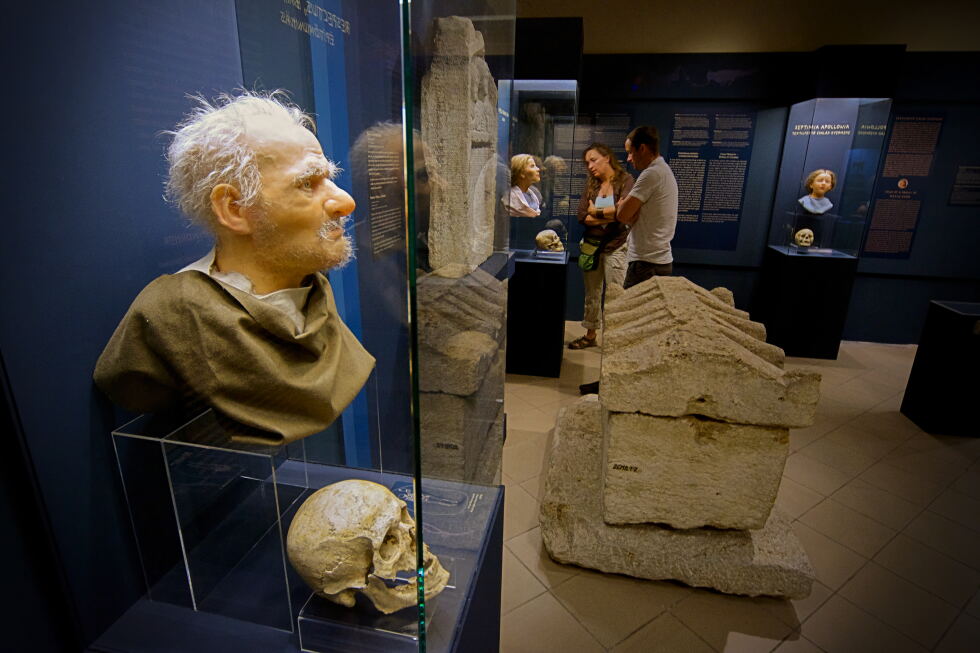
    Nearly two millennia after Aquincum thrived as a busy military and commercial outpost on the Roman Empire’s Danube frontier, the ordinary people who called this ancient settlement home — now located in modern-day Budapest, Hungary — are stepping out of historical obscurity into vivid, life-sized view. A groundbreaking new exhibition at Budapest’s Aquincum Museum has recreated the faces and life stories of 16 residents of the long-gone city, blending cutting-edge genetic science, classical archaeological methods and handcrafted art to pull these forgotten people from the footnotes of Roman history.

    Running through October 31, the exhibition centers on 16 detailed facial reconstructions built from excavated human skulls uncovered at the Aquincum archaeological site. Six of the models are fully realized, hyperrealistic silicon sculptures, complete with period-accurate clothing, authentic hair work and hand-painted features, all crafted to match the physical traits researchers confirmed through scientific analysis.

    Unlike digital AI-generated facial models that only exist on screen, these physical reconstructions allow visitors to walk around the life-sized figures and study their features from every angle, creating an intimate connection that digital renderings cannot match. “Our core goal was to bridge the 2,000-year gap between these ancient people and modern visitors,” explained Loránt Vass, an archaeologist and co-curator of the exhibition. Named “Once We Were Like You,” the project seeks to answer the quiet, universal questions that surround ordinary members of ancient societies: What did they actually look like? What kind of lives did they lead? What marked their days and their fates?

    To build each reconstruction, experts combined multiple scientific disciplines to get the most accurate portrait possible. DNA extracted from preserved ancient bones revealed specific details including skin tone, natural hair color, eye color, and even whether an individual was prone to freckles. Analysis of the skull’s shape, bone density and structure helped researchers pinpoint the person’s age at death, identify past injuries, and detect traces of chronic disease that plagued them during their lifetime. The original excavated skulls are even displayed directly beneath their corresponding reconstructions, giving visitors full access to the primary evidence behind the project.

    While the actual names and full life histories of these people were lost to time, curators assigned names, occupations and narrative biographies to each figure, all rooted in the scientific data they gathered and well-documented context of daily life in Aquincum. Co-curator Péter Vámos emphasized that all invented details are built on “authentic historical foundations” that align with what anthropological and genetic research revealed about each person. “Unfortunately, we will never know their real names, but we worked to incorporate every single insight science could give us about their life stories,” Vámos noted.

    One of the most compelling portraits is that of Respectus, a working-class construction worker who made his living plastering walls and splitting stone blocks. The heavy physical labor of his trade left clear evidence of wear and inflammation on his bones, and researchers confirmed he suffered a broken nose and knocked-out tooth from a violent, alcohol-fueled fight in a local tavern.

    Respectus’s experience is representative of almost all the individuals featured in the exhibition. Voss explained that analysis of the skeletons found a consistently high rate of chronic inflammation across almost all remains. “These people did heavy manual labor every day, and many of them faced periods of starvation over their lifetimes,” he said. “This tells us most of them belonged to the lower middle class of Roman society — the group that is most often forgotten in historical records.”

    Genetic analysis also shed new light on the extraordinary cultural and ethnic diversity of Aquincum, a frontier trading hub that drew people from across the vast Roman Empire and surrounding regions. Researchers confirmed the residents had origins ranging from the Italian heartland of the empire, to Iron Age Celtic communities that had lived in the region for centuries before Roman rule, to nomadic Sarmatian tribes from the Eurasian steppe, and even people born as far away as modern-day Scotland and Syria.

    Emese Gábor, the artist who handcrafted the silicon facial reconstructions, explained why physical sculpting offers unique value even in an age of AI-generated facial modeling. “AI can create a face that shows up on a screen, but these physical pieces can be exhibited in a museum, viewed from every angle, and they are exactly life-sized,” she said. “I stick to rigorous scientific methods, and this work combines classical sculpting techniques with modern scientific data to get the most accurate result possible.”

    For the museum’s curatorial team, the project is about far more than displaying archaeological finds. In most standard excavations, Vass noted, human remains are documented, studied, and stored away, leaving the people who once owned them stripped of their humanity, reduced to mere data points. By putting tangible, humanized portraits of these ordinary people front and center, the museum aims to help modern visitors see themselves reflected in the ancient past. “The exhibition’s title says it all: these people were just like us. They had the same kinds of jobs, the same kinds of everyday problems,” Vass said. “Their living conditions and social statuses were different, of course, but people are people. That hasn’t changed much across thousands of years of history.”

  • The 91-year-old Argentine journalist covering his 18th World Cup

    The 91-year-old Argentine journalist covering his 18th World Cup

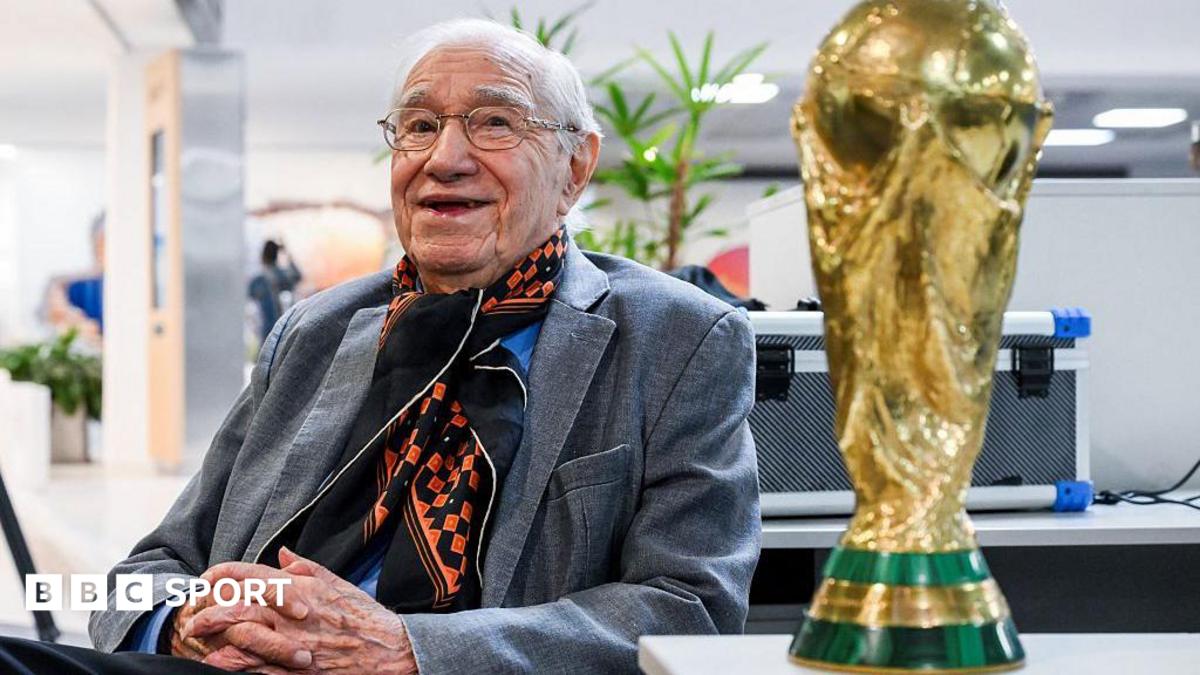
    As Argentina prepares to lock horns with old rival England in the 2026 FIFA World Cup semifinal at 20:00 BST on July 15, one beloved figure in the press box is drawing global attention for a once-in-a-lifetime milestone: 91-year-old Spanish broadcaster Enrique Macaya Márquez, better known simply as Macaya, has covered every men’s World Cup since the iconic 1958 tournament in Sweden, an unmatched streak of 18 consecutive editions that spans nearly 70 years of football history.

    Macaya was just 24 when he received his first World Cup assignment, sent to the 1958 Swedish tournament to cover a field that introduced 17-year-old Brazilian prodigy Pelé to the world. One of his earliest matches was Pelé’s Brazil against Austria, but the moment that remains indelibly etched in his memory is what Argentine football fans still call the “Disaster of Sweden” — Argentina’s stunning 6-1 defeat to Czechoslovakia. “We knew almost nothing about Czechoslovakia. We had no information, no data, and they surprised us,” Macaya recalled in an interview.

    Over the course of his seven-decade career, Macaya has witnessed the transformation of men’s football from a regional pastime to a $30 billion global spectacle. He has reported from pitchside on every generation of the game’s greatest stars, from Pelé and Diego Maradona to the current era’s Lionel Messi, watching as analog broadcast technology evolved into high-definition digital streaming, and post-match print analysis shifted to real-time, data-driven instant statistics. Yet through all these sweeping changes, Macaya has held fast to one core journalistic principle: he refuses to rush to snap judgments.

    That approach shaped his view back in 2018, when Lionel Scaloni — a relatively unknown former player — was unexpectedly appointed head coach of the Argentine national team. At the time, Macaya admitted he had little confidence in the appointment. “I didn’t have high hopes, I didn’t know him,” the DSPORTS Radio commentator said. But Scaloni’s tenure has defied all expectations: he has led Argentina to three major trophies, including the 2022 World Cup title, turning what was widely labeled one of the riskiest coaching appointments in football history into one of its greatest success stories. For Macaya, that turnaround only reinforced his long-held belief: “You can’t pass judgement without a much deeper, more complete understanding of the person being judged.”

    Today, as Argentina returns to the World Cup semifinal stage to face England, Macaya is confident the South American side has what it takes to lift the trophy for a second consecutive time. “Of course they can,” he said. “If we’re talking about what is possible, about the future, I believe Argentina is capable of winning.”

    When asked to name his favorite player in the current squad, he did not hesitate: “Clearly, it’s Messi.” But the iconic broadcaster pushed back against the perennial debate over who holds the title of the greatest footballer of all time, refusing to draw simplistic comparisons between eras. “That question deserves a smile,” he said. “There’s no way to measure players throughout history. Times have changed. Opponents have changed. Every player is unique. I can say who I personally liked, but that doesn’t mean I believe that player was the best in history.”

    This nuanced perspective extends to all cross-era comparisons, from the rivalry between Messi and Maradona (two of Argentina’s greatest number 10s) to the 1970 Brazilian side led by Pelé and Maradona’s 1986 World Cup-winning team. “It is very difficult to make a cold comparison,” he explained. “The opponents were different. The needs were different. The support from their team-mates was different. Each had their own life and their own history.”

    Macaya also noted that defeats are just as important to football history as victory. “Negative results are also part of that memory,” he said. Even so, he acknowledges that World Cup triumphs hold a special place in his heart as an Argentine journalist, particularly Maradona’s 1986 win. “Winning the World Cup is my favourite memory, and in Maradona’s case, I think the trophy had finally given him the answer he sought his entire life: to be a world champion.”

    After nearly 70 years of traveling the world to cover football’s biggest tournament, Macaya says retirement is finally on the horizon. “I’m going to retire at some point,” he said with a laugh. “I’m retiring now… so I’ll hang up and leave it for another time.” For a man who has spent a lifetime documenting the history of the World Cup, a gentle, gradual goodbye feels like a fitting end to a remarkable career — one that has already cemented his place in football lore. True to his open-ended approach to the game, though, Macaya’s farewell never feels truly final.

    The 2026 World Cup semifinal between England and Argentina will be broadcast live globally, with full UK coverage available on BBC One and BBC iPlayer starting at 19:00 BST, with radio commentary on BBC Radio 5 Live and BBC Sounds from 18:00 BST.

  • France’s National Assembly will give final approval to assisted-dying bill after years of debate

    France’s National Assembly will give final approval to assisted-dying bill after years of debate

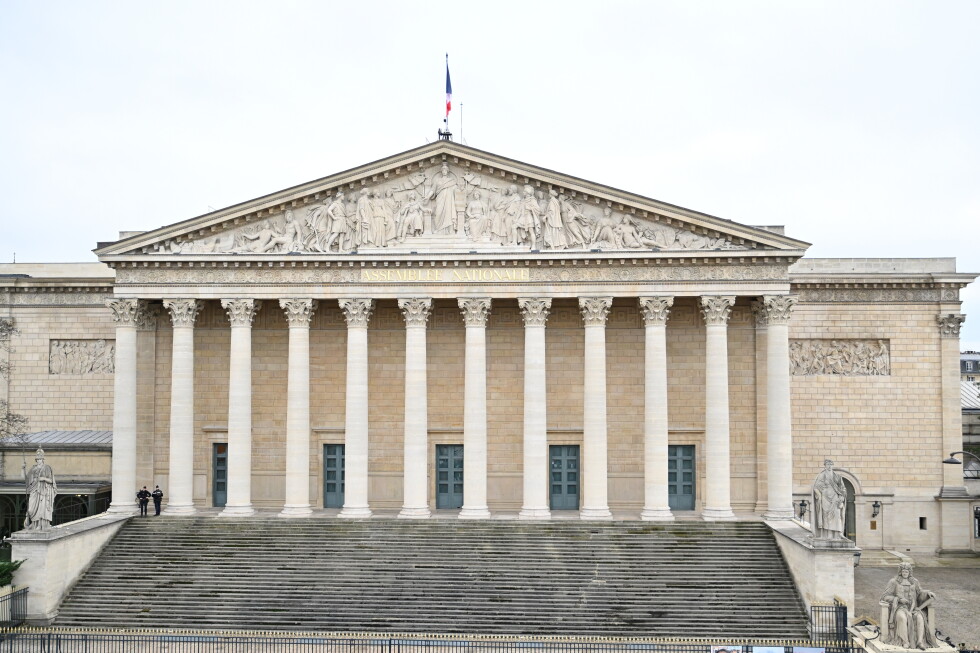
    After more than three years of legislative wrangling and decades of public debate over end-of-life care, France’s lower parliamentary chamber, the National Assembly, is set to cast the final decisive vote on a controversial bill legalizing medically assisted suicide for terminally ill patients on Wednesday.

    The bill, which was first proposed by President Emmanuel Macron’s administration in 2021, is widely projected to pass the final vote, having already secured majority support across three previous readings in the National Assembly. Under France’s unique legislative framework, the lower house holds final authority over legislation when disagreements arise between the two parliamentary chambers. Despite the conservative-majority Senate voting to reject the measure, that opposition will not block the bill’s advancement.

    The legislation establishes a tightly regulated framework for end-of-life choice. To qualify for lethal medication, patients must meet a strict set of criteria: they must be at least 18 years old, hold French citizenship or legal residency, have a serious, incurable, life-threatening illness in an advanced or terminal stage, and experience persistent, untreatable unbearable physical suffering. Psychological suffering alone does not meet the eligibility threshold, and patients with severe psychiatric disorders or neurodegenerative conditions such as Alzheimer’s are explicitly excluded from accessing the option.

    All requests for medically assisted suicide must be initiated by the patient themselves. A mandatory 15-day review period by a medical team is required after the initial request, followed by a minimum two-day reflection period before the patient confirms their decision. Once approved, patients may choose the time and location of the procedure — whether at home or in a medical facility — and may have family members present. A treating physician or nurse will confirm the patient’s final decision and remain on-site to address any unexpected complications, and all associated costs will be fully covered by France’s national health insurance system. Only patients physically unable to self-administer the lethal medication are permitted to receive direct assistance from a medical provider.

    Following the National Assembly’s expected approval, Senate President Gérard Larcher has confirmed he will refer the legislation to the Constitutional Council for a constitutional compliance review, which can take up to one month to complete. The new law will only go into effect after the Council issues a favorable ruling.

    Public opinion in France has shifted steadily in favor of expanded end-of-life choice over the past 20 years, with recent polling and a 2023 national report confirming a majority of French people support the legalization reform. Advocacy groups like the Association for the Right to Die With Dignity frame the legislation as a long-overdue expansion of personal autonomy. “A law that creates a new right never forces anyone to exercise it. It does, however, ensure that every person … can remain at the heart of medical decisions that concern them and have their wishes respected,” group president Jonathan Denis noted in a statement.

    Opponents of the bill, however, have raised significant ethical concerns. Anti-euthanasia organization Alliance Vita argued in an open letter to President Macron that the measure risks placing unspoken pressure on vulnerable older adults, people living with illness, and people with disabilities. The group contends that expanded access to high-quality palliative care, rather than legalized assisted dying, is the only dignified response to end-of-life suffering.

    For years, many French people seeking end-of-life choice have traveled to neighboring European countries where medically assisted suicide or euthanasia is already legal to access the care they want. If adopted, France will join more than a dozen countries around the world that have legalized regulated end-of-life options. Euthanasia is already permitted under strict conditions in the Netherlands, Belgium, Luxembourg, Spain, Portugal, Canada, Colombia, Australia, and New Zealand, while medically assisted suicide is legal in Switzerland, Austria, and multiple U.S. states.

  • Mahmoud Khalil sues Trump administration officials and pro-Israel groups for ‘conspiracy’

    Mahmoud Khalil sues Trump administration officials and pro-Israel groups for ‘conspiracy’

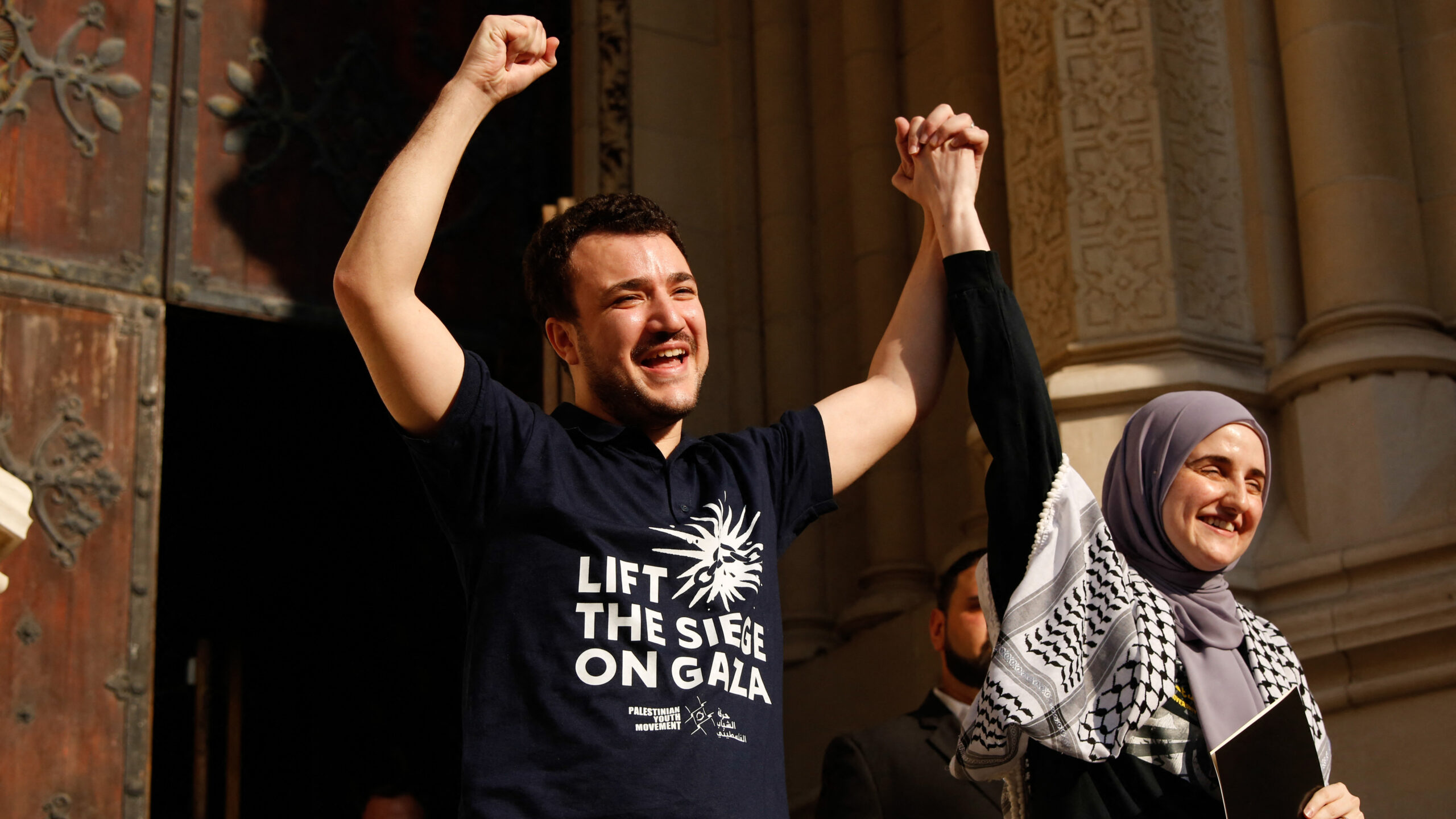
    Palestinian American activist Mahmoud Khalil has launched a landmark civil lawsuit against a coalition of high-ranking Trump administration officials and right-wing advocacy organizations, accusing them of an unlawful conspiracy to intimidate and silence pro-Palestinian speech. He made the announcement official during a public press conference held Tuesday.

    The legal action is being spearheaded by the Center for Constitutional Rights (CCR) alongside legal representation from the firm Beldock Levine & Hoffman. The suit alleges that the named parties deliberately targeted Khalil and other non-citizen Palestinian rights activists to send a punitive message, with the explicit goal of weakening the rapidly expanding global movement in solidarity with the Palestinian people.

    In a rare legal maneuver targeting coordinated public-private repression, the lawsuit is filed under the Enforcement Act of 1871, more widely known as the Ku Klux Klan Act— a Reconstruction-era law designed to combat conspiracies by private groups and state actors that violate civil rights.

    Court documents argue that the campaign against Khalil was rooted in explicit anti-Palestinian prejudice, with private anti-Palestinian groups coordinating directly with senior executive branch officials to target and persecute Khalil and other advocates for Palestinian rights.

    “The goal was never to win an argument. The goal was always to manufacture fear, to convince people that the cost of speaking out would be too high. When those campaigns were not enough, they brought in the power of the state,” Khalil told reporters during the press conference.

    Khalil, a green card holder married to a U.S. citizen, first became a target of the Trump administration starting in 2024 for his role in organizing anti-Gaza war protest encampments on the Columbia University campus. In 2025, he was taken into immigration detention, where he remained locked up for 104 days. The detention forced him to miss the birth of his first child, a devastating personal consequence he says the defendants are responsible for.

    Despite the years of retaliation for his advocacy, Khalil said the campaign to silence him has failed. He declared, “We cannot let fear become the price of consciousness. To those who built this machinery to silence us, hear me clearly: it did not work. You detained me, and I’m standing here. You tried to make me a warning, and instead, you made me a plaintiff.”

    The lawsuit names a slate of top Trump administration officials: senior presidential advisor Stephen Miller, Secretary of State Marco Rubio, Secretary of Homeland Security Markwayne Mullin, acting attorney general Todd Blanche, former Secretary of Homeland Security Kristi Noem, and John Armstrong, an official with the State Department’s Bureau of Consular Affairs.

    Alongside government officials, the suit names three private organizations: Canary Mission, Betar US, and the Heritage Foundation. Canary Mission is a controversial website that maintains a public blacklist of students, activists, and academics who express pro-Palestinian views or criticize Israeli government policy. The outlet routinely conflates pro-Palestinian advocacy and anti-Zionism with antisemitism and support for terrorism, framing its work as documenting anti-American, anti-Israel, and anti-Jewish activity on North American college campuses. Israeli authorities also use Canary Mission’s blacklist to bar pro-Palestinian advocates, including both Palestinian and Jewish critics of Israel, from entering the country.

    Betar US, the U.S. affiliate of the international far-right Zionist movement Betar, is also named as a defendant. The group describes its mission as empowering Jewish people to embrace their identity and defend their heritage, calling itself one of the most impactful Zionist movements in history. It has previously publicly admitted to collecting personal information on participants in pro-Palestinian events and sharing that data directly with the Trump administration. An investigation from New York Attorney General Letitia James found that Betar US repeatedly targeted individuals based on their faith and ethnic background, specifically targeting Muslim, Arab, Palestinian, and Jewish residents of New York. The group was ordered to cease all operations in New York state as a result of the findings.

    The conservative think tank Heritage Foundation, the third private defendant named in the suit, is best known for developing Project 2025, a 900-page comprehensive policy blueprint that has guided the Trump administration’s second-term policy agenda. Project 2025 includes explicit commitments to maintain unwavering U.S. support for Israel regardless of Palestinian civilian harm.

    Khalil currently has two outstanding legal cases pending in the U.S. court system. One is an immigration removal proceeding, where an immigration judge ruled he could be deported; Khalil has appealed that ruling to the U.S. Board of Immigration Appeals. The second is a federal constitutional challenge, where his legal team argues that his detention and attempted deportation violated his First Amendment right to free speech and Fifth Amendment right to due process.

    Khalil closed his press conference by vowing to see the legal fight through to the end. “I will not stop fighting until everyone who willingly contributed to my missing the birth of my son, and to taking 104 days of my life from me, answers for what they’ve done,” he said.
  • Ex-soldier offers medical training in Ukraine

    Ex-soldier offers medical training in Ukraine

    Against the backdrop of the ongoing war in Ukraine, a team of UK military veterans volunteering with a British disaster response charity has wrapped up another deployment, bringing critical frontline medical training to ordinary civilians living and working in active war zones.

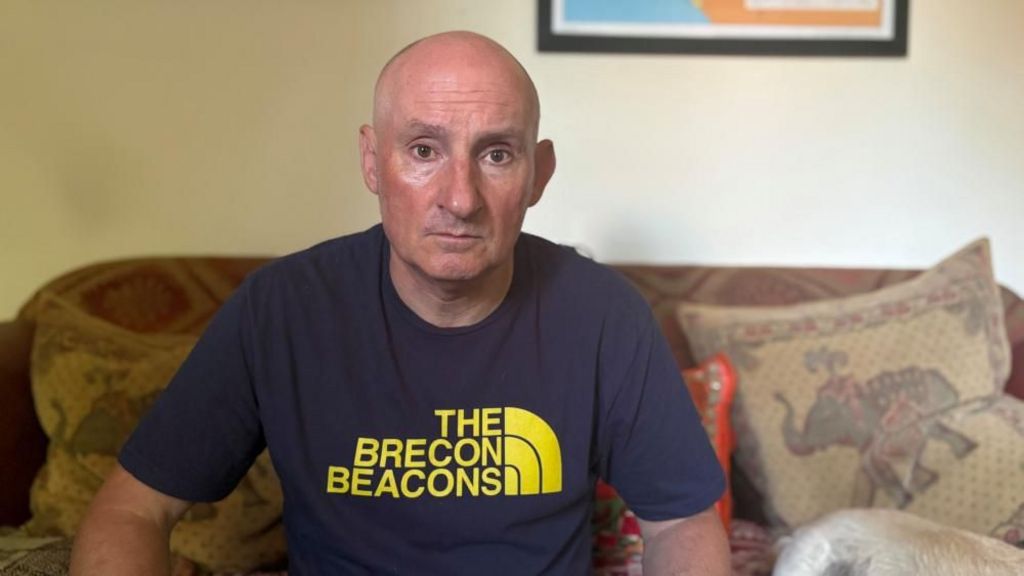
    Paul Taylor, a resident of Hay-on-Wye, Herefordshire and a veteran of the Royal Regiment of Fusiliers, just returned to the UK from his 10th mission to Ukraine, where he and other volunteers from REACT Disaster Response have been training local civilians in tactical first aid and incident management since Russia’s full-scale invasion more than four years ago.

    For Taylor, the work is a chance to put decades of military-honed skills to use for people facing daily danger. “It is tough, but it’s a huge privilege to be able to use the skills that I’ve accrued doing a number of things over a number of years and put that to good,” he said in an interview after his return.

    Founded in the wake of the devastating 2015 Nepal earthquakes, REACT Disaster Response is a UK-based charity that has deployed to respond to natural disasters and conflict zones across the globe, from hurricanes and tsunamis to ongoing active war. For more than two years, the organization’s core focus in Ukraine has been building local capacity to handle trauma injuries from attack, training ordinary civilians who are routinely exposed to frontline risk.

    The program’s curriculum centers on three core life-saving pillars, Taylor explained: keeping people safe in active conflict zones, stopping life-threatening bleeding and maintaining open airways for injured people, and coordinating safe evacuation of casualties to formal hospital care. The training is tailored to the full range of civilians who remain in high-risk areas, from entire families living in regions targeted by frequent drone strikes to critical infrastructure workers who must venture into dangerous areas to restore services after attacks.

    Taylor noted that even basic, widely accessible medical tools like tourniquets and field dressings can mean the difference between life and death when attack strikes far from established hospitals. “It’s fairly rudimentary, so it’s tourniquets and it’s what you would know as field dressings but it’s life saving… we’re trying to put that knowledge and skill close to the incident. That’s what’s going to save people’s lives,” he said. “We have trained mum, dad and two kids because they are exposed to the harsh reality of this every single day. We were also training internet engineers: as soon as there’s a strike, internet goes down, these people are out on the streets in extremely dangerous conditions, up poles etc, having to fix the internet connection.” In addition to training, REACT also donates critical medical supplies to local families and workers in high-risk areas.

    Joining Taylor in the work is fellow veteran Lizzy Stileman, a 20-year veteran of British Army officer service who now serves in the Army Reserves and has volunteered with REACT since 2017. Stileman said she chose to join the Ukraine missions because she wanted to contribute directly when it matters most for civilians caught up in the conflict.

    “Seeing the challenges people face in Ukraine, I feel that even a small contribution can make a meaningful difference, and it’s motivating to know that the work we’re doing helps build confidence, preparedness, and potentially saves lives,” she said.

    During his latest deployment, Taylor documented the harsh realities of daily life in Ukrainian war zones, noting that major roads across the country are now covered with protective nets designed to shield civilian vehicles from incoming drone attacks, a constant reminder of the pervasive risk local people face every day.