博客

  • Trump sanctions on ICC violate free speech, says lawsuit

    Trump sanctions on ICC violate free speech, says lawsuit

    Two U.S.-based human rights advocacy organizations have launched a landmark legal challenge against a sweeping executive order from the Trump administration that imposes harsh sanctions on International Criminal Court (ICC) personnel and Palestinian human rights groups, arguing the policy illegally stifles protected free speech and suppresses pro-Palestinian political advocacy in the United States.

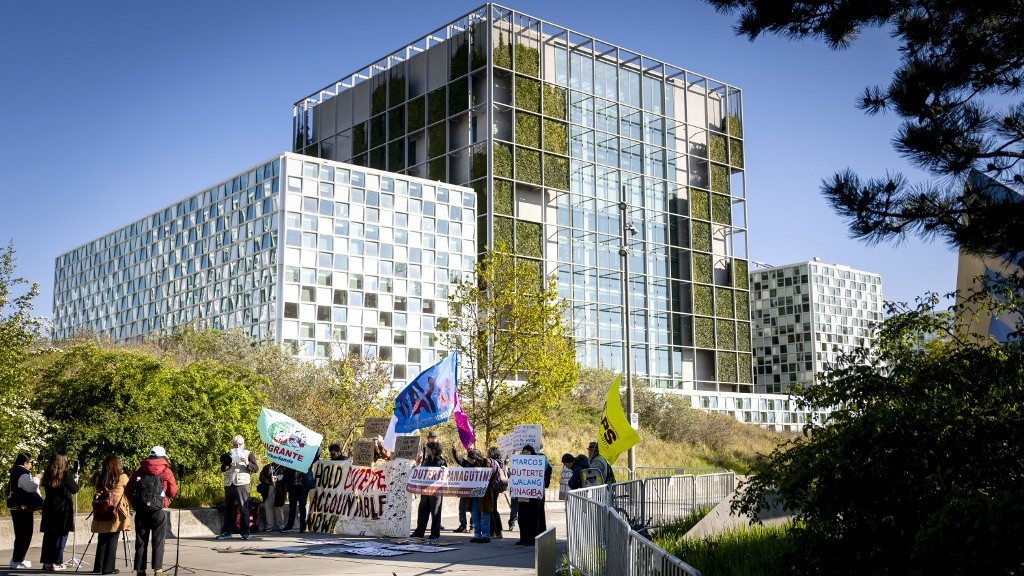
    The plaintiffs, Democracy in the Arab World Now (DAWN) and Taxpayer Alliance Against Genocide (TAAG), brought the suit before a federal court in New York, targeting the 2025 executive order that places strict financial and travel restrictions on any individual — and their immediate families — who assist ICC investigations into alleged war crimes committed by U.S. citizens or U.S. allies, including Israel.

    Under the terms of the order, sanctions also apply to Palestinian non-governmental organizations that have supported ICC probes into allegations of Israeli war crimes in the Gaza Strip and occupied West Bank, claims the Israeli government has repeatedly denied. Omar Shakir, executive director of DAWN, argues the sanctions regime extends far beyond targeting foreign actors: it is being weaponized to chill political speech among millions of American citizens, effectively policing what perspectives they can legally hold and express on the Israeli-Palestinian conflict.

    In their court filing submitted Wednesday, the groups detailed how the vague and broad wording of the order has forced them to restrict their own activities out of fear of fines, asset freezes, and other punitive reprisals. The organizations say they have declined to submit formal statements to the ICC or coordinate advocacy work with individuals already sanctioned under the order, a set of restrictions they argue directly violates First Amendment protections enshrined in the U.S. Constitution.

    The Trump administration has repeatedly defended the sanctions, framing the measures as a necessary response to what it calls “illegitimate and baseless actions targeting America and our close ally Israel.” Top U.S. officials have ramped up anti-ICC rhetoric in recent days: Secretary of State Marco Rubio, who is named as a defendant in the suit alongside former President Trump and other senior administration officials, recently stated the U.S. could expand existing sanctions and vowed to use every governmental tool at the administration’s disposal to dismantle the court “brick by brick, if necessary.” Rubio has claimed the ICC poses an existential threat to U.S. sovereignty and the country’s domestic political and legal systems.

    This legal challenge comes amid a broader administration push to undermine the international court, which was established in 2002 to prosecute genocide, crimes against humanity, and war crimes when national courts are unwilling or unable to do so. Neither the U.S. nor Israel are member states of the ICC. The current dispute traces back to 2024, when the ICC issued arrest warrants for Israeli Prime Minister Benjamin Netanyahu and a senior Hamas military commander over alleged war crimes in Gaza. The Trump administration at the time condemned the court for what it called “shameful moral equivalency” between the Israeli government and Hamas. Trump signed the executive order imposing sanctions shortly after hosting Netanyahu at the White House.

    As of Thursday, the White House had not responded to requests for comment from the BBC on the new lawsuit.
  • US military to start testosterone  testing, Hegseth says

    US military to start testosterone testing, Hegseth says

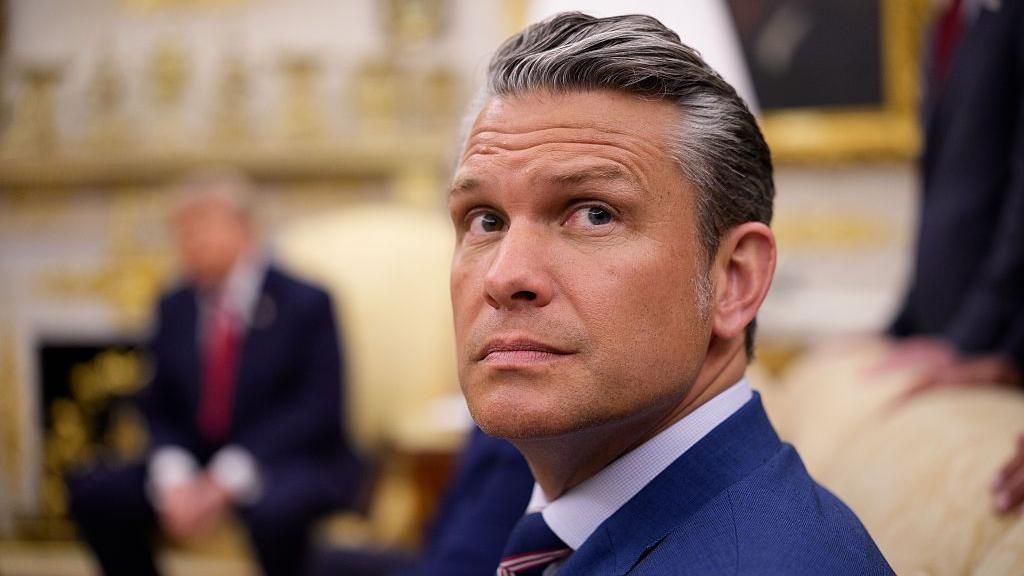
    The U.S. Department of Defense has launched a new initiative that marks a significant shift in military healthcare policy, mandating annual testosterone screenings for all active duty and reserve service members aged 30 and older, while offering voluntary testing for younger troops. Defense Secretary Pete Hegseth made the announcement official in a video posted to the social platform X, framing the program as a core commitment to delivering the highest standard of care for the nation’s armed forces.

    In the video titled “High-T Department”, Hegseth authorized the new screening protocol, emphasizing that the program’s core goal is to help troops operate at peak physical performance, rather than enabling artificial performance enhancement. “We owe our warriors the absolute best medical care in the world, and this program delivers on that obligation,” Hegseth said. He added that supporting long-term troop health ensures service members remain strong, resilient, and capable not only through deployments but for life after they leave military service. Service members found to have clinically low testosterone levels will be offered voluntary testosterone replacement therapy (TRT), while non-medical use of testosterone for artificial muscle growth remains strictly prohibited under military rules.

    Pentagon spokesperson Sean Parnell confirmed in a Wednesday statement that the mandatory screening for testosterone deficiency is effective immediately for all eligible personnel. Parnell noted that the protocol will allow the Department of Defense to build a comprehensive health baseline for troops and deliver targeted care when needed, with the end goal of sustaining a healthy, highly capable fighting force.

    The initiative aligns with broader pushes from the current Trump administration to expand access to testosterone therapy across the U.S. U.S. Health Secretary Robert F. Kennedy Jr. has led efforts to remove regulatory barriers for clinicians prescribing TRT, even positioning expanded access as a potential response to what the administration has called a national “fertility crisis”. Just last month, the U.S. Food and Drug Administration (FDA) moved to revise labeling requirements for TRT products, removing mandatory safety and effectiveness disclosures and proposing looser limits on how the products can be prescribed.

    Medical experts have broadly supported the core idea of routine testosterone screening for older men, while raising important cautions about overprescription. Dr. Mohit Khera, a urology professor at Baylor College of Medicine who led an FDA expert panel on military testosterone screening and use last year, told the BBC that routine screening for all men over 30 is clinically justified, as testosterone levels are a key marker of both current and long-term overall health. Khera explained that undiagnosed low testosterone can reduce muscle mass and energy levels, disadvantages that carry particular risk for service members in combat situations. When prescribed appropriately to patients with confirmed deficiency, TRT offers meaningful benefits: increased muscle mass, reduced body fat, lower depression risk, and improved long-term bone mineral density.

    However, Khera emphasized that TRT is not appropriate for everyone, and carries measurable risks for certain groups. For younger men in their reproductive years, testosterone supplementation can cause infertility, a side effect that must be clearly communicated before treatment begins. The treatment also carries a theoretical increased risk of cardiovascular events that providers and patients must take into account when weighing treatment options. “You have to be careful not to just give someone testosterone unless they do have some kind of symptoms,” Khera noted, highlighting the need for targeted, clinically justified care rather than widespread routine supplementation.

  • Corbyn slams Starmer for again claiming Labour was ‘institutionally antisemitic’

    Corbyn slams Starmer for again claiming Labour was ‘institutionally antisemitic’

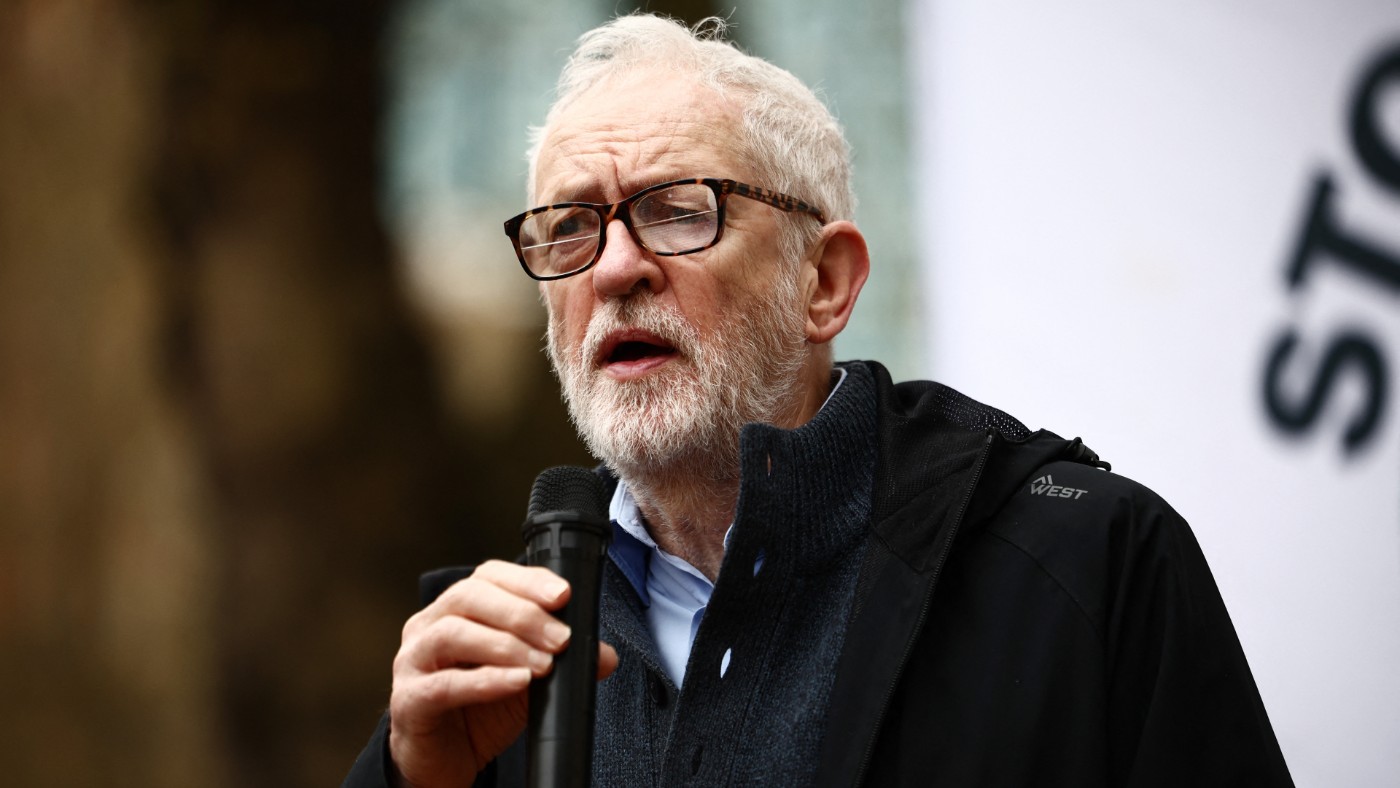
    As outgoing United Kingdom Prime Minister Keir Starmer prepares to leave Downing Street, his predecessor as Labour Party leader, Jeremy Corbyn, has publicly condemned Starmer for repeating a long-debunked false claim that Labour was “institutionally antisemitic” during Corbyn’s tenure at the party’s helm.

    The controversy erupted during Starmer’s final appearance at Prime Minister’s Questions (PMQs) on Wednesday, where he reflected on his political journey from opposition leader to the country’s top office. Recounting the aftermath of Labour’s 2019 general election defeat to Boris Johnson’s Conservative Party, Starmer claimed the loss “nearly broke my party” before adding: “We were found to be institutionally antisemitic. I picked up our party. I turned it round. I made a promise to rip antisemitism out of my party and I did.”

    In an immediate response to Starmer’s comments given exclusively to Middle East Eye (MEE), Corbyn pushed back forcefully against the inaccurate assertion. “The prime minister today falsely claimed that Labour was found to be ‘institutionally antisemitic’ under my leadership. There was no such finding, and Keir Starmer should have the decency to correct the record,” Corbyn said.

    The former Labour leader emphasized that this false allegation is not an isolated misstatement, but part of a repeated pattern of political distortion. “This is the second time in recent weeks he has made a false allegation about the Labour Party under my leadership (last time about an invented financial bankruptcy) to bolster his own dismal record,” he added.

    Corbyn, who now serves as parliamentary leader of the Your Party, argued that misleading claims and broken campaign promises have defined Starmer’s tenure as Labour leader, ultimately eroding public trust and leading directly to the premature end of his premiership. With Starmer already on track to leave office, Corbyn made clear his own political agenda will not slow down: “But I will continue to campaign for social justice, human rights and peace. That includes uncovering the true scale of this government’s institutional complicity in genocide.”

    Corbyn, a long-standing advocate for Palestinian rights, stepped down as Labour leader in 2019 following the party’s decisive general election loss. His four-and-a-half-year tenure was repeatedly marred by public allegations of widespread antisemitism within the party, a narrative that was amplified by internal factional infighting as rival groups battled for control of the party and establishment-aligned factions worked to undermine his left-wing leadership.

    Fact-checking Starmer’s recent claim confirms that the 2020 investigation into Labour antisemitism conducted by the UK’s equality watchdog, the Equality and Human Rights Commission (EHRC), never used the phrase “institutionally antisemitic” to describe Corbyn’s leadership. The EHRC report did document specific cases of harassment, unlawful discrimination, and inappropriate political interference in antisemitism complaint processes, and it concluded that Labour could have addressed the issue far more effectively if Corbyn’s leadership had prioritized reform. The “institutionally antisemitic” characterization actually originated from Alan Johnson, a figure affiliated with the pro-Israel lobbying group Britain Israel Communications and Research Centre (Bicom), not from the official regulator’s findings.

    Long before the report’s 2020 publication, Corbyn had already questioned the EHRC’s institutional independence, telling MEE the body had been absorbed into the “government machine” and its autonomy stripped away by the then-governing Conservative Party for political purposes. Following the report’s release, Corbyn acknowledged that when he took party leadership in 2015, Labour’s internal processes for handling antisemitism complaints were outdated and unfit for purpose, adding that reform efforts had been intentionally blocked by obstructive senior party bureaucracy.

    That claim of internal obstruction was later vindicated by the 2022 Forde Report, which found that Labour staff members openly hostile to Corbyn’s leadership carried out deliberate efforts to undermine his agenda, including running a “secret operation” to divert 2019 general election campaign funds away from candidates loyal to Corbyn.

    In his 2020 statement following the EHRC report, Corbyn struck a balanced tone on the issue of antisemitism in Labour: “Anyone claiming there is no antisemitism in the Labour Party is wrong. Of course there is, as there is throughout society, and sometimes it is voiced by people who think of themselves as on the left. One antisemite is one too many, but the scale of the problem was also dramatically overstated for political reasons by our opponents inside and outside the party, as well as by much of the media. That combination hurt Jewish people and must never be repeated.”

  • Argentina face action after waving Falklands banner

    Argentina face action after waving Falklands banner

    A stunning late comeback victory for defending champions Argentina over England in the 2026 World Cup semi-final has been overshadowed by a provocative political gesture that now puts the South American side at risk of formal disciplinary action from global football governing body Fifa. Playing in Atlanta, Argentina overturned a 1-0 deficit to score two late goals, securing a 2-1 win over Thomas Tuchel’s England side and booking their place in Sunday’s tournament final against Spain.

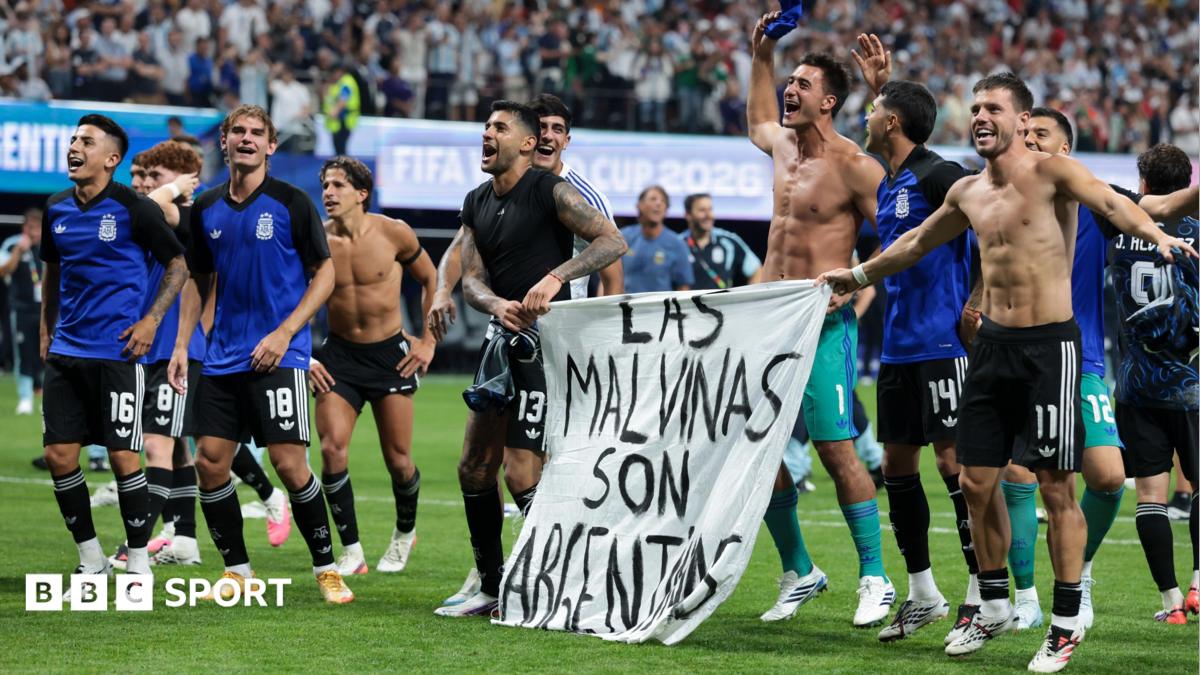
    What should have been a moment purely of sporting celebration quickly turned controversial, when members of the Argentina squad unfurled a banner emblazoned with the phrase “Las Malvinas son Argentinas” — translated as “The Falklands are Argentine” — a reference to the long-running sovereignty dispute over the South Atlantic territory. The Falkland Islands, a self-governing British Overseas Territory located around 300 miles off Argentina’s eastern coast, has been contested by Buenos Aires and London for decades. The disagreement erupted into open armed conflict in 1982, when Argentine forces invaded the islands, leading to a 74-day war that claimed the lives of 655 Argentine servicemen, 255 British military personnel, and three civilian residents of the islands.

    This is not the first time Argentine football authorities have faced sanction from Fifa over this exact gesture. Back in 2014, the Argentine Football Association was fined £20,000 after players displayed the same slogan on a banner ahead of a friendly match against Slovenia. Fifa ruled at the time that the action violated its regulations banning political statements and player misconduct.

    In the wake of Wednesday’s semi-final win, senior Argentine political figures have publicly backed the team’s gesture. Argentina’s vice-president Victoria Villarruel took to social media platform X to write that the match “wasn’t just another match”, pairing her post with a video appearing to show Argentine service members. “The Falklands are Argentine,” she added. “They banned bringing them to the stadium and forgot that we carry them in our blood and our hearts.” In pre-match comments, Villarruel had already framed the fixture as an opportunity “to put the invaders in their place”, stoking political tensions ahead of kickoff.

    This is not the first incident of its kind during Argentina’s 2026 World Cup run: following the team’s dramatic 3-2 round of 16 victory over Egypt, players sang chants referencing the Falkland Islands alongside tributes to Argentine legends Diego Maradona and Lionel Messi.

    Notably, Argentina manager Lionel Scaloni had explicitly stated ahead of the semi-final that he refused to conflate football and politics. “The reality is that this is a football match. I can’t mix things up, especially out of respect for what happened so many years ago,” Scaloni told reporters ahead of the game. “It was a very sad period in our history, and there isn’t much we can do about it, that’s the reality. Things are happening elsewhere in the world, and we criticise the existence of war. We certainly remember those people, of course. But it is a football match – we shouldn’t confuse the two.”

    Due to longstanding historical tensions between the two nations, the semi-final was already held under heightened security measures, with organizers preparing for potential unrest surrounding the high-stakes fixture. The match was ultimately decided by late goals from Enzo Fernandez and Lautaro Martinez, who turned the game on its head to send Argentina through to the final, leaving England eliminated from the tournament at the semi-final stage. Fifa has yet to announce the timeline or details of any disciplinary proceedings against Argentina following the banner protest.

  • Watch: Blanche grilled over handling of Epstein files and relationship with Trump

    Watch: Blanche grilled over handling of Epstein files and relationship with Trump

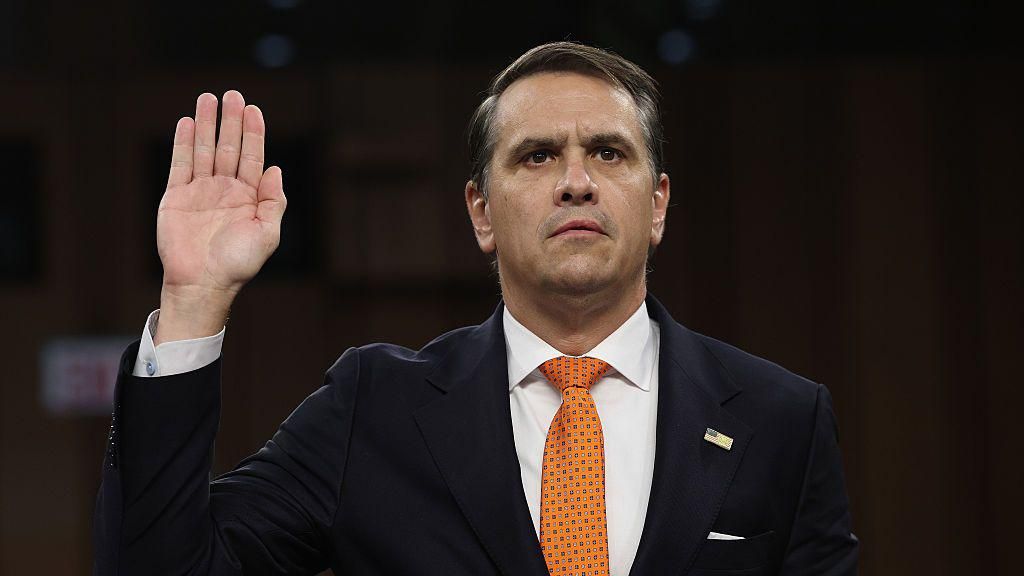
    A high-stakes Senate confirmation hearing for Todd Blanche’s permanent nomination to lead the United States Department of Justice turned tense this week, as lawmakers pressed the nominee aggressively on his past handling of documents tied to the Jeffrey Epstein case and his long-standing professional and personal connections to former President Donald Trump. BBC correspondent Tom Bateman was on the ground inside the hearing room to capture the tense exchanges, as members of both parties raised pointed questions about Blanche’s ability to lead an independent Justice Department if confirmed.

    The core of the most intense questioning centered on the Epstein files: a sprawling set of court and investigative documents related to the disgraced financier and convicted sex offender, whose 2019 death in jail while awaiting trial on new sex trafficking charges spawned widespread conspiracy theories and ongoing demands for full public disclosure of all related records. Lawmakers specifically asked Blanche to explain any past decisions he made that delayed or limited the release of these files, pressing him to commit to full transparency if he takes over the top DOJ role. Blanche pushed back against some of the criticism, defending his past actions and stating he would follow established legal and investigative protocols in handling any remaining Epstein-related materials, but his answers failed to satisfy several skeptical lawmakers on the panel.

    A second major line of attack focused on Blanche’s relationship with Trump, for whom he has previously served as legal counsel in multiple investigations and court proceedings. Lawmakers raised concerns that a personal and professional loyalty to the former president — who is currently the front-runner for the 2024 Republican presidential nomination and faces multiple ongoing criminal indictments — would compromise Blanche’s ability to oversee independent DOJ investigations that touch on Trump and his associates. Blanche reiterated that he would uphold the rule of law without political influence if confirmed, but many Democrats on the panel remained unconvinced, signaling potential opposition to his nomination moving forward.

    The hearing comes amid a period of intense partisan friction over the leadership of the Justice Department, with control of the Senate narrowly split and the White House pushing for swift confirmation of its pick. Observers note that the grilling Blanche faced this week signals that his path to confirmation will be far from smooth, as lawmakers on both sides continue to scrutinize his record and past associations ahead of a final committee vote.

  • Buffett calls Bill Gates relationship with Epstein ‘distasteful’

    Buffett calls Bill Gates relationship with Epstein ‘distasteful’

    One of the world’s most iconic billionaire investors, Warren Buffett, has publicly labeled Bill Gates’ past relationship with convicted sex offender Jeffrey Epstein as “distasteful”, while acknowledging that he too has made missteps throughout his life in befriending individuals who did not live up to his expectations.

    In a move that marks a major shift after two decades of consistent giving, Buffett’s conglomerate Berkshire Hathaway ended its annual donations to the Microsoft co-founder’s eponymous charitable organization this week. Instead, the firm has redirected the billionaire’s remaining pledged stock to a set of private foundations controlled directly by Buffett’s three children.

    Buffett confirmed in an interview with CNBC that his decision to pivot away from the Gates Foundation came in the wake of Gates’ high-profile testimony before the U.S. Congress regarding his ties to Epstein, who died by suicide in a New York federal prison in 2019 while awaiting trial on federal sex trafficking charges. Despite the change in giving strategy, Buffett emphasized that the decades-long friendship between him and Gates remains intact, describing their bond as a “wonderful friendship” built over more than 30 years of shared experiences.

    In a response to Buffett’s comments, Gates called the investor a “dear friend” and noted that his gratitude for Buffett’s years of support is “immeasurable”. Gates added that he values the time the pair have spent together and hopes their friendship continues for years to come.

    Gates’ appearance before the U.S. House Oversight Committee in June centered on answering lingering questions about his repeated meetings with Epstein between 2011 and Epstein’s arrest. During his testimony, Gates explained that he was first introduced to Epstein by a mutual acquaintance who framed the convicted financier as a potential source of billions in new funding for global health initiatives, the core mission of the Gates Foundation.

    Gates told lawmakers that he was aware Epstein had resolved prior legal issues in 2008, when Epstein pleaded guilty to state charges of soliciting a minor for prostitution and procuring an underage person for prostitution. However, Gates admitted he did not grasp the full scope and severity of Epstein’s crimes at the time of their meetings. “I should never have met with Epstein in the first place,” Gates stated in his testimony. “Based on what I know now, I understand that even if he had delivered the donors he promised, it would not have justified associating with him.”

    After reviewing the full transcript of Gates’ congressional testimony, Buffett offered context for his decision to end donations. He noted that while Gates’ association with Epstein was clearly wrong, he saw nothing in Gates’ actions that he could not relate to, drawing a parallel to his own past mistakes in hiring and personal relationships. “I’ve made mistakes in hiring all kinds of people, choosing friends and finding out later that one way or another they weren’t what I thought they were,” Buffett said. “So, I found nothing in there that was beyond what I could picture myself doing.” At 95 years old, Buffett added, “I don’t know whether I’ve done dumber things but I’ve done many dumb things in life.”

    Buffett also clarified that his decision to end donations came as no surprise to Gates. The two men met for a three-hour conversation roughly three weeks before the announcement to discuss the change of plans, and the pair left the meeting on good terms. Buffett recalled that he and Gates first formed their friendship in 1991, and that the pair have shared “an enormous number of good times together” over the past 34 years. “It has been a wonderful friendship,” Buffett reaffirmed.

    Buffett’s original pledge to donate the vast majority of his fortune to the Gates Foundation dates back to 2006, when he promised to give annual contributions to the then-Bill & Melinda Gates Foundation “throughout my lifetime.” To date, the investor has contributed more than $47 billion (£34.7 billion) to the foundation, making him the single largest donor in the organization’s history. Buffett noted that even without his future annual contributions, the Gates Foundation retains “very substantial resources” to continue its global charitable work; the organization disbursed $8.5 billion in grants and charitable support in 2025 alone.

    Beyond the fallout from the Epstein testimony, Buffett explained that his decision to shift giving to his children’s foundations reflects an evolution in his long-term planning. When he made the original 2006 pledge, Buffett did not believe his three children were prepared to manage large-scale philanthropic funding. Today, he says he is fully confident in their ability to steward the resources, and confirms their charitable priorities are fully aligned with his own core values.

  • Global coalition of lawyers launches campaign to defend the International Criminal Court

    Global coalition of lawyers launches campaign to defend the International Criminal Court

    A coalition of legal practitioners and human rights-focused legal organizations from around the globe has mobilized to protect the International Criminal Court (ICC), just days after the U.S. secretary of state publicly outlined plans by the Trump administration to dismantle the international judicial body piece by piece.

    On Monday, Secretary of State Marco Rubio laid out the administration’s aggressive stance in both an opinion piece and a video posted to the social platform X, saying the U.S. would deploy every government resource at its disposal and work alongside aligned allies to break down the ICC “brick by brick” if required. His public challenge to the court comes months after the ICC issued an arrest warrant for Israeli Prime Minister Benjamin Netanyahu over alleged crimes against humanity in Gaza.

    Rubio framed his opposition around claims of U.S. national sovereignty, arguing that the ICC’s attempts to investigate potential wrongdoing by U.S. military and law enforcement personnel represent an unacceptable overreach of the court’s mandate. He claimed that allowing the ICC to exercise jurisdiction over U.S. citizens would undermine core American legal principles, including the right to be tried by a jury of one’s peers under domestic law. In his video address, he went further, accusing the court of waging an ideological war against the U.S. and claiming unelected foreign officials were seeking to control American law and policy. Rubio also stressed that opposition to the court enjoys bipartisan support in the U.S., noting the longstanding U.S. skepticism of the body which was founded in 2002 to prosecute mass atrocities following genocides in Rwanda and the former Yugoslavia.

    Notably absent from Rubio’s public remarks was any direct reference to the 2024 arrest warrants for Netanyahu and his former defense minister Yoav Gallant, who are accused of overseeing mass atrocities in Gaza that have killed more than 73,000 Palestinians since October 2023. The ICC also issued parallel arrest warrants for Hamas leaders over their alleged war crimes during the October 7, 2023 attack on southern Israel; those leaders have since been assassinated by Israeli forces.

    The coalition’s defensive initiative emerged from the Second International Legal Conference, which concluded earlier this week in Istanbul, Turkey. The gathering brought together a diverse multinational group of sitting judges, practicing lawyers, international law scholars, academic experts, and representatives from legal and human rights organizations, all gathered under the official theme “Crimes of the Israeli Occupation in Palestine: Between Legal Accountability and Achieving Justice”.

    At the close of the conference, attendees formally launched the International Initiative to Defend the International Criminal Court and Its Judges, anchored by the Istanbul Declaration. In an official statement, the group emphasized that the work of international justice must remain fully independent from competing political interests and power-driven geopolitics. They warned that allowing political pressure to enable impunity for mass atrocities does more than erode the ICC’s credibility—it undermines the entire foundation of the international legal order and creates incentives for future violations of global law.

    The new initiative calls on bar associations, university departments of law, individual legal professionals, academic institutions, and civil society groups across every region to sign onto the Istanbul Declaration and join the collective effort. Its core stated goals are threefold: uniting global actors to uphold the rights of the Palestinian people, safeguarding the institutional and judicial independence of the international justice system, and enforcing accountability for serious violations of international law without political selectivity or double standards.

  • England’s Tuchel: ‘Easy to say that it was wrong’ to play defensive with lead vs Argentina

    England’s Tuchel: ‘Easy to say that it was wrong’ to play defensive with lead vs Argentina

    ATLANTA — In a stunning, last-minute turnaround at the World Cup semifinals, Argentina pulled off a dramatic 2-1 victory over England on Wednesday, booking their ticket to the tournament final against Spain courtesy of two late goals set up by legend Lionel Messi. The result leaves England’s decades-long dream of reaching their first World Cup final since 1966 in tatters, and has put head coach Thomas Tuchel’s late-game tactical choices under intense scrutiny.

    England had held a solid 1-0 lead since Anthony Gordon found the back of the net in the 55th minute, and looked poised to hold onto the advantage through the final whistle. As the clock wound down, Tuchel made a series of adjustments intended to fortify England’s goalmouth and defend their one-goal advantage: the manager shifted to a five-back formation, substituting defender Reece James for Dan Burn in the 82nd minute, and swapping midfielder Declan Rice for defender Nico O’Reilly to add more aerial presence to the box.

    Tuchel later explained the decision, noting that England had been repeatedly vulnerable to Argentina’s crossing attacks early in the half. “They won every header. They kept crossing and crossing. So we went to a back five to close the gaps inside and be stronger in the air,” he said, acknowledging full responsibility for the result. “Straight after our goal, with no substitutions, we just conceded way too many crosses and way too many chances. So we tried to help. But of course the responsibility is on the coach. And … if it doesn’t go well, it’s easy to say that it was wrong.”

    The tactical shift failed to contain Messi, who orchestrated Argentina’s late surge with masterful play. Just three minutes after Tuchel’s substitutions, the Argentine star played a sharp pass into the path of Enzo Fernandez just outside the 18-yard box. England’s defenders failed to close down the midfielder, who fired a curling precise right-footed strike that left diving goalkeeper Jordan Pickford with no chance, equalizing the score in the 85th minute.

    Argentina kept piling on the pressure as England’s deep-block defense continued to crack. After hitting the crossbar and wasting another close header opportunity, Messi delivered yet another perfect cross in the second minute of stoppage time. England defenders lost track of striker Lautaro Martinez, who powered a close-range header into the net to secure the winning goal.

    Martinez attributed the comeback to England’s tactical choice to drop deep and defend their lead after taking the lead, which drained the English side of energy and gave Argentina room to work. “They got tired. They pressed for 60 minutes and then just ran out of steam. They got their goal and then sat back. That gave us more composure to move the ball around and stretch the pitch,” Martinez said.

    England captain and striker Harry Kane reflected on the devastating loss, noting that the team’s decision to prioritize defending after taking the lead ultimately cost them a spot in the final. “We played a good game for the large majority of it. Once we went 1-0 up, we seemed to just try and hold on, which at this level is not enough,” Kane said. “Just gutted, gutted. Because we’ve worked so hard to get here.”

    Per data from statistics firm Opta, this defeat marks only the second time this century that the team that scored first in a World Cup semifinal went on to miss out on the final. The first time also involved England, in their 2018 semifinal loss to Croatia. Argentina will now face Spain, led by young star Lamine Yamal, in the World Cup title match this Sunday.

  • Crackdown on ‘objectionable’ books in Indian-administered Kashmir sparks row

    Crackdown on ‘objectionable’ books in Indian-administered Kashmir sparks row

    A sweeping new directive mandating content reviews of all educational materials across Indian-administered Kashmir has ignited intense public and political controversy, raising urgent questions about state control over historical narrative and academic freedom in the long-disputed Himalayan region.

    Issued last week by local education authorities, the order applies to every tier of educational institution — from primary schools and secondary colleges to state universities and private coaching centers. It requires administrators to audit all published materials on their premises, including academic research papers and graduate theses, for content deemed to violate religious sensibilities, national laws, educational standards or social norms. Any materials flagged as inappropriate must be reported immediately to government oversight bodies.

    Regional officials defend the directive as a targeted measure to remove factually incorrect and unlawful content, rather than a broad restriction on access to reading material. In official statements, authorities frame the order as a response to materials that promote, glorify or legitimize terrorism, violent extremism, secessionism and radicalization — all activities defined as prejudicial to India’s national security.

    The order comes in the immediate aftermath of a public controversy stirred by India’s ruling national party, the Bharatiya Janata Party (BJP), which staged protests against two government school library books that it claimed glorified separatist leaders and spread anti-national sentiment. The two biographical volumes, which profled prominent figures from Jammu and Kashmir and had been held in school libraries since 2023, were pulled from circulation within days of the protests. Three people connected to the books’ publication were subsequently arrested by local police, and eight senior education department officials were suspended from their posts pending investigation.

    Despite triggering the new order, the policy itself leaves the definition of “objectionable content” deliberately vague. The directive only notes that inappropriate material includes content that violates religious sentiments or Indian law, harms national interest, or runs counter to educational values, and requires all texts to align with India’s “age-appropriate” national education guidelines. Speaking to the BBC, School Education Director Naseer Ahmad Wani confirmed that a government-appointed committee would conduct the full review of texts across all schools and libraries, but declined to elaborate on specific criteria that would qualify content as objectionable.

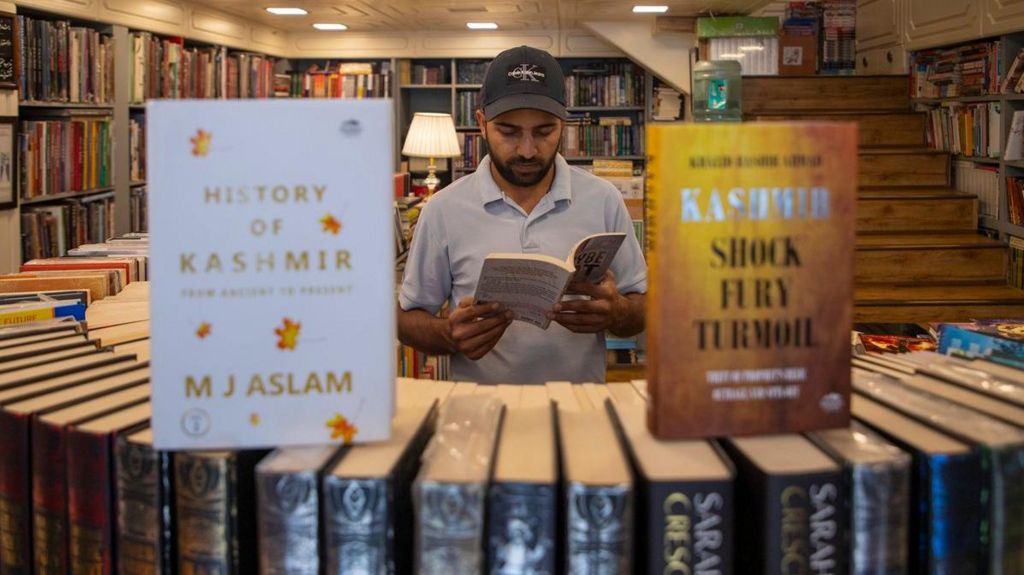
    The current controversy is not an isolated incident: just last year, regional authorities banned 25 published works, including titles by Booker Prize-winning author Arundhati Roy and prominent scholar A.G. Noorani, on grounds that the texts promoted “false narratives and secessionism.” That ban is currently being challenged in Indian courts. In February 2025, police carried out raids on independent bookstores in Srinagar, the summer capital of Jammu and Kashmir, and seized hundreds of books, alleging the titles promoted ideology linked to a banned Islamist organization. Critics of that raid noted that most of the seized works simply documented decades of conflict and political repression in the region.

    Critics of the latest order, including opposition politicians, academics and student leaders, frame the directive as a deliberate attack on academic autonomy and an attempt to erase the region’s decades-long history of political turbulence. Kashmir has been a flashpoint for conflict between India and Pakistan for three-quarters of a century: both countries claim the entire region, and each controls only a portion of it, with periodic armed clashes along the disputed Line of Control that divides the two administrations. Since the late 1980s, the Indian-administered portion of Kashmir has seen an armed separatist insurgency against Indian rule, which India has repeatedly claimed is backed by Pakistan — an allegation the Pakistani government in Islamabad has consistently denied.

    In 2019, India’s central government revoked the semi-autonomous special status that Jammu and Kashmir had held for decades, bringing the region under direct federal control. While an elected local government was restored in 2024, critics argue that the move has led to steadily eroding civil liberties and expanded state control over all aspects of public life in the region.

    Many local academics and political analysts warn that the new screening order violates fundamental rights protected under India’s constitution. “Restrictions like this directly go against the right to freedom of speech and expression that the Indian constitution guarantees all citizens,” said Noor Mohammad Baba, a Srinagar-based political scientist. One Kashmir studies instructor, who requested anonymity out of fear of professional retaliation, noted that the region’s history, cultural identity and educational landscape have long been deeply contested, so the widespread screening of educational materials raises “legitimate questions about academic freedom and the state’s role in defining which narratives are acceptable to teach.”

    Regional political leaders have gone further, alleging the order is part of a broader pattern of expanding state surveillance and a coordinated crackdown on political dissent in the region. Altaf Bukhari, leader of the regional Jammu and Kashmir Apni Party, argues that the government cannot systematically remove historical texts under the pretense of banning “anti-national” content. “This looks like a wider conspiracy to deprive us of our own academic content and our collective memory,” he said.

    Government and ruling party officials have rejected all accusations of censorship or an attack on academic freedom. Imran Nabi Dar, spokesperson for the region’s governing National Conference party, clarified that the goal of the order is not to restrict access to reading, but to prevent unnecessary controversy stemming from content taught in classrooms. “Our point is that there shouldn’t be any unnecessary controversies arising from what is being taught in educational institutions,” Dar explained. BJP spokesperson Sunil Sethi echoed that position in comments to the BBC, arguing that “people cannot be allowed to glorify separatists in the name of academic freedom.” He added that “peace has been restored in the region with great difficulty, and we can’t let things get out of control again.”

  • ‘I must get out into the free world’, dissident who fled China on boat tells BBC

    ‘I must get out into the free world’, dissident who fled China on boat tells BBC

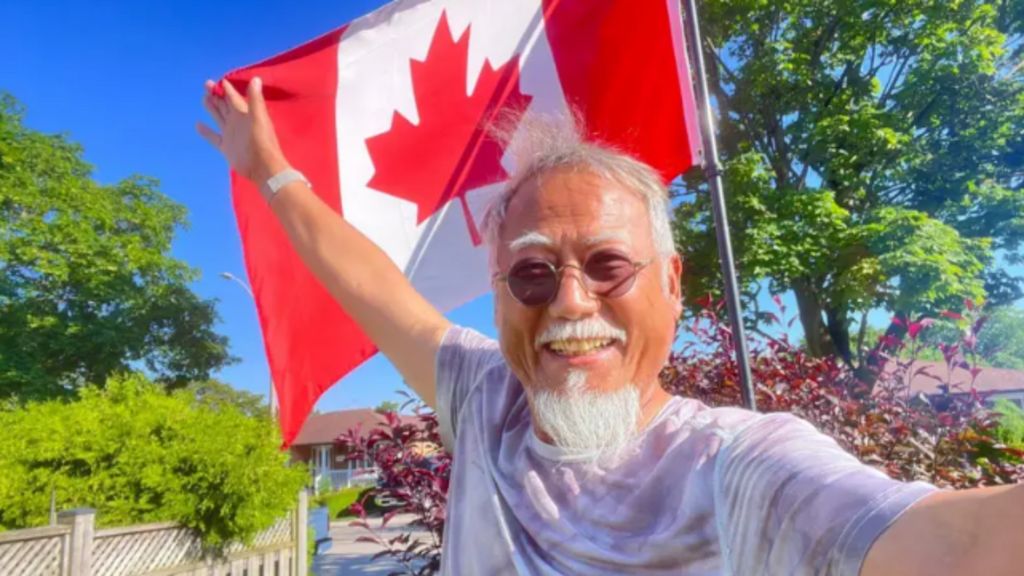
    After years of repeated detention and four foiled escape attempts that sent him back to Chinese custody each time, 68-year-old former police officer turned activist Dong Guangping has finally reached safety, completing a harrowing 40-hour open-sea journey from eastern China to resettle in Canada with his long-relocated family.

    Dong’s decades-long clash with Chinese authorities began in 1999, when he was dismissed from his 13-year career with the Chinese police force after adding his signature to a public petition marking the 10th anniversary of the 1989 Tiananmen Square pro-democracy protests. That first professional penalty was followed by multiple prison sentences: a three-year term starting in 2001 on charges of “inciting subversion of state power”, and another jail stint in 2014 for taking part in another commemoration of the 1989 events, according to human rights organization Amnesty International.

    Over the past eight years alone, Dong tried and failed to leave China four times. In 2015, he and his family reached Bangkok, where the United Nations granted them refugee status and approved their resettlement to Canada. But just days before their scheduled departure, Thai authorities deported Dong back to China, where he received a three-and-a-half-year prison sentence for “inciting subversion” and “illegal border crossing”. After his 2019 release, he tried to swim to the Taiwan-held island of Kinmen, only to be picked up by Chinese fishermen who returned him to authorities, who then imposed an exit ban on him. In 2020, he slipped into Vietnam and hid in Hanoi for two years before being deported back to China, where he served another year-long prison term, and was released again in 2023.

    Each failed attempt only hardened Dong’s resolve to reach the free world. For his fifth attempt, he planned a risky open-sea crossing: a 300-kilometer journey across the Yellow Sea, originally intended for Japan before poor weather forced a last-minute route change toward closer South Korean waters. With just a few hours of basic sailing practice under his belt, the 68-year-old set off from Weihai, Shandong province, in mid-May of this year aboard a 3.3-meter motorized rubber dinghy.

    What followed was an ordeal that tested every ounce of his endurance. Over two full days without sleep, Dong battled choppy, rocketing waves that left him dizzy and exhausted. Severe sunburn burned his exposed skin, his phone battery drained rapidly, and his portable charger died completely, leaving him dependent on his phone’s digital compass to avoid drifting back into Chinese territorial waters. At one point, he dozed off from exhaustion, waking just in time to avoid a catastrophic collision with a large cargo ship — a close call he later said would have ended his life if he had slept just 20 seconds longer.

    After 40 hours adrift, Dong spotted a South Korean fishing vessel close to 8:30 p.m. local time on May 27. He shouted for help, and the fishermen alerted authorities, who rescued him and brought him ashore in Taean County. He was held briefly for immigration processing before being transferred to a refugee center in Incheon, where he completed the political asylum application process for Canada.

    Speaking to BBC Chinese in a recent video interview from his new home in Toronto, Dong said escape was not just a matter of safety: “I can never survive in China. If I didn’t leave, I would never have peace for the rest of my life. I had to show the Chinese Communist Party I was capable of leaving. They cannot stop me, they cannot control me.”

    When the BBC requested comment on Dong’s case, a Chinese Foreign Ministry spokesperson stated that the Chinese government manages citizen entry and exit in accordance with national law, and requires all Chinese citizens to abide by the country’s Constitution and legal framework.

    Dong is not the first Chinese dissident to make a sea escape to South Korea: In 2023, fellow activist Kwon Pyong fled to the country on a jet ski, and after a period of detention on immigration charges, he resettled in the United States.

    Reflecting on the moment he received confirmation of his flight to Canada, Dong said he was overcome with emotion holding his airline ticket. Still, his new freedom carries a heavy regret: just days before he launched his risky escape, he celebrated his mother’s 95th birthday in China, but never told her of his plan to leave. “Not being able to fulfil my filial duties towards my mother will remain my greatest, greatest regret,” he said.