博客

  • Google fined €890m by EU for favouring its own apps over rivals

    Google fined €890m by EU for favouring its own apps over rivals

    In a historic milestone for European digital regulation, Google has become the first major tech giant hit with a heavy penalty under the European Union’s landmark Digital Markets Act (DMA), receiving a combined fine of €890 million (£759 million) for alleged abuse of market dominance. The penalty, issued by the European Commission, splits into two separate violations of the DMA’s strict competition rules.

    The first €460 million fine stems from regulators’ finding that Google systematically prioritized its own flight and hotel booking services over competing platforms in its general search results. The second €430 million penalty relates to restrictive policies on Google’s Play Store, where regulators confirmed the company blocked users from accessing lower-priced app and content offers available through third-party marketplaces outside Google’s closed ecosystem.

    European regulators argue that Google’s self-preferencing practices cut off consumer choice and create an unfair playing field that squeezes out smaller competitors, undermining innovation across the European digital market. EU Competition Commissioner Teresa Ribera emphasized the core principle behind the DMA: digital companies should win market share based on the quality of their offerings, not through leveraging their existing dominant position. “The best products should succeed because they’re better, not because they’re owned by the company running the search engine,” Ribera stated.

    EU Digital Commissioner Henna Virkkunen echoed this stance, noting that the enforcement action is designed to open up the market for new entrants and encourage broader innovation across the bloc. “After this decision, we want to make sure that there is more competition and also other companies are able to innovate,” she said.

    Google has pushed back sharply against the ruling, arguing that complying with the EU’s requirements will force harmful changes to services relied on by millions of European consumers. Kent Walker, Google’s president of global affairs, said the company would be required to remove popular real-time search features that users value, including instant pricing and availability updates for hotels, flights, and local restaurants, as well as dismantle core safety protections built into the Google Play Store. “This isn’t fair competition,” Walker said.

    European officials rejected Google’s warnings, maintaining that the regulatory requirements are a necessary check on the power of dominant platform operators to prevent them from disadvantaging competing businesses. This penalty marks the latest in a years-long series of clashes between Google and European regulators, which have previously issued billions of euros in fines against the company for separate antitrust violations dating back more than a decade.

    Google now faces a 60-day deadline to bring its practices into compliance with DMA requirements. The company also retains the option to challenge the European Commission’s ruling by bringing the case before the EU’s courts.

  • London’s mayor says falling crime shows the city is safe despite alarming online claims

    London’s mayor says falling crime shows the city is safe despite alarming online claims

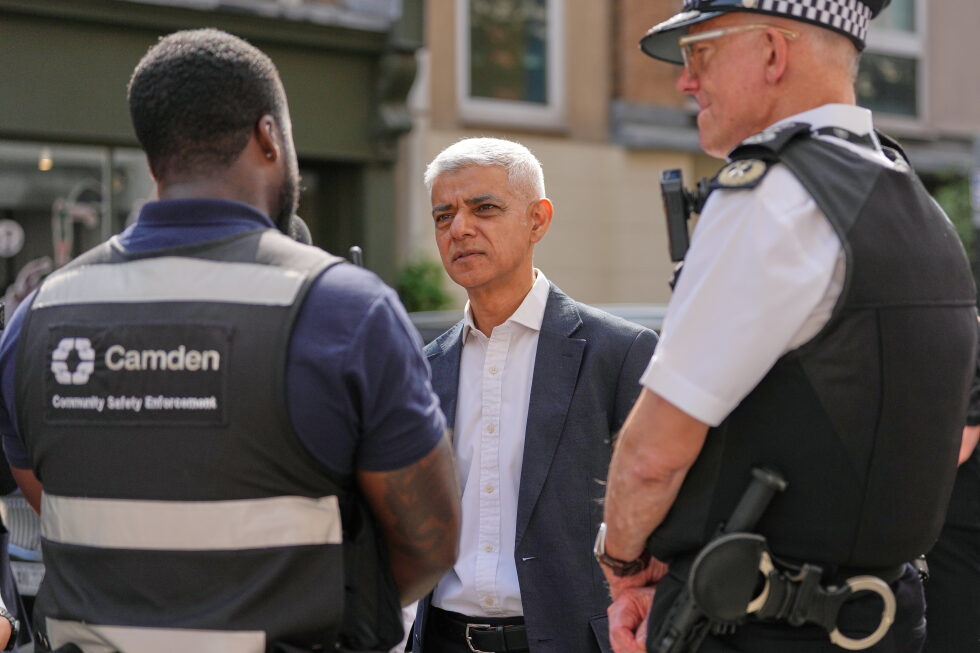
    LONDON – Fresh crime data showing a sharp drop in common street offenses has given London’s top city officials a platform to push back against a widespread, politically charged online narrative that frames the British capital as a lawless, unsafe destination for visitors and residents alike. Mayor Sadiq Khan and Metropolitan Police Commissioner Mark Rowley outlined the new figures during a press briefing Thursday, arguing that viral negative claims about London’s crime crisis are amplified by bad actors seeking to undermine the city’s progressive, multicultural identity.

    According to data released by the Metropolitan Police, neighborhood crime – a broad category covering phone theft, pickpocketing, residential burglary and motor vehicle offenses – fell 14% across the capital in the 12-month period ending in June. In two of London’s most visited tourist areas, the declines were even steeper: the crime category dropped more than 33% in Westminster, which hosts major attractions including the Houses of Parliament, Soho and Leicester Square, and fell 25% in neighboring Camden, another popular destination for international visitors.

    Despite these measurable improvements, Khan noted that negative claims about London’s safety have exploded across social media platforms over the past two years. He reported a 200% jump in social media posts claiming London is in “decline” or overrun by danger, with many of these claims pushed by right-wing politicians and tied to anti-immigrant and anti-Muslim rhetoric. As London’s first Muslim mayor, who has held office since 2016, Khan has himself been a frequent target of these attacks: he has been publicly insulted by X owner Elon Musk and former U.S. President Donald Trump, who has repeatedly labeled Khan a “terrible” mayor and a “stone-cold loser.”

    Khan blames this coordinated negative campaign on what he calls an online “outrage economy,” where content creators and bad actors monetize fear and negativity to drive engagement and profit. “We know there are bot farms making money from negative stories about London,” Khan told the Associated Press in an interview. “We know that there are state actors in Russia and China and MAGA-backed influencers in the USA who want to do London down. Why? Because we’re liberal, we’re progressive, we are multicultural and we’re incredibly successful.” Khan added that if social media platforms fail to crack down on coordinated misinformation, new regulation will be necessary to curb the spread of harmful false content.

    Broader crime trends support officials’ claims that London is far safer than viral narratives suggest. Like most major urban centers across Europe and North America, London has seen a steady decline in violent crime in recent years. The city recorded 97 homicides in 2023, the lowest annual total since 2014, and its homicide rate per capita is lower than that of Paris, Berlin, or New York City. Even so, Khan acknowledged that London still faces pressing public safety challenges: he specifically highlighted a worrying rise in hate crimes targeting Muslim and Jewish communities, a surge fueled in large part by ongoing geopolitical conflicts in the Middle East. “We’ve got to make sure we give these communities the confidence to report these crimes,” Khan said. “We’ve also got to be sure we support them to make their places of worship safer, so nobody’s scared to practice their faith.”

    The Metropolitan Police has focused on cracking down on non-violent but quality-of-life eroding offenses, such as phone snatching, shoplifting and subway fare evasion – crimes that many Londoners report encountering in their daily lives. Police leaders credit the recent drop in these offenses to a multi-pronged strategy that combines increased high-visibility patrols in high-risk tourist and residential areas, intelligence-driven operations targeting repeat offenders, and integration of new technology into policing work.

    Rowley, who took over as commissioner in 2022, highlighted the force’s controversial but “innovative and creative” use of facial recognition technology as one tool driving recent progress. “There’s classic police work, officers on the streets, supported by the best of 21st century technology that’s making a difference,” he said. Rowley’s leadership has come as the Met works to rebuild public trust after a string of high-profile scandals, which culminated in an independent public review that found the force was deeply institutionalized with sexism, homophobia and racism. The force also faces separate criticism from right-wing groups that claim it practices a “two-tier” policing model biased against white people. Rowley pushed back against that narrative, saying the force is committed to impartial policing that serves all communities equally. “We’re routinely invited to join either side of the culture wars. We’re politely declining those invites,” Rowley said. “We operate under the law without fear or favor. We’re here to protect every citizen and we do that with equal vigor.”

    Many visitors and long-term residents echo officials’ reassurances about London’s safety. Julianne Sweeten, a 21-year-old American university student studying abroad in London from Chesapeake, Virginia, said the capital “feels a lot safer than the U.S.,” noting that the near absence of gun violence eliminates a major source of fear, and she has not experienced the phone theft that many online warnings warn about. Vicky Hawkins, a 78-year-old artist who has lived in London her entire life, said she sees little change in overall crime levels from decades past. “I know people feel more unsafe, I think, these days. But I don’t,” she said. “But I know not to push my luck.”

  • Iraq emerging as an accidental Iran war winner

    Iraq emerging as an accidental Iran war winner

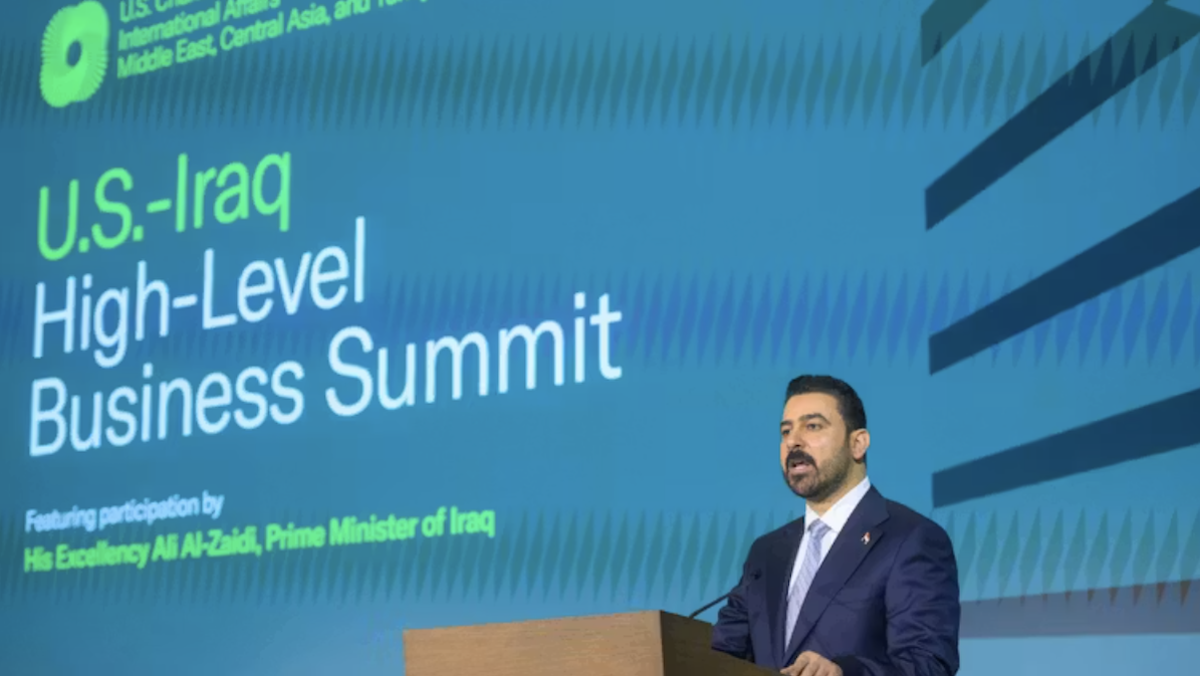
    In the rapidly shifting landscape of 21st-century Middle Eastern geopolitics, Iraqi Prime Minister Ali al-Zaidi has embarked on an ambitious, high-stakes diplomatic tour that underscores his country’s growing role as a critical bridge between competing global and regional powers. Fresh off a successful weeklong visit to the United States that concluded on July 19, 2026, where he held high-profile talks with President Donald Trump, al-Zaidi is set to travel next to Tehran to engage Iran’s new leadership, with additional stops planned for Qatar, Saudi Arabia, Turkey, and Syria in the weeks ahead.

    This U.S. trip marked the first and most strategically significant stop on al-Zaidi’s broader regional diplomatic push, which aims to shore up domestic legitimacy for his new administration, attract much-needed foreign direct investment, and elevate Iraq’s standing as a key independent actor in the Middle East. A core goal of Baghdad’s current diplomatic strategy is to nurture closer ties with Washington while preserving its long-standing cooperative relationship with Tehran, even as tensions between the two powers reignite and disruptions to shipping in the Strait of Hormuz send economic shockwaves across the region. Al-Zaidi’s government is positioning Iraq as a neutral diplomatic intermediary, and a potential future host for formal Iran-U.S. negotiations, to cement this delicate, influential role.

    The U.S. visit, which included a major high-level business summit and meetings with top American energy industry executives in Houston, was carefully structured to align with a new U.S. regional strategy that prioritizes expanded trade and investment across the Middle East, with Iraq at its center. As a close scholar of Middle Eastern geopolitics, this coordinated diplomatic push points to a profound transformation: Iraq is steadily emerging as a central strategic connector in a region increasingly defined by cross-border energy trade, infrastructure networks, and interconnected investment flows.

    Iraq’s growing stature as a nexus for diplomacy and commerce stems from a combination of critical domestic changes and sweeping regional power shifts. The near-defeat of the Islamic State group across Iraq and the broader Middle East, paired with notable improvements in domestic security and Baghdad’s more assertive independent diplomacy, have dramatically expanded Iraq’s room for diplomatic maneuver. At the same time, the collapse of the Tehran-aligned Assad regime in Syria, the weakening of Iran’s regional proxy networks, and ongoing open confrontation between the U.S. and Iran have all amplified the strategic value of Iraq’s geographic position, state institutions, and existing cross-regional relationships. Today, as the regional balance of power is redrawn and Iran’s traditional network of influence is disrupted, Iraq has become an increasingly critical platform for military coordination, regional diplomacy, and cross-border economic connectivity.

    Against this backdrop, al-Zaida’s choice to make the U.S. his first foreign trip as prime minister underscores a broader trend: nearly every major regional and global power is currently reassessing Iraq’s strategic importance. Iran, Arab Gulf states, and China have all deepened their diplomatic and economic engagement with Baghdad in recent years, each pursuing distinct policy goals but unified in their recognition of Iraq’s unique geostrategic position.

    For Washington, this reassessment marks a clear break from the post-Iraq War framework that framed relations with Baghdad almost exclusively through the lenses of counterterrorism and military stabilization. Today, U.S. and Iraqi officials are building a far broader bilateral partnership, with new economic agreements focused on strengthening Iraq’s energy sector, modernizing its crumbling national infrastructure, and expanding private-sector investment. While security cooperation remains a core pillar of the relationship, it now serves a broader strategic goal: building a more resilient Iraqi state capable of managing competing external pressures and governing effectively across its territory.

    For Tehran, Iraq has grown even more central to its regional strategy at a time when its geopolitical position across the Middle East has weakened. Iraq provides Iran with a critical strategic buffer, deep commercial ties, and an essential land corridor connecting Iran to its remaining partners across the Levant. As Iran’s other key regional allies, including Hezbollah and Yemen’s Houthi movement, face growing military and political pressure, maintaining Iran’s influence in Iraq has become a top strategic priority.

    Arab Gulf states have also recalibrated their approach to Baghdad in recent years. While security concerns, particularly over Iraq’s close relationship with Iran, continue to shape their policy, Saudi Arabia, the United Arab Emirates, and other Gulf monarchies see Iraq’s post-Islamic State trajectory as a major opportunity for expanded engagement through investment, infrastructure development, and regional economic integration. A more stable, connected Iraq can link Gulf capital, markets, and infrastructure projects to global trade networks, while reducing the risk of regional instability spilling over from Iran.

    China’s growing engagement with Iraq highlights another dimension of the country’s rising strategic importance. As Baghdad becomes an increasingly contested arena for geopolitical and commercial competition, Chinese firms face growing pressure to compete aggressively for infrastructure and energy contracts, while Beijing has stronger incentives than ever to deepen its ties to Baghdad to protect its existing regional influence. Yet China’s interests extend beyond securing market access and outcompeting other powers: a stable, economically viable Iraq serves Beijing as a reliable energy supplier and a potential hub for broader Eurasian regional connectivity. In this respect, outside of great-power competition, U.S. and Chinese interests in Iraq are broadly aligned.

    Notably, these overlapping engagements with Iraq do not fit the traditional model of zero-sum competition between rival powers or blocs. Instead, they coexist, reflecting a deliberate strategy from Baghdad to diversify its external partnerships while avoiding dangerous over-reliance on any single global power.

    What sets Iraq apart from other Middle Eastern states is not just its central geographic location, but the unique overlap of productive relationships it maintains with competing powers that few other countries in the region can match. Baghdad can engage Washington on security and energy cooperation, maintain deep political and commercial ties with Tehran, partner with Beijing on infrastructure development and trade, and collaborate with Gulf states on investment and regional connectivity. This unique position has allowed Iraq to take on the role of what analyst John Calabrese terms an “intermediary state” – a country whose influence stems from its ability to maintain connections to competing political, economic, and security networks, while shaping how those networks interact with one another.

    Iraq’s emerging role offers a clear window into the broader transformation of Middle Eastern geopolitics. While military power and traditional alliances remain central to regional influence, power increasingly flows through the cross-border systems that connect economies and societies: energy infrastructure, electricity grids, logistics corridors, financial systems, and cross-border investment relationships. Going forward, states that can shape and lead these interconnected networks will hold the greatest influence over the region’s future.

    Despite this unprecedented opportunity, Iraq faces significant structural and geopolitical challenges that threaten to derail its bid to convert strategic connectivity into lasting national advantage. The same overlapping relationships that boost Baghdad’s value also create powerful incentives for external powers to compete for influence within Iraq’s domestic political system. While strategic connectivity offers major new sources of leverage for Baghdad, without stronger, more unified national institutions, it can also deepen dependence on foreign powers and erode Iraqi sovereignty.

    The most immediate challenge facing al-Zaidi’s government is consolidating full state authority across Iraqi territory. The prime minister’s push to bring non-state armed groups under formal government control will be a critical test of whether powerful Iran-aligned militias will be willing to give up the autonomy, political influence, and economic interests they have built up over two decades of conflict. Progress on disarmament and integration is likely to be uneven, particularly if rising regional tensions increase the value of these militias to Tehran.

    Iraq’s fractured domestic political economy presents an equally formidable obstacle. Decades of patronage networks, systemic corruption, and fragmented governance continue to limit Baghdad’s ability to implement nationwide economic reforms, attract sustained long-term foreign investment, and translate external partnerships into broad-based, inclusive economic development for Iraqi citizens. Converting Iraq’s strategic importance into lasting national strength ultimately depends as much on building domestic institutional capacity as it does on maintaining productive foreign relationships.

    External geopolitical dynamics will also continue to shape Iraq’s trajectory. Persistent deep distrust between Washington and Tehran ensures that Iraq will remain under pressure from competing powers seeking to pull Baghdad into their orbits. If the current escalation of U.S.-Iran hostilities spirals into a protracted, wider regional war, both Iraq’s ability to realize its strategic potential and the survival of the al-Zaidi government would be put at severe risk.

    Looking ahead, China is unlikely to retreat from Iraq, where it has already become a leading trading partner and major infrastructure investor. Arab Gulf states will continue to pursue closer ties to a more stable, economically integrated Iraq, while Washington will remain invested in a sovereign Iraqi partner capable of resisting destabilizing pressure and balancing Chinese influence in the region. The core challenge for Baghdad will be managing these overlapping relationships effectively, ensuring that foreign partnerships strengthen Iraqi sovereignty rather than constrain it.

  • Ghanaians’ ICC petition over migrant attacks ‘opportunistic’, says South Africa

    Ghanaians’ ICC petition over migrant attacks ‘opportunistic’, says South Africa

    A wave of violent anti-undocumented migrant protests across South Africa has sparked cross-African diplomatic friction and an unprecedented legal challenge filed at the International Criminal Court (ICC) by two Ghanaian activists, plunging the continent into a heated debate over migration governance and state accountability.

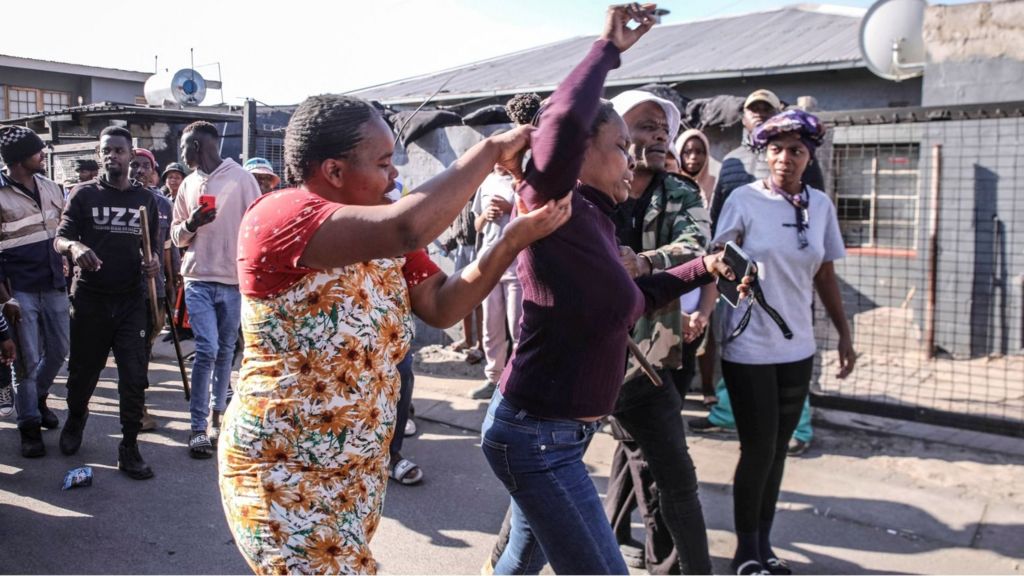
    The unrest, led by anti-migrant groups that set a 30 June deadline for all undocumented foreign nationals to exit the country, has driven widespread displacement. Protesters have taken extreme steps including door-to-door checks of residents’ migration status to enforce their demands, creating a climate of fear that has pushed tens of thousands of migrants to flee. Demonstrators frame their actions as a response to South Africa’s deep socioeconomic crises, blaming undocumented migrants for soaring unemployment, escalating crime, and the crumbling of public services that millions of South Africans rely on daily.

    Disputes over the scale of the displacement highlight growing rifts. South African government data indicates more than 53,000 foreign nationals have been either deported or have left voluntarily in recent weeks. But an independent tally compiled by Agence France-Presse, based on official figures from migrants’ home countries, puts the total number of people who have exited South Africa over the past two months above 160,000, underscoring the far broader reach of the unrest than official counts acknowledge.

    Last week, two Ghanaians — Palgrave Boakye-Danquah, a former Ghanaian government spokesperson for governance and security, and Emmanuel Kotin, a counter-terrorism and security analyst — formally submitted a petition to the ICC based in The Hague. The filing argues that the ongoing pattern of targeted violence against migrants meets the legal definition of crimes against humanity, and accuses the South African government of systemic failure to prevent attacks or hold perpetrators accountable. “For years, African brothers and sisters have been killed, beaten and driven from their homes in South Africa,” the pair said in a joint statement. “While we commend individuals in South Africa who have condemned these acts, the pattern, scale and recurrence of the violence raise serious questions about the failure of state authorities to prevent, investigate, and punish these crimes.” As of this report, the ICC has not released any public statement on whether it will move forward with reviewing the petition.

    South Africa has forcefully pushed back against the filing, dismissing it as an opportunistic action that fails to meet the ICC’s legal threshold for intervention. The country’s foreign ministry has emphasized that its domestic judicial system is fully capable of investigating and prosecuting any crimes connected to the unrest. South African officials have repeatedly rejected accusations of state inaction, noting that President Cyril Ramaphosa has publicly acknowledged widespread public frustration over unregulated migration but has clearly condemned all violent attacks on foreign nationals, warning citizens against taking the law into their own hands. In an official response, the South African government stated it “categorically rejects xenophobia, racism, homophobia, and intolerance and discrimination in all their manifestations”, adding that upholding respect for the dignity of every person within its borders is both a constitutional obligation and a moral duty.

    Tensions between South Africa and Ghana have escalated rapidly in recent weeks. Ghana became one of the first African nations to organize repatriation flights for its citizens caught up in the violence after the latest wave of protests erupted, and has confirmed one Ghanaian citizen was killed in anti-migrant attacks — a claim South African authorities have outright denied. In the weeks since, multiple other African countries including Kenya, Malawi, Nigeria and Uganda have also arranged organized transportation to help their citizens exit South Africa safely.

    Over the weekend, leaders from the Economic Community of West African States (ECOWAS) issued a formal condemnation of the attacks, specifically calling out the “despicable treatment of West African citizens” and calling on South African authorities to take immediate, decisive action to end the violence and protect all foreign nationals residing in the country. The United Nations has also joined the international conversation, warning that political and popular leaders are unfairly scapegoating migrants to distract from South Africa’s deep-rooted socioeconomic challenges.

    As Africa’s largest economy, South Africa has long drawn migrants from across the continent seeking better economic opportunity, with many crossing the border without formal authorization. Official statistics put the number of documented foreign residents at more than three million, a figure that does not include the undocumented population, whose exact size remains unconfirmed. To address the underlying issues, South Africa has called for continent-wide discussions through the African Union (AU) focused on tackling the root causes of irregular migration across Africa, framing the crisis as a shared continental challenge rather than an isolated South African problem.

  • Suspected militants kill judge, security guard in ambush in restive southwest Pakistan

    Suspected militants kill judge, security guard in ambush in restive southwest Pakistan

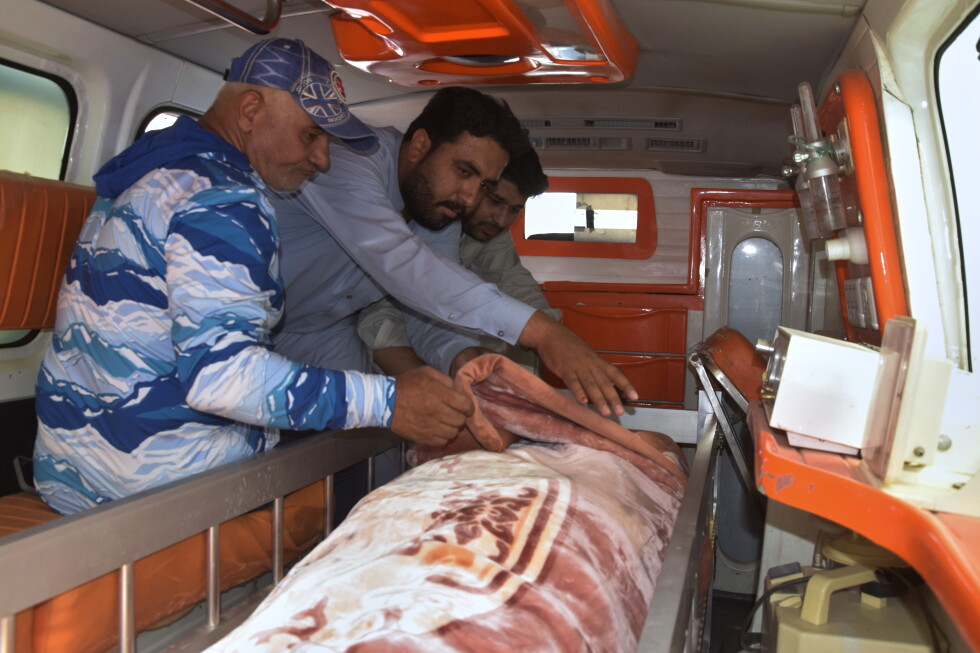
    A brazen militant ambush targeting a district judicial official in Pakistan’s restive southwestern province of Balochistan has left two people dead, triggering swift pledges from the country’s top military leadership to wipe out all terrorist infrastructure operating across the nation. The attack unfolded Thursday on the outskirts of Mastung district, where separatist insurgent groups have sharply ramped up violent operations targeting both security personnel and civilian authorities in recent months. According to local Mastung police chief Abdul Rauf, District Judge Abdul Hakim Kakar was en route from Quetta, the capital of Balochistan, to Mastung to preside over scheduled court hearings when the ambush was carried out. Both Kakar and his assigned security guard were killed at the scene, with the assailants fleeing before security reinforcements arrived. As of Friday morning, no militant organization has issued a public claim of responsibility for the attack. Counterterrorism analysts and local law enforcement however point to long-active Baloch separatist insurgent networks as the prime suspects, particularly the Baloch Liberation Army (BLA), an outlawed faction that has led a years-long insurgency against the Pakistani government. The BLA was officially designated a global terrorist organization by the United States in 2019, and has carried out dozens of high-profile attacks targeting government officials, security personnel, and civilian infrastructure across Balochistan in recent years. The targeted killing of Judge Kakar drew immediate and widespread condemnation from Pakistan’s top civilian leadership. President Asif Ali Zardari, Prime Minister Shehbaz Sharif, and Balochistan Chief Minister Sarfraz Bugti all issued statements denouncing the attack, with Bugti ordering law enforcement and counterterrorism units to launch an urgent manhunt to track down and apprehend all those involved in planning and executing the ambush. The attack comes against a backdrop of intensifying clashes between Pakistani security forces and Baloch insurgent groups across the province. In recent weeks alone, security operations targeting insurgent cells have killed more than 100 alleged Baloch militants across multiple districts of Balochistan, following a string of large-scale insurgent attacks that killed dozens of security personnel and civilians. On the same day as Thursday’s ambush, Pakistan’s Army Chief Field Marshal Asim Munir used a public address at a national security workshop in Rawalpindi, the country’s main garrison city, to reaffirm the military’s unwavering commitment to rooting out terrorism. “Operations against militants in Balochistan and all other parts of the country will continue until the menace of terrorism and its abettors are eliminated from Pakistan,” Munir stated, according to an official statement released by the Pakistani military. He added that coordinated, sustained operations by security forces and law enforcement agencies, supported by broad public backing, would ultimately bring lasting stability and peace to Balochistan. Munir also repeated longstanding Pakistani military accusations that foreign powers are backing proxy insurgent groups in Balochistan to foment unrest and destabilize the province, stressing that these disruptive efforts would be defeated through a “firm and decisive response” from Pakistan’s armed forces. As Pakistan’s largest and least densely populated province, Balochistan has faced decades of insurgent violence. Multiple separatist Baloch factions have waged an armed campaign against the federal government since the early 2000s, demanding greater political autonomy and control over the province’s abundant natural energy and mineral resources. In addition to separatist violence, the province has also faced repeated attacks by the Pakistani Taliban, an affiliate of the Afghan Taliban that has carried out hundreds of attacks across Pakistan in recent years.

  • A Turkish governor is sacked over photos in snug cycling shorts. Many want him reinstated

    A Turkish governor is sacked over photos in snug cycling shorts. Many want him reinstated

    A prominent Turkish provincial governor’s passion for cycling has unexpectedly landed him at the center of a fierce national political debate, resulting in his dismissal by presidential decree and spurring a widespread public campaign demanding his reinstatement.

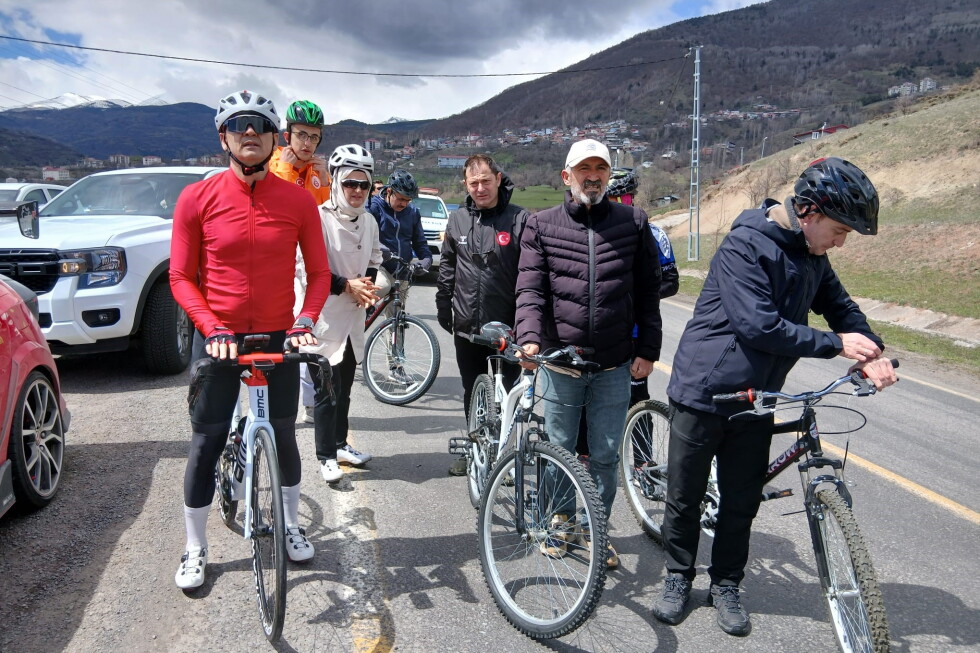
    Mehmet Fatih Cicekli, who had served as governor of the remote eastern province of Ardahan since his January appointment by President Recep Tayyip Erdogan, was removed from his post on July 17 via an official presidential order signed by Erdogan. No formal justification was publicly released alongside the dismissal, but the decision followed sharp criticism from several Turkish politicians over Cicekli’s choice to wear form-fitting cycling tights during a public sports promotion event, followed by his posting of photos from the outing to his social media accounts.

    Inan Akgun Alp, a lawmaker from Turkey’s main opposition Republican People’s Party (CHP), opened the parliamentary criticism, claiming Cicekli prioritized social media engagement over his official governance duties and arguing that the tight athletic wear was inappropriate for a sitting provincial governor. Speaking during a recent parliamentary debate, Alp told attendees, “He goes around in tights, spends all day cycling, with bodyguards in front of him, cycling in tights until the evening. A governor cannot wander around the city center like this,” according to reporting from Turkish independent outlet T-24.

    Samil Tayyar, a former lawmaker from Erdogan’s ruling Justice and Development Party (AKP), which draws its ideological roots from Turkey’s Islamic political movement, echoed the criticism, saying the attire clashed with deeply held local cultural norms, particularly in Ardahan, a strongly conservative and traditional region bordering Armenia and Georgia. Tayyar noted that other Turkish politicians opt for loose sweatpants when cycling, and emphasized on the social platform X that public officials face different standards than private citizens.

    “People can wear whatever they want in their private lives, but a governor cannot visit the public in tights while on duty; it does not align with the seriousness of the state. In a traditional social setting like Ardahan, it is completely unacceptable,” Tayyar wrote.

    Cicekli has pushed back firmly against the criticism, framing his cycling attire as standard professional sportswear for the activity. A lifelong athlete who participates in sailing and rowing in addition to cycling, Cicekli told T-24, “(We will) keep pedaling. I am an athlete who practices sailing, rowing and cycling. The clothes I’m wearing are sportswear.”

    In the wake of his dismissal, public support for Cicekli has surged rapidly. A grassroots online petition calling for his reinstatement has already collected more than 10,000 signatures from supporters across Turkey, who highlight the governor’s popular work in Ardahan to expand access to sports, develop youth programming, and grow bicycle tourism as a new economic driver for the province, opposition-aligned Halk TV reported.

    During an emotional farewell gathering with supporters in Ardahan earlier this week, Cicekli expressed gratitude for the public backing he has received. “I believe that I have not let down those who vouched for me and stood by me throughout my journey until now. I believe that this is the greatest honor of all,” he said. As he departed the province, a large group of local cyclists rode alongside his vehicle to the provincial border as a visible show of solidarity, Halk TV added.

    The dismissal has also drawn international attention from European lawmakers monitoring Turkey’s political progress. Nacho Sánchez Amor, a Spanish Member of the European Parliament who serves as the EU’s rapporteur on Turkey, publicly voiced support for Cicekli, arguing that the criticism from Alp and AKP figures advances what he called the ruling party’s “Islamist conservative agenda” at the expense of personal choice.

  • Australia open to playing Test against England in India

    Australia open to playing Test against England in India

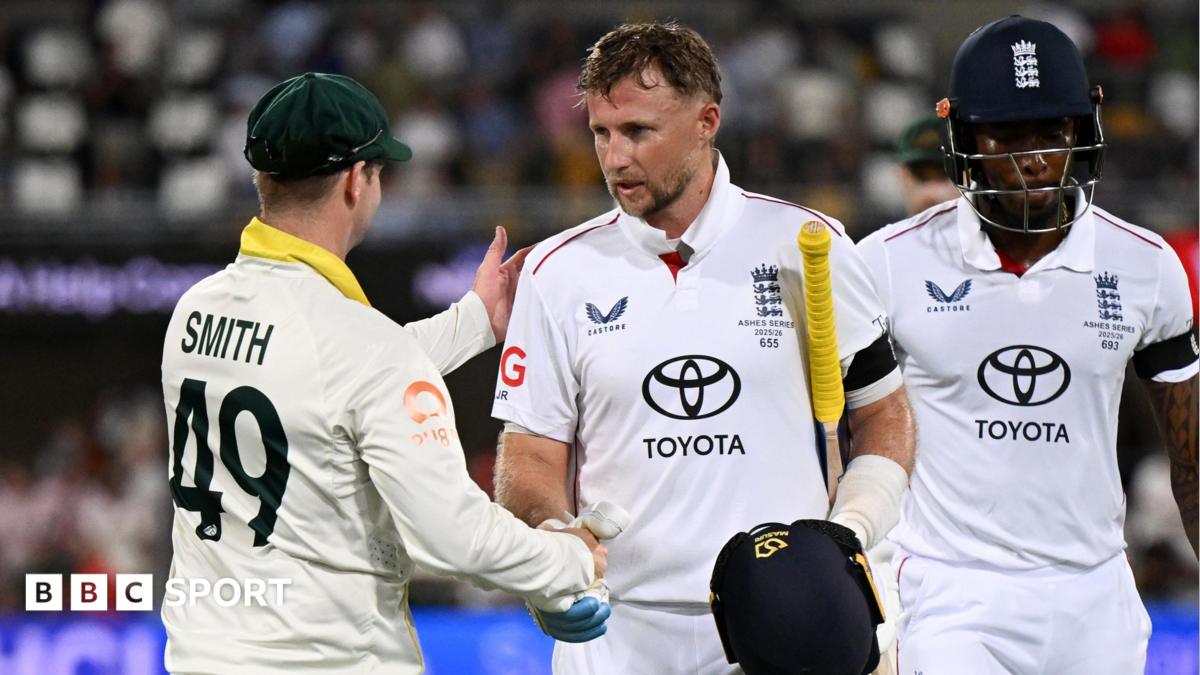
    The iconic Ashes cricket rivalry between England and Australia could one day take center stage on Indian soil, if Cricket Australia chief executive Todd Greenberg gets his way. In an interview with BBC Sport journalist Timothy Abraham, Greenberg has called for both cricketing governing bodies to keep the groundbreaking idea on the table as the sport works to reignite global interest in the traditional Test format.

    For more than a century, England and Australia have only contested Test matches against one another as part of the Ashes series, the bi-annual home-and-away competition that rotates between the two nations roughly every four years, with Australia currently holding the urn after a dominant 4-1 victory in the 2025-26 series. That tradition is already set to break next year, however: the two sides will clash in a standalone one-off Test at the Melbourne Cricket Ground (MCG) in March 2027 to mark the 150th anniversary of their very first Test meeting.

    It is this spirit of evolution that Greenberg says should open the door to exploring a neutral-venue match in cricket’s largest and most high-impact market. “It’s not something that we are planning, but it’s open for consideration. We’d have to be open to considering all options,” Greenberg told BBC Sport. A fixture of this kind would require formal approval from both the England and Wales Cricket Board (ECB) and the Board of Control for Cricket in India (BCCI), but Greenberg pointed to strong existing relationships between all three governing bodies as a solid foundation for discussion.

    Cricket Australia is already laying the groundwork for expanding its footprint in India, with the country’s domestic Big Bash League set to play its first ever overseas match in Chennai this December, where the Melbourne Renegades will face off against the Perth Scorchers. The move is explicitly designed to tap into the world’s biggest cricket market and grow the competition’s global profile. While Test cricket has seen declining popularity in India in recent years, overshadowed by the explosion of T20 franchise cricket and the Indian Premier League, Greenberg argued that a historic England-Australia Test on Indian soil would draw massive fan interest. “There’s no doubt [it] would capture the imagination,” he said. “I think Test cricket between us, India and England is very strong and probably bucking the trend in some other parts of the world. We want to make sure we grow and strengthen it.”

    Greenberg also addressed ongoing controversy around the 150th anniversary Test scheduled for next year, which will be played under lights with a pink ball – a first for men’s Test cricket at the MCG. A number of high-profile former Australian players have publicly criticized the decision, departing from the format of the 1977 centenary Test, which was played as a traditional daytime match. But Greenberg defended the change, noting that a daytime match would struggle to draw large crowds given most fans work and attend school during weekday hours. He added that favorable broadcast time zones for UK audiences and larger overall viewership numbers make the pink-ball format a strategic choice to grow the sport’s reach.

    “It will anger some of the traditionalists but we’re in the business of getting more eyeballs on our game,” Greenberg said. “We wanted to get as many people for the game as possible. Playing that game in the day while people are at work and school would’ve made that difficult. Clearly there’s a commercial imperative with broadcast rights back in the UK and the time zone. Pink-ball Tests for us are hugely advantageous in terms of audience.”

    The CA chief also pushed back against criticism of the MCG’s recent Test pitch, which England infamously won in just two days during the 2025-26 Ashes series. He confirmed that preparations for the 2027 anniversary Test will target a flatter, less grassy pitch designed to produce a longer, more spectator-friendly contest. Greenberg emphasized that the governing body is working to strike a careful balance between honoring the 150-year history of Anglo-Australian Test cricket and adapting the format to meet the needs of modern audiences to ensure its long-term survival. “We’re trying to balance celebrating 150 years of Test cricket between our two countries but also have an eye on the future and how we can evolve the sport,” he added.

  • Liquor store employee narrowly escapes leopard attack

    Liquor store employee narrowly escapes leopard attack

    A close call for a liquor store employee in a wild animal encounter that unfolded in a populated area, as the worker escaped a leopard attack with only narrow margins to spare. Local authorities have confirmed that after a tense nearly five-hour operation to contain and secure the unrestrained animal, wildlife teams successfully captured the leopard. Following the capture, wildlife officials completed the process by releasing the big cat back into its natural wild habitat, following standard animal management protocols for unexpected urban-wildlife intersections. The incident highlights growing instances of wildlife venturing into human-populated zones as habitat boundaries shift, prompting local officials to reiterate guidance for residents on how to respond safely when encountering wild animals in developed areas. No serious injuries were reported beyond the fright of the encounter, and the leopard was confirmed to be unharmed during the capture and release process.

  • Norway consider complaint over Balogun ban decision

    Norway consider complaint over Balogun ban decision

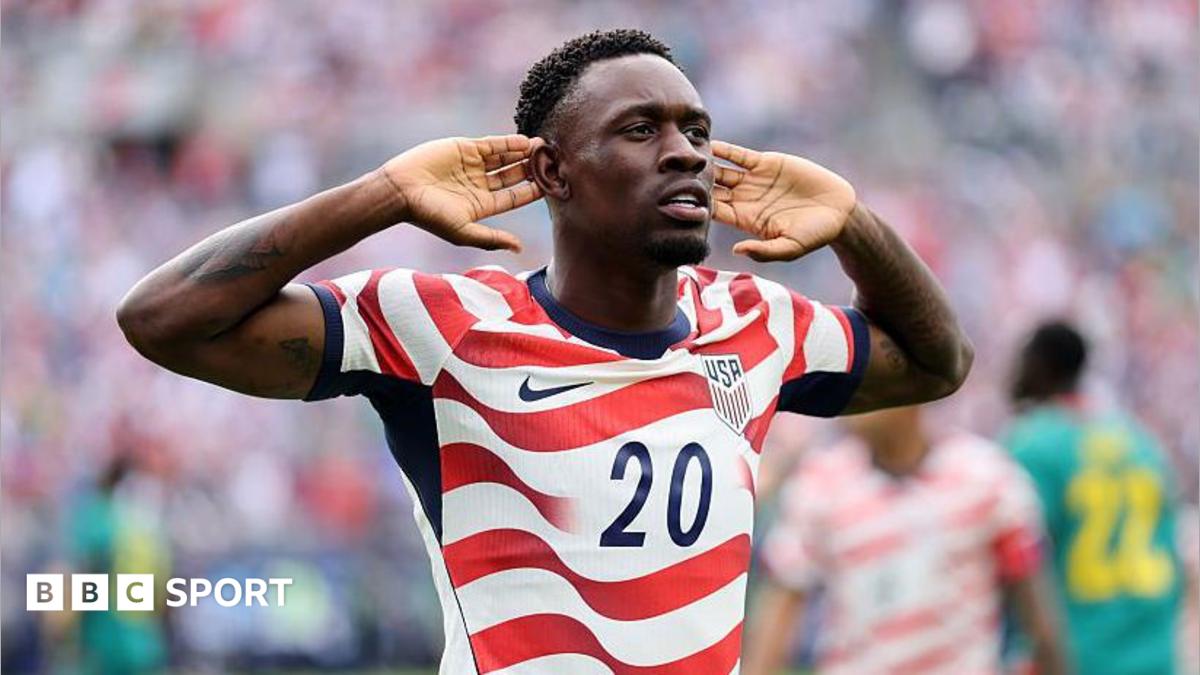
    The 2026 FIFA World Cup has been thrown into fresh controversy over the unprecedented suspension of an automatic one-match ban for United States forward Folarin Balogun, with the Norwegian Football Federation (NFF) now moving toward a formal ethics complaint to global football’s governing body. The dispute traces back to the US’ group stage match against Bosnia-Herzegovina, where Balogun — who would finish the tournament as Team USA’s top scorer with three goals — received a straight red card. By FIFA’s standard rules, this should have ruled him out of the US’ knockout round last-16 clash with Belgium.

    That automatic suspension was put on hold for 12 months shortly after the red card, however, following direct personal intervention from former US President Donald Trump. Trump acknowledged he made a personal phone call to FIFA President Gianni Infantino to request a review of the red card decision, with FIFA ultimately allowing Balogun to start against Belgium, a match Belgium went on to win 4-1. No detailed explanation for the suspension was provided, with FIFA only citing a vague existing rule that allows for punishment suspensions in certain cases.

    In a written statement provided exclusively to BBC Sport, NFF president Lise Klaveness said her organization views the decision with “strong concern”, and will vote on whether to file a formal ethics complaint during the federation’s upcoming board meeting. This would not be the NFF’s first complaint over FIFA’s ties to Trump: the federation previously raised objections to FIFA awarding its inaugural Peace Prize to the former US president ahead of the 2026 tournament. Klaveness noted that the Balogun case would be added to the existing ethics inquiry the NFF previously launched over that award.

    The controversy has also spilled over to the International Olympic Committee, where Infantino has held a membership since 2020. Existing IOC rules bar members from accepting outside instructions or mandates that could compromise their independent decision-making, spurring reports that the IOC is preparing to open its own investigation into Infantino’s conduct in the Balogun case. When contacted by the BBC for comment, the IOC declined to confirm or deny whether any complaint had been received, citing its policy that all ethics commission complaints remain confidential. The organization noted it would only issue a public statement if the commission ultimately votes to impose sanctions.

    Infantino has repeatedly defended the independence of FIFA’s judicial bodies, claiming they operate free from outside political influence. Trump echoed that framing during a July 6 Oval Office press briefing, saying “I didn’t tell him what to do, I can’t tell him what to do,” while adding that he believed the original red card was unwarranted and called the eventual suspension of the ban a “great decision.”

    Criticism of the decision has spread far beyond Norway. The Royal Belgian Football Federation, which benefited from the US’ elimination in the match, said it was “deeply concerned by the course of events” and committed to defending “the fundamental principles of ethics, fair competition, and the interests of football as a whole.” FIFA rejected Belgium’s formal request for an official explanation of the ban suspension, ruling the appeal “inadmissible” on procedural grounds. Uefa, European football’s governing body, issued one of the strongest condemnations, saying FIFA’s actions “crossed a red line” and calling the decision “unprecedented, incomprehensible and unjustifiable.”

  • Ireland announces €125m Ukraine support package

    Ireland announces €125m Ukraine support package

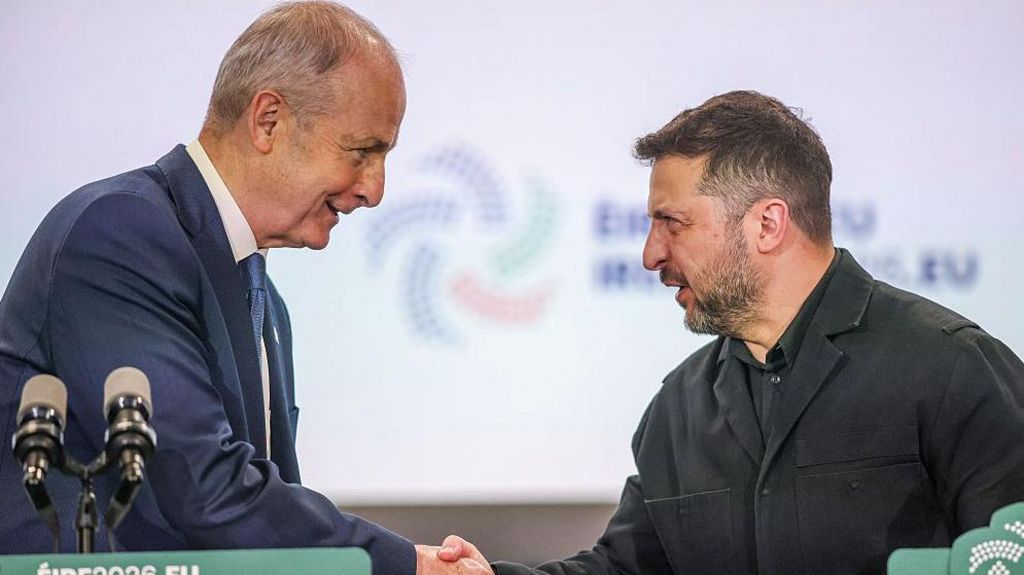
    During an official visit to Kyiv where Irish Taoiseach Micheál Martin held high-level talks with Ukrainian President Volodymyr Zelenskyy, the Irish government unveiled a fresh €125 million (£106 million) aid package for Ukraine scheduled to be delivered in 2025.

    This new contribution breaks down into two key components: €100 million earmarked exclusively for non-lethal military supplies, and an additional €25 million allocated to repair and secure Ukraine’s vulnerable energy network, which has been repeatedly targeted by Russian strikes. With this latest commitment, Ireland’s total support for Ukraine since the full-scale Russian invasion launched in February 2022 will surpass €670 million (£571 million), marking one of the country’s largest sustained humanitarian and military assistance efforts in modern history.

    Speaking ahead of and during his Kyiv meeting, Martin framed the ongoing Russian conflict as an ‘unprovoked war of aggression’ against Ukraine, and reaffirmed that backing Ukraine remains a leading policy priority for Ireland’s current rotating presidency of the Council of the European Union. He emphasized that Ireland stands in unwavering solidarity with the Ukrainian people through every phase of their defensive struggle.

    Ireland’s Minister for Foreign Affairs and Trade Helen McEntee expanded on the purpose of the new funding, noting that Russian forces have continued to deliberately strike Ukrainian civilian communities, urban centers and critical infrastructure. She pointed out that civilian casualty rates have now reached their highest point since the full-scale invasion began, making continued international support more urgent than ever. ‘This funding will boost Ukraine’s ability to withstand these brutal, indiscriminate attacks,’ McEntee said, adding that supporting Ukraine’s resilience is a core focus of Ireland’s EU presidency tenure.

    Beyond immediate military and infrastructure support, McEntee also confirmed Ireland’s long-term commitment to backing Ukraine’s formal path to accession into the European Union, aligning with the bloc’s collective commitment to Ukraine’s European integration future.