博客

  • Fate of ICC chief prosecutor heads to unprecedented vote as US sanctions keep him out of New York

    Fate of ICC chief prosecutor heads to unprecedented vote as US sanctions keep him out of New York

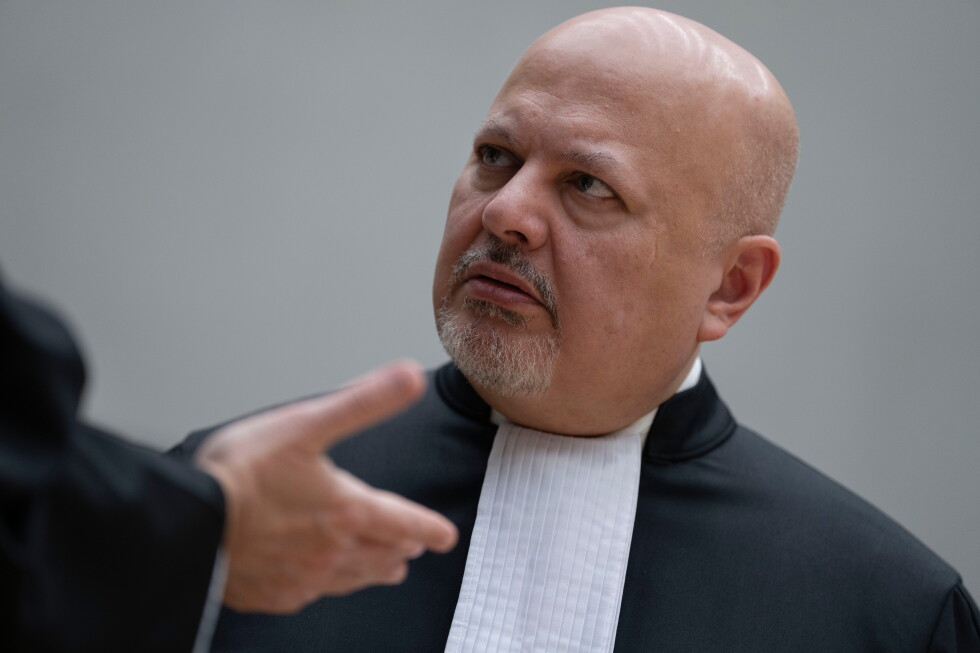
    Diplomats from 125 member nations of the International Criminal Court (ICC) will convene at United Nations headquarters in New York this Friday for an unprecedented vote that will determine whether Karim Khan, the court’s embattled chief prosecutor, is permanently removed from his post. The two-year-long scandal surrounding Khan has thrown the already strained 24-year-old global tribunal into deeper crisis, at a moment when the institution faces coordinated external attacks designed to undermine its legitimacy.

    The core of the controversy stems from sexual misconduct allegations brought against the 56-year-old British barrister by a female former aide, which were first detailed in a series of reports by The Associated Press. Khan has repeatedly and vehemently denied all claims against him. In June, the ICC’s oversight executive committee concluded in a formal ruling, documented in materials reviewed by AP, that Khan had committed “serious breach of duty and serious misconduct” by engaging in a gradually escalating sexual relationship with the subordinate and subsequently attempting to interfere with her ability to file official complaints. Khan rejects the validity of these findings entirely.

    The upcoming special session of the Assembly of States Parties (ASP), the ICC’s governing body, will close with a secret majority vote on the removal resolution, a historic first for the court. Khan will not attend the closed-door proceedings: the United States imposed sanctions on him during the Trump administration over the ICC’s Gaza war investigation, barring him from entering the country. His legal team has decried his absence as a fundamental violation of procedural fairness. “We know of no court or tribunal in any proper and fair legal system that bars a person facing the gravest professional sanction from being heard,” lawyers Tayab Ali and Sareta Ashraph wrote in a letter to the ASP obtained by AP. Khan also remains suspended from practicing law in his home country of the United Kingdom, where the British Bar Standards Board has launched its own independent investigation into the allegations.

    To date, the Netherlands—the ICC’s host nation—is the only country to publicly confirm its position. Foreign minister Tom Berendsen confirmed in a letter to Dutch parliament that the country will vote in favor of removing Khan. The overall outcome of the vote remains uncertain, as most member states have not publicly disclosed their voting intentions.

    The controversy around Khan has become deeply intertwined with the ICC’s high-stakes investigation into alleged war crimes and crimes against humanity committed during the ongoing Gaza conflict. In 2024, the court issued historic arrest warrants for Israeli Prime Minister Benjamin Netanyahu and former Defense Minister Yoav Gallant on charges of crimes against humanity, triggering fierce backlash from Western allies of Israel, including the United States which had already levied sanctions against Khan over the probe earlier.

    Iva Vukusic, an international courts researcher at Utrecht University who has closely followed the disciplinary process, told AP that political considerations have become inextricably tied to the removal vote. “Political considerations have been folded into this, especially as it is the first time a prosecutor has pursued warrants against a western ally,” Vukusic explained.

    The drawn-out saga has exposed deep internal divisions within the ICC at a time when the institution already faces existential pressure. Earlier this month, the United States—one of the ICC’s most longstanding critics—launched an explicit campaign to dismantle the court entirely. Inside the institution, leadership splintering has worsened amid the scandal. In April, a cohort of prosecutor’s office staff sent an open letter to the ASP warning that Khan’s return to office would be untenable, noting his “leadership has been materially diminished.” On the other side, a coalition of Palestinian human rights organizations issued a public statement last week raising alarms that the disciplinary process has been tainted by “unwarranted political interference” that risks undermining the Gaza investigation.

    Khan’s office is currently being managed on an interim basis by his two deputy prosecutors. If the removal resolution passes, member states will launch a new process to elect a permanent replacement. Analysts warn that regardless of the vote’s outcome, the ICC will emerge from the crisis significantly weakened. Vukusic noted that “the court is going to walk away bruised and battered and wounded and less able to face the greater threats” already aligned against it.

  • Carapaz wins stage 18 of the Tour de France with a late breakaway, Pogacar keeps overall lead

    Carapaz wins stage 18 of the Tour de France with a late breakaway, Pogacar keeps overall lead

    The 111th edition of the Tour de France delivered another dramatic day of racing in the French Alps on Thursday, as Ecuadorian cycling veteran Richard Carapaz executed a perfectly timed late attack to secure victory on the 18th stage, while overall race leader Tadej Pogacar retained his comfortable advantage at the top of the general classification.

    The 185-kilometer route from the lower Alpine approaches to the finish at the Orcières-Merlette ski station marked the first of three consecutive days of high-mountain climbing, opening with an early Category 1 ascent up Côte d’Engins before capping the day with a second demanding Category 1 climb to the stage finish. After the opening climb, American rider Matteo Jorgenson broke away to the front of the race with a small lead group, and Carapaz later bridged the gap to the front as Pogacar’s yellow jersey group, containing all the overall classification contenders, held back strategically. The 33-year-old Ecuadorian, a former Giro d’Italia champion who already claimed one Tour de France stage win earlier this 2025 edition, launched his decisive attack roughly three kilometers from the summit of the final climb. Neither Jorgenson nor Swiss rider Mauro Schmid, his two breakaway companions, could match Carapaz’s power on the steep gradient, and he rode solo to the finish line to seal the win, crossing 45 seconds ahead of second-place Schmid and third-place Jorgenson.

    Carapaz narrowly avoided disaster mid-attack when a spectator standing in the road forced him to swerve sharply to avoid a collision, but he maintained his momentum and held his lead all the way to the line. Crossing the finish, he patted both sides of his head in a gesture of emotional disbelief before celebrating a career milestone. This victory marks Carapaz’s second Tour de France stage win of his career and his first at this year’s race, coming after a failed breakaway attempt earlier in the 2025 edition that left him empty-handed despite a strong effort.

    “This is a wonderful victory. I dedicate it to my family,” Carapaz told reporters after the finish. “It’s been a special day. It took a lot of hard work. This is the most rewarding thing for me, knowing that the work I put in has paid off. This final climb was tough and suited my strengths well. This was a hard-fought victory, but just as tough as the first one. It gets harder every year to win here.”

    Pogacar, the Slovenian cycling star gunning for his third consecutive Tour de France title and fifth overall Grand Tour victory, finished a few minutes behind Carapaz in a large chase group that included his closest general classification rival, Belgian time trial specialist Remco Evenepoel, and third-place overall rider Isaac Del Toro, Pogacar’s teammate from UAE Emirates XRG. Because Carapaz sits 10th in the overall standings and is not considered a threat to Pogacar’s yellow jersey, the overall contenders chose not to chase down his breakaway, letting the breakaway fight for the stage win while conserving energy for the coming days of even harder climbing. Pogacar, who has already won four stages at this year’s race, noted after the finish that no overall contender was willing to commit the energy needed to chase down the breakaway.

    There were no changes to the top of the overall standings after Thursday’s stage. Pogacar holds a commanding lead of 4 minutes and 32 seconds over Evenepoel, a two-time stage winner at this year’s Tour, while 22-year-old Mexican rider Del Toro remains in third place, 6 minutes and 51 seconds behind Pogacar.

    The race now faces two days of extraordinarily brutal Alpine climbing that will test the contenders’ endurance ahead of Sunday’s final parade stage into Paris. Friday’s 19th stage will finish atop L’Alpe d’Huez, one of the most iconic and legendary climbs in professional cycling, which is rated a Hors Categorie (HC) – the highest difficulty ranking for Tour climbs. Saturday’s penultimate 20th stage is one of the most challenging routes in recent Tour history, featuring three consecutive HC climbs: Col de la Croix de Fer, Col du Galibier, and Col de Sarenne, plus an additional Category 1 climb up Col du Télégraphe, before a hilly finish back at L’Alpe d’Huez. The 2025 Tour de France will conclude on Sunday with the traditional finishing circuit along Paris’ Champs-Élysées.

  • Toll from landslide in southwestern China rises to 11 dead, with 50 people still missing

    Toll from landslide in southwestern China rises to 11 dead, with 50 people still missing

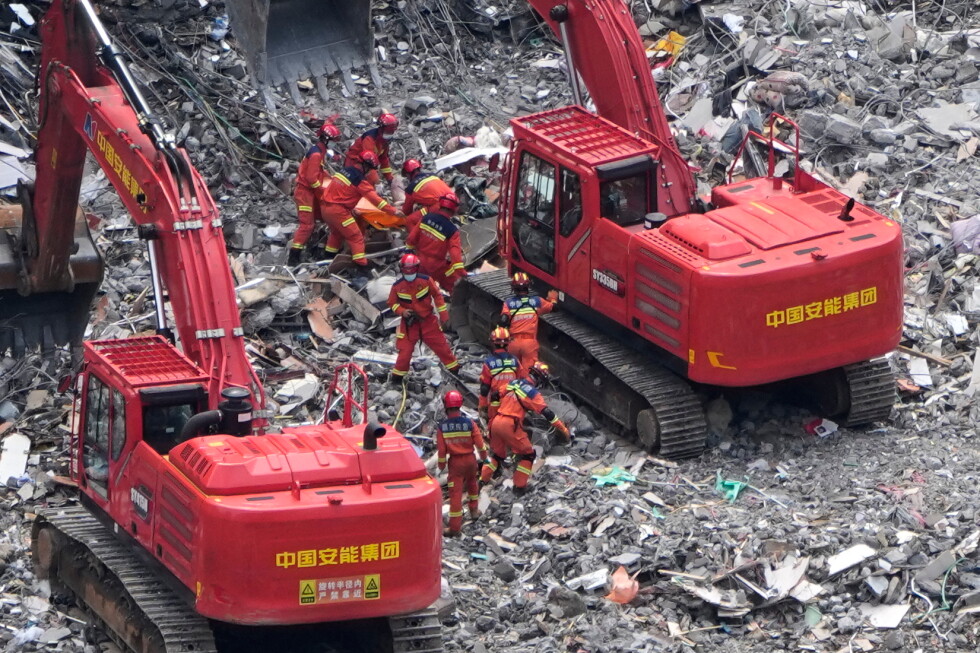
    A week after a devastating landslide struck Pengshui County in southwest China’s Chongqing Municipality, rescue teams have recovered three more bodies from the mountain of debris, pushing the confirmed death toll to 11 while 50 people remain unaccounted for, local Chinese authorities announced Thursday.

    The massive slope collapse, which occurred last Friday, buried over 10 residential buildings in the mountainous county, leaving 10 people injured in its immediate aftermath. Eight fatalities were pulled from the rubble in the first 48 hours after the disaster, and the latest recovery operations have added three more names to the list of the dead.

    Despite ongoing search operations, local government officials confirmed in an official statement that no signs of life have been detected in recent days, after repeated attempts to locate trapped survivors across the disaster site.

    Pengshui County, located in southeastern Chongqing along the city’s borders with Hubei and Guizhou provinces, has posed extraordinary hurdles for first responders. The landslide deposited an enormous volume of rocky debris, including dozens of massive boulders that have blocked access to large sections of the impact zone.

    To overcome these obstacles, search teams have deployed heavy construction equipment and aerial drone technology to map the area and clear rubble. Crews have also carried out controlled blasts to break down oversized boulders into manageable fragments, a necessary step to continue the painstaking search for missing residents. Rescue leaders have emphasized that the scale and composition of the collapsed material make the entire operation exceptionally challenging, with teams working around the clock to advance through the debris field.

  • Teen jailed for exam cheating in Guinea dies after sickle cell complications, father says

    Teen jailed for exam cheating in Guinea dies after sickle cell complications, father says

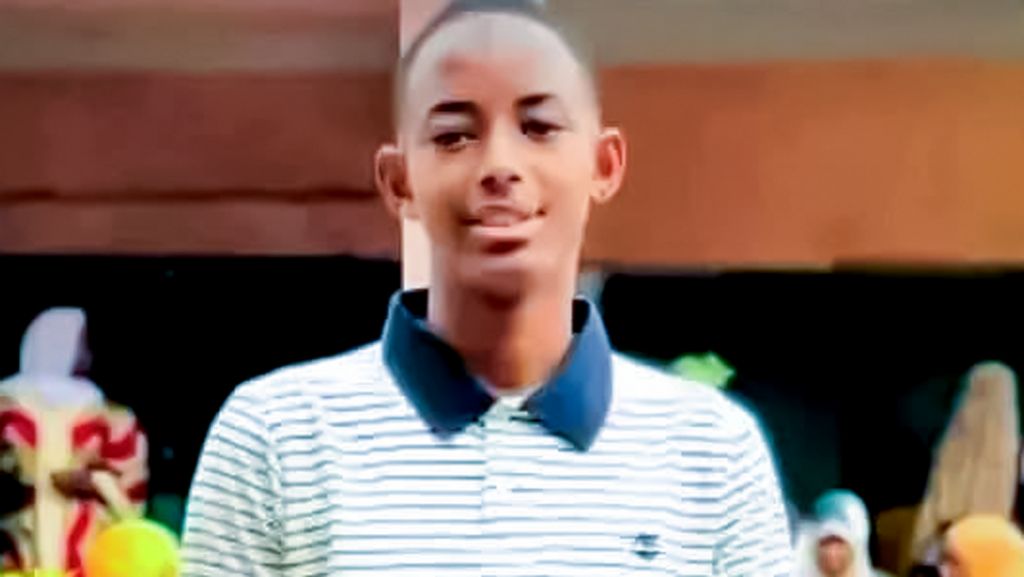
    A tragic incident in Guinea has sparked public outcry and demands for official accountability after a 17-year-old student with a chronic genetic illness died days after being arrested for alleged exam cheating. Mamadou Djouma Bah, a social sciences student, was taken into custody on July 15 alongside multiple other students accused of fraud during Guinea’s national baccalaureate school-leaving examination, with authorities alleging he used a mobile phone to violate exam rules.

    Two days after his arrest, Bah was convicted of the cheating charge, handed a six-month prison sentence with five months suspended, and ordered to serve one month behind bars at a facility in Kindia, a city located roughly 137 kilometers northeast of Guinea’s capital Conakry. It was during his detention that Bah’s pre-existing sickle cell disease, a lifelong and life-threatening blood disorder common among people of African descent, began to deteriorate rapidly.

    Sickle cell disease is caused by a genetic mutation that produces misshapen red blood cells, which can become lodged in blood vessels and block healthy circulation. This blockage often causes extreme, debilitating pain episodes, increases the risk of life-threatening infections and anemia, and can lead to permanent organ damage or death if not properly managed. People living with the condition require consistent access to medical care, hydration, and monitoring to prevent acute health crises.

    After Bah’s condition worsened in custody, prison officials transferred him to Kindia’s regional hospital for emergency treatment. His father, Mamadou Saliou Bah, recalled the final moments he shared with his son in an interview with the BBC. When the elder Bah visited his son in the hospital, he said the teenager told him he could not breathe properly, asked to lean against his father for support, and uttered his final words: “Dad, I’m dying.”

    According to local government officials, Bah was discharged from the hospital after roughly two days of treatment and returned home, where he died shortly after. Speaking to the BBC, Bah’s father placed full blame for his son’s death on state authorities, saying the teenager did not receive adequate medical care while he was detained in prison. He has joined human rights organizations in calling for a full independent investigation into the circumstances of his son’s death.

    Beyond the demand for justice for his son, Saliou Bah is also calling for the immediate release of the other students still being held on exam fraud charges, warning that they face the same risk of preventable harm. “A student should not be sent to prison. These young people are the future of our country,” he said. “We lost our son; we lost our future.”

    Guinea’s Education Minister Alpha Bacar Barry issued a statement acknowledging the tragedy, saying he was “deeply saddened by the news” and extended “sincere condolences” to the Bah family. Human rights groups have echoed the family’s call for an independent probe, not only into Bah’s death but also into the prosecution of the other detained students. On Wednesday, hundreds of students held demonstrations across the country to protest the detentions and demand the immediate release of their classmates.

  • Ex-governor convicted of murdering a pregnant student in Kenya

    Ex-governor convicted of murdering a pregnant student in Kenya

    After a years-long legal process, a high-profile murder case that shocked Kenya has finally reached a guilty verdict: former Migori County Governor Okoth Obado has been convicted of orchestrating the 2018 killing of 26-year-old pregnant university student Sharon Otieno, with whom he had an extra-marital affair. Two other co-defendants—Obado’s ex-personal assistant Michael Oyamo and former county clerk Caspal Obiero—were also found guilty on Thursday for their roles in the premeditated killing. The verdict has been widely celebrated by activists fighting gender-based violence, who say it marks a rare moment of accountability for a powerful Kenyan political figure.

    The case dates back to September 2018, when Otieno contacted a Nation Media Group journalist, Barack Oduor, to disclose her affair with the sitting governor. The pair was abducted by armed assailants shortly after meeting, but Oduor managed to escape from the moving kidnap vehicle. Two days later, Otieno’s bloodied body was found dumped in a dense thicket outside a small town in western Kenya. A post-mortem examination found she had been raped and stabbed multiple times in the neck, abdomen and back while pregnant.

    In her nationally televised ruling, Judge Cecilia Githua laid out the court’s findings: Obado was the mastermind of the plot, having provided the motive, incitement, and financial resources to carry out the killing. Investigators found the pregnancy was the core trigger: Obado, a sitting governor at the time, refused to accept the pregnancy and arranged Otieno’s elimination to protect his political reputation and personal standing. Oyamo facilitated the execution of the plan, while Obiero handled logistical support and helped cover up the crime to avoid detection, the judge confirmed.

    Prosecutors built their case around 42 witness testimonies and strong circumstantial evidence, according to local Kenyan outlet *The Star*. Investigators were able to trace the getaway car used by the abductors, whose tracking device was deliberately deactivated on the day of the kidnapping to hide the vehicle’s movements, before being reactivated the next day—what then-chief prosecutor Noodin Haji described as a “well-calculated move by the killers” to cover their tracks. Oduor’s eyewitness account of the abduction also served as a critical early lead that pushed the investigation forward.

    During the trial, Obado’s legal team argued that the affair was an open secret, and that there was no reason for their client to resort to murder. But the court rejected this version of events entirely. All three convicted men are currently being held in custody ahead of their sentencing hearings.

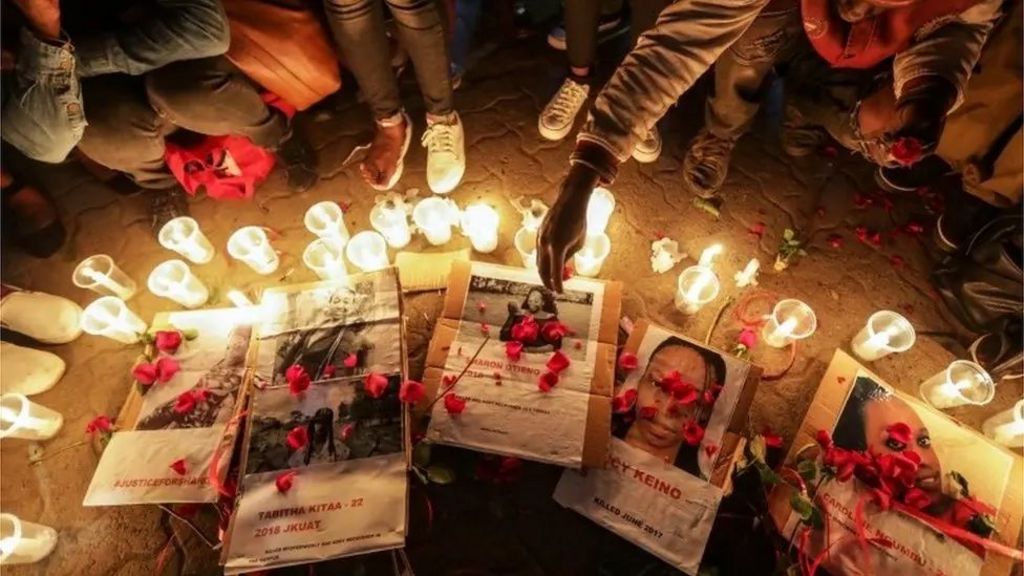
    In the immediate aftermath of Otieno’s death in 2018, the case sparked nationwide protests across Kenya and drew long-overdue public attention to the pervasive crisis of gender-based violence and femicide in the country. A 2022 national demographic and health survey found that at least 34% of Kenyan women have reported experiencing physical violence at the hands of intimate partners or other assailants. In the days following this week’s guilty verdict, community vigils were held across the country to honor Otieno and other women killed by gender-based violence.

    For Otieno’s family, the conviction represents the end of a years-long fight for accountability. “We are happy with the conviction. We believe that justice has at last been served to Sharon,” said the family’s legal representative. Activists now say the verdict sets an important precedent for holding powerful perpetrators of violence against women accountable in a country where such cases often go unpunished.

  • Ukraine’s ousted defense minister rejects Zelenskyy’s offer of a different government role

    Ukraine’s ousted defense minister rejects Zelenskyy’s offer of a different government role

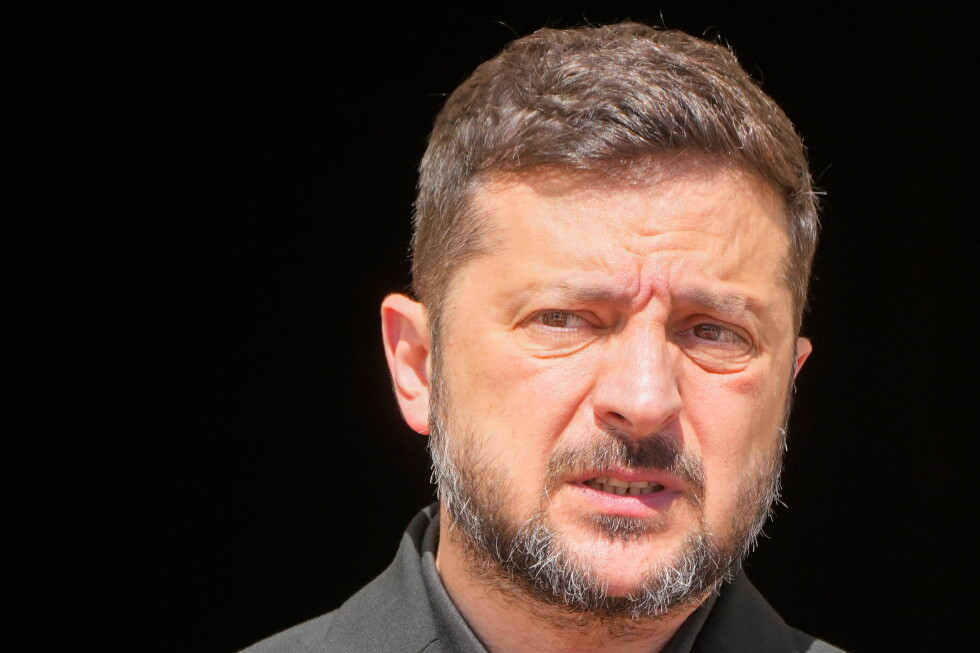
    KYIV, Ukraine – Just one week after being removed from his post as Ukraine’s defense chief, Mykhailo Fedorov has publicly rejected a major overture from President Volodymyr Zelenskyy, turning down an offer to rejoin the Ukrainian government in a different role and doubling down on his refusal to accept any position other than the defense minister portfolio.

    Fedorov, a 40-something reformist who held the defense minister role for only six months before last week’s dismissal, had built a widespread reputation as a transformative leader in Ukraine’s war effort. His tenure was marked by sweeping modernization of Ukraine’s armed forces, pioneering the use of innovative drone and digital technology that gave Kyiv a critical asymmetric edge against invading Russian forces, and aggressive anti-corruption crackdowns on the opaque military procurement system. The young, popular official’s sudden ouster last week already sent shockwaves across Ukraine, spurring spontaneous street demonstrations in multiple cities that have piled new political pressure on Zelenskyy’s administration, while drawing open approval from Russian officials in Moscow.

    In an official statement released Thursday, Fedorov laid out his uncompromising position, arguing that the role of defense minister is one of only three positions in the Ukrainian state that directly “shape the course of the war” — alongside the presidency and the post of armed forces chief. Earlier the same day, Zelenskyy confirmed he had offered Fedorov a newly created role as deputy prime minister for military innovation, a position designed to keep the popular reformer in government while accommodating the recent leadership reshuffle.

    But Fedorov made clear the new role lacks the authority he needs to continue his work. “No other role carries the actual authority to combat procurement corruption, complete the army’s transformation, plan and execute asymmetric operations against the enemy, root out a culture of lies and unaccountability within the system,” he wrote, referring to the defense ministry post.

    Friction that led to Fedorov’s ouster has been linked to his tense relationship with Ukraine’s new commander-in-chief, Oleksandr Syrskyi, a Soviet-trained military veteran who is widely seen as a representative of the country’s old guard military establishment. When Fedorov took over the defense ministry in January, he inherited a war that by then had been raging for more than four years, and immediately laid out an ambitious strategic plan: end the conflict by strengthening Ukraine’s air defense networks, holding stable frontline positions against Russian advances, and weakening Moscow’s war capacity through targeted long-range strikes on Russian military and economic infrastructure.

    “Our collective results created something unprecedented, a window of opportunity to force Russia into peace through strength. And we cannot afford to lose it,” Fedorov added, emphasizing that his unfinished reforms at the defense ministry are critical to securing a favorable end to the war. The political standoff comes as Zelenskyy is already navigating a sweeping reset of Ukraine’s top military and defense leadership, a shakeup that has exposed internal rifts as Kyiv continues its fight against Russia’s full-scale invasion.

  • Nicaragua’s legislature debates barring opposition from elections

    Nicaragua’s legislature debates barring opposition from elections

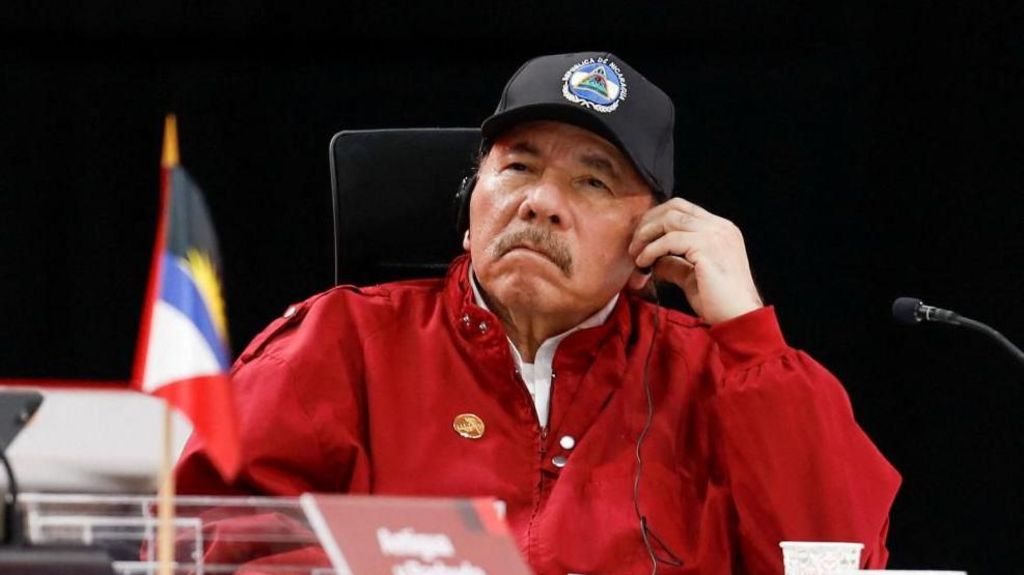
    Nicaragua’s government-dominated National Assembly has launched debate on a proposal that would bar all opposition political parties from participating in future elections, with a final vote scheduled for the first week of August. The legislative push comes just days after President Daniel Ortega publicly declared there would be no more opportunities for opposition groups to contest elections in an effort to take national power.

    Ortega’s inflammatory remarks drew immediate international pushback, starting with Volker Türk, United Nations High Commissioner for Human Rights, who emphasized that democratic participation requires that people of all political ideological backgrounds be guaranteed the right to both vote and run for public office. Now 80 years old, Ortega has held continuous presidential power since 2007, and his administration has increasingly consolidated authoritarian control over the years: political opponents have been systematically jailed, forced into exile, and stripped of their Nicaraguan citizenship.

    The controversial comments were delivered Sunday during a national address marking the anniversary of the 1979 Sandinista Revolution, the leftist uprising that Ortega participated in to oust the U.S.-backed dictator Anastasio Somoza. In his speech, Ortega claimed that Nicaraguan opposition groups are financed by the United States, accusing them of plotting to infiltrate the electoral system and seize power through balloting. He framed the proposed ban as a defensive measure, saying new legislation would build “a wall to block the coup mongers” that would prevent opposition forces from taking power “regardless of how much money they are given by the Yankees.”

    U.S. Secretary of State Marco Rubio was among the first global leaders to condemn the plan, saying Ortega’s remarks laid bare the “true authoritarian nature” of his regime. Rubio added that Ortega and his wife Rosario Murillo — whom Ortega appointed as co-president in a 2025 constitutional reform — have “abandoned even the pretense of popular consent.”

    Gustavo Porras, president of Nicaragua’s National Assembly, rejected all international criticism in an interview with a pro-government media outlet. He defended the legislative process, saying the body and Nicaragua’s top electoral oversight body are working to ensure “not even a crack” is left open for the opposition to gain any political foothold in the country.

    The current political unrest follows a deeply flawed 2021 presidential election, which was preceded by a brutal government crackdown on all viable opposition candidates. Ortega won the one-sided contest after every major challenger capable of drawing significant voter support was either detained, disqualified from running, or forced to flee the country. Dozens of lower-level opposition figures were also arrested, and only a handful of little-known, low-support candidates were permitted to appear on the ballot.

    In November 2025, four years into Ortega’s 2021 five-year term, the ruling party-controlled National Assembly passed a unanimous constitutional reform that extended presidential terms from five to six years. The reform also formalized Murillo’s role as co-president, creating a clear line of succession that would allow her to take over the presidency if Ortega, whose health is widely reported to be frail, becomes permanently unable to serve.

    Since 2018, when Nicaraguan security forces killed more than 300 people while crushing widespread anti-government protests, most domestic opposition activists have avoided public criticism of the Ortega-Murillo administration for fear of repression. But exiled Nicaraguan opposition leaders have been vocal in their condemnation of the latest proposed ban. Juan Sebastián Chamorro argued that the plan is clear proof Ortega intends to “turn Nicaragua into a one-party country” modeled on Cuba, North Korea, and China. Felix Maradiaga, a former opposition presidential candidate who was jailed by the Ortega regime, told Agence France-Presse that the ban reveals Ortega’s deep fear of popular dissent. “Ortega is admitting what most worries him: he hasn’t neutralized the opposition, he knows the desire for change is still alive, and is still fighting for the country,” Maradiaga said.

  • By the Numbers: This year’s Ebola outbreak has spread faster than the worst on record

    By the Numbers: This year’s Ebola outbreak has spread faster than the worst on record

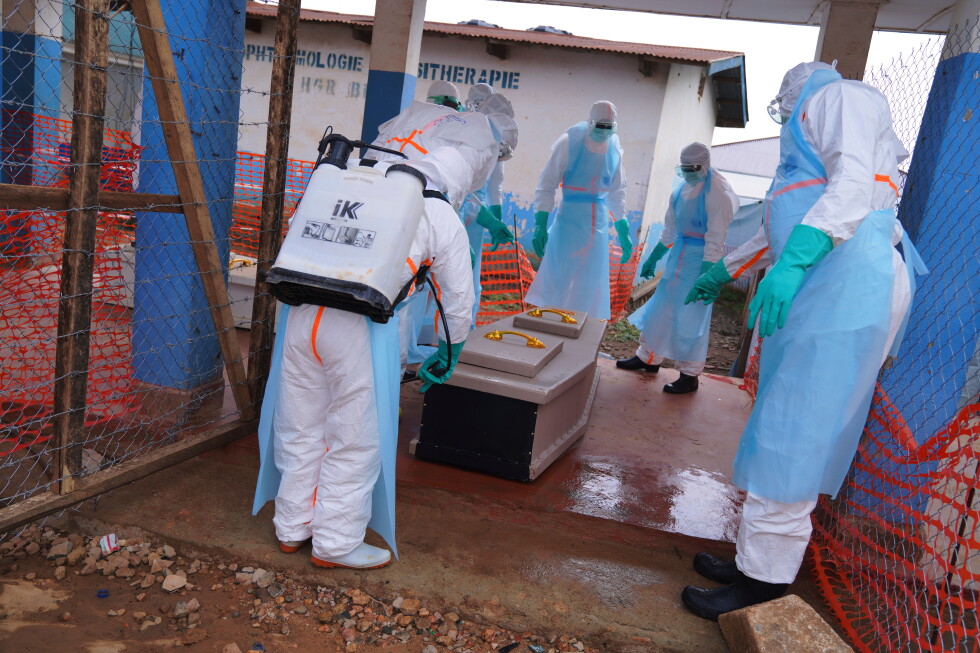
    The eastern Democratic Republic of Congo is facing an unprecedented Ebola outbreak that has just reached a devastating public health milestone: 1,033 confirmed deaths just over two months after the outbreak was first officially declared on May 15. New data released by Congo’s Ministry of Health puts total confirmed infections at 2,536 as of this week, marking a worrying acceleration of transmission that outpaces any previous recorded Ebola event in modern history.

    To put this speed in context, the 2014-2016 West African Ebola epidemic — long cited as the worst Ebola outbreak on record — took eight months to reach the 1,000-death threshold, three times longer than the current outbreak. That historic epidemic, which ultimately spread across three West African nations and beyond, recorded more than 28,000 total cases and over 11,000 deaths over its three-year duration. The current outbreak, by contrast, has already recorded 2,500 cases at a pace nearly three times faster than the 2014-2016 event.

    Public health experts warn that key differences between the two outbreaks explain the rapid spread, starting with the viral strain behind each event. According to the World Health Organization, three strains of the Ebola virus family are known to cause large-scale outbreaks: Ebola virus, Sudan virus, and Bundibugyo virus. The 2014-2016 epidemic was driven by the more common Ebola virus strain, for which targeted vaccines and treatments have been developed. The current outbreak, however, is caused by the rare Bundibugyo variant — a strain with no currently approved vaccines or specific antiviral treatments available to curb transmission or improve patient outcomes.

    Geographically, the current outbreak remains largely contained for now, unlike the 2014-2016 event that spread widely across Guinea, Liberia, and Sierra Leone before spilling over to the United States and Europe. Almost all cases of the current outbreak are limited to five eastern provinces of Congo, near the Ugandan border, with only a small number of cases detected in neighboring Uganda. That geographic confinement has so far prevented wider global spread, but public health officials warn the situation remains fragile.

    Another key contrast between the two outbreaks is their case fatality rates. The current Bundibugyo outbreak has recorded a 40% fatality rate so far, with health officials attributing most deaths to delayed care-seeking by infected patients. By comparison, the 2014-2016 Ebola virus outbreak had a far higher 66% overall fatality rate, which overwhelmed fragile public health systems across three West African nations. U.S. Centers for Disease Control and Prevention data notes that the Ebola virus strain is the deadliest of the known Ebola variants, with untreated cases carrying a fatality risk as high as 90%.

    Despite the lower fatality rate, officials warn the worst of the current outbreak may still lie ahead. Multiple challenges continue to hinder containment efforts: patient zero of the current outbreak has not yet been identified, a majority of new infections are being detected in community members not on monitored contact lists, and public health teams faced critical delays in identifying the specific viral variant causing the first wave of cases. These gaps have allowed the virus to spread faster than containment measures can respond, creating a growing public health emergency for central Africa.

  • Ghanaians ask International Criminal Court to examine years of anti-migrant violence in South Africa

    Ghanaians ask International Criminal Court to examine years of anti-migrant violence in South Africa

    JOHANNESBURG and ACCRA – For nearly 20 years, periodic waves of xenophobic violence targeting foreign migrants have plagued South Africa, leaving a trail of death, displacement, and unresolved impunity. Now, two private Ghanaian citizens have taken the extraordinary step of asking the International Criminal Court (ICC) to intervene, arguing that repeated, widespread attacks on non-citizens qualify as crimes against humanity under international law.

    The petition, filed July 15 with ICC prosecutors by Palgrave Boakye-Danquah, a former Ghanaian government spokesperson, and Emmanuel Kotin, a Ghanaian security analyst, demands accountability for nearly two decades of anti-migrant attacks. The filing specifically documents allegations of systematic violence between 2015 and 2025, ranging from fatal assaults and mass looting of migrant-owned property to forced displacement of thousands of foreign-born residents, most of whom are citizens of other African nations.

    Crucially, the petitioners also accuse South Africa’s national government of failing to uphold its responsibility to prevent these attacks and prosecute perpetrators, a core requirement under the Rome Statute that governs the ICC’s mandate. In an interview with the Associated Press on Thursday, Kotin clarified that the filing is an independent private initiative, with no official endorsement or backing from the government of Ghana. “We are simply asking the ICC to investigate these allegations,” Kotin told the AP.

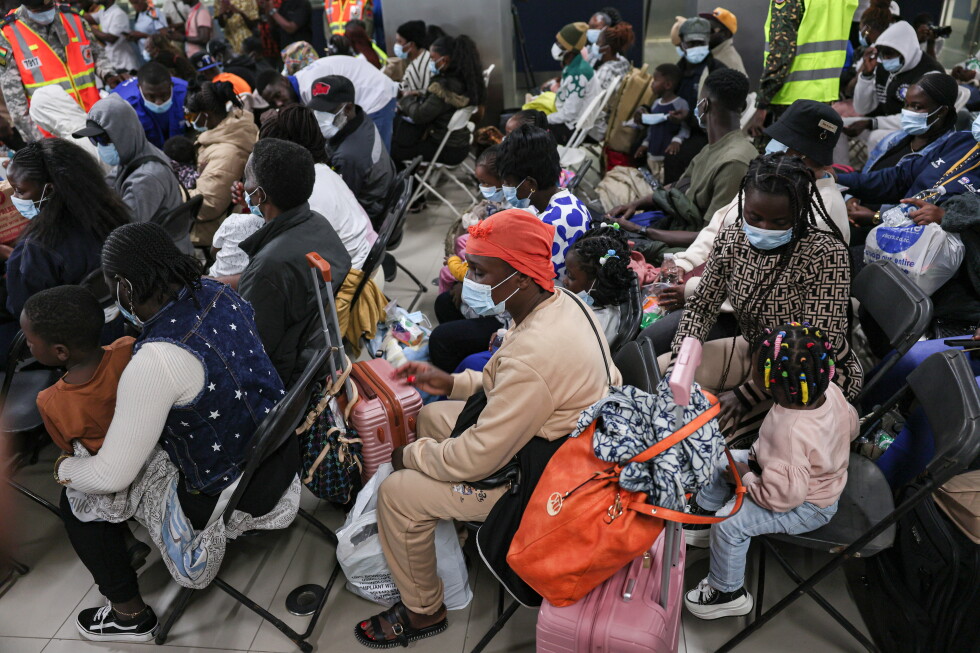
    Anti-migrant unrest has reemerged with particular intensity in recent months, as protesters in South Africa have scapegoated foreign nationals for the country’s deep economic challenges, including persistently high unemployment, widespread crime, and strained access to public housing and healthcare. The upsurge in violence targeting African migrants has already sparked diplomatic friction across the continent: the governments of Nigeria, Ghana, and Malawi have arranged large-scale repatriations of their citizens who chose to flee the violence, and all three nations have summoned South Africa’s senior diplomatic envoys to formally protest the ongoing attacks.

    As of Thursday, a spokesperson for South Africa’s national government had not issued an immediate response to requests for comment on the new ICC petition. The court has confirmed to the AP that it has received the formal communication, following the petitioners’ public announcement of the filing.

    Under the rules of the Rome Statute, private individuals and civil society groups are permitted to submit information on alleged crimes falling under the ICC’s jurisdiction. After receiving a communication, ICC prosecutors conduct an initial review to determine whether there is a reasonable factual and legal basis to open a formal investigation. It is important to note that the submission of a petition does not automatically trigger a probe; the court receives hundreds of similar communications annually, and only a small fraction advance to the stage of a full formal investigation.

  • Israeli lawmakers lead mass Al-Aqsa Mosque raid

    Israeli lawmakers lead mass Al-Aqsa Mosque raid

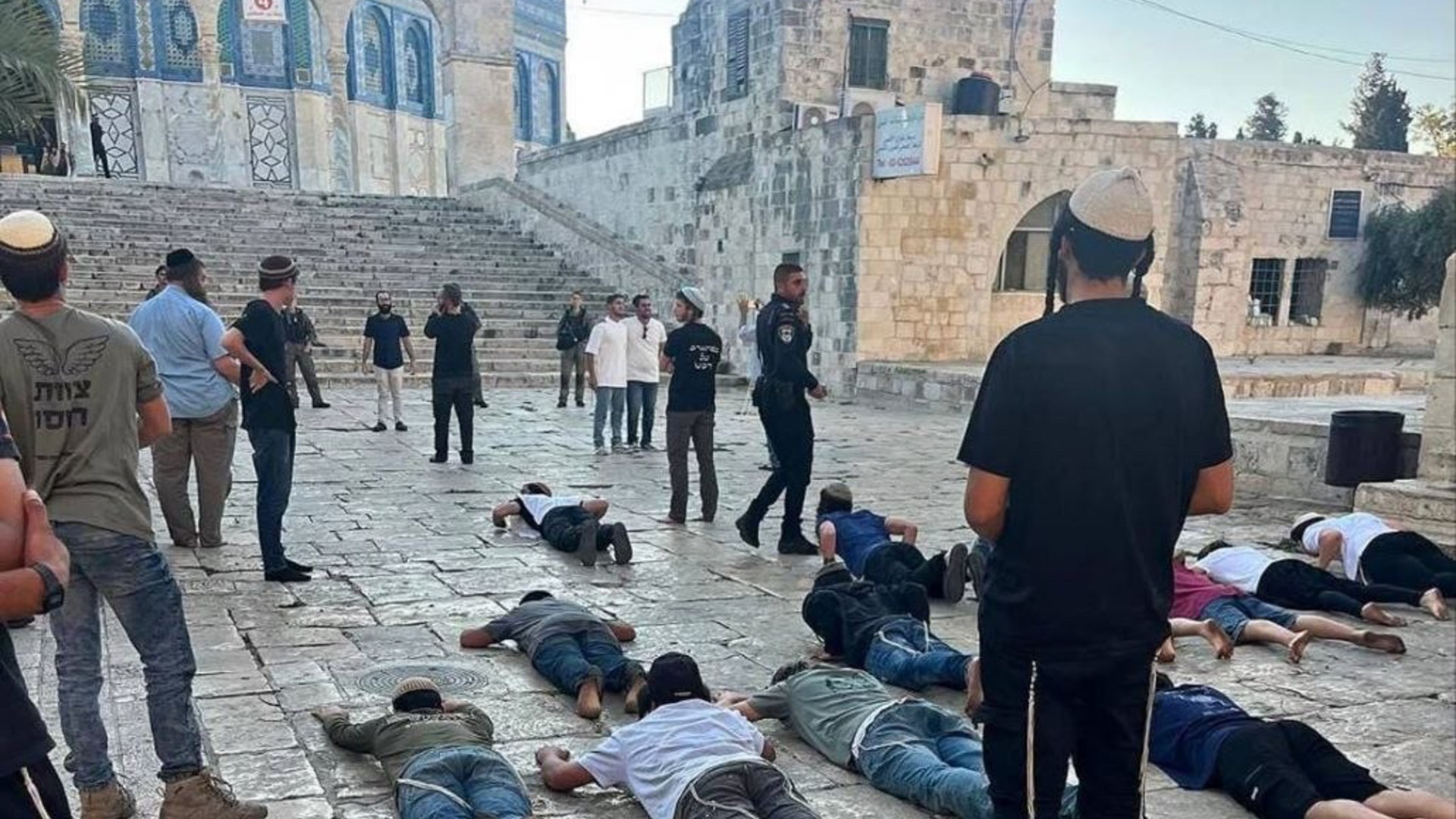
    On Thursday, a large-scale incursion into the Al-Aqsa Mosque compound in occupied East Jerusalem was led by senior Israeli government officials and lawmakers, with thousands of ultranationalist Israelis entering the sacred Islamic site under heavy armed police protection, in a move that has sharply escalated regional tensions.

    Prior to the entry of Israeli groups, Israeli security forces had blocked hundreds of Palestinian worshippers from reaching the mosque for pre-dawn prayers, forcing many faithful to hold prayer services in adjacent streets outside the complex. By 10 a.m. local time, the Palestinian Ministry of Endowments and Religious Affairs confirmed that at least 2,300 Israelis had entered the mosque’s courtyards, with the incursion expected to continue through midday.

    Among the high-profile participants were Itamar Ben Gvir, Israel’s far-right national security minister, and Amit Halevi, a sitting legislator from Prime Minister Benjamin Netanyahu’s ruling Likud Party. The incursion was timed to coincide with Tisha B’Av, a Jewish fast day that marks the destruction of the First and Second Temples in Jerusalem. Ultranationalist Jewish groups that advocate for the destruction of Al-Aqsa Mosque to build a Third Jewish Temple on the site had organized the mass action, originally setting a target of 5,000 participants.

    Witnesses on the ground documented participants violating longstanding site rules: they raised Israeli flags across the mosque courtyards, held Jewish prayer services, danced and sang, and even erected a temporary shade tent — all acts explicitly prohibited under the decades-old status quo agreement that governs the site.

    The Palestinian Endowment Ministry issued a scathing condemnation of the incursion, calling it a “blatant incursion” led by senior Israeli political figures that represents a gross violation of the site’s Islamic sanctity and a direct attack on the historical and legal status quo at Al-Aqsa. “The entire 144-dunam Al-Aqsa Mosque complex is the exclusive, indivisible right of the Muslim world alone,” the ministry said in a statement, adding that “these provocative actions, carried out at the highest levels of the occupying government, are intended to ignite a religious war across the entire region.”

    The status quo, a decades-old arrangement recognized by the international community, designates the entire Al-Aqsa compound as an exclusively Islamic holy site, with full administrative authority over access, worship, maintenance and excavations held by the Jerusalem Islamic Waqf, the Muslim religious trust that manages the site. However, since Israel occupied East Jerusalem in 1967, it has gradually eroded this agreement, seizing control of entry access from the Waqf and facilitating regular daily incursions by ultranationalist Israelis. In recent years, these incursions have grown dramatically in size, drawing tens of thousands of Israeli participants annually.

    The Palestinian Authority’s Jerusalem Governorate noted that Israeli authorities relaxed group size restrictions for Thursday’s incursion, allowing groups of up to 150 people to enter at once, compared to the usual cap of around 30. Over the past decade, Israeli officials have also increasingly permitted Jewish prayer and flag displays inside the compound, actions that directly contravene the status quo.

    Days before the incursion, Sheikh Ekrima Sabri, senior Al-Aqsa preacher and former Grand Mufti of Jerusalem, warned that Israeli authorities were deliberately exploiting Jewish religious holidays to escalate provocative actions aimed at permanently changing the status of the holy site. He noted that officials have increasingly turned these occasions into opportunities to organize large-scale incursions involving cabinet ministers, senior officials and members of Israel’s parliament, in a bid to normalize the violations and grant them political legitimacy. The incursion proceeded amid widespread silence from the international community and major Islamic organizations, as highlighted in local Palestinian reporting on the event.