博客

  • Oil prices hit $100 for the first time since May

    Oil prices hit $100 for the first time since May

    Global energy markets have been sent into a fresh period of volatility this week, as benchmark Brent crude oil prices crossed the $100 per barrel threshold for the first time since May, driven by escalating military tensions across the Middle East that have renewed widespread concerns over the security of international energy supply chains.

    After a multi-day rally that accelerated sharply on Thursday, the global oil benchmark jumped more than 6% following an expansion of U.S. military operations targeting Iran. The sharp upward price movement was triggered directly by attacks on commercial oil tankers transiting the Red Sea carried out by Yemen’s Houthi militia. The Red Sea serves as a critical alternative export corridor for Saudi Arabia, allowing the kingdom to route oil shipments bypassing the Strait of Hormuz, the world’s other most vital chokepoint for global energy trade.

    Alongside crude oil, natural gas prices have climbed steadily over the past four weeks. The United Kingdom’s wholesale gas benchmark now trades near 150 pence per therm, a sharp jump from the 98 pence recorded at the end of June.

    This latest rally marks a sharp reversal from the market downturn that followed a brief temporary ceasefire between Washington and Tehran earlier this year. After the ceasefire took effect, oil prices fell back to levels last seen before the U.S. and Israel launched military actions against Iran on February 28. That ceasefire has since collapsed, and this week U.S. Secretary of State Marco Rubio confirmed that Iranian leadership remains “not ready to make a deal” to de-escalate tensions.

    The sustained escalation in the Middle East now carries significant risks of rekindling inflation across major developed economies, including the U.K. and U.S., forcing higher costs onto consumers at every level of the supply chain. By default, higher crude prices translate directly to increased costs for petrol and diesel. While motorists bear the immediate brunt of these increases, households across all income brackets will also see upward pressure on the prices of everyday goods, most notably food, as transport-dependent businesses pass elevated fuel costs onto end customers.

    Prior to this latest market shock, both the U.K. and U.S. had recorded steady declines in inflation. The U.K.’s annual inflation rate fell to 2.6% in June, a drop driven in large part by cooling fuel prices, while U.S. inflation settled at 3.5% over the same period. Analysts now warn that these downward trends could prove temporary if energy prices remain at their current elevated levels.

    Fresh industry data published Thursday already reflects early price increases at the pump. In the U.K., the RAC motoring group reports that average petrol prices have risen 5 pence per liter since the start of July, hitting nearly £1.56 per liter, while average diesel now stands at £1.72 per liter. Across the Atlantic, U.S. motor advocacy group AAA confirms that the national average price for gasoline has once again crossed the $4 per gallon threshold, up from $3.92 just one month ago.

    “More expensive fuel and energy can ripple through the wider economy, increasing costs for businesses and ultimately feeding through into the price of food and other goods,” explained Jonathan Raymond, an investment manager at Quilter Cheviot. “This creates another headache for central banks as they continue their battle against inflation. If energy prices remain elevated, policymakers may come under pressure to keep interest rates higher for longer or even raise them. This would come as a blow to mortgage holders and borrowers already feeling the strain.”

    The Bank of England, which has held its baseline interest rate at 3.75% through four consecutive policy meetings, is widely expected to hold rates steady again at its next gathering, according to Paul Dales, chief U.K. economist at Capital Economics. Dales added that most analysts still project rate cuts will begin next year if energy price increases stabilize and cool off.

    In the U.S., newly appointed Federal Reserve Chair Kevin Warsh signaled a hardline stance on persistent inflation during recent testimony before Congress, stating that the central bank has “no tolerance to persistently elevated inflation.” Former President Donald Trump, who pushed Warsh’s predecessor Jerome Powell to implement deep rate cuts, has repeatedly made clear he expects Warsh to deliver lower borrowing costs for American households. Despite this pressure, the Fed held rates steady in a range of 3.5% to 3.75% at Warsh’s first policy meeting last month, and he reaffirmed to Congress his commitment to “restoring price stability” in the face of new inflationary pressure from Middle East supply risks.

  • A decade in, Studio Ghibli Fest keeps growing as new generations flock to ‘Totoro,’ ‘Ponyo’ and more

    A decade in, Studio Ghibli Fest keeps growing as new generations flock to ‘Totoro,’ ‘Ponyo’ and more

    For Amanda Mendoza VanCleave, the annual arrival of Studio Ghibli Fest is a date she marks on her calendar without fail. For 10 years, this recurring program of theatrical rereleases of beloved Studio Ghibli animated films has grown into a treasured intergenerational tradition for VanCleave, her 3-year-old daughter, and her mother Araceli, who make a point of catching every rereleased title on the big screen at their local Austin, Texas cinema.

    VanCleave laughs recalling her daughter’s excited reaction to the opening Totoro title card of *My Neighbor Totoro* — an unplanned outburst that drew gentle laughter from the entire theater. Though the family first discovered Ghibli’s catalog on the streaming platform HBO Max, their annual theater outings have become a beloved shared ritual. During a recent screening of Hayao Miyazaki’s 1988 classic, the trio even attended in matching Totoro pajamas. “It’s been our thing: us three girls together,” VanCleave says.

    Studio Ghibli’s ability to inspire fierce, enduring fandom is widely known, but its consistent theatrical draw decades after its films’ initial releases is unparalleled in global cinema. Every year, audiences ranging from lifelong Ghibli devotees to young first-time viewers flock to cinemas for Ghibli Fest, which runs across select dates from June through October each year. What began as a small retrospective series has evolved into an annual cinematic marathon, turning timeless titles like *My Neighbor Totoro*, *Spirited Away*, and *Ponyo* into permanent theatrical mainstays rather than one-off rereleases.

    When GKids, Studio Ghibli’s North American distributor, partnered with Fathom Events to launch the formal Ghibli Fest in 2017, five films generated $5 million in total ticket sales. What has surprised industry insiders is that the event’s growth has only accelerated since Ghibli’s full catalog became available to stream on HBO Max in 2020 — the last three consecutive years have been the festival’s highest-grossing on record.

    “I’d be lying if I thought the program when we conceived it would be going as long as it has,” says Dave Jesteadt, president of GKids. “It does defy conventional wisdom. We keep waiting for the year that people tire of going to the films, but that’s not what’s happening. Every single year, we see records being set. The grosses are going up, not down.”

    2024 has marked the festival’s most successful year to date: 14 titles have grossed $16.4 million in ticket sales, up from $10.6 million for eight films in 2023. Already this year, *Ponyo* and *My Neighbor Totoro* each sold out five-day theatrical runs that were added to meet overwhelming fan demand. Shannah Miller, Fathom Events’ vice president of marketing, says audience demand has pushed the festival to expand its reach dramatically over the years. “When we started, I think our theatrical footprint was about 640 locations. This year, we’re crossing over 1,100 locations. We started with two, maybe three playdates for a particular title, but due to fan demand, we have five-day runs for some titles.”

    When GKids first acquired distribution rights to the full Ghibli library in 2011, the Japanese animation studio emphasized how critical theatrical screenings were to its creative vision. Early retrospectives were limited to small arthouse cinemas in major cities, but Ghibli Fest brought the films to mainstream multiplexes across the U.S., introducing a new generation of young viewers to animated storytelling outside of Disney’s offerings. “One of the worst things that can happen to classics is that they’re perceived as classics and kept in amber,” Jesteadt says. “We wanted to move to a nationwide celebration that really treated these as equivalent to any new Hollywood film.”

    As overall U.S. moviegoing attendance has risen more than 10% in 2024, theater chains have increasingly leaned on classic film rereleases to fill gaps in release schedules and boost attendance on slow weekdays. Ghibli Fest paved the way for this repertory trend years ago, and its long-term work has cultivated an entirely new generation of Ghibli fans: while older audiences often first fell in love with Miyazaki’s 2001 Oscar-winning masterpiece *Spirited Away*, many younger viewers now discover the studio through lighter, whimsical titles like *Ponyo* or *Howl’s Moving Castle*.

    When Ghibli’s catalog launched on streaming in 2020, industry observers predicted theatrical attendance would decline. Instead, streaming introduced Ghibli to millions of new viewers who then sought out the experience of seeing the films on the big screen for the first time.

    The 2024 Ghibli Fest lineup continues through October, with upcoming screenings including *Tales of Earthsea*, *Only Yesterday*, a 40th-anniversary presentation of 1986’s *Castle in the Sky*, a 4K remaster of *Princess Mononoke*, and a 25th-anniversary run of *Spirited Away*. While occasional Ghibli rereleases happen in other countries, the annual Ghibli Fest phenomenon is unique to the U.S.

    “We are equally in awe of and proud of what we’re building and the opportunity to celebrate instead of all the doom and gloom, ‘Is theater dead?’ conversations,” Miller says. “We have a different story to tell with Studio Ghibli.”

    Outside of Ghibli Fest, Studio Ghibli’s cultural dominance continues to grow: Los Angeles’ Academy Museum is currently hosting a new special exhibit dedicated to *Ponyo*, and legendary Ghibli composer Joe Hisaishi is touring a concert series of the studio’s most famous scores, including a seven-night residency at New York’s Radio City Music Hall this August. But for fans, nothing compares to seeing the films on the big screen.

    Angela Lector, a 27-year-old lifelong Ghibli fan, has attended festival screenings in costume as *Howl’s Moving Castle*’s protagonist Sophie and connected with Japanese film students at a showing of *Princess Mononoke*. “Being in the theater is so much more fun than being on HBO Max,” Lector says. “Being in your home, you can make your own popcorn and cuddle up with your dog. But being in the theater you can actually talk to people you don’t know about the movie.”

    The only common complaint from fans is that the festival does not include more underrated deep cuts from the Ghibli catalog; Lector for one hopes to see 1984’s *Nausicaä of the Valley of the Wind*, Miyazaki’s pre-Ghibli classic, added to future lineups. “The Ghibli films are timeless. There’s something for everyone in them,” Lector says. “Everything feels human. No one is too powerful or too small.”

    That inclusive, welcoming energy extends to the audience as well. VanCleave recently noticed her daughter’s preschool classmate wearing a signature hair bow like Kiki from *Kiki’s Delivery Service*, struck up a conversation with the girl’s mother, and discovered the family also loves Ghibli. She ended up inviting them to this year’s *Ponyo* screening — which marked the young girl’s first ever trip to a movie theater. “It was cute,” VanCleave says. “The two 3-year-olds shared a recliner.”

  • Teenager Sooryavanshi blasts 50 off 18 as India cruises past Zimbabwe in T20

    Teenager Sooryavanshi blasts 50 off 18 as India cruises past Zimbabwe in T20

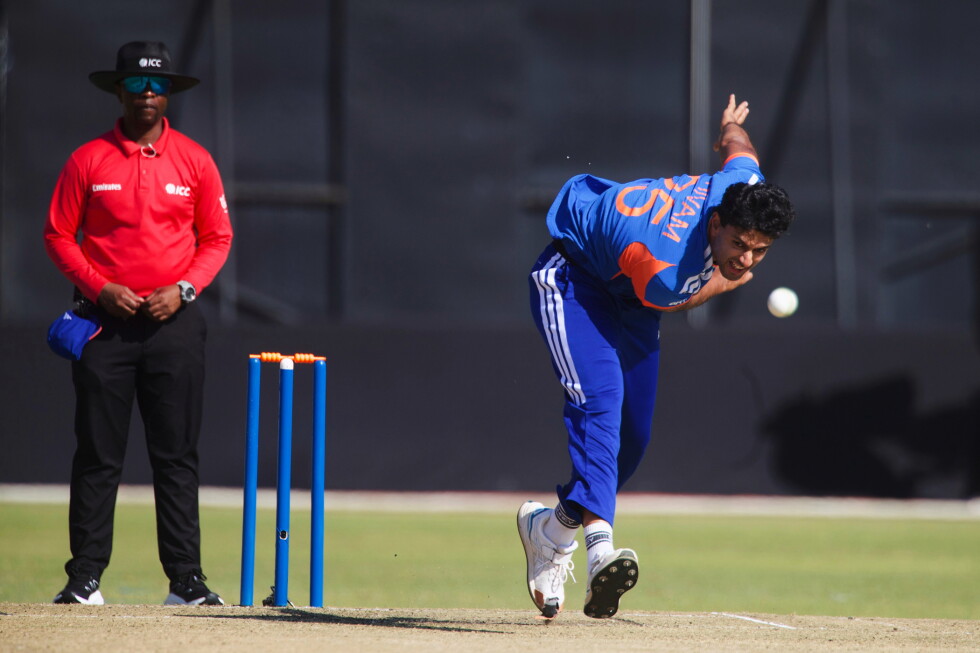
    In a decisive opening match of a three-game Twenty20 series held in Harare, Zimbabwe on Thursday, 15-year-old Indian cricket prodigy Vaibhav Sooryavanshi delivered a breakout performance, smashing his first international half-century to lead India to a comfortable seven-wicket victory over the host side.

    Sooryavanshi’s explosive 50 runs came off just 18 deliveries, bringing a swift end to India’s 126-run chase before he fell to Zimbabwe seamer Richard Ngarava the very next ball. Playing at the Harare Sports Club, the teenager top-edged an attempted cut shot, leaving India at 68 for 2 wickets at the time of his dismissal. His blistering early innings had already shifted the momentum irreversibly, however, turning what looked like a competitive run chase into a straightforward task for the rest of the Indian batting lineup. By the end of the match, stand-in captain Shreyas Iyer was unbeaten in the middle as India reached 126 for 3, securing Iyer his first win as India’s T20 captain after seven previous unsuccessful outings in charge.

    Zimbabwe’s batting side posted a moderate total of 125 for 7 after 20 overs, with Indian fast bowlers Mayank Yadav and Prince Yadav each taking two wickets to restrict the host’s scoring. The match marked a key turning point for Sooryavanshi, who made history earlier this month when he replaced Sachin Tendulkar as the youngest player ever to earn a senior international cap for India. Ahead of the Zimbabwe series, the young batter had struggled to find his footing during India’s 4-0 whitewash defeat in England, where he scored just 14, 13 and 15 runs across three innings. While his strike rate of 168 over that series remained solid, his lack of big scores saw him dropped from the lineup for the final match.

    Indian selectors opted to give Sooryavanshi another start in Harare in large part due to his historic success at the same ground: during the 2025 Under-19 World Cup final against England in February, he blasted an incredible 175 runs off just 80 balls to lead India to the title. The teenager lived up to expectations on Thursday, hitting his first boundary just four balls into his innings when he launched a six over backward square leg. He went on to hit three more maximums, clearing the ropes at long-off, fine leg and long-on to keep the scoreboard ticking at a rapid pace.

    The three-match series will continue with its second fixture scheduled for this Saturday in Harare, with fans already anticipating more standout performances from the young Indian sensation.

  • Zimbabwe exports first batch of blueberries to China as new market opens

    Zimbabwe exports first batch of blueberries to China as new market opens

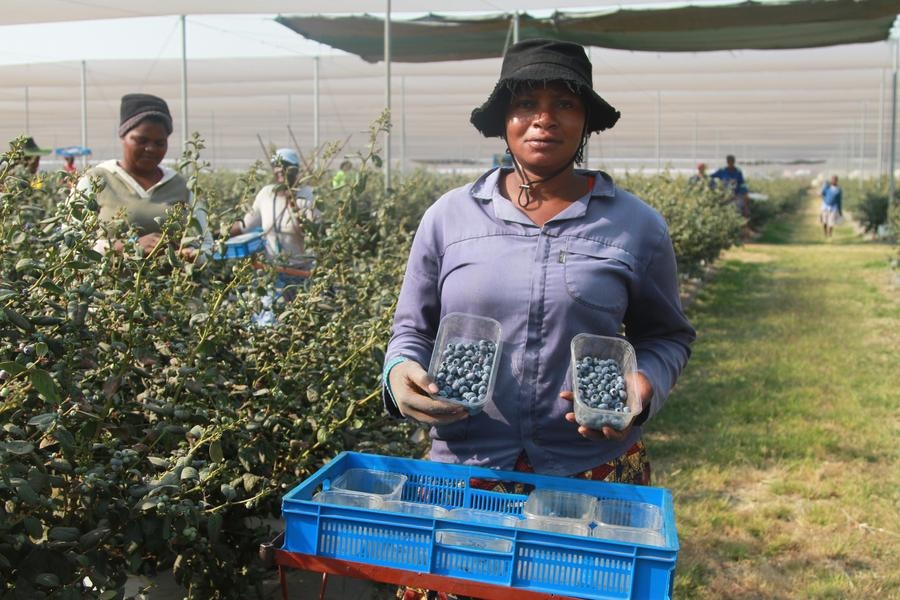
    A landmark milestone for Zimbabwe’s horticultural sector has put the southern African nation on a new path of agricultural trade expansion, as it dispatched its first ever commercial consignment of blueberries to the Chinese market in 2026. This breakthrough comes after Beijing and Harare finalized a bilateral phytosanitary protocol in September 2025, formally clearing the way for Zimbabwean blueberry producers to access one of the globe’s largest and fastest-growing consumer markets.

    Beyond market access, Zimbabwean producers are set to gain an additional competitive edge from China’s zero-tariff policy, which applies to qualifying export products from Zimbabwe. This policy eliminates import duties for the fruit, making Zimbabwean blueberries more affordable and attractive to Chinese buyers when stacked against competing international suppliers. Currently ranked as Africa’s third-largest blueberry producer, trailing only Morocco and South Africa, Zimbabwe is projecting its total 2026 blueberry exports to hit 12,000 metric tons, a notable increase from the 9,500 tons exported in 2025.

    In response to this new trade opening, Zimbabwe’s Horticultural Development Council (HDC) has called on local blueberry growers to ramp up production output to match the expected demand from China’s 1.4-billion-consumer market. “China has opened the door,” HDC Chief Executive Officer Linda Nielsen noted at a recent investment gathering in Harare. “As Zimbabwe, we must now make sure we have enough product to walk through it.”

    Nielsen emphasized that China’s broader zero-tariff initiative, which extends to eligible goods from 53 African countries that maintain diplomatic relations with Beijing, creates a transformative, long-term opportunity for Zimbabwe’s entire agricultural export sector. She added that for local producers, the barrier to growth is not lack of market access, but the challenge of scaling production to meet existing and new demand.

    To date, industry data from the HDC shows that Zimbabwe has already expanded its blueberry cultivation area from 650 hectares in 2025 to 850 hectares in 2026, a shift that reflects rising investor confidence in the high-value, nutrient-dense fruit. Alistair Campbell, a representative of the Zimbabwe Berry Growers Association, noted that the country is quickly solidifying its position as one of Africa’s top blueberry producers. The fast-expanding blueberry sector already makes a substantial contribution to Zimbabwe’s national economy, while generating much-needed jobs for rural communities across the country. Today, blueberries stand as one of Zimbabwe’s emerging high-value horticultural crops, with commercial production concentrated in the Mashonaland East, Mashonaland West, and Mashonaland Central provinces.

  • Italy in crisis: federation sounds out Pep Guardiola and Carlo Ancelotti for coach

    Italy in crisis: federation sounds out Pep Guardiola and Carlo Ancelotti for coach

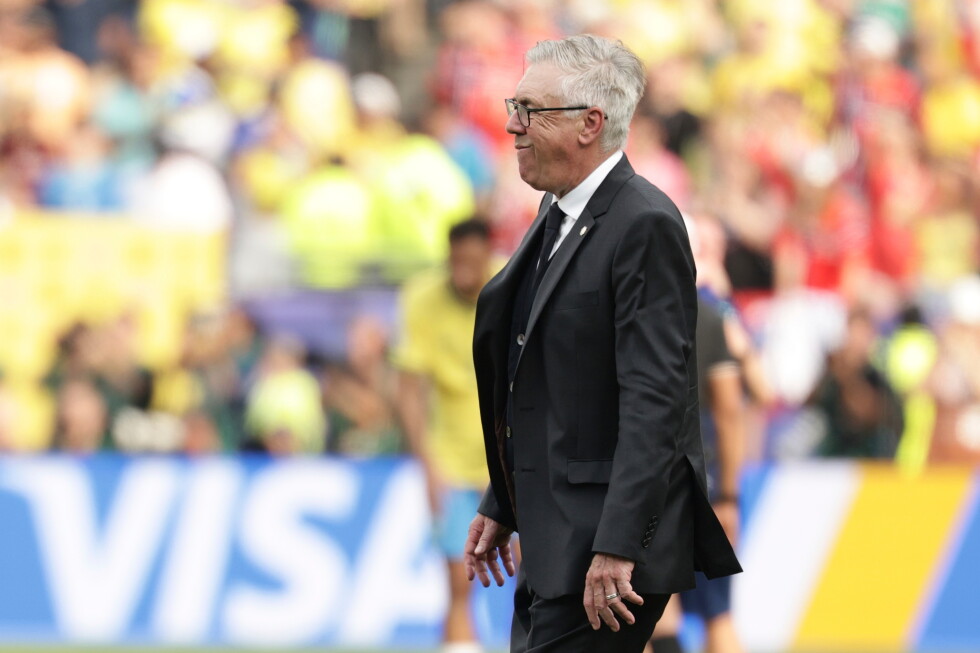
    ROME, Italy – Italian football is facing a period of intense uncertainty and restructuring, following a humiliating third consecutive failure to qualify for the men’s FIFA World Cup, and the Italian Football Federation (FIGC) has set its sights on two of the biggest names in global coaching to turn the struggling national program around. Top FIGC officials have confirmed they have held formal talks with two legendary coaching figures: former Manchester City manager Pep Guardiola, and current Brazil head coach Carlo Ancelotti, as they move to fill the vacant Italy head coach position. Officials aim to confirm a permanent appointment within the next seven days, though they have stressed they will prioritize hiring the right candidate over rushing an announcement.

    The leadership shakeup comes after Italy’s 1-0 playoff defeat to Bosnia and Herzegovina in March, which locked the four-time World Cup-winning Azzurri out of a third straight World Cup tournament. The devastating result triggered immediate resignations from both FIGC president Gabriele Gravina and national team head coach Gennaro Gattuso, who had only taken the job 10 months prior, after predecessor Luciano Spalletti was fired with Italy’s qualifying campaign already on the brink of collapse following an opening-match defeat in Norway.

    New FIGC president Giovanni Malagò, alongside recently appointed technical director Paolo Maldini – the former Italy and AC Milan iconic defender – and special advisor Leonardo, have taken the lead in the search process. Maldini addressed reporters following a meeting with Serie A club representatives Thursday, confirming that the federation has targeted the sport’s most high-profile coaches from the start of the search.

    “Honestly, we cannot share any new updates at this moment, but you are correct that Guardiola is one of our targets,” Maldini told reporters. “We can’t hide that we spoke with Carlo Ancelotti first before reaching out to Pep. It felt only right to start with the best coaches in the world, to gauge their general availability for the role.”

    The FIGC’s courting of Guardiola included a three-day, in-person meeting between Maldini, Leonardo, and the 55-year-old Spaniard in Barcelona recently. A product of the Barcelona youth system and one of the most decorated coaches in soccer history, Guardiola wrapped up a historic 10-year tenure at Manchester City at the end of the 2023-2024 season. During his time in England, he transformed City from a mid-table domestic side into a dominant European powerhouse, won 16 major trophies including the coveted continental treble, and redefined tactical attacking play across English soccer. Across his career at City, Bayern Munich, and Barcelona, Guardiola has claimed 35 major senior titles.

    As for Ancelotti, the 67-year-old Italian coaching legend signed a contract extension with the Brazilian national team in May that was set to keep him in charge through the 2030 World Cup. But Brazil, a five-time World Cup champion, suffered a shocking early exit in the 2024 tournament, knocked out in the round of 16 by Norway, leaving his future open to speculation. Ancelotti is the most decorated club coach of his generation: he has won top-flight league titles in Italy, England, France, Spain and Germany, and remains the only coach in history to lift the UEFA Champions League trophy five times.

    While Guardiola and Ancelotti are the federation’s top targets, other prominent candidates remain in contention for the role. Former Italy head coaches Roberto Mancini, who led the Azzurri to a surprise UEFA European Championship title in 2021, and former Chelsea and Tottenham manager Antonio Conte are widely cited as leading backup options, while 2006 World Cup-winning Italian midfielder Andrea Pirlo has also been linked to the vacancy.

    Maldini emphasized that while the federation hopes to finalize the appointment this week, it is willing to wait for its preferred candidate. “The best outcome would be making an announcement this week, but our priority is getting the right person, not a quick announcement,” he said. “There is urgency to the role, but we are not panicking to fill it.”

  • Oil soars to $100 on fresh Mideast attacks

    Oil soars to $100 on fresh Mideast attacks

    Escalating geopolitical tensions across key Middle Eastern shipping lanes have sent global oil prices surging toward the $100 per barrel threshold, sparking widespread uncertainty across international financial markets on Thursday. The latest upward price movement came in response to continued attacks on Red Sea commercial shipping by Iran-aligned Houthi rebels, paired with a sharp threat of major military retaliation against the group from former U.S. President Donald Trump.

    Brent Crude, the global benchmark for international oil trade, jumped more than 5.7% to settle near $99.42 per barrel by 1100 GMT, just a hair below the psychologically significant $100 mark that investors and analysts have warned would signal a major shift in global energy market dynamics. U.S. benchmark West Texas Intermediate crude also climbed 4.5% to reach $90.75 per barrel.

    The disruption to Red Sea shipping has emerged as a critical flashpoint for energy markets, as Saudi Arabia has re-routed millions of barrels of oil exports through the waterway that normally pass through the Strait of Hormuz – another strategically vital energy choke point already facing elevated geopolitical risk. A prolonged closure or sustained disruption to either route would pull substantial volumes of oil off the global market, tightening supplies even further.

    Neil Wilson, a UK-based investor strategist at Saxo, noted that there are currently no visible signs of a diplomatic breakthrough to de-escalate tensions, as both the U.S. and Iran have adopted hardened positions. “Investors are in a wary mood, as fresh jitters over the ongoing energy crunch hit market sentiment,” added Susannah Streeter, chief investment strategist at Wealth Club. “With both the Strait of Hormuz and the Red Sea now under increasing pressure, markets are bracing for the possibility that the conflict could disrupt key energy routes and keep oil prices elevated for an extended period.”

    Higher sustained oil prices also raise the specter of renewed global inflationary pressure, which could force central banks around the world to hold interest rates higher for longer – or even implement additional rate hikes. This dynamic was on full display Thursday, as European Central Bank President Christine Lagarde confirmed that some policymakers had considered a rate hike at the bank’s latest monetary policy meeting before the governing council ultimately voted to hold rates steady.

    Major U.S. stock markets tumbled in early trading, with all three primary benchmark indices falling more than 1% by mid-session. The tech-heavy Nasdaq Composite led the declines, dropping 1.8%, as all of the so-called Magnificent Seven large-cap technology stocks ended the day in negative territory. Shares of Alphabet fell 6% after the company raised its full-year artificial intelligence capital expenditure forecast to as much as $205 billion, a figure far higher than Wall Street analysts had projected. Tesla shares slumped 9.6% following a weaker-than-expected quarterly profit report and an announcement that the firm would double its capital expenditure compared to the same quarter in 2025.

    Patrick O’Hare, an analyst at Briefing.com, pointed out that the scale of the index-level losses was not out of line with broader market conditions, noting that many non-tech stocks received a boost from positive earnings reports and that weekly U.S. unemployment claims data offered a reassuring signal about the strength of the domestic labor market. Even so, investor confidence in the AI sector has been tested in recent months, as concerns mount over stretched valuations and questions linger over when the trillions of dollars invested in the space will generate meaningful returns. Market participants are now turning their attention to next week’s earnings reports from Microsoft, Meta, and Amazon, which will be closely scrutinized for details of the companies’ planned capital spending.

    Global market performance was mixed across regions on Thursday. Most major Asian stock markets recorded modest gains, buoyed by a long-awaited bounce for regional technology firms. Japan’s Nikkei 225 closed up 0.5%, while Hong Kong’s Hang Seng Index gained 1.3% and Shanghai’s Composite index edged up 0.3%. In contrast, European markets traded lower across the board in afternoon dealing, with London’s FTSE 100 falling 0.9%, France’s CAC 40 dropping 1.8%, and Germany’s DAX declining 1.5%.

    In currency markets, the U.S. dollar strengthened against most major peer currencies. The Japanese yen hit a fresh four-decade low against the dollar, as investors priced in the persistent gap between the Bank of Japan’s ultra-low interest rate policy and the higher rates maintained by the U.S. and other major advanced economies. Rising oil prices and broader concerns over the outlook for Japan’s economy have added additional downward pressure on the yen in recent trading sessions.

  • Global collaboration drives advances in graphics and AI

    Global collaboration drives advances in graphics and AI

    From July 19 to 23, 2026, the Los Angeles Convention Center played host to SIGGRAPH 2026, one of the world’s most prestigious gatherings for computer graphics and interactive technology. The event brought together thousands of researchers, engineers, artists, and industry leaders from across the globe, highlighting how cross-border collaboration is accelerating innovation at the intersection of computer graphics and artificial intelligence.

    For many early-career researchers like Tan Shiyu, a graduate student from Tsinghua University, the conference marked a series of landmark firsts: his first trip outside China, his debut at a major international academic event, and his first chance to share his work on intelligent computer-aided design (CAD) generation with the field’s top global experts and industry representatives. Beyond advancing his own career trajectory, Tan came to the conference with clear goals: connect with global peers, absorb new perspectives, and showcase the cutting-edge work emerging from Chinese academic circles. “One of my main goals is to connect with people from different parts of the world and learn new things,” Tan shared. “I am very excited to meet researchers and discuss interesting topics such as generative AI. I also want to bring our work from Tsinghua University to the international community and communicate more with researchers around the world.” During his time at the event, he presented his research and held productive discussions with representatives from U.S. design software giant Autodesk on the future applications of generative AI technologies.

    This year’s conference put a spotlight on a profound industry shift: computer graphics, long centered on creating visual effects for film, television, and gaming, has evolved into a foundational technology powering advanced fields ranging from robotics and industrial design to autonomous systems and digital twins. That transformation was the core focus of Nvidia’s widely anticipated keynote address, titled *Next Era of Graphics — Neural Rendering, World Models, and Simulation*. Nvidia CEO Jensen Huang traced the company’s 30-year evolution from a computer graphics pioneer to a leader in accelerated computing and artificial intelligence. “Thirty years ago, we set out to build a new kind of computer — one that could solve problems traditional computers simply could not,” Huang said. He noted that graphics processing units (GPUs), originally developed to advance computer graphics rendering, have since become transformative tools for science and engineering that laid the groundwork for modern AI — and that AI is now reshaping the future of graphics in turn. “We want the power of AI, but grounded in 3D, governed by physics and shapeable by creators,” Huang added.

    Chinese researchers in attendance emphasized that China has become an increasingly influential contributor to the global advancements driving this industry transformation. Liu Libin, a professor at Peking University’s Institute for Artificial Intelligence, noted that Chinese scholars made up roughly half of all participants at a recent technical paper workshop associated with the conference. “That speaks volumes about China’s growing influence in this field,” Liu said. He added that Chinese scientists have made internationally recognized breakthroughs across key subfields, including rendering, physics-based simulation, digital manufacturing, generative AI, and 3D content creation. Even the sophisticated technologies behind the digital characters and immersive environments of blockbuster Hollywood films such as the *Avatar* franchise now count major development contributions from Chinese researchers and developers, he noted.

    Beyond academic and industrial research, the conference also showcased how the combination of AI and interactive technology is opening new frontiers for artistic expression. The 2026 SIGGRAPH Art Gallery featured a curated collection of works exploring the dynamic relationships between technological systems, physical materials, time, space, and public engagement. “The idea is for artists, creators and technologists to present innovative uses of technology that challenge our understanding of how we use everyday technologies,” explained Everardo Reyes, chair of the Art Gallery.

    One standout exhibit illustrated the power of global collaborative creativity firsthand. Created by the Critical Matter Group at the Massachusetts Institute of Technology Media Lab, the interactive installation relied on a cross-border partnership with BrainCo, a leading neurotechnology company with major operations in Hangzhou, China. “We collaborate with BrainCo, which provides the necessary EEG hardware and software development kit to power the installation,” said Wang Ruipeng, one of the project’s lead researchers. “We are mainly responsible for the software and interaction.” The work demonstrates how combining specialized expertise and technologies from different countries can unlock entirely new forms of research and artistic innovation, Wang added.

    While attendees acknowledged that China and the United States maintain healthy competition in developing AI, computer graphics, and other strategic technologies, most emphasized that open collaboration remains the cornerstone of meaningful progress. “There is certainly competition between China and the United States, but there is also extensive cooperation,” Liu said. “From an academic perspective, researchers place even greater value on collaboration. Science advances through the open exchange of ideas, and researchers on both sides continue to learn from one another and work together to push the boundaries of innovation.”

    Julian Gomez, director of the Computer Graphics History Institute, echoed that sentiment. “My goal is to improve communication between people, and technology can help with that,” Gomez said. “I come from a science background where people collaborate and cooperate. If we could focus on doing science, all these ideas could be developed for the benefit of humanity.”

  • Google fined €890m by EU for favouring its own apps over rivals

    Google fined €890m by EU for favouring its own apps over rivals

    In a historic milestone for European digital regulation, Google has become the first major tech giant hit with a heavy penalty under the European Union’s landmark Digital Markets Act (DMA), receiving a combined fine of €890 million (£759 million) for alleged abuse of market dominance. The penalty, issued by the European Commission, splits into two separate violations of the DMA’s strict competition rules.

    The first €460 million fine stems from regulators’ finding that Google systematically prioritized its own flight and hotel booking services over competing platforms in its general search results. The second €430 million penalty relates to restrictive policies on Google’s Play Store, where regulators confirmed the company blocked users from accessing lower-priced app and content offers available through third-party marketplaces outside Google’s closed ecosystem.

    European regulators argue that Google’s self-preferencing practices cut off consumer choice and create an unfair playing field that squeezes out smaller competitors, undermining innovation across the European digital market. EU Competition Commissioner Teresa Ribera emphasized the core principle behind the DMA: digital companies should win market share based on the quality of their offerings, not through leveraging their existing dominant position. “The best products should succeed because they’re better, not because they’re owned by the company running the search engine,” Ribera stated.

    EU Digital Commissioner Henna Virkkunen echoed this stance, noting that the enforcement action is designed to open up the market for new entrants and encourage broader innovation across the bloc. “After this decision, we want to make sure that there is more competition and also other companies are able to innovate,” she said.

    Google has pushed back sharply against the ruling, arguing that complying with the EU’s requirements will force harmful changes to services relied on by millions of European consumers. Kent Walker, Google’s president of global affairs, said the company would be required to remove popular real-time search features that users value, including instant pricing and availability updates for hotels, flights, and local restaurants, as well as dismantle core safety protections built into the Google Play Store. “This isn’t fair competition,” Walker said.

    European officials rejected Google’s warnings, maintaining that the regulatory requirements are a necessary check on the power of dominant platform operators to prevent them from disadvantaging competing businesses. This penalty marks the latest in a years-long series of clashes between Google and European regulators, which have previously issued billions of euros in fines against the company for separate antitrust violations dating back more than a decade.

    Google now faces a 60-day deadline to bring its practices into compliance with DMA requirements. The company also retains the option to challenge the European Commission’s ruling by bringing the case before the EU’s courts.

  • London’s mayor says falling crime shows the city is safe despite alarming online claims

    London’s mayor says falling crime shows the city is safe despite alarming online claims

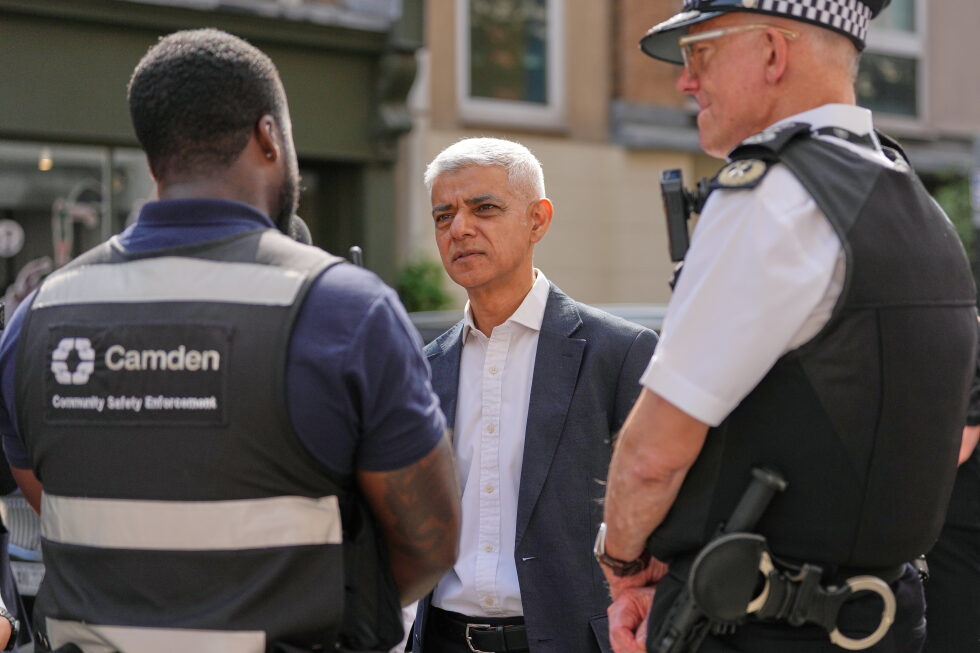
    LONDON – Fresh crime data showing a sharp drop in common street offenses has given London’s top city officials a platform to push back against a widespread, politically charged online narrative that frames the British capital as a lawless, unsafe destination for visitors and residents alike. Mayor Sadiq Khan and Metropolitan Police Commissioner Mark Rowley outlined the new figures during a press briefing Thursday, arguing that viral negative claims about London’s crime crisis are amplified by bad actors seeking to undermine the city’s progressive, multicultural identity.

    According to data released by the Metropolitan Police, neighborhood crime – a broad category covering phone theft, pickpocketing, residential burglary and motor vehicle offenses – fell 14% across the capital in the 12-month period ending in June. In two of London’s most visited tourist areas, the declines were even steeper: the crime category dropped more than 33% in Westminster, which hosts major attractions including the Houses of Parliament, Soho and Leicester Square, and fell 25% in neighboring Camden, another popular destination for international visitors.

    Despite these measurable improvements, Khan noted that negative claims about London’s safety have exploded across social media platforms over the past two years. He reported a 200% jump in social media posts claiming London is in “decline” or overrun by danger, with many of these claims pushed by right-wing politicians and tied to anti-immigrant and anti-Muslim rhetoric. As London’s first Muslim mayor, who has held office since 2016, Khan has himself been a frequent target of these attacks: he has been publicly insulted by X owner Elon Musk and former U.S. President Donald Trump, who has repeatedly labeled Khan a “terrible” mayor and a “stone-cold loser.”

    Khan blames this coordinated negative campaign on what he calls an online “outrage economy,” where content creators and bad actors monetize fear and negativity to drive engagement and profit. “We know there are bot farms making money from negative stories about London,” Khan told the Associated Press in an interview. “We know that there are state actors in Russia and China and MAGA-backed influencers in the USA who want to do London down. Why? Because we’re liberal, we’re progressive, we are multicultural and we’re incredibly successful.” Khan added that if social media platforms fail to crack down on coordinated misinformation, new regulation will be necessary to curb the spread of harmful false content.

    Broader crime trends support officials’ claims that London is far safer than viral narratives suggest. Like most major urban centers across Europe and North America, London has seen a steady decline in violent crime in recent years. The city recorded 97 homicides in 2023, the lowest annual total since 2014, and its homicide rate per capita is lower than that of Paris, Berlin, or New York City. Even so, Khan acknowledged that London still faces pressing public safety challenges: he specifically highlighted a worrying rise in hate crimes targeting Muslim and Jewish communities, a surge fueled in large part by ongoing geopolitical conflicts in the Middle East. “We’ve got to make sure we give these communities the confidence to report these crimes,” Khan said. “We’ve also got to be sure we support them to make their places of worship safer, so nobody’s scared to practice their faith.”

    The Metropolitan Police has focused on cracking down on non-violent but quality-of-life eroding offenses, such as phone snatching, shoplifting and subway fare evasion – crimes that many Londoners report encountering in their daily lives. Police leaders credit the recent drop in these offenses to a multi-pronged strategy that combines increased high-visibility patrols in high-risk tourist and residential areas, intelligence-driven operations targeting repeat offenders, and integration of new technology into policing work.

    Rowley, who took over as commissioner in 2022, highlighted the force’s controversial but “innovative and creative” use of facial recognition technology as one tool driving recent progress. “There’s classic police work, officers on the streets, supported by the best of 21st century technology that’s making a difference,” he said. Rowley’s leadership has come as the Met works to rebuild public trust after a string of high-profile scandals, which culminated in an independent public review that found the force was deeply institutionalized with sexism, homophobia and racism. The force also faces separate criticism from right-wing groups that claim it practices a “two-tier” policing model biased against white people. Rowley pushed back against that narrative, saying the force is committed to impartial policing that serves all communities equally. “We’re routinely invited to join either side of the culture wars. We’re politely declining those invites,” Rowley said. “We operate under the law without fear or favor. We’re here to protect every citizen and we do that with equal vigor.”

    Many visitors and long-term residents echo officials’ reassurances about London’s safety. Julianne Sweeten, a 21-year-old American university student studying abroad in London from Chesapeake, Virginia, said the capital “feels a lot safer than the U.S.,” noting that the near absence of gun violence eliminates a major source of fear, and she has not experienced the phone theft that many online warnings warn about. Vicky Hawkins, a 78-year-old artist who has lived in London her entire life, said she sees little change in overall crime levels from decades past. “I know people feel more unsafe, I think, these days. But I don’t,” she said. “But I know not to push my luck.”

  • Iraq emerging as an accidental Iran war winner

    Iraq emerging as an accidental Iran war winner

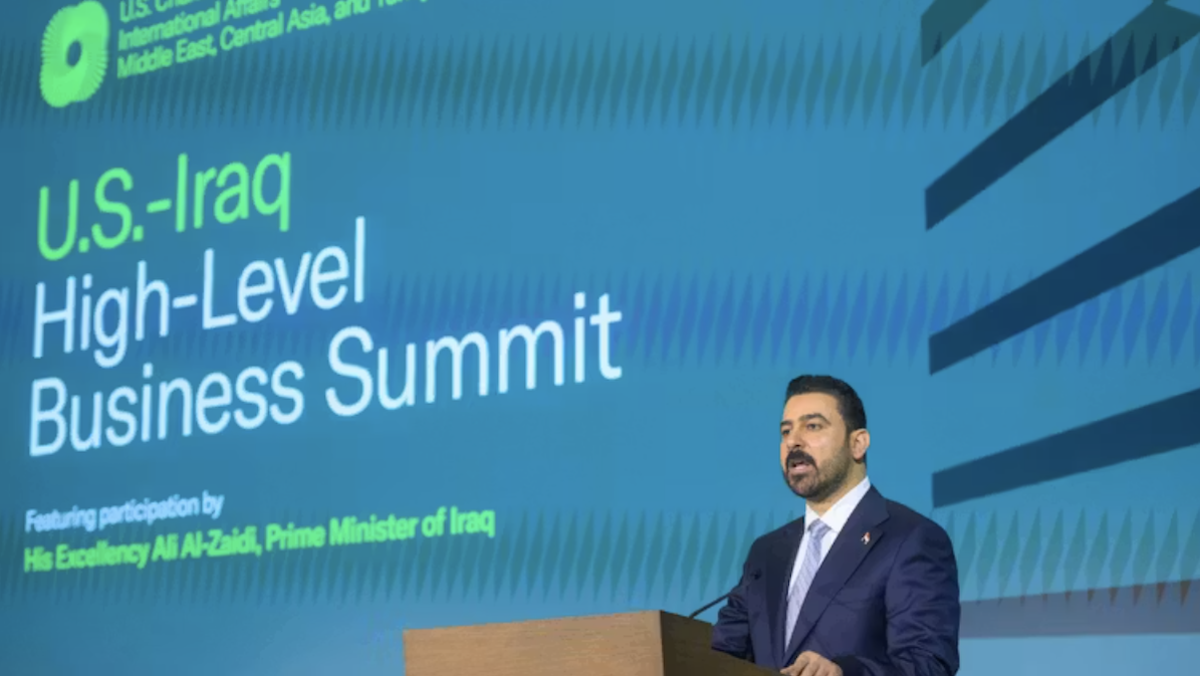
    In the rapidly shifting landscape of 21st-century Middle Eastern geopolitics, Iraqi Prime Minister Ali al-Zaidi has embarked on an ambitious, high-stakes diplomatic tour that underscores his country’s growing role as a critical bridge between competing global and regional powers. Fresh off a successful weeklong visit to the United States that concluded on July 19, 2026, where he held high-profile talks with President Donald Trump, al-Zaidi is set to travel next to Tehran to engage Iran’s new leadership, with additional stops planned for Qatar, Saudi Arabia, Turkey, and Syria in the weeks ahead.

    This U.S. trip marked the first and most strategically significant stop on al-Zaidi’s broader regional diplomatic push, which aims to shore up domestic legitimacy for his new administration, attract much-needed foreign direct investment, and elevate Iraq’s standing as a key independent actor in the Middle East. A core goal of Baghdad’s current diplomatic strategy is to nurture closer ties with Washington while preserving its long-standing cooperative relationship with Tehran, even as tensions between the two powers reignite and disruptions to shipping in the Strait of Hormuz send economic shockwaves across the region. Al-Zaidi’s government is positioning Iraq as a neutral diplomatic intermediary, and a potential future host for formal Iran-U.S. negotiations, to cement this delicate, influential role.

    The U.S. visit, which included a major high-level business summit and meetings with top American energy industry executives in Houston, was carefully structured to align with a new U.S. regional strategy that prioritizes expanded trade and investment across the Middle East, with Iraq at its center. As a close scholar of Middle Eastern geopolitics, this coordinated diplomatic push points to a profound transformation: Iraq is steadily emerging as a central strategic connector in a region increasingly defined by cross-border energy trade, infrastructure networks, and interconnected investment flows.

    Iraq’s growing stature as a nexus for diplomacy and commerce stems from a combination of critical domestic changes and sweeping regional power shifts. The near-defeat of the Islamic State group across Iraq and the broader Middle East, paired with notable improvements in domestic security and Baghdad’s more assertive independent diplomacy, have dramatically expanded Iraq’s room for diplomatic maneuver. At the same time, the collapse of the Tehran-aligned Assad regime in Syria, the weakening of Iran’s regional proxy networks, and ongoing open confrontation between the U.S. and Iran have all amplified the strategic value of Iraq’s geographic position, state institutions, and existing cross-regional relationships. Today, as the regional balance of power is redrawn and Iran’s traditional network of influence is disrupted, Iraq has become an increasingly critical platform for military coordination, regional diplomacy, and cross-border economic connectivity.

    Against this backdrop, al-Zaida’s choice to make the U.S. his first foreign trip as prime minister underscores a broader trend: nearly every major regional and global power is currently reassessing Iraq’s strategic importance. Iran, Arab Gulf states, and China have all deepened their diplomatic and economic engagement with Baghdad in recent years, each pursuing distinct policy goals but unified in their recognition of Iraq’s unique geostrategic position.

    For Washington, this reassessment marks a clear break from the post-Iraq War framework that framed relations with Baghdad almost exclusively through the lenses of counterterrorism and military stabilization. Today, U.S. and Iraqi officials are building a far broader bilateral partnership, with new economic agreements focused on strengthening Iraq’s energy sector, modernizing its crumbling national infrastructure, and expanding private-sector investment. While security cooperation remains a core pillar of the relationship, it now serves a broader strategic goal: building a more resilient Iraqi state capable of managing competing external pressures and governing effectively across its territory.

    For Tehran, Iraq has grown even more central to its regional strategy at a time when its geopolitical position across the Middle East has weakened. Iraq provides Iran with a critical strategic buffer, deep commercial ties, and an essential land corridor connecting Iran to its remaining partners across the Levant. As Iran’s other key regional allies, including Hezbollah and Yemen’s Houthi movement, face growing military and political pressure, maintaining Iran’s influence in Iraq has become a top strategic priority.

    Arab Gulf states have also recalibrated their approach to Baghdad in recent years. While security concerns, particularly over Iraq’s close relationship with Iran, continue to shape their policy, Saudi Arabia, the United Arab Emirates, and other Gulf monarchies see Iraq’s post-Islamic State trajectory as a major opportunity for expanded engagement through investment, infrastructure development, and regional economic integration. A more stable, connected Iraq can link Gulf capital, markets, and infrastructure projects to global trade networks, while reducing the risk of regional instability spilling over from Iran.

    China’s growing engagement with Iraq highlights another dimension of the country’s rising strategic importance. As Baghdad becomes an increasingly contested arena for geopolitical and commercial competition, Chinese firms face growing pressure to compete aggressively for infrastructure and energy contracts, while Beijing has stronger incentives than ever to deepen its ties to Baghdad to protect its existing regional influence. Yet China’s interests extend beyond securing market access and outcompeting other powers: a stable, economically viable Iraq serves Beijing as a reliable energy supplier and a potential hub for broader Eurasian regional connectivity. In this respect, outside of great-power competition, U.S. and Chinese interests in Iraq are broadly aligned.

    Notably, these overlapping engagements with Iraq do not fit the traditional model of zero-sum competition between rival powers or blocs. Instead, they coexist, reflecting a deliberate strategy from Baghdad to diversify its external partnerships while avoiding dangerous over-reliance on any single global power.

    What sets Iraq apart from other Middle Eastern states is not just its central geographic location, but the unique overlap of productive relationships it maintains with competing powers that few other countries in the region can match. Baghdad can engage Washington on security and energy cooperation, maintain deep political and commercial ties with Tehran, partner with Beijing on infrastructure development and trade, and collaborate with Gulf states on investment and regional connectivity. This unique position has allowed Iraq to take on the role of what analyst John Calabrese terms an “intermediary state” – a country whose influence stems from its ability to maintain connections to competing political, economic, and security networks, while shaping how those networks interact with one another.

    Iraq’s emerging role offers a clear window into the broader transformation of Middle Eastern geopolitics. While military power and traditional alliances remain central to regional influence, power increasingly flows through the cross-border systems that connect economies and societies: energy infrastructure, electricity grids, logistics corridors, financial systems, and cross-border investment relationships. Going forward, states that can shape and lead these interconnected networks will hold the greatest influence over the region’s future.

    Despite this unprecedented opportunity, Iraq faces significant structural and geopolitical challenges that threaten to derail its bid to convert strategic connectivity into lasting national advantage. The same overlapping relationships that boost Baghdad’s value also create powerful incentives for external powers to compete for influence within Iraq’s domestic political system. While strategic connectivity offers major new sources of leverage for Baghdad, without stronger, more unified national institutions, it can also deepen dependence on foreign powers and erode Iraqi sovereignty.

    The most immediate challenge facing al-Zaidi’s government is consolidating full state authority across Iraqi territory. The prime minister’s push to bring non-state armed groups under formal government control will be a critical test of whether powerful Iran-aligned militias will be willing to give up the autonomy, political influence, and economic interests they have built up over two decades of conflict. Progress on disarmament and integration is likely to be uneven, particularly if rising regional tensions increase the value of these militias to Tehran.

    Iraq’s fractured domestic political economy presents an equally formidable obstacle. Decades of patronage networks, systemic corruption, and fragmented governance continue to limit Baghdad’s ability to implement nationwide economic reforms, attract sustained long-term foreign investment, and translate external partnerships into broad-based, inclusive economic development for Iraqi citizens. Converting Iraq’s strategic importance into lasting national strength ultimately depends as much on building domestic institutional capacity as it does on maintaining productive foreign relationships.

    External geopolitical dynamics will also continue to shape Iraq’s trajectory. Persistent deep distrust between Washington and Tehran ensures that Iraq will remain under pressure from competing powers seeking to pull Baghdad into their orbits. If the current escalation of U.S.-Iran hostilities spirals into a protracted, wider regional war, both Iraq’s ability to realize its strategic potential and the survival of the al-Zaidi government would be put at severe risk.

    Looking ahead, China is unlikely to retreat from Iraq, where it has already become a leading trading partner and major infrastructure investor. Arab Gulf states will continue to pursue closer ties to a more stable, economically integrated Iraq, while Washington will remain invested in a sovereign Iraqi partner capable of resisting destabilizing pressure and balancing Chinese influence in the region. The core challenge for Baghdad will be managing these overlapping relationships effectively, ensuring that foreign partnerships strengthen Iraqi sovereignty rather than constrain it.