JOHANNESBURG and ACCRA – For nearly 20 years, periodic waves of xenophobic violence targeting foreign migrants have plagued South Africa, leaving a trail of death, displacement, and unresolved impunity. Now, two private Ghanaian citizens have taken the extraordinary step of asking the International Criminal Court (ICC) to intervene, arguing that repeated, widespread attacks on non-citizens qualify as crimes against humanity under international law.
The petition, filed July 15 with ICC prosecutors by Palgrave Boakye-Danquah, a former Ghanaian government spokesperson, and Emmanuel Kotin, a Ghanaian security analyst, demands accountability for nearly two decades of anti-migrant attacks. The filing specifically documents allegations of systematic violence between 2015 and 2025, ranging from fatal assaults and mass looting of migrant-owned property to forced displacement of thousands of foreign-born residents, most of whom are citizens of other African nations.
Crucially, the petitioners also accuse South Africa’s national government of failing to uphold its responsibility to prevent these attacks and prosecute perpetrators, a core requirement under the Rome Statute that governs the ICC’s mandate. In an interview with the Associated Press on Thursday, Kotin clarified that the filing is an independent private initiative, with no official endorsement or backing from the government of Ghana. “We are simply asking the ICC to investigate these allegations,” Kotin told the AP.
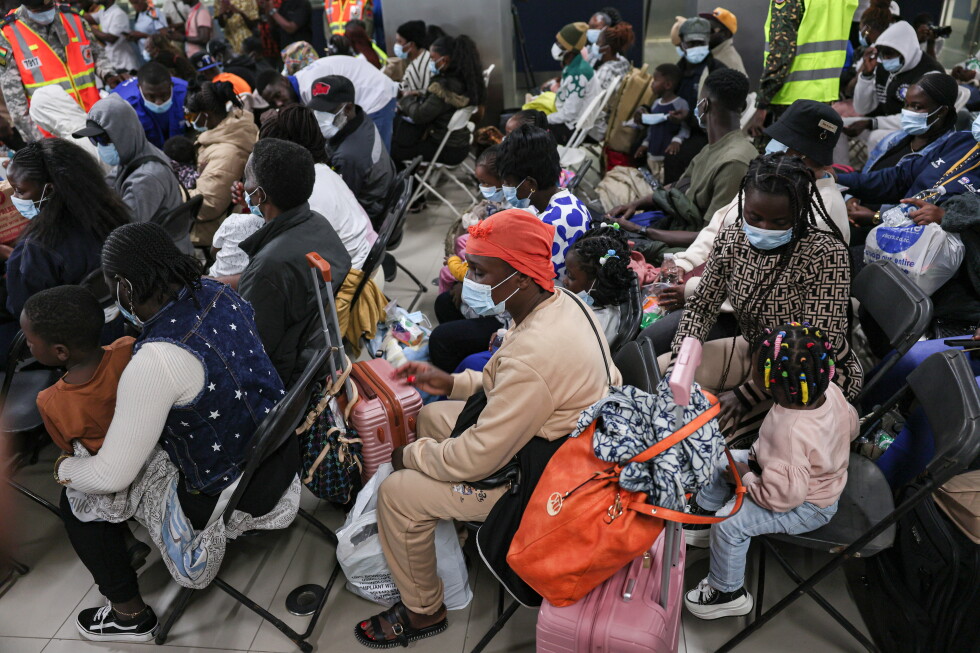
Anti-migrant unrest has reemerged with particular intensity in recent months, as protesters in South Africa have scapegoated foreign nationals for the country’s deep economic challenges, including persistently high unemployment, widespread crime, and strained access to public housing and healthcare. The upsurge in violence targeting African migrants has already sparked diplomatic friction across the continent: the governments of Nigeria, Ghana, and Malawi have arranged large-scale repatriations of their citizens who chose to flee the violence, and all three nations have summoned South Africa’s senior diplomatic envoys to formally protest the ongoing attacks.
As of Thursday, a spokesperson for South Africa’s national government had not issued an immediate response to requests for comment on the new ICC petition. The court has confirmed to the AP that it has received the formal communication, following the petitioners’ public announcement of the filing.
Under the rules of the Rome Statute, private individuals and civil society groups are permitted to submit information on alleged crimes falling under the ICC’s jurisdiction. After receiving a communication, ICC prosecutors conduct an initial review to determine whether there is a reasonable factual and legal basis to open a formal investigation. It is important to note that the submission of a petition does not automatically trigger a probe; the court receives hundreds of similar communications annually, and only a small fraction advance to the stage of a full formal investigation.