博客

  • Elon Musk reiterates claim that UK is on verge of ‘reckoning’ due to Muslim immigration

    Elon Musk reiterates claim that UK is on verge of ‘reckoning’ due to Muslim immigration

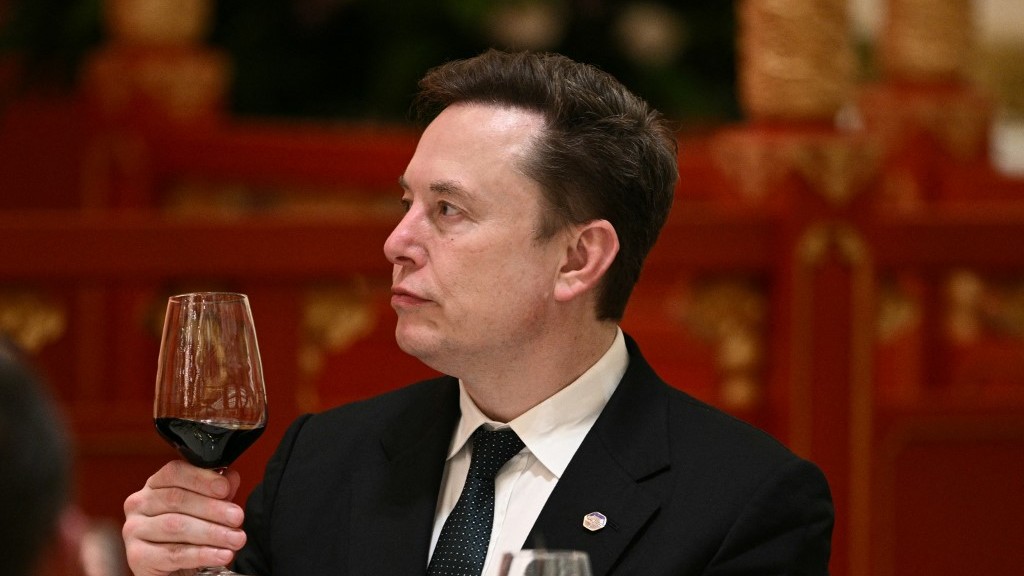
    Billionaire tech tycoon and influential far-right figure Elon Musk has reignited widespread backlash with incendiary comments about Muslim immigration to the United Kingdom, claiming that current demographic trends will lead to an imminent ‘reckoning’ that many observers interpret as a thinly veiled prediction of civil war.

    Musk made the remarks during an interview with The Economist’s editor-in-chief Zanny Minton Beddoes, who pressed him on widespread accusations that he holds anti-Muslim views. When asked directly about the label, Musk defended his position by arguing he opposes immigration of people holding what he calls ‘antithetical views’ to Western societal norms. ‘I’m against rape and murder, I’m against the imposition of rules and laws that are contrary to what we’ve come to accept in the West. I think it’s a crying shame that the traditional media don’t recognise this,’ Musk stated.

    Beddoes then pushed Musk on his past comments that framed civil war in the UK as ‘inevitable’, prompting Musk to double down, claiming the outcome is baked into ‘the current trend’ of immigration. The interviewer immediately pushed back against Musk’s unsubstantiated claims, fact-checking his narrative directly: ‘That is nonsense. The numbers also disprove what you say. London is a much safer city than any city in the US,’ Beddoes said. ‘You have painted Europe and the UK as overrun with terrifying Muslim immigrants, there’s rape on every corner, there’s civilisational destruction.’

    In response, Musk acknowledged it had been several years since his last visit to the UK, before incorrectly claiming he had never made the extreme claims Beddoes outlined. This is far from the first time Musk has stoked anti-immigrant and Islamophobic sentiment in the UK, however. Through his ownership of social media platform X (formerly Twitter), Musk has repeatedly amplified far-right political groups and individual figures in the country, including the far-right campaign group Restore Britain and British anti-Muslim activist Tommy Robinson, born Stephen Yaxley-Lennon. Experts and observers link this amplification to rising anti-migrant hostility across the UK.

    Just last month, anti-refugee riots targeting non-white communities erupted in Belfast and Southampton, unrest that was directly sparked after Musk shared viral footage of a violent knife attack and called for mass public protests. For months, Musk has fixated on unsubstantiated claims about rising violence and sexual assault in the UK and broader Europe, falsely tying these trends to growing non-white and Muslim populations, claims that contradict official crime data from across the continent.

    The controversial billionaire is no stranger to scandal himself, with multiple public accusations of sexual misconduct and abuse. In one high-profile case, SpaceX paid a $250,000 settlement to a female employee who alleged Musk exposed himself to her during a private flight. Musk has dismissed reporting of the incident as a ‘politically motivated hit piece’, claiming there is ‘a lot more to this story’ that has not been reported. Separately, eight former SpaceX employees filed a lawsuit against the company and Musk in 2024, alleging Musk personally ordered their firing after they publicly called out the company’s culture of tolerating repeated workplace sexual harassment.

    Musk’s businesses have also faced regulatory scrutiny across Europe in recent months. Earlier this year, X faced potential criminal prosecution and a regional ban after investigators found that the platform’s Grok AI tool was being used to generate non-consensual deepfake sexual imagery and child sexual abuse material. Musk initially claimed he had no knowledge of the harmful content, even going so far as to mock users who raised complaints about the issue. While the company has stated it has strengthened content safeguards, multiple reports confirm Grok still continues to generate prohibited sexual deepfake content months after the scandal broke.
  • Trump says US will investigate EU trade practices, claiming the bloc unfairly fined tech giants

    Trump says US will investigate EU trade practices, claiming the bloc unfairly fined tech giants

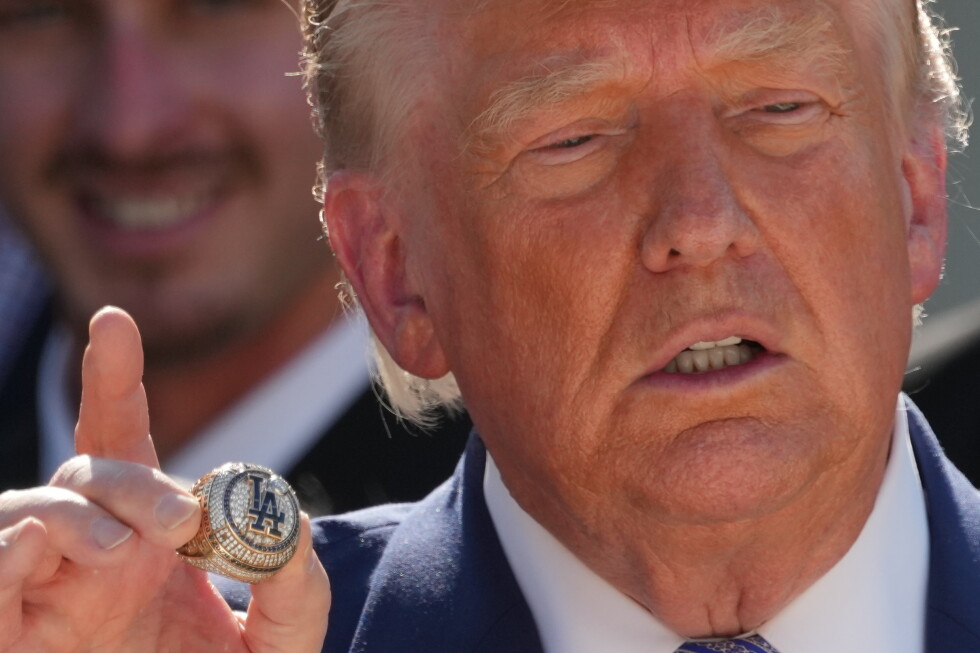
    Just 24 hours after European Union regulators hit Google with a $1 billion antitrust penalty, former U.S. President Donald Trump announced Friday that Washington will launch a formal trade investigation into the bloc’s regulatory practices toward American technology companies. The announcement escalates a long-running transatlantic trade dispute that has sent ripples through global tech and commerce circles.

    The latest EU fine against Google stems from a finding that the search and mobile giant violated bloc antitrust rules by structuring its Google Play Store and dominant search engine to prioritize its own services over competing offerings, locking consumers into the company’s ecosystem at the expense of rivals. This penalty marks just the most recent high-profile enforcement action by Brussels, which has positioned itself as the global leader in reining in the power of large tech firms headquartered in the United States and beyond.

    Trump framed the investigation as a necessary response to a pattern of unfair treatment, laying out his position in an extensive social media post. “The United States of America is not a ‘PIGGYBANK’ for Europe, nor will we allow it to be!” he wrote, framing the repeated fines as a form of extraction from American companies and ultimately U.S. taxpayers. The president said the probe would immediately examine what he called the practice of “ROBBING” American firms, and warned that the EU “will pay a very big price for this illegal and highly unethical conduct” that he had previously cautioned the bloc against. He went so far as to claim the penalties against U.S. tech companies “will be entirely reversed” and predicted that a “substantial TARIFF” would be imposed on EU goods at the earliest possible date, closing his post with a “Stay tuned!” tease of coming actions.

    Trump’s announcement comes on the heels of a separate White House tariff rollout the previous day, which introduced double-digit duties on imports from more than 60 countries. The new tariffs replace temporary 10% global import taxes Trump implemented after the U.S. Supreme Court struck down his earlier, larger set of tariffs. Like that earlier action, the upcoming investigation into EU trade practices will proceed under Section 301 of the 1974 U.S. Trade Act, a statute that grants the president authority to impose tariffs and other trade sanctions on nations found to engage in unjustifiable, unreasonable, or discriminatory trade practices.

    The current antitrust action against Google is far from an isolated incident. The search giant already lost an appeal last year against a $4.5 billion EU antitrust penalty related to anti-competitive practices tied to its dominant Android mobile operating system. European Commission officials, who serve as the bloc’s executive branch and lead antitrust enforcer, have repeatedly stated that their enforcement actions are rooted in protecting consumer interests and ensuring fair market competition.

    “The best products should succeed because they’re better, not because they’re owned by the company running the search engine. And European consumers have a right to be told by app developers where to sign up to the best offers, even when the app store owner does not get a cut,” explained Teresa Ribera, the commission’s executive vice president for clean, just and competitive transition. European Commission spokesperson Thomas Regnier added that the bloc’s regulatory framework requires designated “gatekeeper” tech giants to maintain a level playing field for smaller competitors, noting: “In the EU, businesses have the right to compete fairly. Gatekeepers have the obligation to ensure a level playing field and consumers the right to choose for cheaper alternative offers.” The EU currently labels six major global tech firms — Amazon, Apple, Google parent Alphabet, Meta, Microsoft, and TikTok owner ByteDance — as gatekeepers due to their massive control over consumer access to digital services.

    Google representatives have pushed back hard against the latest penalty. Kent Walker, Google’s president of global affairs, called the ruling “product degradation driven by a small group of self-serving complainants” that will harm European businesses and consumers alike. He added that the EU’s Digital Markets Act, the regulatory framework that underpins the enforcement action, forces Google to remove popular real-time search features that European consumers rely on, including instant pricing and availability updates for hotels, flights and restaurants, as well as dismantle core safety protections on the Google Play Store. Alphabet, Google’s parent company, reported $403 billion in total annual revenue in its most recent fiscal year.

    The latest escalation fits into a broader pattern of trade friction between the Trump administration and the 27-nation EU. Trump has repeatedly criticized the bloc’s digital regulatory regime, imposed sweeping tariffs on European goods, made controversial threats to seize Greenland from EU member Denmark, and undermined collective trust within the NATO military alliance. The president has openly threatened retaliation for any penalties imposed on American tech companies, a vow that has now been put into motion with Friday’s announcement of a formal trade investigation.

  • James hopes to bring title magic to Philadelphia 76ers

    James hopes to bring title magic to Philadelphia 76ers

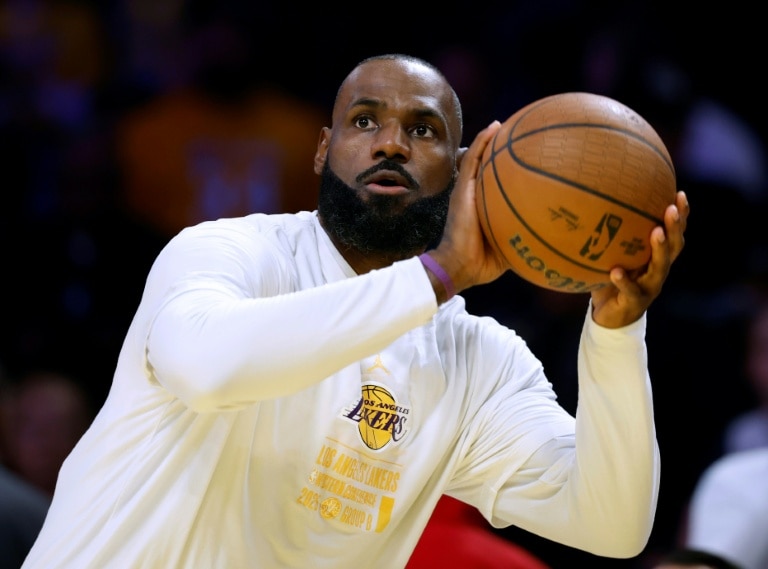
    Four decades have passed since the Philadelphia 76ers last lifted the Larry O’Brien NBA Championship Trophy, and now the franchise is pinning its championship hopes on the most decorated player in league history: LeBron James. The 41-year-old all-time leading scorer of the NBA confirmed on Friday that he has agreed to a two-year, $8 million deal to join the 76ers as a free agent, ending three weeks of rampant league-wide speculation that followed his departure from the Los Angeles Lakers.

    After 23 seasons and four championship titles across three different franchises, James entered the 2024 offseason facing major uncertainty about his future. When the Lakers’ 2023-24 campaign wrapped up, the four-time MVP openly admitted he was seriously considering retirement. “I thought I was done when the season ended. I wasn’t ready to announce it, and I knew I needed some time to really decide, but I was pretty sure I played my last game,” James shared in a post on X. “I was honest at that last press conference when I said I needed to look at myself and decide if I still love this game.”

    Ultimately, the competitive fire that defined James’ 21-year Hall of Fame-caliber career won out. Rather than walking away from the game, the superstar decided to chase one last title, rejecting overtures from multiple contenders that included a return to his hometown Cleveland Cavaliers, a reunion with the Miami Heat, and a run with the champion Golden State Warriors alongside close friends Stephen Curry and Draymond Green. For James, this final free-agent decision was never about money or off-court factors. “I’m not going for money. I’m not going for family. What am I really playing for at this point? I still want to sacrifice. I still want to work, I still want to grind. I still want to compete, to win and to have a chance at the feeling of winning another championship,” he wrote.

    The 76ers emerged as the clear choice thanks to the team’s newly constructed contender-level roster. Over the offseason, Philadelphia pulled off a blockbuster trade to acquire star forward Jaylen Brown from the Boston Celtics, pairing him with perennial All-Star center Joel Embiid, breakout guard Tyrese Maxey, and rookie guard VJ Edgecombe. James and Embiid already share championship chemistry as teammates on the 2024 U.S. Olympic men’s basketball team that took home gold in Paris, a connection that helped sway James’ decision. Current 76ers head coach Nick Nurse, who won a title with the Toronto Raptors in 2019, also brings proven championship experience to the new-look roster.

    Reaction to the signing from the team’s new core was immediate and enthusiastic. Brown posted “#throwtheballup” on X to welcome James, while Maxey — who shares the same agent as James, Rich Paul — publicly celebrated his unplanned “recruiting” victory on social media. James also took a moment to thank his former teams, writing, “Thank you LA. Miami I’ll forever love and Northeast Ohio will always be home!”

    Throughout his career, James has built a legacy of turning talented franchises into championship winners. He delivered back-to-back titles to the Miami Heat in 2012 and 2013, pulled off one of the greatest upset runs in sports history to end Cleveland’s 52-year major sports championship drought in 2016, and added a fourth ring with the Lakers in 2020. Now he will look to replicate that “title magic” in Philadelphia, a franchise that has not reached the NBA Finals since 2001 and has not advanced past the second round of the playoffs in eight of the last nine seasons. The team’s most recent title came all the way back in 1983, led by Hall of Famer Julius Erving.

    The prolonged speculation around James’ free agency created unexpected ripples across the NBA’s business operations. League commissioner Adam Silver even acknowledged that the league could not lock in the official schedule for the upcoming 2024-25 season until James’ destination was confirmed, with national broadcasters scrambling to adjust broadcast schedules to feature the league’s biggest draw in his new home.

    For 76ers fans, the writing may have been on the wall a week before the official announcement, when James referenced “trusting the process” while discussing his training routine — a phrase that became the iconic slogan of the 76ers’ 2013-2016 rebuild. James downplayed the coincidence at the time, noting he had used the phrase since his rookie season in 2003, but the connection still sent 76ers fan bases into a frenzy across social media. Now, after months of uncertainty, one of the most anticipated free-agent signings in NBA history is official, and the league prepares for LeBron James’ final championship run.

  • Israeli banks set to sever financial links with Palestinian banks, sparking payment fears

    Israeli banks set to sever financial links with Palestinian banks, sparking payment fears

    Two major Israeli financial institutions, Bank Hapoalim and Discount Bank, have notified Palestinian lenders that they will terminate critical correspondent banking relationships in the coming weeks, international news agency AFP has reported. Citing anonymous Palestinian banking officials, the report outlines a clear timeline for the cut-off: the five Palestinian banks that rely on Bank Hapoalim for cross-system financial links will lose access starting August 13, while institutions that use Discount Bank’s services will face the same disruption by September 1.

    The Israeli Ministry of Finance has confirmed the pending termination, framing the decision as a response to “growing public risks and growing concerns over potential private legal action targeting Israeli banking entities.” In an official statement, the ministry added that it is currently holding negotiations with the two banks to find a pathway to maintain correspondent services “in a safe and responsible framework” that prioritizes Israel’s national security and economic interests.

    Correspondent banking arrangements form the foundational operational connection between the Palestinian and Israeli financial systems, enabling a wide range of activities that are essential to daily Palestinian economic life. These ties allow for seamless shekel-denominated payments between Palestinian and Israeli lenders, clear transactions for Palestinian imports from Israel—imports that make up the overwhelming majority of the Palestinian Authority’s total trade volume—and the smooth transfer of wages for thousands of Palestinians employed in Israel and Israeli-occupied settlements. The arrangement also facilitates the repatriation of excess shekel banknotes held by Palestinian banks back to the Israeli financial system, and streamlines business transactions between Palestinian and private Israeli companies.

    Economic observers and Palestinian officials warn that a complete, unmitigated severance of these ties would trigger cascading, far-reaching harm across the Palestinian economy. First, cross-border business payments between Palestinian and Israeli firms would face major disruptions. Critical imports of staple goods including food, fuel, and pharmaceutical products would also be interrupted, exacerbating existing shortages that have already strained Palestinian households. The cut-off would also deepen an ongoing crisis of accumulated shekel cash in Palestinian banks, a problem that already exists due to longstanding Israeli restrictions on moving excess currency out of Palestinian financial institutions.

    The severity of the impact on the Palestinian Authority will depend on the duration of the disruption and whether a viable alternative arrangement can be negotiated. If the severing of ties becomes permanent, the Palestinian Authority could face severe challenges in covering public sector salaries, as fund transfers would be delayed or become drastically more expensive. Disruptions to cross-border trade would also erode the Palestinian Authority’s core tax revenue, increasing already extreme fiscal pressure, while widespread shekel shortages and payment delays could erode public trust in the Palestinian banking system as a whole.
    Nasr Abdel Karim, an independent Palestinian economic analyst, told Middle East Eye that the decision fits into a years-long pattern of Israeli policy designed to pressure Palestinian communities. “For the past four years, the Israeli government has implemented every possible policy to subdue the Palestinians in one way or another,” Karim explained, noting that the move is explicitly politically motivated and will compound a slew of existing crises already facing Palestinians, including ongoing fuel shortages, delayed public sector salaries, a glut of excess shekels in local banks, sky-high youth unemployment, and rapidly deteriorating living standards. He added that the termination will place even more strain on Palestinian traders and the already fragile private sector.
    Karim further contextualized the decision: “Banks make decisions based on minimizing risk and protecting the interests of their shareholders and depositors. The uncertainty created by [Israeli far-right Finance Minister Bezalel] Smotrich left the banks no room to maneuver, so they opted to cut the relationship. But this, without question, falls within the framework of Israel’s expansionist political agenda.”
    Beyond macroeconomic harm, the Palestinian banking sector would face a growing shift toward cash-only transactions instead of electronic transfers, bringing higher operational risks and costs for local lenders. If the disruption stretches into months, Palestinian banks may also be forced to scale back access to core financial services for ordinary customers.
    Palestinian political and economic officials, alongside major international bodies, have issued stark warnings that the absence of a viable alternative mechanism or an extension of the current arrangements could trigger a full-scale economic and banking collapse across the Palestinian territories.
    Mohammed al-Qeeq, a prominent Palestinian political analyst, argued that the move is a deliberate step in a broader Israeli strategy to dismantle the Palestinian Authority. “Israel is deliberately seeking to cut all official ties with the Palestinian Authority to pave the way for its collapse, and instead deal with private Palestinian companies as substitutes,” al-Qeeq told Middle East Eye. This framework would allow Israel to govern the Palestinian population without engaging with a sovereign Palestinian governing body.
    “Israel refers to the West Bank as Judea and Samaria, a framing that signals to the international community that it does not recognize a sovereign Palestinian state. In this view, the territory is Israeli land, and all dealings should be with private companies, not a Palestinian national authority,” he explained. In al-Qeeq’s analysis, the banking decision is a core component of Israel’s annexation agenda: it aims to dismantle the Palestinian Authority, cripple any prospect of an independent Palestinian economy, cut off access to basic necessities like fuel, and reduce Palestinians to the status of temporary residents in their own territory.

  • India cockroach protests: Videos show officers firing ‘pellet guns’

    India cockroach protests: Videos show officers firing ‘pellet guns’

    Thousands of residents in India’s capital New Delhi have filled public thoroughfares in a widespread demonstration that has come to be known as the ‘cockroach protests’, with demonstrators uniting around a single core demand: sweeping, long-overdue changes to the country’s education system. Viral video footage shared widely across social media platforms has captured the moment law enforcement officers responded to the unrest by discharging pellet guns into the crowd, a escalation of force that has amplified public anger and drawn sharp scrutiny from rights observers. The unusual ‘cockroach’ moniker for the protests has its roots in demonstrators’ framing of themselves as marginalized groups that have been ignored and dismissed by authorities for years, much like unwanted pests that are pushed aside rather than addressed. While the immediate trigger for the mass mobilization varies across different segments of protesters, the overarching grievance centers on systemic flaws in India’s education sector, including underfunding, inequitable access to quality learning, outdated curriculum structures, and persistent job gaps for graduating students. As footage of the pellet gun use continues to circulate online, the demonstration has grown in size, with solidarity protests popping up in other major Indian cities, and calls growing louder for central and state education officials to open formal negotiations with protest leaders to address the community’s demands.

  • World chess chief faces endgame after EU announces Russia war sanctions

    World chess chief faces endgame after EU announces Russia war sanctions

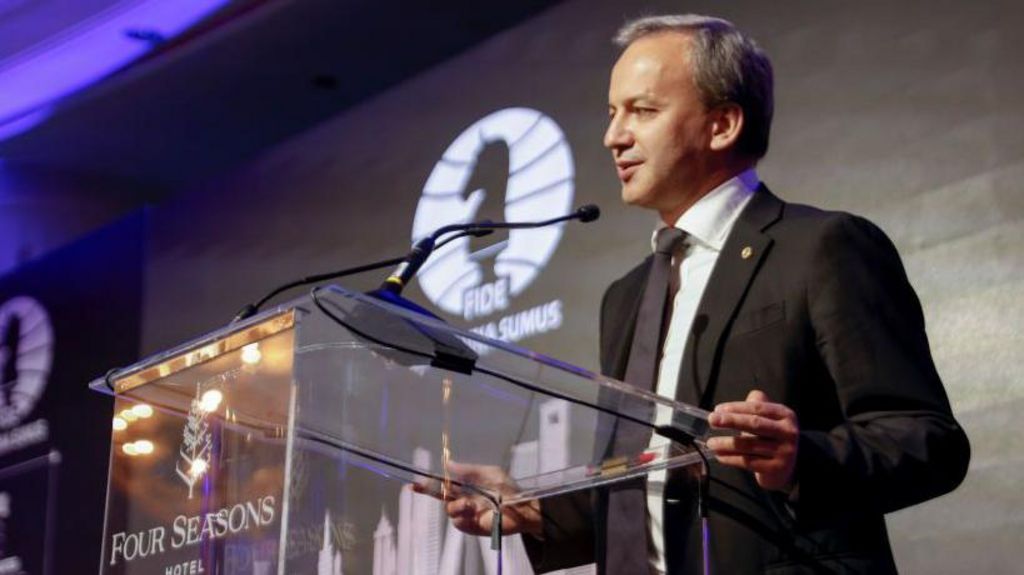
    The global chess community is grappling with sudden upheaval after Arkady Dvorkovich, the sitting president of the International Chess Federation (Fide), announced he would voluntarily suspend his official duties after being added to the European Union’s latest package of sanctions targeting individuals linked to Russia’s actions in Ukraine.

    The 54-year-old, a former Russian deputy prime minister and one-time Kremlin advisor, now faces a full EU travel ban and an asset freeze over his public positions on Russia’s 2014 annexation of Crimea. EU officials confirmed his inclusion on the sanctions list stems from his public support of the annexation, including referring to occupied Ukrainian cities as “new territories” of the Russian Federation. The bloc also noted that Dvorkovich serves on the board of the Chess Federation of Russia, which has organized competitive tournaments in Russian-occupied regions of Ukraine.

    In an official statement, Dvorkovich clarified that he is stepping back from his day-to-day powers and responsibilities but has not formally resigned from his post. He called the EU’s sanctions designation “unlawful and unfair”, claiming the measures were deliberately implemented to bar him from continuing to lead and run for re-election at Fide. Dvorkovich also pushed back against widespread claims that Russia has wielded outsized influence over Fide during his tenure, arguing that the federation’s governance structure contradicts these accusations. “Fide is based in Switzerland… our top executives include people from India, Norway, Latvia, the US, Italy, France… and other countries around the globe,” he noted in written responses to the BBC.

    Ukrainian officials and chess leaders have celebrated the sanctions and Dvorkovich’s suspension as a significant diplomatic win. Volodymyr Kovalchuk, first vice president of the Ukrainian Chess Federation, stated that individuals who develop sport in service of an invading aggressor state have no place holding senior international leadership roles, adding that Ukraine hopes Dvorkovich never returns to a position of influence in global chess. Kovalchuk also argued that Moscow has long invested heavily in controlling Fide, framing chess as a symbol of Russian intellectual superiority and using the federation to promote narratives favorable to the Kremlin.

    Malcolm Pein, the British Fide representative, described the development as “an earthquake and a massive diplomatic victory for Ukraine”. He noted that for nearly 80 years, first the Soviet Union and then Russia have dominated international chess and used it as a key tool of soft power, and Dvorkovich’s suspension could substantially reduce Moscow’s influence in the global chess ecosystem.

    Dvorkovich was first elected to the Fide presidency in 2018 and won a second term in 2022, leading the federation through one of the most turbulent eras in the history of the sport. After Russia launched its full-scale invasion of Ukraine in 2022, Russian national chess teams were banned from most top international competitions. However, Ukraine and its Western allies have alleged that Russian influence within Fide actually grew under Dvorkovich’s leadership, with Moscow pushing a “slow takeover” of the governing body by revising internal rules and pressuring delegates from other nations to support pro-Russia positions – a claim Moscow has repeatedly denied.

    In 2024, a push led by pro-Russia factions to re-admit Russian national teams and officials to Fide competition failed, when the federation’s general assembly voted in September to maintain existing sanctions against Russia and its ally Belarus. Dvorkovich had been expected to run for a third term as Fide president at the organization’s upcoming general assembly in September, but his political future in global chess is now uncertain.

    In recent years, competitive chess has experienced unprecedented global growth, with record audience numbers drawing major corporate sponsorships and elevating top players like Norwegian grandmaster Magnus Carlsen to household name status. Now, industry observers are widely speculating that the potential permanent departure of one of the most powerful and divisive figures in international chess could open the door to a new era of leadership for the sport.

  • NBA star LeBron James to join Philadelphia 76ers

    NBA star LeBron James to join Philadelphia 76ers

    After months of swirling trade speculation across the league, 41-year-old NBA icon LeBron James has made a bombshell announcement that will reshape the landscape of the league for the upcoming season: he is set to join the Philadelphia 76ers, and the franchise will mark the final stop of his legendary professional basketball career.

    The 18-time All-Star made the revelation public via social media platform X on Friday, closing an months-long guessing game that had dozens of teams linked to the future Hall of Famer. James wrapped up eight consecutive seasons with the Los Angeles Lakers this year, and enters free agency having cemented his status as one of the greatest players to ever step onto an NBA court.

    The 76ers beat out a stacked field of suitors to land James, with the Cleveland Cavaliers — where James launched his hall-of-fame career and won his first championship — the Golden State Warriors, Minnesota Timberwolves, and four-time champion LeBron James’ former team Miami Heat all previously reported to be in the running to sign the veteran.

    In his official announcement posted to X, James shared his enthusiasm for the next and final chapter of his playing career. “I believe I can help make the Philadelphia 76ers a championship team and I am so excited to energize a new fan base and start this incredible journey one last time,” James wrote.

    As of Friday, details of James’ contract with the 76ers have not yet been released to the public. More updates on this developing story are expected to emerge in the coming days as the team prepares for James’ official introduction.

  • Nigeria’s president approves largest military expansion in recent times

    Nigeria’s president approves largest military expansion in recent times

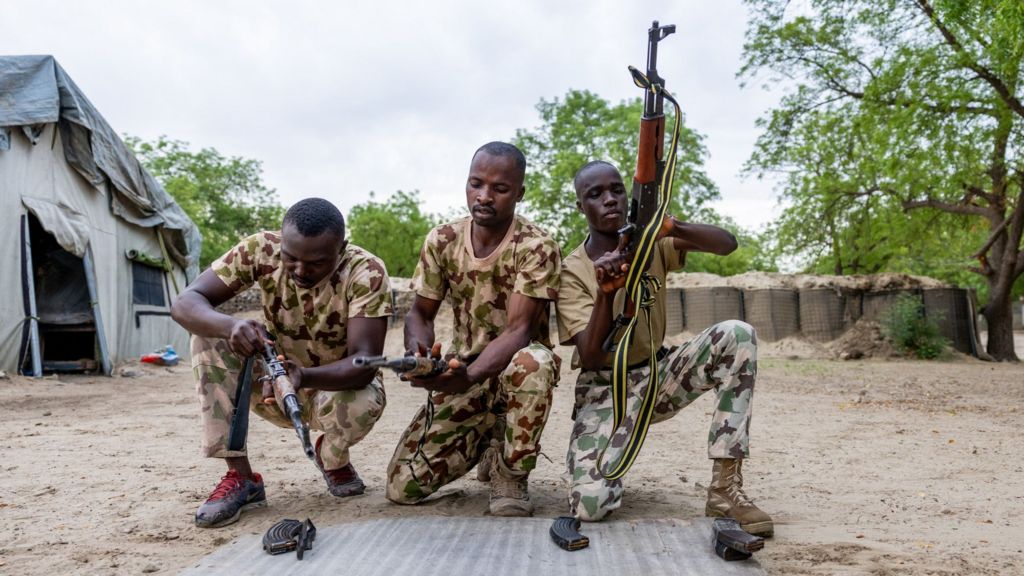
    Nigeria is pushing forward with its most ambitious military expansion in modern history, as President Bola Tinubu has signed off on a major restructuring and personnel boost to address the persistent security crises that have shaken communities across the country. The new executive order authorizes the recruitment of an additional 28,000 soldiers and the establishment of four new army divisions, bringing the service’s total number of divisions to 12. Three new regional army headquarters will also be constructed in Nigeria’s violence-plagued northeast and central regions, hotspots that have long battled Islamist militant insurgency, widespread banditry, and recurring resource conflicts between farming and pastoral communities.

    The expansion comes as the Nigerian government faces mounting public and international pressure to rein in the rising tide of violence carried out by a loose network of armed groups, ranging from jihadist insurgents and separatist militants to criminal kidnapping gangs that target civilians for large ransoms. Just one week before the announcement of the military restructuring, two high-profile attacks underscored the ongoing threat: an armed gang massacred at least 20 villagers in northwestern Nigeria’s Zamfara State, and 46 school students were abducted from a campus in Borno State in the northeast. While all 46 students were rescued by Nigerian army forces within hours of their kidnapping, the incidents highlighted how criminal and militant groups continue to operate with relative impunity across large swathes of the country.

    Nigerian government officials argue that the current military structure has struggled to keep pace with evolving security threats. Under the existing framework, existing army divisions are forced to cover massive, cross-state territories that leave operational resources stretched thin when responding to coordinated or sudden attacks. The new divisions and regional headquarters, officials say, will streamline inter-unit coordination, improve cross-regional intelligence sharing, and cut critical response times when violence erupts. In recent years, violence that was once concentrated in northern and central Nigeria has also spread to southern parts of the country, amplifying urgency for reform: in May, coordinated attacks on schools in southwestern Oyo State left 44 pupils and teachers abducted.

    While Nigerian security forces have made incremental progress pushing back against armed groups in recent months – including killing senior Islamic State leader Abu-Bilal al-Minuki during a months-long counter-insurgency operation centered on the Lake Chad Basin – criminal and militant networks have grown more sophisticated in their tactics, and violence remains a daily reality for millions of Nigerians. Analysts note that the global Islamic State movement has increasingly shifted its operational focus to sub-Saharan Africa over the past five years, with roughly 90% of all IS-linked attacks now occurring in the region. Nigeria’s IS-affiliated branch is the most active jihadist network on the continent, continuing to carry out regular attacks despite recent counter-insurgency gains. In December 2025, Nigerian and U.S. forces concluded a joint counter-terrorism operation that targeted the Lakurawa militant group in northwestern Nigeria, including Christmas Day strikes, but jihadist cells have continued to launch attacks in the months since the operation wrapped up early this month.

    Even with the government’s plan to expand force numbers, security experts warn that a major hurdle remains: convincing young Nigerians to enlist amid the heavy casualties the military has suffered in recent months of counter-insurgency operations. This latest military expansion is just one part of the Tinubu administration’s broader security push. Before approving the military restructuring, President Tinubu issued a public ultimatum to all armed groups operating in Nigeria, ordering them to surrender or face the full military force of the state. Last month, Tinubu also announced plans to recruit more than 50,000 new police officers and signed a national budget that allocates a record 5.41 trillion naira ($4 billion USD) to national defense and security – the largest ever single-year investment in the country’s security apparatus.

  • Senegal appeal date set after Afcon win overturned

    Senegal appeal date set after Afcon win overturned

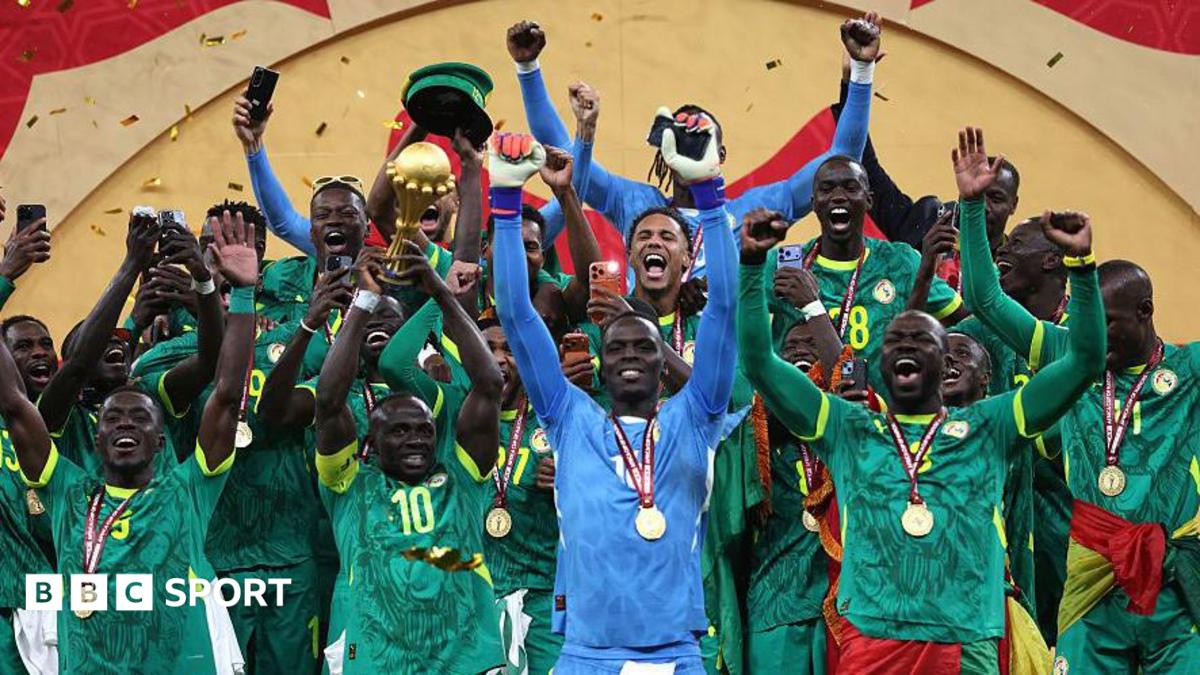
    A long-running dispute over the 2025 Africa Cup of Nations (Afcon) title is set to move forward this fall, as the Court of Arbitration for Sport (CAS) has confirmed a formal hearing date for Senegal’s challenge against the decision to strip the nation of its tournament victory.

    The controversy traces back to January’s chaotic final, hosted by Morocco. The match took a dramatic turn late in regulation when officials awarded Morocco a stoppage-time penalty with the score still tied at zero. In protest of the call, Senegal’s entire squad walked off the pitch, forcing a 17-minute suspension of play. When the team ultimately returned to the field, Moroccan playmaker Brahim Diaz saw his penalty saved by Senegal’s goalkeeper, and Pape Gueye scored the decisive go-ahead goal for Senegal in extra time, securing a 1-0 final win.

    Weeks after the match, the Confederation of African Football (Caf) overturned the on-pitch result, ruling that Senegal had forfeited the game by walking off. Caf awarded Morocco a default 3-0 victory and named the host nation the new 2025 Afcon champion. Senegal, which previously claimed the 2021 Afcon title, refuted Caf’s ruling and formally filed its appeal with CAS on March 25, asking the international sports court to overturn Caf’s decision and restore its status as tournament winner.

    Negotiations to speed up the appeal process fell through after Caf and the Royal Moroccan Football Federation (FRMF) declined to approve an expedited timeline. CAS confirmed that the hearing will proceed on October 8, in line with the court’s standard procedural schedule. Per the request of both Caf and FRMF, the hearing will not be open to the public, and will instead be held behind closed doors at CAS’s headquarters in Lausanne, Switzerland. CAS has noted that it cannot confirm a timeline for releasing a final ruling on the appeal, and that a decision will not be issued on the same day as the hearing.

  • Dancing with Shakira at World Cup was ‘very, very, very, very, very good’ – Ghetto Kids

    Dancing with Shakira at World Cup was ‘very, very, very, very, very good’ – Ghetto Kids

    For a group of young Ugandan dancers who grew up amid hardship in Kampala’s underprivileged neighborhoods, a once-impossible dream became a tangible, life-changing reality this summer when they stepped onto the world’s biggest sports stage: the halftime show of the men’s football World Cup final. Performing alongside global superstars Shakira and Burna Boy, the Ghetto Kids dance collective marked another career milestone that capped off a years-long journey of perseverance, community support, and unwavering commitment to their craft.

    Ten-year-old troupe member Sierra summed up the experience with unfiltered, childlike enthusiasm: “very, very, very, very, very good.” While some critics argued that adding a large-scale, Super Bowl-style performance to football’s most prestigious match diluted the sport’s traditional spirit, the children’s energetic routine drew hundreds of millions of viewers from across the globe, turning the young dancers into overnight inspirations for millions.

    Speaking to BBC’s Newsday programme, the young dancers and their manager, Dauda Kavuma, opened up about the challenges of rising from humble, often difficult beginnings while balancing growing fame with their primary commitment: schoolwork. Sierra, who says dancing gave her the chance to access education she otherwise could not afford, shares a simple, powerful message for other young people facing barriers: “Never give up… pray to God. Listen to your parents, education is first, that’s all.”

    For 11-year-old Josephine, the highlight of the day at New Jersey’s MetLife Stadium – where Spain defeated Argentina to claim the World Cup title – was getting a glimpse of the sport’s biggest icons. “I saw Messi and Lamine Yamal!” she exclaimed, referencing Argentine captain Lionel Messi and Spanish teenage star Lamine Yamal. Recalling the rush of performing for a global audience, she added, “I was so happy to see Messi and people watching us. I felt so excited and I was smiling, and a little bit nervous.” For Sierra, the warm kindness of Colombian pop legend Shakira stood out most from the experience.

    When the performance wrapped, the children ran to embrace both Shakira and Nigerian music icon Burna Boy in a spontaneous moment of joy that was captured in viral photos. Manager Kavuma was quick to emphasize that the hugs were not a scripted part of the routine, but a natural outpouring of affection for the stars who gave the young dancers a once-in-a-lifetime opportunity. Kavuma recalled the group’s reaction when they first learned they had been selected for the halftime show: the children ran in circles, cheering and shouting with excitement at the news.

    The collaboration with Shakira was particularly meaningful, Kavuma explained, because the Ghetto Kids had already performed her hit Waka Waka – a remake of 1980s Cameroonian classic Zangaléwa by Golden Sounds – during their 2023 run on Britain’s Got Talent. “But it was now a great moment to see that Shakira invited us… to perform with her. It means a lot and it’s life-changing,” he said.

    Kavuma’s own story laid the foundation for the Ghetto Kids collective. As a child, he lived on the streets of Kampala before a teacher’s kindness changed the trajectory of his life. Determined to give back to the community that helped him, he became a teacher himself before founding the dance troupe for children who were homeless or unable to afford school fees. His core belief? There is no shortage of raw talent in Uganda’s ghettos – it just needs support and opportunities to shine.

    Blending dynamic traditional African dance styles, playful comedy, and infectious joy, the group quickly caught the attention of regional stars, including Ugandan musician Eddy Kenzo, who cast the kids in several of his music videos. Leveraging the power of social media to reach global audiences, the Ghetto Kids earned their first major mainstream break in 2017, when they appeared in French Montana’s music video for Unforgettable. To date, the video has racked up more than 1.9 billion views on YouTube, opening doors that would have otherwise been closed to the young performers.

    That viral fame catapulted the group to new heights: they reached the final of Britain’s Got Talent in 2023, then competed on America’s Got Talent the following year. The growing platform has also allowed Kavuma to expand his community project, providing housing, food, and school tuition to hundreds of disadvantaged children across Uganda.

    The 2026 World Cup final halftime performance marks the group’s biggest stage to date, but it is far from their first major sporting event. In 2023, the troupe met French star Kylian Mbappé and performed at the halftime of a top-tier French league match between Paris Saint-Germain and Reims. Most recently, a documentary feature titled *Ghetto Kids Documentary: No Plan B* was released to tell their extraordinary story to a wider audience.

    Even as their fame grows, the group has stayed grounded thanks to a strict “education first” rule instilled by their parents and Kavuma. All content for the troupe’s millions of social media followers is filmed on weekends, leaving weekdays fully dedicated to classroom learning. When the kids travel for international performances, they attend online classes with their Kampala teachers and catch up on missed assignments immediately upon returning home.

    Both Sierra and Josephine say they plan to pursue careers as doctors when they finish school, but they will never give up their lifelong passion for dance. “Dancing changed my life – I went to school because of dance,” Sierra says. Josephine echoes that sentiment, noting, “Dance is what I know and that makes me happy because that’s my talent.”

    When asked what message they have for other children growing up with talent but limited opportunities, Josephine had a warm, encouraging response: “To love themselves, believe in God, and pray. Be with their talents – don’t deny them. And we love them.”