博客

  • Inside the struggle to ‘stop the game’ between Ireland and Israel

    Inside the struggle to ‘stop the game’ between Ireland and Israel

    For months, a grassroots movement demanding Ireland cancel its upcoming UEFA Nations League matches against Israel has continued to gain traction, showing no signs of fading even after the Football Association of Ireland (FAI) announced a compromise to play the fixtures on neutral territory. In early July, FAI delegates passed a motion to relocate the September 27 and October 4 matches—originally scheduled for Dublin and Tel Aviv—to Hungary and Serbia respectively, a move the association framed as a resolution to the months-long controversy. But pro-Palestine campaigners say the shift in venue does not address their core demand: that Ireland refuses to compete against Israel entirely amid its ongoing military campaign in Gaza.

    Rebecca O’Keefe, a former Irish international basketball player and leading figure with Irish Sport For Palestine (ISFP), which has spearheaded the campaign since early 2024, emphasized that the movement remains unshakable. “I think it’s only going to gain strength,” O’Keefe said. “We really, really remain resolute in stopping these games. The facts haven’t changed; we’re still witnessing genocide, we’re still witnessing the total impunity of a genocidal regime.”

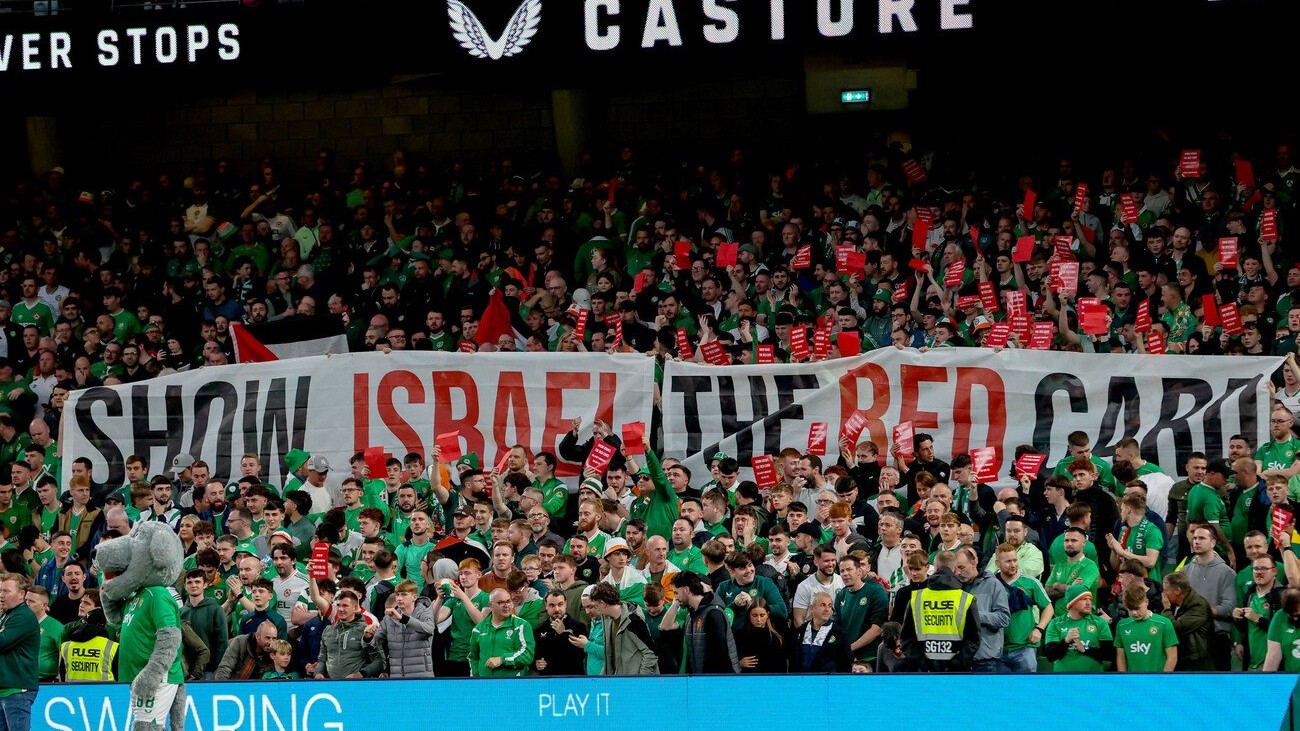
    The “Stop the Game” campaign, which counts among its supporters League of Ireland fan groups, multiple domestic clubs, trade unions, and civil society organizations, has already deployed a range of tactics to pressure the FAI. After the FAI’s relocation vote, members of League of Ireland Fans for Palestine confronted FAI president Paul Cooke directly, and the following day activists staged a high-profile protest on the roof of the association’s Dublin headquarters. The group has also openly raised the possibility of disruptive action, including blockading Irish airports to prevent the national team from traveling to the matches.

    Ken Powell, a spokesperson for the League of Ireland Fans for Palestine group, made clear that the venue change was never the goal of the campaign. “There was never any issue with the location,” Powell said. “It’s who is playing the game. Israel has killed 566 footballers in Gaza alone, since 7 October 2023. So our message remains the same: no game, not here, not anywhere.” The group has already announced plans to extend protests to Ireland’s intervening Nations League fixture against Austria in Dublin, which will be held between the two Israel matches, and ISFP has confirmed it is coordinating with pro-Palestine civil society groups in Austria to organize joint actions.

    Not all campaigners share the same level of optimism about stopping the fixtures, however. Stuart Gilhooly of the Professional Footballers’ Association of Ireland (PFAI), a union that has publicly supported a boycott, said he believes the matches will go forward as scheduled. “Realistically, I think the games will proceed. I don’t see where we can go from here unless the players take a stand and I don’t see that happening,” Gilhooly noted. The PFAI only represents domestic Irish league players, very few of whom earn call-ups to the senior national team, limiting the union’s ability to influence the outcome.

    The controversy grew out of February 2024’s Nations League draw, which placed Ireland in Group B3 alongside Israel, Austria, and Kosovo. The FAI initially confirmed it would host Israel in Dublin, a decision that drew immediate backlash, despite the association having previously submitted a motion to UEFA calling for Israel’s suspension from international football. The movement gained widespread public traction, amplified by longstanding broad solidarity with Palestine across Irish society, though Ireland also maintains deep economic ties to the United States, which has backed Israel’s military campaign.

    The FAI’s decision to reject a full boycott came amid significant institutional vulnerability. The association is currently carrying €38 million ($43 million) in debt, relies on UEFA funding to remain operational, is cutting 25% of its staff, and has publicly acknowledged it lags far behind peer international federations in resources and development. In a letter to members after the vote, the FAI board warned that refusing to play the fixtures would carry severe consequences: an initial €5.5 million revenue loss, a projected further €10.3 million in additional costs, automatic relegation from the Nations League division, and potential suspension of all Irish teams from UEFA competitions. The association also noted its hosting commitments for Euro 2028—for which Ireland is a co-host—and its bid to stage the 2029 Women’s Champions League Final in Dublin as additional factors shaping its decision.

    Campaigners have pushed back on the FAI’s financial warnings, arguing the risk of sanctions has been exaggerated. O’Keefe noted that all potential UEFA penalties are hypothetical, and that any sanctions could be challenged at the Court of Arbitration for Sport. She pointed to the coordinated boycott of Russian national teams after the 2022 invasion of Ukraine, where individual federations refused to play Russia before governing bodies implemented a formal suspension, as a precedent for action.

    The controversy has already created deep rifts within Irish football. Joanna Byrne, a Sinn Fein Member of Parliament and former co-chair of League of Ireland Premier Division side Drogheda United, says she was forced out of her voluntary role by the club’s U.S.-based ownership group Trivela Group after she publicly called for the matches to be canceled. Trivela has denied the allegation. In May, during a friendly international against Qatar at Dublin’s Aviva Stadium, pro-campaign fans disrupted the match by throwing tennis balls wrapped in Palestinian colors printed with the #stopthegame slogan onto the pitch. International players have also acknowledged the pressure the dispute places on squads: veteran Irish captain Seamus Coleman noted that the issue should be resolved by governing bodies, not players, saying “It is very difficult for us players, difficult for the manager, and all the staff that we are dealing with this… But of course, you know our feelings as human beings.”

    Some Irish politicians who support the boycott have criticized UEFA for failing to act on its own statutes, which prohibit member associations from violating the organization’s core principles. Dublin Labour Party MEP Aodhan O Riordain, who has led calls for a full sporting boycott, said: “The FAI shouldn’t be in this position. Uefa should have made the decision a long time ago. Israel are in breach of Uefa and Fifa statutes, and Israel should not be competing at all. It’s just the intensity of what’s happening in the Middle East – the presentations we as politicians are getting week in week out in the European parliament. Nobody is standing up, nobody is exercising any kind of sanction or veto.”

    While the Irish government and FAI have framed the relocation of the matches to neutral territory as a resolution to the controversy, campaigners say it only removes the issue from Irish soil without addressing their core demand. The dispute over the matches is part of a broader wave of pro-Palestine activism targeting Irish sporting institutions: activists are currently pressuring the Gaelic Athletic Association (GAA) to end its 30-year National League sponsorship deal with insurer Allianz, after Allianz was named in a June 2025 UN Special Rapporteur report for profiting from Israel’s military presence in Gaza. The football controversy also follows an earlier dispute in Irish basketball, where activists called for a 2023 EuroBasket qualifier against Israel to be boycotted; the match was eventually relocated to Riga and played amid heavy pressure.

    Both O’Keefe and O Riordain have pushed back against growing pressure on individual Irish international players to refuse to play, noting that governing bodies bear responsibility for making the decision, not athletes. O Riordain, who is pessimistic the matches will be canceled at this stage without a mass player boycott, said the broader campaign for Palestinian solidarity should now focus on Ireland’s ongoing six-month presidency of the European Council. “The bigger responsibility is that we use our presidency to push the agenda of ending the EU-Israel Association Agreement, which would be disastrous for Israel, because the EU is Israel’s biggest trading partner,” he said.

    Still, campaigners argue that an Irish boycott would act as a catalyst for other European federations to take similar action, pointing to vocal public support for Palestine in larger UEFA members including Spain, Norway, and the Netherlands. Norway’s football association has already donated to Gaza relief efforts and reportedly been working behind the scenes to diplomatically isolate Israel in global football. O Riordain noted that regardless of the outcome of the current campaign, the decision to boycott would carry long-term symbolic weight. “We don’t know, but in 50 years, 100 years’ time, if we decided not to play these games, we don’t know what kind of a domino effect that would have had. And I think if they had decided not to go ahead with the games, they certainly would have gotten a lot of credit for it.”
  • Trump vows to investigate EU over fining of US tech companies

    Trump vows to investigate EU over fining of US tech companies

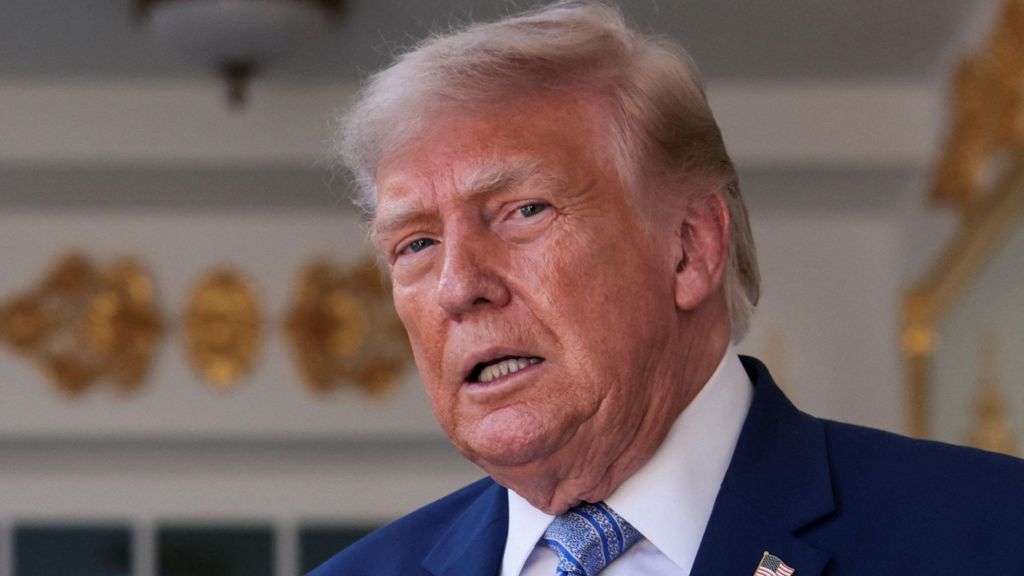
    Tensions between the second Trump administration and the European Union have escalated sharply after U.S. President Donald Trump announced plans to launch a formal trade investigation into Brussels and threatened steep new tariffs over a series of antitrust penalties imposed on major American technology firms.

    The announcement comes just days after the European Commission levied an €890 million ($1 billion) fine on Alphabet Inc.’s Google, finding that the company had abused its market position to lock out competing digital services. This is not the first case of European regulators targeting large U.S. tech players: Trump claims that Apple has received $15 billion in fines, Meta has been ordered to pay $3 billion, and Amazon faces $2.5 billion in penalties, all from EU enforcement bodies.

    In a post on Truth Social, the social media platform owned by Trump, the president lashed out at the EU’s regulatory actions, arguing that the bloc has systematically targeted American companies for unfair financial punishment. “The United States of America is not a ‘PIGGYBANK’ for Europe, nor will we allow it to be!” he wrote. Trump demanded that all existing fines against the four U.S. tech giants be “entirely reversed”, confirming that he would immediately initiate a Section 301 investigation into what he called European regulators’ practice of “robbing American companies and, in turn, the American taxpayer”.

    Section 301 of the U.S. Trade Act of 1974 grants the Office of the United States Trade Representative broad authority to investigate and respond to unfair foreign trade practices. This marks the latest in a string of such probes launched by the second Trump administration since it took office last year. The new tariff threat comes only 24 hours after Trump unveiled a fresh round of tariffs ranging from 10% to 12.5% on imports from 60 major trading partners, including the EU, the United Kingdom and China.

    Google spokesman José Castañeda told the BBC that the company has worked diligently to comply with the EU’s Digital Markets Act, the landmark regulatory framework governing large digital platforms, but has raised repeated concerns about the economic and competitive impact of recent European Commission decisions. “We appreciate the engagement by the administration and US government,” Castañeda added.

    As of publication, representatives for Apple, Meta, Amazon and the European Commission have not issued public responses to Trump’s statements, after multiple requests for comment were sent. This dispute is not without precedent: shortly before Trump won the 2024 U.S. presidential election, Apple CEO Tim Cook personally called Trump to complain about EU penalties against the company, coming on the heels of a years-long legal battle over Apple’s unpaid tax obligations in Europe. Trump has a long history of clashing with European regulators over trade and regulatory policy, dating back to his first term in office.

  • Jenny Shin leads the Women’s Scottish Open by 5 strokes after two rounds

    Jenny Shin leads the Women’s Scottish Open by 5 strokes after two rounds

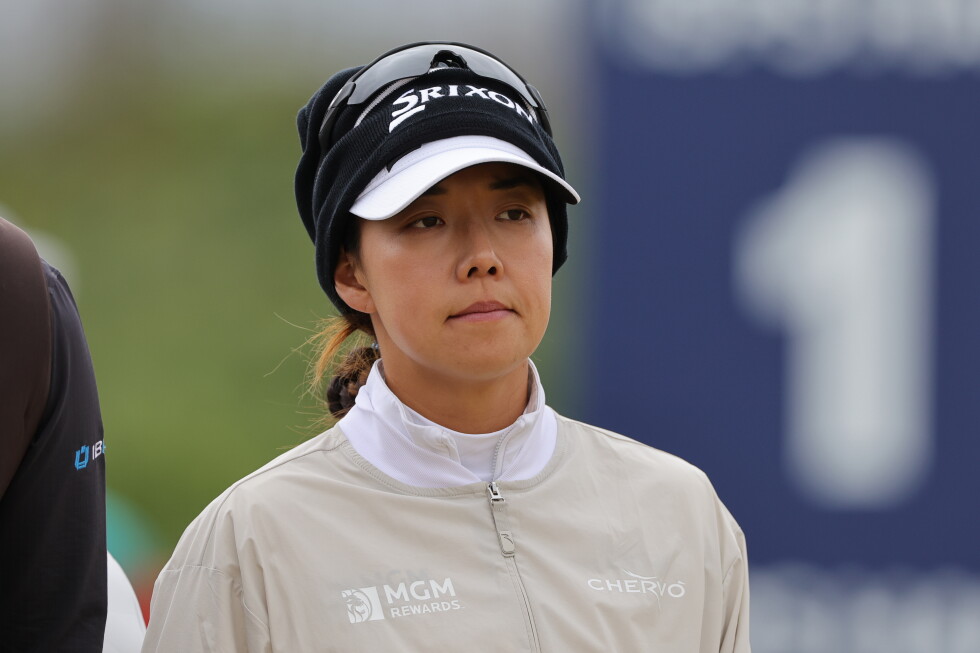
    TROON, Scotland — The second round of the co-sanctioned Ladies European Tour and LPGA Tour Women’s Scottish Open held at Dundonald Links delivered a dramatic shift in the leaderboard on Friday, with South Korean golfer Jenny Shin expanding her position to a commanding five-stroke advantage over the rest of the field.
    Shin entered Friday’s play tied for the top spot at six under par, but her round got off to a rocky start with an opening bogey. Rather than letting the early mistake derail her performance, the South Korean star rallied quickly, carding six birdies over the course of the round — including a standout birdie on her final hole — to finish the day with a five-under 67. That performance pushed her overall tournament total to 11 under par, giving her a substantial gap over her closest competitor.
    Friday’s play saw a dramatic fall from co-leader Lauren Coughlin, the American golfer who already notched two tournament wins this season: a victory at the Aramco Championship in April and a title at the 2024 Scottish Open. Coughlin struggled through her second round, finishing two over par for the day, which dropped her down the leaderboard to a tie for fourth place at four under par alongside Japan’s Erika Hara.
    The closest contender to Shin’s lead is German golfer Esther Henseleit, who turned in a stellar round on Friday. Henseleit carded a four-under 68, boosted by two birdies and an eagle that lifted her into second place on the overall leaderboard.
    South Korea’s A Lim Kim held onto her position in third place, even after a steady even-par round that included two birdies and two bogeys, leaving her at five under par overall.
    One of the most surprising outcomes of the day involved world No. 1 Nelly Korda, who struggled significantly throughout her round. Korda closed out her day with four consecutive bogeys, finishing with a 76 that put her at four over par for the tournament — two strokes above the projected cut line, putting her status for the weekend in serious jeopardy.

  • Luxembourg will not renew approval for Israeli war bonds, finance minister confirms

    Luxembourg will not renew approval for Israeli war bonds, finance minister confirms

    Luxembourg’s financial regulator will not extend its approval of Israel Bonds for sale across the European Union when the current authorization expires on 31 August, the country’s finance minister Gilles Roth has confirmed.

    In an interview with domestic broadcaster RTL, Roth clarified that the non-renewal decision was reached two months ago, in May, exclusively by the Commission de Surveillance du Secteur Financier (CSSF), Luxembourg’s independent financial watchdog. Rejecting criticism of the regulator’s process, Roth emphasized that the CSSF operated strictly in line with EU regulatory standards, framing the outcome as a compliance matter rather than a response to political pressure from campaign groups.

    This official narrative, however, clashes with the timeline of mounting advocacy against the bond program. May marked the peak of coordinated legal and political campaigning targeting Israel Bonds’ presence in Luxembourg, and the final decision aligns exactly with the core demand that activists have pushed for months. The confirmation also comes just weeks after a high-profile 21 July statement from Amnesty International warning that all EU member states, including Luxembourg, risk complicity in Israel’s ongoing genocide against Palestinians in Gaza if they continue to permit the bonds’ sale.

    Unless another EU member state steps forward to assume regulatory hosting for the program, Israel Bonds will no longer be available for purchase by investors across the entire bloc. Unlike standard sovereign debt issued directly by the Israeli government, these retail bonds are distributed through the U.S.-based Development Corporation for Israel (DCI), marketed under the slogan “Stand with Israel. Israel is at War.” They are sold primarily to retail investors, religious institutions, and local public funds, often leveraging global Jewish diaspora networks and appeals to political solidarity with Israel.

    Official DCI data shows the program has raised $7.7 billion for the Israeli government since October 2023, a period marked by Israel’s military operations in Gaza, Lebanon, and cross-border strikes on Iran. All proceeds flow as unrestricted general revenue into Israel’s state treasury, at a time when the country’s military spending has surged from roughly 20% to more than 30% of total government expenditure. Between 2022 and 2024, Israel’s military budget has grown from 4.2% to 8.3% of gross domestic product, pushing the country’s annual deficit to nearly 7% of GDP.

    Luxembourg’s role as the EU’s regulatory host for the program only emerged last year after a similar campaign forced Ireland to end its own approval. For years before Brexit, the United Kingdom served as the bloc’s regulatory gateway for Israel Bonds, a role that transferred to Ireland after the UK’s departure from the EU. Sustained pressure from Irish parliamentarians and civil society groups, which linked bond sales to financing Israeli military operations in Gaza, pushed Irish Central Bank governor Gabriel Makhlouf to confirm in September 2023 that Ireland would not renew its authorization. On the very same day, the CSSF approved a new 12-month prospectus for the bonds without consulting Luxembourg’s Ministry of Foreign and European Affairs, a move that placed the program under Luxembourg’s oversight for the past year. From that point forward, the Luxembourg government repeatedly maintained that it had no authority over the matter, stating consistently that the CSSF was the sole competent decision-making body.

    Pressure on Luxembourg reached a fever pitch in May 2024, when Amnesty International Luxembourg and the Committee for a Just Peace in the Middle East hosted a capital conference bringing together legal experts, economists, parliamentarians, and international law specialists to examine the legal and financial risks of hosting the program. The conference released a detailed legal report concluding that Luxembourg’s approval of the bonds violated the country’s obligations under the UN Genocide Convention and the International Court of Justice’s July 2024 advisory opinion on the occupied Palestinian territories. The report also raised investor protection concerns, noting that DCI’s marketing material obscures significant financial and legal risks associated with the bonds: despite Israel’s ongoing war and large fiscal deficit, the bonds offer yields of less than 4%, far below the market rate investors typically demand for high-risk wartime sovereign debt.

    Francesca Albanese, the UN Special Rapporteur on the occupied Palestinian territories, told the conference that “the sale of these bonds is illegal under international law because it goes directly to funding the genocide. It is morally and legally wrong to sell these bonds.” Dr. Shahd Hammouri of Law for Palestine, a co-author of the legal report, added that the CSSF had the discretionary authority under EU prospectus regulation to reject approval when the program poses systemic risks to public interest and peace, and failed to exercise that power. Irish Senator Alice-Mary Higgins, who led advocacy that forced the program out of Ireland, clarified the stakes of Luxembourg’s non-renewal: “There is no other placement: unless we agree to transfer it as the home state, and another country agrees to take it, Israel cannot sell its bonds within the EU.”

    Under EU rules, Israel now has the right to seek a new regulatory host among the bloc’s 27 member states. The Stop Israel Bonds campaign, which has coordinated cross-border advocacy across Ireland, Luxembourg, and the wider EU, has already announced its next goal: preventing the program from being transferred to Germany or any other willing EU government.

    Political economist Shir Hever, who spoke at the May conference, told Middle East Eye the Luxembourg decision could mark a major turning point for Israeli financing of its military operations. “Israel finances its wars with debt,” he explained. “Bonds raise money which keep the war machine marching at the cost of a growing debt.” Hever argued that sustained pressure from the Boycott, Divestment and Sanctions (BDS) movement and global civil society groups drove the outcome. “If no EU member states step in after Luxembourg, it could force Israel to default on some of its debt, and at the very least will crash the value of the bonds,” he said. “Anyone who was stupid enough to buy the bonds will lose some or all of their investment. It could mean a tipping point for Israel’s economy as well. A state in default cannot import weapons and ammunition.”

    Amnesty International has echoed this call, urging former host Ireland to reject any future transfer request and pressing all other EU member states to refuse to approve a new prospectus. “It is a political choice to allow these bonds to be sold in Europe,” Steve Cockburn, Amnesty’s regional director for Europe, said in the organization’s July statement. “One of the most obvious and effective ways to end Israel’s genocide against Palestinians in the Gaza Strip is to stop financing it. By continuing to facilitate the sale of these bonds, EU member states risk complicity in Israel’s international crimes against Palestinians.”

    Middle East Eye has reached out to the CSSF and Luxembourg’s Ministry of Finance for additional comment on the terms and timeline of the non-renewal decision.

  • UN human rights chief faces opposition in vote to extend his term for another four years

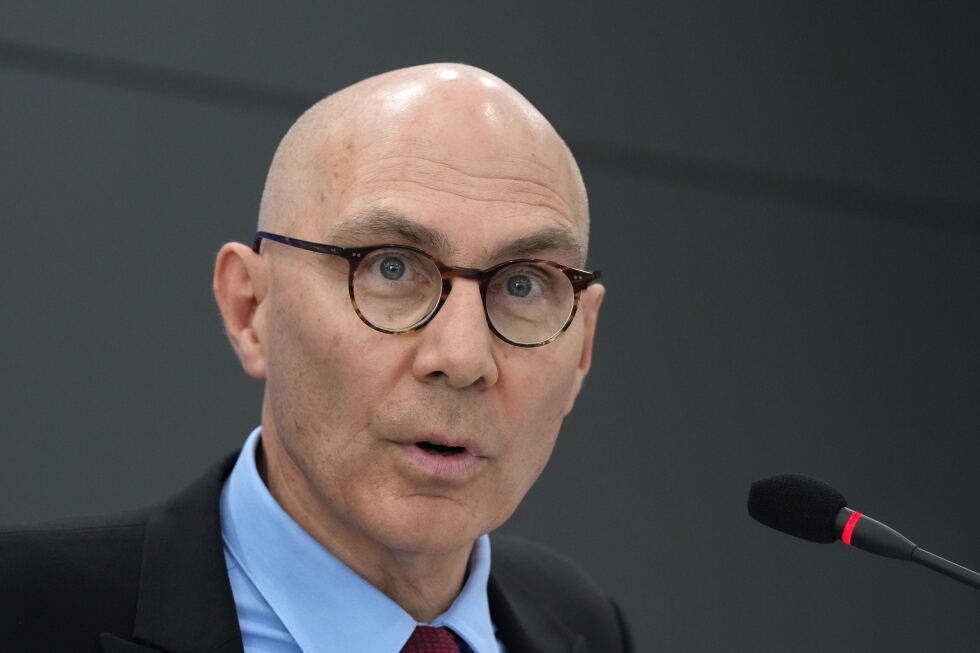
    UN human rights chief faces opposition in vote to extend his term for another four years

    The United Nations General Assembly is set to hold a high-stakes vote Friday on whether to reappoint incumbent U.N. High Commissioner for Human Rights Volker Türk to a second four-year term, with the Austrian lawyer facing escalating pushback from major governments and human rights advocates over his policy stances on the Gaza war and China’s treatment of Uyghur minorities.

    The nomination process itself has already sparked controversy. U.N. Secretary-General António Guterres privately put forward Türk’s name for reappointment after closed-door consultations with member states, bypassing any open public debate before scheduling Friday’s vote. The fast-track process has drawn fierce criticism from multiple parties, starting with the U.S. State Department, which has labeled the rushed vote a clear demonstration of the United Nations’ systemic corruption and institutional incompetence.

    In an official statement, the State Department accused Türk of ignoring documented atrocities around the world to advance a fringe ideological agenda, adding that Washington would not support rewarding what it called an unqualified political ally of Guterres with a new term. Israel’s Foreign Ministry has echoed that criticism, calling Guterres’ push for Türk’s reappointment the secretary-general’s most recent moral failure. The ministry emphasized that the selection of a new human rights chief should be left to Guterres’ successor, arguing that Türk has a years-long record of anti-Israel bias that demands accountability, not an extended tenure.

    Russia has also thrown a wrench into Guterres’ plan, proposing a compromise that would only extend Türk’s term through the end of December — matching the end date of Guterres’ own second five-year term as secretary-general. The Russian U.N. mission noted that no previous high commissioner has completed two full terms since the position was created in 1993, calling Guterres’ push for a full four-year extension unprecedented. A short-term extension would leave the appointment of a permanent new high commissioner to the next U.N. secretary-general, a post currently contested by six candidates. Beyond these major powers, multiple Latin American nations including Nicaragua, Argentina and Paraguay have also raised objections to Türk’s reappointment, while the African regional bloc has stated it has no objections to the nomination.

    The role of U.N. High Commissioner for Human Rights has long been defined by its inherent tension: the holder is mandated to publicly call out human rights violations committed by U.N. member states, a requirement that almost guarantees pushback from powerful governments. Türk, a veteran U.N. diplomat who previously worked closely with Guterres at New York headquarters, has not shied away from all criticism — he strongly condemned Russia’s full-scale 2022 invasion of Ukraine, for example. But it is his approach to two of the most divisive human rights issues in global politics that has sparked the current backlash.

    On China, Türk has raised public concerns over a range of issues, from the detention of high-profile individuals including artist Gao Zhen, lawyer Yu Wensheng and Hong Kong media magnate Jimmy Lai, to assimilation and counterterrorism policies targeting ethnic minority communities in Xinjiang, Inner Mongolia and Tibet. Critics argue that Türk has failed to adequately follow up on a 2022 report from his predecessor, former Chilean President Michelle Bachelet, which concluded that China’s mass detention of Uyghurs and other Muslim minorities in Xinjiang may constitute crimes against humanity.

    Ken Roth, former executive director of Human Rights Watch, has emerged as one of Türk’s most prominent critics, calling the high commissioner a disaster for the role and arguing that his failure to hold China accountable for Uyghur rights abuses is the biggest stain on his tenure. “This is the most severe state persecution of a community in the world today, and Türk has simply ignored it,” Roth said. He rejected the U.N. human rights office’s explanation that Türk combines private diplomatic engagement with Beijing and limited public advocacy, arguing that this approach amounts to sidelining the Uyghur people’s plight while pretending to take action. “The job of high commissioner is to build public pressure through tough, timely, provocative criticism,” Roth noted. “Türk has taken one of the most powerful positions in global human rights and rendered it largely harmless, speaking about abuses in terms so bland they put audiences to sleep.”

    The Chinese government has repeatedly denied allegations of mass persecution of Uyghurs, maintaining that its policies in Xinjiang are designed to root out terrorism and religious extremism following years of deadly violence in the region.

    On the Gaza conflict, Türk has drawn criticism from both sides for his middle-ground approach. He has openly condemned Israeli military attacks on Gaza during the war against Hamas, which drew anger from Israel and its allies. But he has also declined to join independent U.N. human rights experts who have formally accused Israel of committing genocide against Palestinian civilians in Gaza — a position that has drawn criticism from pro-Palestinian advocates and many Global South nations. Israel has forcefully rejected all genocide allegations.

    U.N. officials have defended the nomination process, rejecting claims of a rushed, opaque process. U.N. spokesperson Stephane Dujarric told reporters Friday that Guterres is strictly following the 1993 resolution that established the high commissioner post, which explicitly allows for a second term. “The secretary-general is acting fully within his authority, following established rules, and the process has been transparent,” Dujarric said. “Consultations were held with member states and regional groups prior to scheduling the vote.”

    A spokesperson for Türk’s office confirmed that the high commissioner is prepared to serve a full second term if confirmed, noting that the core mandate of the role is to promote and protect human rights across all countries, which requires engagement with every U.N. member state regardless of political differences.

  • Seven stars to watch at Wafcon 2026 and why

    Seven stars to watch at Wafcon 2026 and why

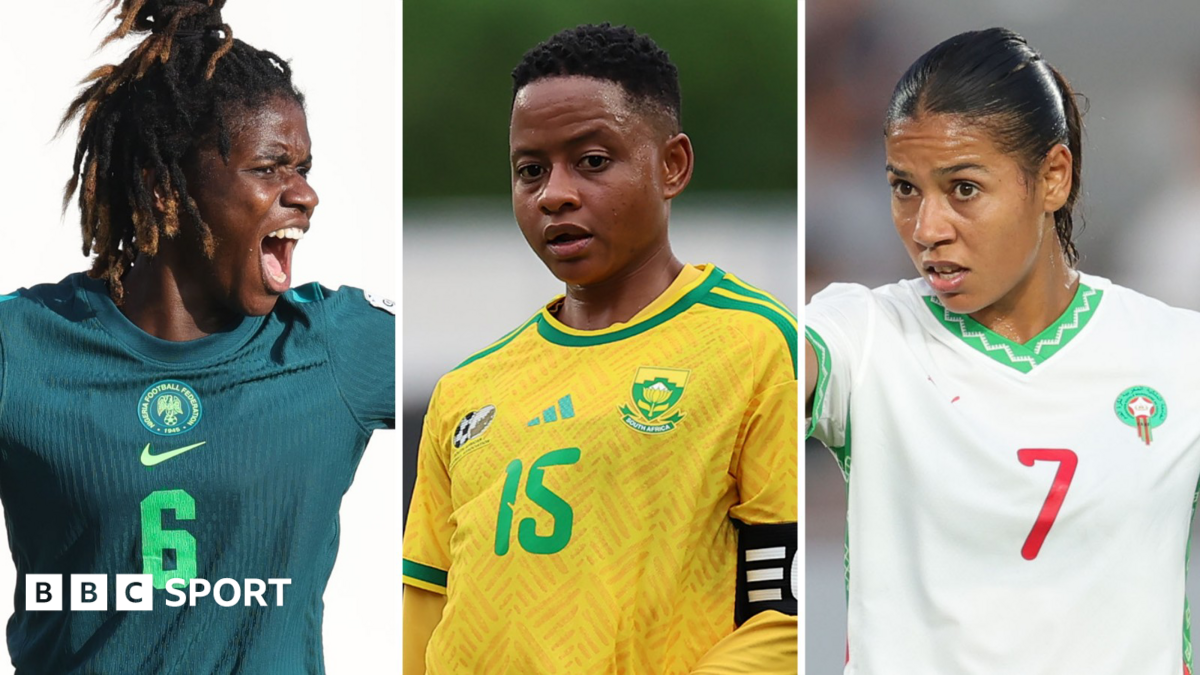
    The 2026 Women’s Africa Cup of Nations (Wafcon), one of the most anticipated women’s football events on the continent, is set to kick off this Sunday in Morocco – marking the third consecutive time the North African nation has hosted the continental championship. With defending champions Nigeria arriving to extend their decades-long dominance, hosts Morocco gunning for a historic first title after two consecutive heartbreaking final losses, and 2027 FIFA Women’s World Cup qualification on the line, this year’s tournament promises unprecedented stakes. The top four semi-finalists will earn direct tickets to the 2027 World Cup hosted by Brazil, adding extra pressure and motivation for every competing side. BBC Sport Africa has highlighted seven standout players set to capture global attention across the course of the competition.

    First up is Nigeria’s Esther Okoronkwo, the AFC Toronto forward who was the driving force behind the Super Falcons’ record-extending 10th continental title run last year. Stepping into the starting lineup from the quarter-finals onward, Okoronkwo delivered a masterclass in attacking balance, combining creative playmaking with clinical finishing to crucial effect. In the final against hosts Morocco, with Nigeria trailing 2-0, the 29-year-old calmly converted a penalty to spark the Super Falcons’ comeback. She followed that up by assisting Folashade Ijamilusi’s equalizer and Jennifer Echegini’s late game-winning goal, securing an extraordinary come-from-behind victory. Despite her match-winning impact, Okoronkwo was infamously overlooked at the 2025 Confederation of African Football awards, a snub that is widely expected to add extra fire to her performance at this year’s tournament.

    Next is Malawi’s Tabitha Chawinga, the star striker who leads one of Wafcon’s two debutant sides – and the lowest-ranked nation at the finals. The 30-year-old Lyon forward just helped her French club claim a fifth consecutive domestic league title, notching 11 goals along the way, and in 2023 became the first Malawian woman to both play and score in the UEFA Women’s Champions League during her time at Paris Saint-Germain. Chawinga is set to line up in attack alongside her younger sister Temwa as Malawi faces a challenging group stage against Nigeria, Zambia and Egypt. Chawinga, who has spent years waiting for this moment, has embraced the underdog role. “I’ve been playing big games in Europe, but I like to tell the girls ‘don’t be shy, don’t be scared’,” she said. “We can’t wait to start and see what we can do.”

    Morocco’s captain Ghizlane Chebbak enters the 2026 tournament with history on her mind – and a chance to end years of near-misses. The 35-year-old, named African Women’s Footballer of the Year in November 2025, opened the scoring for the Atlas Lionesses in last year’s final against Nigeria, only for Morocco to fall to a comeback defeat and claim another silver medal. Chebbak already has two continental golden boots to her name: she finished with five goals this year, and was joint top scorer in the 2022 tournament, where Morocco lost the final to South Africa. This year, Chebbak is also chasing a unique family and continental double: her father Larbi was part of Morocco’s 1976 men’s Africa Cup of Nations winning squad, and the Al-Hilal forward will hope it is third time lucky for her to lift the Wafcon trophy on home soil.

    Kenyan goalkeeper Lilian Awuor will be the difference-maker for the Harambee Starlets, who are returning to Wafcon for the first time in a decade. Awuor cemented her status as a national hero during qualifying, saving two penalties in the away second leg of Kenya’s first-round tie against Tunisia in February 2025 to secure their place in the finals. The 27-year-old has raised her game significantly since moving to Romanian side Farul Constanta two years ago, helping the club win back-to-back league titles and gaining invaluable top-flight experience. Ranked 128th in the world – the second-lowest at the tournament – Kenya faces a tough Group A test against Morocco, Algeria and Senegal, and Awuor’s form between the sticks will be critical if the East African side is to pull off upsets and reach the knockout stage.

    Egyptian midfielder Nadine Ghazi has come a long way since the Cleopatras’ last Wafcon appearance in 2016, when she was just 14 years old and did not get off the bench. Now, a decade later, the Al Ahly star is ready to lead her side, after overcoming a devastating anterior cruciate ligament rupture three years ago to return to peak form. Ghazi says the performance of Egypt’s men’s side, who reached the round of 16 at the 2026 FIFA World Cup, has given her and her teammates extra motivation. “This is the best motivation we could ever get for our women’s team,” Ghazi said. “They’ve filled our hearts with so much joy. We have a big responsibility to inspire and keep moving the legacy of Egyptian women’s football, especially on the African stage.”

    Refiloe Jane, captain of 2022 champions South Africa, is aiming to lead the Banyana Banyana back to continental glory and secure a third consecutive World Cup spot. The 33-year-old midfielder recently earned her 150th cap, joining an elite group of African women’s footballers to hit the milestone, and is under no illusions about how tough this year’s tournament will be. “When you look at the number of teams in this year’s edition, I think this will be one of the most challenging tournaments we’ve ever had in the history of Wafcon,” she said. South Africa reached the last 16 at the 2023 Women’s World Cup, and a semi-final finish at Wafcon would guarantee them a spot at the 2027 tournament. With experience of both winning and falling short at the continental level, Jane says her side has what it takes to succeed. “[The coaching staff] have experienced the team winning the Wafcon and not doing so well. We’ve got the recipe that you need in order to succeed,” Jane added. South Africa will begin their campaign against Tanzania, Ivory Coast and Burkina Faso in Group B.

    The final standout name is Varsenia da Luz, captain of Wafcon’s other debutant Cape Verde. Cape Verde’s women’s national team only played its first international match in 2018, making their qualification for the 2026 finals all the more remarkable. Da Luz, a left-back who holds a degree in systems and computer engineering, has been with the national squad since its earliest days and has served as captain since 2020. She leads an entirely part-time squad, but that has not stopped the side from pulling off upsets: da Luz scored two critical goals in qualifying, finding the net in both legs of a 6-3 aggregate first-round win over Guinea, before Cape Verde upset Mali in Bamako to secure their spot at the finals. A multiple-title winner with Praia-based club Seven Stars, da Luz will lead her side against Ghana, Cameroon and Mali in Group D as the tiny island nation makes its Wafcon debut.

  • US measles cases reach 35-year high

    US measles cases reach 35-year high

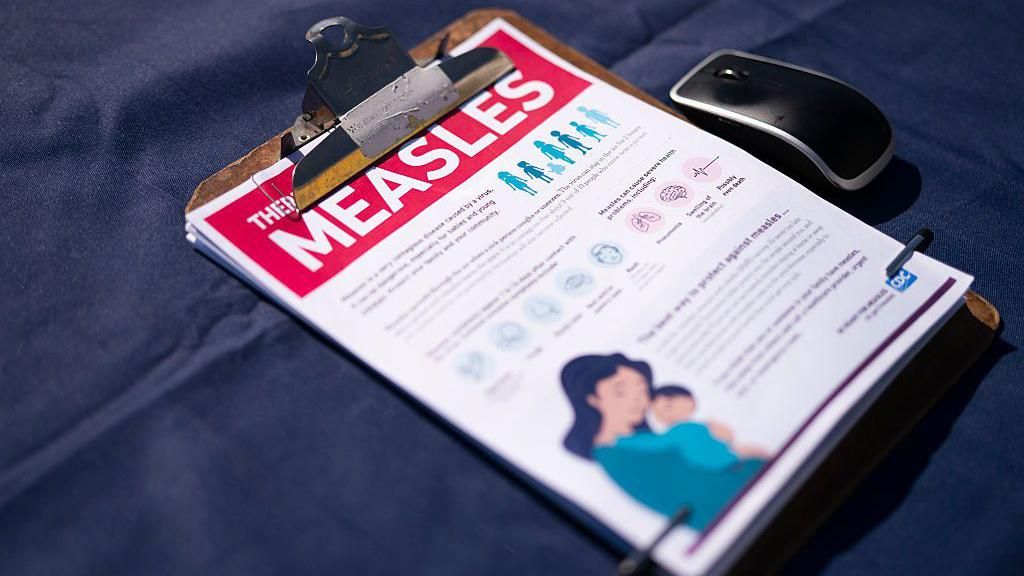
    Seven months into 2026, the United States has already broken a decades-old record for measles infections, with new data from the Centers for Disease Control and Prevention (CDC) confirming 2,318 confirmed cases nationwide. This figure surpasses 2025’s total of 2,289 cases – a year that saw three preventable deaths from the highly contagious virus, all among unvaccinated people. Public health officials warn the sharp upward trend is driven by growing vaccine hesitancy that has dragged childhood immunization rates well below the threshold needed to stop community spread.

    By November 2026, an international expert panel will deliver a ruling that could strip the U.S. of its measles elimination status, a designation the country has held for nearly two decades. Elimination status is only retained when a country sees no sustained transmission of a single measles strain for 12 consecutive months; Canada already lost this status in 2025. Stunningly, the cumulative number of U.S. measles cases recorded over the past 18 months already exceeds the total number of cases documented across the previous 25 years combined, a stark reversal of decades of progress in eradicating the disease.

    Before the widespread adoption of the measles vaccine in the mid-20th century, measles infected millions of American children annually. Today, the virus remains one of the most contagious airborne pathogens, marked by its signature blotchy red rash. It can cause fatal outcomes, even in otherwise healthy people, and leaves many survivors with long-term complications, ranging from life-threatening brain inflammation (encephalitis) to immune amnesia – a dangerous condition that erases the immune system’s existing memory of past pathogens, leaving the body vulnerable to new infections for months or years.

    Outbreaks are currently active across much of the country, with 45 of 50 states confirming at least one case in 2026. Over the past 30 days, Virginia and Pennsylvania have moved to contain new community clusters, while Utah continues to manage an outbreak that originated in late 2025. Last year, major outbreaks hit close-knit communities with low vaccination rates: a spread among the Texas Mennonite community killed two unvaccinated children and one unvaccinated adult in neighboring New Mexico, and a 2025 outbreak among Russian and Ukrainian immigrant communities in Spartanburg County, South Carolina, saw some local schools reporting MMR vaccination rates as low as just 20% – a far cry from the 95% coverage required to achieve herd immunity that protects vulnerable people who cannot receive the vaccine.

    The ongoing crisis has sparked intense political and public health controversy, with prominent criticism directed at U.S. Health Secretary Robert F. Kennedy Jr., a well-known vaccine skeptic who has reshaped national vaccine policy since taking office. While the MMR vaccine, which is recommended as two doses for children between ages 1 and 6, has been repeatedly proven to be 97% effective and extremely safe, Kennedy has circulated inconsistent messaging around the shot. Though he has publicly acknowledged the MMR vaccine is the “most effective way to prevent the spread of measles,” he has also promoted unproven alternative treatments for the infection and pushed for sweeping cuts to the national childhood immunization schedule.

    Earlier in 2026, Kennedy proposed rolling back the number of recommended childhood vaccines from 17 to 11, a change that was ultimately blocked by a federal judge over regulatory and public health concerns. When addressing lawmakers this year, Kennedy downplayed the U.S. outbreak, arguing the entire globe is facing a surge in measles cases, and defended the current administration’s response. Still, public health experts warn Kennedy’s policy changes and mixed messaging have undermined local and national efforts to contain outbreaks, exacerbating preexisting trends of growing vaccine hesitancy across much of the country.

    With elimination status hanging in the balance and cases continuing to climb, public health officials are urging communities with low vaccination rates to scale up MMR immunization efforts to prevent further spread and avoid a scenario where measles becomes an endemic, permanently established disease in the U.S. once again.

  • Sadiq Khan says Netanyahu perpetrating genocide and not welcome in London

    Sadiq Khan says Netanyahu perpetrating genocide and not welcome in London

    In a significant escalation of international pressure on Israeli Prime Minister Benjamin Netanyahu, London’s mayor Sadiq Khan has publicly labeled Netanyahu a perpetrator of genocide in Gaza and pledged to lobby the UK government to arrest the Israeli leader if he sets foot on British soil. Khan’s comments mark the second high-profile statement from a major Western city mayor in as many days, following similar remarks from New York City mayor Zohran Mamdani that have ignited global debate over accountability for alleged war crimes in the Palestinian enclave.

    The controversy began earlier this week when Mamdani released a viral two-minute video address that has accumulated nearly 100 million views online. In the clip, Mamdani labeled Netanyahu a war criminal and called on the U.S. federal government to enforce the International Criminal Court’s existing arrest warrant against the Israeli prime minister during his planned September trip to New York for the United Nations General Assembly. Mamdani argued Netanyahu is the architect of what he called a horrific genocide against the Palestinian people, noting the Israeli leader has been linked to the deaths of over 73,000 people in Gaza, the maiming of tens of thousands of children, and the killings of international aid workers and journalists. He added that Netanyahu has launched military actions in six separate countries since 2023. Acknowledging that New York’s city government lacks independent legal authority to execute the ICC warrant, Mamdani urged Washington to enforce the court’s order.

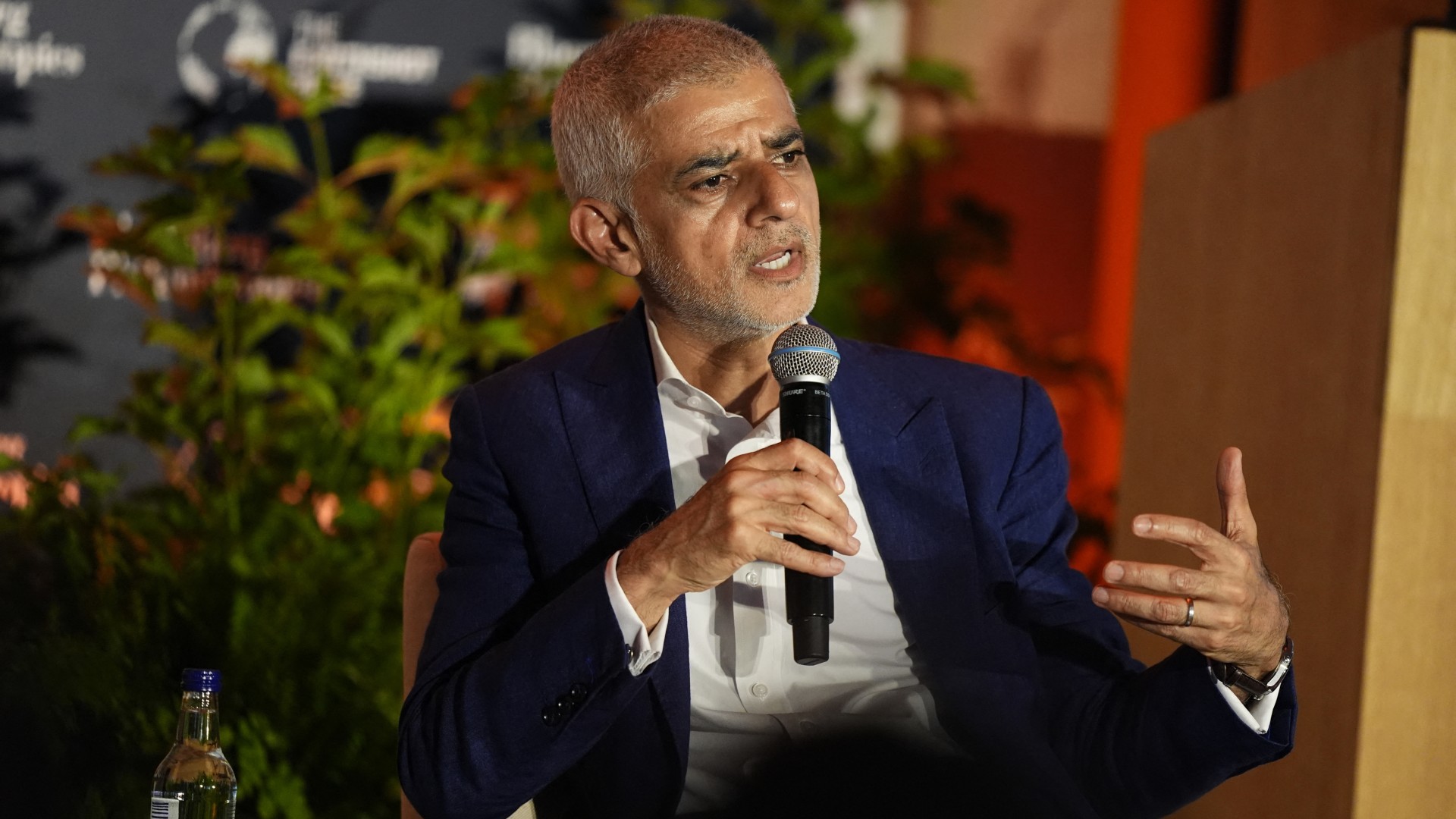
    Days later, UK outlet Channel 4 News asked Khan whether he would follow Mamdani’s lead. In his response, Khan acknowledged that the London mayoralty holds different legal powers than the office of New York’s mayor, but made clear he shared Mamdani’s core assessment of the situation in Gaza. “I do believe a genocide is being committed in Gaza. I think Netanyahu is responsible,” Khan said. The London mayor added that as an alleged perpetrator of genocide, Netanyahu has broken international law, and that accountability requires the Israeli leader to be brought to justice.

    When pressed to clarify whether he would lobby newly appointed UK Prime Minister Andy Burnham’s government to enforce the ICC’s arrest warrant should Netanyahu visit London, Khan confirmed his commitment to action. “If there is any evidence of him coming to London, I’ll be lobbying the prime minister to make sure the law is enforced,” he said. Khan also noted that, for the time being, there are no indications Netanyahu plans to travel to the British capital, adding: “People who commit genocide are not welcome in London.”

    The demands for enforcement follow an historic ICC ruling from November 2024, when the court issued arrest warrants for both Netanyahu and former Israeli Defense Minister Yoav Gallant on charges of war crimes and crimes against humanity stemming from Israeli military actions in Gaza launched in October 2023. The warrants marked an unprecedented step in the court’s 24-year history: it was the first time the ICC had issued arrest warrants for senior officials from a Western-allied nation.

    Under the terms of the Rome Statute, the international agreement that established the ICC, all 125 signatory nations – including every European Union member state and the United Kingdom – hold a binding legal obligation to arrest Netanyahu and Gallant and turn them over to the court for prosecution. The ICC, however, lacks its own independent enforcement mechanism, and the court cannot conduct a trial in absentia. Neither the United States nor Israel are signatories to the Rome Statute, which has allowed both governments to reject the court’s authority. As a signatory, the United Kingdom is legally required to fulfill the court’s extradition request if Netanyahu enters UK territory.

    Khan’s comments were first reported and shared on social media by independent outlet Middle East Eye, which specializes in coverage of the Middle East and North Africa region.

  • Japanese ‘Arab resistance fighter’ Kozo Okamoto dies at 78

    Japanese ‘Arab resistance fighter’ Kozo Okamoto dies at 78

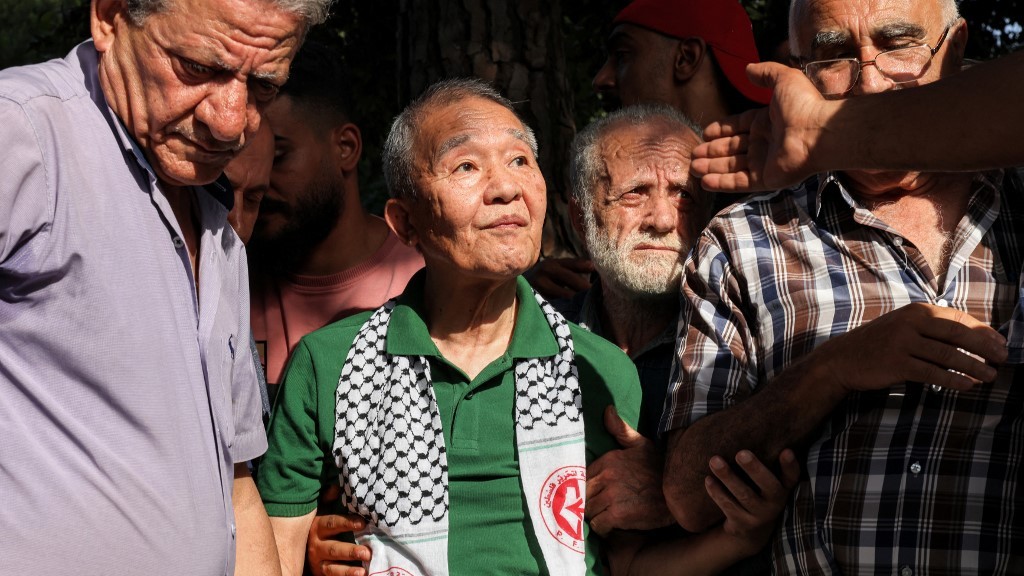
    Kozo Okamoto, the 78-year-old Japanese leftist militant whose decades-long life tied to the Palestinian resistance movement made him a polarizing but iconic figure across the Middle East, has died in Beirut following a long-term illness. The Popular Front for the Liberation of Palestine (PFLP), the group that hosted and supported Okamoto throughout his decades of residence in Lebanon, confirmed his death in an official statement released Thursday.

    Born in Japan, Okamoto joined the ranks of the Japanese Red Army (JRA), a far-left internationalist militant faction founded in 1971 that aligned closely with Palestinian resistance groups opposing Israeli occupation. On May 30, 1972, he and two fellow JRA members carried out a coordinated attack on Israel’s Lod Airport—now known as Ben Gurion International Airport—near Tel Aviv, an operation planned in partnership with the PFLP.

    After arriving on a flight originating in Europe, the three militants collected hidden rifles and grenades from their checked luggage before opening fire on airport crowds. Okamoto’s two accomplices were killed during the assault, while Okamoto himself was wounded and taken into custody by Israeli security forces. The attack left 26 people dead: 17 Christian pilgrims from Puerto Rico, eight Israeli citizens, and one additional casualty. The PFLP has long framed the 1972 operation as a direct retaliation for a 1968 Israeli commando raid on Beirut International Airport, which destroyed 13 civilian aircraft and drew widespread global condemnation.

    Following his capture, an Israeli military tribunal sentenced Okamoto to life in prison. He spent 12 years in Israeli custody, much of it in solitary confinement. According to the PFLP’s statement, Okamoto endured abusive conditions during his imprisonment, including being forced to eat from the floor with his hands cuffed behind his back. In 1985, Okamoto was released in a prisoner exchange between Israel and Palestinian resistance factions, after which he traveled to Lebanon and was granted political asylum.

    Over his decades in Lebanon, Okamoto went by the alias Ahmad al-Yabani, or “Ahmad the Japanese,” among Palestinian communities. He rarely made public appearances, but remained a potent symbol of transnational solidarity with the Palestinian cause. In 1997, Lebanese authorities detained Okamoto and four other Japanese citizens over irregular immigration status. While the other four were deported back to Japan in 2000, Lebanese authorities repeatedly rejected Tokyo’s extradition requests and allowed Okamoto to remain in the country. During his 1990s legal proceedings in Lebanon, Okamoto publicly identified himself as “an Arab resistance fighter.”

    Okamoto made one of his final public appearances in May 2022, at a ceremony in a Beirut cemetery honoring Palestinian resistance figures, marking the 50th anniversary of the Lod Airport attack. The JRA, which carried out multiple attacks across the globe in the 1970s, eventually disbanded in later decades, but Okamoto never abandoned his stated commitments. In its tribute, the PFLP described Okamoto’s life as one “marked by immense sacrifices spanning for decades on the battlefields of struggle in support of the Palestinian cause,” adding that he “never compromised nor faltered but remained steadfast to his principles.”

    To supporters across the Arab world, Okamoto leaves behind a legacy as a foreign activist who abandoned his home country to stand in solidarity with Palestinians fighting Israeli occupation. His death closes a decades-long chapter of transnational militant solidarity linked to one of the most high-profile attacks of the Israeli-Palestinian conflict.

  • Cyclospora outbreak expands to nine US states, health officials say

    Cyclospora outbreak expands to nine US states, health officials say

    The largest recorded cyclospora outbreak in United States history, tied to contaminated iceberg lettuce grown in central Mexico, has now reached nine states, federal health officials confirmed in a Friday briefing.

    The Centers for Disease Control and Prevention (CDC) updated its case count this week, adding Illinois, Kansas, Oklahoma, and Pennsylvania to the list of states reporting infections linked to the produce. Indiana, Kentucky, Michigan, Ohio, and West Virginia had previously documented cases connected to the same supply chain. Separate cyclospora outbreaks across 41 states, likely stemming from multiple unrelated sources, have pushed the total national case count past 11,000 since mid-May, according to CDC tracking data.

    Michigan remains the epicenter of the outbreak tied to lettuce, with state health officials announcing Friday that confirmed and probable infections there have climbed above 8,100. Affected residents who spoke with the BBC described the illness as debilitating, with one person calling it “the most painful thing I’ve ever been through in my life.” The cyclospora parasite causes the gastrointestinal infection cyclosporiasis, which is marked by severe, sudden explosive diarrhea and other abdominal symptoms.

    In response to the ongoing outbreak, the CDC issued a renewed public warning Friday advising consumers to avoid eating recalled iceberg lettuce from major U.S. food supplier Taylor Farms, which sources the product from central Mexico. The company initiated a voluntary full recall of its central Mexican-sourced iceberg lettuce on July 17, saying the move was made “out of an abundance of caution” to protect public health.

    Last weekend, investigators from the U.S. Food and Drug Administration (FDA) announced that a sample of Taylor Farms iceberg lettuce had tested positive for cyclospora, only to walk back the claim days later, clarifying the result was a false positive. This misstep underscores the complexities of tracing the parasite, which public health experts say presents unique investigative challenges.

    Health specialists who spoke to the BBC explained that one of the biggest barriers to identifying a consistent source of the outbreak is the pathogen’s long incubation period. Symptoms of cyclosporiasis often do not appear until one to two weeks after a person ingests the parasite, making it hard for investigators to retrace patients’ food consumption histories and spot common contaminated sources.

    Wade Syers, a food safety and security expert at Michigan State University, told the BBC that the investigation into the multistate outbreak linked to iceberg lettuce will likely be a months-long process rather than a quick resolution. “For Cyclospora, it’s not unusual for the picture to become clearer a couple of months after the first illnesses occur,” Syers said in a Friday email. “Because these investigations are unfortunately more likely to be marathon investigations rather than a quick sprint.”