博客

  • The notorious Cameroonian prison with its own record label

    The notorious Cameroonian prison with its own record label

    Deep inside the overcrowded, crumbling concrete barriers of New Bell Prison in Douala, Cameroon, a self-sustaining parallel world thrives. Inmates operate informal delivery services nicknamed “prison taxis,” self-appointed inmate enforcers assist overstretched security staff, and open-air markets sell homemade fried cassava and beignets to the facility’s population. Now, a gritty, transformative initiative born from this adaptive culture is turning incarcerated artists into global creative voices: Jail Time Records, an in-prison independent music label and documentary project that just earned international acclaim.

    Against the harsh backdrop of one of Africa’s most notoriously violent and overcapacity prisons, Jail Time Records offers more than just a recording space. It is a space of catharsis, rehabilitation, and freedom beyond the four concrete walls that hold its artists. The project was born by chance in 2018, when Italian artist Dione Roach volunteered with a non-profit running arts programming inside New Bell. During a casual dance workshop for inmates, a group of aspiring rappers grabbed the microphone to deliver raw, unplanned freestyles. Blown away by their talent and vulnerability, Roach approached prison officials for permission to build a small on-site studio. When authorities approved the request, she partnered with Steve Happi, a former New Bell inmate with first-hand experience of the prison’s injustices, to lead the project as producer and sound engineer.

    Happi’s own path to New Bell underscores the arbitrary nature of justice that many incarcerated people face. After a bitter family dispute over his late father’s remains, his aunt—a high-ranking Cameroonian judge—allegedly arranged to have him imprisoned on false charges of patricide. He was ultimately acquitted two years later, and carried a deep understanding of how the carceral system strips people of agency and voice. For Happi, the studio became a tool to push back against that erasure: “It’s this instrument of resistance… where we can really share friendship, love and our voices can be heard,” he told the BBC’s *Talking Movies* program. “We don’t think anymore about the four walls – we find the freedom.”

    That freedom has resonated far beyond New Bell’s gates. Today, tracks recorded in the studio’s spartan 100-square-foot booth—where a single desktop computer powers all recording work—have earned fans across South Africa, the United States, and Argentina. One of the label’s biggest stars, Empereur, a longtime gang leader serving a 10-year sentence for multiple violent offenses, has accumulated 24,000 YouTube views for a music video filmed entirely on-location inside the prison. The initiative has grown to include artists from the prison’s women’s wing, where Jeje, the label’s first female signee, debuted her brooding 2022 Afrobeats track *Show Me The Way*, exploring her experience of incarceration after fleeing an abusive uncle. In 2022, the collective released *Jail Time Vol 1*, their first full album, with half of all profits going directly to the incarcerated artists and the rest reinvested into expanding the label.

    The story of the project has now been captured in an eponymous feature documentary, co-directed by Happi and Roach over six years of on-site filming. Last month, the film took home three top awards, including Best Documentary Feature, at New York’s prestigious Tribeca Film Festival, with Oscar-winning New Zealand director Taika Waititi and his wife, pop star Rita Ora, signing on as executive producers. Waititi praised the project for the profound role it plays for incarcerated people, many of whom are serving life sentences: “Just in terms of the power of art in relation to redemption and what that can mean to someone who, you know, some of these people are in prison for life. I think having an outlet is an incredibly powerful and humane thing.”

    The documentary pulls no punches about the grim realities of life inside New Bell. A 2022 Human Rights Watch report found the facility, originally built to hold just 1,175 people, crammed with 4,700 inmates—four times its intended capacity. Unsaniatry, overcrowded conditions fueled a deadly cholera outbreak in 2020 that killed at least six prisoners, and the prison has a long history of violence: in 2008, guards shot and killed 16 inmates during an attempted uprising. The film itself shows Empereur shaking down a young, newly arrived inmate for his necklace and flip-flops, a raw depiction of the coercive power dynamics that shape daily life inside.

    Critics have questioned whether the project risks glorifying incarcerated people who have committed violent offenses, but Roach pushes back on that framing, emphasizing that the initiative is rooted in harm reduction and rehabilitation, not glorification. “The process we’re doing is a rehabilitation process, basically. We enter the prison without any judgment and it’s the only way we can really approach this kind of work,” she explained. “Music, as with any creative process, is also a way of self-discovery… coming to terms with things you’ve done and hopefully changing for the better.”

    Prison officials have embraced that approach, with the prison’s warden even attending the label’s 2024 courtyard concert and dancing alongside performing inmates. With official support and growing international attention, the project is expanding: in 2023, Roach and Happi opened a second Jail Time Records studio inside a maximum-security prison in Ouagadougou, the capital of Burkina Faso, 1,600 kilometers from the original New Bell location, with plans to replicate the label, video production, and documentary model there.

    For the artists who record at New Bell, the impact goes far beyond streaming numbers or festival awards. The documentary profiles Stone, a former presidential guard serving 10 years for armed robbery (a crime he maintains he did not commit), who raps in his track *Heart of Stone*: “I’m closed and tight like a cell door. No solid ground I slip like a fish.” The film captures his repeated, often unsuccessful attempts to call his young daughter Maira, moments that lay bare the deep pain of separation that incarceration brings. Even for those who will never leave New Bell alive, the film closes with a quiet tribute to six inmates who died during the project’s six years of filming, the project offers something no prison can take away: a sense of purpose.

    As Happi puts it, music acts as a “lantern for a brighter future” for men and women who have been written off by society. “Before that, they had the stubborn mentality: it’s them against the world,” he says. “They feel now important – they feel like they have a place in the society.”


  • Would you pay $58.5m to live in this iconic New York building?

    Would you pay $58.5m to live in this iconic New York building?

    For more than 120 years, the Flatiron Building has stood as a defining architectural landmark of New York City, its one-of-a-kind triangular silhouette and ornate Beaux-Arts facade drawing millions of tourists and architecture enthusiasts from across the globe. But for the past seven years, the world-famous structure has been hidden behind a shroud of construction scaffolding, while an ambitious multi-million dollar transformation unfolded inside and out. Now, that conversion from a misaligned 20th-century office building to one of the city’s most exclusive ultra-luxury residential developments is nearly complete, marking an extraordinary new chapter for a building that has constantly redefined New York’s skyline since 1902.

    When the Fuller Company first broke ground on the wedge-shaped plot at the intersection of Broadway and Fifth Avenue, the project was dismissed by skeptical locals as “Burnham’s Folly” — named for its lead architect Daniel Burnham, who designed the pioneering structure to fit the city’s irregular street grid. At the time, its 24-story, 307-foot frame built with cutting-edge steel-frame construction made it one of New York’s first modern skyscrapers, and many feared its unusual height and narrow profile would cause it to topple over in a strong wind. That skepticism quickly faded, however, and the Flatiron quickly became one of the city’s most photographed and beloved landmarks, serving continuously as office space for over a century, hosting everyone from clothing manufacturers to major publishing houses including Macmillan Publishing, which departed as the building’s last office tenant in 2019.

    Following years of ownership disputes that left the structure vacant, current owners Brodsky Organization, GFP Real Estate, and Sorgente Group greenlit full-scale renovations in 2023, with a bold plan to reimagine the iconic building as high-end residential condos. When finished, the building will host just 36 open-concept residences, ranging from 3-bedroom half-floor units starting at $11 million to a full-floor 5-bedroom penthouse with a private balcony, which is already under contract for $58.5 million. According to data from Manhattan Miami Real Estate, that price tag places the penthouse among the 22 most expensive residential units currently on the New York market, outranked only by a handful of ultra-luxury properties including a $128 million Central Park-adjacent condo that holds the top spot.

    The redevelopment project has carefully balanced modern luxury amenities with meticulous historic preservation, addressing the unique structural challenges posed by the building’s iconic triangular shape while retaining every feature that has made it a cultural touchstone. “It wasn’t about changing anything that makes the building so special and beloved to New Yorkers,” explained Thomas Brodsky, partner at the Brodsky Organization. “The layouts and the proportions and views really came directly from the architecture rather than from how we generally would start planning a building from the ground up.”

    Lead exterior architects Beyer Blinder Belle oversaw painstaking restoration of the building’s limestone, brick, and terra-cotta facade, which is decorated with intricate detailing including lion heads, wreaths, and eagles. A specialty California manufacturer was commissioned to replicate thousands of damaged original terra-cotta pieces, each of which was reinstalled by hand. All 1,000+ of the building’s outdated 1970s windows have also been replaced with new energy-efficient, noise-canceling models that block the constant bustle of surrounding Manhattan streets, creating a rare level of quiet for a New York City residential property. Exposed original steel support beams, the innovation that made the 1902 skyscraper possible, have been intentionally left visible in many units, with even repurposed as custom closet shelving in the 12th-floor model unit.

    Renovation work uncovered a number of forgotten historic gems during demolition, including a long-lost 20th-floor balcony matching the design of an existing balcony one floor up, overlooking Madison Square Park and the full length of Broadway. The previously hidden feature, now described by project leaders as the building’s “hidden jewel,” has been fully restored for the new owner of the 20th-floor unit. Crews also uncovered fragments of an original 1910s revolving wooden door in the cavernous basement, which was too damaged to salvage but has been fully replicated for the new lobby. Other historic artifacts, from original 1900s restaurant menus and construction tools to a vintage piano, will be displayed in glass cases in the building’s lobby, while original steel balustrades from a decommissioned staircase have been repurposed as vanity legs for residential bathroom sinks. A historic 19th-century streetlamp once installed outside the building on 23rd Street has been reimagined as a custom lobby chandelier, and original mosaic tile floor numbering has been replicated for all new units.

    A full suite of modern luxury amenities has been added to the building’s basement and common areas, including a 60-foot swimming pool — whose trim is modeled after paneling from the building’s original basement restaurants — a billiards game room, a piano lounge, and a full wellness center. New residents are expected to begin moving into the building in the coming months, with all units and common areas scheduled for full completion by early 2027.

    For seven years, the building’s shrouded facade kept tourists away from the small triangular public park at its prow, but visitor numbers have already bounced back as scaffolding has been gradually removed, according to James Mettham, president of the Flatiron NoMad Partnership, which manages the park space. “People are coming back to get their pictures, and then in turn will go shop at the local retail, and all the great food and beverage that’s around here,” Mettham noted. “So getting it back in all of its glory to complement everything that’s been going on around it is really important.”

    All remaining scaffolding is scheduled to be removed by the end of summer 2026, when the fully restored facade will be illuminated for the first time in the building’s history, allowing pedestrians to admire its iconic shape 24 hours a day. “Whether it’s functioning as an office for one of the world’s largest publishing companies, or it happens to have really expensive condos, the exterior, and what we see from these spaces right here, we share in that. We are all part of that,” Mettham said.

  • Pizza, pasta, potatoes, protein – how Italian children became so overweight

    Pizza, pasta, potatoes, protein – how Italian children became so overweight

    Seventeen-year-old Salvatore’s daily life is defined by the burden of his 170kg frame. Simple, routine tasks that most teenagers take for granted – from tying their own shoelaces to riding a scooter – have become overwhelming challenges. Even his Vespa cannot withstand his weight: its wheels have broken seven times in a single week. “He eats constantly,” explains his mother Anna, a quiet witness to her son’s struggle. Today, Salvatore is just one of thousands of Italian children and adolescents grappling with severe obesity, a public health crisis that has hit the country’s southern regions particularly hard. In some areas of Campania, more than 40% of eight- and nine-year-olds are classified as overweight, and Ponticelli, a small town on the outskirts of Naples, has gained a grim distinction as one of the global capitals of childhood obesity.

    This crisis marks a striking reversal for a country long celebrated as the birthplace and spiritual home of the world-renowned Mediterranean diet, held up for decades as a global blueprint for healthy eating. The diet, rich in leafy vegetables, legumes, extra-virgin olive oil, whole grains and fatty fish, rose to global prominence after 1950s research by American physiologist Ancel Keys and biochemist Margaret Keys, who linked the traditional eating habits of southern Italian communities to dramatically lower rates of heart disease. But according to public health experts, the Italy that inspired that landmark research no longer exists. “The traditional Mediterranean diet has been lost,” says Dr Valter Longo, director of the Longevity Institute at the University of Southern California. “Only 10% of Italians really follow it.” Dr Longo summarizes the modern Italian diet by its “five Ps”: pizza, pasta, potatoes, protein and pane (Italian for bread) – a far cry from the balanced, nutrient-dense eating patterns that made the country a global model for health.

    The shift away from traditional diet is visible everywhere across Italy: from supermarket shelves packed with ultra-processed snacks and sugary drinks to neighborhood pizzerias selling oversized slices topped with fried chips, processed sausages and other high-calorie fried add-ons. Pediatric obesity specialist Dr Roberto Berni Canani, based at Naples’ Federico II University, sees the life-altering consequences of this shift every single day. “I’ve treated children who are just two or three years old and already weigh 25kg,” he says. What alarms him most, he adds, is that most parents do not recognize their children’s unhealthy weight as a problem. Families usually visit his clinic for unrelated symptoms – persistent coughs, chronic stomach pain, recurring diarrhea – and rarely connect these issues to their child’s excess weight.

    Ten-year-old Francesca, who weighs 60kg, is a typical example. She came to Dr Berni Canani seeking care for a persistent cough and difficulty swallowing, which doctors suspect is caused by esophageal inflammation; her weight was never a concern for her family. Francesca describes her daily diet: bread and Nutella for breakfast, a chocolate-filled sponge cake for a mid-morning snack, pasta with lentils for lunch, and chicken for dinner – with no vegetables at all. “I put them in front of her, but she won’t touch them,” her mother Carmen explains. Even though Francesca participates in artistic gymnastics and Latin dance, her parents have never viewed her weight as a health risk. Dr Berni Canani explains that the issue is not any single meal, but the cumulative effect of constant small servings of calorie-dense food, excessive sugar, insufficient produce, and a widespread lack of awareness among families of how these habits add up over time. “These are good parents,” he says. “They simply don’t recognise the importance of diet quality and body weight.” By the time many families seek care, unhealthy eating and lifestyle habits are already deeply ingrained, shaped at home and reinforced by gaps in the school system.

    In much of Italy, encouraging consistent physical activity for children faces unexpected structural barriers. Many schools are housed in centuries-old historic palazzos that were never designed to accommodate modern physical education programs. At Naples’ Ugo Foscolo primary school, the school gym is so small it barely has enough space for a full class of children to move around freely. Teacher Francesca Pecce says she struggles to get parents to take childhood obesity seriously, in part because of deep-rooted cultural attitudes. “In Neapolitan culture, if a child is a little chubby with rosy cheeks, people often think they’re healthy,” she explains. Pecce believes schools can drive cultural change, particularly by teaching children healthy habits that they then bring home to their parents: “Sometimes it’s easier to educate the parents through their children than the other way around.”

    Regional authorities are now testing large-scale interventions to reverse the crisis. In Naples, secondary school students are participating in nutrition workshops run by the Valter Longo Foundation, part of a regional program that will reach more than 17,000 students across 25 schools, with added support for families to adjust eating habits at home. Not all young participants are convinced that education alone will shift behavior. Eighteen-year-old Ciro argues: “My classmates already know what’s healthy. They just don’t care.” Nineteen-year-old Carmen, however, says the workshops fill a critical gap, noting that temptation is everywhere, and even traditional Italian foods have become far less healthy: “When we go out for pizza, people don’t just order a Margherita. They put chips, sausages and fried food on top.” Compounding the issue is a longstanding cultural norm: Italian mothers and grandmothers have long expressed love through generous servings of food, creating a perfect storm of factors that drive excess weight gain.

    The World Health Organization classifies obesity as an “escalating global epidemic”: more than one billion people worldwide live with obesity today, and childhood obesity rates have quadrupled since 1990. In 2025, Italy made history as the first country to pass a national law formally recognizing obesity as a chronic, progressive, relapsing disease, framing it not as a simple failure of personal choice, but as a complex condition shaped by biology, environmental factors and social circumstances. Campania has become a testing ground for this new approach, rolling out a series of ambitious interventions, including a controversial trial of a “fast-mimicking diet” for overweight adolescents. Researchers are recruiting 300 participants for the trial, which puts subjects on a severely restricted 1,100-calorie diet on day one, followed by four days of just 770 calories per day, repeated every three months. The goal of the program is to trigger what researchers call a “metabolic reset” that rewires unhealthy eating patterns. Dr Longo, who has studied the effects of fasting for three decades, says: “Fasting, or controlled deprivation of food, is linked to a longer and healthier lifespan.” But the approach has divided medical experts. Dr Berni Canani argues that there is still too little clinical evidence supporting the safety and efficacy of fasting-mimicking diets for children to recommend them in national guidelines, and he warns that strict restrictions could carry serious psychological risks for adolescents, who are still developing a healthy relationship with food. “I fear that imposing food restrictions on teenagers could increase the risk of eating disorders, anorexia and body dysmorphia,” he says.

    Back at Betania Hospital in Ponticelli, Salvatore waits for a chance at life-changing bariatric surgery. Dr Sonja Chiappetta, who has treated severe obesity at the hospital for 15 years, says the patient demographic has shifted dramatically in just a decade: “Until recently, most of my patients were in their fifties. Now I see those same patients when they’re teenagers, as young as 16. They are getting younger, and it’s frightening.” The bariatric procedure Dr Chiappetta performs removes up to 90% of the stomach, limiting the amount of food patients can consume, and demand for the surgery has surged across southern Italy. For Salvatore, however, surgery is not yet possible: his weight is so excessive that the procedure would carry life-threatening risks. Instead, he is currently taking GLP-1 weight-loss injections to reduce his appetite and lower his weight enough to qualify for surgery. Salvatore hopes he will be able to have the operation this summer, allowing him to do something he has not done in years: wear a swimming suit in public without feeling crippling self-consciousness. His story is just one of thousands across Italy, where a generation of children is growing up increasingly disconnected from the Mediterranean diet legacy that once made the country a global model of health.

  • Joshua knocked down twice as dramatic win sets up Fury fight

    Joshua knocked down twice as dramatic win sets up Fury fight

    In one of the most electrifying nights in recent heavyweight boxing history, former world champion Anthony Joshua pulled off a stunning comeback victory over underdog Kristian Prenga in Jeddah, Saudi Arabia, overcoming not just his opponent in the ring but also profound personal tragedy in the months leading up to the fight.

    Joshua stepped into the ring for his first competitive bout since a devastating December car crash in Nigeria that killed two of his closest friends, Sina Ghami and Latif ‘Latz’ Ayodele, and left Joshua himself injured. The 36-year-old Briton carried the memory of his late friends into the ring: their names were embroidered on his gear, printed on the ring canvas alongside the phrase ‘My Brother’s Keeper’, and Joshua made clear after the fight that their memory fueled his win.

    Few could have predicted the chaos that unfolded in the opening 180 seconds of the contest. Just 20 seconds after the opening bell, an unheralded Prenga landed a massive right uppercut that sent Joshua crashing to the canvas for the first knockdown. As the 35-year-old Albanian underdog – who entered the fight with a perfect 20-0 record, all wins coming by knockout – sensed a historic upset, he landed another uppercut late in the first round that dropped Joshua for a second time. Ringside observers, including promoter Eddie Hearn and former opponent Oleksandr Usyk, watched on in visible concern, with many believing Joshua was on the verge of one of the biggest upsets in heavyweight boxing history. What was meant to be a routine warm-up for the long-awaited Tyson Fury fight looked set to end in disaster.

    But Prenga surprisingly shifted to a defensive, back-foot style at the start of the second round, giving the wobbly Joshua time to recover. Capitalizing on the opening, Joshua drew Prenga into range with a measured jab before unleashing a crushing right hand that sent the underdog crashing to the canvas. The referee immediately stepped in to halt the contest, securing a dramatic second-round knockout for Joshua that will go down as one of the most resilient wins of his 14-year professional career.

    An emotional Joshua choked back tears in his post-fight interview, saying, ‘It’s more than punch power. That was spirit, that was Latz, that was Sina, that was the families. It hurts to even talk about it. It has been tough.’ The win extends Joshua’s professional record to 30 wins (27 by stoppage) and four defeats, marking his first victory over a top recognized professional opponent since his 2024 loss to Daniel Dubois.

    The main subplot of fight night centered on whether rival British heavyweight Tyson Fury – who secured a warm-up win over former contender Mariusz Wach in Thailand just 24 hours earlier – would make a surprise ringside appearance, despite repeated claims he would not attend. A Fury lookalike briefly fooled reporters on the ground, but the former champion stayed true to his word, remaining absent and letting Joshua claim the full spotlight.

    The good news for boxing fans is that the long-rumored showdown between Joshua and Fury is officially moving forward: contracts for the bout, more than a decade in the making, have been fully signed. While an November date is widely expected, a venue has not yet been finalized: British fans are pushing for a UK host location, but Saudi event organizers and broadcast partners are leaning toward a United States venue to maximize global viewership, with the bout set to stream globally on Netflix.

    Promoter Eddie Hearn emphasized that the night was always about Joshua’s resilience through personal trauma, regardless of what comes next. ‘No-one knows what he’s been through over the last seven months. When he went down in the first round, I thought he’d come back too soon,’ Hearn said. ‘But tonight wasn’t about Tyson Fury. It was about the strength Anthony Joshua has shown just to be here.’

  • Smash hit: How Alex Eala’s Wimbledon run made everyday Filipinos fall in love with tennis

    Smash hit: How Alex Eala’s Wimbledon run made everyday Filipinos fall in love with tennis

    For decades, sports culture in the Philippines has revolved around three dominant pillars: basketball, boxing, and beauty pageants. Decades of American influence cemented basketball as the nation’s top pastime, with a court in virtually every rural village and urban neighborhood, while a deep cultural love for rags-to-riches underdog narratives turned boxing into a national obsession and kept beauty pageants at the center of public attention. Today, however, a new tennis star is shaking up this long-standing status quo, sparking a nationwide surge of interest in a sport that has long been limited to the country’s elite circles.

    At 21 years old, Alexandra “Alex” Eala has made history as the first Filipina to reach the fourth round of a Grand Slam tournament, a milestone she achieved at this year’s Wimbledon. During her historic run, she pulled off a stunning upset by defeating defending champion Iga Swiatek of Poland, capturing the attention and admiration of the entire Filipino nation, which followed every match via social media and streaming platforms. This breakout success comes on the heels of her standout semi-final performance at the 2025 Miami Open, a run that first signaled her arrival on the global tennis stage.

    When Eala returned to Manila after her Wimbledon campaign, she received a hero’s welcome fit for the country’s newest sports icon. Philippine President Ferdinand Marcos hosted an official reception in her honor at Malacañang Palace, where Eala expressed her gratitude for the overwhelming public support. “I’m so grateful that I am able to share my triumphs, most especially my recent run at Wimbledon, with the country,” she said at the event. “As we say, this is our victory. I cannot begin to describe how overjoyed I am to see how my progress has been received by the Filipino people. This recognition makes me feel very seen.”

    For young aspiring tennis players across the country, Eala’s success has become a life-changing source of inspiration. One of these rising stars is 14-year-old Maristella Torrecampo, who traveled 13 hours by bus from her quiet hillside hometown in Iriga City to compete in a July tournament in Manila. With a limited crowdfunded budget that only covered two round-trip bus tickets and a few days of meals, Torrecampo could only bring her father along for the trip, leaving her mother and four siblings at home. Barely recovered from the exhausting cross-country journey, she defeated her Omani opponent in straight sets 6-1, 6-1 at Rizal Stadium, keeping her own dream of following in Eala’s footsteps alive. “Like Ate Alex, I want to win at Wimbledon, the WTA, and tournaments around the world,” Torrecampo said, using the Filipino term for elder sister to refer to her idol. “She inspired me so much. I’ve looked up to her since I was little. I love her attitude on and off the court—she’s so humble, and there are so many kids like me who see her as a role model.”

    Eala’s rise has not been without criticism, however. Critics have pointed to her privileged background: she trained at the elite Rafael Nadal Academy in Spain, her mother is a former telecommunications executive, and her father is a businessman from a prominent Filipino family. Eala has brushed off these critiques, noting that many commentators overlook the years of relentless hard work she has put in to reach the top of the sport.

    Beyond inspiring young athletes, Eala’s success has sparked a surge of interest in tennis among casual hobbyists across the Philippines. Celso Mugot, a 33-year-old accountant in Manila who has been training for three months to stay fit, said his determination to improve intensified after watching Eala’s run. “I was definitely inspired by Alex Eala. I saw her progress from a low-ranked player all the way to the top,” he told reporters. Rafael Santos, a 29-year-old IT professional who recently took up the sport, added that booking court time has become far harder since Eala’s breakout performance in Miami last year. “There are only a handful of courts in Manila, but hundreds of new people want to play and train,” Santos explained. “That’s been a bit of a letdown. We’ve also seen tennis shoes and apparel sell out across stores, and some retailers have hiked up racket prices dramatically.”

    These growing pains highlight a long-standing barrier to tennis accessibility in the Philippines: the sport’s high cost and limited infrastructure. For decades, tennis courts have been concentrated exclusively in wealthy, gated enclaves, and court rentals in Manila cost around 2,000 Philippine pesos ($32) per hour—equivalent to half a day’s work for minimum wage earners, and enough to cover a month of groceries for an average household. Jovy Barce, a veteran Manila tennis coach who grew up in poverty on the capital’s outskirts, knows these barriers firsthand. He started out as a six-year-old ball boy, earning 100 pesos per day to help his family buy groceries, before picking up a discarded racket from a court trash bin at age eight to start teaching himself to play. Later, a regular player gave him an old racket, a gift he still remembers vividly. “Up until this day, I couldn’t explain how happy I was when I got it,” Barce said. “I used it over and over until I became confident. No one taught me; I never had a professional coach. It was all self-study.” Barce worked his way through college on a sports scholarship, taking jobs at a hotel and as a motorcycle delivery rider before launching his coaching career with just 40 used tennis balls. “I started from nothing, but I tried my best to learn everything because I really wanted to become a coach,” he said.

    Urban planners note that limited available space is a core structural barrier to expanding tennis infrastructure across the country. Metro Manila, the national capital region, is home to nearly 16 million people and ranks among the most densely populated urban centers in the world. Renowned architect and urban planner Felino Palafox told reporters that expanding access will require rethinking how public space is allocated across the country’s 42,000 barangays, or villages. “Ideally, every barangay should have a tennis court, not just basketball courts,” Palafox said. “We are fighting for public space for new activities.”

    Despite the challenges, Eala’s success has already had a transformative impact on the sport in the Philippines, drawing tens of thousands of new players and creating a pipeline of young talent that many hope will reshape the nation’s sports landscape long-term. Thousands of fans turned out for public fan events in Metro Manila after Eala’s return, with some traveling for hours from neighboring provinces just for a chance to see her and get an autograph. Eleven-year-old Luca Ong, a young tennis player who attended one of the events, said his goal is to one day follow in Eala’s footsteps and represent the Philippines on the global stage.

    Now, Eala has left Manila to prepare for the US Open in August, where she will aim to build on her Wimbledon success and raise the Philippines’ profile in global tennis even further. In a social media post ahead of her departure, she wrote: “That’s a wrap on Manila. Thank you for welcoming me, my countrymen. Each and every one of your stories has touched me on a profound level. I leave with a refreshed memory of what I carry when I’m out there playing tennis. And wow, is it a privilege to be part of something bigger than myself. Never been prouder to represent home.”

    For young players like Torrecampo, the journey to that same goal continues. Her father and coach, Delfin Torrecampo, says the family’s limited resources have not stopped them from chasing their dream, a message he wants to share with other aspiring athletes facing similar barriers. “To people who are in the same situation as us, know that poverty is not a hindrance for you and your family’s dreams,” he said. “The people who keep on fighting and persevering are the same people who have the chance to win. You may not win today or tomorrow, but your win will come one day as long as you keep on fighting.”

  • ‘We want to see blood’: Israeli political leadership and settler groups call for revenge against Palestinians

    ‘We want to see blood’: Israeli political leadership and settler groups call for revenge against Palestinians

    A wave of violent tensions has swept the occupied West Bank in 2026, following a fatal clash in the Palestinian village of Tell that left one Israeli settler and four members of a local Palestinian family dead. In the aftermath, senior Israeli political leaders and prominent settler organizations have issued explicit calls for violent revenge, including demands to raze entire Palestinian communities and displace their civilian populations.

    Bezalel Smotrich, Israel’s far-right Finance Minister and leader of the Religious Zionism party, announced Friday that the villages of Tell, Iraq Burin and Beit Furik should be destroyed, saying the communities should be left in the same state of ruin as large areas of Nablus and Tulkarm that were heavily damaged in recent Israeli military operations. Smotrich added that all civilian residents of the targeted villages should be forcibly evacuated, and called on Prime Minister Benjamin Netanyahu to reassign control of the entire area from the Palestinian Authority to Israeli administration.

    Itamar Ben Gvir, Israel’s National Security Minister, echoed the hardline stance, arguing that for every Israeli killed, Palestinian communities must forfeit land and residential property. He went further, demanding that Israel implement the same strategy of leveling entire residential areas that it has employed in the Gaza Strip across occupied West Bank Palestinian communities.

    The inflammatory rhetoric comes shortly after armed Israeli settlers, escorted by uniformed Israeli military personnel, carried out a large raid on Tell, where settler violence has surged in recent months. The clash that sparked the current unrest left four members of the Palestinian Saifi family dead by Israeli gunfire; Israeli military officials claim one member of the family seized a settler’s weapon and killed the settler before dying in the subsequent gunfight.

    Data from the Palestinian Ministry of Health underscores the escalating violence in the territory this year: as of this latest unrest, at least 87 Palestinians have been killed by Israeli fire across the West Bank in 2026, 21 of whom were killed by direct settler attacks.

    Zvi Sukkot, another lawmaker from Smotrich’s Religious Zionism party, amplified the calls for destruction Friday, telling Israeli Channel 14 that Tell must be left in ruins, and posting a blank black image captioned only “Revenge” to his public Facebook page. The radical settler militia Hilltop Youth, which has a long record of violent attacks on Palestinian communities and property, quickly endorsed the calls for retaliation.

    Private group chat messages reviewed by Middle East Eye show settler activists demanding immediate action to “erase the village of Tell” within hours of news of the settler’s death breaking. “We want revenge. Not settlements, not promises of more housing units,” one message read. “We want to see blood. There is no comfort without revenge,” the message added, alongside an attached graphic depicting a river of blood. Elchanan Groner, a leading high-profile hilltop settler, declared in a public tribute to the deceased settler that “the village of murderers, Tell, must be erased now” and vowed to avenge what he called the settler’s “pure blood”.

    Prime Minister Netanyahu responded to the violence with hardline pledges of his own, posting to his social media platform X that “we will pursue terror everywhere” and that Israel “will settle accounts with them” for the attack. He confirmed he had instructed the Israeli military to demolish the family home of the Palestinian man who killed the settler, and order swift, forceful military action against other villages in the area. Netanyahu also announced he had ordered officials to speed up the legalization of existing unapproved settler outposts and approve the establishment of new outposts — the same sites from which most recent settler attacks, including the Tell raid, originate.

    Following the prime minister’s orders, the Israeli military mobilized additional troops to the West Bank for a large-scale security operation centered on the Nablus region in the northern occupied territory, Israeli daily Haaretz reported Friday. Palestinian news agency Wafa has confirmed that Israeli forces have arrested 66 Palestinians across the West Bank to date, 30 of whom are civilians detained directly in Tell. As of Saturday morning, Haaretz added, the military has closed all access points to Tell and nearby Burin, and imposed a full siege on the city of Nablus.

    Israeli troops have carried out widespread raids on private Palestinian homes across multiple West Bank communities, carrying out searches, detaining civilians, and leaving widespread property damage in their wake, according to Palestinian local reports. The Quds News Network also reported Friday that Israeli forces raided a major hospital in Nablus to arrest two Palestinian men they claim were involved in the earlier Tell clashes.

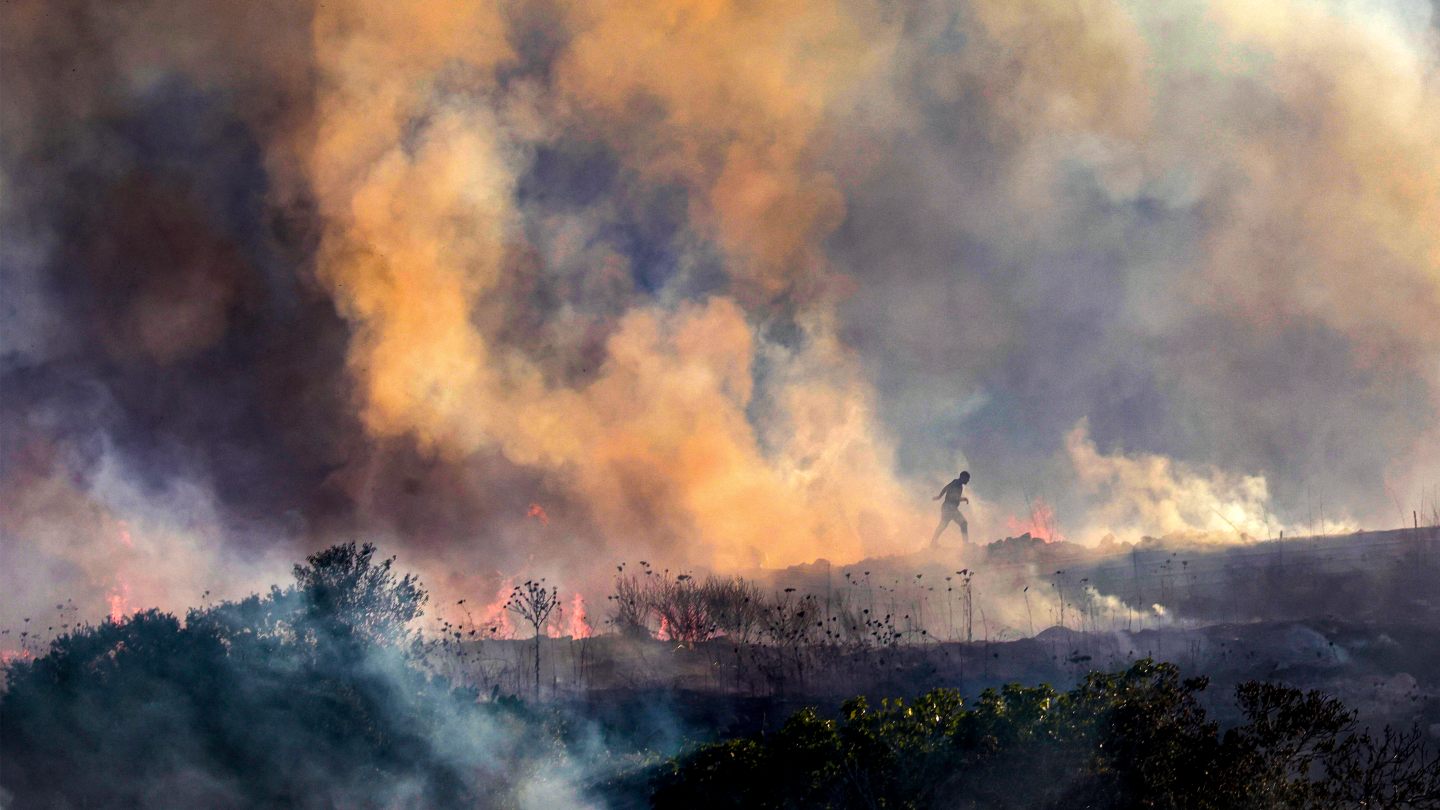
    As military operations have expanded, settlers have launched coordinated retaliatory attacks on Palestinian communities across the West Bank, acting on the earlier calls for revenge from political and settler leaders. The Palestine Red Crescent Society (PRCS) reported Friday that eight Palestinians were injured, one critically, during a settler attack on the village of Far’ata near Qalqilya, where local residents say settlers set fire to residential homes and threw stones at civilian property. Three more Palestinians were injured Friday during a settler raid on the town of Sarra, near Nablus, with settlers again setting homes on fire and damaging civilian property, PRCS confirmed.

    Quds News Network documented additional violent settler attacks across multiple hotspots, including Masafer Yatta south of Hebron, and the Nablus-area villages of Awarta and Urif, where settlers set fire to Palestinian land and property and uprooted hundreds of olive trees — a core source of income for many local Palestinian families. In the town of Qarawat Bani Hassan near Salfit, settlers seized control of an empty private Palestinian home and raised the Israeli flag over the building, the outlet added.

    Wafa reported similar attacks in Birin east of Hebron, Abu Njeim southeast of Bethlehem, and targeted damage to local water infrastructure in Kafr Malik in the Ramallah governorate. Haaretz also confirmed additional attacks on the Nablus-area villages of Jit, Iraq Burin and Tell, and reported that settlers stabbed and wounded a Palestinian man in Wadi al-Mu’arrjat in the Jordan Valley.

  • Several injured at Berlin Pride after reports vehicle drove into crowd, police say

    Several injured at Berlin Pride after reports vehicle drove into crowd, police say

    A violent and shocking incident has disrupted one of Europe’s most high-profile annual LGBTQ+ pride celebrations, leaving multiple people hurt and triggering a massive emergency response in central Berlin. According to local law enforcement officials, a vehicle drove into a crowd of attendees near Tiergarten Park on Saturday, where the conclusion of the city’s annual Christopher Street Day pride parade was scheduled to take place.

    Shortly after the first reports of the incident emerged, Berlin police confirmed that several people had sustained injuries, and that emergency medical teams were already on site providing immediate care to those affected. Photographic coverage from the scene shows a heavy deployment of first responders, with at least one injured individual transported from the area via ambulance on a stretcher. As of the latest update, authorities have not released a precise count of how many people were hurt in the event.

    In addition to emergency medical teams, a large contingent of police officers and fire department rescue units have been deployed to the incident zone. Law enforcement has launched an intensive manhunt for the suspect or suspects involved, and issued an urgent public appeal asking all civilians to avoid the Tiergarten Park area to allow first responders to operate unimpeded and support the ongoing investigation.

    Earlier the same day, the city had hosted the traditional Christopher Street Day parade, which drew huge crowds of participants and supporters marching through central Berlin before the event was set to wrap up with a series of evening gatherings near the park. Following the incident, event organizers and city authorities made the decision to cancel the remainder of the annual pride celebration out of caution and respect for those affected.

  • Several people are injured at Berlin’s LGBTQ+ march after a car drives into the crowd

    Several people are injured at Berlin’s LGBTQ+ march after a car drives into the crowd

    BERLIN — One of Europe’s largest annual LGBTQ+ pride celebrations was abruptly cut short in the German capital Saturday, when law enforcement authorities called off the event midway through its start after a car drove into a crowd near the march route, leaving multiple people injured. The incident unfolded in Tiergarten, a central public park adjacent to the established parade path, where the vehicle struck multiple attendees before the situation was contained.

    In an official public statement posted to the social platform X, Berlin Police urged all participants and bystanders at the event to evacuate the area immediately. While authorities confirmed that several people sustained injuries, they have not yet released a specific number of those affected. Law enforcement also noted that a large contingent of officers has been deployed to the scene to respond to the incident, though they could not immediately specify the exact number of personnel on site.

    The Berlin pride parade, locally called Christopher Street Day, draws hundreds of thousands of attendees from across Germany and the broader European region each year, making it one of the continent’s most high-profile and well-attended LGBTQ+ community gatherings. Saturday’s shutdown marks an unexpected and violent interruption to what organizers had planned as a day of celebration and advocacy for queer rights.

  • What next for the ICC and the Palestine investigation after Karim Khan’s removal?

    What next for the ICC and the Palestine investigation after Karim Khan’s removal?

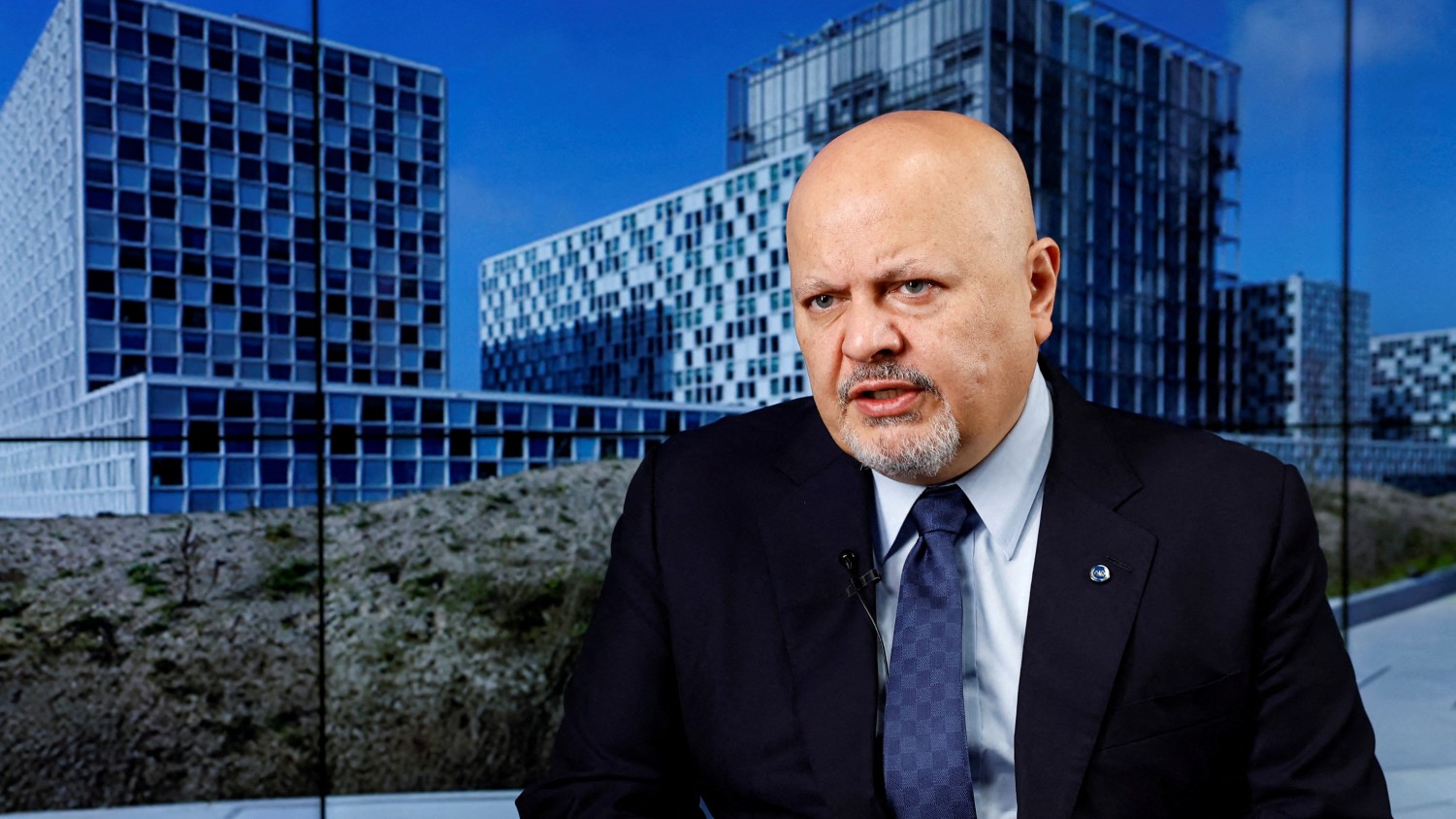
    In a historic first for the International Criminal Court (ICC), member states voted Friday at a United Nations session in New York to remove sitting chief prosecutor Karim Khan from office over alleged misconduct. The secret ballot saw 82 of the court’s 125 member states back the dismissal, bringing an 18-month long disciplinary process to a dramatic end. This unprecedented action marks the first time a sitting ICC prosecutor has been removed in the court’s 24-year history, a move critics already decry as a politically motivated power play.

    Khan has firmly denied all wrongdoing, and his legal team has announced plans to challenge the dismissal through every available legal channel. The immediate removal, which went into effect the moment the vote was finalized per ICC rules, has stripped Khan of his post and removed him from all active investigations, including the high-stakes inquiry into alleged crimes in Palestine that put him at the center of global geopolitical tension.

    The disciplinary process that led to the vote has long faced accusations of procedural irregularity and political bias. In March, a three-judge expert panel appointed by the ICC Assembly of States Parties (ASP) bureau unanimously ruled that findings from UN investigators did not prove misconduct or breach of duty under the court’s governing framework. The bureau subsequently voted to set aside this panel’s conclusion, and MEE exclusively confirmed this month that the bureau altered voting procedures to streamline the removal: merging a two-stage approval process into a single motion, effectively lowering the threshold required to oust Khan. These procedural changes are expected to be core to Khan’s coming legal challenge.

    Khan had previously indicated he would bring his appeal to the International Labour Organization Administrative Tribunal (ILOAT), the body that handles employment disputes for UN and international organization staff. Former International Court of Justice judge Abdul Koroma has assessed Khan’s chances of a successful appeal as “considerable,” but the legal path remains untested. ICC scholars Ezequiel Jimenez and Sergey Vasiliev point out that ILOAT case law is structured for standard international organization labor disputes, and it remains unconfirmed whether the ASP plenary’s political decision to remove an elected prosecutor falls within the tribunal’s jurisdiction. Even if Khan wins a favorable ruling, years of ILOAT proceedings mean a successor could already be in place by the time a decision is issued, making reinstatement functionally impossible.

    Geopolitical fallout from the vote has already begun, centered on the unprecedented arrest warrants for Israeli Prime Minister Benjamin Netanyahu and former Defense Minister Yoav Gallant, which the ICC issued under Khan’s leadership in 2024. Israeli Foreign Minister Gideon Saar called Khan’s removal “long-delayed,” and immediately demanded the court withdraw the warrants “immediately.” He repeated Israel’s already debunked claim that the warrants were rushed to distract from the misconduct allegations against Khan.

    Khan has also been the target of U.S. sanctions since the warrants were issued: he was the first individual designated under Executive Order 14203, signed by former U.S. President Donald Trump in February 2025 as retaliation for the warrants. The order froze Khan’s U.S. assets, revoked his visa, and barred his family from entering the United States. While there is precedent for delisting — the Biden administration revoked sanctions on Khan’s predecessor Fatou Bensouda in 2021 over her Afghanistan investigation — that delisting followed a change in U.S. administration, not the departure of the prosecutor from office, and there is currently no indication the current U.S. administration will lift sanctions on Khan. The U.S. State Department has not responded to requests for comment on the dismissal.

    The ICC’s Office of the Prosecutor (OTP) has stated that its ongoing work across all active cases will continue without interruption. The court currently manages more than a dozen open situation investigations beyond Palestine, including cases in Ukraine, Darfur, Libya and Afghanistan. However, the dismissal creates significant uncertainty for the future of the Palestine probe, particularly for pending arrest warrant requests for senior Israeli officials Bezalel Smotrich and Itamar Ben Gvir, which MEE has exclusively reported were prepared before Khan’s 2025 leave but were shelved for months due to threats of additional U.S. sanctions. Legal analysts note Khan’s departure may shift the OTP’s prioritization of these requests and its willingness to resist external pressure.

    Khan made advancing the Palestine investigation a central priority of his tenure after taking office in 2021, dedicating new resources to the inquiry that had stalled for 15 years under his two predecessors, who never advanced to requesting arrest warrants for Israeli officials. While the existing warrants for Netanyahu and Gallant remain active and will not be automatically withdrawn following Khan’s departure — only ICC judges can withdraw warrants, and they have repeatedly declined to do so — Israel has already signaled it will push to argue the warrants are tainted by Khan’s removal.

    Israel has multiple ongoing legal challenges to the warrants. The most significant challenges the court’s very jurisdiction over Israeli citizens, as Israel is not a party to the Rome Statute. In April 2025, the ICC Appeals Chamber sent the claim back for a full ruling after finding the lower court had incorrectly dismissed it as premature. No decision has been issued more than a year later, and any ruling will almost certainly be appealed again, pushing a final outcome to 2027 at the earliest.

    A second challenge, filed in November 2025, sought to disqualify Khan over alleged bias and cancel the warrants. The disqualification request becomes moot with Khan’s removal, but Israeli officials have already publicly raised the argument that the warrants are invalid because they were secured by a prosecutor found guilty of misconduct, leaving the future of that claim uncertain. Two other Israeli challenges have already been rejected: in December 2025, the Appeals Chamber threw out a claim that state referrals filed after October 7, 2023 amounted to a new investigation requiring fresh notification to Israel, and in July 2025, judges rejected a request to suspend the warrants while the jurisdiction dispute is resolved, ruling the warrants remain in force pending a final decision.

    Since Khan took leave in May 2025, the OTP has been jointly led by deputy prosecutors Nazhat Shameem Khan of Fiji and Mame Mandiaye Niang of Senegal, who will continue to lead the office following the dismissal. Neither holds the title of acting prosecutor, however, and the court has now operated without an elected chief prosecutor for more than a year. Both deputies were also sanctioned by the U.S. in August 2025 for upholding the Netanyahu and Gallant warrants after taking over interim leadership.

    Per Article 42 of the Rome Statute, Khan’s removal triggers a new election for the role, only the fourth such election in the court’s history. The chief prosecutor is elected by a secret absolute majority vote of ASP member states for a nine-year non-renewable term, though states can opt for a shorter term to finish the remainder of Khan’s tenure. The next regular ASP session is scheduled for December 2026 at UN Headquarters in New York, where six judges are already set to be elected. ICC expert Ezequiel Jimenez told MEE the most likely paths are either adding the prosecutor election to the December session or convening a special resumed session in early 2027, and he expects the ASP to form a working group to organize the vote, with a new bureau taking office in December to shape the process.
    Jimenez noted that nothing in court rules bars either sitting deputy from being nominated by a member state, and he has suggested the ASP could narrow the field to the two deputies to speed up the selection process, granting the winner the remaining four years of Khan’s original term ending in 2030, rather than holding a contest for a full nine-year term. That outcome would require consensus, however, as any member state can put forward its own candidate. The 2020 election that selected Khan deviated from the ASP’s agreed process when member states abandoned the vetting committee’s official shortlist, unlike the 2011 consensus election of Bensouda, who was a sitting deputy at the time.

    Regional and demographic considerations are expected to factor into the nomination process. The post of chief prosecutor has been held by representatives from Latin America (Luis Moreno Ocampo), Africa (Fatou Bensouda), and Western Europe (Karim Khan), with no representative from Asia Pacific or Eastern Europe ever holding the role. “Will western Europe ask for their ‘turn’ again? Or will it be someone from Asia or Eastern Europe? These factors will be part of the new election,” Jimenez noted.

  • In the cradle of Tunisia’s revolution, anger gave way to apathy. Then Gaza happened

    In the cradle of Tunisia’s revolution, anger gave way to apathy. Then Gaza happened

    Fifteen years ago, a small act of desperation in a central Tunisian city rippled across the Arab world and reshaped modern Middle Eastern history. In Sidi Bouzid, street vendor Mohamed Bouazizi doused himself in gasoline and lit himself ablaze, after corrupt local officials repeatedly harassed him, publicly humiliated him, and seized the only fruit cart he relied on for survival. That devastating act of protest ignited the 2011 Jasmine Revolution, which ousted Tunisia’s 23-year authoritarian ruler Zine El Abidine Ben Ali and sent a wave of uprisings across the entire Middle East and North Africa.

    Today, the covered market of Sidi Bouzid hums with the same surface routines it has held for decades: traders call out their goods, haggle over prices, and restock piles of citrus and leafy greens, while customers pick through produce slowly, calculating every dinar spent as rampant inflation pushes basic food out of reach for many. On the surface, life looks unremarkable. But dig beneath that routine, and residents are quick to say the city’s mood has shifted dramatically – and not for the reasons many might expect. Tunisia’s crippling economic crisis has not softened, and public trust in national politics remains as broken as it has been for years. Instead, the change traces to a conflict more than 2,000 kilometers away: Israel’s ongoing military campaign in Gaza.

    For countless residents of Sidi Bouzid, solidarity with the Palestinian people has become deeply intertwined with their own simmering anger over deepening poverty and a political system that has left ordinary people completely disenfranchised. Most surprisingly of all, the conflict has done what few political analysts would have predicted: after years of fading public political discourse, drained by widespread apathy and President Kais Saied’s growing authoritarian consolidation of power, the crisis in Gaza has given Tunisians a renewed reason to speak openly about their grievances.

    “Our leaders betrayed us,” Wajdi, a fruit seller working in the same market where Bouazizi once traded, told Middle East Eye. “What have any Muslim leaders done for Palestine? Nothing. Absolutely nothing. We hear every day that Tunisia stands with Palestine, but what has our government actually done to back that up? All the president does is talk. He had every opportunity to take practical steps, to push for change internationally, to pressure other governments that back Israel, but instead we’ve seen nothing. We’re tired of his empty words.”

    For Wajdi and dozens of other Tunisians interviewed by MEE across Sidi Bouzid, Gaza has emerged as a sharp new political flashpoint that cuts directly into long-simmering domestic tensions. It has become a stark measure of the growing gap between the Tunisian government’s rhetorical commitments and its actual inaction, reopening public political conversations that had gone mostly silent since July 2021. That was when Saied suspended the elected parliament, sacked the sitting prime minister, seized unilateral prosecutorial authority, and invoked a national emergency – a move widely labeled a coup by international human rights groups and Tunisian political opposition leaders.

    When Saied first consolidated power, many residents of Sidi Bouzid welcomed the move, hopeful that a strong, centralized presidency would break the years of crippling political deadlock that had paralyzed the country in the decade after the revolution. But as economic hardship deepened year after year, most Tunisians lost all faith that political change could improve their daily lives. Voter turnout plummeted to historic lows in subsequent elections, public political debate faded from public spaces, and conversations between friends and neighbors increasingly centered solely on how to make ends meet.

    Fifteen years after it set off a regional revolution, Sidi Bouzid remains one of Tunisia’s poorest governorates. Promised investments from the government and international donors never materialized, unemployment remains stuck at stubbornly high rates, and for most young people, dangerous irregular emigration across the Mediterranean, not domestic political reform, is seen as the only viable path to a better future. With inflation running in double digits, turning routine grocery shopping into a careful calculation of limited funds, traders report that customers who once bought enough produce to last a week now only buy what they can eat over a couple of days. “Everyone has become poorer,” Wajdi said, as he watched shoppers move slowly between his and neighboring stalls.

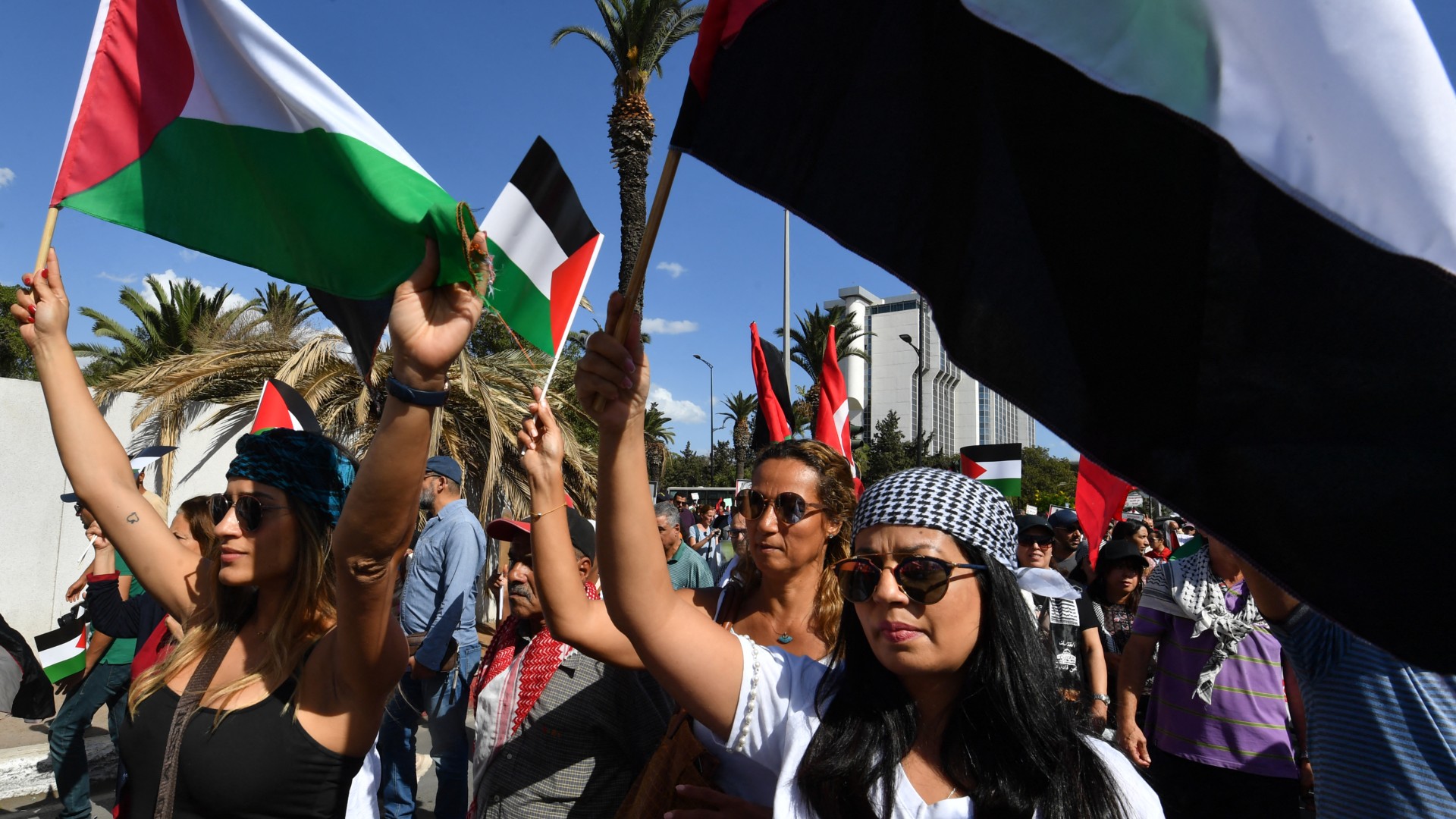
    When Israel launched its large-scale military campaign in Gaza after the October 7 attacks by Hamas, mass demonstrations in solidarity with Palestinians spread rapidly across Tunisia. Tens of thousands of protesters took to the streets of the capital Tunis and other major cities, and Sidi Bouzid once again saw residents gathering in public around a shared political cause. Palestinian flags appeared across the city in unprecedented numbers, and marches drew crowds of people who had not joined any public demonstration in years. For many residents, these demonstrations became one of the only spaces where they once again felt comfortable sharing political opinions openly, after years of self-censorship and shrinking space for public debate.

    But as the Palestinian death toll in Gaza climbed into the tens of thousands, many Tunisians began asking why their government’s support for Palestine stopped at rhetorical condemnation. While Saied has repeatedly issued public statements condemning Israeli actions, residents say they have seen little effort to turn that rhetoric into meaningful diplomatic action or regional leadership on the issue.

    “I don’t think Tunisia has done anything meaningful at all,” said Oumaima, a 26-year-old housewife from Sidi Bouzid. “We haven’t seen serious diplomatic efforts or attempts to build a united international coalition to pressure Israel. Why wasn’t Tunisia leading efforts at the International Criminal Court or working to bring all African countries together around a common position against what’s happening?” Oumaima pointed instead to South Africa, which filed a landmark case accusing Israel of genocide at the International Court of Justice that won widespread acclaim and support across the Global South. “Other countries stepped forward while Tunisia, despite all its statements about supporting Palestine, stayed on the sidelines,” she said. “I expected much more from our government.”

    Dozens of residents echoed that frustration, arguing that the government’s response to the crisis has been defined far more by empty rhetoric than tangible action. They question why Tunisia has not worked to rally African governments around a unified stance or pursued legal avenues against Israel at international bodies, while other middle-income and developing states have pushed the issue onto the global agenda. That contradiction feels even starker when looking at domestic policy, they say.

    While Tunisian officials regularly frame the country as an unwavering supporter of Palestinian statehood and Palestinian rights, authorities have launched a widespread crackdown on independent pro-Palestinian activists, including organizers involved in the Global Sumud Flotilla campaign that aimed to break Israel’s blockade of Gaza. The wave of arrests has fueled accusations that the Saied regime is seeking to monopolize solidarity with Gaza, only allowing pro-Palestinian expression that stays within state-approved boundaries, while treating independent grassroots activism as a direct political threat.

    “The regime displays hyper-sensitivity towards any street mobilisation, even when protesters raise officially endorsed slogans like supporting Palestine,” Khalil Lahbibi, a Tunisian activist involved with the Global Sumud Flotilla, told MEE. “It refuses to allow the public to organize independently or outside official, directed mobilization frameworks. Because young activists and civil society organisations have the capacity to mobilize and shape public opinion, the regime treats them as direct political threats and potential rivals. Saied is seeking to strike down the very idea of independent collective action.”

    Mohammed, a 22-year-old unemployed high school graduate in Sidi Bouzid, questioned why Tunisia has largely confined itself to verbal condemnation, rather than leading any meaningful regional or international campaigns against Israel’s actions. “The government says it supports Palestine, but its actions tell a completely different story,” he said. “It has arrested activists – people who were actually trying to show solidarity with Palestinians. How can you claim to defend Palestine while criminalizing those who are standing up for it? That’s a betrayal of the cause.”

    Mohammed added that Saied’s speeches condemning Israel now carry almost no weight without concrete political action to back them up. “If he was truly serious, he would have worked with Algeria, Libya and other African countries to find ways of stopping weapons from reaching Israel, whether by sea or by air,” he said. “Instead, we’ve only heard words while Gaza continues to suffer.”

    It remains unclear whether the public anger sparked by the Gaza war will mark the beginning of a broader political reawakening across Tunisia. Years of economic hardship, political repression, and broken promises have left most residents of Sidi Bouzid wary of predicting another mass uprising like the one that began here in 2010. Few speak openly of repeating that revolution today. But what is certain, they say, is the blanket silence that settled over the city’s public life in recent years has been broken.

    “The people will no longer be silent,” Mohammed said. “This government hasn’t done anything for Palestine or any Muslim causes. They now either need to step aside or step up, because the people have had enough. We will not back down.”