On Tuesday afternoon local time, a powerful magnitude 7.1 earthquake jolted Japan’s Kumamoto Prefecture on the southern island of Kyushu, leaving the disaster-prone region grappling with widespread structural damage, trapped civilians and mass evacuation orders. The tectonic event, which struck at 16:27 JST (07:27 GMT), has triggered an urgent emergency response across the island as rescue teams race to reach affected sites amid ongoing aftershock activity.
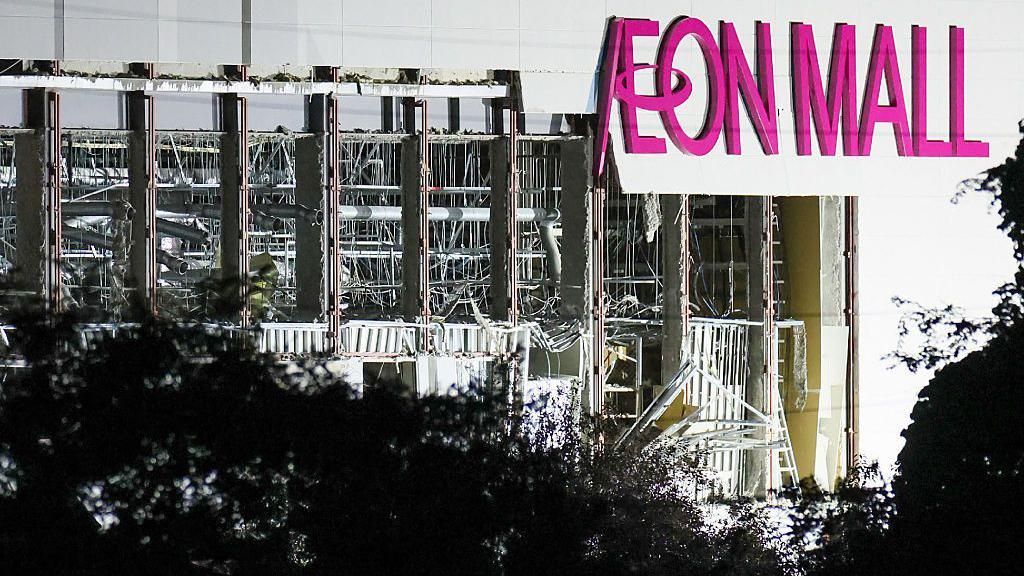
Japan’s Fire and Disaster Management Agency has confirmed that multiple people remain trapped inside the Aeon Mall shopping center in Kumamoto City after the facility’s second floor collapsed during the tremor. Eyewitness accounts report a visible explosion and plumes of smoke rising from the building immediately after the quake, with several injured shoppers already transported to local hospitals for treatment. Japanese national broadcaster NHK cites police data confirming that contact has been lost with 20 to 30 mall employees, though the full number of missing people has not yet been finalized as search operations continue.
A second high-stakes incident is unfolding at the Nippon Paper Industries Yatsushiro Plant in Yatsushiro City, also within Kumamoto Prefecture. A large factory chimney collapsed during the quake, and police say multiple people are currently unaccounted for at the site. Aerial imagery captured by Reuters shows the crumpled remains of the chimney at the plant, where response teams are conducting search and rescue operations.
The disaster has also left irreparable damage to one of Japan’s most historic cultural landmarks: 17th-century Kumamoto Castle. Tremors caused large sections of the castle’s outer stone walls to collapse, marking the second major seismic damage to the site in a decade. The 400-year-old castle suffered extensive damage to its turrets and inner walls during a 2016 magnitude 7.3 quake that killed 278 people across Kumamoto and neighboring Oita prefectures, a reminder of the region’s long history of high-magnitude seismic activity.
Additional infrastructure damage has been reported across the prefecture, including the collapse of a regional footbridge. Local officials have not yet confirmed if anyone was injured in the footbridge failure, and adjacent road infrastructure remains open to traffic. As of the latest update from Kyushu Electric Power, more than 40,000 households across the affected area remain without electricity, and multiple major roads have been rendered impassable by damage and debris.
In the immediate aftermath of the main quake, the Japan Meteorological Agency issued a regional tsunami warning, but the alert was lifted within two hours as no abnormal sea level changes were recorded. The agency has recorded more than 60 aftershocks to date, ranging in magnitude from 1.0 to 4.0, and officials have warned residents to remain alert for additional tremors in the coming days. Roughly 300,000 Kumamoto residents have been ordered to evacuate to emergency public shelters as response operations continue, with new details emerging from the disaster zone hourly.
Kyushu, Japan’s third-largest main island and second most populous, sits along the seismically active Pacific Ring of Fire, making the southern Japanese archipelago regularly vulnerable to high-magnitude quakes. The 2016 Kumamoto earthquakes already served as a wake-up call for disaster preparedness across the region, but this latest event has tested emergency response capacity once again.