博客

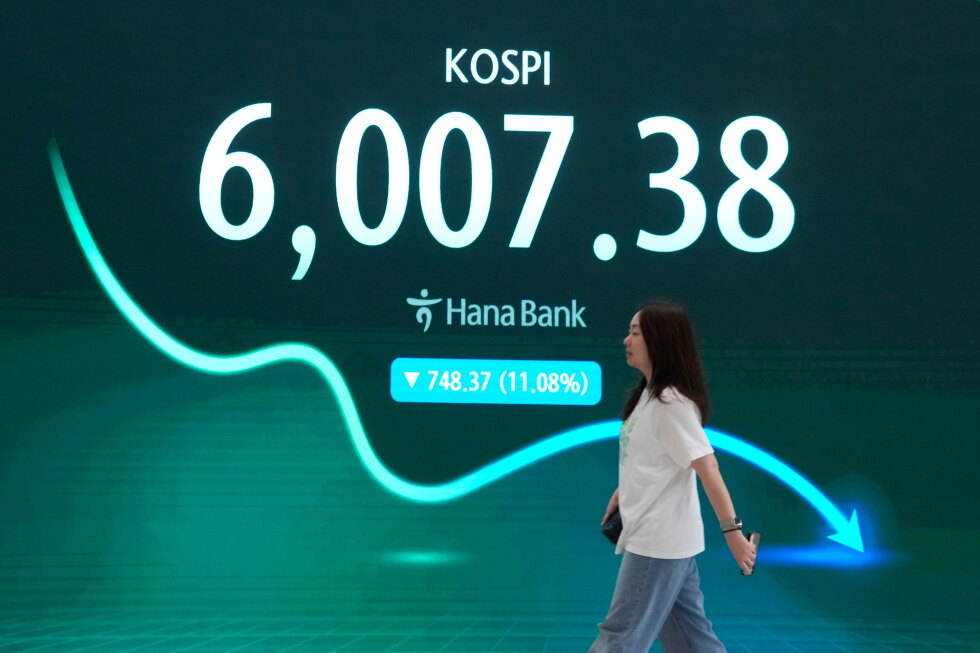
  • South Korea’s Kospi share index falls 8%, other Asian shares are also mostly lower

    South Korea’s Kospi share index falls 8%, other Asian shares are also mostly lower

    A widespread sell-off of semiconductor stocks sparked a sharp single-day drop across South Korean equities on Wednesday, dragging most other major Asian benchmark indexes into negative territory as investor sentiment turned bearish for the region’s tech manufacturing sector.

    The downward spiral began at South Korea’s leading memory chipmaker SK Hynix, which saw its share price plummet 12.6% by midday trading in Seoul. The steep decline came despite the firm reporting that its full-year operating profit had surged sixfold year-over-year to a new all-time high of 60.5 trillion won, equal to roughly $41.2 billion. Market participants reacted negatively to the results after the company’s fourth-quarter earnings fell short of the consensus forecasts compiled by Wall Street analysts, triggering a wave of panic selling that spread across the entire chipmaking sector.

    South Korea’s benchmark Kospi Composite Index absorbed the full brunt of the selling pressure, sinking 8% to 5,547.77 by the midpoint of the daily trading session. Industry peer Samsung Electronics, the world’s largest memory chip manufacturer, could not escape the rout, with its share price falling 8% to add more downward momentum to the broader index.

    The negative sentiment spilled over across regional markets, leaving most major Asian benchmarks in the red by the middle of the trading day. Japan’s Nikkei 225, one of the region’s most closely watched large-cap indexes, declined by 1.1% from its previous close. Taiwan’s Taiex, which is heavily weighted toward the global semiconductor industry, fell an even steeper 3.6%. In mainland China, the Shanghai Composite Index also posted a modest loss of 0.5%, extending the broad-based downturn across Asian equity markets.

  • Zelensky hails ‘good’ Trump talks on Patriot air defenses

    Zelensky hails ‘good’ Trump talks on Patriot air defenses

    On a high-stakes visit to Washington DC on Tuesday, Ukrainian President Volodymyr Zelensky emerged from a more than hour-long White House meeting with U.S. President Donald Trump calling the discussions productive, revealing the American leader had pledged to approve licenses for domestic Ukrainian production of Patriot air defense interceptor missiles. The talks came at a critical juncture in the more than four-year-old full-scale Russian invasion of Ukraine, as frontline violence intensifies and U.S.-led diplomatic efforts to broker a ceasefire remain deadlocked.

    In a late-night broadcast interview with Fox News host Sean Hannity, Zelensky outlined the outcomes of the meeting, noting that after securing Trump’s commitment on production licenses, he held follow-up discussions with leaders of major U.S. defense contractors. “I hope that we will do co-production,” he told Hannity, adding that the bilateral discussions were overwhelmingly constructive. Trump echoed the positive tone on his social media platforms shortly after the meeting, sharing photos from the sit-down and writing, “Many things were discussed. The meeting went very well!”

    This encounter marks the latest warming of ties between the two leaders since Trump began his second presidential term. Earlier this month, Trump publicly stated that Ukrainian strikes inside Russian territory could help create conditions to end the war, and he already praised Zelensky for doing “an amazing job” during their previous meeting in Turkey earlier this month, when he first floated the possibility of Patriot production licenses for Kyiv.

    The improvement in relations comes after a high-profile public clash in the Oval Office in February 2025, when Trump publicly accused Zelensky of ingratitude and “gambling with World War III.” Since returning to the presidency in 2025, Trump has halted direct U.S. arms deliveries to Ukraine, instead allowing European nations to purchase weapons on Kyiv’s behalf. Washington has nevertheless maintained its core support for Ukraine, continuing to share critical battlefield intelligence and grant access to the Starlink satellite communications system that Ukrainian forces rely on for frontline operations.

    Ahead of Tuesday’s meeting, a senior Ukrainian government official told Agence France-Presse that Kyiv’s top priorities were securing new supplies of anti-ballistic missiles and making progress on restarting diplomatic negotiations with Moscow. The request for additional air defense capabilities comes after last month became the deadliest month for Ukrainian civilians since April 2022, according to United Nations data, as Russia has drastically increased its use of relatively difficult-to-intercept ballistic missiles against Ukrainian population centers and infrastructure. “It is crucial that Washington approve the purchase of a package of Patriot missiles. That is super important,” the official said.

    During his Washington visit, Zelensky also took part in a memorial ceremony for longtime Republican Senator Lindsey Graham, a fierce and vocal supporter of Ukraine who died unexpectedly earlier this month at the age of 71. Following the memorial and White House meeting, Zelensky addressed U.S. senators ahead of an initial procedural vote on a bipartisan sanctions bill targeting Russia that Graham had spent more than a year championing.

    Graham had finalized a revised agreement on the legislation with the White House shortly before his death. While some Democratic lawmakers have raised concerns over provisions that would expand Trump’s authority to impose tariffs on nations that purchase Russian energy, the procedural vote advanced the bill, moving it closer to a final Senate vote and increasing pressure on the House of Representatives, where the legislation faces deeper partisan divisions. Zelensky, who attended the vote in person, wrote on social media platform X that the vote was “the first step toward implementing Lindsey’s plans and undoubtedly a step toward peace.”

    On the military front, Zelensky used his interview to frame the war as shifting in Kyiv’s favor, arguing that Russian President Vladimir Putin has lost the strategic initiative on the frontline amid crippling personnel losses. “So now Putin is losing 30,000 of his soldiers per month…it’s many losses, but he doesn’t want to stop this war. So now initiative is not in the hands of Putin,” he told Hannity.

    In the hours before Zelensky’s meeting with Trump, Ukraine launched a massive drone strike targeting sites across Russia, and Kyiv has recently stepped up attacks on Russian oil infrastructure, including depots and refineries, as well as Black Sea shipping, contributing to domestic fuel shortages in Russia. For its part, Russia launched over 100 drones at Ukrainian territory overnight Tuesday, and has continued its campaign of strikes targeting the southern Ukrainian port of Odesa as well as civilian ships carrying Ukrainian agricultural exports.

    Diplomatic progress remains elusive, with tensions between Washington and Moscow having cooled since Trump met Putin for talks in Alaska last August. Kremlin spokesman Dmitry Peskov denied on Monday that any negotiations for an aerial ceasefire between the two sides are currently underway, while previous U.S. mediation efforts collapsed over disagreements on territory that Russia illegally claims to have annexed. Zelensky had previously held discussions with Trump’s special envoys Steve Witkoff and Jared Kushner last week about plans to “reinvigorate diplomacy,” after the war in the Middle East pushed negotiations over Ukraine off Washington’s foreign policy agenda.

  • Japan coral protectors race to save reefs from heat ‘bomb’

    Japan coral protectors race to save reefs from heat ‘bomb’

    As global ocean temperatures hit record-breaking highs in June and a powerful El Niño event is forecast to sweep through the Pacific later this year, marine scientists and conservation groups in Japan’s Okinawa prefecture are rushing to develop innovative solutions to protect the region’s iconic coral reefs, which were already reduced to ecological wastelands by a devastating climate-driven bleaching event in 2024.

    Okinawa, a subtropical island chain in southern Japan, hosts some of the most biologically diverse coral ecosystems on the planet, home to a rainbow array of coral species that support thousands of forms of marine life. But the 2024 marine heatwave turned these vibrant underwater habitats into graveyards, leaving most coral either bleached pale white or discolored sickly brown. With climate conditions set to worsen in the coming years, experts warn that 2026 could bring an even more catastrophic mass bleaching event that could wipe out remaining vulnerable colonies.

    Paradoxically, a recent string of Pacific typhoons has provided temporary relief, churning up cool deep water that has lowered sea surface temperatures around Okinawa in recent weeks. But leading marine scientist Timothy Ravasi, a professor at the Okinawa Institute of Science and Technology Graduate University, warns that this short reprieve is no reason for complacency. “If not this year, it’s almost 100 percent that soon in Okinawa, all around the world, we will have another mass bleaching event,” he told AFP. “Just like a bomb, it will explode.”

    This looming threat has turned the work of Ravasi’s lab into a high-stakes race against time. The team operates one of only two “heatwave simulators” in the world: a sprawling setup of temperature-controlled seawater tanks that replicate natural marine habitats, hosting coral, giant clams, clownfish and other reef species. By manually adjusting water temperature and pH levels to mimic future climate conditions, researchers can induce bleaching and study which organisms are able to adapt to warmer, more acidic oceans. “If we don’t understand what climate change, ocean warming or acidification does to coral ecosystems, there is a chance we’re going to lose them,” Ravasi explained.

    Okinawa’s coral reefs face more than just climate change, however. The region is one of Japan’s most popular tourist destinations, with more than 80 percent of its local economy tied to the tourism sector. Widespread hotel construction, overfishing and coastal pollution have compounded the stress from rising ocean temperatures, pushing already vulnerable reef ecosystems to their breaking point. For Ravasi, the biggest barrier to meaningful action is not scientific, but political: convincing local policymakers and industry stakeholders that urgent change is needed. He has proposed limiting tourism growth and rolling back excessive urban development to protect reefs, a proposal that remains deeply controversial for leaders focused on economic expansion. “We have enough evidence that climate change is already pushing this ecosystem to limits,” he said.

    Despite these challenges, local conservationists have been leading on-the-ground restoration efforts for decades. The coastal village of Onna, which hosts the Okinawa Institute of Science and Technology, launched a native coral breeding and transplantation program back in 1999. Initially, many critics viewed human-assisted coral cloning as an unnatural “taboo” disruption of wild ecosystems, explained Shoichi Ikeno, head of local diving operator Lagoon. But subsequent DNA analysis confirmed the practice causes minimal harm to natural ecosystems, softening much of the early opposition.

    Similar pushback has greeted the work of Koji Kinjo, a coral breeder who opened a custom-built “artificial sea” indoor coral farm in the Okinawan village of Yomitan in 2009. At the facility, which resembles an underwater rainforest spread across dozens of connected aquariums, Kinjo has bred what he calls “miracle coral” – strains that have naturally developed extra resistance to warm water temperatures.

    Kinjo’s breakthrough came after years of trial and error. Early attempts to raise coral in low-stress, controlled environments produced fragile organisms that died quickly after being transplanted into the wild. He eventually succeeded by intentionally exposing growing coral to strong UV radiation and other natural stressors, “toughening up” the organisms to survive harsh ocean conditions. The resulting corals survived the 2024 mass bleaching event completely unharmed.

    Like the Onna restoration project, Kinjo’s human-assisted approach has drawn criticism from traditionalists who argue the ocean should be left to heal itself. But Kinjo says critics underestimate how severe the current crisis has become. All of the natural coral reefs near his coastal farm have already died off, replaced entirely by the resilient coral strains he has cultivated. Natural coral populations, he argues, can no longer keep up with the rapid pace of human-caused ocean warming and pollution. Sooner or later, he says, all unprotected coral will die out without intentional human intervention. “There is no restoring the sea to what it used to be,” he said. “That’s why my approach is to create a biodiverse place that can adapt to the coming era.”

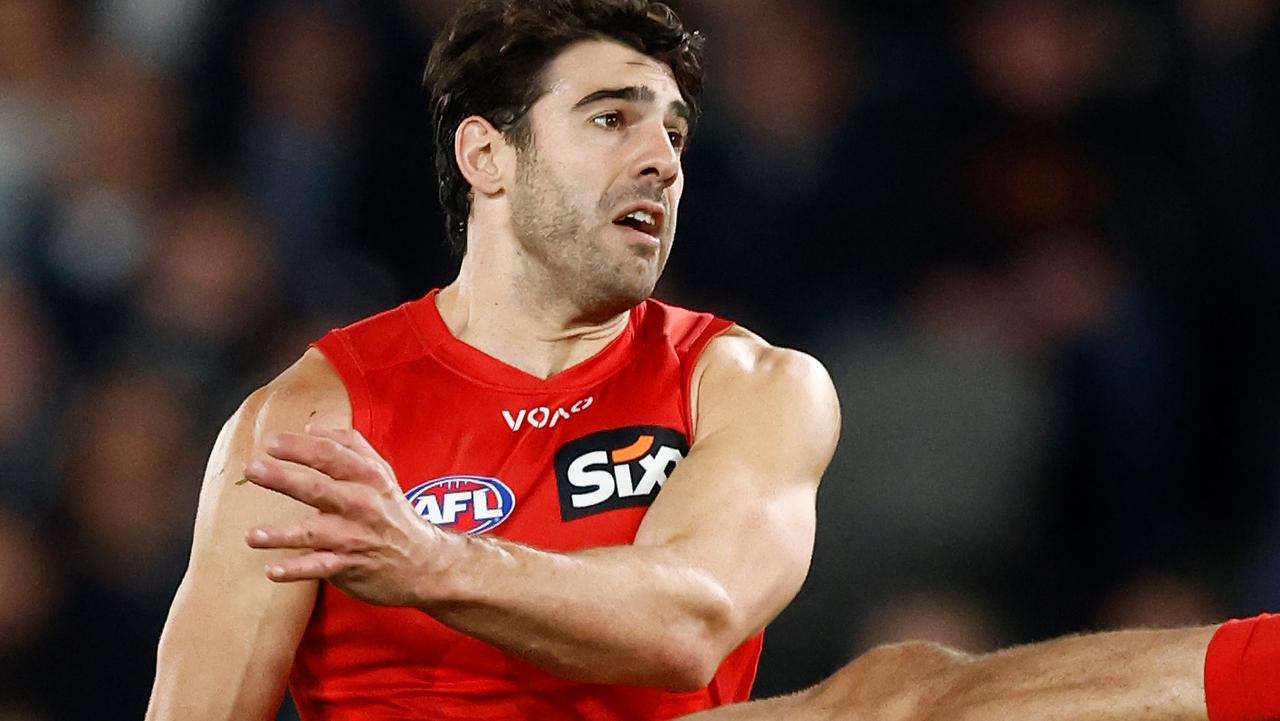
  • Melbourne coach Steven King shuts down talk of Christian Petracca drama

    Melbourne coach Steven King shuts down talk of Christian Petracca drama

    As first-year Melbourne Demons head coach Steven King prepares his side to face the Gold Coast Suns this weekend, he has found himself in an unusual position: lauding one of the opposition’s most high-profile stars as a club champion, while simultaneously tasking his squad with finding a way to neutralize his on-field impact.

    Christian Petracca, the former Melbourne midfielder who now plies his trade as a utility for Gold Coast, has dominated AFL headlines all week following a public verbal altercation with young Suns teammate Leo Lombard during the club’s recent loss to Carlton at Marvel Stadium. The on-field clash has drawn widespread media scrutiny, but King is pushing to keep his playing group focused on preparation rather than getting swept up in the off-field noise surrounding the 28-year-old.

    Though Petracca never played a game under King’s leadership during his tenure at Melbourne, the first-year Demons coach offered nothing but glowing praise for the star midfielder when speaking to reporters on Wednesday morning. King emphasized that he has deliberately not framed the match as a personal grudge match for his squad against their former teammate, noting that while the Melbourne group will be eager to see Petracca back on the pitch, the club holds no lingering animosity toward the departed star.

    “I haven’t mentioned any extra emotional edge of him playing against his old side,” King told reporters. “I’m sure the players will be excited to see him. He’s a champion of our club, and he’s had a fantastic year so far. We know exactly what he’s capable of at his best, and how damaging he can be to any opposition.”

    When asked about the widely reported altercation between Petracca and Lombard, King declined to comment on internal Suns dynamics, saying he had not closely followed the details of the incident. “I can’t answer questions about how people respond when they aren’t inside our club’s four walls,” he explained. “We’re preparing to face Gold Coast as a complete team, not just focus on one individual incident.”

    That said, King made clear that Petracca remains a top priority for Melbourne’s defensive game plan this weekend. “He’s one of a handful of key players for the Suns that we’ll need to curtail to go out there and get the four competition points,” King said. “At his best, he’s a proud competitor and one of the elite players in the entire competition. That’s the version of Petracca we’re preparing for, and that’s what we need to be ready to stop.”

  • Rescuers search for survivors after powerful Japan quake kills 13

    Rescuers search for survivors after powerful Japan quake kills 13

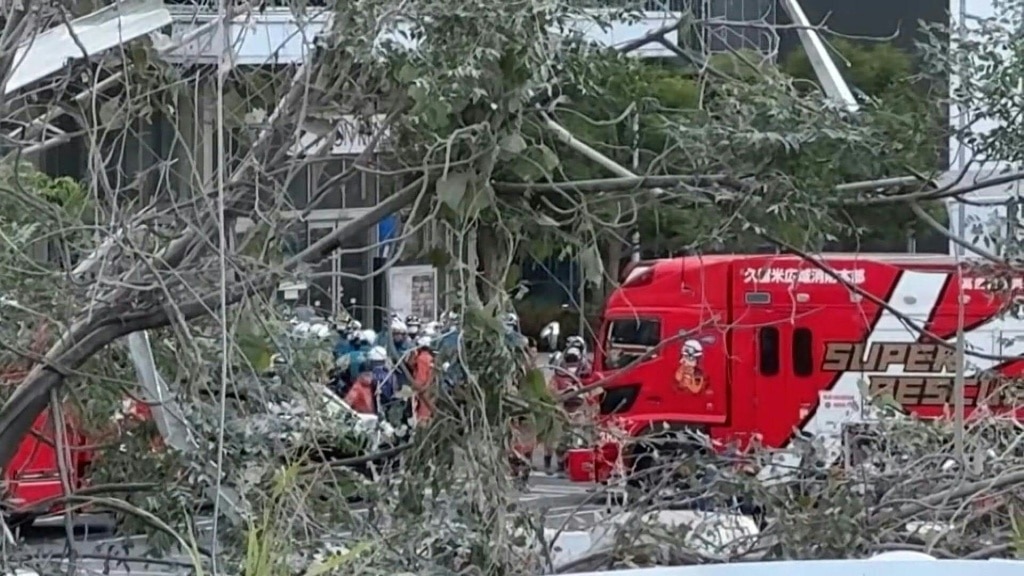
    Just one day after a powerful 7.1-magnitude earthquake struck Japan’s southwestern Kumamoto Prefecture on Kyushu Island, officials have confirmed at least 13 fatalities, with emergency crews racing against time to reach potential survivors trapped beneath collapsed infrastructure across the disaster zone.

    The tremor, which hit at 4:27 pm local time (0727 GMT) on Tuesday, registered the highest possible rating on Japan’s domestic Shindo seismic intensity scale. The U.S. Geological Survey recorded the event at a slightly lower magnitude of 6.8, placing its epicenter 10 kilometers below the Earth’s surface. Widespread destruction followed in the quake’s wake: multiple buildings collapsed, dozens of small fires broke out, more than 36,000 households and public facilities were left without electricity, and key transport links were severely damaged.

    Japanese Prime Minister Sanae Takaichi confirmed the death toll to reporters on Wednesday, noting that authorities are still working to verify that all fatalities are directly linked to the seismic event. “Extensive damage has been confirmed, including casualties, collapsed buildings, fires and damage to roads,” Takaichi said. Early data from the Fire and Disaster Management Agency shows the victims include two women killed at a local shopping mall in Kashima and three others killed across other parts of the prefecture, with seven more people suffering severe injuries.

    The Kashima Aeon shopping mall suffered catastrophic damage after a gas explosion triggered by the quake collapsed ceilings and internal walls, according to government sources cited by Kyodo News. A spokesperson for Aeon confirmed that the explosion took place after all customers and staff had completed an emergency evacuation, but local officials say eight people were pulled from the rubble of the mall, five with injuries. Early unconfirmed reports suggested 20 to 30 people could be trapped inside, but Japanese public broadcaster NHK quoted police Wednesday morning stating that the actual number of trapped people is lower than initial estimates. “The exact number is not known. It is certain that staff members are trapped, but it is unclear whether any members of the public are among them,” NHK reported police as saying. As of Wednesday, rescue teams had still not gained safe access to the damaged mall structure, delaying full search operations.

    At a second major disaster site, the Nippon Paper Industries factory in Yatsushiro, nine people remain unaccounted for after a partial collapse of the facility’s smokestack.

    Witness accounts and verified video footage paint a picture of widespread chaos and fear when the quake struck. Chiharu Hara, a 35-year-old recruitment agent working in Kumamoto, told AFP she was terrified as the office building she was in swayed violently. “The office swayed violently side to side. I was afraid it would collapse. Everyone panicked,” Hara said.

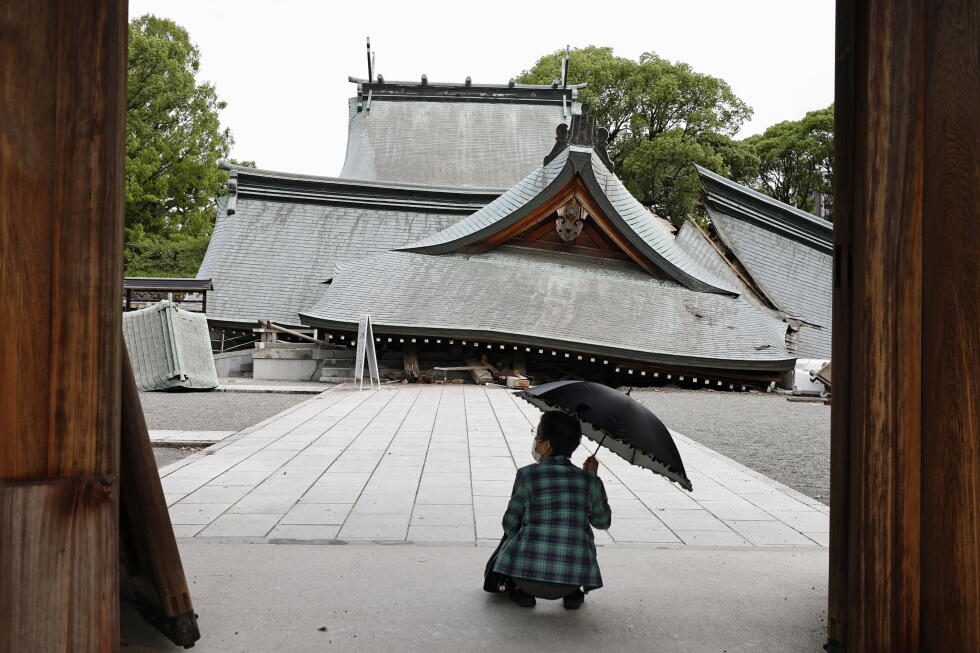
    Verified footage shows heavy construction equipment, streetlights and traffic signals shaking violently during the tremor. Part of a historic wall at the centuries-old Kumamoto Castle collapsed, and multiple sections of major roads buckled, forcing vehicles to navigate dangerous, damaged sections. A pedestrian bridge partially collapsed into a local river, a freight train was capsized, and all high-speed shinkansen services through the region were suspended. Kumamoto Airport was closed for several hours after the quake but reopened Tuesday evening. As of Wednesday morning, hundreds of roads across the prefecture remained closed to traffic.

    This is not the first major seismic disaster to hit Kumamoto: in 2016, two large quakes in the same region killed 273 people. Japan is one of the most seismically active countries on Earth, located atop four major tectonic plates along the Pacific Ring of Fire. The country of 125 million people experiences an average of hundreds of small to medium quakes every year, accounting for roughly 18 percent of the world’s total seismic activity. Most tremors are mild, but major quakes have had devastating impacts on the country in recent decades, most notably the 9.0-magnitude 2011 Tohoku undersea quake that triggered a massive tsunami, killing nearly 18,500 people and causing a catastrophic meltdown at the Fukushima Daiichi nuclear power plant.

    In response to the latest disaster, Japanese authorities have deployed extensive emergency resources: Defense Ministry officials confirmed that 3,600 military personnel have been mobilized for search and rescue operations, and 20 military aircraft have been deployed to conduct aerial damage assessments across the impacted region.

  • Brazil court ties soccer player’s suspension to recovery time for his injured rival Gabriel Pec

    Brazil court ties soccer player’s suspension to recovery time for his injured rival Gabriel Pec

    Brazil’s top sports judicial body has handed down an extraordinary penalty to Internacional Porto Alegre defender Víctor Gabriel, suspending him from all domestic football competition until Cruzeiro forward Gabriel Pec completes his recovery from a broken leg and returns to full team training. The landmark ruling was announced Tuesday by the Superior Court of Sports Justice (STJD), Brazil’s highest independent authority for sports disciplinary matters, after judges concluded that a standard league penalty would not fit the gravity of the on-pitch incident that left Pec with a fractured left tibia.

    The injury occurred during a top-flight Brazilian league match held July 22, when Víctor Gabriel made a heavy challenge on Pec that resulted in the immediate removal of the Cruzeiro attacker with a broken bone. Unlike standard suspensions that carry a fixed number of matches or set term, the STJD implemented a provision under Brazilian sports law that allows a suspension to align with the injured player’s recovery timeline in cases of severe harm. While the maximum duration of the suspension is capped at 180 days, the ruling notes that Víctor Gabriel will be eligible to return to competition immediately if Pec receives medical clearance to resume training ahead of that 180-day deadline. The defender retains the right to file an appeal against the decision.

    Pec, a former LA Galaxy winger in Major League Soccer, joined Cruzeiro in the 2022 FIFA World Cup mid-season break for a transfer fee of at least $12 million, a new club record for the Minas Gerais side. Appearing before the court ahead of the ruling, Víctor Gabriel stressed that he never intended to cause harm to Pec, and has expressed deep remorse over the incident. “I’ve had sleepless nights praying for him, and I offer a heartfelt apology to everyone at Cruzeiro,” the defender told judges.

    Víctor Gabriel was officially charged with violent conduct under Article 254 of the Brazilian Code of Sports Justice, which paved the way for the extended recovery-aligned suspension. The ruling was not reached by a unanimous vote, highlighting division among judicial members over the appropriate penalty. Adjudicator Rodrigo Steinmann Bayer initially put forward a motion for a standard six-match suspension without the extended time-based penalty. However, the court’s president Jorge Octavio Lavocat Galvão joined by two other panel members, Eduardo Xible Salles Ramos and Aline Gonçalves Jatahy, secured a majority to enforce the lengthier, recovery-linked suspension, setting a notable precedent for severe on-pitch fouls in Brazilian football.

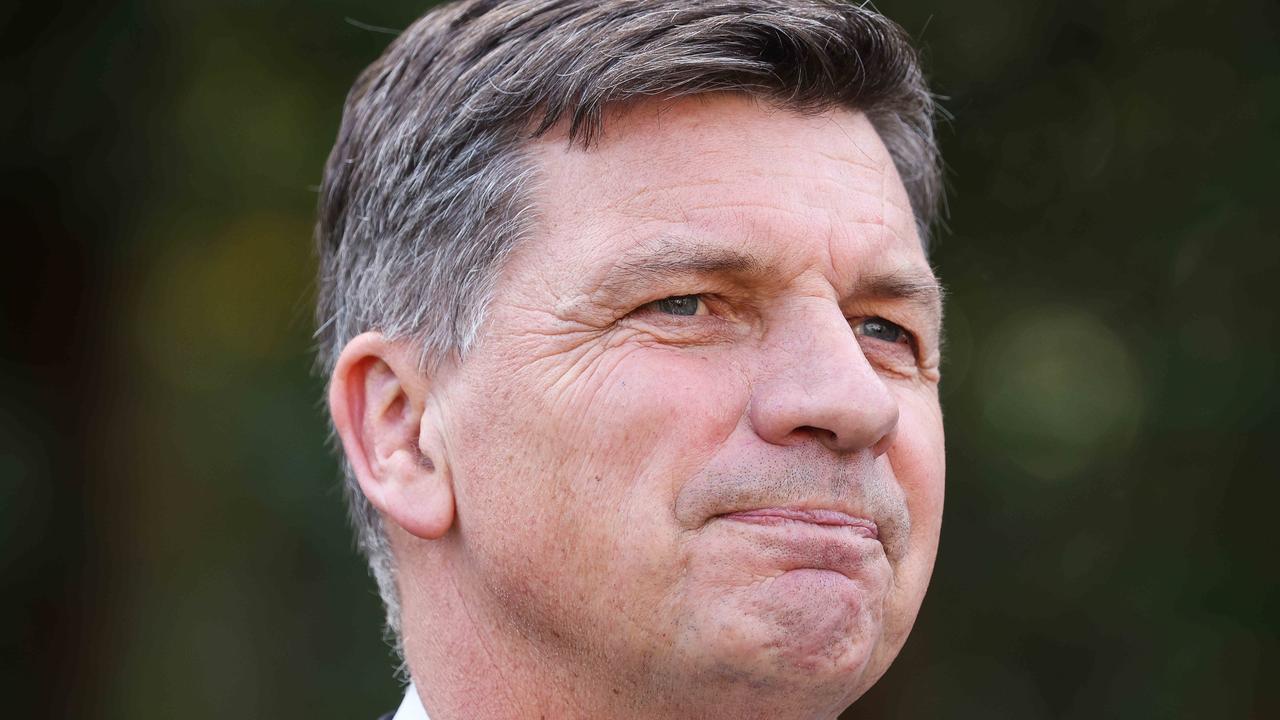
  • Angus Taylor says ‘no payments’ to NSW Liberal ‘reformers’ after ICAC naming

    Angus Taylor says ‘no payments’ to NSW Liberal ‘reformers’ after ICAC naming

    An ongoing high-stakes anti-corruption investigation into the upper ranks of New South Wales’ Liberal Party has thrust Australian Federal Opposition Leader Angus Taylor into the spotlight, after his name was linked to alleged prohibited factional donations during public hearings this week.

    The Independent Commission Against Corruption (ICAC), New South Wales’ top anti-corruption watchdog, launched an eight-week probe into claims that a coordinated conservative faction calling itself “the Reformers” actively solicited and accepted unlawful political donations — including from prohibited sources — to pack party branches with ideologically aligned members and shift the state party’s overall policy direction. Named as persons of interest in the scheme are Jean-Claude Perrottet, brother of former New South Wales Premier Dominic Perrottet, alongside three influential Liberal Party powerbrokers: Christian Ellis, Jeremy Greenwood and Robert Assaf.

    The inquiry’s most recent development came when former Liberal Party member Dylan Whitelaw, who also previously worked for Catholic Schools New South Wales, told the hearing on Tuesday that he had shared a message in a private group chat for the Reformers claiming that former Catholic Schools NSW CEO Dallas McInerney had secured a commitment from Taylor for a $15,000 one-time donation plus a recurring $3,000 monthly contribution to the faction. Whitelaw has since walked back that claim, telling the inquiry on Wednesday he has no independent recollection of Taylor actually making any such payment, admitting that “potentially Dallas had told me something that was incorrect.” He added that he would be “very surprised” if Taylor had contributed financially to the group, though he could not rule out non-financial assistance from the opposition leader off the top of his head.

    Counsel assisting the inquiry Juliet Curtin however flagged evidence that Whitelaw personally secured Taylor’s support to speak at a Reformers-aligned event in Goulburn that Whitelaw organized. A message Whitelaw sent to the Reformers group chat, unearthed during the hearing, reads: “FYI Angus Taylor locked in for an event in Goulburn, will confirm a date for it tomorrow. Hopefully the beginning of our work in the southern country.” Whitelaw told the inquiry he has no memory of arranging the event.

    Taylor, who has not been accused of any wrongdoing in the inquiry, issued a flat denial of all donation allegations during a press appearance in Queensland on Wednesday. “I’m not a party to the proceedings. No payment was made,” he said. When asked whether he would agree to testify as a witness if called by ICAC, Taylor noted that the commission had not reached out to him, and declined to comment on hypothetical scenarios. “I haven’t been approached by the commission and I’m not going to give a running commentary,” he added. A spokesperson for Taylor issued a similar statement a day earlier, saying the inquiry “should be allowed to run their course free from political interference or commentary” and that all donations and fundraising activity are properly declared per existing rules, falling under the jurisdiction of the party itself.

    Beyond the factional donation claims involving Taylor, the sprawling eight-week inquiry is also investigating multiple other serious allegations. These include ties between the accused group and fugitive property developer Jean Nassif, who is accused of funneling donations to undermine the political career of sitting Liberal MP David Elliott and force the removal of Building Commissioner David Chandler. The inquiry is also examining donations from prominent NSW hotelier Michael O’Hara and from McInerney, who stepped down from his role at Catholic Schools NSW after the allegations emerged. Catholic Schools NSW has stated it had no knowledge of McInerney’s alleged actions.

    The probe is also investigating claims that two Labor councillors for the NSW district of Strathfield — Sharangan Maheswaran, an employee of Nassif, and Karen Pensabene — breached public trust, allegedly engaging in blackmail and violating state surveillance device laws. Maheswaran is specifically accused of helping Nassif discredit Chandler, and of using the same private investigator hired by Nassif to build a “dirt file” on independent rival councillor Matthew Blackmore, threatening professional retaliation if Blackmore did not comply with his demands.

    Notably, ICAC does not have the authority to make formal findings of criminal conduct. Once the public hearings conclude, the commission will refer individuals and cases to the New South Wales Director of Public Prosecutions if it finds sufficient evidence of criminality. To date, neither Dominic Perrottet, Taylor, nor any other individual named in the allegations has been found guilty of wrongdoing; the inquiry is currently testing the veracity of the claims brought forward.

  • Netanyahu’s quiet visit to Washington highlights Trump’s frustration with the leader

    Netanyahu’s quiet visit to Washington highlights Trump’s frustration with the leader

    With just three months remaining until Israel’s most consequential election of his decades-long political career, Israeli Prime Minister Benjamin Netanyahu traveled to Washington D.C. for a urgent closed-door meeting with U.S. President Donald Trump — a trip analysts say was only made possible by a sudden, unexpected death that opened a rare window for the Israeli leader to court Trump’s endorsement ahead of the vote.

    The core of Netanyahu’s re-election strategy hinges on cementing his reputation as the only Israeli politician who can command unwavering backing from the U.S. president, and safeguard the critical strategic and security alliance that forms a lifeline for Israeli leadership. The opportunity for this White House meeting arose after prominent pro-Israel advocate and Trump confidant Lindsey Graham passed away suddenly earlier this month, according to Aaron David Miller, a former U.S. State Department senior advisor on Palestinian-Israeli negotiations and current senior fellow at the Carnegie Endowment for International Peace. “The visit would not be taking place, had Lindsey Graham not passed,” Miller told Middle East Eye.

    Since Trump’s return to the presidency in January 2025, no other foreign leader has secured more one-on-one time with the U.S. commander-in-chief than Netanyahu. But this 90-minute closed-door meeting carried far greater urgency than previous encounters: it came on the heels of a series of high-profile meetings Trump held with other regional leaders, including Turkish President Recep Tayyip Erdogan, Syrian President Ahmed al-Sharaa, Iraqi Prime Minister Ali al-Zaidi and Lebanese President Joseph Aoun.

    Disagreements between the two leaders have bubbled into public view in recent weeks, centered on Netanyahu’s push for continued U.S. military involvement targeting Iranian nuclear-linked facilities, a position Trump has openly pushed back against. When asked by Fox News about Netanyahu’s public warnings about activity at Iran’s Pickaxe Mountain nuclear-related site, Trump made his frustration clear. “I don’t need Bibi to tell me that. Bibi is telling me that because he wants me to stay involved. I mean, I don’t necessarily [want to],” Trump said in a Tuesday phone interview. He added, “I heard Bibi announce that [and] I said, ‘Why don’t you just tell it to me? Why do you have to announce it to the world?’ I know exactly what’s going on at Pickaxe. It’s not a big problem. We took out their nuclear sites, and we’ll have to take out Pickaxe if we don’t make a deal.”

    Nizar Farzakh, a former advisor to Palestinian leadership in Ramallah and current lecturer at George Washington University, argues Netanyahu’s renewed focus on the Iranian threat stems from a lack of tangible progress on Israel’s campaigns in Gaza and Lebanon. “Only Netanyahu wants the war [in Iran]. Everybody – literally everybody else – does not want escalation. So I guess he’s coming to fix what all the others have ruined,” Farzakh explained to Middle East Eye.

    Tensions also emerged over Trump’s open consideration of resuming F-35 fighter jet sales to Turkey, a move Netanyahu has publicly opposed. When asked about Netanyahu’s disapproval aboard Air Force One, Trump reaffirmed his close ties to Erdogan and pushed back on any Israeli interference in U.S. foreign policy. “Nobody tells me what we should be selling. And now Turkey has been a tremendous ally for me… Turkey’s not a big fan of Israel. You know that, right?” Trump said.

    While both the White House and Netanyahu attempted to frame the meeting as positive and productive — with Netanyahu calling it “one of the best conversations I’ve ever had with a president of the United States, our friend Donald Trump” — analysts say the closed-door format signals far more underlying disagreement than public statements acknowledge. Miller noted that Trump has broken with decades of U.S. presidential precedent by openly criticizing and challenging Netanyahu, leaving him with unprecedented leverage over the Israeli leader just as he faces a make-or-break election that could determine not just his political future, but his personal freedom.

    “[Trump] has said things about an Israeli prime minister that no American – none of his predecessors – has ever said… He has mocked the prime minister. He has allowed his profanity-laced phone conversations to be leaked. He opened a dialogue with Hamas without Israel’s knowledge. He did a deal with the Houthis over and above the objections of the government of Israel,” Miller recounted. “And right now, 90 days before the most consequential election in Benjamin Netanyahu’s political life, which could involve his personal freedom, [Trump] has more leverage over this Israeli prime minister than any of his predecessors have ever had at any given moment.”

    Netanyahu has faced ongoing corruption investigations in Israel since 2019, and could face up to 10 years in prison if convicted on current charges, which he denies. Compounding his vulnerability is the fact that the U.S. remains one of the only major world powers where he can travel without risk of arrest, after the International Criminal Court issued an arrest warrant for him on war crimes and crimes against humanity charges linked to Israel’s military campaign in Gaza nearly two years ago.

    Netanyahu’s motorcade through Washington D.C. was met by large crowds of anti-Israel protesters, who waved Palestinian flags and chanted calls labeling the prime minister a war criminal. New polling released this week underscores deep public division in the U.S. over Netanyahu’s visit: a joint Economist/YouGov poll of 1,559 U.S. adults released Tuesday found 49% of respondents believe Netanyahu should be arrested if he stays on U.S. soil, compared to just 27% who oppose arrest and 23% who are undecided. Support for arrest is strongest among respondents under 50 and non-white Americans.

    Separate polling from YouGov and CBS News, released last week, further highlights broad public opposition to continued conflict. The poll found 67% of Americans want the U.S.-Israeli military campaign against Iran to end immediately, with overwhelming support for a ceasefire among adults under 30. Broken down by party affiliation, 92% of Democratic voters, 73% of independent voters, and 30% of Republican voters support an immediate end to the war.

    Farzakh argues Trump is actively seeking an exit strategy from the Iran conflict, a goal that directly clashes with Netanyahu’s domestic political calculus. “Nothing is working with Iran. Iran keeps getting stronger,” Farzakh said. “[Trump is] way in over his head with this, and he’s trying to find an exit strategy.” That exit strategy, he added, is impossible if Netanyahu’s re-election depends on branding himself as Israel’s “Mister Security” by pushing for ongoing escalation. Netanyahu is next scheduled to return to the U.S. for the United Nations General Assembly in September.

  • Death toll rises to 13 as rescuers search for the missing after Japan earthquake

    Death toll rises to 13 as rescuers search for the missing after Japan earthquake

    A powerful magnitude 7.1 earthquake that hit the Kumamoto region of Japan’s southern Kyushu island has left at least 13 people dead, with emergency teams scrambling on Wednesday to locate and rescue dozens more trapped in collapsed structures across the disaster zone. The seismic event struck shortly after 4 p.m. local time on Tuesday, roughly 540 miles southwest of Tokyo, leaving a trail of collapsed buildings, damaged infrastructure and displaced residents in its wake.

    Japanese Prime Minister Sanae Takaichi confirmed the death toll early Wednesday, stressing that the operation to reach missing survivors remains a critical race against time. “There are people who are still waiting to be rescued, and it is a race against time,” Takaichi told reporters. “We will go all out to find and rescue as many people as we can.” The prime minister extended official condolences to the families of those killed, and urged quake survivors to take extra precautions amid ongoing high temperatures in the region.

    Local emergency officials confirmed multiple sites of major structural collapse that have trapped civilians. In Kashima Town, the second floor of a busy Aeon Mall caved in during the shaking, leaving an undisclosed number of people trapped inside the rubble. At the Yatsushiro production facility operated by Nippon Paper Industries Co., a tall factory chimney collapsed, also trapping workers under fallen debris.

    Japan’s Self-Defense Forces have mobilized alongside local rescue crews to conduct search operations at damaged sites, and are already distributing life-sustaining supplies including clean water, food and other basic necessities to communities cut off or heavily impacted by the quake.

    Ongoing assessments of infrastructure and public safety have so far delivered some reassuring updates: Japan’s Fire and Disaster Management Agency confirmed no critical damage to major public facilities or key national infrastructure, while the Nuclear Regulation Authority reported no abnormalities detected at three nuclear power plants located near the quake’s epicenter.

    Medical teams have mobilized to treat the injured: Kyodo News reports that one hospital in Yatsushiro city has admitted around 40 people with quake-related injuries, while another 50 injured residents have been transported to medical facilities in Kumamoto’s prefectural capital.

    The quake also disrupted transport and industrial activity across the region. Most major manufacturers based in Kyushu suspended operations immediately after the seismic event on Tuesday, though early inspections found no major structural damage to production facilities, and most firms intend to restart normal operations on Wednesday. Aso Kumamoto Airport’s main runway was closed immediately after the quake, with no official timeline for reopening released as of Wednesday morning. At Yatsushiro Station, one passenger train derailed and tipped onto its side during the shaking.

    One iconic cultural site also suffered new damage: Kumamoto Castle, a top regional tourist attraction that was heavily damaged in a deadly 2016 Kumamoto quake and remains under ongoing restoration, saw multiple stone walls damaged in this latest seismic event. For many long-term residents, the intensity of Tuesday’s shaking brought back traumatic memories of the 2016 disaster, which killed at least 50 people. “The shaking reminded me of the Kumamoto quake 10 years ago and I was frightened,” said Hiroki Shimoda, an official at Mifune town hall, who witnessed roof tiles fall from nearby homes during the quake.

    Officials are warning local residents to remain on high alert in the coming days. Shinji Kiyomoto, a representative of the Japan Meteorological Agency, urged people in the affected region to stay cautious over the next 48 to 72 hours, as strong aftershocks remain highly likely.

  • India’s capital part of aggressive electric vehicle targets in bid to curb air pollution

    India’s capital part of aggressive electric vehicle targets in bid to curb air pollution

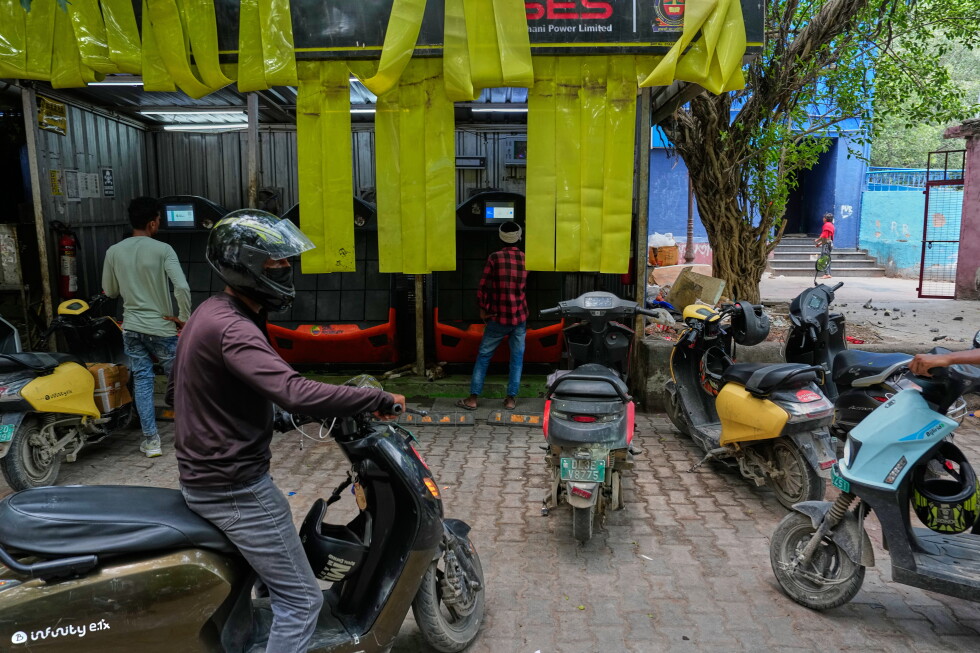
    NEW DELHI, July 2026 – On a typical weekday in one of New Delhi’s wealthiest residential districts, electric vehicle charging hubs adjacent to a busy shopping center hum with activity. Drivers of electric two-wheelers, passenger cars and small commercial trucks queue up to top up their batteries, a small but growing daily routine that reflects a landmark shift underway in India’s pollution-choked capital. On July 1, the Delhi government rolled out one of the most aggressive electric vehicle transition policies in India, setting binding deadlines to phase out new registrations of gasoline and diesel-powered vehicles in a bid to tackle the city’s chronic toxic air pollution.

    Under the new policy, Delhi aims to make the vast majority of newly registered vehicles fully electric by 2027. While no existing gas-powered vehicles will be removed from roads immediately, policymakers project their numbers will decline steadily in the coming years as the transition takes hold. The policy maps out clear, sequential deadlines for high-priority vehicle segments: starting in 2027, all newly registered three-wheelers and small cargo trucks must be electric, with two-wheelers following suit in 2028. These two vehicle categories make up nearly 70% of all registered vehicles in Delhi and account for almost half of the city’s total vehicular air pollution.

    To encourage adoption, the policy offers robust financial incentives. Buyers of new electric vehicles can qualify for subsidies of up to 50,000 rupees ($522), while residents who scrap their old gas-powered vehicles can receive payouts of up to 100,000 rupees ($1,044). It also includes waivers on registration fees and select road taxes, and allocates funding for a massive expansion of public charging and battery swapping infrastructure across the city. The entire 10-year transition plan is projected to cost the Delhi government 150 billion rupees ($1.5 billion).

    Energy and environmental experts across India have hailed the policy as a groundbreaking step for clean mobility in the country. “Delhi’s EV policy is one of the most ambitious policies that I have seen in India,” said Jaideep Saraswat, who leads clean power and electric mobility work at the non-profit Vasudha Foundation. “The binding deadlines send a clear signal to automakers and consumers alike that this transition is inevitable.” Delhi has a long history of pioneering clean transport policies in India: it was the first major city to shift public transit to compressed natural gas decades ago to cut pollution, a move that set a national precedent.

    Ruchita Shah, an energy analyst at global climate think tank Ember, notes that Delhi is already outpacing the rest of the country in EV adoption. In the 2026 financial year, electric vehicles made up 12.7% of new vehicle sales in Delhi, compared to just 8.3% nationwide. So far, only around 5% of Delhi’s 8.7 million total registered vehicles are electric, but registrations have surged over the past 12 months, with more than 100,000 new EVs added – most of them two and three-wheelers.

    Shah added that the policy’s most innovative feature is its pairing of consumer subsidies with firm regulatory deadlines that will block new registrations of gas-powered vehicles in high-emission segments, creating clear certainty for the market. For a city that regularly faces winter smog so severe it forces school closures, construction halts and emergency public health orders, the transition is expected to deliver major public health gains. Vehicles contribute roughly 25% of all air pollution in Delhi’s National Capital Region, and cutting vehicular emissions is expected to dramatically reduce public exposure to toxic roadside pollutants that cause respiratory and cardiovascular disease.

    Still, analysts and drivers agree that major hurdles remain before the policy can deliver on its promises. The most pressing challenge is expanding EV charging infrastructure fast enough to meet growing demand. Current charging networks remain insufficient to serve the expanding fleet of EVs, drivers say. “Charging facilities are not up to the mark yet,” said Shyam Singh, a marketing executive who owns an electric two-wheeler. For drivers traveling longer distances, limited battery range and a lack of widespread charging points make switching to EVs impractical for many right now.

    Many potential buyers remain hesitant to make the switch. Siddhant Jha, a 22-year-old software engineer who lives in North Delhi, says he plans to wait several years before replacing his gasoline two-wheeler. He has concerns about EV battery lifespan, damage to electrical components from Delhi’s annual monsoon street flooding, and the current high upfront cost of new electric models. “I’d like to wait for a few years for better models, then the 150,000 rupees I’ll spend will make more sense,” he explained.

    Beyond charging access, experts warn that Delhi must also upgrade its electricity grid to handle the surge in demand from EV charging, particularly the high-capacity fast chargers needed for buses, passenger cars and cargo trucks. Most EV charging currently happens overnight, when solar power generation is offline, meaning most charging relies on electricity from fossil fuel-powered thermal plants. To maximize the climate and air quality benefits of the EV transition, analysts say Delhi will need to expand renewable energy capacity, add battery storage at charging stations, and implement time-of-use electricity pricing to encourage drivers to charge when renewable output is higher.

    Sunil Dahiya, founder of environmental research organization Envirocatalyst, cautioned that even with the policy in place, air quality improvements will take time to materialize. Existing gas, diesel and CNG vehicles will remain on roads for years after the new policy takes effect, so emissions will not drop overnight.

    Other Indian states, including Maharashtra, Karnataka, Telangana and Tamil Nadu, have already introduced EV incentives, tax breaks and investments in charging infrastructure, but Delhi is the first to set formal deadlines to phase out new registrations of gas-powered vehicles. Looking ahead, Saraswat says Delhi’s next big challenges will be coordinating with neighboring states to decarbonize the regional electricity grid and expand electrification across public transport networks. For residents hopeful of an end to Delhi’s crippling winter smog, the policy marks a long-awaited turning point. “As a resident of Delhi, I’m sure each and every one will be extremely thrilled to have this policy, to see a winter where there is no smog, no pollution,” Saraswat said.