博客

  • Palestinian parties in Israel agree to revive Joint List ahead of elections

    Palestinian parties in Israel agree to revive Joint List ahead of elections

    In a significant political development, Israel’s four primary Palestinian political factions have reached a groundbreaking agreement to reunite under the Joint List alliance for the upcoming parliamentary elections. The landmark decision emerged Thursday following intense public pressure and widespread protests against escalating gun violence in Palestinian communities.

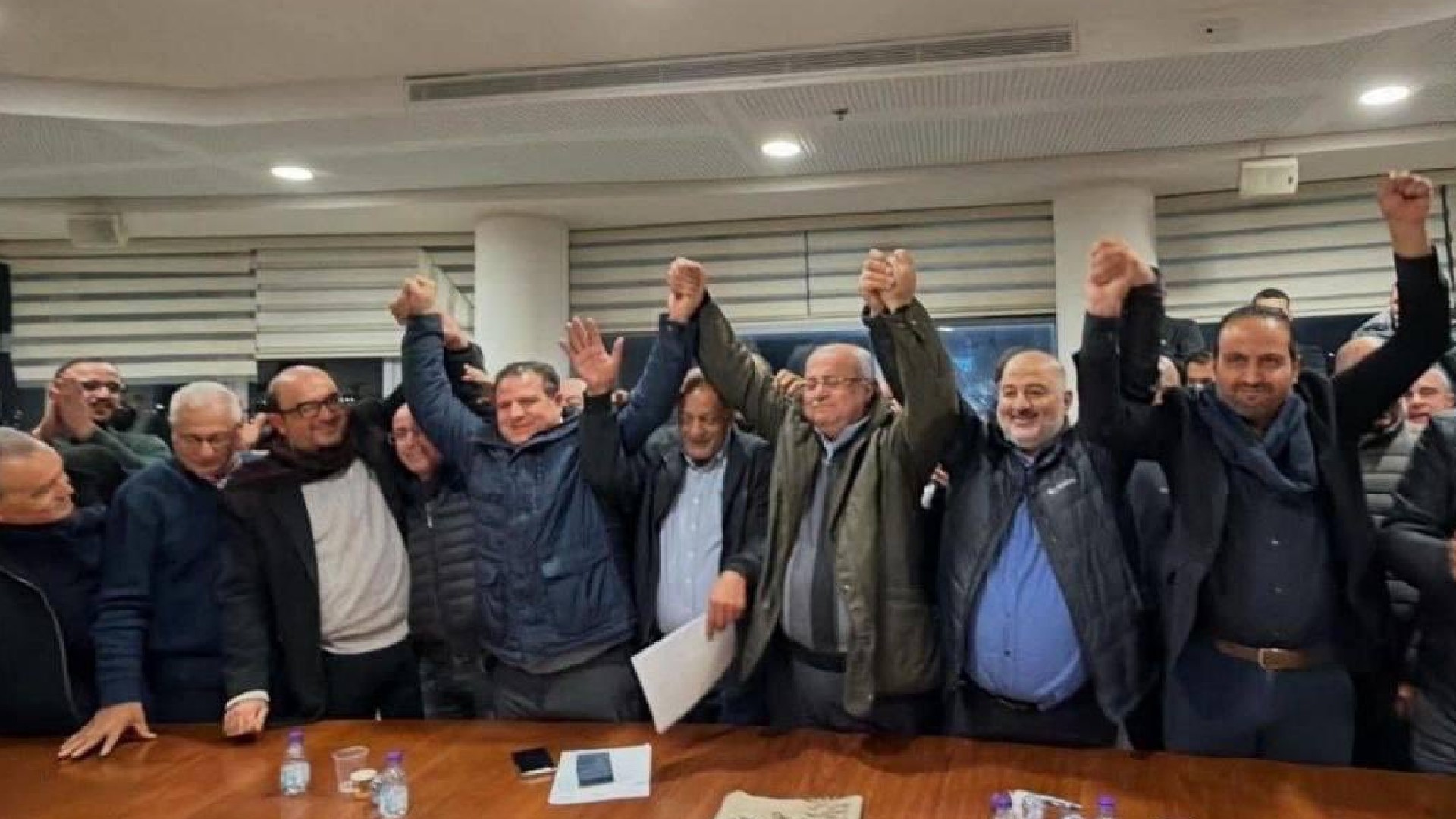
    The party leaders – Sami Abu Shehadeh (Balad), Ayman Odeh (Hadash), Ahmad Tibi (Ta’al), and Mansour Abbas (Ra’am) – formalized their commitment through the signing of the ‘Joint List Now’ declaration in Sakhnin, where mass demonstrations had been ongoing. This reconciliation marks a pivotal moment in Arab-Israeli politics, resurrecting an alliance that previously dissolved in 2021 when Ra’am departed to pursue independent political partnerships.

    The reunification movement gained momentum amid dual crises: the ongoing Gaza conflict and record-breaking criminal violence within Palestinian communities. According to the Abraham Initiatives NGO, 2025 represented the most lethal year on record for Palestinian citizens of Israel, with 252 fatalities from criminal incidents surpassing 2024’s 230 deaths.

    Current polling indicates a reunited Joint List could emerge as Israel’s third-largest parliamentary bloc if elections occur by October as anticipated. The agreement materialized during coordination meetings addressing expanding protest actions against gun violence and allegations of state complicity in organized crime.

    While a party spokesperson characterized the agreement as somewhat coerced by public pressure, Balad leader Abu Shehadeh celebrated the development as restoring ‘hope and spirit to our people everywhere.’ The signed pledge establishes a framework for renewed cooperation, though specific electoral details remain subject to further negotiation.

  • Cargo aircraft with no pilot: UAE’s LODD targets ‘middle mile’ delivery without airports

    Cargo aircraft with no pilot: UAE’s LODD targets ‘middle mile’ delivery without airports

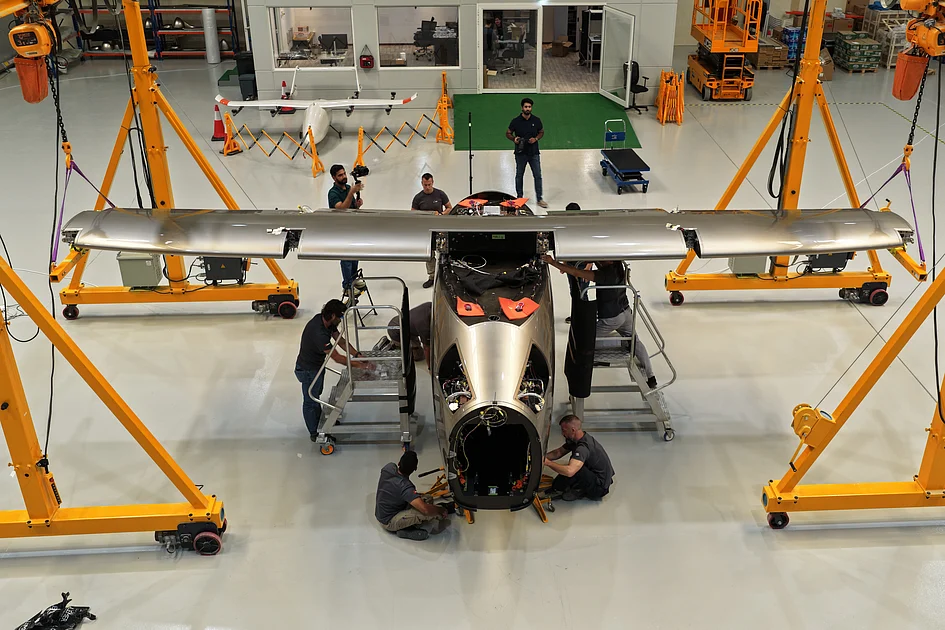
    A groundbreaking aerospace innovation is emerging from Abu Dhabi as LODD Autonomous introduces ‘Hili,’ a medium-sized unmanned cargo aircraft designed to revolutionize regional logistics operations. This pioneering development specifically targets the often-overlooked ‘middle mile’ segment—the critical transportation phase between major logistics hubs and local distribution centers.

    The company has secured significant commercial traction with pre-production agreements for over 200 aircraft from major air operators including Emirates, Etihad Cargo, and several international logistics providers. According to CEO Rashid Al Manai, this demand reflects growing market needs for rapid hub-to-hub connectivity amid booming e-commerce and increasing trade volumes that strain traditional infrastructure-heavy cargo solutions.

    Unlike the saturated market of small delivery drones, LODD’s innovation focuses on medium-capacity operations capable of transporting hundreds of kilograms across hundreds of kilometers. The aircraft’s vertical take-off and landing capability eliminates dependency on traditional runway infrastructure, allowing operations directly from logistics facilities.

    A key technological advancement is the hybrid propulsion system combining electric motors with a combustion engine that continuously recharges batteries during flight, effectively eliminating post-landing charging downtime. This engineering solution, developed by aerospace engineer Fatema Al Marzooqi and her team, enables sustained operational efficiency.

    The development timeline itself represents a remarkable achievement in aerospace innovation, progressing from conceptualization to functional prototype within just 19 months. Current testing focuses on perfecting vertical take-off and landing maneuvers before transitioning to fixed-wing flight, with experimental operations planned for later this year.

    While proudly developed within the UAE, the project has attracted international interest from cargo operators across Europe, Africa, and the United Kingdom, signaling global recognition of autonomous cargo solutions that reduce ground infrastructure investment requirements. The technology addresses both operational efficiency and the global shortage of cargo pilots through its ground-based supervision model where a single operator can monitor multiple aircraft simultaneously.

  • Swiss court orders release on bail of bar owner in probe of fatal New Year’s fire

    Swiss court orders release on bail of bar owner in probe of fatal New Year’s fire

    GENEVA — A Swiss court has granted bail to Jacques Moretti, one of the proprietors of Le Constellation bar in the Alpine resort of Crans-Montana, where a devastating fire during New Year’s celebrations resulted in 40 fatalities and over 100 injuries. The Valais regional court’s decision on Friday reversed its earlier ruling from January 12th that had imposed a three-month pretrial detention.

    The court determined that alternative measures would sufficiently address flight risk concerns. Moretti must remain within Swiss borders, surrender his identity documents to prosecutors, and report daily to local authorities. The court set bail at 200,000 Swiss francs (approximately $252,000), which has been paid in full.

    Swiss prosecutors have initiated criminal proceedings against both Jacques Moretti and his wife Jessica, co-owners of the establishment. They face charges including negligent homicide, negligent bodily harm, and causing a fire through negligence.

    Preliminary investigations indicate the blaze originated from sparkling candles that ignited soundproofing material on the ceiling. Authorities are examining whether the acoustic insulation complied with safety regulations and if the candles were legally permitted for use within the venue. Local officials have confirmed that no fire safety inspections had been conducted at the bar since 2019.

    Legal representatives for the couple issued a statement affirming their clients’ continued cooperation with investigative authorities and expressing that their ‘constant thoughts remain with the victims of this tragedy.’

  • Trump remarks about Nato troops in Afghanistan are ‘insulting’, says Starmer

    Trump remarks about Nato troops in Afghanistan are ‘insulting’, says Starmer

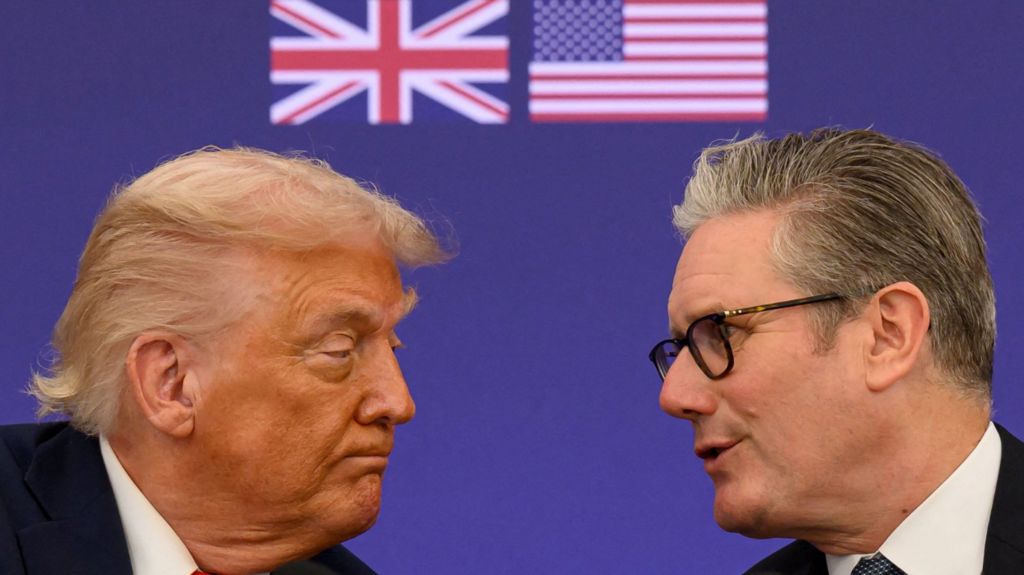
    British Prime Minister Sir Keir Starmer has characterized former U.S. President Donald Trump’s comments regarding NATO troops in Afghanistan as “insulting and frankly appalling,” triggering widespread condemnation across the United Kingdom’s political spectrum. The controversy emerged following Trump’s Fox News interview where he suggested NATO allies remained “a little off the front lines” during the conflict and questioned their reliability if the U.S. required assistance.

    The remarks have particularly stung British veterans and families of the 457 UK service personnel who lost their lives in Afghanistan, the second-highest casualty rate among coalition forces. Corporal Andy Reid, who lost both legs and his right arm to an IED explosion, countered Trump’s assertions by recalling his direct combat experience alongside American soldiers: “If they were on the front line and I was stood next to them, clearly we were on the front line as well.”

    Diane Dernie, mother of severely injured veteran Ben Parkinson, described Trump’s words as “so insulting” and characterized them as “the rantings of a child trying to deflect from his own actions.” She joined growing calls for Starmer to directly confront the former president with demands for an apology.

    The political response has been notably unified, with Conservative leader Kemi Badenoch calling the comments “a disgrace to denigrate their memory” and Liberal Democrat leader Sir Ed Davey referencing Trump’s five deferments from Vietnam military service. Reform UK’s Nigel Farage, typically a Trump supporter, also broke ranks stating unequivocally that “Donald Trump is wrong” about British military participation.

    The White House has doubled down on Trump’s position, issuing a statement defending his criticism of NATO spending contributions while avoiding direct address of the apology demands. The controversy highlights ongoing tensions within the transatlantic alliance as Trump continues to question traditional military partnerships and European defense commitments.

  • Envoys travel the globe to push a US plan for ending Russia’s war in Ukraine

    Envoys travel the globe to push a US plan for ending Russia’s war in Ukraine

    A concerted diplomatic offensive spearheaded by the United States to terminate Russia’s protracted four-year war in Ukraine has intensified significantly since late 2025 and continues to advance into 2026. This peace initiative has triggered an unprecedented flurry of high-level meetings involving national leaders, seasoned diplomats, and special envoys across multiple global capitals.

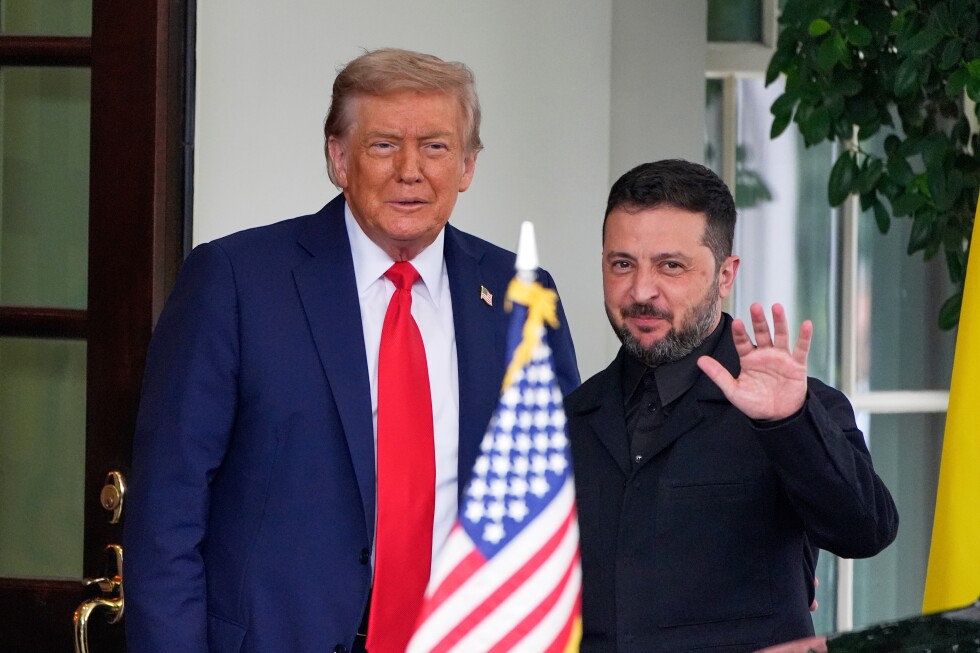
    The diplomatic chronology commenced on November 19, 2025, when Ukrainian President Volodymyr Zelenskyy undertook a strategic visit to Turkey, explicitly aiming to reinvigorate stalled negotiations. This was swiftly followed by revelations of a comprehensive 28-point peace framework jointly prepared by American and Russian officials, which immediately drew criticism for its perceived pro-Moscow orientation.

    Subsequent days witnessed U.S. Army Secretary Dan Driscoll’s briefing of Zelenskyy in Kyiv regarding Washington’s proposed settlement terms. On November 23, Secretary of State Marco Rubio conducted productive talks in Geneva with a Ukrainian delegation led by Presidential Chief of Staff Andrii Yermak, though specifics remained confidential.

    The diplomatic dance expanded geographically when Driscoll engaged Russian officials in Abu Dhabi during November 24-25, while November 30 marked Rustem Umerov’s assumption of delegation leadership following Yermak’s resignation amid energy sector corruption allegations, meeting U.S. counterparts in Florida.

    December’s diplomatic calendar featured Zelenskyy briefing French President Macron in Paris, concurrent with a American delegation’s Moscow visit. The month culminated in a five-hour Kremlin meeting between President Putin and key Trump administration figures Jared Kushner and special envoy Witkoff, described as constructive but incomplete.

    January 2026 witnessed intensified negotiations, including a Paris summit where Ukraine’s allies pledged security guarantees against future Russian aggression. Despite renewed attacks on Ukraine’s energy infrastructure, diplomatic efforts persisted through meetings in Davos and additional rounds in Abu Dhabi, marking the first trilateral discussions involving all conflict parties under U.S. administration mediation.

  • 2 men sentenced to one month in jail for truck diesel theft case in Dubai

    2 men sentenced to one month in jail for truck diesel theft case in Dubai

    Dubai’s judicial system has delivered a decisive verdict in a meticulously planned fuel theft case, sentencing two individuals to one-month imprisonment followed by deportation. The criminal operation unraveled when a truck driver discovered his vehicle missing from the company parking facility, with only faint tire marks indicating unauthorized removal.

    Law enforcement authorities initiated a comprehensive investigation utilizing surveillance footage from the area. CCTV evidence captured a suspect operating the missing truck with apparent confidence through urban thoroughfares before abandoning the vehicle in Jebel Ali’s industrial sector. The precision of the operation suggested careful premeditation.

    Following the circulation of the suspect’s description, Dubai Police apprehended the primary perpetrator. During interrogation, the first defendant confessed to utilizing a retained key to access the commercial vehicle, which he subsequently drove to an isolated location. There, he systematically siphoned the diesel fuel and sold it to a second party for 450 dirhams.

    The purchaser, while admitting to acquiring the fuel, maintained ignorance regarding its illicit origins. Judicial examination revealed the theft’s sophisticated nature—the perpetrator had identified the target vehicle, preserved operational access, and coordinated the transaction with strategic precision.

    Despite both defendants maintaining their initial statements in court, the prosecution presented compelling evidence including visual documentation, voluntary confessions, and recovered contraband. The court differentiated the charges: the first individual received conviction for nocturnal theft accompanied by a 1,650 dirham fine, while the second faced conviction for possessing criminally obtained property with a 450 dirham penalty. Both sentences included mandatory deportation following incarceration.

  • Morocco urges African fraternity after surge in hate speech linked to chaotic Africa Cup final

    Morocco urges African fraternity after surge in hate speech linked to chaotic Africa Cup final

    RABAT, Morocco — King Mohammed VI of Morocco has issued a rare public appeal for unity and fraternity across the African continent following a disturbing surge in racial tensions triggered by the controversial Africa Cup of Nations final. The monarch’s intervention comes as human rights organizations document escalating hate speech targeting sub-Saharan African communities within Morocco.

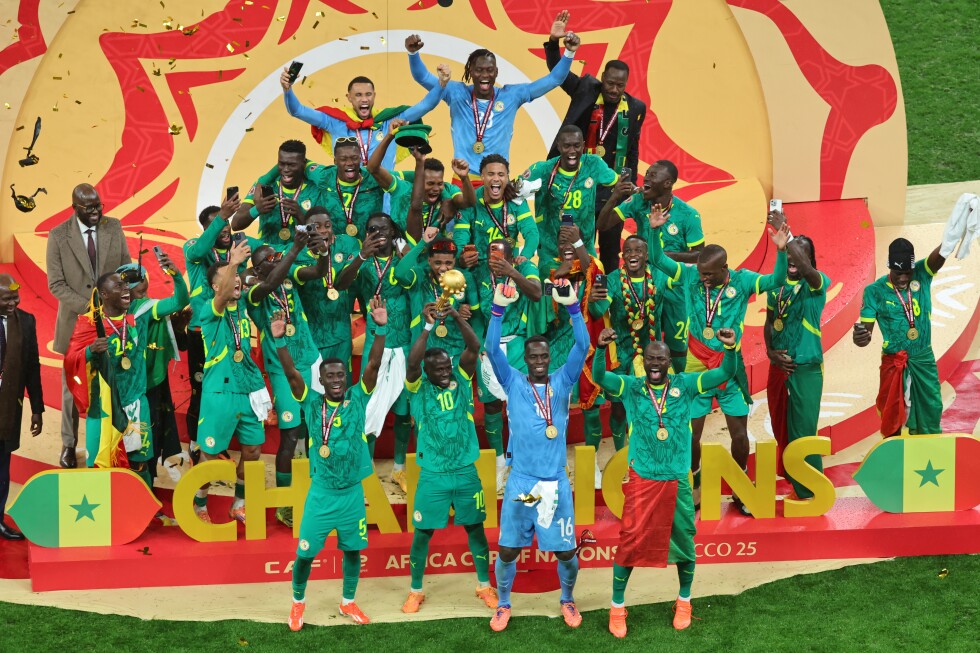
    The diplomatic crisis emerged from Sunday’s championship match where Senegal narrowly defeated host nation Morocco 1-0 during extra time. The game descended into chaos when Senegalese players staged an on-field walkoff protesting a penalty decision during stoppage time, followed by attempts by spectators to storm the pitch. Outraged Senegalese supporters hurled chairs onto the field and clashed with security personnel before police intervention.

    Rabat’s public prosecution office confirmed eighteen Senegalese nationals faced formal charges including inciting violence during sporting events and vandalizing stadium infrastructure. Their petitions for provisional release were denied during Thursday’s court appearance, according to legal representative Naima El Guellaf.

    The physical confrontation rapidly transformed into digital warfare across social media platforms, where public figures from both nations circulated content accused of perpetuating harmful racial stereotypes. The Moroccan Association of Human Rights issued an official statement noting “a serious and worrying resurgence of hate speech and racist practices” targeting sub-Saharan residents in the aftermath of the final.

    In an unusual palace address, King Mohammed VI emphasized historical bonds: “Nothing can undermine the closeness nurtured over centuries between our African peoples, nor the fruitful cooperation built with the various countries of the continent. Morocco is and will remain faithful to the spirit of fraternity, solidarity and respect it has always upheld toward its continent.”

    The timing proves particularly sensitive as Morocco positions itself as a regional leader through substantial investments in West African banking and telecommunications sectors. The nation has strategically opened its ports to landlocked countries, facilitating Atlantic Ocean access and international trade routes. This incident casts uncertainty over Morocco’s joint bid with Spain and Portugal to host the 2030 World Cup.

    In a conciliatory gesture, Senegalese Prime Minister Ousmane Sonko announced forthcoming diplomatic visits to Morocco while confirming his government’s monitoring of detained supporters. The monarch concluded that Moroccans must resist resentment and discord, reframing the tournament hosting as an “African success” despite the controversies.

  • Shenyang winter expo showcases intangible cultural heritage

    Shenyang winter expo showcases intangible cultural heritage

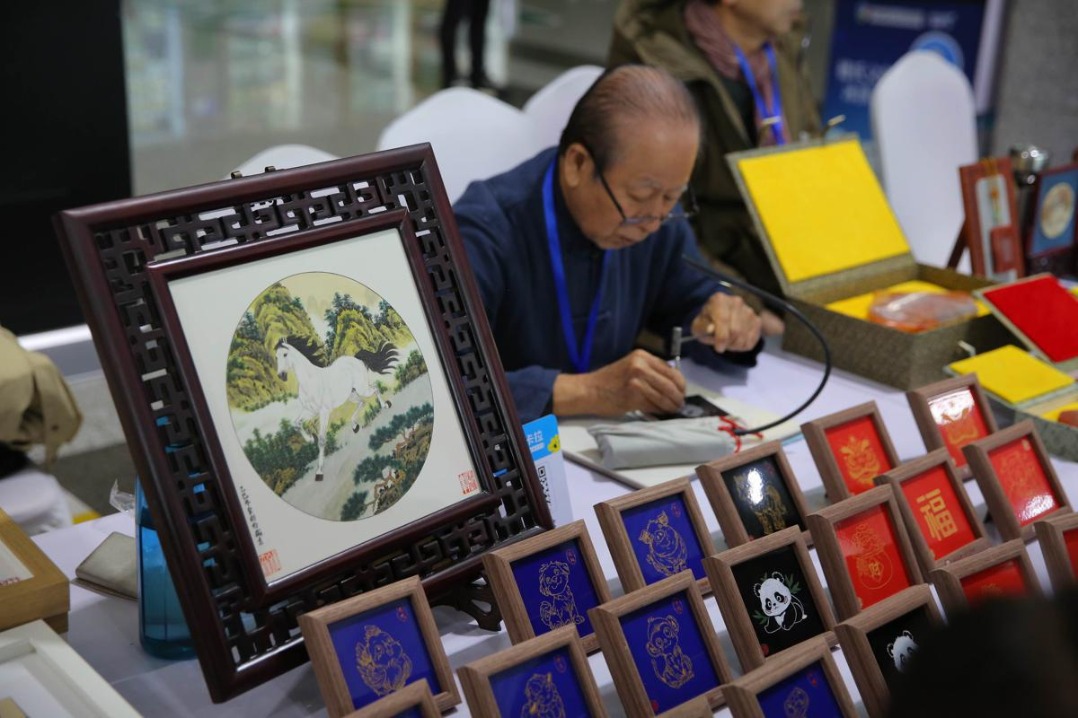
    Shenyang transformed into a winter cultural hub as the 2026 Liaoning Intangible Cultural Heritage Winter Expo commenced its five-day run at the Liaoning Science and Technology Museum on January 23. The immersive event showcases the province’s rich tapestry of traditional arts and crafts through dynamic exhibitions, hands-on workshops, and live performances.

    The exposition represents a strategic initiative to revitalize winter tourism while preserving Northeast China’s cultural legacy. Visitors can engage directly with master artisans demonstrating time-honored techniques, from intricate paper-cutting and embroidery to traditional pottery and folk painting. The interactive format allows participants to experience heritage preservation as active participants rather than passive observers.

    Educational programming forms a core component of the event, with workshops designed for both children and adults to learn about cultural conservation. Performance stages feature traditional music and dance groups representing various ethnic traditions from across Liaoning province. The timing during winter break enables families to incorporate cultural education into their seasonal activities.

    Organizers have positioned the event as both a tourist attraction and cultural preservation effort, aggregating dispersed heritage resources into a centralized, accessible format. The Science and Technology Museum’s modern facilities provide climate-controlled environments for delicate artifacts while accommodating large crowds. Early attendance figures indicate strong public interest in both traditional craft demonstrations and participatory experiences.

  • Somaliland president pitches business opportunities to Trump’s son

    Somaliland president pitches business opportunities to Trump’s son

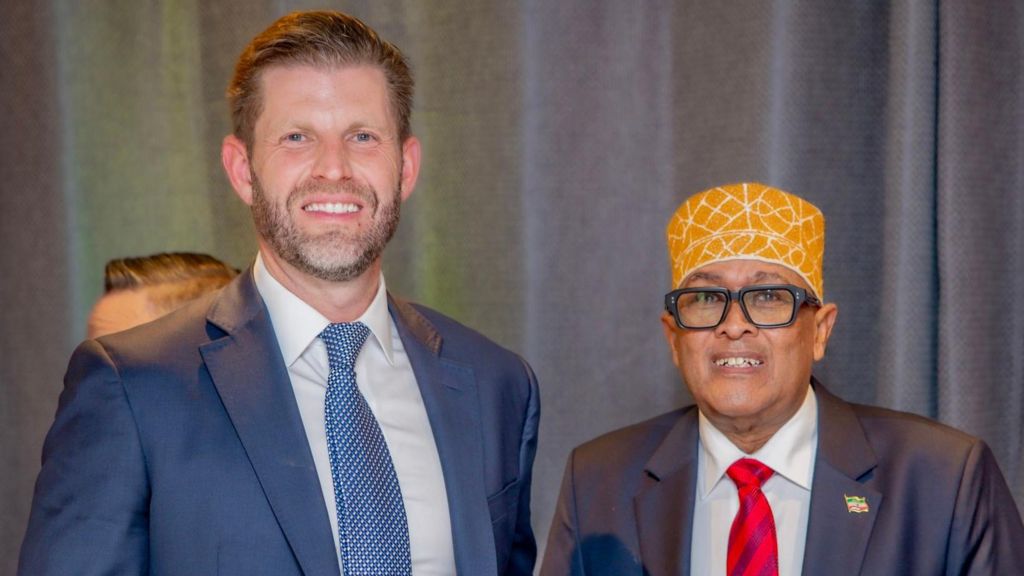
    In a significant diplomatic offensive at the World Economic Forum in Davos, the breakaway republic of Somaliland has engaged in high-level discussions with both Israeli leadership and Eric Trump, signaling a strategic pivot toward international recognition and economic investment. President Abdirahman Mohamed Abdullahi, colloquially known as ‘Cirro,’ conducted separate meetings with Israeli President Isaac Herzog and Trump Organization executive Eric Trump, marking a continuation of Somaliland’s global outreach campaign.

    The presidential office confirmed that bilateral relations with Israel dominated discussions with President Herzog, building upon last month’s historic recognition of Somaliland by Israel—the first nation to formally acknowledge its sovereignty since its 1991 declaration of independence from Somalia. This diplomatic breakthrough has triggered objections from Somalia, the African Union, China, and Turkey, who maintain that the recognition violates Somalia’s territorial integrity.

    Simultaneously, President Abdullahi engaged Eric Trump—senior figure within the Trump family’s business empire—in talks focused on economic opportunities. According to presidential advisor Abdirahman Bayle, Trump demonstrated particular interest in Somaliland’s livestock and agricultural sectors, with discussions centering on industrializing these industries for global export. Notably, Bayle emphasized Somaliland’s transformed approach: ‘For the first time, we are not asking the world for aid. We are offering our resources.’

    The strategically located territory, positioned along critical Red Sea and Gulf of Aden shipping routes, highlighted its deep-water port of Berbera as a potential logistics hub for trade and energy infrastructure during the discussions. This positioning aligns with Somaliland’s broader strategy to leverage its geographic advantages for economic development.

    Israeli President Herzog characterized the meeting as ‘positive,’ expressing enthusiasm for deepening cooperation between the nations. This diplomatic activity follows Israeli Foreign Minister Gideon Saar’s landmark visit to Somaliland earlier this month, where he committed to advancing relations ‘with momentum.’

    Despite functioning as an autonomous state with its own government, currency, and security forces for over three decades, Somaliland’s quest for widespread international recognition remains ongoing. The Davos engagements represent a multifaceted approach combining diplomatic recognition efforts with economic diversification initiatives.

  • Mali’s government moves to impose fuel rationing as al-Qaida-linked attacks cut off supplies

    Mali’s government moves to impose fuel rationing as al-Qaida-linked attacks cut off supplies

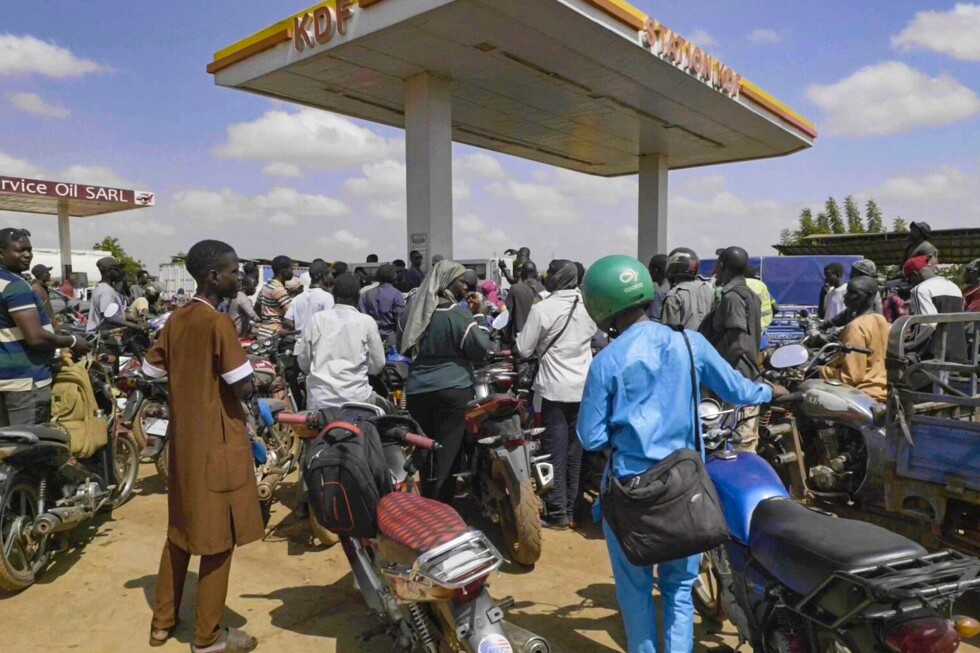
    The Malian government has announced stringent fuel rationing measures to address critical shortages stemming from militant attacks on supply routes. This decision comes as al-Qaida affiliated groups operating in border regions have systematically targeted fuel infrastructure, burning over a hundred tanker trucks since September and severely disrupting imports to the landlocked nation.

    Officials revealed the rationing system will implement vehicle registration and waiting periods between refueling—72 hours for cars and 48 hours for motorcycles—though no specific start date was provided. The announcement strategically precedes the Muslim holy month of Ramadan, when transportation demands typically increase.

    In a significant geopolitical shift, Russian Africa Corps troops—Moscow’s state-controlled paramilitary force—have begun providing armed escorts for fuel convoys across Mali. This security collaboration marks a definitive pivot from Western alliances by Mali’s military junta and neighboring regimes in Burkina Faso and Niger, who now seek Russian support in combating Islamist militants.

    Trade Minister Moussa Alassane Diallo stated the measures would enable complete governmental control over gasoline distribution, while petroleum importers union head Ibrahim Touré acknowledged military escorts were essential to resolving the crisis. However, taxi drivers in Bamako expressed grave concerns about the rationing’s impact on their livelihoods, noting their operational requirements far exceed the proposed limits.

    Security analysts indicate the junta’s actions likely aim to preempt popular discontent over prolonged shortages. According to Beverly Ochieng of Control Risks, militant activity continues to pose substantial challenges to fuel transportation, suggesting supply stability will remain inconsistent in the foreseeable future.