博客

  • Transport workers target Amazon ahead of possible strike action

    Transport workers target Amazon ahead of possible strike action

    Australia faces potential widespread industrial disruption as the Transport Workers’ Union (TWU) launches a multi-stage campaign targeting e-commerce giant Amazon and other transport sector employers. The union has announced coordinated picketing at Amazon warehouses nationwide this Thursday, marking the initial phase of what it describes as a grueling confrontation with “Australia’s deadliest industry.”

    TWU National Secretary Michael Kaine characterized Amazon as “a giant anaconda squeezing the life from Australian jobs,” accusing the multinational corporation of systematically undermining industry standards through cost-cutting measures. The union warns that tens of thousands of transport workers stand ready to escalate to protected strike actions in July if companies involved in ongoing enterprise agreement negotiations fail to address working conditions and compensation standards.

    The confrontation stems from bargaining covering more than 200 enterprise agreements across road transport and aviation sectors. Union officials cite alarming industry statistics, reporting 19 fatalities—including five truck drivers—in transportation incidents since early 2026, alongside a 48% increase in transport business insolvencies compared to the previous year.

    Kaine specifically condemned what the union terms the “Amazon effect”—a multi-pronged approach that allegedly pressures transport contractors through the Amazon Flex app platform, which utilizes gig economy workers using personal vehicles. The union claims this model intensifies pressure on drivers and undermines established transport companies, with recent adoption by grocery chain Harris Farm exacerbating these concerns.

    This industrial action follows formal notices issued to Amazon in November by multiple unions, including the Shop, Distributive and Allied Employees’ Association and the Media Entertainment and Arts Alliance, regarding artificial intelligence implementation and wage structures. Amazon continues to face coordinated labor challenges globally, with similar protests occurring recently in both Australian and American facilities over working conditions and compensation.
  • Canadian PM Mark Carney takes veiled swipe at Trump, urges closer Australia ties

    Canadian PM Mark Carney takes veiled swipe at Trump, urges closer Australia ties

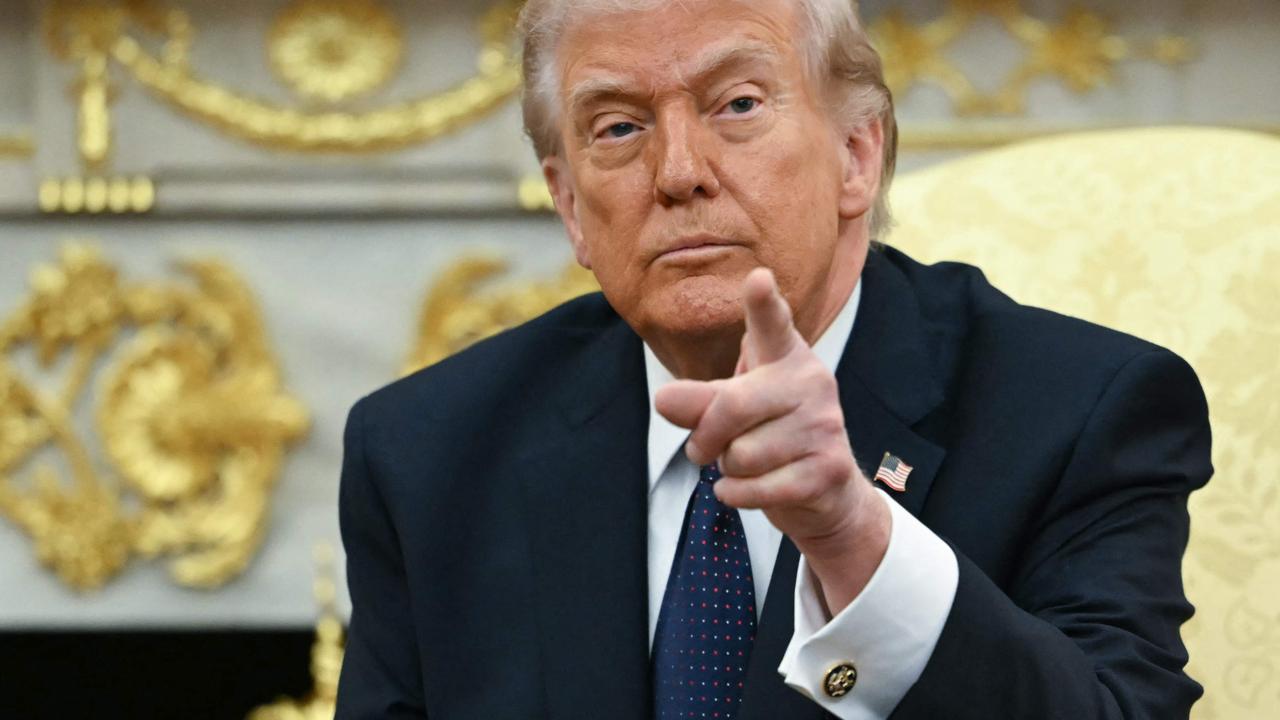
    Canadian Prime Minister Mark Carney has delivered a strategic address in Sydney advocating for strengthened cooperation among middle-power nations, while offering subtle critiques of American unilateralism under Donald Trump’s leadership. Speaking at the Lowy Institute during his multi-day state visit, Carney outlined Canada’s vision for a \”no regret strategy\” that prioritizes diversified international partnerships over dependence on any single global hegemon.\n\nThe Prime Minister articulated concerns about the current \”rupture in the international system,\” emphasizing that traditional norms of the rules-based order are being systematically erased. He positioned Canada and Australia as pivotal players in a coalition of democracies that collectively possess economic and strategic advantages exceeding those of the United States. \”When we only negotiate bilaterally with the hegemon, we negotiate from weakness,\” Carney stated, in what observers interpreted as a reference to U.S. dominance.\n\nCarney revealed significant economic leverage held by the proposed coalition, noting that Canada and Australia collectively control a $25 billion investment fund for critical minerals projects, one-third of global lithium and uranium reserves, and 40% of iron ore supplies. He further highlighted that the broader coalition including Japan, South Korea, and European nations represents a GDP larger than the United States, triple China’s trade flows, and the world’s largest research and development expenditure.\n\nOn defense matters, the Canadian leader disclosed that 70 cents of every dollar spent on defense capital currently goes to the United States, underscoring the need for strategic diversification. He praised the Coalition of the Willing supporting Ukraine as demonstrating the effectiveness of ad hoc international groupings that value sovereignty and territorial integrity.\n\nWhen pressed about managing relations with a potential Trump administration, Carney advocated for an approach of \”respect, but not obsequiousness,\\” noting that private directness proves more effective than public confrontation. He expressed measured criticism of recent U.S. and Israeli actions against Iran undertaken without UN consultation, while simultaneously affirming Canada’s support for regime change in Tehran.\n\nThe address positioned middle powers as having underestimated influence in shaping a more prosperous and just international order through variable geometry cooperation—forming different coalitions for different global challenges.

  • Khamenei’s son reportedly chosen as Iran’s next supreme leader

    Khamenei’s son reportedly chosen as Iran’s next supreme leader

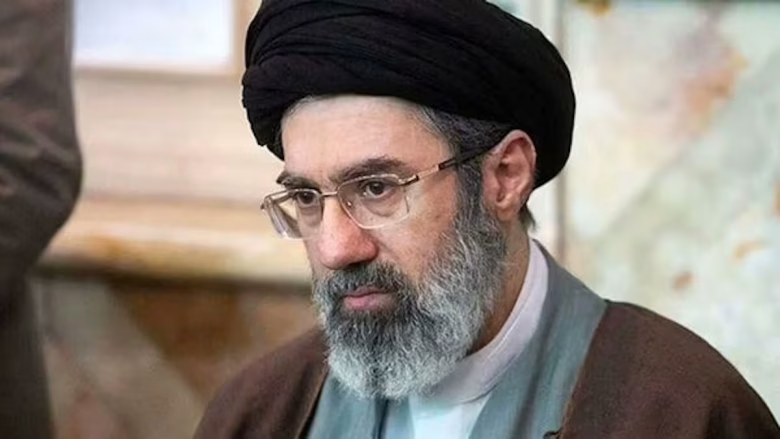
    Iran faces a critical leadership vacuum following the death of Supreme Leader Ayatollah Ali Khamenei during ongoing military operations by the United States and Israel. Opposition channel IranIntl reports that the Assembly of Experts has elected Mojtaba Khamenei, the late leader’s eldest son, as successor, though official confirmation remains pending.

    The constitutional succession mechanism has been activated through the Assembly of Experts—88 Islamic scholars rigorously vetted for loyalty to the regime. This body now faces the extraordinary challenge of selecting leadership during active warfare, with the explicit goal of US-Israeli operations being regime change in Iran.

    Potential candidates include Mojtaba Khamenei, who has recently increased his public visibility; Hassan Khomeini, grandson of the Islamic Republic’s founder; and Alireza Arafi, a member of the Guardian Council with significant religious and political standing. The unexpected death of President Ebrahim Raisi in a 2024 helicopter accident eliminated what many considered the most likely successor.

    An interim council consisting of Arafi, moderate President Masoud Pezeshkian, and hardline judiciary head Gholam-Hossein Mohseni-Eje’i is currently governing. However, the Islamic Revolutionary Guard Corps (IRGC) appears to be driving military strategy, closing the Strait of Hormuz and launching attacks on neighboring states hosting US bases.

    These aggressive actions have damaged Iran’s recently improved relations with Arab neighbors, including Saudi Arabia, with whom diplomatic ties were only restored in 2023. Gulf Cooperation Council members now reportedly consider abandoning neutrality and striking back against Iranian attacks.

    The regime’s survival strategy appears to focus on enduring aerial strikes while inflicting sufficient economic and military damage to undermine US resolve. Tehran calculates that prolonged conflict will demonstrate the impracticality of regime change, potentially causing the Trump administration to reconsider its military campaign.

  • Building dreams: Infrastructure fuels grassroots soccer

    Building dreams: Infrastructure fuels grassroots soccer

    The transformation of China’s infrastructure landscape is creating unprecedented opportunities for grassroots sports development, as demonstrated by the remarkable journey of soccer fans from Diqing Tibetan Autonomous Prefecture. Traveling approximately 10 hours across Yunnan province, these dedicated supporters recently made the cross-provincial trip to Mengla, a southern border county, to cheer for their local team in a Yunnan Super League match—a journey that would have been nearly impossible just years ago.

    China Daily correspondent Yan An documented this symbolic expedition, highlighting how modern transportation networks have erased traditional geographical barriers. The narrative extends beyond mere athletic competition, revealing how railway systems cutting through mountainous terrain, modern stadiums emerging across regions, and renewable energy infrastructure represent more than engineering marvels—they embody China’s commitment to fulfilling citizens’ aspirations for enhanced quality of life.

    This development story gains particular significance as China prepares to review the 15th Five-Year Plan (2026-30) for national economic and social development during the upcoming two sessions. The convergence of infrastructure advancement and sports development illustrates a broader national strategy aimed at fostering social cohesion and improving accessibility to cultural and recreational activities across all regions.

    The Diqing-to-Mengla journey serves as a microcosm of China’s ongoing development narrative, where infrastructure investments are deliberately aligned with community needs and aspirations. This approach not only facilitates physical mobility but also strengthens cultural connections and promotes sports participation at the grassroots level, ultimately contributing to broader social development goals.

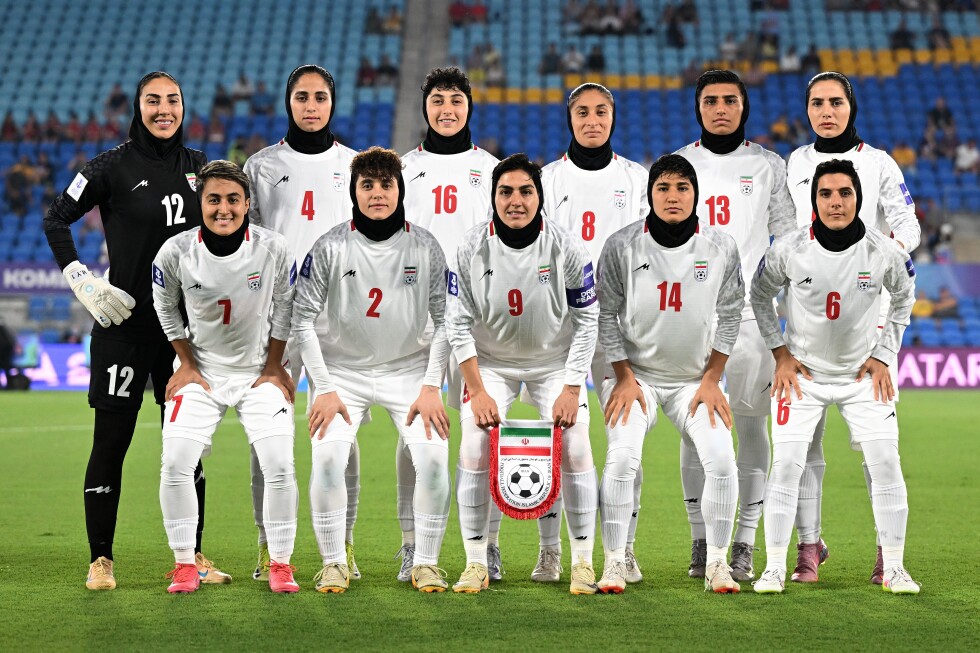
  • Iran player Sara Didar holds back tears responding to a war-related question at Women’s Asian Cup

    Iran player Sara Didar holds back tears responding to a war-related question at Women’s Asian Cup

    GOLD COAST, Australia — The Iranian women’s national football team is competing in the Women’s Asian Cup under the shadow of escalating conflict in their homeland, creating an emotionally charged atmosphere as they prepare for their crucial Group A match against Australia.

    Striker Sara Didar, 21, fought back tears during a pre-match press conference as she articulated the team’s collective anxiety about family members and loved ones facing wartime conditions in Iran. “Naturally, we’re all deeply concerned and heartbroken by events unfolding in Iran and the situation affecting our families,” Didar expressed through a translator. “I genuinely hope for positive developments ahead and pray for my country’s resilience.”

    The squad’s emotional turmoil was visibly demonstrated before their opening match against South Korea on Monday, when players maintained solemn silence during the Iranian national anthem at Gold Coast Stadium. The team had arrived in Australia prior to Saturday’s military strikes that precipitated broader regional conflict.

    Tournament organizers attempted to maintain focus on sporting matters, with Asian Football Confederation moderators requesting journalists to restrict questions to football-related topics. Despite this directive, both Didar and head coach Marziyeh Jafari addressed their concerns when questioned about the humanitarian situation.

    Coach Jafari detailed the team’s communication challenges: “We have significant worries regarding the wellbeing of our families and all Iranian citizens back home, with whom we experience limited contact due to infrastructure disruptions. However, as professional athletes, we must concentrate on our football responsibilities and perform optimally in upcoming matches.”

    The team has received supportive gestures from both opponents and the Iranian diaspora in Australia. A contingent of Iranian supporters waved national colors and pre-revolutionary flags during Monday’s match, chanting encouragement for their national team.

    Australian coach Joe Montemurro emphasized compassion toward the Iranian squad, stating: “We intend to provide them with an exceptional tournament experience. For us, this represents an opportunity to demonstrate human empathy, respect, and showcase Australia’s welcoming nature.”

    Competitively, Australia seeks to secure quarterfinal qualification with a victory after their initial 1-0 win against the Philippines. Iran remains focused on achieving top-eight placement to qualify for the 2027 World Cup in Brazil, making their Asian Cup performance critically important despite external circumstances.

  • Kathmandu empties as around 800,000 Nepalis head home to vote

    Kathmandu empties as around 800,000 Nepalis head home to vote

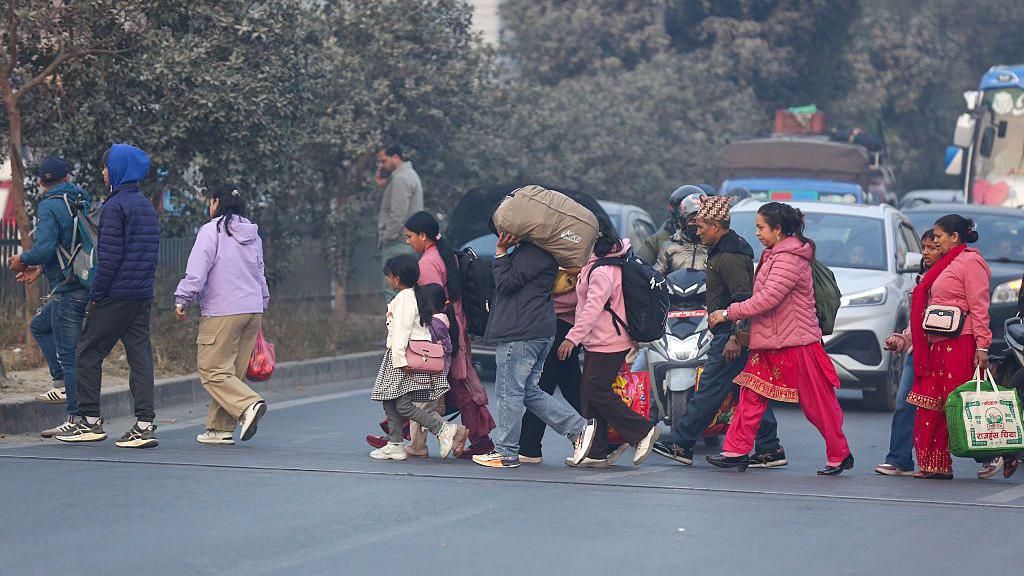
    Nepal is witnessing an unprecedented domestic migration as approximately 800,000 citizens have departed the densely populated Kathmandu Valley over the past week, undertaking arduous journeys to their ancestral hometowns to participate in Thursday’s pivotal parliamentary elections. This massive movement represents a significant portion of the valley’s population, where about 10% of Nepal’s 30 million residents reside for employment and educational opportunities.

    The extraordinary exodus has created remarkable scenes across the Himalayan nation, with photographs capturing extensive crowds congregating along major highways amidst fleets of jeeps, minibuses, and vans. Transportation authorities have reported severe traffic congestion lasting several hours throughout the weekend as citizens comply with electoral regulations requiring them to vote in their registered constituencies—typically their birthplaces.

    This election marks Nepal’s first national vote since September 2025, when youth-led anti-corruption demonstrations successfully toppled the previous government. The political significance of this moment is not lost on voters like Saroj Chapagain, who endured a 14-hour bus journey from Kathmandu to his hometown in Bardiya district. “I have come home to cast my ballot in order to safeguard the constitution and the system,” the 38-year-old stated, emphasizing that while his single vote might not determine the outcome, it carries profound symbolic importance for Nepal’s democratic foundations.

    However, electoral enthusiasm is not universal. Ophthalmologist Rabindra Singh Thakuri represents a segment of the population expressing skepticism toward political newcomers. He and his colleagues prefer established political parties, fearing that inexperienced leadership might hinder national progress.

    The electoral process will involve approximately 19 million eligible voters, including nearly one million first-time participants. They will select 275 parliament members through a mixed electoral system: 165 via first-past-the-post voting and the remainder through proportional representation. Notably, nearly one-third of the 3,400 candidates are under 40 years old, reflecting a generational shift in Nepalese politics.

    In preparation for the election, authorities have suspended all non-essential public and private transportation from Wednesday through Thursday, while air travel continues uninterrupted. The government has additionally declared Wednesday through Friday as public holidays, coinciding with both the election and the Fagu festival (also known as Holi), celebrated by South Asian communities worldwide.

    Among the most closely monitored races is the Jhapa-5 constituency, traditionally a stronghold of former Prime Minister KP Sharma Oli, who resigned during last year’s protests. He faces a formidable challenge from ex-rapper Balendra Shah, who gained initial prominence through provocative musical critiques targeting Nepal’s political establishment.

  • Australian sharemarket suffers massive tumble as escalating Middle East war wipes out $63bn

    Australian sharemarket suffers massive tumble as escalating Middle East war wipes out $63bn

    Australia’s financial markets experienced a severe downturn on Wednesday as escalating Middle East conflicts and persistent inflation anxieties triggered a massive sell-off, erasing approximately $63 billion in market value. The benchmark ASX 200 index plummeted 176.1 points, representing a 1.90 percent decline to settle at 8901.20, while the broader All Ordinaries index mirrored this downward trajectory with a 180.1 point drop to 9117.10.

    The market downturn manifested across all sectors, with materials, real estate, and consumer staples experiencing the most significant losses. Major mining corporations bore the brunt of the sell-off, with West African Resources plunging 7.39 percent, Westgold Resources declining 7.14 percent, and industry giants BHP and Rio Tinto falling 3.5 percent and 1.61 percent respectively. The banking sector similarly faced substantial pressure, with ANZ leading losses at 3.71 percent.

    Despite the widespread decline, energy companies demonstrated resilience amid the market turmoil. Woodside Energy advanced 0.89 percent while Santos recorded a modest 0.41 percent gain, benefiting from increased oil prices driven by geopolitical uncertainties. This sectoral performance aligns with analysis from Global X ETFs strategist Marc Jocum, who noted that Australia’s commodity-heavy market composition provides a natural hedge during geopolitical crises.

    The market volatility occurred against a complex economic backdrop. Recent GDP data revealed Australia’s economy expanded by 2.6 percent in the fourth quarter, exceeding economist forecasts. This robust economic performance, combined with persistent inflation concerns, has increased expectations of additional interest rate interventions by the Reserve Bank later this month.

    International markets reflected similar patterns of instability. Asian exchanges experienced pronounced declines, with South Korea’s markets temporarily suspending trading after indices plunged nearly 10 percent. United States markets attempted recovery from early session losses but ultimately closed negative, with the Dow Jones, Nasdaq, and S&P 500 all recording declines between 0.83 and 1.02 percent.

    The Australian dollar continued to face pressure throughout the trading session, declining to approximately 70 US cents amid the broader market uncertainty and shifting global risk appetites.

  • Some West African farmers turn to TikTok as part of agriculture’s changing image

    Some West African farmers turn to TikTok as part of agriculture’s changing image

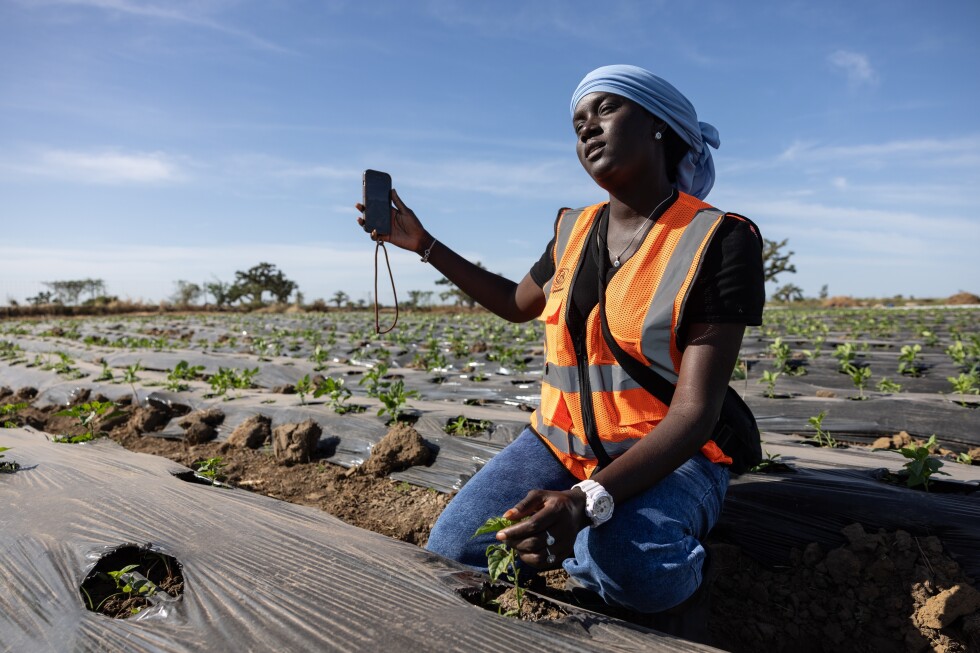
    DAKAR, Senegal — A digital agricultural revolution is unfolding across West Africa as farmers leverage social media platforms like TikTok to transform traditional farming practices and market access. What began as entertainment platforms have evolved into vital business tools for millions of agricultural producers throughout the region.

    Pape Fall, a Senegalese farmer, exemplifies this transformation. Initially using TikTok for football highlights and humorous content, Fall now conducts most of his business through the platform. His profile features looped videos showcasing cucumber harvests set to Senegalese rap music, complete with availability details and contact information. This digital approach has enabled him to directly connect with buyers, bypassing traditional intermediaries.

    The phenomenon represents a significant shift in how agriculture is perceived and practiced in a region historically plagued by food insecurity and poverty. While foreign funding reductions from U.S. and other international donors have exacerbated challenges, social media has emerged as an unexpected solution, providing both educational resources and market opportunities.

    According to Abbie Phatty-Jobe, digital agriculture specialist at U.K.-based research firm Caribou, “Social media is democratizing access to information for farmers.” Caribou’s research, the first to examine regional farmers’ TikTok usage, has helped establish a network of 24 agricultural influencers across 11 African countries, reaching approximately 5 million people with content that translates scientific research into practical farming advice.

    The platform’s impact extends beyond marketing. Fall credits TikTok tutorials with improving his cultivation techniques, specifically mentioning advice from a Moroccan farmer about cucumber stem management that significantly increased his yields. This knowledge exchange occurs across continents, with farmers from North Africa to Asia sharing best practices.

    Regional preferences vary significantly: West African farmers favor TikTok’s video format and local language support, while East African producers prefer Facebook’s text-based posts due to higher literacy rates. Successful entrepreneurs like 29-year-old Nogaye Sene have built substantial businesses through these platforms, with Instagram and TikTok generating 70% of her clients for farmland management services targeting both local residents and diaspora investors.

    However, challenges persist. Sene warns of widespread online scams involving fake farming consultants, while researcher Nicolas Paget notes that approximately 80% of farmers lack smartphones capable of running these applications. Even those with access face prohibitive data costs, with West African data packages being more expensive than European equivalents.

    Despite these barriers, the organic adoption of existing social platforms appears more effective than customized solutions. As Paget observes, “Farmers are using existing apps in very creative ways and adapting them to their needs”—a testament to the innovative spirit driving agricultural digitalization in West Africa.

  • Texas tests party fault lines as US midterms begin

    Texas tests party fault lines as US midterms begin

    The American political landscape entered a pivotal phase as Texas Republicans advanced to a runoff election, revealing profound internal divisions within President Donald Trump’s party during Tuesday’s primary elections. This electoral battleground has emerged as a critical testing ground for both major parties as they strategize for the remainder of Trump’s second term and prepare for November’s consequential congressional elections.

    Voters across the Lone Star State participated in selecting U.S. Senate candidates through contests that effectively measure the political temperament of the electorate. These races serve as a barometer for whether voters prioritize legislative experience and stability or favor candidates who embody political confrontation, even when such positioning might compromise general election viability.

    The primary season commenced with Texas anchoring the initial slate of contests, accompanied by simultaneous elections in North Carolina and Arkansas. These early votes will significantly influence the impending struggle for congressional control. The November general election will determine all 435 House seats and 35 Senate positions, ultimately deciding whether President Trump will govern with a cooperative legislative branch or face a Democratic majority capable of blocking presidential initiatives and launching investigative proceedings.

    Republicans begin this electoral cycle defending a narrow 53-47 Senate majority and an exceptionally slim House advantage. Democratic strategists seek to leverage any public backlash against the Trump administration’s policy agenda to regain legislative power.

    According to Peter Loge, Professor of Political Communication at George Washington University, “Donald Trump remains the central figure in all these primary contests, regardless of individual candidates’ preferences.”

    The electoral proceedings occurred shortly after the United States entered armed conflict alongside Israel against Iran, though political analysts remain uncertain whether this geopolitical development will substantially affect voter turnout or sentiment during the early campaign period.

    In the marquee Texas contest, four-term Republican Senator John Cornyn faced a formidable challenge from Texas Attorney General Ken Paxton, a dedicated Trump ally who has cultivated substantial grassroots support despite enduring multiple ethics controversies and a 2023 impeachment trial. Major news networks projected that neither candidate achieved the required 50 percent threshold, forcing a May runoff election. Cornyn has cautioned party members that nominating Paxton could potentially jeopardize a Senate seat that Republicans cannot afford to lose in November.

    Meanwhile, Democratic primary voters weighed strategic alternatives between U.S. Representative Jasmine Crockett’s confrontational approach and state representative James Talarico’s appeal to moderate conservatives. Crockett maintains her combative style can energize Democratic turnout in a state where the party hasn’t won statewide office in three decades, while Talarico positions himself as capable of attracting disaffected Republicans and independent voters.

    The potential for extended runoff campaigns raises concerns about prolonged intraparty conflicts and the depletion of crucial financial resources needed for the general election battles ahead.

  • South Korea woman and doctors guilty of murder after killing newborn baby

    South Korea woman and doctors guilty of murder after killing newborn baby

    A Seoul court has delivered a groundbreaking verdict, convicting a woman and two medical professionals of murder following a controversial late-term abortion procedure. The case centers on a pregnancy termination at 36 weeks that resulted in the death of a newborn placed in a medical freezer.

    The defendant, identified only as Ms. Kwon, received a three-year suspended sentence with 200 hours of mandatory community service. The attending surgeon was sentenced to four years imprisonment while the hospital director received a six-year term. Both medical professionals were immediately taken into custody following Wednesday’s verdict.

    This legal proceeding has exposed South Korea’s ongoing regulatory vacuum regarding abortion procedures. Despite the Constitutional Court striking down the nation’s abortion ban in 2019, lawmakers have failed to establish clear legislative guidelines. This has created a legal gray area where abortions technically remain accessible but without official gestational limits or procedural regulations.

    The court heard disturbing testimony that after delivering the viable infant via Caesarean section, medical staff placed the newborn in a freezer where it died. Prosecutors revealed the hospital subsequently falsified medical records to indicate a stillbirth. Evidence presented showed the medical facility had allegedly received approximately 1.4 billion won while performing abortions on over 500 patients, many recruited through brokers.

    During proceedings, Kwon testified she became aware of her pregnancy at seven months and sought termination due to financial instability and concerns about potential fetal abnormalities from alcohol and tobacco use during pregnancy. However, the court determined she had been informed of the baby’s healthy condition through ultrasound and heartbeat monitoring, and understood the procedure would result in a live birth.

    In sentencing remarks, the judge acknowledged the societal context, noting that while the crime warranted severe punishment, leniency was appropriate given the absence of support systems for women in such circumstances. The ruling highlights the urgent need for legislative action to address South Korea’s abortion regulatory framework, which remains in limbo five years after the constitutional court mandate for reform.