The ongoing military conflict in Iran has sent global energy markets into chaos, pushing oil and gasoline prices sharply upward — and delivering staggering windfall profits to the world’s largest oil companies, new corporate earnings reports show.
Across Europe, the Middle East and North America, top oil producers have reported blowout profit growth in the first and second quarters of 2024, built on the back of elevated energy prices triggered by disrupted shipping through the Strait of Hormuz, the world’s busiest chokepoint for global oil trade. Roughly 20% of the planet’s daily oil supply moves through the strategic waterway, which has been largely closed to commercial tanker traffic since the outbreak of conflict in late February.
Six of Europe’s biggest oil companies amassed a combined $22 billion in net profit during the first quarter, a jump of more than 40% compared to the same period last year. London-based BP extended that winning streak into the second quarter, announcing Tuesday that its profits more than doubled to $3.9 billion. Saudi Aramco, the world’s largest crude exporter, posted an even stronger performance: the state-owned energy giant notched a 44% year-over-year increase in second-quarter net profit, hitting $32.69 billion, lifted by rising prices for crude, refined fuels and chemical products.
These blockbuster results from Middle Eastern and European oil majors follow similar blowout earnings reports from the largest U.S. oil drillers, released last week. Texas-based Exxon Mobil said Friday that its second-quarter profit doubled to $14.5 billion, fueled by record diesel production, with overall revenue climbing 42% to $116 billion. Houston-based Chevron saw an even steeper gain, with profits nearly quadrupling to $12 billion and revenue surging 56% to over $70 billion.
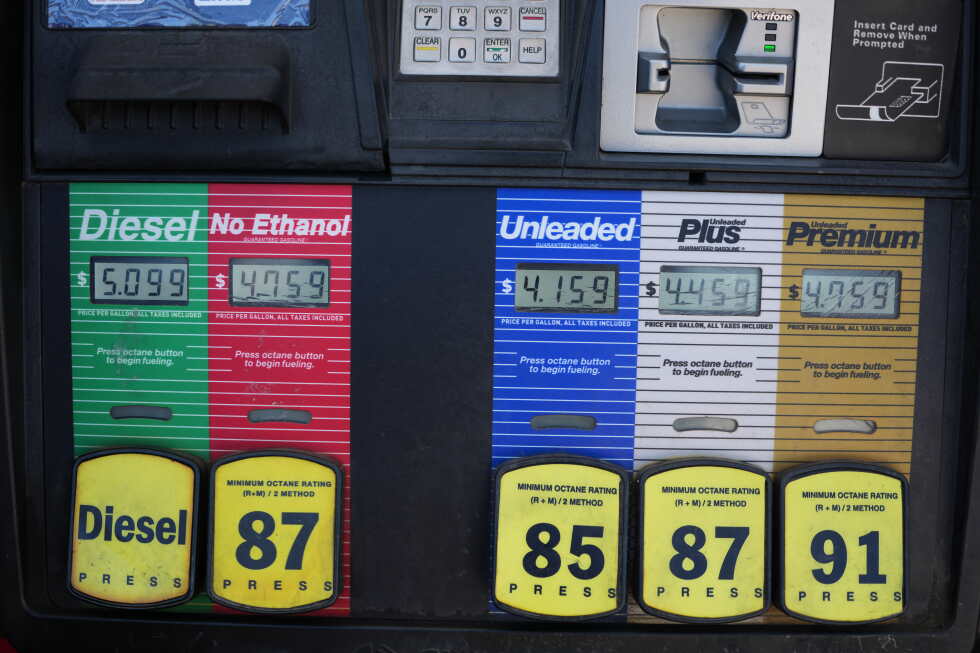
For consumers worldwide, the energy market disruption has translated directly to higher everyday costs. Elevated oil prices have pushed up prices for gasoline, jet fuel and diesel, raising shipping costs for all goods that rely on ground, air or sea transport. In Western countries, this has translated to more expensive fill-ups at the gas pump and higher airfares for travelers. But the impact is far more severe across much of Asia, which relies disproportionately on oil exports that pass through the Strait of Hormuz. Several Asian nations have already faced acute fuel shortages, forcing governments to implement fuel rationing and temporarily close schools and public offices.
The soaring profits of big oil have drawn sharp criticism from U.S. President Donald Trump, who slammed the companies this week for what he called outsized gains even after oil prices fell to a three-week low on Tuesday.
“They made too much money, too much money,” Trump told reporters Monday. “They ought to give some of that back to the public, and they better cut the retail price.” Trump added that he was unhappy with the results posted by Chevron and Exxon Mobil, despite the fact that energy prices only spiked after the U.S.-backed military actions in Iran that led to the closure of the Strait of Hormuz.
Oil prices dipped sharply this week, following comments from U.S. Treasury Secretary Scott Bessent, who told CNBC that a deal to reopen the Strait of Hormuz could come as soon as 24 hours. On Tuesday, U.S. crude fell 5.4% ($4.36) to settle at $75.98 per barrel, down from roughly $92 per barrel in late July, but still more than 13% higher than levels seen before the conflict began. International benchmark Brent crude also dropped 4.9% to $83.87 per barrel.
A diplomatic resolution to the five-month-long conflict would allow hundreds of tankers carrying oil and energy products trapped in the Persian Gulf to resume their journey to global markets, easing supply shortages.
Despite the recent pullback in oil prices, shares of major oil companies have outperformed broader markets by a wide margin this year, with stock values climbing between 20% and 30% — far outstripping the 13% gain logged by the S&P 500 index over the same period.