Weeks of world-class athletic competition at the 2026 Commonwealth Games in Glasgow drew to a close on Sunday, but the event has been overshadowed by an ongoing investigation: multiple participating athletes have vanished from official team accommodation and failed to return home with their national delegations.
Police Scotland confirmed this week that it has received formal reports of several athletes remaining unaccounted for in the days after the closing ceremony. Inquiries into their whereabouts are still active, authorities said, with early coordination already underway with the UK Home Office to clarify the circumstances of their disappearances.
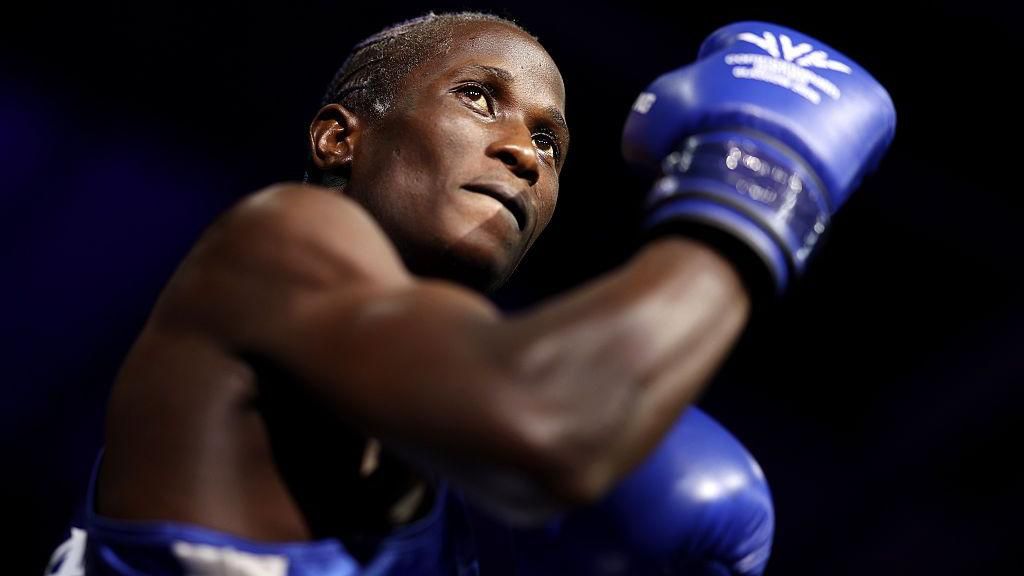
Local Ugandan media has identified four missing athletes all members of the country’s boxing delegation as Nuhu Batte, Angel Katushabe, Ibrahim Kemis and Emily Nakalema. Uganda-based sports outlet NBS Sport reported that it has spoken directly to one of the four missing boxers, who confirmed the group’s intention to seek asylum in Scotland. The athlete told the outlet the group made the decision to stay in the UK to pursue better training resources and professional boxing opportunities than they could access in their home country, and appealed to the Ugandan public for understanding, asking not to be condemned for their choice. A spokesperson for Team Uganda told BBC Scotland News the delegation would not issue any public comment on the incident, and the remaining members of the Ugandan contingent have already completed their departure back to Uganda.
A separate report from Pakistani newspaper Pakistan Today added another missing athlete to the list: Pakistani boxer Qudratullah, who was not found in his Games accommodation when team officials prepared for the return flight and did not board the plane with his teammates.
This is not the first time Glasgow has hosted the Commonwealth Games and seen athletes go missing post-event. During the 2014 edition of the Games, also held in the Scottish city, dozens of athletes disappeared after competition concluded, with many seeking asylum in the UK and others vanishing entirely. High-profile cases from 2014 include two Ugandan rugby players who disappeared and later resurfaced playing for a semi-professional side in Cardiff; one of those players, Philip Pariyo, was ultimately sentenced to four and a half years in prison after being convicted of rape in the Welsh city. Another 2014 missing athlete, Cameroonian weightlifter Cyrille Tchatchet II, stayed in the UK to seek asylum after escaping political unrest in his home country, and returned to compete for Great Britain at the 2026 Glasgow Games, winning a silver medal.
Under Glasgow 2026’s official event policy, all athletes were required to leave official Games accommodation within 48 hours of their final competition to make way for departing operations. In a statement this week, Glasgow 2026 spokesperson Sophie Ashcroft noted that the event had welcomed 3,000 athletes from 74 Commonwealth nations and territories over 11 days of competition. “As athletes and support staff leave the city, we continue to work closely with wider partners – including Police Scotland, Border Force and UK Visas & Immigration – to ensure a safe and secure conclusion to the Games,” she said.
UK authorities typically implement enhanced entry screening for athletes and staff ahead of major international sporting events held on British soil, working closely with event organizers to strengthen entry controls. The Home Office has confirmed that any asylum claims submitted by the missing athletes will be assessed individually, with each case evaluated based on its specific facts and supporting evidence.
Beyond the missing athletes investigation, the 2026 Commonwealth Games has marked a key turning point for the quadrennial event. After original hosts Victoria, Australia withdrew from hosting duties amid funding disputes, Glasgow stepped in to organize a scaled-back edition featuring just 10 sports across four city venues. Organizers say the streamlined format has “saved and reinvented” the competition, securing its future for future editions.