博客

  • Melbourne produce stunning late comeback to shatter Fremantle in MCG classic

    Melbourne produce stunning late comeback to shatter Fremantle in MCG classic

    In a high-scoring, edge-of-your-seat Australian Football League clash at the Melbourne Cricket Ground on Saturday, home side Melbourne pulled off a stunning late comeback to defeat ladder-leading Fremantle by four points, leaving major question marks hanging over the Dockers’ ability to claim a maiden premiership title in September. The match lived up to every bit of its pre-game hype, ending as a 34-goal shootout that kept a sellout crowd of more than 40,000 fans on their feet until the final siren.

    Fremantle entered the encounter as favorites, having only played one prior match at the MCG this season – a 43-point blowout of bottom-placed Essendon in Round 10. The Dockers got off to a blistering start, leading by 15 points as late as the middle of the final quarter, thanks to a dominant performance from their elite tall forward group. The trio of Jye Amiss, Josh Treacy and Patrick Voss combined for 11 goals on the day, with Voss notching four before halftime, including a candidate for goal of the year that came just before the main break. The star forward picked up possession 65 meters out from goal, spotted an open goalsquare, and slotted it home to swing all momentum firmly in Fremantle’s favor heading into the second half.

    However, the result would ultimately be shaped by a controversial pre-game call from Fremantle head coach Justin Longmuir, who opted to rest star captain and starting key defender Alex Pearce for the cross-country trip. It was Pearce’s third missed match of the season, with Longmuir justifying the decision by pointing to Pearce’s long history of injury issues, even as he conceded post-match that the absence likely cost the Dockers the win. With Pearce sidelined, Fremantle’s remaining backline defenders failed to contain Melbourne’s attacking pressure, conceding 65 first-half points – the most the Dockers had allowed in a single half all season. By the final siren, Melbourne notched 113 points, the highest score any side has put up against Fremantle in the entire 2024 campaign.

    Melbourne, who entered Saturday with 10 wins from 10 previous home games at the MCG this season (their only prior loss a 20-point defeat to Geelong in Round 20), found another gear in the final 15 minutes of play. Timely goals from Harrison Petty and Bailey Fritsch, followed by a crafty soccer-style finish from Harry Sharp, turned a 15-point deficit into a four-point victory that will go down as one of the most memorable wins of Melbourne’s season. Petty turned in one of his best performances of the year, finishing with three goals and nearly adding a fourth from point-blank range.

    The result has thrown renewed scrutiny on Fremantle’s ability to win high-stakes matches at the MCG, which would be required for the club to win its first ever premiership should it advance to the September decider. Longmuir acknowledged post-match that his side lacked the necessary composure in the tight final stretch, noting that the club had not faced a high-pressure away situation like this in 12 weeks. “We haven’t been in that situation much over the last 12 weeks so we’ll learn a lot out of that,” Longmuir told reporters. He added, “We’ve obviously been practicing those situations, but it’s different, you’re away from home, then the opposition crowd gets into it, the scoreboard is real.” Despite the loss, Fremantle remains almost mathematically guaranteed to claim the 2024 minor premiership, and will close out the home-and-away season with matches against top-10 sides Adelaide and Carlton before hosting their first home qualifying final since 2015.

    For Melbourne, the comeback win has injected massive belief into the club’s premiership push, with acting head coach Steven King jokingly coined the side’s late-game surge “demon time” – a playful nod to the club’s “Demons” nickname. King called the win the biggest of his coaching career so far, noting that the statement victory over the league’s top side was a critical step for his group. “We needed to signify to our opposition that ‘yeah we’re here’,” King said. “We’re not just shooting to play a final, we want to make it count and we’ve got as much right as every other team in the competition to have a crack at this. Not saying the players didn’t believe beforehand, but it just builds more belief the way the game was played, especially here where grand finals are played against Fremantle, they’re the best team in it, make no mistake about it.”

    The opening half of the match was so high-octane that former West Coast head coach Adam Simpson called it “the best half we’ve seen this year” during his commentary for SEN radio, with 21 of the match’s 34 total goals scored before halftime.

  • ‘We saw death and suffering’: Dozens of Nigerians freed after 6 months in jihadi captivity

    ‘We saw death and suffering’: Dozens of Nigerians freed after 6 months in jihadi captivity

    Six months after a devastating jihadi attack that left more than 160 villagers dead and hundreds abducted in northern Nigeria, dozens of recently freed captives are recounting the unthinkable suffering and constant fear they endured while held captive in dense forest hideouts. Among 308 hostages rescued by Nigerian security forces this week — a operation President Bola Tinubu has called the largest single-day rescue mission in the nation’s history — 163 of the freed victims, most of whom are women and children, were transferred to state authorities in Ilorin, Kwara’s capital, on Friday for urgent medical evaluations and care ahead of their return to family members.

    Survivors have opened up about the grim conditions of their captivity, painting a picture of relentless deprivation and trauma. Mary Ishaya, a 44-year-old abductee who had never handled a deceased person before her kidnapping, described going days without access to food, and being forced to help bury fellow hostages who died in captivity. “I still cannot find the right words to describe what has happened to us. We saw death and suffering,” Ishaya told reporters from the Associated Press.

    Amira Saliu, a nurse who was among those freed, shared an extraordinary account of delivering at least 10 babies for pregnant fellow captives with nothing but her bare hands, as no medical supplies were available in the remote forest camps. Many survivors were already grappling with devastating loss before their rescue: dozens of women learned their husbands were killed during the initial raid on their village of Woro on February 3, when militants stormed the community to abduct residents. Hauwa Saliu, 30, whose husband died in the attack, recalled that militants repeatedly pressured captives to accept their extreme religious ideology, a demand she refused throughout her six months in captivity. Like many other survivors, she said she had all but given up hope of ever returning home.

    Locals from Woro, a community with a majority-Muslim population, believe the attack was intended as punishment for residents rejecting the militants’ extremist proselytizing. When the raid unfolded, militants killed more than 160 villagers before taking hundreds hostage, moving them to hidden camps within the expansive Kainji Lake National Park forest. During their captivity, survivors said hostages were forced to hide whenever Nigerian military helicopters flew over the area, went without adequate shelter during heavy rainstorms, and watched many fellow captives fall sick with no access to medical care. Many of the freed hostives arrived at their medical processing center severely emaciated; some were too weak to stand, others were recovering from untreated physical injuries, and all carry deep emotional scars from their ordeal. The 163 Woro captives were rescued alongside 145 other abductees, most taken from nearby Niger state.

    The February attack underscores a growing and alarming shift in militant activity across Nigeria: extremist groups that long centered their operations in the country’s far north are now expanding southward through Africa’s most populous nation, exploiting weak security presence in rural communities where outnumbered, overstretched government forces struggle to fend off armed gangs competing for territory and control of local natural resources.

    Local authorities have not released details about how the rescue operation in Kainji Lake National Park was carried out. President Tinubu has hailed the mission as a milestone, and pledged to ramp up counter-insurgency operations against armed extremist gangs across the country. To address longstanding gaps in national security, Tinubu recently announced pay raises for military personnel and launched a mass military recruitment drive, steps aimed at fixing longstanding issues of underpayment and understaffing that have weakened Nigeria’s security response.

    The U.S. currently provides military support to Nigeria under a bilateral agreement focused on protecting vulnerable Christian communities in the country, though most support is limited to logistics and intelligence gathering for counter-insurgency operations in the north. Mass kidnappings — including targeted abductions of schoolchildren — have become one of the most defining and persistent security challenges facing Nigeria in recent years. Security analysts argue that the country’s security framework needs urgent structural reform, moving beyond a response-focused model to proactive prevention of attacks. “It is time for us to recheck how much our security apparatus does to prevent” attacks, said Sekinat Ojeniyi, a senior analyst at global risk consultancy Africa Practice.

  • Todd Blanche, Trump’s ex-lawyer, confirmed as US attorney general

    Todd Blanche, Trump’s ex-lawyer, confirmed as US attorney general

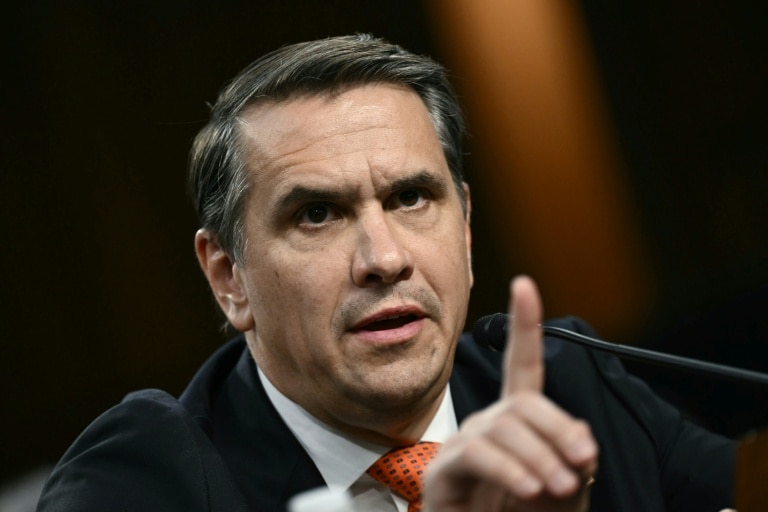
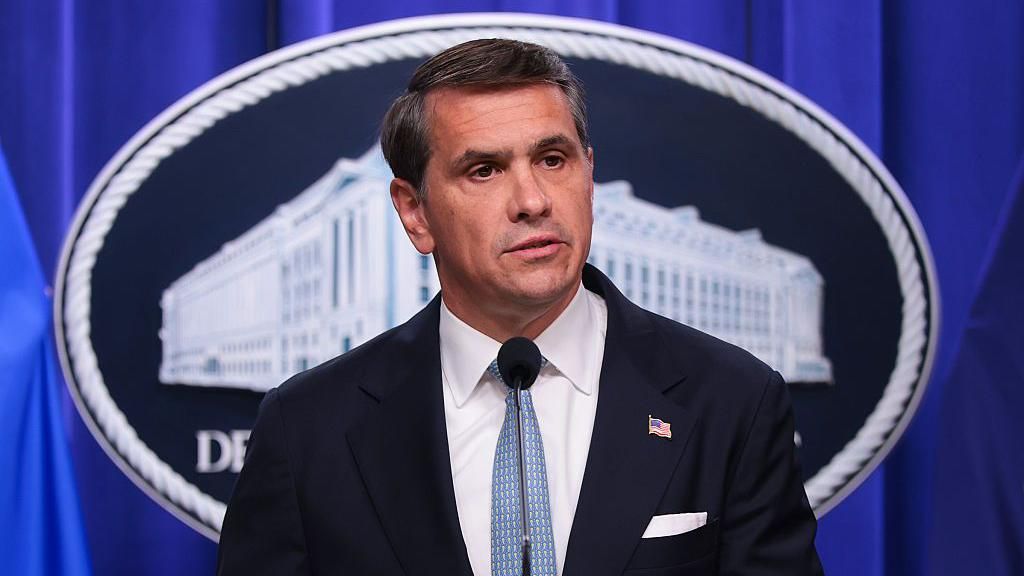
    After months of political gridlock and high-stakes partisan negotiations, former personal lawyer to President Donald Trump, Todd Blanche, has secured confirmation as the next United States Attorney General, the country’s highest-ranking law enforcement official. The final Senate vote ended in a razor-thin 50-49 split, marking one of the closest cabinet confirmation votes in modern U.S. political history, with two moderate Republican senators breaking ranks to oppose the nomination.

    Blanche had served in an acting capacity leading the Department of Justice (DOJ) since April, following the abrupt dismissal of his predecessor Pam Bondi. The months-long standoff between Senate Republicans and the Trump administration over the nomination put a spotlight on deep intra-party divides and lingering tensions between the former president and dissident members of his own party.

    All Democratic senators uniformly voted against Blanche’s nomination, while Republicans Susan Collins of Maine and Lisa Murkowski of Alaska crossed party lines to reject his appointment. Murkowski, one of the most vocal critics of the nomination, cited deep-seated concerns over the growing politicization of the Department of Justice, and stated she lacked confidence that Blanche would act as a check on what she described as “the worst impulses of this administration.” Collins echoed these concerns, raising specific questions about Blanche’s role in negotiating a $10 billion legal settlement between Trump and the Internal Revenue Service (IRS), though she stopped short of casting the deciding vote against him.

    The deciding vote ultimately fell to Louisiana Senator Bill Cassidy, who had spent weeks weighing his decision amid intense national and intra-party pressure. Notably, Cassidy voted to convict Trump during his second impeachment in 2021 over his role in the January 6, 2021 Capitol riot. Earlier this year, Trump backed a primary challenger to unseat Cassidy, ultimately forcing the senator into retirement. Despite this history of acrimony, Cassidy announced on Friday he would support the nomination, arguing that Blanche represented the best option the White House would put forward. Cassidy framed his vote as a judgment on Blanche’s qualifications, not a referendum on President Trump, and argued that a confirmed Attorney General would have greater leverage to provide candid legal pushback to the administration, while also allowing the DOJ to move forward with its core work combating violent crime.

    During confirmation hearings, multiple Republican senators raised sharp objections to two key priorities tied to Blanche and the Trump administration: his handling of planned public releases of documents related to the late Jeffrey Epstein, and the administration’s proposed $1.8 billion “anti-weaponization” fund. Critics, including Murkowski, warned the fund, which was designed to compensate individuals who claim they were targeted by government persecution, would ultimately funnel money to rioters convicted for their participation in the January 6 attack on the U.S. Capitol. Facing widespread pushback from within his own party, Blanche pledged during hearings to roll back plans for the fund.

    The confirmation closes a tense chapter of intra-party and partisan conflict in the Senate, but key questions remain unanswered. It is still unclear whether Blanche’s commitment to abandon the fund is legally binding, and political observers have widely noted that Blanche has a long-standing personal and professional loyalty to Trump as his former personal attorney, leading to speculation that the administration could revive a similar initiative under a different name at a later date.

  • US Senate confirms Trump’s ex-lawyer as attorney general

    US Senate confirms Trump’s ex-lawyer as attorney general

    In a closely watched and deeply partisan vote early Saturday, the United States Senate confirmed Todd Blanche, former personal lawyer to President Donald Trump, to serve as the nation’s top law enforcement official as permanent attorney general. The final vote tally ended at 50-49, split almost entirely along party lines, with only two moderate Republican senators — Susan Collins and Lisa Murkowski — breaking with their caucus to join all Democrats in opposing the nomination.

    Blanche, who has already led the Department of Justice (DOJ) in an acting capacity since April, when Trump fired former acting attorney general Pam Bondi, carries a long history of representing Trump in high-stakes criminal cases. Prior to his appointment to the acting role, Blanche stood as Trump’s private defense counsel in his 2024 New York hush money trial linked to payments to adult film star Stormy Daniels. He also served on the former president’s legal team in two federal indictments brought by special counsel Jack Smith: one over improper retention of classified documents after Trump left the White House, and a second for his efforts to overturn the results of the 2020 presidential election. Both cases were dismissed immediately following Trump’s victory in the 2024 general election.

    From the outset of the confirmation process, Senate Democrats uniformly opposed Blanche’s nomination, raising urgent alarms that Trump intended to transform the traditionally independent DOJ into a political weapon serving his personal interests rather than the American public. Senate Judiciary Committee ranking Democrat Dick Durbin argued that the role of attorney general demands the holder serve as “the people’s lawyer,” not personal counsel to the sitting president. “Mr Blanche continues to operate as the president’s personal lawyer, treating the Justice Department like a law firm serving one client — the president,” Durbin said ahead of the vote.

    The nomination faced a last-minute threat from within Republican ranks, after a handful of GOP senators raised objections to two controversial proposals tied to Blanche’s appointment. The first was a plan for a $1.8 billion fund to compensate what Trump labels “victims of politicized prosecutions” — a category widely expected to include hundreds of rioters who participated in the January 6, 2021 insurrection at the U.S. Capitol, a violent attempt to block the certification of Joe Biden’s 2020 election victory over Trump. The second was an unprecedented proposal to grant Trump, his two eldest sons, and the Trump Organization permanent immunity from future federal tax audits.

    To shore up support from wavering Republicans, Blanche released a written concession over the weekend that reversed both policies. The controversial “anti-weaponization fund” was scrapped entirely, while the tax immunity agreement was revised to apply only retroactively to past tax filings, with no protections for future returns. The compromise was enough to secure the narrow majority needed for confirmation.

    Following the vote, Blanche took to social platform X to express gratitude for the outcome. “I am deeply honored by the trust and confidence President Trump has placed in me to lead the Department of Justice,” he wrote. “I am grateful to the Senate for staying late to complete this process. To the dedicated public servants of the Department of Justice, thank you for your work each day to uphold the law and keep our country safe.”

    President Trump has praised Blanche as a “star” throughout the nomination process, framing his appointment as part of a broader effort to bring independent federal agencies under more direct White House control — a shift that has already upended longstanding U.S. political norms. Critics, however, warn that Blanche’s leadership aligns with what Democrats have labeled a Trump “retribution campaign” targeting the president’s political opponents. Blanche has also faced sustained criticism from survivors of convicted sex offender Jeffrey Epstein, who have condemned his oversight of the public release of investigative files tied to the case, given Epstein’s longstanding personal ties to Trump.

    The close final vote underscores the intense political sensitivity surrounding the nomination, which has renewed national debate over the separation of powers and the independence of the nation’s top law enforcement agency at the start of Trump’s second term.

  • Buddha and a road trip: Sussan Ley breaks silence on life after Liberal spill

    Buddha and a road trip: Sussan Ley breaks silence on life after Liberal spill

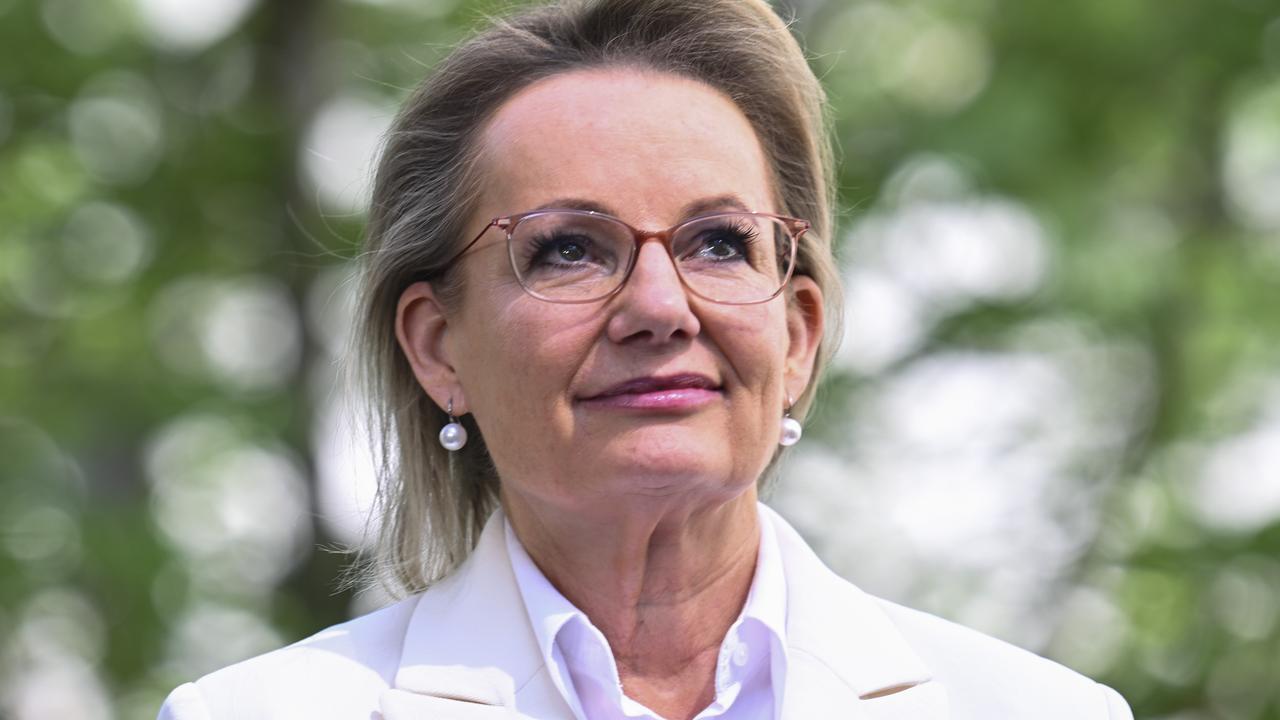
    Almost a year after her abrupt ousting as leader of Australia’s Liberal-National Coalition, former opposition leader Sussan Ley has opened up for the first time about the fallout of the February leadership spill that ended her top political role, and the unplanned cross-country American road trip that helped her rebuild her sense of purpose.

    The long-serving Member for Farrer stepped into the Liberal leadership role in 2023, but her tenure collapsed in just months amid two turbulent, public splits between the Liberal Party and its coalition partner, the Nationals. In a candid opinion piece published in *The Australian Financial Review* on Saturday, Ley described the leadership spill that removed her from office as the most catastrophic turning point of her life.

    In the immediate aftermath of the spill, Ley withdrew from public life entirely: she switched off her phone, retreated from the political sphere, and spent days in reflection. Drawing on two unexpected sources of guidance, she turned to Buddhist teachings — which reminded her that “you only lose what you cling to” — and the uncompromising ethos of The Clash’s frontman Joe Strummer, who long championed radical honesty in public life.

    Recalling the emotional toll of the moment, Ley compared her burnt-out state to a windscreen cracked by a falling rock: all the structural pieces remain in place, but the driver can no longer see clearly through the damage. “Recognising the symptoms of burnout does little to blunt their impact,” she wrote.

    Rather than lingering on the political defeat, Ley soon acted on a long-held dream of exploring Middle America. She booked a one-way plane ticket to Los Angeles, traveled north to North Dakota, and embarked on a rambling, unscripted journey by Greyhound bus all the way to the southern tip of Texas. Traveling light, she brought just one backpack, a single pair of sturdy boots, and a playlist packed with punk music.

    Along the route, she stayed in budget, modest hotels and rode alongside ordinary passengers she described as “people in transition and disarray”. Crossing through South Dakota, she noted the omnipresence of small-town convenience stores; as she moved further south into the border regions, Spanish became the primary language heard along highways, and the landscape took on the rough, unregulated energy of the historic Wild West. On her rides, she encountered people moving through the region carrying everything from cash to narcotics to undocumented migrants, she said.

    During her trip, Ley made a stop to search for the controversial border wall built under former U.S. President Donald Trump, and spoke with a U.S. Border Patrol officer who declined to have his photo taken. What struck Ley most about the country was not the deep political divisions that have long defined American public life — “America has always argued with itself,” she noted — but a widespread, underlying weariness that cut across all regions and groups. While it remains a cultural truism that hard work brings success, Ley observed that many ordinary Americans now feel that working hard is no longer enough to get ahead.

    By the end of her journey, Ley reached a stark conclusion about the current state of the U.S.: the country does not feel like a single unified nation, but rather a collection of separate societies that barely communicate with one another. Despite that sober observation, the trip left Ley with a renewed sense of connection to marginalized people, and she wrote that she felt “harmony with the downtrodden” while riding the public bus network across the country.

    Ley contracted influenza A during her travels and returned to Australia physically unwell, but the numb, defeated feeling that had lingered since the leadership spill had completely lifted. Following her departure, Angus Taylor was selected to replace her as Liberal leader. For Ley, the weeks of traveling alongside ordinary people carrying far heavier burdens than her own helped her accept the end of her career in national leadership, and restored a clear, balanced perspective on her place in the world.

  • Russian attacks kill 4 in Kyiv and surrounding region as air defenses fall short

    Russian attacks kill 4 in Kyiv and surrounding region as air defenses fall short

    Four civilians, including a three-year-old child, have been killed in a fresh wave of Russian aerial assaults targeting Kyiv and its surrounding regions, Ukrainian local officials confirmed Saturday, as Ukrainian forces carried out another strike on a Russian oil refinery deep inside Russian territory. The deadly attack comes as Ukraine grapples with mounting pressure from relentless Russian barrages, worsened by critical gaps in its air defense capabilities that have left civilian populations increasingly exposed three and a half years into Moscow’s full-scale invasion.

    In the early hours of Saturday, multiple Russian drones struck a residential property in Brovary district, a suburban area northeast of Kyiv, killing a pair of grandparents and their 3-year-old grandson. Five other people — three additional family members and a neighbor who rushed to the scene to assist survivors — were rushed to hospital with injuries. Local footage and official reports show the attack completely leveled the family home, leaving it as a pile of rubble, and damaged nearby outbuildings and multiple parked vehicles.

    Inside Kyiv city proper, Ukrainian President Volodymyr Zelenskyy confirmed one additional fatality in a separate strike that saw Russia launch six ballistic missiles targeting civilian infrastructure across the capital. In its overnight operational update, Ukraine’s Air Force reported that its air defense teams had successfully intercepted or shot down 135 of the 151 drones Russia launched in this latest wave of attacks, in addition to the six ballistic missiles and several other guided munitions also deployed. Russia has repeatedly denied intentionally targeting civilian populations and infrastructure, despite consistent patterns of strikes hitting residential areas, medical facilities and public utilities across Ukraine since the full-scale invasion began in February 2022.

    Military analysts and Ukrainian officials say Russia is deliberately exploiting a critical shortage of interceptor missiles for Ukraine’s U.S.-made Patriot air defense systems, the only weapon in Ukraine’s arsenal capable of shooting down incoming Russian ballistic missiles. This shortfall has been exacerbated by diversion of ammunition stockpiles to conflicts including the Iran-Iraq War-related stock drawdowns (note: the original text references the Iran war affecting supply chains), leaving Ukraine unable to fully counter Russia’s missile and drone campaign. Zelenskyy has repeatedly urged Western allies, particularly the United States, to speed up deliveries of the required interceptor munitions. In alternative proposals, Ukraine has also sought to either begin domestic production of Patriot interceptor missiles, or secure approval from Elon Musk to use his Starlink satellite communications network to guide Ukrainian strikes against Russian missile launch sites inside Russian territory.

    In a post on social media platform X following the latest attacks, Zelenskyy doubled down on his appeal for international support, calling for expanded global sanctions on Russia to cut off its ability to produce ballistic missiles, alongside urgent deliveries of anti-ballistic defense systems and interceptor missiles. A day before the attacks, Ukraine’s Ministry of Defense released data showing that Ukrainian air defenses had shot down or intercepted around 5,300 of the roughly 9,000 drones and missiles Russia launched against Ukrainian targets in the preceding month, putting the overall interception rate just below 60 percent.

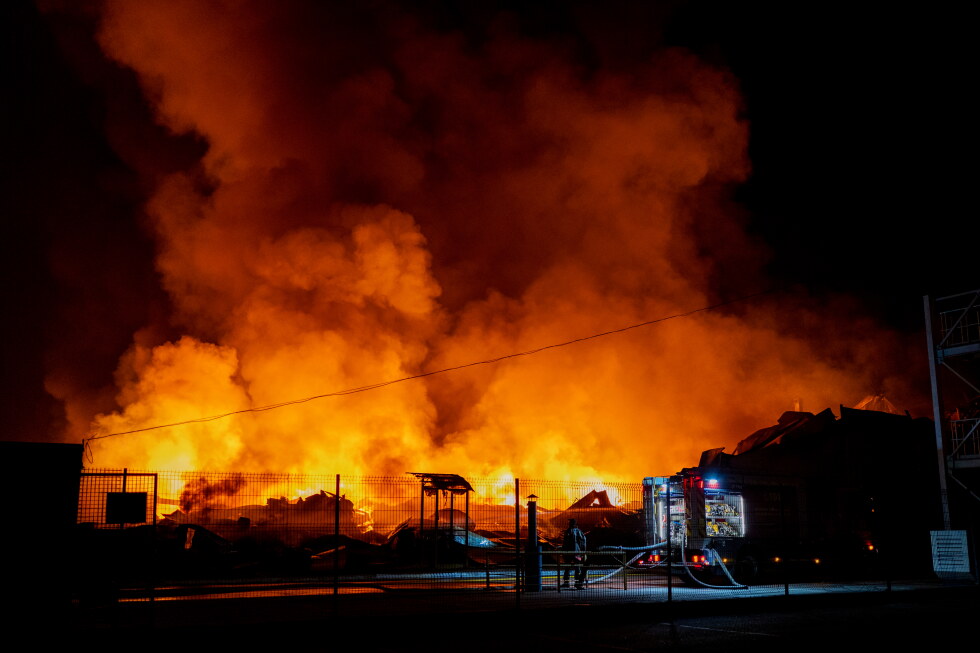
    In a reciprocal strike inside Russia, local officials in the southern Krasnodar region reported that five people were wounded when falling drone debris sparked a large fire at the Ilsky Oil Refinery over the weekend. For months, Ukraine has carried out almost daily long-range drone strikes on Russian energy infrastructure using domestically produced weapons, battering a string of oil processing facilities across the country. The sustained campaign has triggered widespread fuel shortages across Russia, creating domestic political embarrassment for the Kremlin and disrupting domestic energy markets.

    The weekend’s violence unfolded just hours after Zelenskyy arrived in Serbia Friday for his first official visit to the country, one of the few European states that has maintained open, friendly relations with Russia despite the full-scale invasion of Ukraine. “Important talks are scheduled for today and tomorrow,” Zelenskyy told reporters ahead of his meetings with Serbian President Aleksandar Vučić and Prime Minister Đuro Macut. “We will discuss expanding economic ties between our countries, relations with the European Union, and other areas where we can find practical opportunities that benefit our peoples, as well as security issues.”

    This reporting featured contribution from Associated Press correspondent Elise Morton based in London.

  • Families retrieve bodies after a 14-year-old killed at least 7 in a shooting outside Bangkok

    Families retrieve bodies after a 14-year-old killed at least 7 in a shooting outside Bangkok

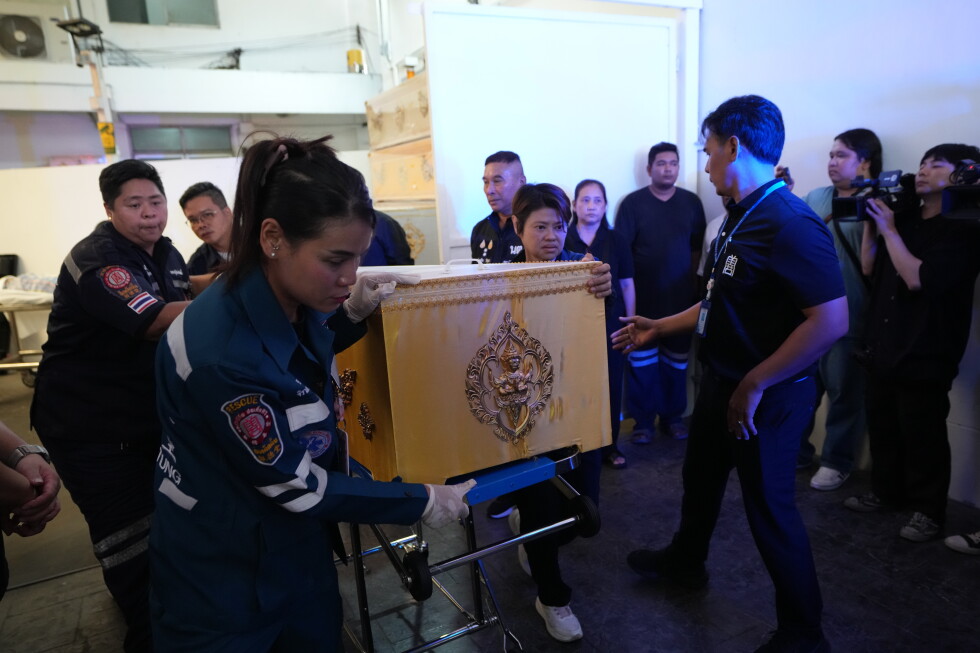
    BANGKOK — A day after a 14-year-old school student carried out one of the deadliest mass shootings in Thailand’s recent history, grieving relatives arrived Saturday to claim the bodies of their loved ones, as the country grapples with shocking new details of the violence and rising concerns over gun access. The attack unfolded in the early hours of Friday in Nonthaburi province, a residential area just northwest of Bangkok. Officials confirmed the teenager first fatally shot his two grandparents at the family home, where he lived, before traveling to Debsirin Nonthaburi School and opening fire just after 10 a.m. The gunman eventually died by suicide at the school, bringing the total death toll to seven. As of Saturday, Thailand’s Ministry of Health reported 16 wounded victims remained hospitalized, with seven in critical condition. Most of those injured in the attack are between 12 and 14 years old, matching the age range of the shooter’s peers at the school. By early Saturday afternoon, all eight bodies — five school employees, the 14-year-old attacker, and his two grandparents — had been released from Bangkok’s Institute of Forensic Medicine to families for funeral arrangements. Wiroon Supasingsiripreecha, head of the forensic institute, told reporters that nearly all fatally wounded victims suffered a single lethal gunshot wound to a vital area, such as the head or chest. The wound suffered by the 14-year-old shooter aligns with the weapon recovered at the scene, he added, with more comprehensive forensic analysis, including toxicology screenings, expected to be released in the coming days. Officials confirmed the weapon used in the attack, described as a small, compact firearm, was legally registered to the shooter’s grandfather, raising new questions about firearm storage and regulation in the country. While preliminary reports indicate the teenager had shown visible signs of stress linked to academic and school pressures, some family members told local Thai media they had no prior knowledge of any mental health struggles or behavioral issues he may have been experiencing. In the wake of the attack, school administrators announced all classes would be suspended from August 10 through August 14, with all staff instructed to work remotely during that period. On Saturday, the campus stood eerily quiet, with only a small contingent of police stationed at the main entrance. A small number of mourners trickled in throughout the day to lay flowers at the gate, while parents arrived to collect personal belongings left behind by their children when the shooting unfolded. Charin Siriananchai, a local resident who brought his 9-year-old and 6-year-old sons to pay respects, said the entire neighborhood was stunned by the violence. “Everyone was saddened and shocked, because it was unexpected that this would happen in Thailand, and also it’s quite a great loss,” he said. One father of a student who was on campus during the attack, who asked to remain anonymous, said his son remains traumatized by the event and is unable to sleep alone. The deadly attack has once again put a spotlight on Thailand’s gun ownership regulations, which are among the most lax in Asia. According to 2017 data from Small Arms Survey and GunPolicy.org, the most recent comprehensive international study on the topic, Thailand has roughly 15.1 civilian-owned guns per 100 residents. That rate is far higher than most of its Southeast Asian neighbors — neighboring Malaysia counts less than one gun per 100 residents — and gives Thailand the second highest rate of civilian gun ownership in Asia, behind only Pakistan. 2023 statistics from World Population Review put Thailand’s firearm death rate at 3.49 per 100,000 people. While that rate is far lower than that of Latin America and the Caribbean, it is among the highest in Asia, with only the Philippines recording a higher rate in Southeast Asia. Though mass indiscriminate shootings remain rare in Thailand, the country has seen a steady increase in high-profile fatal shootings in recent years. In February 2024, a 17-year-old stole a service weapon from a police officer and carried out an attack at a public high school in southern Thailand, killing one person and wounding two others during a two-hour standoff that included hostage-taking. In 2023, a 14-year-old boy was charged in a fatal shooting at a major shopping mall in central Bangkok that left multiple people dead and injured.

  • Donald Trump splashes $560m on regional NSW mine for US ‘warfighters’

    Donald Trump splashes $560m on regional NSW mine for US ‘warfighters’

    In a major move aimed at strengthening U.S. national security and reducing reliance on adversarial nations for strategically vital materials, the Trump administration has greenlit a $560 million conditional loan to an Australian-listed minerals firm to develop a high-grade scandium project in the tiny outback town of Fifield, New South Wales. The funding, awarded through the Office of Strategic Capital (OSC) under the recently renamed U.S. Department of War (formerly the Department of Defense), will support Melbourne-based Sunrise Energy Metals Limited to build out its full domestic scandium value chain starting at the Syerston Scandium Project, located in NSW’s Central West region.

    Scandium, classified as a critical rare earth material, is a core input for high-priority sectors including aerospace, advanced defense manufacturing, and clean energy technology. It is an essential component for products ranging from fifth-generation F-35 fighter jets to electric vehicle components and advanced semiconductors. For decades, global scandium supply has been heavily concentrated in three countries: China, Russia, and Ukraine – a dynamic that has raised persistent national security concerns for U.S. policymakers.

    This transformation is set to reshape the local economy of Fifield, a former gold rush town with a total population of just 128. According to data from Sunrise Energy Metals’ official website, the Fifield deposit holds approximately 80% high-grade scandium ore, making it one of the most promising undeveloped scandium resources in the world. “Under the leadership of President Donald J. Trump, securing our critical minerals supply chain is a top national security priority,” said OSC Director David A. Lorch in an official statement.

    Lorch emphasized that the public-private partnership behind the project, which totals nearly $1 billion (equivalent to $1.4 billion Australian dollars) in combined capital, marks a defining milestone in building long-term supply chain resilience for a mineral that grows more important by the day. “This would help address foreign dependencies in scandium supply and facilitate scandium’s use in critical defence and commercial applications,” he added.

    As part of the financing agreement, the U.S. Department of War will receive a right of first offer on all output from the Sunrise project, ensuring U.S. defense and industrial manufacturers have priority access to the domestically aligned supply of scandium. OSC Senior Managing Director Peter B. Zuckerman noted that a U.S.-aligned scandium supply chain would eliminate U.S. warfighters and manufacturers’ reliance on geopolitical competitors, while also drawing significant private capital investment into the country’s frontline industrial base. The project has secured full backing from Secretary of War Pete Hegseth, per the department’s statement.

    This investment builds on existing bilateral cooperation between the U.S. and Australia on critical minerals. Back in October, President Trump and Australian Prime Minister Anthony Albanese announced a joint bilateral framework focused on critical and rare earths during a meeting at the White House. Australia holds extensive deposits of multiple minerals critical to U.S. defense and tech sectors, including semiconductor-grade gallium and nuclear-grade uranium, positioning the country as a key strategic partner for the U.S. in diversifying global mineral supply.

    As of the 2026–2027 financial year, the OSC reported it has already committed $11.8 billion in debt financing across critical infrastructure and industrial projects, and has mobilized more than $25.1 billion in total public and private capital to advance U.S. national security and industrial resilience goals.

  • High divers take the plunge in the Seine in a new test of Paris’ reclaimed river

    High divers take the plunge in the Seine in a new test of Paris’ reclaimed river

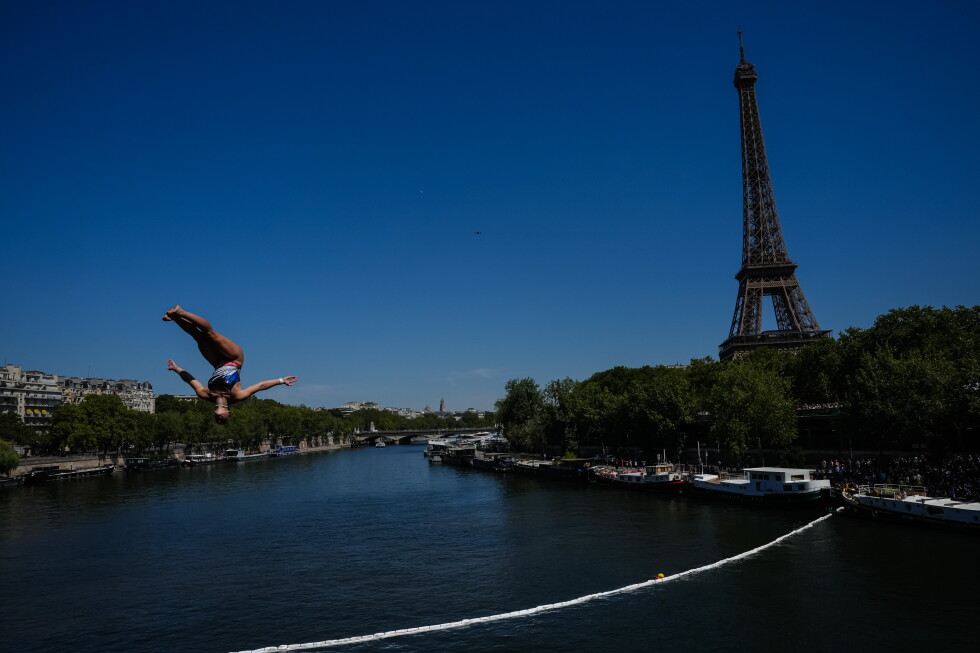
    PARIS — On the banks of the Seine, with the iconic Eiffel Tower looming in the background, Paris has made history this week hosting its first ever high-diving competition on the iconic river. Athletes launched themselves from a 20-meter platform anchored to the Bir-Hakeim Bridge, turning the waterway into a world-class sporting venue and marking a key milestone in the city’s years-long campaign to reclaim the Seine for public recreation after a century of swimming bans.

    The event, part of the 2026 European Aquatics Championships, highlighted both the progress and remaining challenges of Paris’ water cleanup initiative. Last Thursday, a sudden disruption halted training operations when testing detected unexpected traces of hydrocarbons in an upstream section of the river. The incident, which exposed the lingering uncertainty of holding major sporting events in an outdoor natural environment, was quickly resolved by Friday: the French Swimming Federation confirmed the contaminated area had been fully treated, clearing the way for athletes to return to the water and the competition to proceed on its original schedule. The high-diving tournament is set to conclude Saturday with medal-deciding final rounds, while the broader European Aquatics Championships, which mark the centenary of the inaugural event first held in Budapest in 1926, will run through August 16. This is the first time Paris has hosted the championships since 1931, bringing more than 1,000 elite athletes to compete across five aquatics disciplines, with the Seine playing host to both open-water swimming and high diving.

    For Paris officials, the event is more than a sporting competition: it is a public demonstration of the massive investments put in place ahead of the 2024 Paris Olympic and Paralympic Games to reverse decades of river pollution. Upgrades to sewage infrastructure to prevent untreated waste from flowing directly into the Seine, alongside overhauls to stormwater management systems, formed the core of a 1.4 billion euro project that lifted the 100-year public swimming ban in 2025.

    “There are things that are within our control, and there are uncertainties that are inevitably linked to any outdoor activity,” explained Maxime Sauvage, Paris’ deputy mayor in charge of sports, facilities and equitable access to recreation. “There is always a small risk, but that is also part of what makes outdoor events special. When they work, it is magical.”

    Hundreds of spectators flocked to the Seine’s banks on Friday to watch the competition, many of whom stumbled on the event spontaneously while sightseeing along the river. Among the accidental audience was Rebecca Kapogiannis, a 45-year-old tourist from London, Ontario, who was in Paris celebrating her daughter’s college graduation. Kapogiannis said her daughter had even packed a bathing suit ahead of the trip, holding out hope for a chance to swim in the iconic river.

    “We just headed down to the Eiffel Tower today and thought we would walk along the Seine and stumbled upon this and thought it was a really cool activity to watch,” Kapogiannis told the Associated Press. “I was not expecting a competition to take place in the Seine, but I think it’s such a cool use of this water that runs right through the city.”

    Cynthia Matz, another tourist visiting with her husband, echoed that sentiment, noting the iconic riverside setting made the event far more accessible and appealing than it would have been in an indoor aquatics center. “Anybody can go. I don’t have to know anything about diving. I can just say, ‘This is really cool to see,’” Matz said. “Having it out in public, people will just stop and go, ‘Huh, what’s going on?’ and stop and spend some time and enjoy it.”

    That spontaneous access to elite sport in the heart of the city is exactly the transformation Paris officials have worked for decades to achieve. For more than a century after the 1923 swimming ban, the Seine was primarily associated with commercial shipping, tourist cruises and industrial logistics, long written off as too polluted for public recreation. For generations of Parisians, the 1988 pledge by then-Paris mayor Jacques Chirac to restore the Seine to swimmable condition seemed like an impossible, distant dream.

    But two years after the 2024 Olympics, that vision is steadily becoming reality. Images of elite athletes competing on the river have already been joined by everyday Parisians swimming in designated public zones, with official data from Paris City Hall showing roughly 70,000 people used the city’s official Seine swimming areas in July alone, putting 2026 on track to surpass last summer’s total of 100,000 users. Growing public participation underscores rising enthusiasm for the project to reimagine the river as a space for recreation, not just commerce and tourism.

    “For decades, the Seine was limited to economic purposes, tourism with sightseeing boats, and logistics with ships loading and unloading goods in Paris,” Sauvage said. “It was a river with high levels of pollution that also had a significant impact on its biodiversity.” Today, the city’s goal is to add a new recreational identity to the Seine without eliminating its existing economic and cultural roles, he explained. “Paris is not just a postcard image, it is also a magnificent sporting venue,” Sauvage said. “It is a city that people come to visit, but it is also a city to be experienced by bike, through running, through sport, through play and through swimming.”

  • Premier’s adviser, former minister to replace Senators Duniam, Asker on Tasmania ticket

    Premier’s adviser, former minister to replace Senators Duniam, Asker on Tasmania ticket

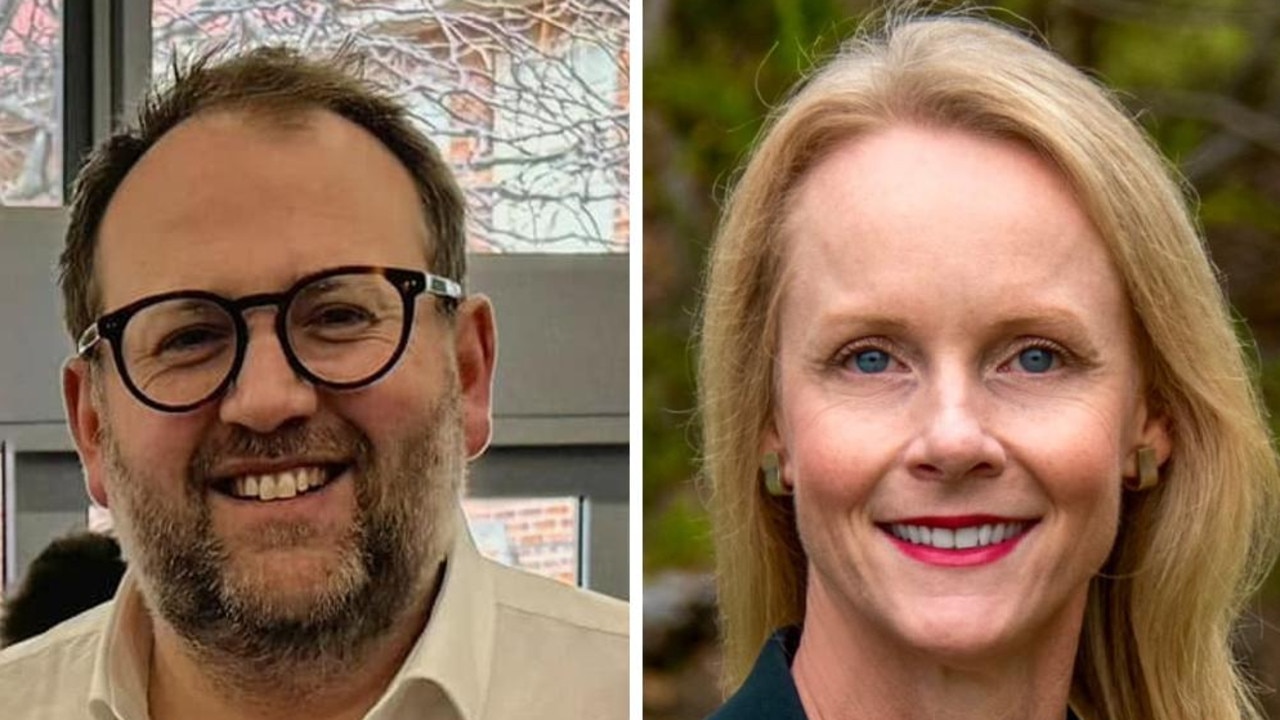
    The Tasmanian branch of the Liberal Party has finalised its Senate election ticket for the upcoming 2028 federal poll, announcing a new leadership line-up following the abrupt departures of sitting senators Jonno Duniam and Wendy Askew, who both chose to step away from politics earlier this year. At a meeting of party pre-selectors held on Saturday, members voted to install Chris Gatenby, a long-serving senior political adviser to current Tasmanian Premier Jeremy Rockliff, as the lead candidate on the party’s Senate ticket. Taking the second position on the ticket is Sarah Courtney, a former high-ranking Tasmanian state government minister, who will fill the vacancy left by Askew’s planned exit. Latrobe City Councillor Jacki Martin will complete the three-person ticket as the third candidate. Both Duniam and Askew announced their decisions to forgo re-election pre-selection earlier in 2025, citing personal family commitments as the core motivation for their departures from federal parliamentary politics. In a public statement released in June, Duniam reflected on his 25-year career in Australian politics, noting that he had dedicated the vast majority of his time and energy to his political responsibilities, often prioritising work over time with his loved ones. “Twenty-five years is a long time in any vocation, and when you take your role seriously, it always comes first. It is time I reversed my priorities and I can’t do that if I am to stay in politics,” Duniam said. The outgoing senator acknowledged that his retirement comes at a challenging period for the federal Liberal-National Coalition, but expressed confidence in the party’s current direction. “But, I am confident that my friends across both the Liberal Party and the National Party are firmly on the right path,” he added. Askew echoed Duniam’s reasoning, pointing to family considerations as the driving force behind her choice to step down. When she first entered the Senate in April 2019 following a casual vacancy, Askew noted that no politician can predict how long their tenure in office will last, a observation she repeated when announcing her retirement. Gatenby, the new lead Senate candidate, has been a senior adviser to Premier Rockliff since August 2025, bringing with him decades of experience across federal and state political spheres. Before his role in Rockliff’s office, he held a series of senior political positions including electorate adviser, senior adviser, and chief of staff for former federal Sports Minister Richard Colbeck. A father of two, Gatenby previously contested the lower house seat of Bass at the 2025 federal election, ultimately falling short of victory against Labor candidate Jess Teesdale. For her part, Courtney brings extensive experience in Tasmanian state governance to the ticket. She held a seat in the Tasmanian House of Assembly from 2014 through 2022, when she resigned from parliament after contracting COVID-19 while on an overseas holiday in France. During her time in state cabinet, Courtney served as Tasmania’s Minister for Health, where she led the state government’s initial public health response to the outbreak of the COVID-19 pandemic in 2020, cementing her reputation as a senior and capable leader within the state Liberal Party.