博客

  • Deon Fourie’s stunning comeback: 39-year-old recalled by the Springboks after injury woes

    Deon Fourie’s stunning comeback: 39-year-old recalled by the Springboks after injury woes

    JOHANNESBURG, Aug 12 (Rewritten) — In one of the most remarkable comeback stories in modern rugby, veteran utility forward Deon Fourie has earned a recall to South Africa’s national Springboks squad, three years after earning his last international cap and two years after a devastating ACL injury nearly forced him into permanent retirement.

    Fourie, who will celebrate his 40th birthday next month, was officially called up by South African Rugby officials on Monday, and confirmed that he would join the national camp in Johannesburg on Tuesday to begin preparations for the highly anticipated four-match “Greatest Rivalry” test series against world rugby rivals New Zealand, which kicks off on August 22.

    Springboks director of rugby Rassie Erasmus made the call to bring Fourie back into the fold after a stunning standout performance for the Stormers against the All Blacks in the opening match of New Zealand’s northern tour in Cape Town this past Friday. Making his first appearance after 13 weeks on the sidelines, Fourie didn’t show any signs of his long layoff: he crossed for the Stormers’ opening try, won two critical turnovers, and left Stormers head coach John Dobson stunned with three bone-rattling tackles completed in just 15 seconds of play. Fourie was substituted after 60 minutes with the scores locked at 14-14, and the All Blacks went on to claim a 38-21 victory, but the result did little to dim the impact of Fourie’s performance.

    South African Rugby highlighted in its official statement Monday that Fourie’s unique versatility as a hybrid flanker and hooker brings “invaluable” depth to the Springboks squad ahead of the high-stakes series.

    Fourie already holds a unique place in Springboks history: he became the oldest player to debut for the national side when he earned his first cap at age 35 back in 2022. His 13th and most recent test appearance came in the 2023 Rugby World Cup final against New Zealand in Paris, where he delivered one of the most iconic performances of the tournament. Brought on early to replace injured starting hooker Bongi Mbonambi, Fourie suffered a shoulder injury of his own just minutes into coming on, but refused to leave the field out of fear that leaving the front row short would leave South Africa vulnerable to a New Zealand comeback. The Springboks held on to win the match 12-11, claiming their fourth Webb Ellis Trophy in what remains one of the closest World Cup finals in history.

    Since that triumph, Fourie’s career has been derailed by a string of cruel injury setbacks. He suffered a ruptured ACL in April 2024 that kept him sidelined until December of that year, and an ankle injury followed immediately after his return to training. He missed the entirety of the 2025 club season from October through March with a bicep tear, and only returned to training in April before a bad tackle in May forced him undergo another knee surgery.

    Speaking to reporters ahead of the Stormers match against the All Blacks last week, Fourie acknowledged that he had questioned whether he would ever get another chance to play top-level rugby. “Over the last two years I’ve had terrible luck with injuries, and I didn’t know whether I’d be able to play this year,” he said. Despite the setbacks, he added that he was hungry for the challenge: “I’m definitely raring to go. I’ve been looking forward to this match since it was announced. To represent your club, where I’ve spent almost my entire career, against a test side like the All Blacks is such a big occasion. To face the haka is something every little boy dreams of when they start playing rugby.”

    Now, that dream has expanded: Fourie is all but guaranteed another chance to pull on the green and gold of South Africa, just one month shy of his 40th birthday, as the Springboks prepare to face their oldest rivals in one of the most highly anticipated test series of the year.

  • New train service connects Finland and Sweden for first time in decades

    New train service connects Finland and Sweden for first time in decades

    For nearly four decades, a key rail link connecting northern Finland and Sweden sat idle, severing a critical transport artery between the Nordic region and the rest of continental Europe. That changed on Monday, when an inaugural double-decker passenger train pulled out of Oulu, Finland’s coastal northern city, shortly after 5 a.m. local time, marking the official restart of cross-border service between Oulu and the Swedish border town of Haparanda.

    When the train crossed the Torne River and glided into Haparanda’s station, hundreds of gathered spectators greeted it with cheers and waving Finnish and Swedish flags, celebrating the end of the 40-year hiatus. The original service was discontinued between the late 1980s and early 1990s, dragged down by low ridership and a long-standing infrastructure mismatch between Finland and the rest of Europe.

    This infrastructure difference traces back more than a century: when Finland was part of the Russian Grand Duchy, it adopted Russia’s wider rail gauge, which remains the national standard today. That divergent track width long prevented seamless through-running between Finnish rail networks and the European standard gauge used across most of the continent. Currently, Finland is in a gradual process of upgrading key border and arterial routes to align with the European standard, laying the groundwork for greater cross-continental connectivity.

    The newly launched service will run two round trips daily, with the 100-minute journey from Oulu to Haparanda tracing Finland’s western coast before crossing the border. While passengers heading further south from Haparanda must transfer to a Sweden-based train to continue their trip, the restored link unlocks an unprecedented pan-European rail route: it is now possible to travel approximately 5,000 kilometers entirely by rail from the Algarve region of southern Portugal all the way to Kolari, Finland’s northernmost railway station, a route believed to be the longest contiguous rail journey on the continent. It also cuts travel time between the two Nordic capitals, enabling a 24-hour rail trip between Helsinki and Stockholm.

    Finnish Transport Minister highlighted that the return of this cross-border service is tangible proof of steadily growing cooperation between Finland and Sweden, two neighboring Nordic nations with deep economic and social ties. Elisa Markula, CEO of Finland’s state-owned railway operator VR, which leads the new service, noted that the launch aligns with a continent-wide resurgence in rail travel popularity. “Train travelling in all Europe is having a renaissance. Also in Finland, our passenger numbers are increasing a lot,” Markula told reporters from AFP. She expressed optimism that the new cross-border route will capture growing public demand for sustainable, convenient cross-border travel across the European Union.

  • Russian court bars only anti-war party from standing in parliamentary elections

    Russian court bars only anti-war party from standing in parliamentary elections

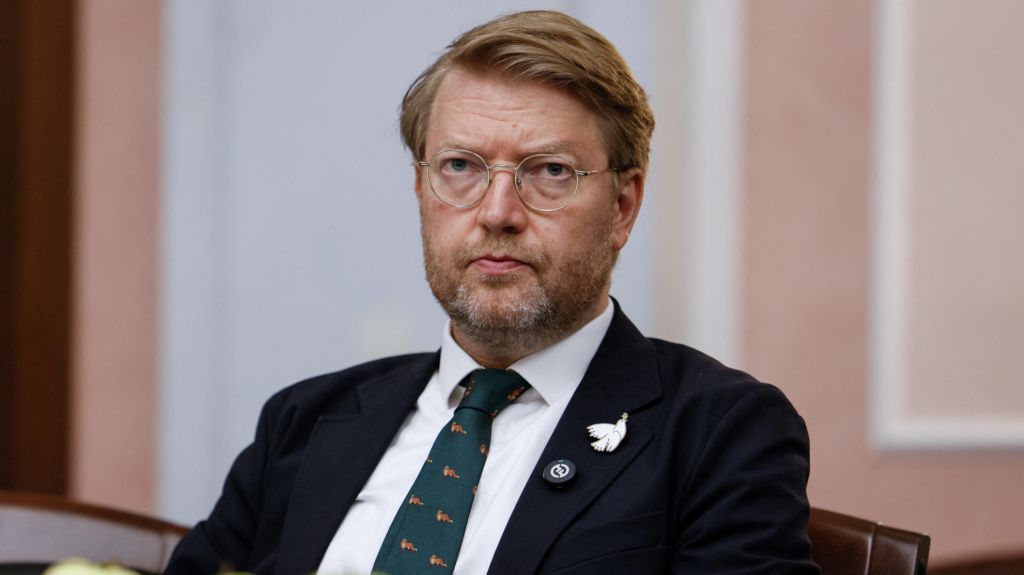
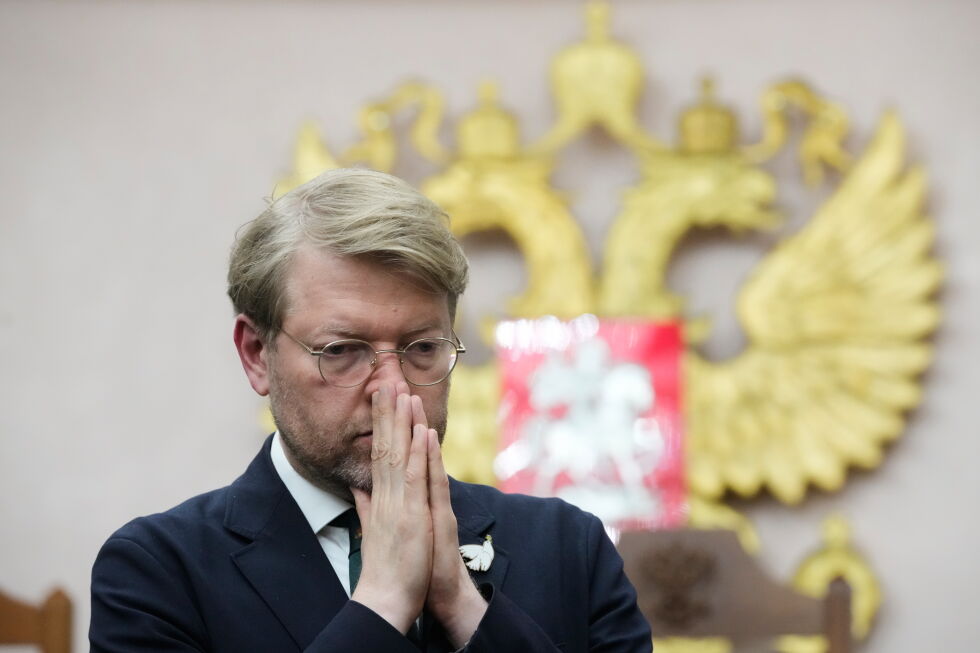
    A Moscow court has delivered a ruling that blocks Yabloko, Russia’s sole registered liberal anti-war political party, from competing in the upcoming national parliamentary elections scheduled for next month. The legal challenge that led to this ban was filed by Rodina, a pro-Kremlin nationalist political party, bringing forward a series of allegations against the opposition group.

    The accusations against Yabloko are threefold. First, Rodina claimed the party violated Russian law by publicly backing what Moscow has labeled an extremist organization: Yabloko published website material expressing support for the international LGBT movement, which Russia’s Supreme Court designated as an extremist group in 2023. Second, the lawsuit alleged copyright infringement after a senior Yabloko figure quoted lyrics from the iconic Soviet-era song *Let There Always Be Sunshine* during a media interview. Third, Russia’s federal financial monitoring service testified during the hearing that Yabloko had received illicit foreign funding from nations including Germany and the United States through indirect third-party channels.

    On the day of the eight-hour hearing, hundreds of mostly young supporters gathered outside the Moscow courthouse to demonstrate backing for the party. Many brought apples — a symbolic nod to Yabloko, which means “apple” in Russian — and chalked pro-freedom, pro-Yabloko messages onto the pavement outside the building. Social media footage captured the crowd’s reaction when the verdict was announced: demonstrators immediately began chanting “Shame! Shame!” in protest of the ruling. For Russians opposed to the war in Ukraine, the gathering represented a rare opportunity to show public dissent, as broad wartime censorship laws have banned most open protests, punishable by heavy fines or lengthy prison sentences.

    The road to this ruling has been marked by escalating pressure on Yabloko for months. In late July, the Kremlin-controlled Central Electoral Commission (CEC) had initially approved Yabloko’s candidate list, but multiple senior party figures had already been disqualified from running. That included deputy leader Maxim Kruglov, who was sentenced to seven years in prison in June over social media posts documenting civilian casualties in the Ukrainian cities of Bucha and Mariupol. Just one week before the court ruling, Yabloko also suffered a large-scale cyberattack just hours after it launched a public appeal for donations to its election campaign fund.

    Founded decades ago and once led by former presidential candidate Grigory Yavlinsky, Yabloko holds a long record of consistent opposition to Russian military intervention. The party has opposed the Chechen wars, Russia’s 2014 annexation of Crimea, and the full-scale 2022 invasion of Ukraine. While the party has not secured any seats in the State Duma, Russia’s lower parliament, since 2003, it has participated in every national election held since that time. It has also faced internal divisions over the years, most notably expelling late opposition leader Alexei Navalny in 2007 and maintaining criticism of him even after his 2024 death in prison.

    In the lead-up to the 2026 election, Yabloko’s public support had been rising amid growing public discontent with the Kremlin. Ruling party United Russia’s approval rating has fallen to just 33%, dragged down by persistent inflation, widespread internet blackouts, and repeated cross-border drone strikes on Russian territory. Yabloko ran its campaign under the slogan “For peace and freedom! For a life without fear!” and explicitly called for an immediate ceasefire in Ukraine, a shift to diplomatic negotiations, and an end to political repression within Russia.

    Political analysts say the shift from the CEC’s initial conditional approval to the full court ban reflects a change in the Kremlin’s political calculations. Initially, observers believed the government would allow Yabloko to run to use the party’s poor 2021 result — just 1.34% of the national vote — to demonstrate that anti-war sentiment has no broad support among Russian voters. But as signs of growing public dissent over the war have mounted, the Kremlin opted to remove the anti-war opposition from the ballot entirely.

    The ban is expected to suppress turnout among anti-Kremlin voters, a outcome that benefits United Russia, as low turnout among opposition-minded citizens works to solidify the ruling party’s projected majority. All 10 other parties approved to compete in September’s election either openly support the war in Ukraine or refrain from public criticism of it. Independent election monitoring groups have already been stripped of most of their authority to oversee the election process and challenge results, leaving the Kremlin with full control to secure its desired outcome.

  • We are chasing Ebola virus – it is ahead of us, WHO warns

    We are chasing Ebola virus – it is ahead of us, WHO warns

    The World Health Organization has issued a stark warning that the ongoing Ebola outbreak in the eastern Democratic Republic of the Congo (DRC) began circulating at least three months before it was formally announced by public health officials, leaving response teams struggling to contain a pathogen that has already outpaced containment efforts.

    As of the latest official update from DRC’s Ministry of Health, the outbreak has recorded 4,294 confirmed infections and 1,960 fatalities, making it the second deadliest Ebola outbreak in recorded history. Only the 2014–2016 West African outbreak, which claimed more than 11,000 lives, has had a higher death toll.

    This outbreak is caused by the Bundibugyo strain of Ebola, a variant for which no universally approved vaccine or proven therapeutic treatments currently exist, creating additional barriers for clinical care. Persistent insecurity in the eastern region, the epicenter of the outbreak, has further undermined response work: WHO Africa director Dr Mohamed Janabi told reporters during a press briefing in Bunia, the outbreak’s core hub, that persistent conflict and instability have left response teams only able to reach roughly 30 percent of confirmed cases. The remaining patients are unable to access care and die in their homes.

    New genomic and epidemiological research traces the first community transmission of the virus back to February 2025, months before the outbreak was officially declared on May 15. In those early months, infections were consistently misdiagnosed as more common febrile illnesses including malaria and typhoid, allowing the virus to spread undetected through local communities. Two additional cultural and trust barriers have complicated containment efforts: traditional burial customs that require close physical contact with deceased bodies, a major transmission route for Ebola, and widespread community suspicion of external health authorities have both slowed intervention work.

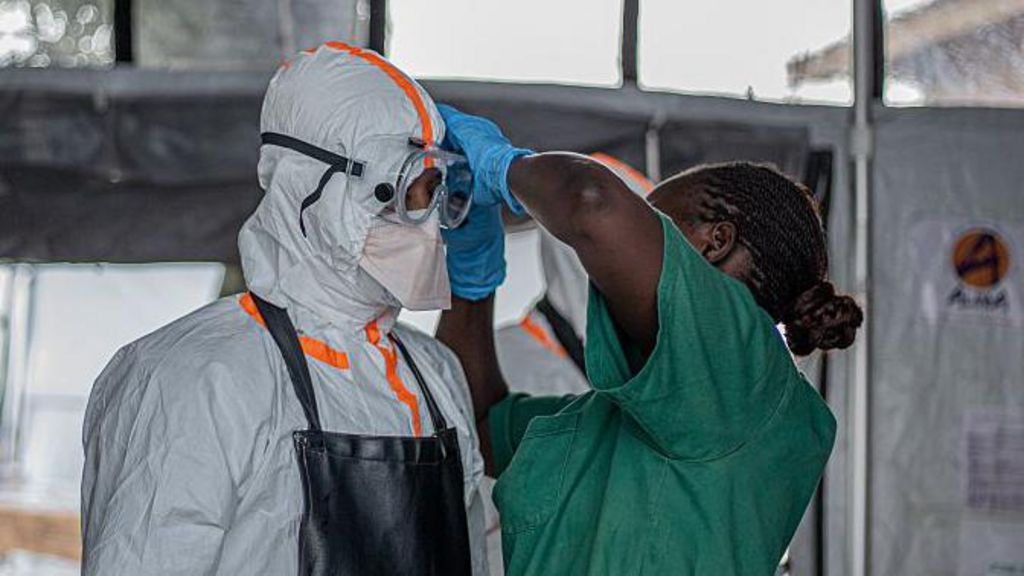
    Ebola spreads through direct contact with infected bodily fluids, meaning frontline health workers require full personal protective equipment to safely treat patients and conduct containment work. Despite the significant challenges, response officials have noted modest progress: several purpose-built Ebola treatment centers have now been established in eastern DRC, and diagnostic testing capacity has expanded sharply, cutting wait times for confirmatory results.

    Dr Janabi summed up the current state of the response in blunt terms: “We are chasing the virus, the virus is ahead of us.”

  • Russian court bars from parliamentary ballot the only party opposing the conflict in Ukraine

    Russian court bars from parliamentary ballot the only party opposing the conflict in Ukraine

    On Monday, Russia’s highest judicial body ruled to remove Yabloko, the only registered Russian political party that publicly opposes the Kremlin’s military campaign in Ukraine, from the ballot for the country’s upcoming parliamentary election scheduled for next month.

    The ruling came in response to an appeal filed by a pro-Kremlin political party, and resulted in the Supreme Court formally annulling Yabloko’s ballot registration. Just one month prior, Russia’s Central Election Commission had granted the party approval to appear on the ballot, alongside 10 other competing political groups.

    Yabloko first emerged as a prominent liberal voice in Russian legislative politics, where it built a long record of consistent criticism of government policy. However, over the past two decades, as the Kremlin consolidated greater control over Russia’s political landscape, the party gradually lost all of its parliamentary seats, fading from formal legislative representation.

    In recent years, Yabloko has stood alone as the only registered opposition party in the country that maintains an explicit public stance against the deployment of Russian troops to Ukraine. Its 2024 campaign platform centered heavily on peace advocacy, with slogans calling for an immediate ceasefire, diplomatic negotiations to end the conflict, and measures to prevent nuclear escalation. The party also campaigned on a platform of ending widespread political repression and creating a Russia where citizens do not live in fear of government retaliation.

    The ruling has come even as dozens of prominent Russian opposition figures living in exile had publicly urged Russian voters to support Yabloko in the upcoming election. Notable figures backing the party included Yulia Navalnaya, widow of the late prominent Kremlin critic Alexei Navalny, as well as exiled opposition politicians Ilya Yashin and Vladimir Kara-Murza.

  • The Caspian gamble: Iran-Ukraine tensions widen the ‘geography of instability’

    The Caspian gamble: Iran-Ukraine tensions widen the ‘geography of instability’

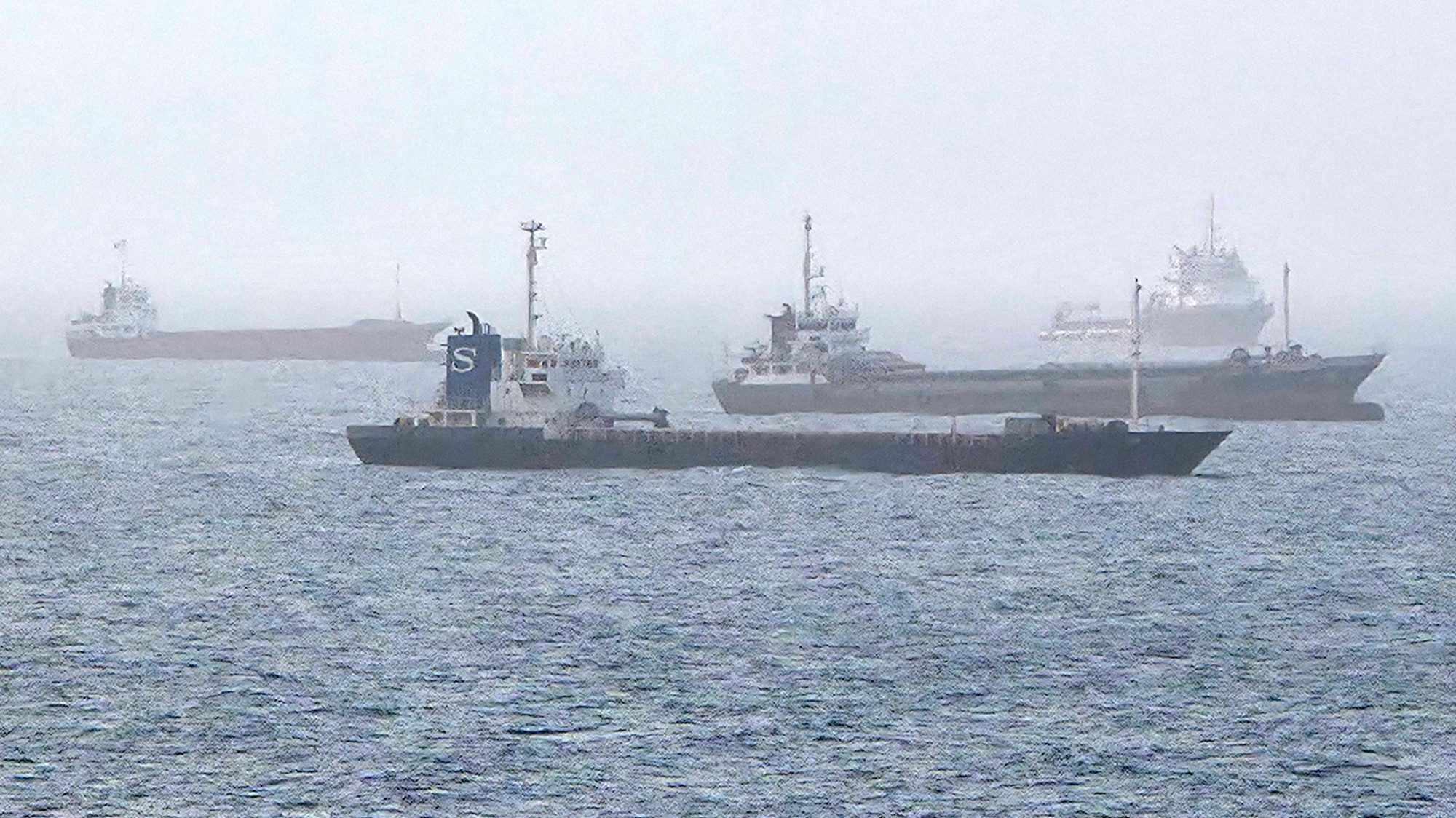
    On July 25, a deadly strike on a commercial cargo ship sailing the Caspian Sea claimed the life of a young Iranian sailor and sparked fears of a dangerous widening of two intersecting global conflicts. The victim, 23-year-old Nima Moradi, was a first-generation mariner from the northern Iranian port city of Bandar Anzali, who had nurtured a childhood dream of a life at sea. He was killed when his ship, the Anna, carrying iron from Russia to Iran, was struck by a Ukrainian long-range drone. A second crew member was injured in the attack.

    In a heartbreaking social media post following his son’s death, Moradi’s father Masoud captured the depth of the family’s grief, writing, “My son, I can’t believe the sadness your absence brings – you left me… we are in pain without wet tears.” In the aftermath of the strike, Iranian Foreign Minister Abbas Araghchi labeled the attack a blatant violation of the United Nations Charter, asserting it was carried out at the direction of Israel to draw European powers into the broader regional war. Israel has so far declined to issue any public comment on the accusation.

    Iran initially threatened a harsh retaliation, with unconfirmed reports indicating the country planned to launch ballistic missile strikes against three targets in Ukrainian territory. Escalation was averted temporarily after Kyiv issued an official apology for the strike, though Iran continues to demand financial compensation for the fatal attack.

    Analysts warn the incident is not an isolated accident, but a clear sign of Ukraine’s deliberate strategy to link its ongoing war with Russia to the U.S.-Israel conflict against Iran, raising the risk of a full merger of the two conflicts. Trita Parsi, vice president of the Quincy Institute for Responsible Statecraft, noted that Ukrainian officials have spent months building a narrative that frames Iran and Russia as fully aligned military partners, justifying treating the two conflicts as a single theater of war. Parsi added that Ukraine has long held resentment over the reallocation of Western military aid from Kyiv to Israel amid its war with Hamas, with visible examples including Patriot air defense batteries originally earmarked for Ukraine being redirected to the Middle East. “The Ukrainians knew from the outset that that war was going to come at their expense,” Parsi told Middle East Eye.

    Parsi cautioned that Iran has not abandoned plans for retaliation, but has only paused its response to address other pressing priorities and avoid walking into a strategic trap that would legitimize expanded foreign involvement in the region. “I don’t believe that Iran has truly called it off. I think they’re putting a pause on it because they’re dealing with other issues,” he explained. From Kyiv’s perspective, Parsi argued, merging the two conflicts is a calculated gamble by Ukrainian President Volodymyr Zelenskyy to force direct U.S. involvement in its war with Russia – a long-held Ukrainian goal that successive U.S. administrations have rejected. The current U.S. political context, Parsi noted, has created a unique opening for Ukraine: with the Trump administration already embroiled in open conflict with Iran, Kyiv can position itself as a useful asset to Washington in exchange for increased military support.

    By striking an Iranian commercial vessel in the Caspian Sea, Parsi explained, Ukraine is offering the U.S. a model of horizontal escalation similar to the tactics Iran has used against Western interests in the Persian Gulf for decades. This strategy would allow the U.S. to open a new front north of Iran, stretching Iranian military resources thin while proving Ukraine’s strategic value to Washington. The strategy also aligns closely with Israeli interests, Parsi added: a merged conflict would prolong U.S. hostilities with Iran – a core Israeli policy goal – draw European powers into direct confrontation with Iran, and allow Israel to reframe its war against Iran as a defense of Ukraine, helping repair Israel’s plummeting popularity in U.S. public opinion while reducing Israel’s own centrality in the conflict.

    Israel has already conducted multiple strikes on Iranian military assets in the Caspian region in 2024, hitting Iranian naval infrastructure and assets in March and June. A Ukrainian role in strikes on Iranian targets in the region would represent a significant escalation, Parsi noted, as Ukraine’s long-range drone capabilities would add a new dimension to the conflict that carries unique weight in European capitals, where public and political sentiment is already sharply critical of Iran’s support for Russia’s war effort.

    To understand the current alignment between Moscow and Tehran that underpins this conflict, experts point to a complex centuries-long history that has shifted from rivalry and hostility to pragmatic strategic partnership. Lana Ravandi-Fadai, head of the Eastern Cultural Centre at the Institute of Oriental Studies of the Russian Academy of Sciences, explained that for most of modern Iranian history, Russia was viewed not as an ally, but as an expansionist great power that seized a fifth of Iran’s 19th-century territory and repeatedly interfered in Iran’s internal affairs. During World War II, the Soviet Union joined Britain in invading neutral Iran to secure supply lines to the Soviet Union and block Nazi Germany from accessing the region’s oil reserves. Under the Western-aligned Shah of Iran in the mid-20th century, Iran began limited economic cooperation with the Soviet Union, including Soviet investment in Iranian infrastructure in exchange for Iranian natural gas exports, even as it remained a core U.S. ally.

    After Iran’s 1979 Islamic Revolution, relations shifted back to open hostility: Iran’s new leadership labeled the Soviet Union the “Lesser Satan,” opposing both capitalist liberalism and Soviet atheistic communism, and condemned the Soviet invasion of Afghanistan in the 1980s. It was not until the 1990s, under the presidency of Akbar Hashemi Rafsanjani, that Iran moved toward a pragmatic, non-ideological partnership with post-Soviet Russia, signing wide-ranging agreements on economic, military and technical cooperation. That partnership deepened dramatically over the past decade, with the two states joining in a military coalition to support the Syrian government in 2015, and Iran aligning with Russia in the Ukraine war by providing Shahed drone technology. A 20-year Treaty on Comprehensive Strategic Partnership signed by the two countries in 2023 formalized their military, security and economic cooperation, a pact that reflects their shared status as states targeted by Western sanctions and their common goal of building a multipolar global order less dominated by Western powers.

    Geopolitically, the Caspian Sea itself lies at the center of this new dynamic. The world’s largest inland body of water, it is bordered by Iran, Russia, Kazakhstan, Azerbaijan and Turkmenistan, and holds massive untapped offshore oil and gas reserves. The 2018 Convention on the Legal Status of the Caspian Sea bans outside powers from establishing military presence in the region, and the waterway has become a critical corridor for Russia and Iran to bypass Western sanctions and maintain trade and energy flows. “It’s a geopolitical bridge between Europe, the Middle East and Asia – whoever controls the major transport routes across the Caspian gains significant economic and political advantages,” Ravandi-Fadai noted. She warned that the spillover of the Ukraine war into the Caspian, even in isolated strikes, signals a dangerous expansion of global instability. “we are witnessing an expansion of the geography of instability,” she said.

    Beyond its role as a sanctions bypass, the Caspian has become part of Iran’s broader strategy to reduce its reliance on the Strait of Hormuz, the strategic chokepoint through which a fifth of global oil supplies pass, which Iran has used to leverage pressure on Western powers. Parsi noted that the ongoing conflict has accelerated efforts by Iran and regional partners to build alternative trade routes that bypass the Strait of Hormuz, including new cross-Caspian pipelines, railways and overland trade routes connecting Iran to Central Asia, China and East Asia. Parsi projected that over the next 10 to 15 years, these alternative supply chains will reduce the strategic significance of the Strait of Hormuz, as Iran itself leads the push to diversify its trade routes and reduce its vulnerability to Western blockades.

    Even with these strategic advantages, Parsi argued that Iran cannot sustain its current war effort long-term without sanctions relief, noting that limited trade with Russia, China and a small handful of other Asian states will not be enough to support Iran’s economic growth or maintain its defensive capabilities. In the weeks after the Caspian Sea ship strike, Iran demonstrated its willingness to escalate in response to the attack, launching a drone strike on the Egyptian port of Damietta. Parsi called that strike a deliberate show of force designed to deter further Western escalation in the Caspian, demonstrating that Iran possesses far greater asymmetric escalation capabilities than many Western planners had anticipated, a display that has likely given U.S. military planners pause.

    The incident stands as a clear warning of the risk that separate regional conflicts can quickly become interconnected, drawing new powers into a widening cycle of violence that threatens stability across Europe, the Middle East and Central Asia.


  • ‘That fire came so fast’: Wildfire rages in British Columbia

    ‘That fire came so fast’: Wildfire rages in British Columbia

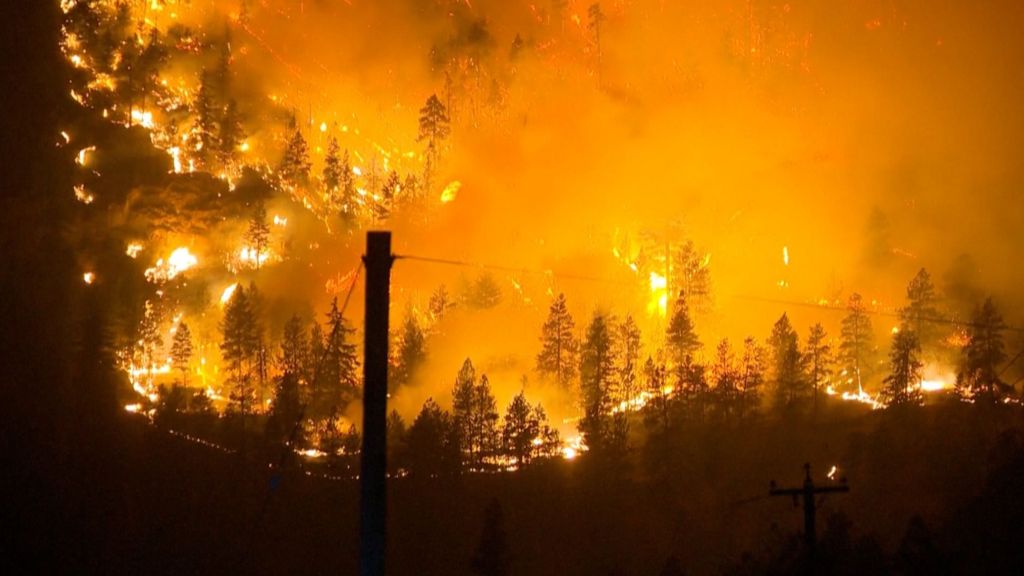
    A rapid-spreading wildfire has carved a path of destruction across British Columbia, leaving officials scrambling to assess the full scope of residential damage even as the blaze continues to burn unchecked. Eyewitness accounts highlight the terrifying speed of the inferno, with one resident describing the disaster by saying, “That fire came so fast.” As of Monday, emergency management teams have not yet finalized a full count of homes destroyed or damaged by the uncontrolled wildfire, which has upended communities across the region and stretched local response resources thin. Provincial wildfire services have deployed additional crews and aerial support to contain the blaze, but challenging terrain and dry, windy conditions have hampered containment efforts, leaving the fire still listed as out of control. Authorities have urged residents in evacuation zones to follow emergency orders immediately, as shifting fire behavior can lead to sudden changes in risk levels across affected areas.

  • Colombia quake leaves 69 dead, with more trapped under rubble

    Colombia quake leaves 69 dead, with more trapped under rubble

    A powerful 7.4-magnitude earthquake has devastated western Colombia on Monday morning, leaving at least 69 people dead, dozens more trapped beneath collapsed building debris, and triggering panic across multiple neighboring countries.

    The tremor struck at 7:34 a.m. local time, centered 100 kilometers deep beneath the San Jose del Palmar municipality in the coastal Choco region, a low-income area where full damage counts have yet to be confirmed. The highest death toll has been recorded in Risaralda, where 40 people lost their lives. An additional 27 fatalities were reported in the Valle del Cauca department, and two more people died in Manizales, a major hub in Colombia’s famed coffee-growing region.

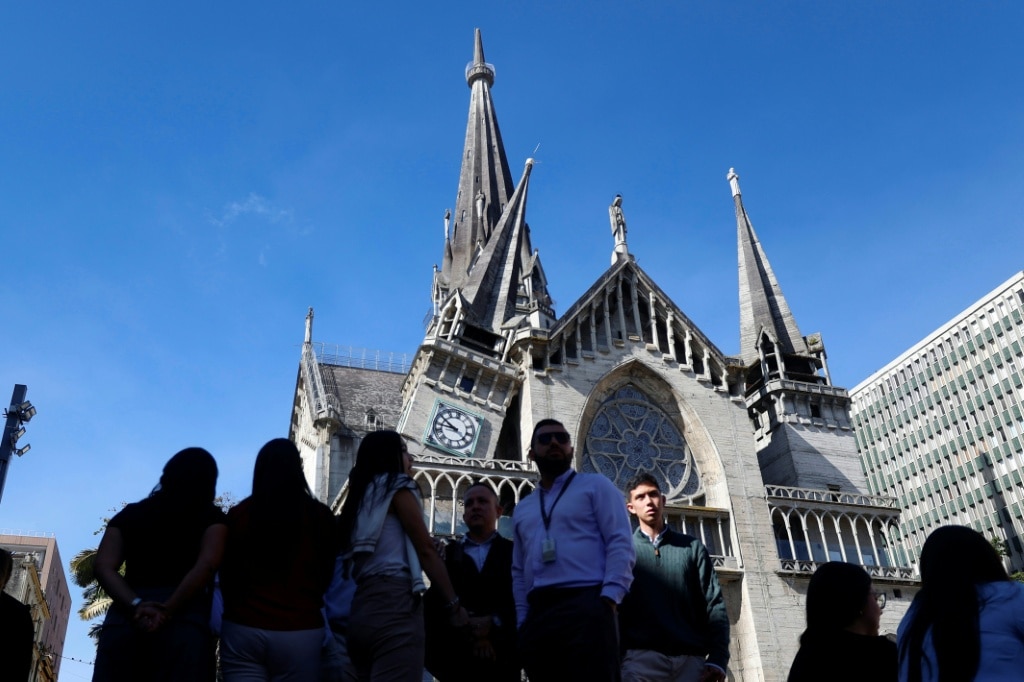
    Local officials across affected areas have described a catastrophic situation. In Manizales, an AFP correspondent on the ground confirmed that a historic tower of the city’s iconic cathedral collapsed, and dozens of other structures sustained severe damage. “A great many buildings in the city sustained damage,” said 50-year-old local administrator Jaime Zuluaga. “Traffic is paralyzed and people don’t want to go back to their homes for fear of an aftershock.” In Cali, Colombia’s third-largest city, 20 structures have crumbled, leaving an unknown number of residents trapped under rubble, according to Mayor Alejandro Eder. In the epicentral region’s capital Quibdo, Choco Governor warned of extensive destruction, with amateur footage showing multiple buildings reduced to piles of rubble.

    The shaking was powerful enough to be felt hundreds of kilometers away, in the Colombian capital Bogota, as well as in neighboring Ecuador, Panama, and Venezuela. In Bogota, where only minor damage was reported, AFP reporters witnessed thousands of residents, many still in their pajamas, fleeing multi-story buildings into the streets in panic when the tremor hit. “The quake was very, very strong,” said 29-year-old local content creator Valeria Polo.

    In the wake of the disaster, authorities have enacted emergency measures across western Colombia. The country’s civil aeronautics agency announced the immediate suspension of operations at six regional airports, and the national football governing body has postponed all upcoming scheduled matches out of caution. Emergency response teams have been deployed to affected regions to conduct search and rescue operations for survivors trapped in rubble.

    The disaster comes just four days after Colombian President Abelardo de la Espriella was sworn into office. The new head of state announced he was convening an emergency meeting of government officials in Bogota to coordinate the response, and addressed the nation in a televised message. “To the Colombians who are going through difficult times today, I want to say: You are not alone,” he said.

    International offers of support have already poured in from across the globe. De la Espriella, who campaigned on a platform of closer ties with the United States and Israel, has received public messages of solidarity from both nations. U.S. Secretary of State Marco Rubio wrote on social media platform X that Washington was “closely monitoring the large earthquake that struck Colombia and stands ready to support the people of Colombia.” Israel also offered assistance, along with Mexican President Claudia Sheinbaum and Ecuadorian President Daniel Noboa.

    The disaster comes just months after a pair of large earthquakes, measuring magnitude 7.2 and 7.5, hit neighboring Venezuela in June, killing more than 6,000 people and leaving a trail of widespread destruction across the country’s northern regions.

  • Building collapses in Pereira

    Building collapses in Pereira

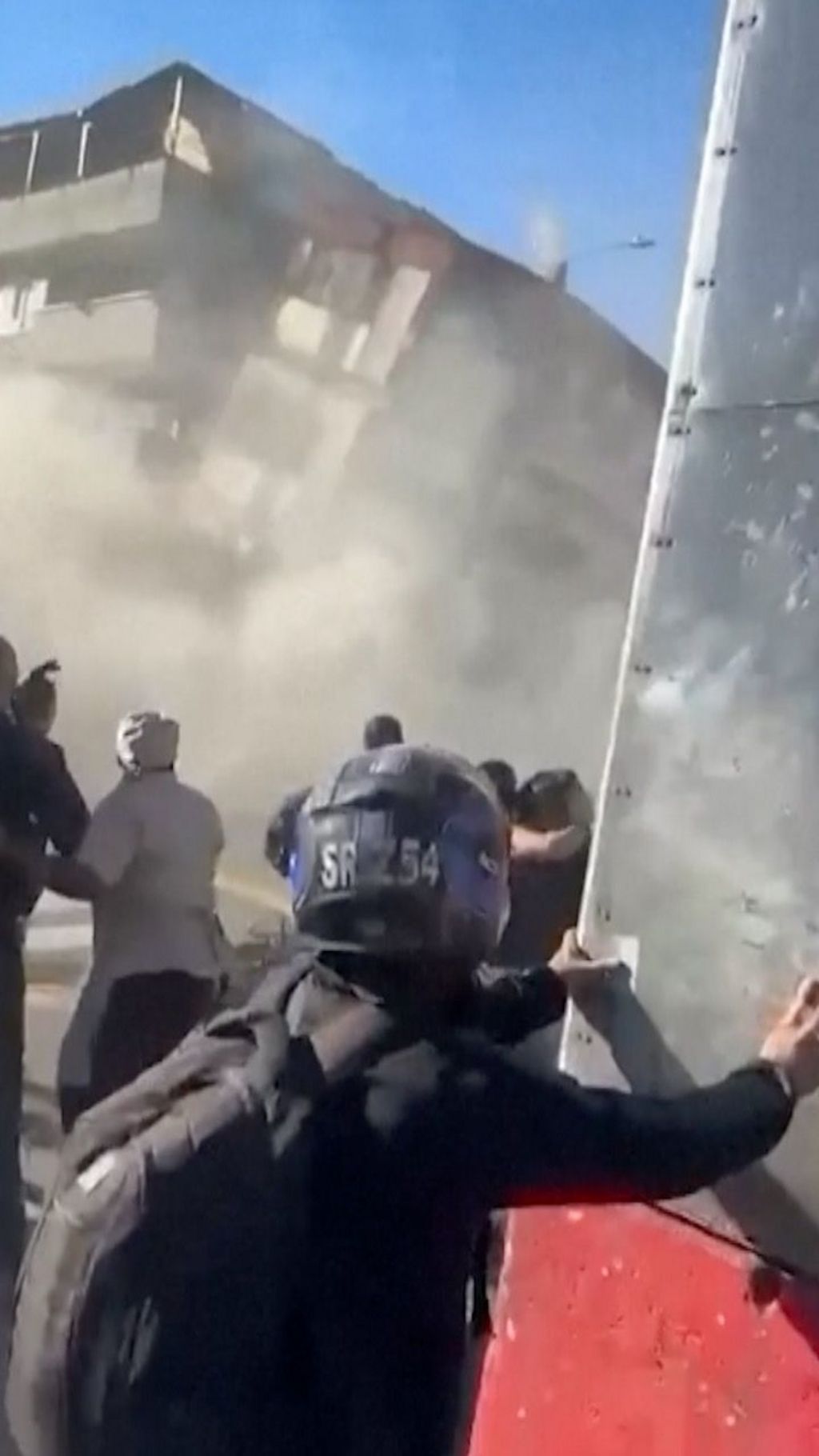
    A structural failure has resulted in a building collapsing in the city of Pereira, located in the coffee-growing region of western Colombia. Local emergency response teams have been activated immediately following the incident, with first responders rushing to the collapse site to conduct search and rescue operations. As of the initial public report, details on the number of people affected, potential casualties, and the root cause of the collapse remain under active investigation. Authorities have cordoned off the surrounding area to ensure public safety and facilitate evidence collection to determine what led to the structural failure. Pereira residents have been urged to avoid the vicinity of the incident to allow emergency crews to work unimpeded.

  • Pentagon official asks Asian allies to invest more in defense to deter aggression

    Pentagon official asks Asian allies to invest more in defense to deter aggression

    MANILA, Philippines – During a regional security forum held in the Philippine capital on Monday, a senior U.S. Department of Defense official called on Asian ally nations to increase their own defense investments and contribute to collective deterrence of potential regional aggression, while emphasizing that Washington seeks equal partnerships rather than dependent protectorates in the Indo-Pacific.

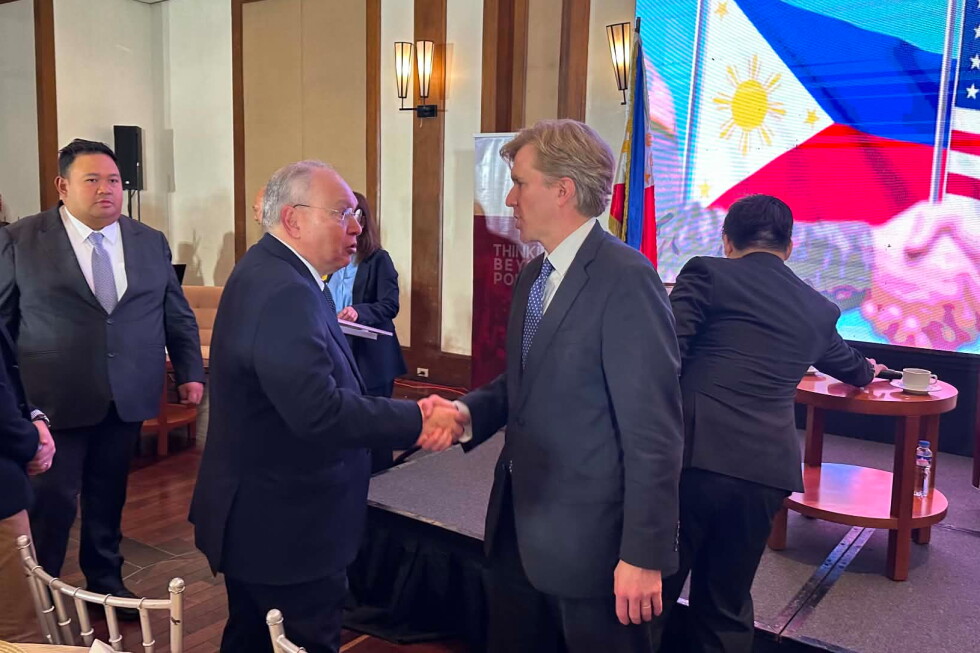
    Elbridge Colby, U.S. Undersecretary of Defense for Policy, delivered the remarks as part of his first stop on an ongoing Southeast Asian tour, which will also include official stops in Indonesia, Thailand, and Cambodia in the coming days. Amid growing global speculation that the United States has shifted its strategic focus away from Asia amid escalating tensions in the Middle East tied to the ongoing Iran conflict, Colby used the high-profile platform to push back against those narratives, delivering a clear reassurance that Washington remains deeply invested in regional security.

    “America is definitely not stepping back from Asia. To the contrary, our core national interests demand that we maintain an enduring, visible presence here,” Colby told the assembled crowd, which included senior foreign diplomats, ranking military officers, regional business leaders, and international journalists. “We are not leaving; in fact, we are digging in, to ensure a favorable balance of power where it matters most,” added Colby, the Pentagon’s top policy advisor. “We see Asia as of paramount importance to global and American security.”

    In a departure from past high-profile U.S. remarks that have featured sharp public criticism of China’s increasing territorial assertiveness in the region – most notably in the contested South China Sea – Colby avoided direct, heated rhetoric targeting Beijing. The South China Sea, a critical global maritime trade chokepoint, has been the site of overlapping territorial disputes for decades: China claims sovereignty over nearly the entire waterway, while the Philippines, Vietnam, Malaysia, Brunei, and Taiwan hold competing claims. A 2016 international arbitration ruling, initiated by Manila, formally invalidated Beijing’s expansive territorial claims, but China has repeatedly rejected the ruling’s authority. In recent years, Washington has repeatedly voiced alarm over Beijing’s increasingly hostile actions against Philippine coast guard and naval vessels operating in the disputed waters, and has reaffirmed its long-standing treaty obligation to defend the Philippines, its oldest Asian ally, if Filipino military assets come under armed attack anywhere in the region, including the South China Sea.

    Colby echoed a previous commitment made by U.S. Defense Secretary Pete Hegseth during his June address at the Shangri-La Dialogue, Asia’s premier annual defense summit, held in Singapore. Hegseth pledged that the U.S. would build and maintain robust defense posture in the Western Pacific “that ensures aggression is infeasible, escalation unattractive and war deemed irrational,” a promise Colby reaffirmed on Monday.

    “The United States remains fully committed to sustaining combat-credible military power in the critical Indo-Pacific region,” Colby said. “Yet this regional defense architecture cannot rest entirely on American shoulders alone. It must be upheld by a network of highly capable, sovereign nations that have modernized their own armed forces and stepped up to secure their own national territory — transforming our relationships into true partnerships of equals.”

    He went on to clarify that Washington’s call for increased ally investment does not signal a planned withdrawal from the region. “When we ask our allies and partners to step up, to invest more in their own defense and to take responsibility for their own sovereign security, we are not signaling abandonment. We are looking for partners, not protectorates,” Colby said.

    The Pentagon official singled out the Philippines for praise for its ongoing efforts to strengthen national defense capabilities, noting Manila’s annual large-scale joint combat exercises with U.S. forces as a key example of productive cooperation. He also highlighted similar progress from other Southeast Asian security partners including Thailand and Indonesia.