博客

  • Watch: What we know about suspected crime boss Daniel Kinahan

    Watch: What we know about suspected crime boss Daniel Kinahan

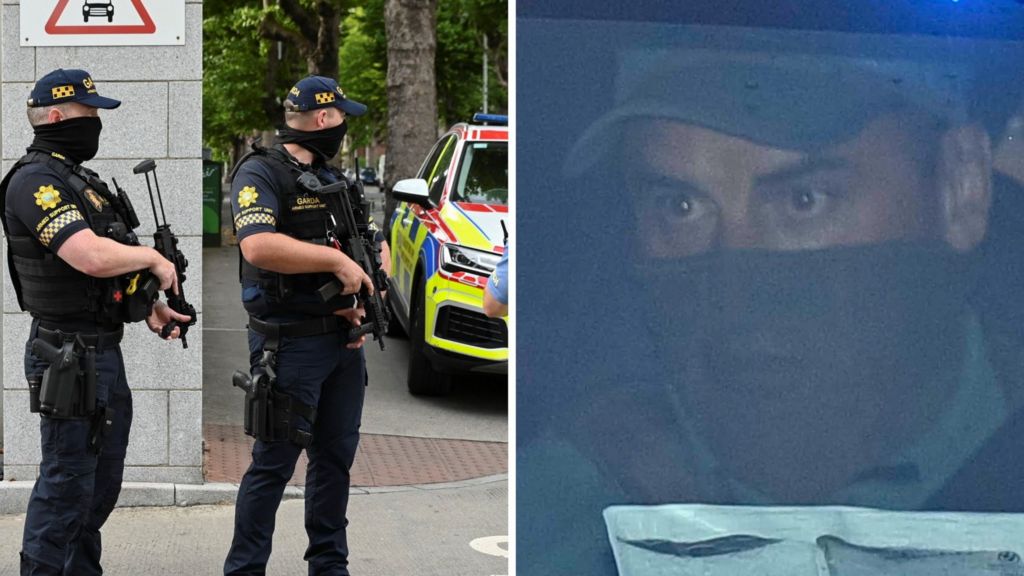
    One of the globe’s most high-profile fugitives, suspected organized crime leader Daniel Kinahan, has completed his transfer from United Arab Emirates custody into Irish law enforcement hands, and spent his first full night behind bars on Irish soil this week.

    The long-sought criminal figure, who has been linked to transnational drug trafficking, money laundering, and a string of violent organized crime activities spanning multiple continents for years, was taken into Irish detention following the completion of a controversial extradition process that had dragged on for months amid diplomatic and legal wrangling between Dubai authorities and Irish prosecutors.

    Kinahan’s arrest and extradition mark a landmark milestone in a multi-year international manhunt led by law enforcement agencies across Europe and the Middle East, who have targeted the Kinahan organized crime network for its alleged role in sprawling illegal operations that have generated billions of dollars in illicit revenue. Prior to his detention in Dubai last year, Kinahan had operated relatively openly in the emirate for years, even developing a high-profile public profile linked to international professional boxing promotion — a side venture that investigators believe was used to launder proceeds from his core criminal activities.

    Irish law enforcement officials have welcomed the extradition, framing it as a critical victory in global efforts to dismantle large-scale transnational organized crime networks. Kinahan now faces a series of criminal charges in Ireland, with legal proceedings expected to get underway in the coming weeks. Security analysts note that the removal of the suspected kingpin could trigger significant shifts in the global illicit trade landscape he long dominated, potentially creating power vacuums that lead to increased criminal competition in many regions.

  • What next for beleaguered FIFA president Infantino?

    What next for beleaguered FIFA president Infantino?

    Gianni Infantino’s bid to weather growing criticism and retain control of global football’s governing body suffered a fresh blow this week, after three of FIFA’s six regional confederations launched an unprecedented coordinated attack on the FIFA president’s leadership just days after he backed away from a controversial commercial restructuring plan.

    It has been more than seven days since Infantino was forced to abandon his proposal for FIFA Forward Enterprise (FFE), a private-investment-backed commercial subsidiary that would have taken over management of World Cup commercial operations. The plan drew fierce pushback from member associations and confederations over its lack of transparency and concentrated power in the hands of senior FIFA leadership.

    Infantino had gambled that a combative public statement decrying a “concerted and ongoing effort” to undermine his authority would calm tensions and win time to shore up support. Instead, the move backfired spectacularly on Monday, when UEFA (European football’s governing body), CONCACAF (North and Central America and the Caribbean), and the AFC (Asian Football Confederation) published an open letter that laid bare their complete lack of confidence in Infantino’s leadership. While all sides publicly pay lip service to the need for unity within FIFA, deep divides over how the organization should be governed have made any compromise unlikely for the foreseeable future.

    AFP Sport has broken down the current state of play, mapping out where blocs of support stand and what possible outcomes could unfold in the coming months:

    ### Who Stands With Infantino?
    The 56-year-old Swiss incumbent has built a solid base of support over 10 years in office, largely through expanded development funding distributed to FIFA’s 211 member associations—a strategy that has paid dividends in loyalty.

    The Confederation of African Football (CAF), whose member Morocco will co-host the 2030 men’s World Cup, has remained unwavering in its backing. Last week, CAF’s executive committee issued a statement “unanimously reconfirm[ing] its support for FIFA President Gianni Infantino and thanked him for his support for African football, over the years.”

    South America’s governing body CONMEBOL has also retained its support, though it did join critics in condemning the sloppy planning and lack of consultation around the scrapped FFE plan. CONMEBOL has insisted that Infantino’s future should only be decided at the scheduled presidential election in Rabat next March, rather than through any early intervention.

    A number of individual member associations have even broken ranks with their own regional confederations to back the incumbent. These include Mexico (a 2026 World Cup co-host that belongs to CONCACAF), and Kuwait and Qatar (AFC members that have both publicly voiced support for Infantino).

    ### The Growing Opposition Bloc
    UEFA, CONCACAF, and AFC doubled down on their scathing rejection of Infantino’s leadership in Monday’s open letter, branding the scrapped FFE plan a “shabby, opaque, backroom deal.”

    UEFA’s explicit threat to boycott all FIFA competitions—including the men’s and women’s World Cup—is widely credited as the decisive pressure that forced Infantino to abandon the FFE plan in a humiliating climbdown. The confederation reiterated that boycott threat last week, just one day after the FIFA senior leadership issued a statement of full backing for Infantino. At that time, CONCACAF and the AFC had not yet joined the public criticism, leaving UEFA isolated. Monday’s open letter made clear that the opposition is now a coordinated three-confederation bloc.

    “When trust is broken through deception, when an individual places himself above the collective that entrusted him with authority, that duty has been abandoned,” the three confederations wrote in their joint statement.

    UEFA’s boycott threat will face its first real test as early as September, when the Women’s Under-20 World Cup is scheduled to kick off in Poland.

    The calls for Infantino to step down immediately have grown louder in recent days: Lise Klaveness, the outspoken president of the Norwegian Football Federation and one of Infantino’s most prominent critics, publicly called for his resignation last Friday. A growing number of European national associations have also publicly withdrawn their backing for his re-election, including Denmark, Finland, Sweden, Serbia and Wales.

    ### What Could Happen Next?
    Infantino is currently standing for a fourth and final four-year term as president, with the election scheduled to take place at the FIFA Congress in Rabat on March 18 next year. The deadline for any rival candidate to officially register their candidacy is November 18.

    Historical precedent favors incumbents in FIFA presidential votes: the last time a sitting president was unseated was in 1974, when Brazil’s Joao Havelange defeated incumbent Stanley Rous of England. That means unseating Infantino at the scheduled ballot would be an uphill battle for opponents.

    However, critics who want to remove Infantino before next March do have a procedural path to force an early vote. The most likely option is a motion of no confidence, which requires support from 20 percent of FIFA’s member associations—equal to 43 national bodies—to trigger an emergency FIFA Congress to vote on the motion.

    Every member association holds one equal vote at FIFA congresses, meaning a small football federation like Gabon has the same voting weight as the German Football Association. It remains unclear whether a simple majority would be enough to remove Infantino from office early.

    ### Who Could Challenge Infantino?
    While Klaveness has been the most vocal critic of the incumbent, she is not seen as a likely candidate. FIFA’s electorate has historically favored a non-European president to balance the leadership of the global body, and no European has held the FIFA presidency only since 1998 (Sepp Blatter, followed by Infantino, with African football chief Issa Hayatou serving as caretaker between Blatter’s 2015 resignation and Infantino’s election). Even after Kirsty Coventry’s historic election as IOC president last year, the prospect of a woman leading FIFA remains remote for now.

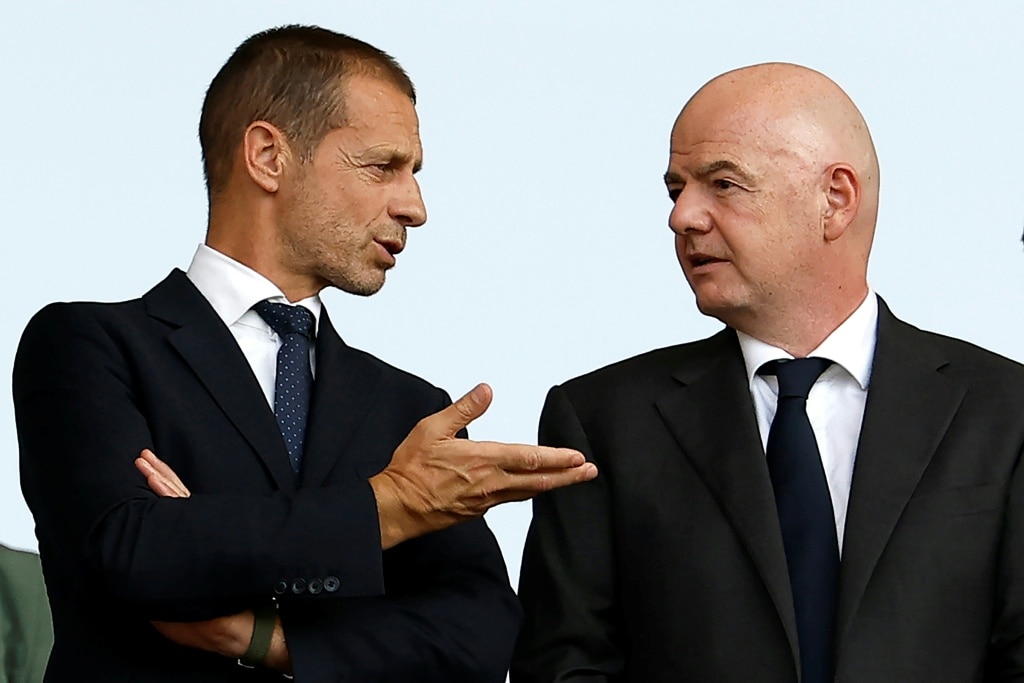
    UEFA president Aleksander Ceferin has repeatedly ruled himself out of the running, which narrows the field of credible potential challengers considerably. Two high-profile confederation leaders are seen as the most likely candidates to stand against Infantino:

    * **Victor Montagliani**: The president of CONCACAF was once viewed as a close ally of Infantino, but the two have fallen out completely over the FFE plan, with CONCACAF now calling for “a comprehensive reckoning with this presidency.” The 60-year-old Canadian is a charismatic administrator who played a key role in delivering the successful 2026 World Cup hosting process, and counts legendary football figure Carlo Ancelotti among his close contacts in the global game.

    * **Sheikh Salman bin Ibrahim al-Khalifa**: The AFC president previously ran for the FIFA presidency in 2016, when the vacancy opened up after Blatter’s resignation. He finished second behind Infantino in that vote. Now 60, Sheikh Salman has led Asian football since 2013, and his fourth term as AFC president ends next year, leading to widespread speculation that he will launch a second bid for the top FIFA job.
  • Strong earthquake causes significant damage and injuries in Colombia

    Strong earthquake causes significant damage and injuries in Colombia

    On a Monday morning, a powerful magnitude-7.4 earthquake shook Colombia’s Pacific coastal region, leaving widespread structural damage in its wake and sparking urgent safety response across the country, Colombian officials confirmed. According to the Colombian Geological Survey, the seismic event hit at 07:34 local time (12:34 GMT), with a hypocenter depth of 96 kilometers, or around 60 miles. Its epicenter was located just 5 kilometers east of the small rural village of San José del Palmar in Chocó province.

    Nubia Carolina Córdoba, the governor of hard-hit Chocó province, confirmed that the quake had left a number of people injured, though she did not release an exact casualty count as of early reporting. In public remarks following the event, Córdoba emphasized that authorities remain on high alert for potential aftershocks that could worsen existing damage and put more residents at risk.

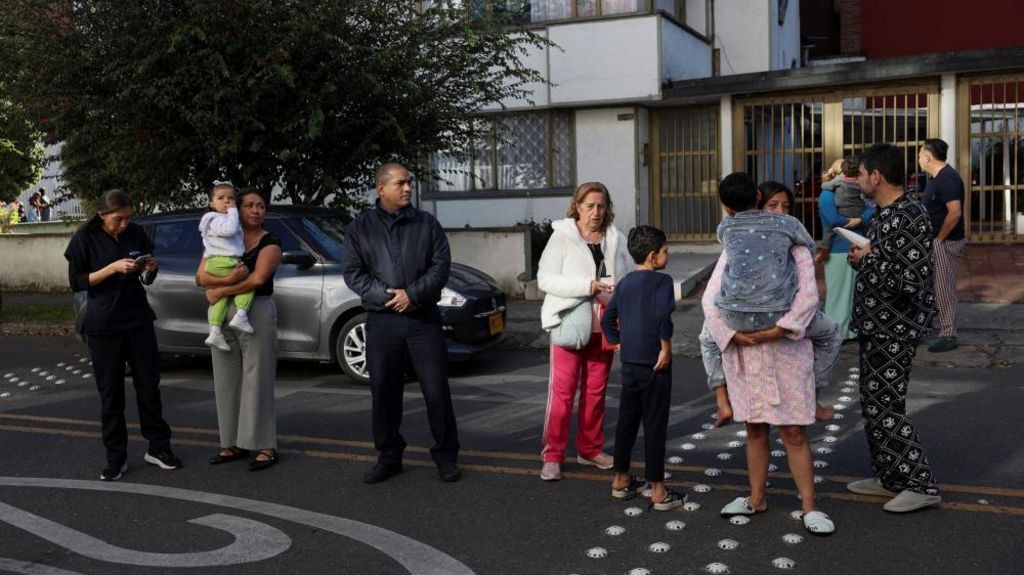
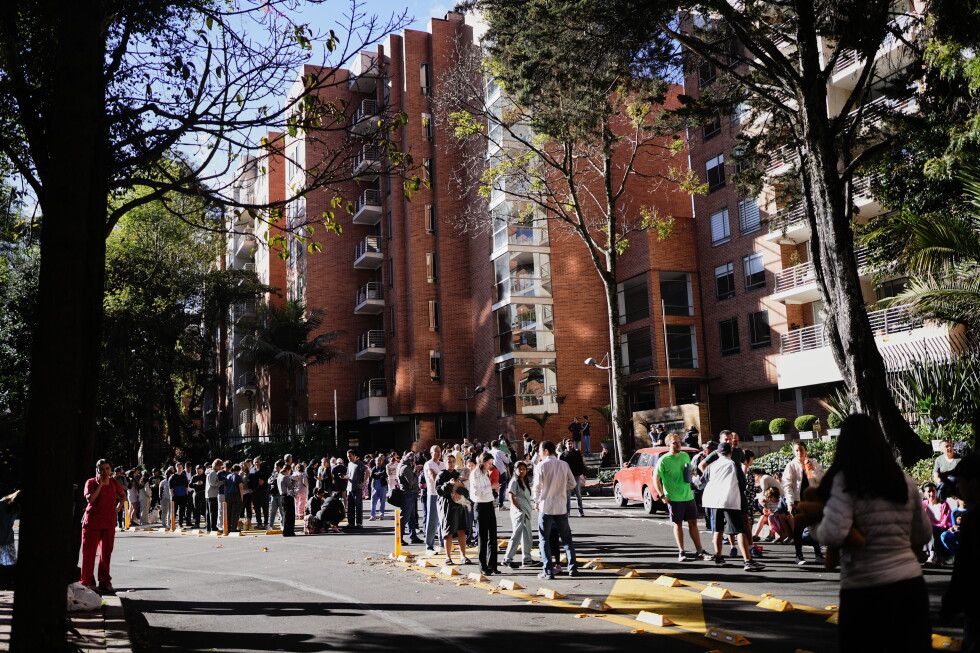
    The intensity of the quake was felt hundreds of kilometers away from the epicenter, reaching all the way to Bogotá, Colombia’s capital situated to the east of the impact zone. In response to the shaking, multiple buildings across the capital were evacuated as a safety precaution. Tremors were also detected in Manizales, a major city in Colombia’s renowned coffee-growing region. Local leading national newspaper El Tiempo shared user-submitted footage from Manizales showing a collapsed structure, with bystanders shouting to reach individuals believed to be trapped under the rubble.

    Monday’s earthquake comes just two months after a pair of powerful seismic events devastated northern regions of neighboring Venezuela, claiming the lives of more than 6,100 people. That disaster put the entire Andean region, which sits along the geologically active Pacific Ring of Fire and faces frequent seismic risk, on heightened awareness of earthquake preparedness and response protocols.

  • WHO says Congo’s fast-moving Ebola outbreak started months before it was declared

    WHO says Congo’s fast-moving Ebola outbreak started months before it was declared

    In a stark update on the spiraling public health crisis in eastern Democratic Republic of the Congo, the World Health Organization (WHO) confirmed Monday that the fastest-growing Ebola outbreak in recorded history emerged in February, three full months before it was officially declared to the public on May 15. Responders are now scrambling to contain a virus that has consistently outpaced containment efforts, against a backdrop of systemic and security challenges that make effective intervention nearly impossible.

    Dr. Mohamed Yakub Janabi, WHO’s Regional Director for Africa, told reporters that genetic sequencing of virus samples has traced the outbreak’s origin back to February. Early cases of the disease were misdiagnosed as malaria and typhoid, a critical error that allowed the virus to spread undetected through communities for months. Compounding this early delay, initial testing protocols only screened for the more common Zaire strain of Ebola, not the rare Bundibugyo variant driving this outbreak. The Bundibugyo strain has no approved vaccines or targeted treatments currently available, leaving frontline workers with limited tools to slow transmission or improve patient outcomes.

    As of the latest official government count, the outbreak has already recorded 4,200 confirmed cases, with more than 1,900 people dead. This current outbreak has killed people faster than any Ebola event in history, outpacing even the devastating 2014-2016 West Africa outbreak that was long considered the worst on record. That 2014-2016 crisis took eight months to reach 1,000 deaths; this outbreak hit that milestone in a fraction of the time.

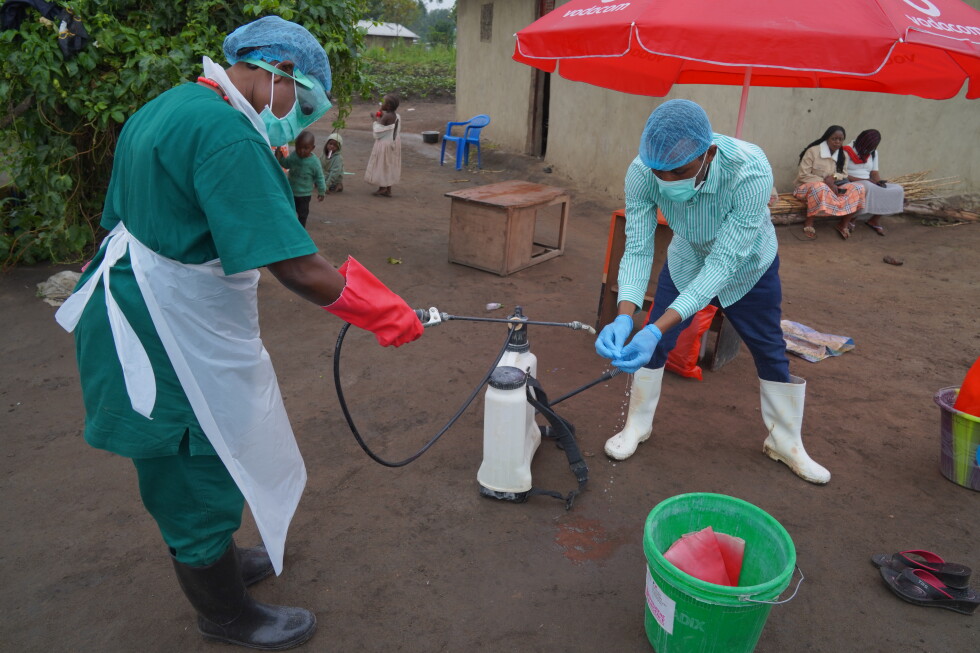
    The crisis is unfolding in one of the most difficult operating environments for global health responders. The affected region, which sits near the borders of South Sudan, Uganda, and Rwanda, has been torn apart by decades of rebel conflict that gutted local healthcare infrastructure long before the first Ebola case emerged. Today, responders face multiple overlapping barriers: strikes by unpaid health workers have left critical facilities understaffed, rebel groups threaten aid teams, and long-traumatized communities often distrust intervention efforts, fueled by widespread misinformation that claims Ebola does not exist at all.

    Frontline teams must navigate remote, unpaved roads to reach affected communities and have repeatedly reported critical shortages of personal protective equipment. A large population of displaced people living in informal settlements also lack access to clean water for regular handwashing, one of the most basic measures to slow transmission of the virus, which spreads through contact with infected bodily fluids including blood, vomit, and semen, as well as contaminated surfaces like bedding and clothing. Ebola causes severe organ damage and is fatal in the majority of untreated cases.

    Last week, WHO Director-General Tedros Adhanom Ghebreyesus reiterated the urgency of the crisis during a visit to Congolese capital Kinshasa, noting that the virus is spreading faster than response teams can keep up. In some of the worst-affected hot spots, the number of new confirmed cases is doubling at an alarming rate. Health authorities estimate that between 60% and 70% of all new cases are occurring in people who were not on the contact tracing monitoring list, meaning transmission is happening through unrecognized community spread that is nearly impossible to track.

    Already fragile access to routine healthcare in the region has become even worse as the outbreak escalates. Pregnant women and people with other acute medical conditions are now avoiding health centers out of fear of contracting Ebola, putting their own lives at unnecessary risk from treatable conditions.

    Late declarations of Ebola outbreaks are not unprecedented. The 2014-2016 West Africa outbreak, which killed more than 11,000 people across at least 28,000 confirmed cases, was officially declared in March 2014, but retrospective investigation later found the first human infection occurred three months earlier, in December 2013.

  • Powerful earthquake shakes Colombia and Ecuador prompting people to evacuate homes and buildings

    Powerful earthquake shakes Colombia and Ecuador prompting people to evacuate homes and buildings

    On a Monday morning, a substantial seismic event rattled western Colombia, sending waves of tremors across the South American nation and reaching as far as neighboring Ecuador. The sudden shaking forced thousands of residents to hurriedly evacuate their homes, office buildings and public spaces in search of safe, open ground.

    Both the United States Geological Survey (USGS) and Colombia’s national geological institute confirmed the earthquake registered a magnitude of 7.4. Though the tremor packed significant power, it originated at a relatively deep depth below the Earth’s surface, a factor that experts often note can mitigate the worst of surface-level damage. The epicenter was pinpointed to San Jose Del Palmar, a small rural community located roughly 400 kilometers (250 miles) west of Colombia’s capital city, Bogota.

    In the immediate aftermath of the quake, emergency management authorities had not yet released any reports of structural damage or human injuries. Response teams have been dispatched to affected regions to conduct damage assessments and check on at-risk communities.

    This latest major seismic event comes just one month after a pair of powerful back-to-back earthquakes, measuring magnitude 7.2 and 7.5 respectively, hit neighboring Venezuela in late June. That devastating double earthquake event destroyed hundreds of buildings across the country and ultimately claimed the lives of more than 5,000 people, leaving a widespread trail of destruction and displacement.

  • Europe braces for another summer heatwave

    Europe braces for another summer heatwave

    As human-caused climate change continues to drive accelerated warming across the European continent, much of the region is gearing up to face yet another extreme heatwave, following a summer already marked by record-low river levels, devastating historic wildfires and thousands of heat-related deaths.

    Extreme heat warnings were already in effect for parts of Britain and France on Monday, with forecasters projecting peak temperatures will climb into the mid-30s Celsius in many affected areas. Unusually high temperatures are also on track to hit a broad swathe of central European nations unaccustomed to sustained extreme heat, including Switzerland, Austria and Hungary, in the coming days. According to Europe’s regional weather alert system MeteoAlarm, sweltering conditions have already settled across most of Italy and coastal Croatia as of Monday.

    The United Kingdom’s Met Office issued alerts over the weekend warning that the country’s fifth distinct heatwave of the summer would spread northward across most of the nation. Unlike many warmer climates, the UK’s built infrastructure is designed for the country’s historic temperate, cool conditions, leaving it particularly vulnerable to sustained heat. “Yet another spell of extremely hot weather is set to spread north across much of the UK with temperatures reaching the mid-30s Celsius in places,” the agency announced on social media platform X on Sunday.

    Already, half of England and the entirety of Wales are officially classified as being in drought, triggering hosepipe bans that impact roughly 23 million people. Additional English regions are expected to be added to the drought classification later on Monday, with no meaningful rainfall forecast for impacted areas through the coming week.

    In France, national weather service Meteo-France warned Monday that temperatures would climb as high as 35 degrees Celsius in the country’s southeast, before spreading across nearly the entire country between Wednesday and Friday. The agency also cautioned that under ongoing climate change, “future summers will generally be hotter than those experienced to date.” Both France and the UK have already recorded thousands of excess deaths during earlier heatwaves this summer.

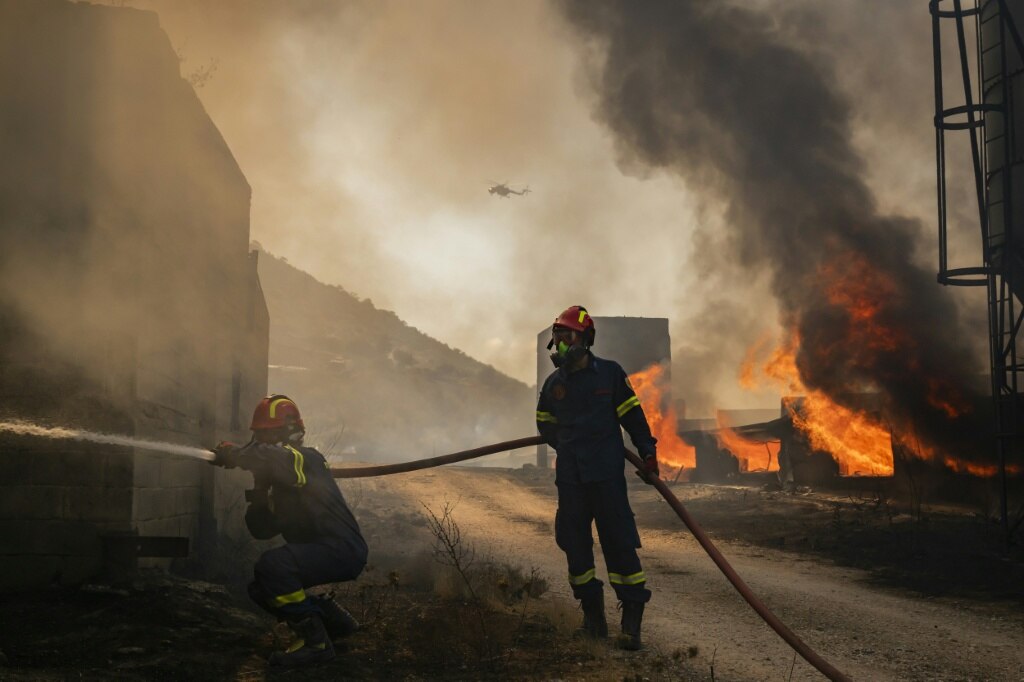
    The combination of prolonged heat and parched conditions has already created tinder-dry fuel across much of southern Europe, spurring a series of large wildfires. On Monday, Greece reported its second major wildfire of the season near the capital Athens, and dispatched hundreds of firefighters and pieces of equipment to contain the blaze. A separate wildfire that broke out 10 days ago northwest of Athens has already burned more than 10,000 hectares of pine forest to ash. France and Spain have already faced unprecedented, historic wildfire seasons this summer, driven by record-breaking drought conditions across the Iberian Peninsula and western Europe.

    Beyond wildfire risk, the ongoing heat and drought have pushed river levels across the continent to historic lows, disrupting critical transportation and energy infrastructure. German industry groups warned Monday that water levels on the Rhine River, which cuts through the industrial heartland of Europe’s largest economy, could drop low enough to halt commercial shipping entirely. While cargo vessels have continued moving goods along the river so far, they have been forced to operate with sharply reduced loads, driving up transportation costs for key industrial materials.

    In Poland, officials confirmed Monday that water levels on the Vistula, the country’s longest river, matched the all-time record low recorded in the capital of Warsaw – a record that was first set just three days prior on Friday. In central and eastern Europe, extremely low levels on the Danube River have forced nuclear power plants in both Hungary and Romania to suspend operations since late July, as the facilities rely on Danube water for cooling reactor systems.

    An AFP analysis of data from national weather agencies and the EU’s Copernicus Climate Change Service found that nearly 120 million Europeans currently reside in regions where July 2022 marked the hottest July ever recorded, with the most extreme record warming concentrated in southern Britain, western France, and northern and eastern Spain. A separate analysis published last month by AFP found that at least 12,000 excess deaths occurred across nine European nations during a single major June heatwave, a toll that is expected to rise as additional mortality data is finalized.

    Even amid the widespread heat emergency, a rare astronomical event is drawing attention across the continent: a partial total solar eclipse will cross parts of Europe on Wednesday, and skygazers are still planning to view the event despite the extreme heat. The European Space Agency’s observatory in Teruel, Spain, is hosting a full day of public events leading up to the eclipse, which will begin at 1733 GMT and reach totality at 1823 GMT local time. Temperatures in Teruel already climbed above 30 degrees Celsius on Monday, and the eclipse’s path will cross regions that were devastated by major Spanish wildfires just last month.

  • Battle for Mali base has killed dozens of militants, army says

    Battle for Mali base has killed dozens of militants, army says

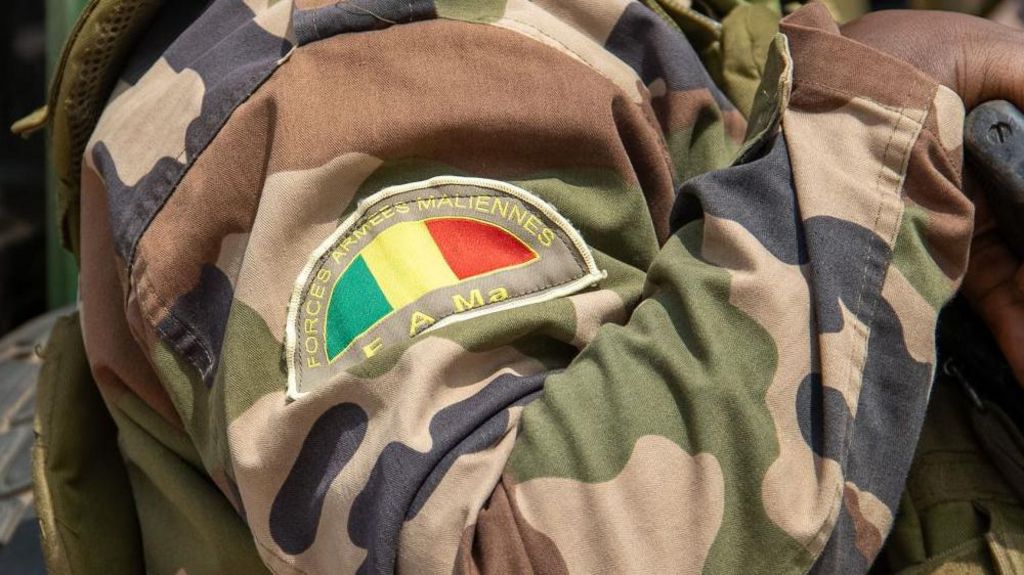
    A brazen pre-dawn assault on a key Malian military garrison in the central town of San has left dozens dead and sparked conflicting official and insurgent claims about control of the base, deepening concerns over Mali’s worsening decade-long security crisis. The Sunday attack, which unfolded around 5 a.m. local time, marks another escalation for al-Qaeda-affiliated militant group Jama’at Nusrat al-Islam wal-Muslimin (JNIM), which has expanded its operational reach far beyond Mali’s northern insurgency heartland in recent years.

    According to local witnesses cited by French broadcaster RFI, attackers infiltrated the base on foot and motorcycles, with a portion of the assault force disguising themselves in Malian army uniforms to slip past perimeter defenses. Malian military officials confirmed that militants deployed drones, heavy machine guns, and armored vehicles to breach the camp’s outer barriers, with clashes stretching on for roughly two hours. Multiple independent sources, including AFP, have reported that at least 10 Malian soldiers were killed in the fighting, with witnesses noting that militants held parts of the base for an extended period before withdrawing. Some surviving attackers fled to nearby forests or hid in local residential areas after the battle, one witness told RFI.

    In an official video statement, Lieutenant Colonel El Oumrani, commander of the 23rd regiment stationed at the San garrison, claimed Malian forces had successfully repelled the assault and killed approximately 40 militant fighters. “The enemy was eliminated and the attack was successfully repelled,” he said, pushing back on claims that the army had lost control of the installation. “The camp of the 23rd is not empty, it is under the custody of the army. My soldiers have not gone anywhere.” The military did acknowledge that troops made a temporary tactical retreat from the site, but rejected JNIM’s assertion that its fighters fully seized and held the base. JNIM had earlier issued a statement claiming responsibility for the attack and stating its fighters had taken full control of the garrison.

    The San assault comes amid a steady deterioration of Mali’s security environment, more than 11 years after a jihadist insurgency first took hold in the country’s northern regions. Since the initial 2012 uprising, large swathes of northern and eastern Mali have remained outside of central government control, and JNIM has steadily expanded its operations to target military and civilian sites in central and southern Mali, proving its ability to penetrate deep into government-held territory despite repeated counterinsurgency campaigns.

    The current military leadership, led by General Assimi Goïta who seized power in a 2020 coup, rose to power partly on promises to reverse the country’s security decline. Since the coup, the junta has rejected long-standing French military counterinsurgency support and turned instead to Russian military assistance, including from the Wagner Group mercenary force. Just four months prior to the San attack, a coordinated nationwide offensive by an alliance of jihadist and separatist rebels calling itself the Azawad Liberation Front targeted government installations across northern Mali. That assault included a suicide truck bombing that killed Defense Minister Sadio Camara at his residence near the capital Bamako.

    Security analysts warn that the brazen attack on a formal military garrison in central Mali underscores the continuing fragility of the junta’s hold on security across the country, even after its strategic shift away from Western partners and toward Russia.

  • Nigeria ‘still have hope’ for 2027 World Cup spot

    Nigeria ‘still have hope’ for 2027 World Cup spot

    Defending and 10-time Women’s Africa Cup of Nations champions Nigeria have been handed a shocking early exit from the 2026 tournament in Morocco, forcing the side into a do-or-die play-off for a shot at extending their unbroken streak at the FIFA Women’s World Cup.

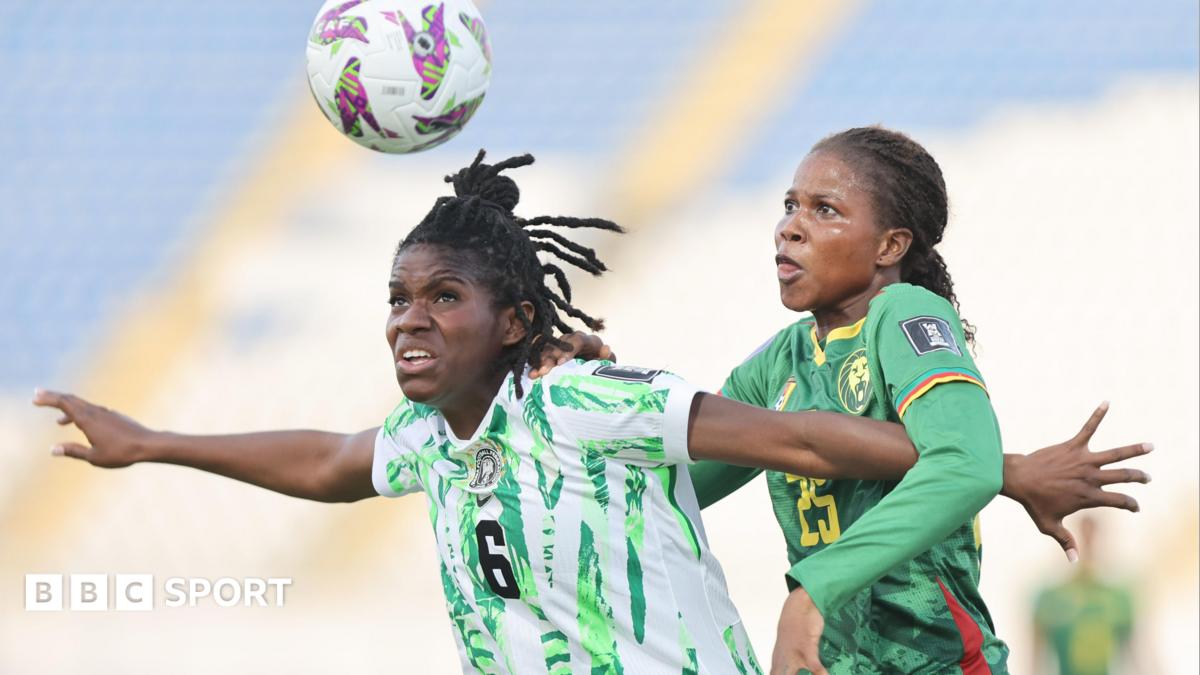
    In a tense last-eight clash in Casablanca on Sunday, Cameroon pulled off one of the biggest upsets of this year’s Wafcon, securing a 1-0 victory over the fancied Super Falcons. The decisive goal came from teenager Myriam Nyadjou, who converted a first-half free-kick to put the Indomitable Lionesses ahead. Cameroon goalkeeper Michaely Bihina then delivered a player-of-the-match performance, pulling off a series of stunning late saves to fend off waves of Nigerian attacks and protect her side’s narrow lead.

    By advancing to the Wafcon semi-finals, Cameroon has secured automatic qualification for the 2027 FIFA Women’s World Cup hosted in Brazil. They join fellow semi-finalists Algeria, Malawi and hosts Morocco in booking their spot at the global tournament. This exit marks Nigeria’s worst ever performance at a Wafcon finals, ending their reign as the continent’s most dominant women’s football side and guaranteeing a new name will be etched onto the trophy when the 2026 tournament concludes this Sunday.

    For Nigeria, the result snaps their automatic qualification streak for the World Cup. The side, which has competed at every edition of the Women’s World Cup dating back to the inaugural tournament in 1991, will now face 2022 Wafcon champions South Africa in a continental play-off this Thursday at 20:00 GMT. The winner of that match will advance to the inter-confederation qualifying stage later this year, where they will compete for one of the final remaining spots at the expanded 32-team 2027 World Cup.

    Nigeria goalkeeper Chiamaka Nnadozie said her side must completely reset their approach ahead of the must-win play-off. “What happened happened, we just have to keep our heads high. There’s still hope – it’s not over yet,” Nnadozie told BBC World Service. She added that head coach Justin Madugu has worked to lift the squad’s morale following the upset, saying: “On Thursday we’ll go out strong, we’ll try to do better than we’ve done [against Cameroon] and hope to get to the next stage of the World Cup. We will go there and make things right.”

    Midfielder Jennifer Echegini echoed that defiant tone, noting that Nigeria dominated possession and created plenty of goal-scoring chances against Cameroon, but was simply unlucky not to find the back of the net. “I think honestly [it was] one of our better games. We created a lot more opportunities. The ball just didn’t go the way we wanted it to. But it’s not over yet. Unfortunately, it is for the Wafcon. But in terms of World Cup qualifiers, there’s still a lot to fight for,” Echegini said.

    For Cameroon, the win marks a long-awaited return to the Women’s World Cup, with the side’s last appearance at the global tournament coming in 2019. Forward Naomi Eto acknowledged that the side adopted a defensive, counter-attacking approach against the more fancied Nigerian side, but said the result was no less deserved. “We can say it was an ugly win because they attacked a lot, but we were very, very strong defensively,” Eto told the BBC. “[It has] always been a dream to play the World Cup. We’ve been waiting for this moment for the longest [time] and it’s finally arrived.”

    In the other Wafcon semi-final fixture, hosts Morocco – who finished as runners-up at the past two tournaments – will face Cameroon on Wednesday, with Algeria and Malawi clashing later the same day to decide the second finalist. In addition to the Nigeria-South Africa play-off, Thursday will also see Ghana face Ivory Coast for the second African spot in the inter-confederation qualifying. The two African play-off winners will join eight other nations from confederations around the world in the inter-confederation tournament, which kicks off with a preliminary stage in November and December this year. A final qualifying round scheduled for February 2027 will decide the last three teams to book their place at the World Cup, which opens in Brazil on June 24, 2027.

  • Alleged rebel leader killed in Colombia as president targets armed groups

    Alleged rebel leader killed in Colombia as president targets armed groups

    Just four days after being sworn in as Colombia’s new head of state, President Abelardo de la Espriella has marked a sharp break from his predecessor’s security policy with a lethal military operation that eliminated one of the country’s most wanted dissident rebel commanders.

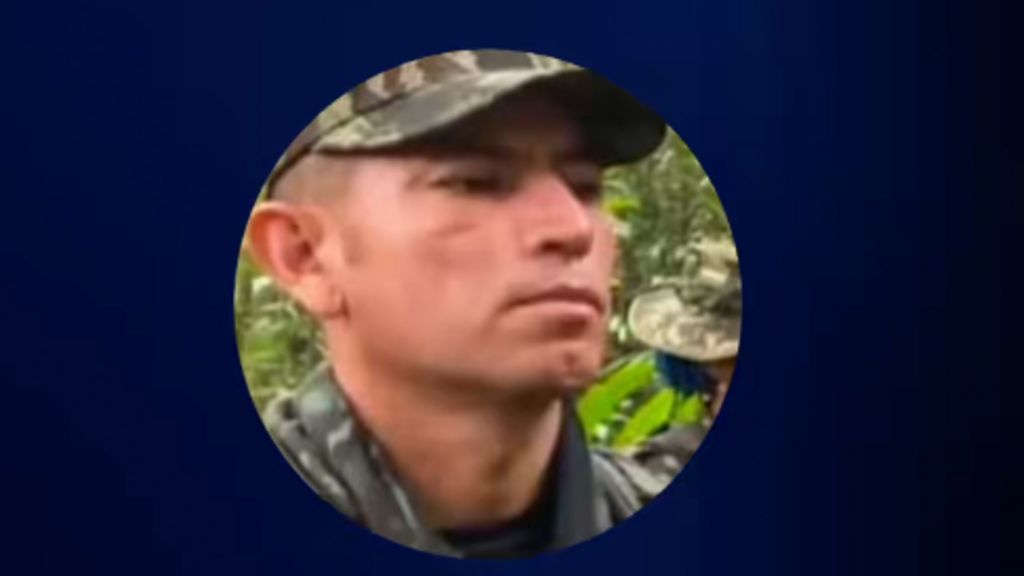
    Hernando Forero Mosquera, widely known by his alias “El Ruso,” was killed alongside five other alleged armed group members during a weekend operation in central Colombia’s rural Meta province, according to official government statements. Military intelligence confirms Forero led Frente 28, a prominent dissident faction that split from the Revolutionary Armed Forces of Colombia (FARC) after the 2016 historic peace accord between the rebel group and the Colombian government.

    The 2016 peace deal was hailed as a landmark step to end five decades of armed conflict, but a small contingent of FARC members rejected the agreement’s terms and refused to disarm. These breakaway factions, including Frente 28, have since become major players in the country’s illegal economy, controlling large swathes of cocaine trafficking and unregulated mining operations. Their activity has been directly linked to a marked resurgence of violent unrest across Colombia in recent years.

    De la Espriella’s quick action on illegal armed groups fulfills a core campaign promise, where he pledged to wage unrelenting war on what he terms “narco-terrorism” — a stark departure from the approach of former President Gustavo Petro, Colombia’s first leftist head of state. Petro pursued a “total peace” strategy that prioritized negotiated ceasefires and dialogue over military confrontation, but his efforts collapsed after multiple armed groups repeatedly violated truce terms and abandoned talks.

    In a public address following the operation, de la Espriella issued a firm warning to all outlawed armed organizations, saying the killing of Forero sends “a clear and powerful message to all bandits that there is nowhere for them to hide.” He added that Forero, an experienced explosives specialist, was a high-value target, and confirmed that two additional suspected members of the Gulf Clan, another major criminal network, were killed in a separate simultaneous offensive in Antioquia province.

    The new hardline security approach has already drawn immediate pushback from dissident groups. Just 24 hours after de la Espriella’s inauguration, coordinated attacks struck two Colombian provinces: a car bomb detonated at a Cauca province toll booth, wounding two security guards, while in Cesar province, a drone-dropped explosive killed a local police officer.

    The Colombian president’s administration enjoys explicit backing from former U.S. President Donald Trump, who publicly endorsed his candidacy during the election campaign. On the day of de la Espriella’s swearing-in, the U.S. State Department announced a $1 billion security assistance package to support the new government’s counter-crime efforts. Washington also formally welcomed Colombia into the “Shield of the Americas,” a U.S.-led alliance of Western Hemisphere nations committed to coordinated action against drug trafficking networks and transnational organized crime.

  • Highlights from the election platforms of perennial British joke candidate Count Binface

    Highlights from the election platforms of perennial British joke candidate Count Binface

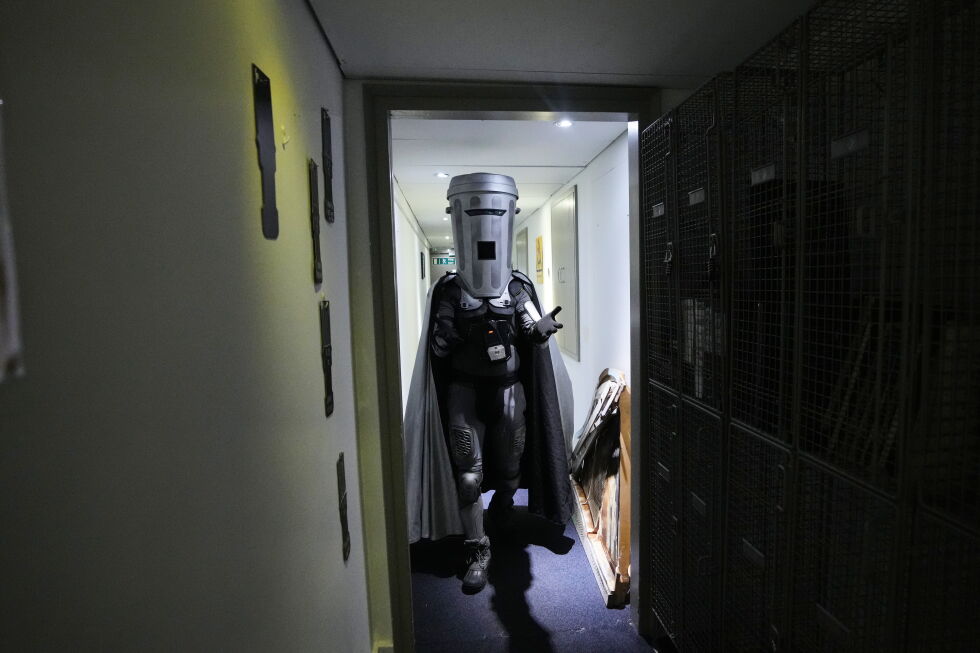
    LONDON – For nearly a decade, Count Binface, a novelty political candidate famous for wearing a repurposed garbage can as a headpiece, has been a beloved running gag across British elections. Now, the self-styled intergalactic space warrior is stealing the spotlight in a high-profile special by-election in Clacton-on-Sea, where he is one of 34 candidates competing against Reform UK leader Nigel Farage this Thursday.

    The contest has already drawn outsize public attention in large part because all major UK political parties have chosen to boycott the race, creating an open field for unconventional candidates like Binface to capture voter interest. Unlike other fringe candidates who have joined UK ballots over the years, Binface has carved out a distinct niche with his signature armor-adorned look topped by his iconic trash can helmet, and a 20-point policy manifesto that blends absurd humor with pointed, tongue-in-cheek commentary on mainstream British politics.

    As the self-proclaimed leader of the Recyclons from the fictional planet Sigma IX, Binface’s political brand is built on a core ethos of reuse: he frequently carries over popular past policies from previous campaigns, where he has challenged sitting prime ministers and the mayor of London, and mixes them with new, joke proposals for each new race. The candidate says he stands fully behind every policy he has introduced over his years in novelty politics.

    Among the standout pledges from his current Clacton campaign is a whimsical tax plan: “I will cut your taxes, and raise everyone else’s.” He also promises to construct at least one new affordable home, and to reform arcade claw machines to guarantee players a fair shot at winning prizes. One of his most popular policies, contributed by 10-year-old Jack, would require oil and gas companies to cover the cost of installing solar panels for every UK household.

    Other pledges include a new windfall tax on celebrity-written “cozy crime” novels, a national referendum to restore Pluto’s status as a full planet, and a plan to fill road potholes using leftover copies of the UK Labour Party’s 2024 election manifesto. Binface also promises functional on-board Wi-Fi for trains – and, for that matter, functional trains themselves. Rules for bad road behavior would see cyclists who break traffic laws forced to ride unicycles instead, while commuters who play audio on speakerphone in public transit would face conscription.

    Hyper-local quirkiness also makes an appearance: Binface has pledged to reposition the hand dryer in the men’s restroom of Uxbridge’s Crown & Treaty pub to a more practical location. On the cultural front, he promises knighthoods for animated characters Wallace and Gromit in recognition of their contributions to Wensleydale cheese, and a ban on loudly crinkled snacks in cinemas and theaters. To address the UK’s ongoing homelessness crisis, Binface proposes requiring the British royal family to keep only one of their four major residential palaces – Buckingham Palace, Kensington Palace, St James’s Palace, and Clarence House – and gift the rest to the state to be repurposed for affordable housing. If the royals object to the plan, he jokes they will be forced to purchase struggling London soccer club Crystal Palace.