博客

  • Indian actor’s video with endangered gibbon sparks investigation

    Indian actor’s video with endangered gibbon sparks investigation

    A viral social media incident involving one of Tamil cinema’s biggest stars has sparked a formal investigation by Indian wildlife authorities, shining a new spotlight on the country’s ongoing challenges with exotic wildlife regulation and illegal trafficking.

    Last Monday, award-winning actor Vikram — whose real name is Kennedy John Victor and boasts a three-decade career of acclaimed, physically demanding roles — shared an Instagram clip showing himself hugging and playing with a lar gibbon, a small endangered ape native to Southeast Asia. The footage spread rapidly across digital platforms, with many outlets reporting the animal as the star’s new pet, before it was removed from his account within hours.

    Officials from Tamil Nadu’s forest department confirmed this week they have launched a probe into how the primate ended up at a private Chennai home belonging to one of Vikram’s relatives. The investigation is focused on tracing the gibbon’s journey through multiple Indian states and verifying whether all legal requirements for possession, transfer, and import were followed at every step. Authorities have not yet made any accusations of trafficking, nor have they claimed Vikram owns the animal or was involved in smuggling it into the country. As of this reporting, the actor has not issued any public comment on the controversy; his public relations representative Yuvaraj told BBC Tamil that any statement from Vikram will be shared with media outlets once it is prepared.

    Lar gibbons, recognizable by their light or dark brown fur and distinct white facial ring, live in small family groups in Southeast Asian tropical forests across Thailand, Myanmar, and Malaysia. The species is formally listed as endangered by global conservation bodies, with wild populations decimated by habitat destruction, hunting, and the unregulated illegal pet trade. The International Union for Conservation of Nature lists the species as endangered, and international trade in lar gibbons is strictly restricted under the Convention on International Trade in Endangered Species of Wild Fauna and Flora (CITES), an international agreement that India has integrated into its national wildlife protection laws.

    Under Indian law, individuals may legally keep CITES-listed exotic species only if they obtain all required permits and register the animal with national wildlife authorities. Rakesh Kumar Dogra, Tamil Nadu’s Chief Wildlife Warden, explained to BBC Tamil that importing protected exotic animals into India requires approval from the Directorate General of Foreign Trade, a no-objection certificate, and final clearance from a senior wildlife conservator. “An investigation is under way into where the lar gibbon came from. Only then can we say whether it was brought illegally,” Dogra said.

    The probe has already uncovered a paper trail that stretches more than 2,000 kilometers from Chennai to the northeastern Indian state of Manipur. A senior Tamil Nadu forest official, speaking anonymously to BBC Tamil, said investigators have linked the gibbon in Vikram’s video to a group of eight lar gibbons — four males and four females — declared by a Manipur-based individual on India’s PARIVESH portal in 2020. PARIVESH is the federal government’s official platform for registering exotic animals and securing environment, forestry, and wildlife-related permits; government records list Malaysia as the origin of this group of primates.

    According to portal records, three of the gibbons — one male and two females — were transferred from Manipur to an individual in Perundurai, located in Tamil Nadu’s Erode district, for the stated purpose of adoption this past June. Investigators have so far not found documentation proving that required approval from Tamil Nadu’s Chief Wildlife Warden was obtained to bring the primates into the state. Two months after that initial transfer, on August 5, one male and one female gibbon were moved again from Perundurai to Vikram’s relative in Chennai, forest department investigators confirmed.

    Wildlife conservation activists have raised additional questions about how the original group of eight gibbons entered India in the first place. Manipur shares a long border with Myanmar, and India’s northeastern region has long been identified as a major transit route for illegal exotic wildlife trafficking into the country. Still, authorities stress they have not reached a final conclusion that the gibbons in this case were trafficked. India’s federal Wildlife Crime Control Bureau (WCCB), which specializes in investigating organized wildlife crime, has also joined the probe. Thenmozhi, Deputy Director of the WCCB’s Southern Zone, told BBC Tamil the agency has requested Chennai wildlife officials to verify all existing documentation and take appropriate action based on their findings. “The lar gibbon is classified as a protected species under this agreement. They should only be handled as protected animals,” Thenmozhi said, referencing CITES regulations.

    This investigation comes amid growing national concern over rising illegal imports of exotic animals into India. In recent years, Indian customs officials have repeatedly intercepted smuggling attempts, with passengers arriving from Southeast Asia often hiding live reptiles, birds, and primates in their luggage. Just in July 2025, authorities seized more than 350 exotic animals originating from Bangkok at Mumbai and Pune airports over a two-month period. Gibbons have been targeted by traffickers before: last November, Bengaluru customs officials recovered a lar gibbon among a shipment of exotic animals brought in by a Bangkok-bound passenger. Chennai has also seen its share of high-profile seizures; this past February, customs officials intercepted 31 exotic animals — including tortoises, iguanas, and snakes — from a passenger arriving from Bangkok.

    As the investigation progresses, authorities continue to work to trace the full origins of the gibbon, verify permits for every stage of its transfer, and determine whether any individuals violated India’s strict wildlife protection laws.


  • Hawthorn coach Sam Mitchell refuses to dwell on horror loss to Lions

    Hawthorn coach Sam Mitchell refuses to dwell on horror loss to Lions

    Ahead of one of the most anticipated matches of their 2026 AFL season, Hawthorn Hawks head coach Sam Mitchell has opened up about how his squad has processed their humiliating 67-point loss to the Brisbane Lions at the Gabba last weekend — revealing the side has already put the disappointing result firmly in the rearview mirror.

    The defeat marked the heaviest loss the Hawks have suffered so far this 2026 campaign, a lopsided result that saw third-placed Hawthorn fail to live up to their usual high standards against a dominant Lions side. But speaking to reporters on Thursday morning, just two days out from Saturday night’s clash against Collingwood at the Melbourne Cricket Ground, Mitchell made it clear the club is refusing to dwell on the upset.

    Mitchell explained that after the defeat, the coaching and playing group spent a short period reviewing the match, identifying key mistakes and taking away lessons to improve future performance, before intentionally shifting their full focus to the upcoming round. “You guys will keep talking about it, and rightly so, that’s your job – but for us we assess what happened in the game, we learn some lessons and we move on,” Mitchell said. “I haven’t thought or done anything about the Brisbane game for two days now. We spent a couple of days reflecting, analyzing, getting better, but then we move on.”

    When breaking down where the Hawks went wrong against Brisbane, Mitchell pinpointed wasteful finishing and a failure to convert scoring chances as the main cause of the lopsided scoreline. He added that he expects the squad to address that issue when they take the field against Collingwood this weekend.

    This weekend’s match at the MCG will be Hawthorn’s final home game of the 2026 regular season, adding extra stakes to the encounter. Preparing to face off against the Pies, Mitchell acknowledged the strength of the opposition, noting Collingwood’s tight tactical structure and well-drilled game plan under their coaching staff. He highlighted star defender Nick Daicos as a particular threat, noting the player demands constant attention from opposing defenses, and confirmed the Hawks are working on a game plan to balance limiting Daicos’ impact while leaning into their own on-field strengths.

    Following the Collingwood clash, Hawthorn will close out their regular season with a trip west to Perth, where they will face off against the West Coast Eagles in round 24.

  • A punishing European drought shrivels crops from Dutch potatoes to Bosnian corn

    A punishing European drought shrivels crops from Dutch potatoes to Bosnian corn

    Across sweltering European farmlands this summer, an unprecedented drought fueled by human-caused global warming and an amplified El Niño event is pushing agricultural production to its breaking point, leaving even adaptive farmers scrambling to mitigate staggering losses. From the fertile coastal plains of the Netherlands’ southwestern Zeeland Province to the river basins of the Balkan region, the extreme heat and prolonged dry spell have scorched staple crops, drained critical water reserves, and threatened livelihoods that depend on predictable growing seasons.

    In Zeeland, Maarten Janse has spent years adapting his 150-hectare farm to worsening climate volatility: he uses no-till farming methods that leave soil undisturbed to retain moisture, plants year-round cover crops to prevent dehydration, and adds organic compost and manure to boost soil health. He even diversified his income stream by opening a popular lakeside campsite and began growing salt-tolerant samphire to combat rising soil salinity from prolonged dry conditions. But even these proactive measures are failing to hold back this year’s extreme drought. As he drives his tractor across parched fields, spreading nutrient-rich organic matter to revive cracked soil, the lack of rain has left even his salt-resistant samphire stunted—this crop that evolved to withstand brackish conditions still requires periodic fresh water to grow, a resource that has all but vanished in 2024.

    Zeeland farmer Hendrik Jan ten Cate counts himself among the lucky ones: he still has official permission to irrigate his potato crop, grown to supply frozen French fries to major global chains including McDonald’s. Even so, his harvest is coming a full month earlier than usual, and nearly all of his potato plants are already withered and stunted. Most of this year’s crop is too small to meet the demand for long, full-cut French fries that consumers prefer, and he projects his total yield will drop by one-third compared to average growing years. “It’s not just the lack of rain that’s killing our crops,” ten Cate explained. “It’s the combination of relentless sun, bone-dry air, and record consecutive hot days. Potatoes simply cannot survive that mix.”

    The crisis extends far beyond the Netherlands, leaving agricultural sectors across the continent reeling. In Bosnia, where agriculture accounts for 5% of national GDP and 10% of total employment, grain farmer Slavisa Lukic stares out across a field of limp, heat-stricken corn stalks. Where he once harvested 6 to 7 tons of corn per hectare, he now expects just 1.5 to 2 tons—if he can even bring a full harvest to market. Clover pastures that once fed local livestock have completely vanished from his property in northeastern Bosnia. “They literally do not exist now,” Lukic said. “Nothing is left.”

    Even the Czech Republic’s iconic beer industry is at risk, as drought stunts the annual hop harvest that supplies the country’s world-famous breweries. Plzeňský Prazdroj, the nation’s largest beer producer, projects significant financial losses this year due to reduced hop yields. Jakub Zaoral, the company’s sustainability manager, noted shifting rainfall patterns have made harvests increasingly unpredictable: long dry spells are broken only by intense, short storms that run off parched soil instead of replenishing groundwater reserves. “We’ve had to accept that one year will be great and the next will be a loss,” Zaoral said. “But if this stretches to three consecutive bad years, that could become an existential threat for small hop growers across the country.”

    In the Danube River basin, the drought has created cascading crises beyond crop failure. While Romania’s heat and drought-resistant sunflower crops have fared better than most staples this year, record-low water levels on the Danube have brought grain transport to a near-standstill. Congestion at river terminals has left silos overflowing, with farmers unable to store or ship their existing harvests ahead of the upcoming sunflower and corn harvest. “Farmers are already in full panic mode,” said Cezar Gheorghe, founder of Romanian grain consultancy Agricolumn. “They have nowhere to put the crops they already have, and the next harvest is just 10 days away.” In Hungary, Sándor Molnár’s dairy farm has seen no rain since late May, turning cattle grazing plains to dust and forcing him to buy expensive supplementary feed for his 130 dairy cows. “We keep hanging on and hoping next year will be better,” Molnár said. “To be honest, we’ve been saying that for years now. But we’re still hoping this time it will be true.”

    Even large, well-resourced farming operations that invested heavily in climate adaptation are feeling the strain. The 10,000-acre Elveden Estate on the Suffolk-Norfolk border in the United Kingdom built a massive reservoir capable of holding water equal to 200 Olympic-sized swimming pools, opening the facility less than a year ago to protect against drought. Today, that reservoir is nearly empty, and a second on-site reservoir holds just 20% of its capacity. While the investment in water storage has allowed the farm to keep irrigating through the current crisis, managing director Andrew Blenkiron warned that supplies are running critically low. “If this hot, dry weather holds, we only have enough water left for six more weeks of irrigation,” Blenkiron said.

    The economic damage from this summer’s extreme conditions is projected to last for years, according to a new analysis from Dutch sustainable bank Triodos. The report estimates that repeated heatwaves and droughts across the continent could cut the European Union’s total GDP by 1% by 2026, equal to roughly 180 billion euros ($208 billion). Farmers are positioned to bear the brunt of the damage, with many regions already implementing strict water restrictions that bar farmers from drawing water from streams and drainage channels to irrigate fields and orchards. As climate change continues to increase the frequency and intensity of extreme weather events, European agricultural producers are facing a new normal where even the most proactive adaptation strategies are often no match for the scale of the crisis.

  • Colombia’s earthquake is déjà vu for Venezuelans. The government response is anything but

    Colombia’s earthquake is déjà vu for Venezuelans. The government response is anything but

    Two major seismic events struck South America within two months this year, leaving behind flattened buildings, grieving communities, and urgent calls for help that spread across social media. As nations from every continent stepped forward to offer assistance, a sharp contrast in how the two impacted countries—Colombia and Venezuela—mobilized their disaster responses has laid bare deep divides in political structure, institutional capacity, and available resources between the neighboring Latin American nations.

    On Monday, a 7.4-magnitude earthquake hit western Colombia, toppling buildings in multiple provinces including the country’s third-largest city, Cali. Barely an hour after the ground stopped shaking, Colombia’s newly inaugurated President Abelardo de la Espriella had already established a central emergency command post to coordinate search-and-rescue operations. By contrast, when two consecutive earthquakes hit Venezuela on June 24, acting President Delcy Rodríguez waited nearly four full hours before addressing the nation about the unfolding crisis.

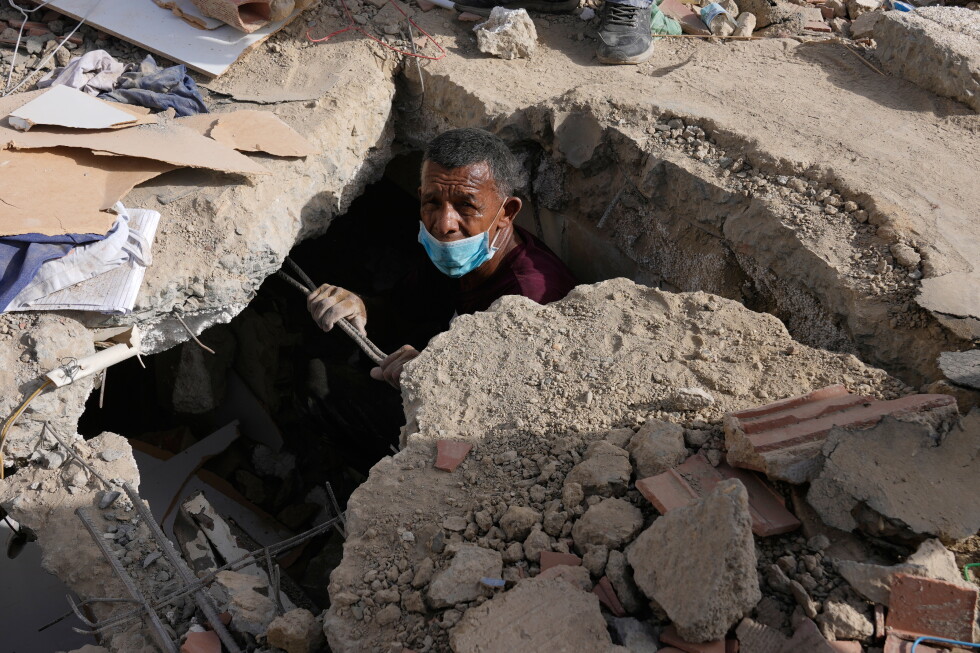
    This gap in response speed was just the first of many stark differences. In the days after Colombia’s quake, trained rescue teams deployed heavy machinery including cranes and excavators to dig through rubble for trapped survivors. In Venezuela, ordinary civilians spent weeks digging through collapsed structures by hand, with no heavy equipment provided by the state. Venezuela’s government was forced to rely entirely on international rescue teams to fill critical gaps in its disaster response, while Colombia confirmed it has sufficient domestic personnel to lead search efforts, only accepting support from the United States and requesting humanitarian supplies rather than foreign rescue crews.

    For Colombia, the rapid response came even amid an unprecedented political transition. De la Espriella, a conservative former criminal defense lawyer with no prior national political experience, was only sworn in 72 hours before the earthquake struck. His narrow electoral victory over former leftist president Gustavo Petro, Colombia’s first left-wing head of state, was initially disputed, with Petro refusing to recognize the result and alleging electoral fraud. This political feud delayed the formal handover of power, leaving key agencies including the national disaster management authority in the hands of officials de la Espriella had criticized during his campaign. Despite this disruption, humanitarian workers and international observers note that Colombia’s disaster response rose above political tensions, highlighting the resilience of the country’s democratic institutions.

    “All the institutions have worked,” said María José Torres Macho, the United Nations’ top representative in Colombia. “Our ability to be working with them has not been affected by the change of government.”

    Just an hour after the quake, de la Espriella released a public video confirming he would take personal leadership of the response, telling impacted communities in the hard-hit coffee-growing region, “You’re not alone.” Within hours he was coordinating with national officials and relief agencies in Bogota, and within 36 hours he had already toured disaster zones in the western cities of Quibdo, Cali and Pereira, while dispatching cabinet ministers to more remote impacted areas.

    Ana Karina García, director of Fundación Juntos Se Puede, a Colombian-based aid group for Venezuelan migrants, explained the strength of Colombia’s institutional framework: “There is an entire system that means that even when you change the person at the top, the institution keeps functioning.”

    Still, Colombia’s response has not been without criticism. De la Espriella’s decision to decline most international rescue teams has sparked questions about his administration’s handling of foreign aid, with China’s ambassador publicly noting on social media that he could not even identify which Colombian official was responsible for coordinating international assistance. Rugged mountain terrain, decades of underinvestment in rural infrastructure, and post-quake communication disruptions have also slowed the collection of casualty data from the hardest-hit areas. The national government’s official count stands at at least 265 dead and 500 missing, a figure far lower than counts released by local authorities, while an independent public database lists more than 4,100 people as unaccounted for.

    In Venezuela, by contrast, experienced political leaders have faced widespread backlash over their chaotic, delayed response to the June quakes. Rodríguez, who has nearly 20 years of experience in Venezuela’s highest levels of government, failed to project clear authority over the disaster response from the start. Hours before Rodríguez addressed the nation to declare a national emergency, ruling party rival and interior minister Diosdado Cabello went on state television to release his own damage report, revealing competing power struggles within the ruling socialist party that undermined a unified response. When Rodríguez released the first official casualty count, she excluded La Guaira—the earthquake’s epicenter and the area that suffered the worst destruction. Many of La Guaira’s victims lived in low-cost government-built housing complexes constructed during the 2000s oil boom, part of a massive subsidized housing program that became a core pillar of the ruling party’s political patronage system. Rodríguez remained in Caracas for a full day before traveling to La Guaira to assess damage, and for weeks the government only updated the death toll without releasing any data on missing persons, fueling widespread accusations of undercounting as civilians struggled to recover remains without heavy machinery.

    More than six weeks after the Venezuelan quakes, an opposition-run database widely cited by independent observers lists 29,000 people as unaccounted for. The government now updates the death toll just once a week; as of this week, the official count stands at 6,301. Years of systematic political repression have also left most Venezuelans deeply distrustful of the official response to the disaster.

    “It was very difficult for citizens to access important information about the emergency, get themselves to safety and know where to seek help,” said Gabriel Bastidas, a Venezuela-based journalist now living in Argentina who runs Monitoreamos.com, an independent outlet critical of the ruling movement that is one of dozens of independent media outlets blocked within Venezuela’s borders.

    Experts note that geographic and timing differences also separate the two disasters: Venezuela’s twin quakes struck densely populated La Guaira around nightfall, complicating immediate search and reconnaissance efforts, while Colombia’s quake hit largely rural areas during daylight hours. It also typically takes weeks for full casualty data to emerge after a disaster of this magnitude, and Colombia is only days into its response efforts, with thousands still unaccounted for. Still, the contrast is impossible to ignore for many Venezuelans, who have watched their country’s state capacity hollowed out after years of crippling economic crisis and mass migration under former President Nicolás Maduro.

    “From the very beginning, we saw the news media broadcasting live from the sites of the catastrophe; mayors, governors, health secretaries, emergency officials providing details about the dead and missing,” Bastidas said.

    That transparency and rapid response has even struck Venezuelans with family caught up in Colombia’s disaster. Juan Mogollon, a 28-year-old Venezuelan who now lives in Orlando, Florida, learned Monday morning that his 16-year-old cousin José Juan Vivas and the boy’s grandparents were trapped in the rubble of their collapsed Cali apartment building. Vivas, a U.S. permanent resident, had been staying with his grandparents, who resettled in Colombia after fleeing Venezuela’s crisis. Having watched Venezuelan civilians beg for rescue equipment and support after the June quakes, Mogollon expected the worst.

    Yet within just a few hours, footage from the collapse site showed excavators, cranes, and other heavy machinery already on the ground, alongside firefighters flown in from Bogota. Colombian security forces deployed search dogs and thermal-equipped drones to scan for survivors across impacted towns.

    “They are prepared, they have the equipment, they have the protocols, they know what to do,” Mogollon said, as he waits anxiously for news of his relatives. “That’s the least we should expect as citizens in every country, you know? That’s the difference between my country and Colombia right now.”

    Ronal Rodríguez, a Venezuela specialist at Colombia’s Rosario University, summed up the lesson of the side-by-side disasters: “The differences between an authoritarian regime and a democratic system can be seen clearly in the institutions and in their capacity to respond to an emergency. Crises are also political opportunities.”

  • South Korea’s Incheon airport beats Heathrow to become world’s busiest

    South Korea’s Incheon airport beats Heathrow to become world’s busiest

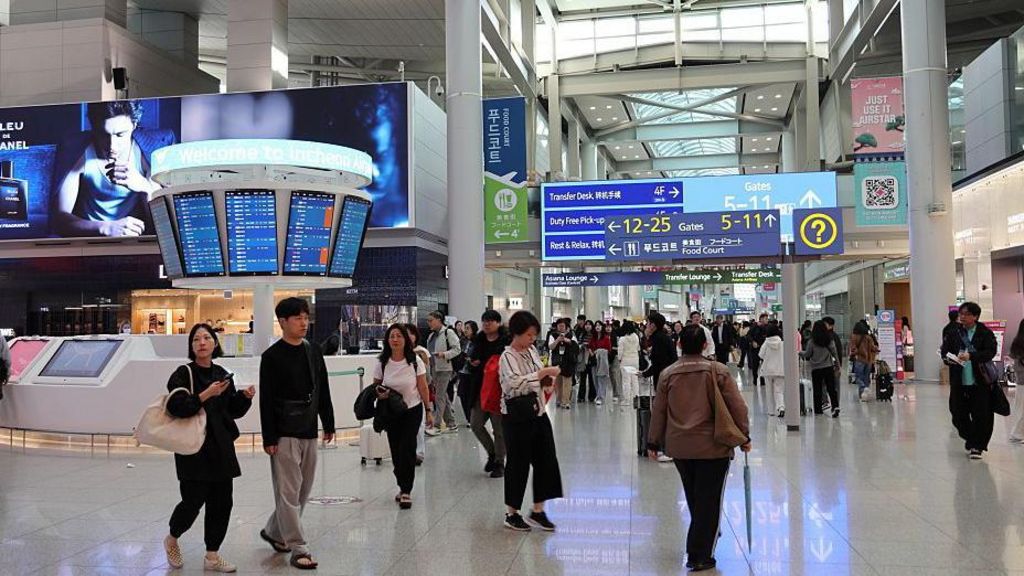
    New preliminary data released by Airports Council International has marked a historic milestone for global aviation: South Korea’s Incheon International Airport, the country’s primary international entry point, has overtaken long-standing industry leaders to become the world’s busiest airport for international passenger traffic in the first half of 2025.

    According to the recently published figures, Incheon handled 38.4 million international passengers between January and June this year. This puts it just ahead of the United Kingdom’s London Heathrow Airport, which secured second place with 37.79 million passengers. Singapore’s iconic Changi Airport follows closely in third position, recording 38.4 million passengers, recording 34.53 million international travelers over the same period.

    The shift in rankings marks a dramatic reversal of position from just a few years ago. Full-year statistics from 2024 and 2025 placed Incheon at 12th and 13th respectively, while London Heathrow sat at fifth in 2024 and seventh in 2025. Most notably, Dubai International Airport — a long-time staple in the top two of this global ranking over the past two years — is now projected to drop out of the top five entirely in this mid-year update.

    Officials from Incheon International Airport Corporation have pointed to two key factors driving the unexpected surge in passenger numbers. First, ongoing geopolitical tensions between the United States and Iran have pushed many international travelers to divert transit routes away from major Middle Eastern aviation hubs. “Travelers who previously transited through Dubai en route to European destinations are now choosing to connect through Incheon instead,” the corporation explained. This shift has driven an 18% year-over-year increase in transfer passengers overall, with the number of transfer passengers heading to final destinations in Europe spiking 63.2% to 210,000.

    The second core contributor is Incheon’s years-long investment in expanded infrastructure, which has equipped the airport to accommodate the growing passenger volume. Since opening in 2001, the airport has expanded its route network to connect to 158 international destinations, outpacing other major regional hubs: Hong Kong International Airport serves 139 destinations, while Shanghai Pudong International Airport connects to 92 and Tokyo Narita International Airport serves just 86.

    Expressing gratitude for the achievement, Incheon International Airport Corporation’s acting president Kim Beom-ho credited the result to government backing, public support, and the relentless work of all on-site airport staff. “We are grateful for the South Korean government’s support, the public’s encouragement, and the hard work of everyone stationed at the airport in making Incheon the world’s No. 1 airport,” Kim said. Looking ahead, the corporation plans to build on this new status by further strengthening its competitiveness through targeted improvements to passenger convenience and experience.

  • Japan protests against Putin visit to disputed islands

    Japan protests against Putin visit to disputed islands

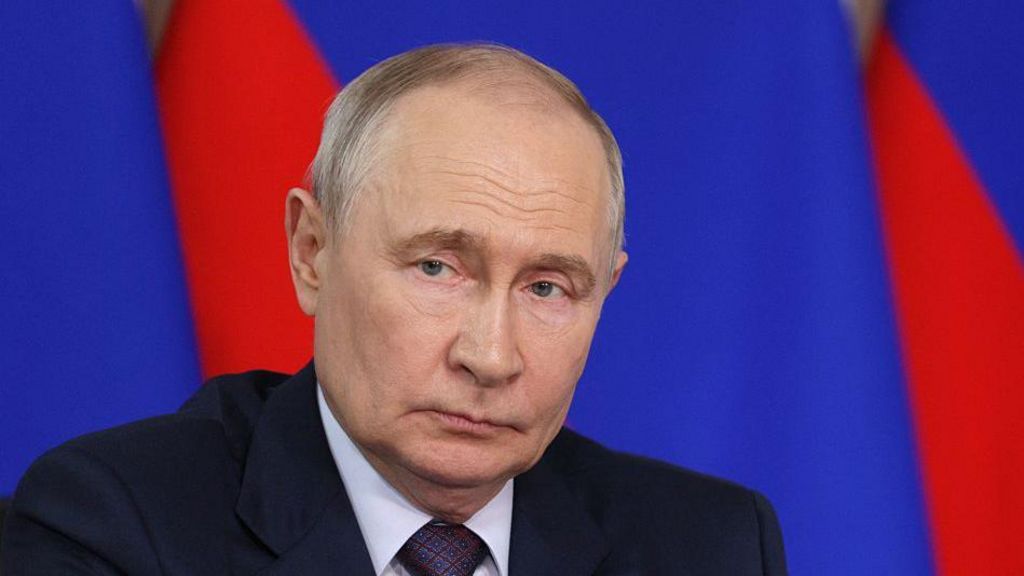
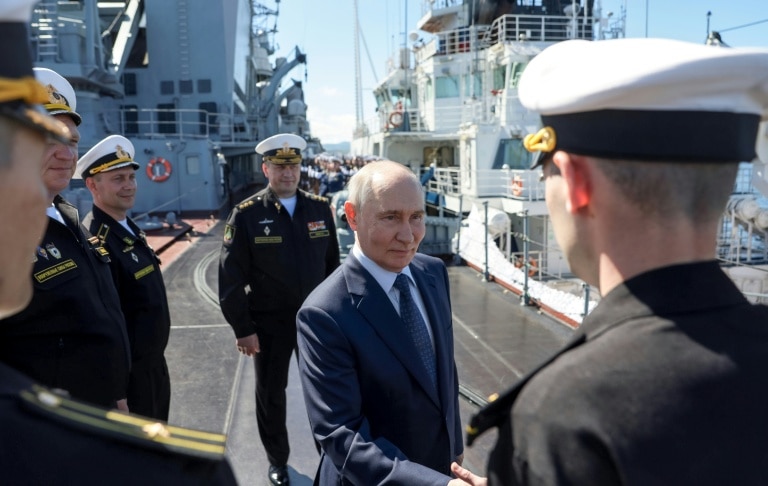
    A long-simmering territorial dispute between Russia and Japan has flared back into international focus after Russian President Vladimir Putin made his first recorded visit to the contested Kuril Islands, drawing immediate condemnation from Tokyo. Russian state media confirmed Thursday that Putin traveled to Iturup, one of the four southern Kuril Islands that both nations claim as their own sovereign territory. Japan refers to the island as Etorofu and counts it among what it calls the Northern Territories. Japanese Foreign Minister Toshimitsu Motegi swiftly released a formal statement pushing back against the visit, arguing that the archipelago “is inherently Japanese territory both historically and under international law,” adding that the Japanese government formally and strongly protests the Russian leader’s trip.

    The territorial row over the Kuril Islands, which stretch between Japan’s northernmost main island Hokkaido and Russia’s far eastern Kamchatka Peninsula, has stretched for nearly 80 years. The dispute traces its roots to the final days of World War II, when the Soviet Union seized control of the entire island chain and forcibly deported roughly 17,000 Japanese civilians who had settled the southern islands. Moscow has maintained administrative control of the territory ever since, and the unresolved conflict remains the primary barrier to Russia and Japan signing a formal post-WWII peace treaty.

    Beyond the territorial disagreement, the islands hold major strategic importance for Russia’s military posture in the Pacific. Iturup itself hosts Russia’s primary military air base in the region, and the archipelago sits along critical maritime shipping lanes that connect the Sea of Okhotsk to the Pacific Ocean. Just last month, joint naval patrols by Russian and Chinese warships transited a strait within the Kuril Islands during a scheduled joint exercise, and Russia conducted large-scale military drills in waters adjacent to the islands last year — moves that already sparked sharp diplomatic pushback from Tokyo.

    During his Thursday visit, Russian state media outlets reported that Putin interacted with local residents, sampled regional seafood including locally harvested fish roe, and highlighted ongoing development of the archipelago. For Moscow, the visit serves as a high-profile assertion of its sovereignty over the strategically critical territory, even as it reignites long-standing tensions with neighboring Japan that have blocked the two nations from normalizing full bilateral relations for decades.

  • ‘Sad ending’: Jesse Ramien’s Sharks career over in huge finals blow

    ‘Sad ending’: Jesse Ramien’s Sharks career over in huge finals blow

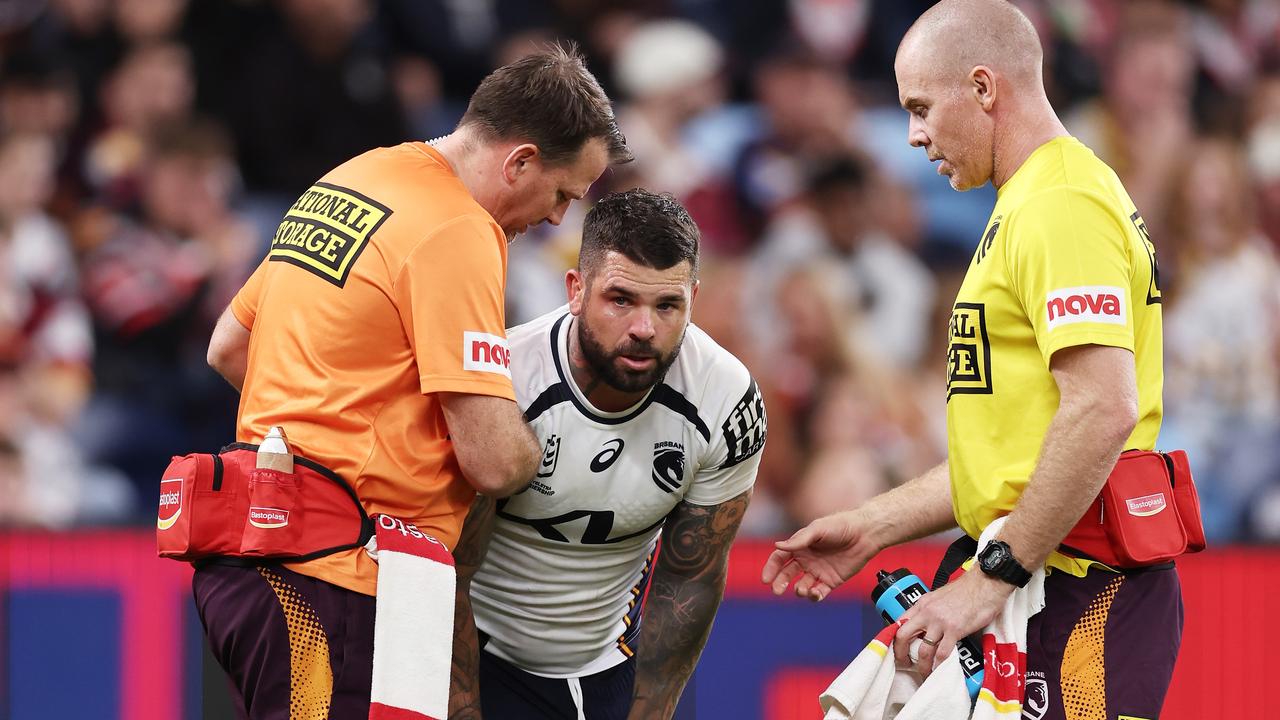
    Two of the National Rugby League’s most notable departing players are facing uncertain final chapter outcomes this week, after fresh injury updates rocked the Brisbane Broncos and Cronulla Sharks respectively. For Brisbane Broncos’ legendary captain and halfback Adam Reynolds, a last-minute push to take the field one final time before retirement is now on a knife-edge, after a new training injury has derailed his comeback timeline.

    The 36-year-old two-time NRL premiership winner, who is set to hang up his boots at the close of the 2024 season, has not appeared in a match since he was carried off early in Brisbane’s round 22 defeat to the Newcastle Knights. The club has long held hopes that their veteran playmaker would get a fairy-tale send-off in front of a home crowd at Brisbane’s iconic Suncorp Stadium, when the defending premiers host the Melbourne Storm in round 26.

    Those plans suffered a major setback on Wednesday, when Reynolds sustained a calf strain during a team training session. Follow-up scans conducted at the Clive Berghofer Centre’s Qscan facility confirmed the injury is a grade 1 strain of the soleus muscle in his right calf, the Broncos confirmed in an official statement Wednesday. “His return-to-play timeline will be determined on a week-by-week basis,” the club added, leaving Reynolds just weeks to prove his fitness ahead of the season’s close. Brisbane closes out their regular season with an away match against the Canterbury-Bankstown Bulldogs in Sydney after their round 26 home clash, leaving only two possible matches for the halfback to make his farewell appearance.

    While Reynolds still retains a narrow pathway to return, another departing NRL star has already seen his season and club tenure come to an abrupt early end. Cronulla Sharks centre Jesse Ramien, who is set to move to the North Queensland Cowboys ahead of the 2027 season, has played his final game in black, white and blue after undergoing surgery to repair a torn pectoral muscle.

    Ramien suffered the injury during Cronulla’s clash against the St. George Illawarra Dragons on Sunday, and underwent initial scans on Monday to assess the damage. After consultation with a specialist, the club and player agreed that surgical intervention was the best course of action to support his long-term recovery, ending his 2024 season and his overall tenure with the Sharks immediately.

    Over his career with Cronulla, Ramien has built an impressive legacy: the 29-year-old proud Indigenous athlete has notched 167 appearances for the club, notching 104 wins, 60 tries, and 39 assists while serving as a respected role model in the community and a beloved teammate in the dressing room. The Sharks confirmed Ramien will remain with the club in a behind-the-scenes support role through the upcoming finals series, where 24-year-old Mawene Hiroti will step into Ramien’s spot on the right edge of Cronulla’s backline. The club will honor Ramien and give fans a chance to farewell the star at their final home game of the regular season.

  • Alpine resorts’ snowmaking equipment may be put to work fighting summer forest fires

    Alpine resorts’ snowmaking equipment may be put to work fighting summer forest fires

    Under the blazing August sun that has settled over the Swiss Alps, the slopes above Adelboden lie bare and golden, with not a patch of natural snow or a single skier in sight. Yet what has long been a winter-only ski infrastructure is being tapped for an urgent new purpose: as Europe grapples with increasingly severe heatwaves and prolonged droughts, the Adelboden-Lenk ski resort is repurposing its massive snowmaking network to help fight the growing threat of wildfires.

    Decades of human-caused climate change have transformed the Alpine landscape dramatically. Glaciers across the region and throughout Switzerland are retreating at alarming rates, and natural snowfall has become increasingly sparse and unpredictable. For mid-altitude resorts like Adelboden-Lenk, whose 125 miles of slopes sit between 1,000 and 2,300 meters above sea level, this shift has already forced major adaptation: today, roughly 70% of the snow covering its pistes every winter is produced artificially.

    The artificial snow system relies on more than just the visible snow cannons and lances that dot the slopes. Beneath the surface lies an extensive hidden network: tens of kilometers of buried water pipes connected to multiple reservoirs that collect rainwater and glacial melt during warm months, storing the resource to produce snow when winter arrives. Now, resort leaders say this existing infrastructure could be a critical tool for wildfire prevention and response as dry conditions raise fire risk across the country.

    “We can provide meaningful support to firefighters through our existing infrastructure,” explained Jürg Klopfenstein, who oversees the resort’s snowmaking operations. “While the snow cannons themselves have limited uses—they can mostly be used to wet down surrounding vegetation and protect nearby infrastructure—our pipes, pumps, and reservoirs offer far more value. Firefighters can tap into our network directly, and helicopter water bombers can refill their tanks from our stored water supplies.”

    In the event of an approaching wildfire, the connected system can also be used to create wet fuel breaks, or buffer zones, that slow the spread of flames. This buys valuable time for ground emergency crews and aerial support to reach the remote mountain area, which draws thousands of hikers, mountain bikers, trail runners, and paragliders to the region during the summer months.

    So far in 2024, Switzerland has avoided the large-scale destructive wildfires that have devastated parts of neighboring countries across southern and central Europe. But the entire nation, including the Bern region where Adelboden is located, is currently facing severe drought, and official wildfire risk assessments classify most of the country as high risk.

    While the Alpine ecosystem does not face the exact same fire risk as the drier Mediterranean regions of southern Europe, resort operations manager Stefan Buchs emphasized that the threat cannot be ignored. “Different vegetation and varying soil moisture mean we can’t directly map southern Europe’s large fire events onto the Alps, but widespread wildfire is still a very plausible scenario here,” Buchs noted. “We’ve worked closely with local fire crews on this plan, and they agree that the risk is growing. Even in spring, conditions get far drier than they used to, not just in the peak of summer.”

    Adelboden Mayor Willy Schranz echoed the need for proactive preparation, saying, “We have to get ready now, because this won’t be the last hot, dry summer we face.”

    Still, climate experts warn that this adaptive measure is only a short-term solution, not a fix for the broader impacts of climate change. Nathan Solothurnmann, a climate change specialist with the environmental organization Greenpeace, cautioned against overstating the long-term value of repurposing snow infrastructure for wildfire response.

    “The system Adelboden is putting in place will certainly help in the near term, but the climate changes we are confronting are far more severe,” Solothurnmann said. “Adaptations like this only buy us time, they don’t address the root of the problem. What’s more, this kind of extensive pre-built water network is rare across Switzerland. Most Alpine forest areas don’t have a ready-made network of underground pipes to tap into when a fire breaks out.”

  • Putin can no longer claim victory in Ukraine, Nobel Peace Prize winner tells BBC

    Putin can no longer claim victory in Ukraine, Nobel Peace Prize winner tells BBC

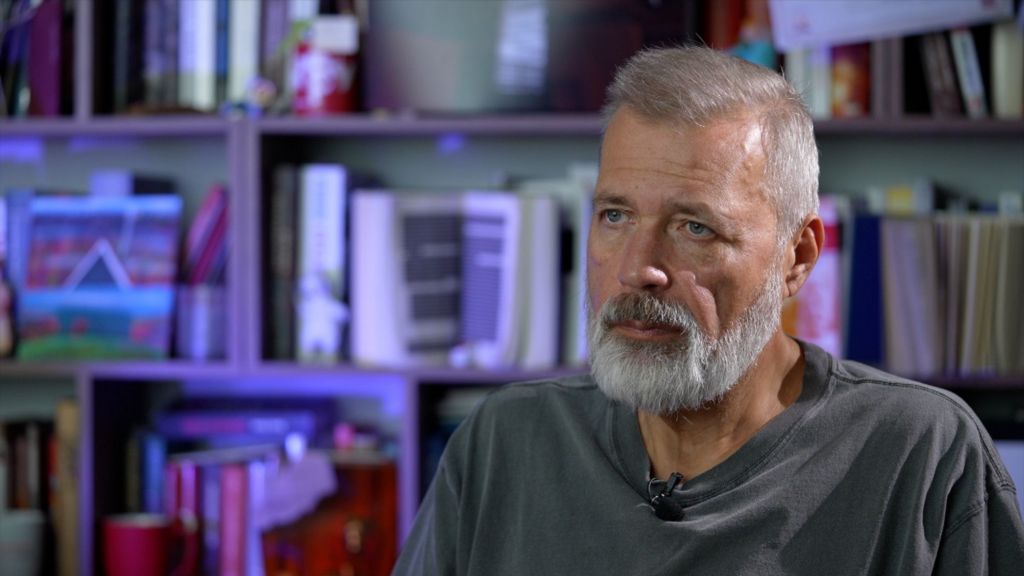
    Once Russia’s most prominent beacon of independent investigative journalism, the Moscow headquarters of *Novaya Gazeta* now stands as a hollow, silent monument to the country’s eroding free speech. Its former editor-in-chief and 2021 Nobel Peace Prize co-winner Dmitry Muratov confirms what the empty corridors already make clear: the print edition of the outlet he co-founded more than 30 years ago no longer exists.

    For decades, *Novaya Gazeta* built its legacy as a fearless watchdog, exposing high-level government corruption and widespread human rights abuses across Russia. Its work came at a devastating cost: six of its journalists, including iconic Chechen war correspondent Anna Politkovskaya, were assassinated for their reporting. The 2021 Nobel Peace Prize honored that extraordinary courage, with the committee highlighting the outlet’s decades-long fight to protect freedom of expression. But even this global recognition could not shield it from the Kremlin’s expanding crackdown on dissent that accelerated after the 2022 full-scale invasion of Ukraine.

    Muratov, who auctioned off his Nobel medal shortly after the invasion to raise funds for UNICEF’s Ukrainian refugee humanitarian programs, explains the blunt force that shut down the print operation: “Putin issued a decree and the newspaper’s printing presses were nationalised. Its registration was revoked.” While a small digital footprint remains, Russian authorities have blocked domestic access to the outlet’s website, forcing Russian readers to rely on virtual private networks (VPNs) to access its content, a workaround available only to a small subset of the population.

    The demise of *Novaya Gazeta* is far from an isolated case. Muratov estimates that at least 1,500 Russians have been imprisoned since the launch of the Kremlin’s “special military operation” in Ukraine for speaking out against state policy. That figure, he notes, is three times higher than the number of political prisoners documented in the Soviet Union during the height of KGB power. Hundreds of the country’s most prominent public voices have already been labeled “foreign agents,” “extremists,” or “terrorists” to silence their criticism. As he points out, the scale of repression today outpaces even that of the Soviet era, when dissident Andrei Sakharov could only name 120 political prisoners in his 1975 Nobel Peace Prize address, and Amnesty International counted just 600 prisoners of conscience across the entire USSR a decade later.

    Against this backdrop of escalating internal repression, Muratov issues a stark warning about the growing risk of nuclear escalation in Ukraine, a conflict that has already become the bloodiest European war since World War II. While Russian President Vladimir Putin continues to publicly predict victory, Muratov rejects that framing outright: “There will never be ‘victory’. Because what has been going on for nearly five years – no matter how it ends – can no longer be considered a victory. It cannot be a victory when two Slavic nations have ripped a million people to shreds. Or more than a million.”

    Muratov argues that while Russia cannot fully conquer Ukraine, it can choose to destroy it through continued escalation that could ultimately lead to the use of nuclear weapons. When asked whether he believes Putin would actually authorize a nuclear strike, he pushes back on pundits who claim to read the Russian leader’s mind: “All those political experts who say ‘Putin thinks this’ or ‘Putin is scared of that’…they’re all charlatans. It’s in the same league as astrology. Nobody knows what’s going on in Vladimir Putin’s head. And I don’t know.”

    Still, as a veteran journalist analyzing public discourse, Muratov cites alarming trends: since the start of 2026, discussion of the potential need for nuclear weapons use has appeared more than 500 times in Russian public discourse. While fringe extremist rhetoric does not surprise him, he notes that these conversations have moved into mainstream state-controlled media, and even appeared at the official St. Petersburg International Economic Forum, where a speaker framed nuclear deployment as a positive outcome.

    Muratov also challenges Putin’s core justification for the invasion: that it would strengthen Russia’s national security. “Tell me, has security increased?” he asks, pointing to recent Ukrainian drone strikes targeting logistics hubs deep inside Russian territory – including warehouses belonging to Wildberries, Russia’s largest online retailer – alongside widespread fuel shortages, mobile internet disruptions, and the growing population of political prisoners.

    Despite reports of slipping domestic approval ratings, Muratov argues that Putin retains an iron grip on power, dismissing widespread speculation of elite splits or internal conspiracies. “The country is run by Vladimir Putin. They’re frightened of him,” he says, noting that this fear is systematically reinforced by Putin’s core base of support in the Federal Security Service (FSB), the successor agency to the Soviet KGB.

    Muratov also holds little illusion about Western hypocrisy in its dealings with Putin. He notes that for years, European leaders publicly lectured Putin on human rights while simultaneously signing lucrative trade deals for Russian oil, gas, and diamonds – a contradiction that Putin openly mocks. “He knows the true value of people who preached to him those values,” Muratov says.

    Now labeled a foreign agent himself, Muratov has been stripped of many basic rights: he is banned from teaching, barred from running for public office, and even restricted from accessing proceeds from selling his own property. The label is deliberately designed to stigmatize critics and frame them as enemies of the state within Russian society. Yet Muratov deflects attention from his own struggles to highlight the plight of hundreds of political prisoners locked away for opposing the war, a crisis he says has largely fallen off the global agenda.

    Flipping through a folder of portraits, he shares the stories of ordinary Russians jailed for their anti-war views: four *Novaya Gazeta* journalists convicted of extremism for alleged links to Alexei Navalny’s opposition anti-corruption movement; Moscow city councilor Alexei Gorinov, jailed for spreading “false information” about the Russian military after speaking out against the invasion; 68-year-old Ukrainian-born pediatrician Nadezhda Buyanova, sentenced to five and a half years in a penal colony for criticizing the war at work; and 39-year-old concert pianist Pavel Kushnir, who died in a pre-trial detention center during a hunger strike after being arrested for posting anti-war videos online. Even the outlet’s own managing editor, Oleg Roldugin, is currently under house arrest, and police blocked the newspaper’s legal team from entering the headquarters for 13 hours during a recent search.

    When asked whether his Nobel Peace Prize offers any protection to speak freely, Muratov deflects: “This is not a question for me. Whenever you have the opportunity, ask the authorities that.”

    Despite the bleak picture he paints of contemporary Russia, Muratov holds small glimmers of hope. While open criticism is now effectively impossible, he says ordinary Russians continue to express quiet gratitude for *Novaya Gazeta*’s work on the streets of Moscow. “We live in a time when you stay quiet. But so many people support what we do,” he says. “They are spoken in a whisper. But what people think is very important.”

  • Putin visits Kuril islands claimed by Japan

    Putin visits Kuril islands claimed by Japan

    On a Thursday that has injected fresh tension into decades-long territorial frictions between Moscow and Tokyo, Russian President Vladimir Putin made his first official trip to the contested Kuril Islands — a chain of volcanic outposts claimed by both nations, and a flashpoint that has defined bilateral relations for nearly 80 years. The visit immediately drew a formal, forceful objection from Japan, which has laid sovereign claim to the four southernmost islands of the archipelago it refers to as the Northern Territories.

    Footage of Putin’s visit was released via the Kremlin’s official channels, with Russian state media confirming the president toured a local fish-processing facility on the islands, where he was presented with a gift of locally sourced caviar. The trip came on the heels of a stop in nearby Sakhalin Island, where Putin oversaw the closing phase of major naval drills conducted by Russia’s Pacific Fleet. During his time in Sakhalin, Putin chaired a high-level briefing focused on safeguarding Russia’s eastern border security, according to reports from Russian state news agency RIA Novosti.

    Japan’s Foreign Ministry swiftly issued a public rebuke of the visit, with Foreign Minister Toshimitsu Motegi affirming in an official statement that the Northern Territories are “an inherent part of Japan’s territory both historically and under international law.” The diplomatic row comes amid an already sharp deterioration of Russia-Japan ties, which have plummeted since Moscow launched its full-scale invasion of Ukraine in 2022. In recent years, Russia has simultaneously deepened its strategic partnerships with China and North Korea in the Asia-Pacific, further straining its already frosty relations with Tokyo.

    The territorial dispute stretches back to the final days of World War II, when Soviet forces seized the strategically located archipelago, which sits just north of Japan’s northern main island Hokkaido, in August 1945. The Soviet Union declared war on Japan just days after the U.S. atomic bombing of Hiroshima, and only six days before Japan’s formal surrender that ended the global conflict. Following the occupation, Moscow deported the archipelago’s approximately 17,000 Japanese residents, and has maintained a continuous military presence on the islands ever since.

    While the four southern islands at the center of the dispute have a harsh, remote climate, they hold significant economic and strategic value. Home to roughly 20,000 Russian citizens today, the islands boast rich fishing grounds and untapped mineral deposits including gold and silver. Throughout the Cold War, the archipelago served as a critical forward operating base for Soviet air and naval forces, positioned directly in the heart of a region that was a key front for geopolitical confrontation between the Soviet bloc and the U.S.-led alliance.

    Diplomatic talks between Moscow and Tokyo to resolve the dispute have been intermittent for decades. A small breakthrough appeared possible in 1956, when the two sides normalized diplomatic relations: Soviet leader Nikita Khrushchev offered to return two of the four disputed islands to Japan as part of a formal peace treaty. The deal never came to fruition, however, and while negotiations resumed after the collapse of the Soviet Union in 1991, no tangible progress has been made to settle the standoff.

    Putin’s visit marks the first time the sitting Russian president has traveled to the disputed territory, though it is not the first trip by a modern Russian head of state. In 2010, then-President Dmitry Medvedev became the first Russian leader to visit the islands, and he made additional return trips after he stepped into the role of prime minister following his presidency.