博客

  • 2029 Asian Winter Games in Saudi Arabia postponed

    2029 Asian Winter Games in Saudi Arabia postponed

    In a significant development for winter sports in Asia, the Olympic Council of Asia (OCA) and Saudi Arabian Olympic Committee have jointly announced the postponement of the 2029 Asian Winter Games. The decision was formalized through a mutual agreement that establishes an updated framework for future hosting of the winter sports spectacle.

    According to the official statement released on Saturday, both sporting bodies have committed to rescheduling the event to a later date, which will be confirmed through appropriate channels in due course. This strategic shift comes as part of a broader recalibration of Saudi Arabia’s winter sports ambitions.

    The revised approach will see Saudi Arabia hosting a series of standalone winter sports competitions in the coming years. These events are designed to foster winter sports development across the region while allowing additional preparation time to ensure broader regional participation in future Asian winter competitions.

    The postponement follows months of speculation regarding Saudi Arabia’s readiness to host the games at NEOM, the $500 billion megacity project that was slated to feature a year-round winter sports complex in the Trojena mountains. This development represents a notable adjustment in Saudi Arabia’s extensive sports investment strategy, which includes hosting the 2034 FIFA World Cup.

    Earlier in August, the OCA had maintained that preparations were proceeding according to schedule, despite emerging reports that South Korea and China were being considered as potential replacement hosts. Both nations had previously demonstrated winter sports hosting capabilities through the 2018 and 2022 Winter Olympics respectively, with China recently hosting the Asian Winter Games in Harbin.

    Media reports had indicated that Riyadh was contemplating approaching both South Korea and China to potentially host the 2029 edition instead. Yonhap news agency specifically reported that the OCA had inquired with Korean Sport & Olympic Committee president Ryu Seung-min regarding South Korea’s willingness to assume hosting duties.

  • Amazon accidentally sends email confirming layoffs

    Amazon accidentally sends email confirming layoffs

    In a significant corporate communications mishap, Amazon inadvertently revealed plans for another substantial round of global layoffs through an errant email sent to employees. The message, drafted by Colleen Aubrey, Senior Vice President at Amazon Web Services (AWS), was accidentally distributed via a calendar invitation titled “Send project Dawn email”—apparently the internal code name for the workforce reduction initiative.

    The leaked correspondence, obtained by the BBC, indicated that the layoffs would affect employees across the United States, Canada, and Costa Rica as part of ongoing efforts to “strengthen the company.” Although quickly retracted, the email provided explicit confirmation that the anticipated job cuts were proceeding, despite affected staff not having received official notification.

    This development represents a continuation of Amazon’s restructuring efforts that began over a year ago. According to the message, these measures aim to “reduce layers, increase ownership, and remove bureaucracy” to enhance operational agility. The company acknowledged the difficulty of such decisions while positioning the organization for future success.

    The current reductions follow Amazon’s announcement of 14,000 job cuts in October 2022. Industry sources indicate that company leadership ultimately intends to eliminate approximately 30,000 positions, with this latest round constituting part of that broader strategy. The complete restructuring is expected to continue through May 2024.

    Affected employees have been offered the opportunity to apply for limited open positions within Amazon, with those unable to transition receiving severance packages based on tenure. This situation reflects a broader trend across the technology sector, where major players including Meta, Google, and Microsoft have collectively eliminated hundreds of thousands of positions since 2022. Layoffs.fyi, which tracks industry job cuts, estimates approximately 700,000 tech workers have been dismissed over the past four years.

    Under CEO Andy Jassy’s leadership since founder Jeff Bezos stepped down four years ago, Amazon has implemented multiple workforce reductions while instituting a more stringent corporate culture. The company has mandated five-day in-office work weeks—a rarity among major tech firms—and implemented cost-control measures including monitoring corporate mobile phone usage to limit longstanding $50 monthly reimbursements for AWS employees.

    In a separate Thanksgiving message to staff viewed by the BBC, Jassy characterized the current period as “a time to rethink everything we’ve ever done” amid rapidly changing global conditions. The company simultaneously announced the closure of approximately 70 Amazon-branded grocery stores while expanding its Whole Foods Market business, signaling broader strategic shifts beyond workforce adjustments.

  • What to know about South Sudan’s major offensive against opposition forces

    What to know about South Sudan’s major offensive against opposition forces

    NAIROBI, Kenya — South Sudan’s military has initiated a comprehensive combat operation dubbed ‘Operation Enduring Peace’ following significant territorial setbacks to opposition forces in Jonglei state. Army spokesman Lul Ruai Koang confirmed the offensive would target recapturing recently lost towns and reestablishing governmental authority.

    The announcement comes amid international alarm after a senior military commander, General Johnson Olony, was filmed instructing troops to ‘spare no lives’ during operations in Duk county. The video, circulated on social media, shows Olony explicitly ordering the destruction of property and killing of civilians, including the elderly. Government spokesman Ateny Wek Ateny subsequently characterized these remarks as ‘uncalled for’ and potentially a morale-boosting tactic rather than official policy.

    This military escalation follows months of intensified conflict between government forces and a coalition of opposition groups, including factions loyal to suspended Vice President Riek Machar and the ethnic Nuer militia known as the White Army. The opposition alliance has captured multiple government outposts since December, most notably seizing Pajut on January 16 and threatening advancement toward the capital Juba.

    The resurgent violence threatens to unravel the fragile 2018 peace agreement that ended a devastating five-year civil war which claimed approximately 400,000 lives. Machar, currently under house arrest facing treason charges, has seen his political faction declare the peace agreement void while intensifying military pressure through armory seizures and hit-and-run attacks.

    International observers have expressed profound concern over the deteriorating situation. Alan Boswell of the International Crisis Group stated unequivocally that ‘South Sudan has returned to war,’ describing the development as ‘incredibly tragic for a country that only grows weaker and poorer.’ The UN Commission on Human Rights in South Sudan warned of ‘grave alarm’ regarding the significantly heightened ‘risk of mass violence against civilians.’

    Civil society leader Edmund Yakani characterized Olony’s comments as evidence that government troops were being ’empowered to commit atrocities, to commit crimes against humanity, and, potentially, even to commit a genocide.’ The deployment of Olony—a Shilluk commander with a history of conflict with Nuer communities—to predominantly Nuer areas of Jonglei has been described by analysts as ‘incendiary’ and a ‘propaganda gift to the opposition.’

    The army has ordered civilian evacuations from three Jonglei counties and given aid organizations 48 hours to depart, raising concerns about humanitarian access and civilian protection in the conflict zone.

  • Root and Brook tons fire England to ODI series win over Sri Lanka

    Root and Brook tons fire England to ODI series win over Sri Lanka

    England’s cricket team clinched a decisive 2-1 ODI series victory against Sri Lanka in Colombo on Tuesday, propelled by spectacular centuries from veterans Joe Root and captain Harry Brook. The tourists posted a formidable 357-3 before restricting the hosts to 304, securing a 53-run win in the series decider.

    After electing to bat first, England faced early pressure at 45-2 within the opening eleven overs following the dismissals of Ben Duckett and Rehan Ahmed. The innings found stability through a composed 126-run third-wicket partnership between Root and Jacob Bethell, whose steady 65 provided crucial foundation before Jeffrey Vandersay ended his stay.

    The match turned decisively during the spectacular unbroken 191-run stand between Root and Brook, achieved in just 113 deliveries. Brook’s explosive career-best 136 came off merely 66 balls, featuring 11 boundaries and nine massive sixes that dismantled Sri Lanka’s bowling attack. Meanwhile, Root provided the anchor with an unbeaten 111 from 108 deliveries, demonstrating perfect batting synergy.

    Sri Lanka’s response began aggressively with Pathum Nissanka racing to a 24-ball half-century before Jamie Overton’s breakthrough slowed their progress. Despite Pavan Rathnayake’s magnificent maiden ODI century (121) that kept hopes alive, regular wickets undermined the chase. Sam Curran’s crucial dismissal of Rathnayake effectively ended Sri Lanka’s resistance in the 42nd over.

    Player of the Match Brook praised both teams’ performance, noting: ‘It was an awesome effort from everybody involved. Rooty’s just exceptional – having him in the side helps every day. The surface played better than anticipated, but we’re glad we posted a competitive total and defended it.’

    Sri Lankan captain Charith Asalanka acknowledged the challenge containing England’s powerful batting: ‘When the ball isn’t turning, it becomes extremely difficult to bowl spin during the final overs. Our focus now shifts to the upcoming T20 series as crucial preparation before the World Cup.’

    The teams now prepare for a three-match T20 series beginning Friday, which serves as vital preparation for the upcoming ICC T20 World Cup.

  • Mexico president asks South Korea for more BTS concerts

    Mexico president asks South Korea for more BTS concerts

    In an unprecedented diplomatic move, Mexican President Claudia Sheinbaum has personally intervened in the global frenzy surrounding K-pop supergroup BTS’s highly anticipated comeback tour. The presidential appeal comes after tickets for the band’s three scheduled shows in Mexico City sold out within 40 minutes, leaving approximately a million young fans competing for just 150,000 available seats.

    The situation has escalated beyond typical concert excitement, with Mexico’s consumer protection authority sanctioning resale platforms StubHub and Viagogo for what it terms ‘abusive and disloyal practices.’ According to Reuters data, while official prices on Ticketmaster ranged from $100 to $1,030, resale platforms were offering tickets at massively inflated prices ranging from $650 to $5,300.

    President Sheinbaum revealed on Monday that she had written directly to South Korean President Lee Jae Myung requesting additional shows, though she acknowledged receiving no response yet. The request follows concert promoter Ocesa’s assessment that BTS’s packed 79-date global itinerary makes additional shows unfeasible.

    The massive demand underscores BTS’s extraordinary popularity in Mexico, which Spotify ranks as the fifth-largest K-pop market globally. Streaming of the genre has grown over 500% in the country during the past five years.

    The upcoming tour marks the septet’s return after a four-year hiatus during which members pursued solo projects and completed mandatory military service. Beginning April 9th in Goyang Stadium, South Korea, the global tour is projected by Billboard to generate over $1 billion across concert revenue, merchandise, licensing, and streaming.

    South Korea’s presidential office and foreign ministry have maintained silence regarding the diplomatic appeal, according to local media reports.

  • Grim inflation reading for cash-strapped mortgage holders

    Grim inflation reading for cash-strapped mortgage holders

    Fresh economic data from the Australian Bureau of Statistics has delivered a significant blow to financially strained homeowners, indicating a potential resurgence in interest rates. The latest quarterly inflation figures, considered crucial for monetary policy direction, have exceeded economist projections and market expectations.

    The core inflation metric closely monitored by the Reserve Bank of Australia – the trimmed mean inflation rate – reached 0.9% for the December quarter, bringing the annual rate to 3.3%. This represents an increase from the previous reading of 3.2%, moving further away from the RBA’s target band of 2-3%. Meanwhile, the headline inflation rate, which includes more volatile items, climbed to 3.8% annually from 3.4% in November.

    Market reactions were immediate and decisive, with traders increasing the probability of a February rate hike from 60% to 70% following the data release. Housing costs emerged as the primary driver of inflation, surging by 5.5% annually, while food and non-alcoholic beverages increased by 3.4%.

    Financial institutions have responded to the stronger-than-expected data with revised forecasts. ANZ joined Commonwealth Bank and National Australia Bank in predicting a rate increase when the RBA meets next Tuesday. ANZ’s head of Australian economics, Adam Boyton, characterized the anticipated hike as a single ‘insurance’ tightening rather than the beginning of a series of increases.

    Investment experts expressed concern over the persistent inflationary pressures. Russell Chesler of VanEck described the figures as ‘uncomfortably high,’ noting that inflation is not moving decisively toward the RBA’s target range. With unemployment remaining low at 4.1% and property prices continuing to rise, market participants are now questioning not if rates will increase, but when and by how much.

    The RBA governing board will convene on February 5-6, with Governor Michele Bullock scheduled to announce the official cash rate decision at 2:30 PM on Tuesday. Economists had previously indicated that a trimmed mean inflation reading of 0.8% or lower would have likely spared mortgage holders from additional financial pressure.

  • Iran warns against ‘instability’ after US naval strike group arrives

    Iran warns against ‘instability’ after US naval strike group arrives

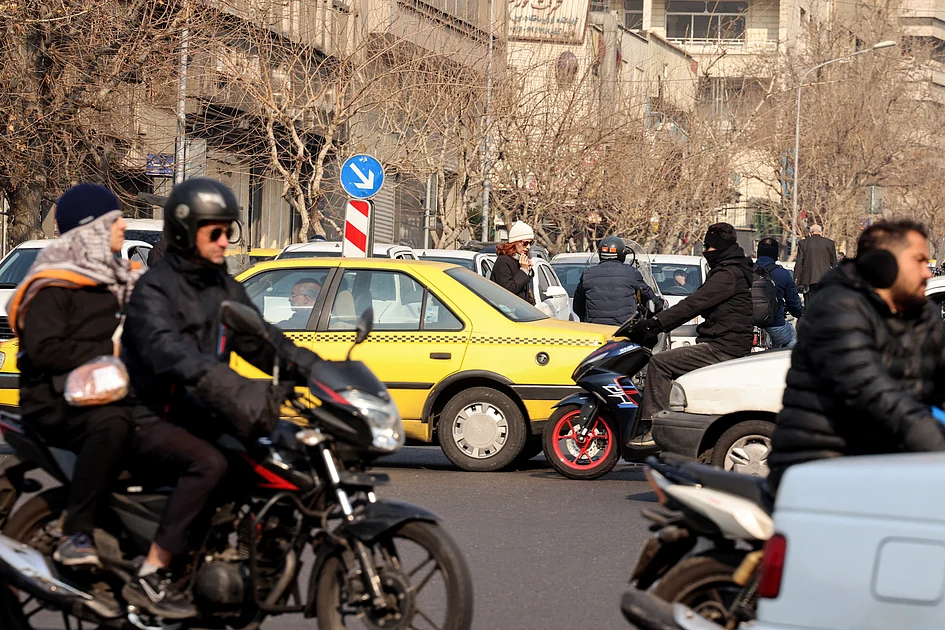
    Tensions between Tehran and Washington have intensified significantly following the strategic positioning of a US naval strike group in Middle Eastern waters. Iranian President Masoud Pezeshkian issued a stern warning on Tuesday, asserting that American military threats would only generate regional instability rather than achieve their intended objectives.

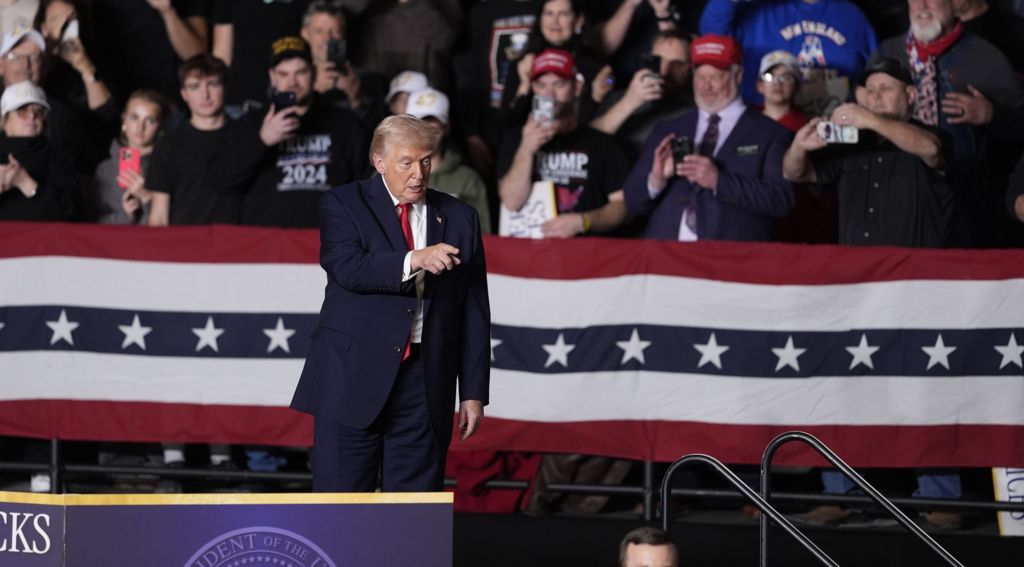
    The escalation comes amid ongoing protests within Iran that have prompted a severe government crackdown. While US President Donald Trump has deployed the USS Abraham Lincoln carrier group to the region, he has simultaneously indicated openness to diplomatic engagement, noting that Iranian officials have ‘called on numerous occasions’ seeking negotiation.

    Iran’s Revolutionary Guards delivered a pointed message to neighboring nations, cautioning that any country permitting its territory, airspace, or waters to be used against Iran would be considered hostile. This warning from Mohammad Akbarzadeh, political deputy of the IRGC naval forces, underscores Tehran’s heightened security concerns.

    Analysts suggest the Trump administration is considering multiple intervention options, ranging from targeted military strikes to leadership-focused operations aimed at undermining Iran’s clerical establishment. US intelligence assessments reportedly indicate the Iranian government’s hold on power may be at its weakest point since the 1979 revolution.

    Human rights organizations report a devastating toll from the government’s response to protests, with confirmed fatalities exceeding 6,000 and arrests surpassing 41,000. The extensive internet blackout imposed by Iranian authorities has complicated accurate documentation of casualties and repression.

    The situation remains volatile with both military posturing and diplomatic channels operating simultaneously, creating a complex landscape of confrontation and potential negotiation in the strategically critical region.

  • Exclusive: Blair meeting with Gaza committee stresses no role in politics, disarmament

    Exclusive: Blair meeting with Gaza committee stresses no role in politics, disarmament

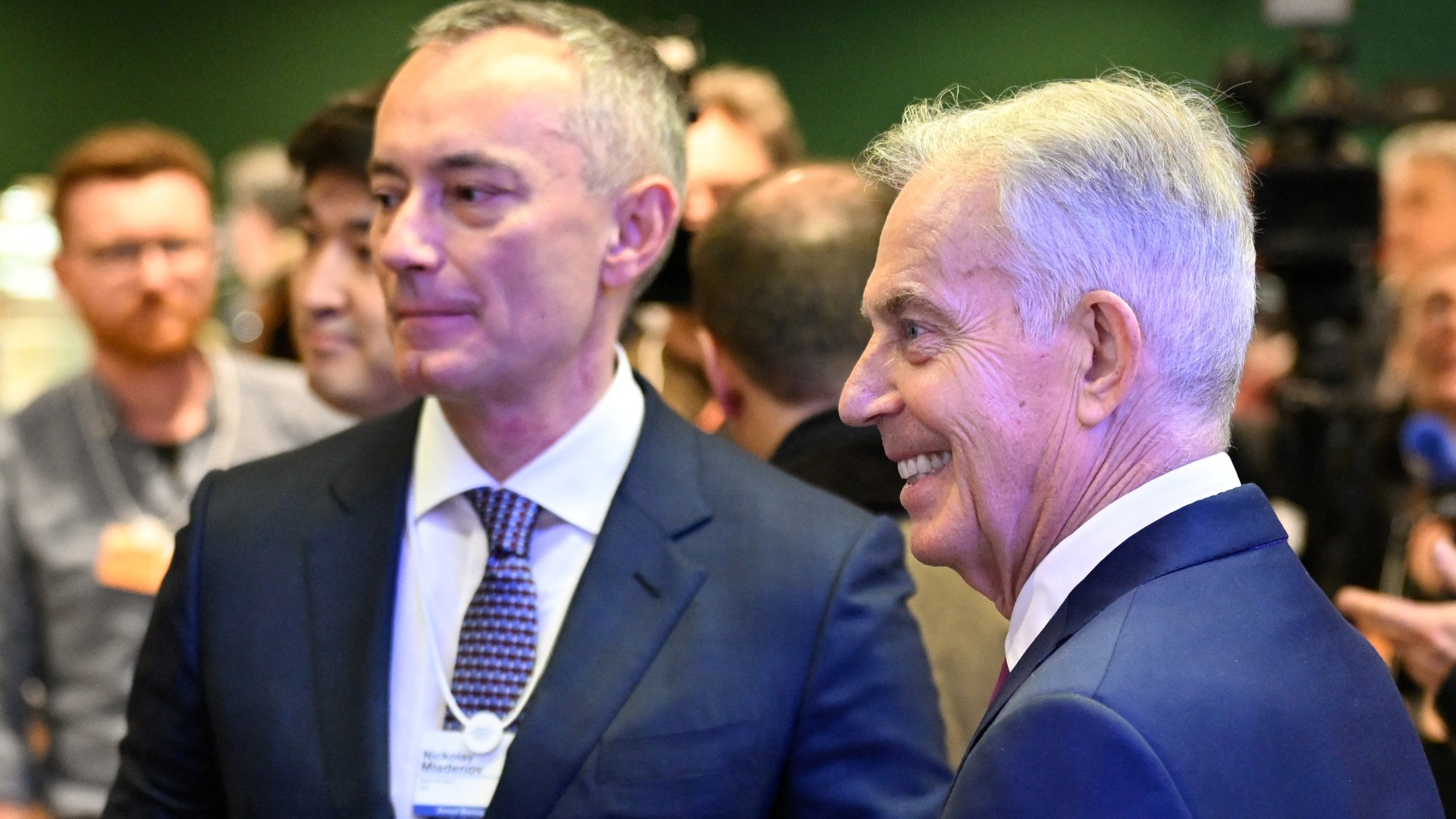
    In a significant diplomatic engagement, former British Prime Minister Tony Blair met with the newly formed National Committee for the Administration of Gaza (NCAG) on Monday, delivering a clear mandate for the technocratic body to concentrate exclusively on service provision while explicitly avoiding political and security matters.

    Blair, serving on the executive board of the U.S.-appointed ‘Board of Peace,’ emphasized during the meeting that the NCAG’s role is strictly humanitarian and administrative. According to Palestinian sources briefed on the discussions, Blair acknowledged the committee’s challenging task but stressed that international support exists for its success, provided it remains focused on civilian services rather than political issues or the disarmament of armed groups.

    The NCAG, comprising 15 Palestinians and led by former Planning Deputy Minister Dr. Ali Shaath, represents a cornerstone of the ceasefire agreement ending the Israeli genocide in Gaza. Blair and Shaath reportedly agreed that the committee would have no involvement in weapons-related matters, with Shaath explicitly stating: ‘Don’t involve us in the issue of weapons.’

    Despite high-level discussions, concrete operational details remain unresolved. Committee members raised pressing concerns about funding mechanisms and border crossing operations, to which Blair could not provide specific answers. He suggested the committee could utilize existing civil servants in Gaza while acknowledging many might not remain in their positions due to the wartime conditions.

    The meeting also addressed coordination with international bodies, with Blair announcing that U.S.-appointed Gaza representative Nickolay Mladenov would meet with the committee in Cairo on Wednesday. Mladenov will serve as the crucial liaison between the Board of Peace and the NCAG.

    Parallel diplomatic efforts are underway, with Turkish and Moroccan officials offering support including field hospitals and medical supplies. However, European Union representatives similarly failed to provide specific commitments during separate meetings with Shaath, particularly regarding funding through World Bank mechanisms or police training programs.

    According to assessments from U.S. sources, NCAG members could potentially enter Gaza as early as next week, though security arrangements through the Al-Shurafa Company are still being organized without a permanent headquarters yet established.

  • Iran-aligned militias threaten retaliatory strikes, but will they follow through?

    Iran-aligned militias threaten retaliatory strikes, but will they follow through?

    Iran-aligned paramilitary forces across the Middle East have issued stark warnings of potential retaliation against any American military action targeting the Islamic Republic. The escalating tensions emerge as the Trump administration deliberates possible precision strikes against Iranian officials deemed responsible for protester casualties.

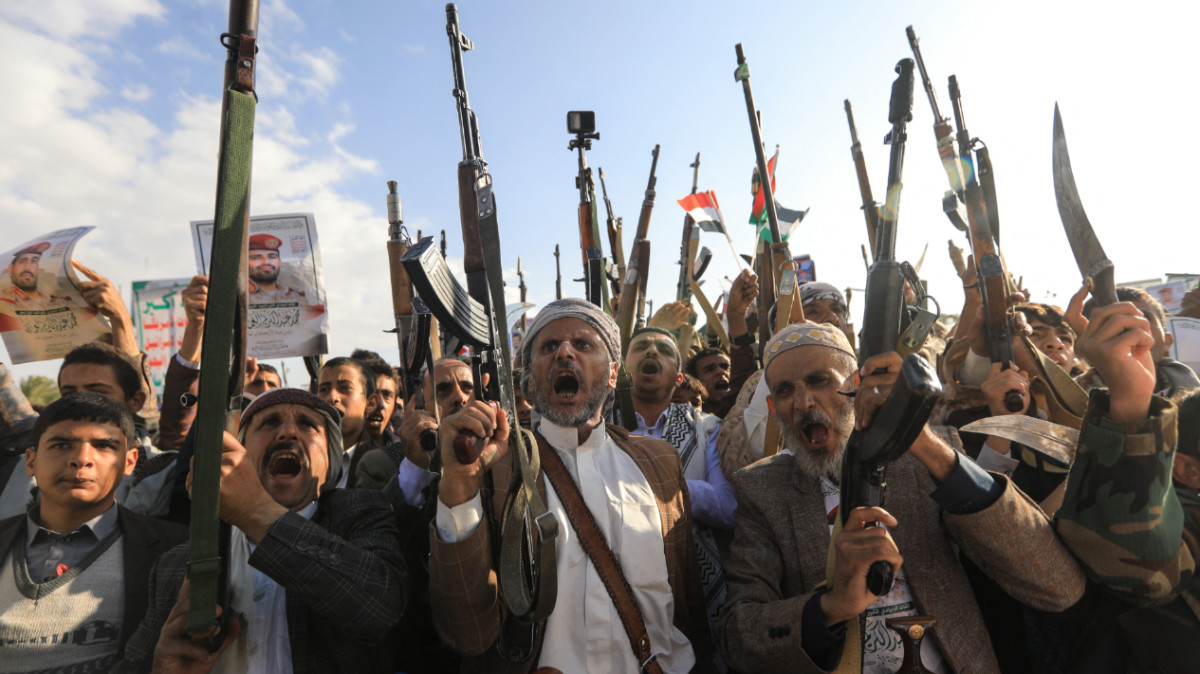
    In Iraq, Kataib Hezbollah leader Abu Hussein al-Hamidawi declared readiness for “total war” in a Sunday statement, threatening that enemies “will taste every form of deadly suffering” and promising to eliminate all US presence from the region. Simultaneously, Yemen’s Houthi movement released a provocative video暗示 the resumption of maritime attacks in the Red Sea, captioned simply “Soon.”

    The geopolitical landscape reflects heightened vulnerability for US forces, with approximately 40,000 American troops stationed throughout the Middle East. Critical bases in Iraq, Syria, and particularly Gulf states like Kuwait, Qatar, UAE, Bahrain, and Saudi Arabia represent potential flashpoints. Several Arab governments have actively lobbied against US military action, fearing regional escalation.

    Military preparedness indicators show significant US mobilization, including the redeployment of the Abraham Lincoln aircraft carrier strike group from the South China Sea to the Middle East, accompanied by F-35 and F/A-18 fighter squadrons. Open-source intelligence also reveals F-15 warplane reinforcements at Jordan’s Muwaffaq Salti Air Base.

    The current tensions recall earlier confrontations in 2025, when direct conflict occurred between the US, Israel, and Iran, including US bombing of Iranian nuclear facilities. The January 2024 drone strike in Jordan that killed three US soldiers remains a recent precedent for militia capabilities.

    Regional dynamics have shifted substantially since the 2023 Hamas-led attack on Israel and subsequent Gaza conflict. Iranian proxy networks have experienced significant transformations, with Lebanese Hezbollah particularly degraded following the assassination of leader Hassan Nasrallah and subsequent disarmament agreements. This has elevated the strategic importance of Iraqi militias like Kataib Hezbollah within Iran’s regional strategy.

    The so-called “axis of resistance” exhibits varying degrees of independence from Tehran, with Iraq’s Popular Mobilization Forces integrated into state structures, Hezbollah maintaining political influence in Lebanon, and the Houthis operating with considerable autonomy in Yemen. The Houthis have emerged particularly strengthened from recent conflicts, having maintained missile capabilities against Israel despite a May 2025 truce with the US.

    Current administration discussions have been characterized as “chaotic” amid concerns about potential escalation consequences, reflecting the complex calculations surrounding any military action against Iran and its regional network.

  • Republicans criticise immigration force but steer clear of Trump attacks

    Republicans criticise immigration force but steer clear of Trump attacks

    A significant fracture is emerging within the Republican Party as lawmakers grapple with the political fallout from a controversial immigration enforcement operation in Minneapolis that resulted in the fatal shootings of two U.S. citizens. While maintaining support for President Trump’s broader immigration agenda, prominent Republican senators are increasingly expressing criticism toward the implementation tactics and leadership of Department of Homeland Security agencies.

    The tension highlights the party’s delicate balancing act heading into midterm elections: supporting popular immigration policies while responding to public outrage over specific enforcement actions. Several Republican senators have called for increased oversight and accountability, with North Carolina Senator Thom Tillis demanding the resignation of DHS Secretary Kristi Noem, stating she has proven ‘way out of her depth.’

    Despite these criticisms, most Republicans have avoided direct condemnation of President Trump himself. Instead, lawmakers have focused their concerns on operational execution rather than policy fundamentals. The party remains largely supportive of the administration’s immigration objectives, having approved approximately $45 billion for border security and interior enforcement last year.

    The situation has created unusual alliances, with both moderate Republicans and some Trump allies expressing concerns about the shootings. Senators including Rand Paul (KY) and Lisa Murkowski (AK) have called for congressional hearings, while Representative Andrew Garbarino (NY) supports a full investigation into the incidents.

    In response to growing pressure, the administration has moderated its rhetoric and taken steps to de-escalate tensions. President Trump dispatched border tsar Tom Homan to assume control of Operation Metro Surge in Minneapolis, replacing top Border Patrol official Gregory Bovino. The president has also engaged in discussions with Minnesota Democratic leaders Governor Tim Walz and Mayor Jacob Frey, acknowledging the unsustainable nature of the current situation.

    The political implications continue to evolve as Senate Democrats threaten to block spending packages containing additional DHS funding, potentially triggering a government shutdown. This development may force Republicans to more vigorously defend the administration’s immigration policies, potentially overshadowing calls for investigation into the Minneapolis shootings.