博客

  • Visitors become entrepreneurs, discover opportunities in Yunnan

    Visitors become entrepreneurs, discover opportunities in Yunnan

    Yunnan Province in Southwest China is experiencing a remarkable socioeconomic transformation as growing numbers of visitors evolve into long-term entrepreneurs, drawn by the region’s unique business opportunities and exceptional quality of life. According to Wang Ning, Secretary of the Communist Party of China Yunnan Provincial Committee, this trend represents a significant shift in the province’s development narrative.

    The statistics underscore this phenomenon: during the recent Spring Festival holiday, Yunnan welcomed 53 million tourist visits. More notably, approximately 5.5 million tourists categorized as ‘sojourners’ have chosen extended stays exceeding two weeks throughout the past year. What distinguishes this trend is the conscious decision by many to establish permanent roots and launch business ventures within the province.

    Wang attributes this migration pattern to Yunnan’s distinctive charm characterized by ‘purity, beauty, novelty and uniqueness.’ The province’s pristine natural environment—from Ailao Mountain’s sea of clouds to Fuxian Lake’s blue waters—combines with rich cultural traditions to create an inspirational backdrop for entrepreneurial endeavors. This environment fosters reconnection with personal aspirations and fundamental life purposes, according to Wang.

    The economic impact is substantial. Yunnan’s coffee industry exemplifies this growth, expanding from under 10 billion yuan to nearly 100 billion yuan in just three to four years. This expansion has created opportunities for sojourners in coffee shop operations, plantation management, and livestreamed coffee sales.

    Traditional craftsmanship has experienced similar revitalization. Yi embroidery from Chuxiong, Jianshui purple pottery, and Heqing silverware have found renewed commercial viability through innovative approaches by young entrepreneurs. The province’s geographical advantage as China’s gateway to South and Southeast Asia, bolstered by the high-utilization China-Laos Railway, further enhances its business appeal.

    Personal narratives illustrate this trend. Zhang Yu and his wife transitioned from Shanghai’s fast-paced environment to Dali in 2019, initially renting a single courtyard that expanded to eight properties with approximately 100 rental units. Chen Yuxin relocated her Wonder Wander Coffee headquarters to Dali, experiencing annual fivefold growth while benefiting from local government support through resource-sharing tea parties. French chef Vincent Aguesse established a culinary presence in Kunming since 2015, creating fusion cuisine that combines Yunnan’s wild mushrooms with French techniques.

    Yunnan’s moderate climate, neither severely cold in winter nor unbearably hot in summer, provides additional appeal for health and wellness tourism alongside outdoor sports development. The provincial government recognizes this combination of natural assets, cultural richness, and strategic positioning as creating unique conditions where ‘everyone with a dream and the courage to explore can find their own place.’

  • Russell leads Mercedes 1-2 for Australian GP as Verstappen crashes

    Russell leads Mercedes 1-2 for Australian GP as Verstappen crashes

    In a stunning turn of events at Melbourne’s Albert Park, George Russell clinched pole position for Mercedes at the Australian Grand Prix, leading a remarkable team one-two finish alongside rookie teammate Kimi Antonelli. The qualifying session, however, was overshadowed by a shocking early exit for reigning world champion Max Verstappen.

    Russell delivered a masterful performance with a blistering lap time of 1:18.518 on soft tires, outpacing Antonelli by 0.293 seconds. The British driver expressed elation with his car’s potential, particularly praising his team’s exceptional garage work throughout the day.

    The session took a dramatic turn when Verstappen’s Red Bull violently collided with the barriers at Turn 1 during his first flying lap in Q1. The Dutch driver radioed his frustration, citing sudden rear axle locking that prematurely ended his qualifying attempt and likely his victory prospects.

    Antonelli’s performance proved equally spectacular given his earlier misfortune. The 19-year-old Italian miraculously qualified second despite writing off his Silver Arrow during final practice. Mercedes mechanics performed what Russell termed ‘heroic’ work to rebuild the damaged car within hours.

    Red Bull’s Isack Hadjar secured third position ahead of Ferrari’s Charles Leclerc, while McLaren’s Oscar Piastri and Lando Norris will start fifth and sixth respectively. The session marked the first full qualifying under Formula 1’s radical new technical regulations, presenting drivers with unprecedented energy management challenges.

    Several notable eliminations occurred throughout the session. Williams’ Carlos Sainz missed qualifying entirely after mechanical failure in third practice, while Aston Martin’s Lance Stroll also failed to appear due to persistent power unit vibrations. Both Cadillac drivers were eliminated in Q1 during the American team’s maiden Grand Prix weekend.

  • Deadly storms and tornadoes strike US state of Michigan

    Deadly storms and tornadoes strike US state of Michigan

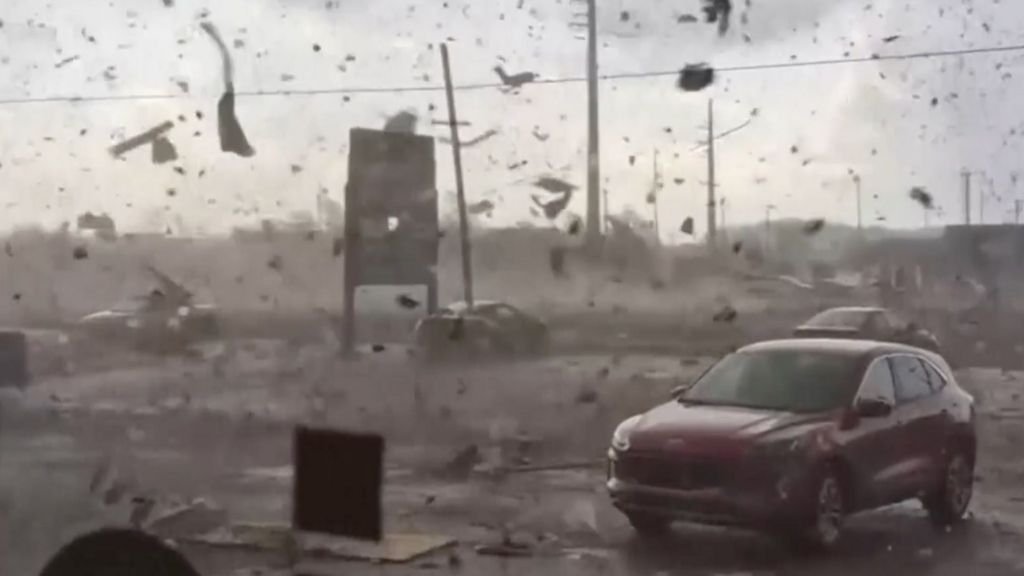
    The state of Michigan is confronting severe devastation and assessing the aftermath of a violent storm system that unleashed multiple tornadoes across several communities. The extreme weather event, characterized by powerful rotational winds, carved a path of destruction through urban and residential areas, resulting in significant structural damage and tragic loss of life.

    Initial reports from emergency management officials describe widespread impacts, including homes completely leveled, commercial buildings sustaining critical damage, and essential infrastructure being severely compromised. The force of the tornadoes was potent enough to tear mature trees from the ground and hurl debris across considerable distances, creating hazardous conditions for residents and complicating rescue operations.

    First responders, including police, fire departments, and paramedic teams, are conducting coordinated search-and-rescue missions in the hardest-hit zones. The primary objectives are to locate and evacuate any individuals trapped in damaged structures and to provide immediate medical assistance to the injured. Local hospitals have been placed on high alert to manage an influx of patients.

    State Governor Gretchen Whitmer has officially declared a state of emergency for the affected counties, a procedural move that mobilizes additional state resources and unlocks federal disaster assistance funding. In public statements, the Governor urged residents to prioritize their safety, heed all warnings from authorities, and avoid traveling through damaged areas to allow emergency crews unimpeded access.

    The National Weather Service (NWS) has dispatched survey teams to the region to analyze the damage and determine the exact intensity and number of tornadoes, which will be rated on the Enhanced Fujita (EF) scale. Meteorologists had issued advanced warnings for the potential of severe convective storms, but the rapid development and precise trajectory of the tornadoes highlighted the persistent challenges in predicting such volatile weather phenomena with pinpoint accuracy.

    This event is part of a broader pattern of intense spring and summer storm activity across the United States, particularly in the Midwest and Great Lakes regions, which are increasingly experiencing severe weather outbreaks. Recovery efforts are expected to be a prolonged process, involving not just rebuilding infrastructure but also providing long-term support for displaced families and communities grappling with the psychological and economic toll of the disaster.

  • Calls mount for diplomacy in Middle East

    Calls mount for diplomacy in Middle East

    International pressure for diplomatic resolution is mounting as the Middle East plunges into one of its most severe security crises in recent years. The conflict, now entering its second week, has witnessed unprecedented military engagements between the United States, Israel, and Iran, resulting in significant civilian casualties and regional destabilization.

    According to the Iranian Red Crescent, coordinated US-Israeli operations have claimed 1,332 Iranian lives since February 28, with at least 20 additional fatalities and 30 injuries reported in recent strikes. Israel’s air force confirmed conducting 26 targeted strikes in Lebanon’s Dahieh area, allegedly against Hezbollah infrastructure while claiming precautionary measures to minimize civilian impact.

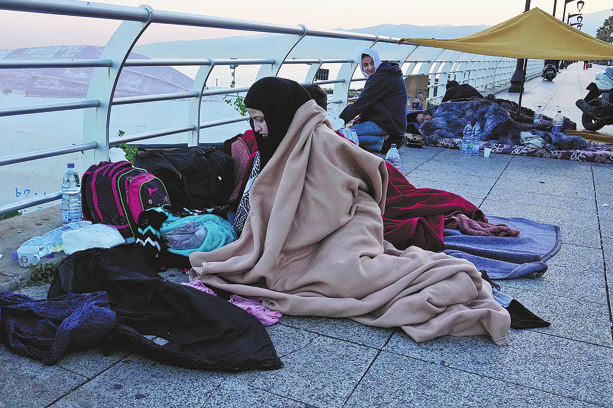
    The humanitarian dimension continues to worsen as displaced populations seek refuge across border regions. In Beirut, families displaced by Israeli airstrikes are sheltering along the coastal corniche, highlighting the growing refugee crisis.

    Global leaders are amplifying calls for de-escalation. Sri Lankan President Anura Kumara Dissanayake emphasized that “no civilian should die in wars” and urged all parties to demonstrate “firm commitment to peace” through social media channels. Turkish President Recep Tayyip Erdogan characterized the situation as having reached “alarming levels,” pledging to intensify multilateral diplomatic efforts to prevent irreversible escalation while reserving Turkey’s right to coordinate defensive measures with allies.

    Egyptian President Abdel Fattah El-Sisi cautioned that the conflict reflects fundamental miscalculations and warned of potential economic repercussions, including price manipulation during the crisis. He emphasized Egypt’s emergency preparedness while ensuring essential public needs remain uncompromised.

    Contrasting perspectives emerge from Washington, where President Donald Trump asserted Iran’s military capabilities are being “demolished at levels people have never seen before.” Meanwhile, Iranian Foreign Minister Abbas Araghchi rejected ceasefire possibilities following attacks during negotiation periods.

    The human cost continues to mount, with investigations underway regarding a suspected US strike on an Iranian girls’ school in Minab that killed numerous children. Iran has conducted mass funerals for at least 165 victims, including students, as regional powers continue military posturing.

  • Russia rains missiles and drones on Ukraine, killing six

    Russia rains missiles and drones on Ukraine, killing six

    Ukrainian officials reported a devastating wave of Russian aerial assaults overnight, resulting in significant civilian casualties and widespread damage across multiple regions. The attacks, which combined ballistic missiles, artillery, and drone strikes, represent one of the most extensive bombardments in recent weeks.

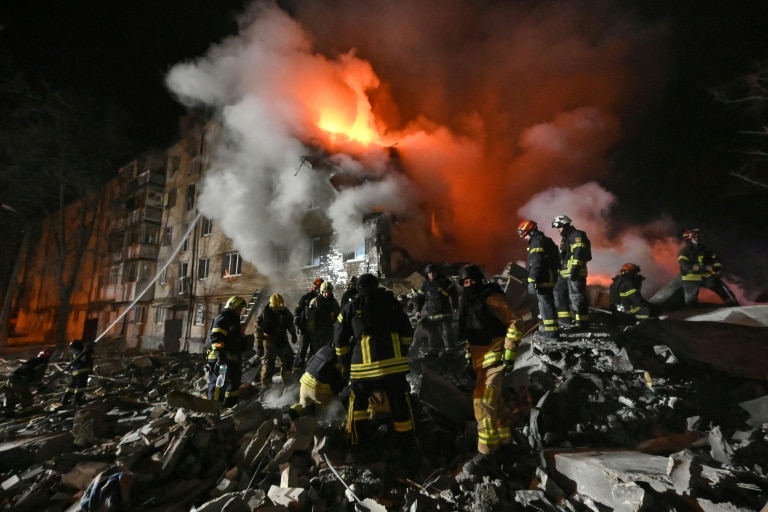
    In the eastern Kharkiv region, a residential apartment block in the Kyivsky district suffered catastrophic damage from a ballistic missile impact. Regional military administration head Oleg Synegubov confirmed that the five-story building was nearly obliterated, with an adjacent structure also sustaining substantial damage. Emergency crews recovered five fatalities from the rubble, while ten individuals sustained injuries—including three children aged six, eleven, and seventeen.

    Further south in the Dnipropetrovsk region, regional administrator Oleksandr Ganzha reported one civilian killed and another wounded during approximately twenty separate attacks targeting the Nikopol district. The assault employed a combination of drone warfare, artillery barrages, and rocket systems.

    The southern Zaporizhzhia region witnessed additional violence as a Russian drone strike injured an infant, according to regional head Ivan Fedorov. Meanwhile, in Chuguiv within the Kharkiv region, Mayor Halyna Minayeva confirmed two civilians were wounded when drones targeted a residential home in the city center.

    The coordinated attacks triggered nationwide air raid alerts throughout Ukraine, with the Polish air force subsequently scrambling military aircraft to secure airspace along its Ukrainian border—a standard precautionary measure during large-scale Russian offensive operations.

  • Hong Kong firm seeks $2 billion over Panama’s takeover of 2 key canal ports

    Hong Kong firm seeks $2 billion over Panama’s takeover of 2 key canal ports

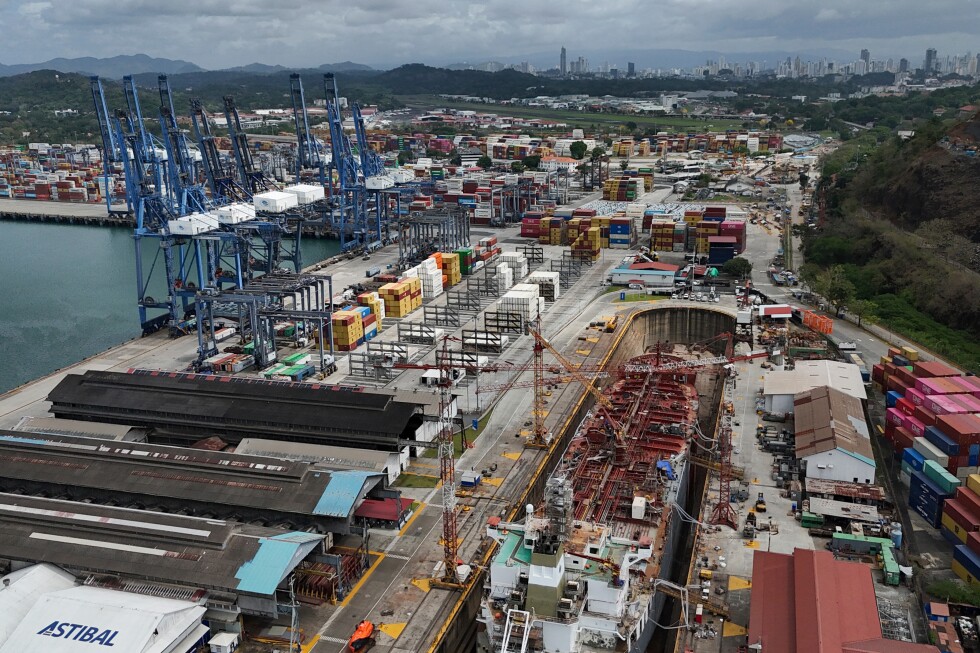
    A major international arbitration battle has erupted between Panama and Hong Kong-based CK Hutchison Holdings after the Central American nation’s seizure of two strategic ports at the Panama Canal. The conglomerate’s subsidiary, Panama Ports Company, is seeking approximately $2 billion in compensation for what it describes as an “illegal takeover” of the critical maritime facilities.

    The dispute stems from Panama’s Supreme Court ruling that declared the company’s concession agreement unconstitutional, prompting the government to assume control of both Balboa and Cristobal ports last week. These facilities occupy strategic positions at either end of the vital Panama Canal waterway, which handles approximately 5% of global maritime trade.

    Panama Ports Company had operated the terminals since 1997 and successfully renewed its 25-year concession agreement just two years ago in 2021. The company’s Friday statement emphasized its determination to “assert all of their rights and damages they are due because of the radical breaches and anti-investor conduct of the Panamanian State.”

    The situation has drawn international attention, with both Beijing and Hong Kong governments expressing strong objections to Panama’s actions. The ports previously found themselves at the center of geopolitical tensions when former U.S. President Donald Trump accused China of effectively controlling the Panama Canal. The controversy intensified when CK Hutchison announced plans in March 2022 to sell the majority of its global port assets—including the Panama facilities—to a consortium involving U.S. investment giant BlackRock in a monumental $23 billion transaction. That deal has remained stalled amid political pressures.

    In a separate declaration, CK Hutchison condemned Panama’s seizure methods, alleging the government occupied the ports and appropriated company property and personnel “without transparency.” The corporation vowed to pursue all available legal avenues through both national and international judicial proceedings. The company also corrected previous statements from Panamanian officials, including Economy Minister Felipe Chapman, who had estimated the compensation claim at $1.5 billion.

  • In first week of war on Iran, Gulf states shutter energy production and oil soars

    In first week of war on Iran, Gulf states shutter energy production and oil soars

    The escalating military conflict between the US-Israel alliance and Iran has triggered an unprecedented energy crisis, with oil prices recording their most dramatic weekly surge in modern history. Brent crude, the international benchmark, skyrocketed 28 percent during the first week of hostilities to reach $92.66 per barrel by Friday, marking the most rapid price acceleration ever witnessed in global oil markets.

    The crisis centers on the effective closure of the Strait of Hormuz, the critical maritime chokepoint through which approximately 20% of global oil and gas shipments transit. MarineTraffic data reveals only nine commercial vessels have navigated the strait since Monday, as major insurers ceased providing war-risk coverage for the perilous passage.

    Gulf energy facilities face multi-faceted disruptions. Kuwait, a leading OPEC producer, has halted production entirely due to exhausted storage capacity, with the UAE and Saudi Arabia approaching similar operational limits according to Kpler analytics. The physical conflict has directly targeted infrastructure, with Bahrain’s Sitra refinery—processing nearly 400,000 barrels daily—struck by Iranian missiles and visibly engulfed in flames via social media documentation.

    Qatar declared force majeure on liquefied natural gas exports, threatening the 20% global supply share it controls and sending European and Asian gas prices soaring. The collateral damage includes environmental hazards, with a tanker anchored off Kuwait leaking oil into Gulf waters after being struck Wednesday.

    The economic ramifications are spreading globally. US gasoline prices jumped 11% to $3.32 per gallon despite previous administration claims of energy independence. Qatari Energy Minister warned Brent could reach $150 per barrel, stating the conflict threatens to ‘bring down the economies of the world’ through supply chain disruptions and factory shutdowns.

    Geopolitical tensions intensified as Iran’s Revolutionary Guard challenged President Trump to escort tankers through the strait, highlighting Gulf states’ frustration with perceived US reluctance to replenish depleted air defense systems despite successfully intercepting Iranian drones and missiles. The conflict has exposed regional vulnerabilities as Gulf nations, having lobbied for diplomatic engagement with Iran, now bear the brunt of retaliatory attacks on their energy infrastructure and modern urban centers.

  • Taiwan ramps up space-defense drive amid Beijing threats

    Taiwan ramps up space-defense drive amid Beijing threats

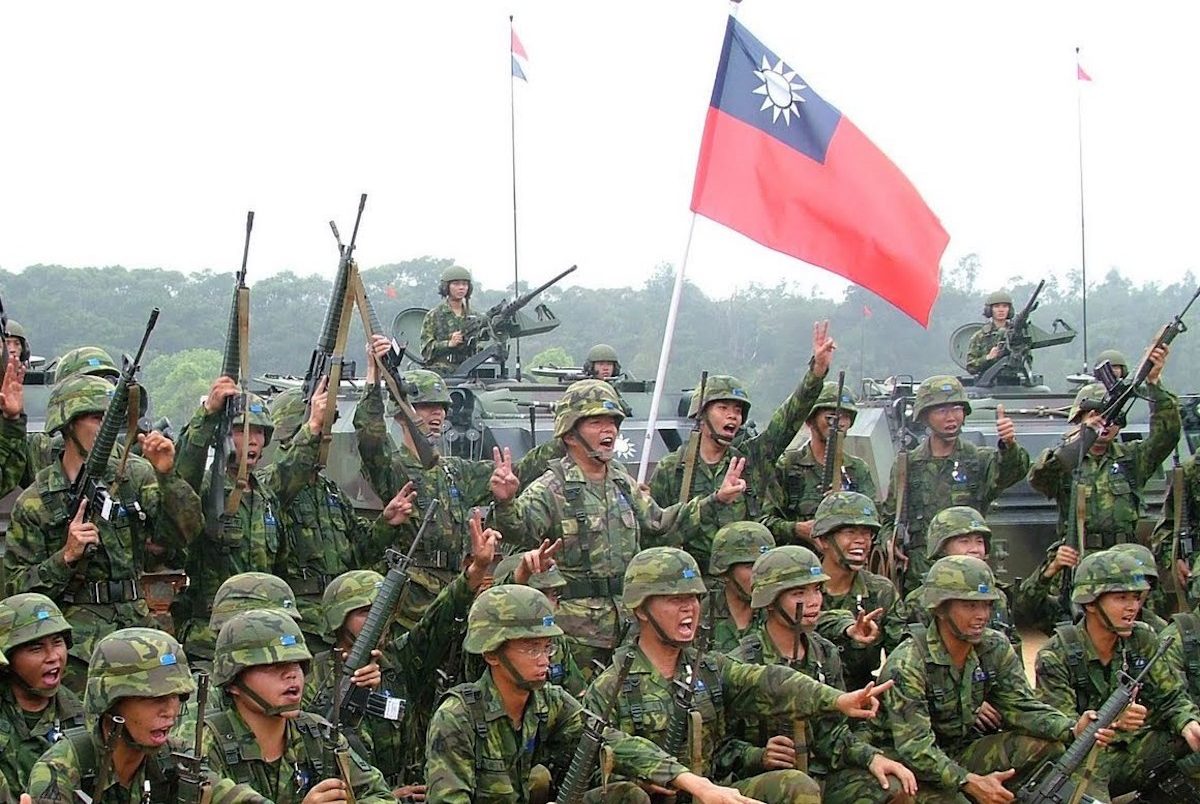
    Taiwan is actively cultivating a network of international space-technology startups alongside domestic firms to develop advanced surveillance and defense systems for deployment in the Taiwan Strait. This strategic initiative is spearheaded by the Taiwan Accelerator Plus (TAcc+) program, managed by the Industrial Technology Research Institute (ITRI) and supported by the Ministry of Economic Affairs’ Small and Medium Enterprise and Startup Administration (SMESA). Since launching its International SpaceTech Startup Supporting Program in 2023, TAcc+ has onboarded 42 startups specializing in satellite technology, rocket engines, and geospatial equipment, fostering partnerships with Taiwan’s established Information and Communication Technologies (ICT) sector for manufacturing.

    A notable beneficiary is BaseTech, a local startup founded in 2021 that has received government funding. The company produces high-precision telescope mounts capable of tracking satellites from hundreds to 2,000 kilometers above Earth and monitoring swarms of military drones. Its flagship HawkView Monitoring System, as demonstrated by senior manager Henry Chen, can track over 300 targets simultaneously—from drones and aircraft to birds—at distances exceeding 15 kilometers, utilizing AI for automatic object scanning. The system also supports free-space optical (FSO) communication, a dual-use technology employing lasers for satellite-to-ground data transmission, which has civil and military applications.

    BaseTech’s systems are already deployed with the Taiwan Space Agency (TASA) and the nation’s Air Force and Navy, with the company now seeking European clients. This development aligns with a ‘hellscape’ defense strategy proposed by the Center for a New American Security, which envisions using vast numbers of drones and uncrewed systems to disrupt a potential invasion across the Strait through layered, technology-intensive defenses.

    Amid rising cross-strait tensions and uncertainties over U.S. military support, Taiwan is accelerating efforts to localize foreign space-defense technology. TAcc+ has facilitated international collaborations, resulting in memorandums of understanding and new orders for participants like UK-based HEX20 and U.S.-based Slingshot Aerospace. However, experts caution that ensuring resilient communications in conflict remains a challenge, prompting Taiwan to explore alternatives to U.S.-dependent systems, such as Eutelsat OneWeb’s low-Earth-orbit satellite services, recently approved for operation by Chunghwa Telecom.

  • Schwarber homers and Henderson gets 4 hits to lead United States over Britain 9-1 at WBC

    Schwarber homers and Henderson gets 4 hits to lead United States over Britain 9-1 at WBC

    The World Baseball Classic delivered a spectacle of international competition on Saturday, highlighted by dominant performances and dramatic late-game heroics across multiple venues.

    In Houston’s Pool B action, the United States secured a commanding 9-1 victory over Great Britain, improving to a perfect 2-0 record. Despite Britain’s early lead from Nate Eaton’s first-pitch home run off Tarik Skubal, Team USA’s offense exploded in the fifth inning. The turnaround began when Ernie Clement reached on an error, followed by Pete Crow-Armstrong’s double. Kyle Schwarber then unleashed a monumental 427-foot, two-run homer to right field, shifting momentum permanently in America’s favor. Gunnar Henderson contributed significantly with four hits and two RBIs, while Aaron Judge continued his powerful showing with a scorching RBI single that damaged the scoreboard.

    Meanwhile in Tokyo, defending champion Japan remained undefeated in Pool C with an intense 8-6 victory over South Korea. Shohei Ohtani homered for the second consecutive day, while Seiya Suzuki delivered two home runs and four RBIs. Despite falling behind 3-0 in the first inning, Japan mounted a relentless comeback, with Masataka Yoshida adding a homer and three RBIs to secure the hard-fought win.

    The Netherlands provided the day’s most dramatic moment with Ozzie Albies’ walk-off, three-run homer in the ninth inning to stun Nicaragua 4-3. With two outs and runners on base, Albies connected on the first pitch from reliever Angel Obando, completing an improbable comeback after Nicaragua had taken the lead in the eighth inning on Jeter Downs’ two-run homer.

    Other tournament action saw Puerto Rico remain unbeaten with a 4-3, 10-inning victory over Panama courtesy of Darell Hernaiz’s game-winning homer. Venezuela dominated Israel 11-3 behind Luis Arraez’s two homers, two doubles, and five RBIs. Taiwan recorded a mercy-rule 14-0 win over the Czech Republic, Canada defeated Colombia 8-2, and Italy blanked Brazil 8-0 behind Dante Nori’s two home runs.

  • Motorists stranded and military deployed after heavy rains pound Kenyan capital overnight

    Motorists stranded and military deployed after heavy rains pound Kenyan capital overnight

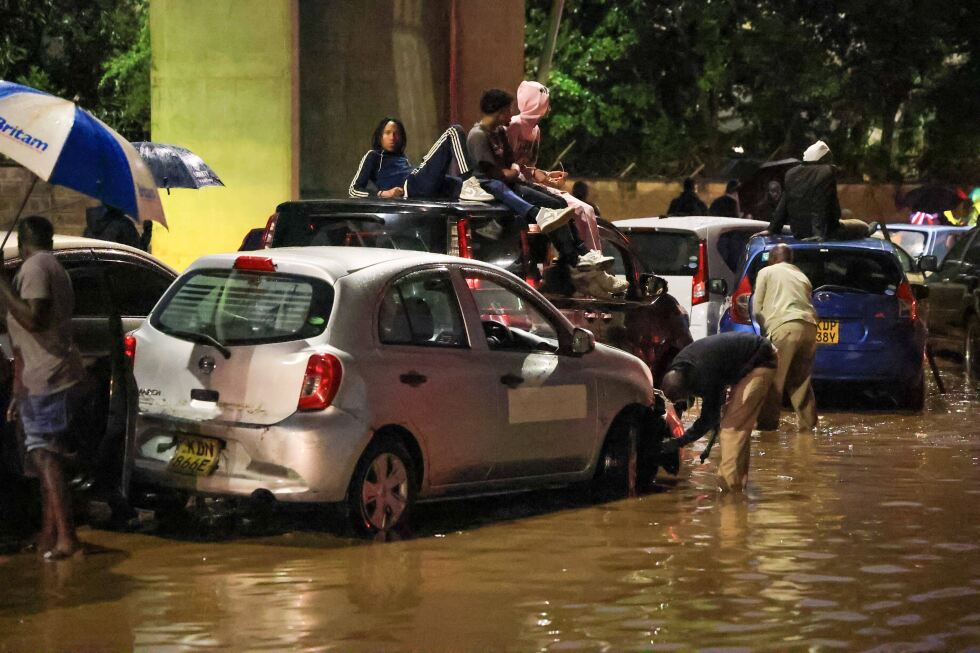
    NAIROBI, Kenya — Severe flooding triggered by relentless overnight rainfall has brought Kenya’s capital to a standstill, leaving motorists trapped for hours and prompting military deployment for emergency rescue operations. The crisis unfolded as torrential downpours that commenced Friday continued through the night, transforming major roadways into impassable waterways and submerging vehicles across the city.

    In response to the escalating situation, Kenyan military rescue units have been activated to support overwhelmed emergency services. The government’s intervention included the temporary suspension of toll fees on elevated highways to facilitate evacuation efforts. Kenya Red Cross response teams faced significant challenges reaching stranded residents due to severely compromised road infrastructure.

    Ahmed Idris, Secretary-General of Kenya Red Cross, confirmed via social media platform X that search and rescue operations were underway despite formidable obstacles. “Our teams are working tirelessly though severely constrained by the complete breakdown of road networks. We are prioritizing all efforts to reach those in critical need,” Idris stated.

    Social media platforms became flooded with visual evidence of the catastrophe, showing residential areas completely inundated and citizens wading through chest-high waters. The disaster has reignited public anger toward municipal authorities, with residents citing chronically inadequate drainage infrastructure as the primary cause of preventable flooding.

    Aisha Bajaber, a Nairobi resident, expressed the collective frustration on X: “Yet again our city drowns in floodwaters. When will officials address the complete absence of functional drainage systems?” This current emergency occurs within Kenya’s long-rains season, which traditionally begins in late February and has historically resulted in catastrophic consequences including lethal landslides, mudslides, and mass displacements affecting thousands of citizens.