博客

  • Heavy rain causes flooding near Tokyo that kills 4 and disrupts train and air travel

    Heavy rain causes flooding near Tokyo that kills 4 and disrupts train and air travel

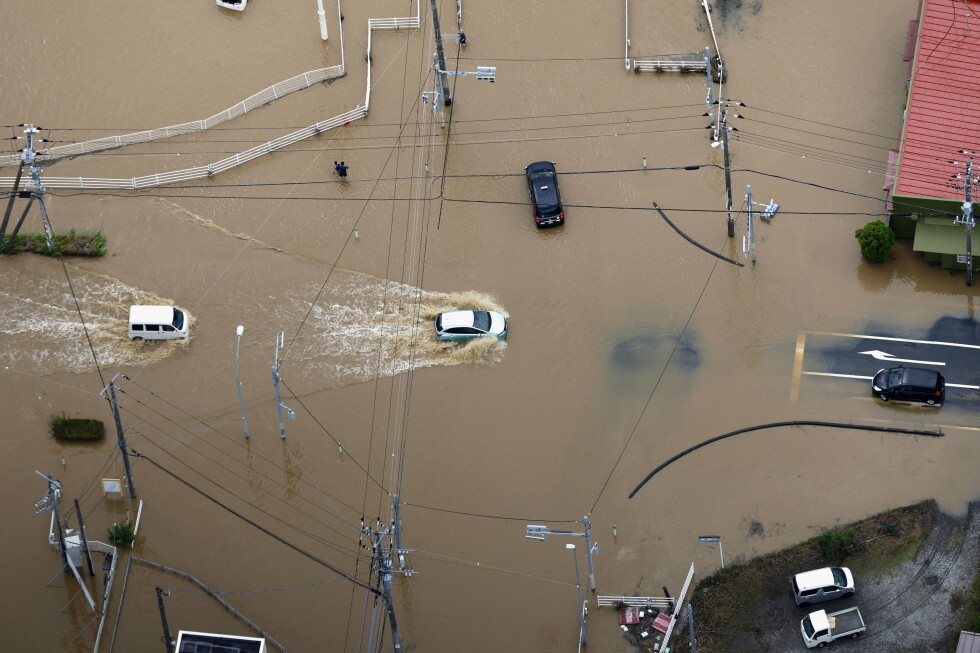
    Days after the end of Japan’s annual Bon Buddhist holiday week, devastating record-breaking downpours swept through eastern regions of Tokyo overnight, leaving a trail of destruction across Chiba prefecture that has claimed at least four lives and left one resident unaccounted for. The extreme weather triggered widespread flooding that submerged roads, damaged dozens of residential properties, cut power supplies to tens of thousands of households, and stranded thousands of travelers across the region.

    As rain levels began to subside early Friday morning, the Japan Meteorological Agency (JMA) announced it would downgrade its highest-level emergency heavy rain warning for more than 10 municipalities across the prefecture. Even so, forecasters warned of additional precipitation expected later in the day, keeping local disaster response teams on high alert. When dawn broke Friday, aerial footage and on-the-ground reporting revealed the full scale of the damage: muddy floodwaters engulfed ground floors of family homes, swallowed parked vehicles, and submerged sections of regional railway tracks.

    In response to the crisis, Japan’s Ground Self-Defense Force launched emergency rescue operations to evacuate stranded residents and travelers. Around 4,000 people who were forced to spend the night at Soga Train Station — a commuter hub that also serves the nearby Tokyo Disney Resort — were picked up by military-arranged buses. Officials confirmed the popular theme park suffered no structural damage or injuries from the flooding. Thousands more holiday travelers were stranded overnight at Narita International Airport, the major air hub serving the Tokyo metropolitan area, after all regional train services out of the affected area were halted. Train operations partially resumed Friday morning, though significant delays continued, while inbound and outbound flights at Narita operated on a normal schedule as travelers headed home following the end of the national holiday week. Hundreds of other residents affected by flooding took emergency shelter overnight at the Chiba prefectural government building.

    Prefectural disaster officials confirmed four fatalities linked to the flooding: a man found floating in floodwaters on a road in Ichikawa City, a woman trapped inside a submerged vehicle in Sakura City, and a third person pulled from a flooded car in Kashiwa City who was pronounced dead at the scene. As of Friday morning, one more person remained missing.

    Across Chiba, more than 80 residential properties have been fully or partially flooded, and local authorities issued evacuation advisories to nearly 230,000 residents, urging them to move to safer, higher ground. Power outages affected roughly 68,000 households at the peak of the storm, according to TEPCO Power Grid, and that number had dropped to around 23,000 by Friday morning as repair crews worked to restore service.

    Meteorological data confirmed the unprecedented intensity of the storm: Chiba City recorded 11.5 centimeters (4.5 inches) of rain in just one hour, while Sakura City hit 9.7 centimeters (3.8 inches) in the same time frame — both new all-time records for the region. “We have recorded rainfall levels that are unprecedented,” JMA forecast official Takuya Hosomi told viewers during a live televised emergency news conference Thursday night.

    AP contributes to this report, with additional coverage of Asia-Pacific events available at the AP News Asia-Pacific hub.

  • How the Mecca Agreement aims to manage US separation from Middle East

    How the Mecca Agreement aims to manage US separation from Middle East

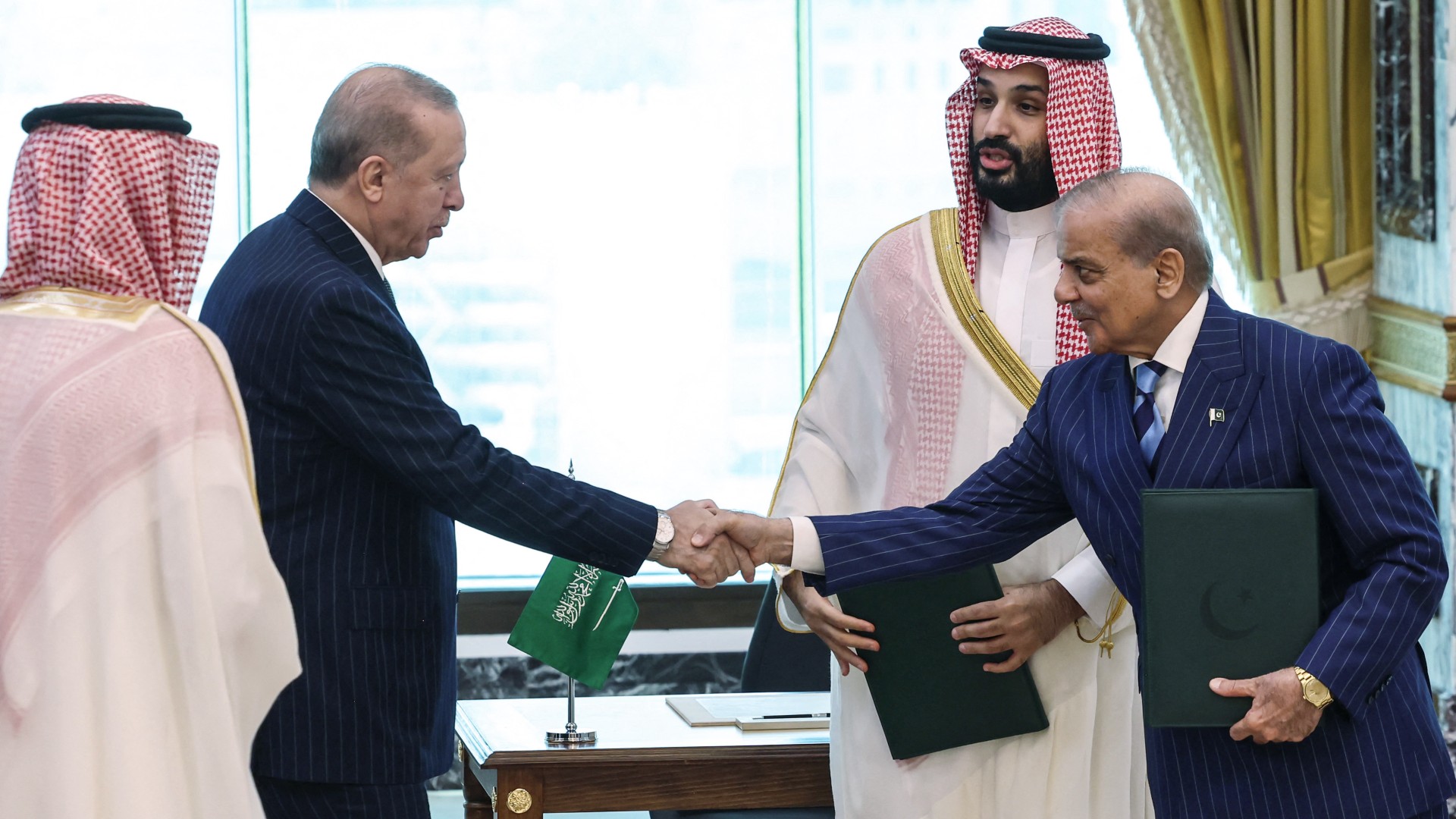
    The signing of the Mecca Joint Defence Agreement by Saudi Arabia, Pakistan, and Turkey on August 7 caught many off guard, yet its emergence follows clear regional trends that make it far from unpredictable. While some outsiders have rushed to frame the pact as a sectarian Sunni alliance – pointing to Saudi Arabia’s role as custodian of Islam’s two holiest sites, Mecca and Medina, Pakistan’s status as a nuclear-armed Islamic republic in South Asia, and Turkey’s assertive brand of Europe-facing political Islam – this characterization misses the mark: the agreement has no basis in religious sectarianism.

    Rather than creating a new, unified military alliance with a centralized command structure, the Mecca pact consolidates three deep, long-standing bilateral defense and economic partnerships into a single collective framework. It builds directly on a separate mutual defense agreement signed between Pakistan and Saudi Arabia in September 2025, a deal that sparked widespread speculation that it would provide Saudi Arabia with a nuclear defense umbrella, a detail all three parties have intentionally left ambiguous. The addition of Turkey to this existing bilateral dynamic created the tripartite agreement finalized in Mecca.

    Regional analysts broadly frame the pact as a key step toward regional countries taking ownership of their own security architecture, rather than relying on outside powers. “It was about time that regional agency takes shape,” explains Bahraini analyst Abdullah Aljunaid. “Put it this way: it’s not Islamic. It’s not about containing Iran either. It is there to prove that the region can produce its own security. You have three major players within the region: Pakistan, Saudi Arabia, and Turkey. What you need to look out for now is the geographical gaps between those three domains, all the way up to Syria.”

    The depth of pre-existing military and industrial ties between the three nations underpins the new framework. Pakistan and Turkey have maintained a close defense partnership for decades, and it is an open secret that Turkey’s defense industry leverages Pakistani engineering expertise for advanced research and development: roughly 200 Pakistani engineers currently work on Turkey’s Kaan fifth-generation fighter jet program. For its part, Saudi Arabia has relied on Pakistani military personnel, including soldiers and pilots, for decades, provided critical funding for Islamabad’s nuclear program, and repeatedly injected emergency financial support to shore up Pakistan’s fragile economy.

    Turkey also serves as a key arms supplier and strategic partner to Pakistan, contributing modular components to high-profile platforms such as the JF-17 Block III multirole fighter jet, which integrates Turkish ASLPOD targeting pods, MURAD AESA radars, and Bozdogan short-range air-to-air missiles. Over the past five years, Saudi Arabia and Turkey have also steadily aligned their strategic outlooks, with their cooperation in Syria earning praise from Washington as the pair built deeper strategic ties. Today, the partnership holds growing economic and strategic importance for Riyadh as it pursues its 2030 Vision goal of localizing 50% of its military spending, with a focus on armored vehicles, missiles, loitering munitions, and drones. Turkish defense firms such as Baykar and Aselsan have emerged as ideal partners, as they are far more willing than many Western suppliers to engage in technology transfer, joint production, and collaborative research.

    Despite these deep connections, merging three separate bilateral relationships into a cohesive tripartite framework poses significant challenges. Senior Ankara-based Center for Iranian Studies researcher Oral Toga notes that negotiations for the Mecca Agreement stretched over two years, meaning its scope was set long before the 2026 U.S.-Israeli war on Iran. Even so, its timing directly reflects growing regional instability around the Strait of Hormuz and the Red Sea.

    American security guarantees have lost much of their credibility in the region following the 2025 Hormuz crisis. Former U.S. ambassador to Qatar Patrick Theros argues that Washington’s strike on Iran turned the long-standing American security umbrella into a strategic liability for regional partners, as the U.S. failed to prioritize or deliver reliable air defense coverage for Gulf allies, creating a critical gap in the existing regional security order. “The Saudis have understood that the Abraham Accords have been a security guarantee for Israel, not the kingdom,” notes Dr. Yeghia Tashjian of the Issam Fares Institute at the American University of Beirut.

    This realization has pushed Gulf states to build new, regionally rooted defense architectures. Qatar moved early to deepen its strategic partnership with Turkey, well before the 2025 Israeli raid on Doha. Saudi Arabia and the United Arab Emirates have taken divergent paths: the UAE has doubled down on its partnership with Israel, which has deployed outer layers of its Iron Dome defense system in the Gulf, while Saudi Arabia has turned to its long-standing historical security partner Pakistan while steadily expanding its ties with Turkey.

    The core question that remains is the ultimate purpose and end state of the new agreement. Dr. Gallia Lindenstrauss, a leading expert on Turkish-Israeli relations at Tel Aviv’s Institute for National Security Studies, argues that while the pact is explicitly framed as defensive, it sends a clear strategic signal to Iran, Israel, and even the UAE. Retired Pakistani Air Marshal Saeed Khan, a former ambassador to Syria, projects that shifting U.S. strategic priorities will reshape the regional order in the near term: “Slowly and gradually, in the next one-two-three years, we will see America reducing its presence in the Gulf, and concentrating in the South China Sea.”

    A key point of ongoing ambiguity is whether the agreement qualifies as a full military alliance. By definition, an alliance requires a shared understanding of core national security threats and a unified command structure – two elements that remain absent more than a month after the pact’s signing. While Pakistani troops and pilots have deployed repeatedly in Yemen under Saudi command, it remains unlikely that Pakistan would deploy its own armed forces directly to confront the UAE, a key economic partner. The April 2026 withdrawal of more than $3.5 billion in Emirati deposits from Pakistan’s central bank served as a clear warning that Islamabad’s alignment with Riyadh carries tangible economic costs. Islamabad will also avoid direct confrontation with Iran: the two countries share a 1,000-kilometer unstable border and face the common threat of Baloch separatist groups, giving Pakistan strong incentive to avoid tensions with Tehran.

    Similarly, Ankara is unlikely to deploy forces to Yemen and risk conflict with Iran, as both countries face shared challenges from Kurdish separatist groups. Even Saudi Arabia has repeatedly sought to avoid stoking Sunni-Shia sectarian tensions, a reluctance that has been reinforced during successive U.S.-Israeli campaigns against Iran.

    Despite these divergent national priorities, the three nations do share interests in addressing common security challenges, particularly in the Red Sea region. Turkey’s Turksom military camp in Mogadishu serves as a key hub for its power projection in the Horn of Africa, and Pakistan has complemented this presence by signing a new military cooperation agreement with Somalia that allows for the deployment of a Pakistani expeditionary force. On the opposing side of this alignment, Israel recognized Somaliland’s independence in December 2025, and the UAE uses infrastructure at Bosaso port and airport to support its operations in Sudan’s ongoing conflict, creating a clear if messy polarization between camps supporting the status quo and those seeking to revise it – a far cry from the clear alignment of Cold War-era blocs such as NATO.

    Whether shared strategic outlooks will translate to coordinated joint military action depends on a range of contextual factors, and overlapping competing interests remain. Turkish-Emirati defense industrial cooperation continues to grow, and Pakistan relies heavily on remittances from the 1.6 million Pakistanis living in the UAE. As military analyst Kamal Alam notes, no one should expect Saudi Arabia to sever ties with India over New Delhi’s arms sales to Israel should the need arise.

    Overall, the Mecca Agreement delivers an intentionally ambiguous strategic message. The three underlying bilateral partnerships remain separate and compartmentalized, even as a broader regional polarization solidifies between status quo powers and revisionist actors. Across Ankara, Manama, Riyadh, and Beirut, analysts widely view the Emirati-Israeli alliance as seeking to revise the regional security status quo, just as Iran seeks to change the status quo around the Strait of Hormuz. This polarization creates risks, particularly for Israel, which also faces uncertainty over long-term U.S. commitment to the region.

    For Israel, the agreement makes the long-sought goal of normalizing relations with Saudi Arabia even more out of reach. “From an Israeli perspective, normalisation between Israel and Saudi Arabia, if not harder, is at least a more distant reality,” notes Lindenstrauss, adding that this is a major setback for Israeli Prime Minister Benjamin Netanyahu, who made expanded Abraham Accords a top policy priority.

    What unites the three Mecca signatories is a shared commitment to upholding the existing territorial status quo, in contrast to the UAE’s support for sub-state actors across the region. As Toga explains: “All three signatories have backed central state authority where the UAE has backed sub-state actors: the Sudanese army against the RSF, Yemen’s recognised government against the STC, Somalia’s territorial integrity against Somaliland’s recognition. Riyadh no longer faces that network alone, and after the Yemen confrontation of late 2025, that is a meaningful change. But I would not overstate it.”

    This consensus marks a foundational shift: the Mecca Agreement is a public statement of intent to defend the regional territorial status quo as the U.S. gradually draws down its military presence in the Gulf. Looking ahead, analysts say the next major development could be additional Chinese mediation to ease tensions between Iran and the Mecca signatories, as the U.S. is no longer seen as having the credibility or convening power to bring regional parties together.
  • Wild Tesla flip in Adelaide’s CBD caught on dashcam

    Wild Tesla flip in Adelaide’s CBD caught on dashcam

    Dramatic dashcam footage has documented a hair-raising road incident in the heart of Adelaide’s central business district that left onlookers stunned, with a 52-year-old female driver walking away from a catastrophic vehicle rollover with only minor harm. The incident unfolded just after 6 p.m. local time on Thursday, August 13, along Twin Street, a busy thoroughfare steps away from the popular Rundle Mall shopping precinct.

    Recorded by a nearby dashcam, the sequence of events shows the driver’s luxury Tesla electric vehicle moving down the street before striking a rigid traffic bollard positioned at the end of the roadway. The force of the high-impact collision sent the vehicle flipping violently into the air, before it came to a rest on its side mere moments later. The short clip also captures the immediate reaction of bystanders, who can be seen reacting with shock before rushing to the driver’s aid to offer help.

    In an official statement following the crash, a spokesperson for South Australia Police confirmed that against all odds, the driver – a resident of St Peters aged 52 – was able to exit the damaged vehicle without assistance. Emergency responders treated her for minor injuries on site, and no serious harm was reported. The wrecked Tesla was subsequently removed from the crash site via tow truck.

    Authorities have now launched a public appeal for any members of the public who witnessed the collision directly to come forward with information. Witnesses are asked to contact Crime Stoppers at 1800 333 000 and reference incident number 211273 to assist with ongoing inquiries into what caused the crash.

  • AFL 2026: Carlton caretaker Josh Fraser confirms interest in senior position

    AFL 2026: Carlton caretaker Josh Fraser confirms interest in senior position

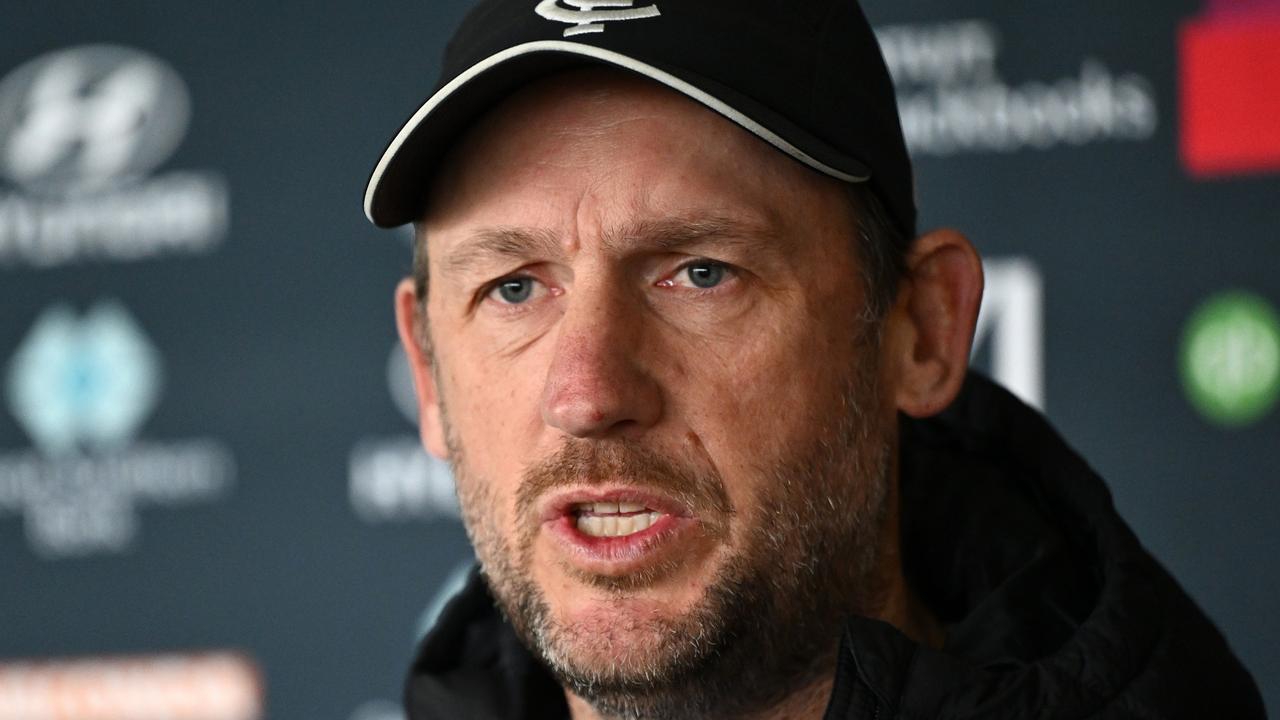
    For months, interim Carlton Football Club coach Josh Fraser kept his ambitions for the vacant senior coaching role closely guarded. Now, after 13 weeks steering the struggling team to an extraordinary turnaround, the caretaker has broken his silence and made his aspirations official: he is ready to take on the permanent top job.

    When Michael Voss departed the club earlier this season, Carlton sat at a disappointing 1 win and 8 losses, their finals hopes all but written off by fans and analysts alike. Since Fraser stepped into the interim role, he has revitalized the squad, climbing the ladder to put the Blues firmly in contention for the final spot in this year’s AFL finals series. For weeks he deflected questions about whether he would pursue the permanent position, but he shared a definitive update with reporters this week.

    “A fortnight ago, the club came to me and asked me to be a part of this coaching process and then this week I was in a position to go back to the club and accept that offer to go through the process,” Fraser explained in a press interaction. “I will present it to the coaching panel this week and now I can focus my attention to this week’s game. I’ve said all along if I committed to that process I was all in, so now it’s in the hands of the selection panel and we’ll see what comes of it.”

    Fraser’s extended interim tenure — a rare opportunity for a caretaker to lead a club across a large portion of a full season — has played a key role in confirming his confidence to step into the senior role permanently. When he first took the interim position 13 to 14 weeks ago, he admitted he was unsure if he was prepared to put his name forward for the permanent job.

    “That wasn’t to say I wasn’t, it was just that in my mind at that time, I wasn’t completely sure that I was ready to put my hand up,” he said. “This opportunity I feel has been able to fast-track me in many ways. It has been quite unique that you get an extended period of time to be a senior coach. There are so many things that whilst you’re not exposed to everything, there are so many things you are exposed to that ordinarily you wouldn’t be.”

    That on-the-job experience has reinforced the coaching philosophies Fraser developed over his career, he added, leaving him certain he is prepared for the full-time role. “I think having that little bit of experience now behind me, reinforcing some of the philosophies I’ve been able to develop over the years. Through conversations and through my own thinking, analysing, I think I’m ready.”

    Fraser noted that aspiring senior coaches constantly refine their approach and vision ahead of any opening, and his candidacy will center on the dramatic improvement the Blues have shown over his 12 weeks in charge, paired with the untapped potential he still sees in the playing group.

    “The growth we’ve shown has been exciting but that’s balanced out with I think we’ve got a lot more to go,” he said. “I think there’s the reality too that there’s 19 jobs to be a senior coach … I felt like it was the right time. I am as excited about this group as a lot of our Carlton supporters would be.”

  • Indian solar mission’s new findings throw light on enduring Sun mysteries

    Indian solar mission’s new findings throw light on enduring Sun mysteries

    For decades, astronomers and astrophysicists have grappled with one of the most counterintuitive puzzles in solar science: why does the Sun’s outermost atmospheric layer, the corona, reach temperatures of millions of degrees Celsius—far hotter than the star’s visible surface, the photosphere? This stark temperature gradient across solar layers outright defies established thermodynamic logic, and until now, scientists have never been able to definitively quantify what drives the corona’s extreme heat and ability to replenish energy after massive eruptions.

    New groundbreaking research from India, based on data collected by the country’s landmark Aditya-L1 space solar observatory, has brought the global scientific community closer than ever to solving this enduring mystery. In a new paper published in the peer-reviewed *Astrophysical Journal Letters*, a team led by leading solar astrophysicist Professor R Ramesh of the Indian Institute of Astrophysics (IIA) presents the first quantified breakdown of the two leading energy mechanisms thought to sustain the corona’s heat, revealing that magnetic field reconnection is responsible for nearly all of the layer’s energy replenishment.

    To put the sun’s unusual temperature structure in context: the Sun generates all of its energy via nuclear fusion in its dense, superheated core, which hits roughly 15 million degrees Celsius. Moving outward from the core to the Sun’s visible photosphere, temperatures drop dramatically to around 5,500 degrees Celsius. Intuitively, temperatures should continue to fall as one moves further from the energy-producing core—but the opposite happens in the corona, where temperatures skyrocket back to between 2 million and 40 million degrees Celsius.

    This anomaly becomes even more puzzling when accounting for the extreme energy the corona regularly sheds. The corona is the birthplace of catastrophic solar events including solar flares and coronal mass ejections (CMEs): massive expulsions of magnetized plasma and energy that the Sun launches into interplanetary space. While these ejections create striking auroras near Earth’s polar regions, they also pose serious risks to modern infrastructure, triggering geomagnetic storms that can disrupt satellite communications, interfere with GPS signals, and even bring down entire power grids.

    During quiet periods of solar activity, the Sun produces between two and three CMEs per day. At the peak of its 11-year activity cycle, that number jumps to 10 or more CMEs daily. If the corona could not replenish the energy it loses during these frequent eruptions, the Sun would quickly cool, and Earth would be plunged into an irreversible deep freeze—an outcome that has never occurred, proving a powerful energy replenishment mechanism must be at work.

    For years, scientists have hypothesized two primary processes that could supply the corona with energy. The first suggests that churning, convection-driven motions on the Sun’s surface generate energy-carrying waves that travel outward to the corona, much like ocean waves carry energy toward a shoreline. The second explanation centers on the Sun’s tangled atmospheric magnetic field lines: these lines constantly snap apart and reconnect, a process that releases massive amounts of heat energy.

    Professor Ramesh’s team was the first to quantify the exact contribution of each mechanism, using high-resolution observations of an extremely energetic CME that occurred on August 5, 2024, captured by Aditya-L1’s Visible Emission Line Coronagraph (Velc) instrument. The team tracked the corona’s recovery in the 10 hours following the eruption, observing how tangled magnetic field lines snapped during the CME, then reconnected and reverted to their original configuration to replenish the corona’s lost energy.

    Their calculations revealed a stark divide: just 7% of the corona’s total energy requirement comes from surface-generated waves, while a full 93% is supplied by the repeated snapping and reconnection of solar magnetic field lines.

    While surface motion waves do contribute some energy, the study confirms their input is far too small to sustain the corona’s extreme temperatures on their own. Professor Ramesh emphasized that magnetic reconnection occurring across the entire solar atmosphere is the undisputed primary driver of the corona’s anomalous heat.

    These new quantified findings provide a critical benchmark for future solar research, bringing scientists closer to answering a fundamental physics question that has defied explanation for generations. As India’s first dedicated solar space mission, Aditya-L1 continues to deliver groundbreaking data that advances global understanding of our host star, with implications for space weather forecasting and fundamental astrophysics research.

  • Cook Islands Prime Minister Mark Brown expected to return to power following election

    Cook Islands Prime Minister Mark Brown expected to return to power following election

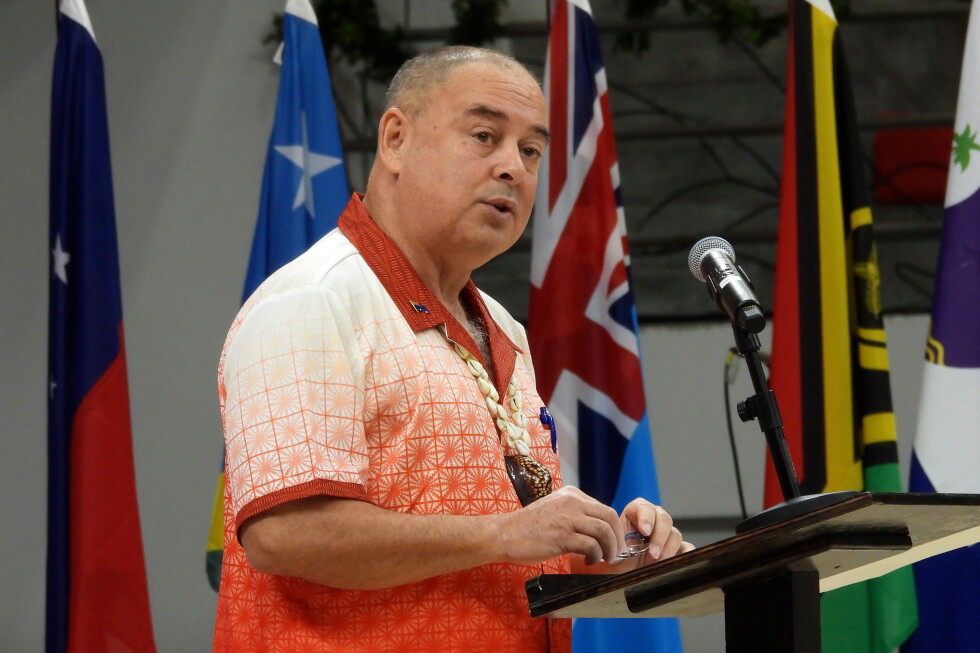
    WELLINGTON, New Zealand – Incumbent Cook Islands Prime Minister Mark Brown is on track to secure a second consecutive term leading the South Pacific archipelago, after his long-governing Cook Islands Party claimed a commanding lead in this week’s general election.

    The 15-island nation, home to roughly 17,000 eligible voters, elects 24 members to its national parliament. One seat on the remote island of Nassau remains unresolved after severe weather delayed electoral officials’ access to the polling site, with final results for the constituency expected late Friday local New Zealand time. Even with the outstanding result, Brown’s nationalist Cook Islands Party – which has held national power since 2010 – has already secured 12 seats, just one short of the 13-seat majority needed to form a full government. The party has a history of governing successfully with support from independent lawmakers, putting the outcome beyond doubt and triggering early victory celebrations among Brown’s supporters.

    In a public post on Facebook following the preliminary count, Brown expressed gratitude to constituents: “Today my heart is full of gratitude. Thank you to everyone who came out and voted, for taking part and making your voice heard. This is what makes our country strong.” The incumbent Cook Islands Party candidate for the outstanding Nassau seat is currently in a tight race with an independent challenger.

    Heading into Wednesday’s ballot, voter surveys and local reporting identified rampant inflation and soaring cost of living as the top issues driving voter decision-making. Like many small, remote South Pacific nations, the Cook Islands relies almost entirely on imported goods – including diesel for national power generation – and global market volatility tied to ongoing regional conflicts has amplified widespread economic anxiety across the country.

    Brown’s opposition had hoped that public frustration over rising prices for basic goods, public utilities, and transport would produce a much tighter election race. But preliminary official results show the main challenger, the Cook Islands United Party – which split from Brown’s party in 2018 – only gained one seat, rising from three seats in the 2022 parliament to just four this cycle. The center-left Democratic Party, which previously held five seats as the largest opposition bloc, was swept out of parliament entirely in a major election upset. Party leader Tina Pupuke-Browne lost her own seat by just three votes, ending her eight-year tenure in national office.

    The 63-year-old Brown, who entered parliament in 2010 after a career in public service and property development, won his own Takuvaine constituency seat by a large, comfortable margin. Analysts say the election outcome also signals that Brown’s high-profile 2025 dispute with New Zealand – the Cook Islands’ closest international partner and largest development funder – had little to no negative impact on his electoral support.

    The Cook Islands is a self-governing state in free association with New Zealand, a 60-year arrangement that gives Cook Islands citizens New Zealand passports and relies on New Zealand’s military for national defense. Under the terms of this relationship, Cook Islands leaders are expected to consult Wellington before entering into international agreements that could impact New Zealand’s strategic interests.

    That agreement was tested in February 2025, when Brown signed a series of bilateral cooperation deals with Beijing without prior consultation with New Zealand. Brown defended his decision to move forward without consultation, but the disagreement escalated, leading Wellington to freeze millions of dollars in development aid to the Cook Islands last June, citing unaddressed security concerns over the scope and content of the China agreements.

    Tensions between the two governments eased earlier this year, when they signed a revised defense pact that clarified their bilateral relationship and formally committed that New Zealand would remain the Cook Islands’ “partner of choice regarding defense and security matters” – a concession that addressed Wellington’s core concern of China gaining strategic influence in the Pacific.

    For decades, China has competed with Western powers to build diplomatic and economic influence across the Pacific Islands, a region of small, aid-dependent nations spread across a strategically critical and resource-rich stretch of ocean. When the dispute with New Zealand broke out last year, Pupuke-Browne and other Cook Islands opposition leaders led public protests against Brown’s China deals, arguing he was putting at risk the long-standing close ties with New Zealand that are critical to the Cook Islands, where thousands of citizens live, work, and study.

    But the resumption of New Zealand aid earlier this year appears to have defused public discontent over the issue, clearing the way for Brown’s strong election showing. Beyond foreign policy, Brown has also been a leading proponent of developing a deep-sea mining industry in the Cook Islands’ extensive exclusive economic zone, which is believed to hold vast mineral reserves. The policy has split political leaders across the Pacific, with environmental activists and critics warning that deep-sea mining could cause irreversible damage to fragile open-ocean ecosystems.

  • New trend of injecting banned peptides to ‘optimise’ body

    New trend of injecting banned peptides to ‘optimise’ body

    A growing global trend of unregulated, banned peptide injection among fitness enthusiasts and aspiring bodybuilders is raising urgent red flags from medical and scientific experts, who warn the untested practice carries severe, underreported health risks.

    For 29-year-old aspiring bodybuilder Thomas (a pseudonym to protect his identity), based in France where the substances he uses are outlawed, injecting peptides has become a fixed part of his daily routine. Every evening at 9:30 p.m., his phone alarm reminds him to mix and self-administer two banned synthetic peptides into his lower abdomen: daily doses of GHK-Cu, which he says improves skin quality, and Retatrutide, taken three times weekly to curb appetite. Six months after first trying peptides while already using steroids, Thomas has added two more unapproved substances to his regimen: Selank to ease anxiety, and BPC-157, marketed to speed up soft tissue and ligament repair after gym workouts.

    Since France bans the sale and use of these peptides, no official dosage guidelines or safety protocols exist. Like hundreds of other mostly male users, Thomas gets his advice from anonymous online communities on Reddit and Discord, where users swap anecdotes about dosing and claimed benefits. “It takes a little organisation, but it’s become a routine,” Thomas told Agence France-Presse, adding he dismisses warnings of risk, which he calls “rare and not serious.”

    Thomas is far from alone. Driven by viral social media content from influencers, celebrities and the unregulated wellness industry, peptides are being widely marketed as a miracle solution for everything from anti-aging and clearer skin to muscle growth, improved sleep and sharper cognitive function. The narrative of “biological optimization” pushed online frames the human body as a form of capital that can be upgraded with chemical supplements, attracting growing numbers of people willing to self-experiment with untested substances.

    Peptides themselves are not inherently dangerous: short chains of amino acids that form proteins, they occur naturally in the human body and regulate critical processes like tissue repair. Lab-synthesized peptides are also approved as active ingredients in many common medications, including insulin and popular GLP-1 weight loss drugs. But the unregulated, unauthorized versions sold via gym networks and online marketplaces have never undergone rigorous clinical testing to confirm their claimed benefits or safety.

    French national research institute INSERM stresses that no large-scale, randomized controlled human trial has ever validated the sweeping benefits marketed for unapproved peptides. Neuroscientist Armelle Rancillac of INSERM noted most of these compounds have never even been tested on human subjects, leaving even experienced users with no accurate understanding of correct dosing or long-term side effects. Claims from online self-experimenters, she argued, are scientifically worthless and are given far too much credibility by audiences eager for quick physical results.

    The warnings are backed by documented hospitalizations linked to unregulated peptide use. Earlier this year, Australian health authorities confirmed six cases of acute liver injury directly tied to Retatrutide-containing products. While exact data on how many people use unapproved peptides is hard to collect, Swiss University of Lausanne sports sociologist Fabien Ohl told AFP the sharp rise in exposure alone is enough to “raise alarm.”

    Ohl also criticized the harmful ideological underpinning of the trend: the online framing of masculinity that ties male worth to physical optimization via chemical enhancement, which he says normalizes a dangerous ideal of “the biological male who is potentially more violent and aggressive.”

    The regulatory landscape around peptides remains fractured. Many countries, including France, ban unapproved synthetic peptides entirely due to safety concerns, but the issue has become contentious in the United States. Last month, a federal advisory panel made a controversial recommendation to loosen restrictions on a range of unapproved peptides. The decision drew fierce backlash from the medical community, which accuses US Health Secretary Robert F. Kennedy Jr. — an avowed public user and fan of peptides — of stacking the panel with industry-linked allies to push for deregulation.

  • ‘Agility vs depth’: How the Mecca pact stacks up against the UAE-Israel alliance

    ‘Agility vs depth’: How the Mecca pact stacks up against the UAE-Israel alliance

    In quiet consultations held with a European US ally this summer, a senior United Arab Emirates diplomat left no room for ambiguity about Abu Dhabi’s partnership with Tel Aviv. According to a senior European official present at the closed-door talks, who spoke to independent outlet Middle East Eye on condition of anonymity, the alignment between the UAE and Israel is absolute, with no boundaries to their deepening cooperation.

    This stark clarity stands in sharp contrast to the widespread uncertainty that has dominated global policy circles from Washington to East Asia surrounding the newly signed Mecca Agreement, a mutual defence pact uniting Saudi Arabia, Turkey, and Pakistan that many regional analysts frame as a counterweight to the UAE-Israel bloc. Western and Arab diplomatic officials alike are still working to unpack the true degree of coordination between the three Mecca signatories, let alone whether they would honor their defence commitments in an active armed conflict.

    The first test of the pact came almost immediately after its signing: when the Iran-aligned Houthi movement in Yemen launched an attack on Saudi Arabia’s critical Jazan refinery, neither Pakistan nor Turkey moved to support Riyadh. This lack of action stands in direct opposition to the response Israel offered the UAE earlier this year, when the Gulf state faced a barrage of Iranian drone and missile strikes. Israel deployed its battle-tested Iron Dome air defence systems to the UAE, and Abu Dhabi subsequently joined Israel in launching hundreds of retaliatory strikes against Iranian targets. A senior anonymous US official told Middle East Eye that Israel’s critical military support solidified the bond between the two nations, a commitment Abu Dhabi will not abandon.

    Beyond their shared battlefield cooperation, the two blocs differ dramatically in their approach to transparency and public presentation. The UAE and Israel’s partnership has long been defined by behind-the-scenes military and intelligence coordination, even after the 2020 US-brokered Abraham Accords normalized ties publicly. This dynamic played out in a high-profile incident earlier this year, when Israeli Prime Minister Benjamin Netanyahu announced an unpublicized official visit to the UAE during the height of conflict with Iran, only for Abu Dhabi to issue a formal denial of the trip. Analysts point to this awkward exchange as evidence of the deep unpopularity of the UAE-Israel alliance across much of the broader Muslim world, a distrust that has only intensified amid Israel’s ongoing military campaign in Gaza that the United Nations and dozens of global human rights organizations have classified as genocide.

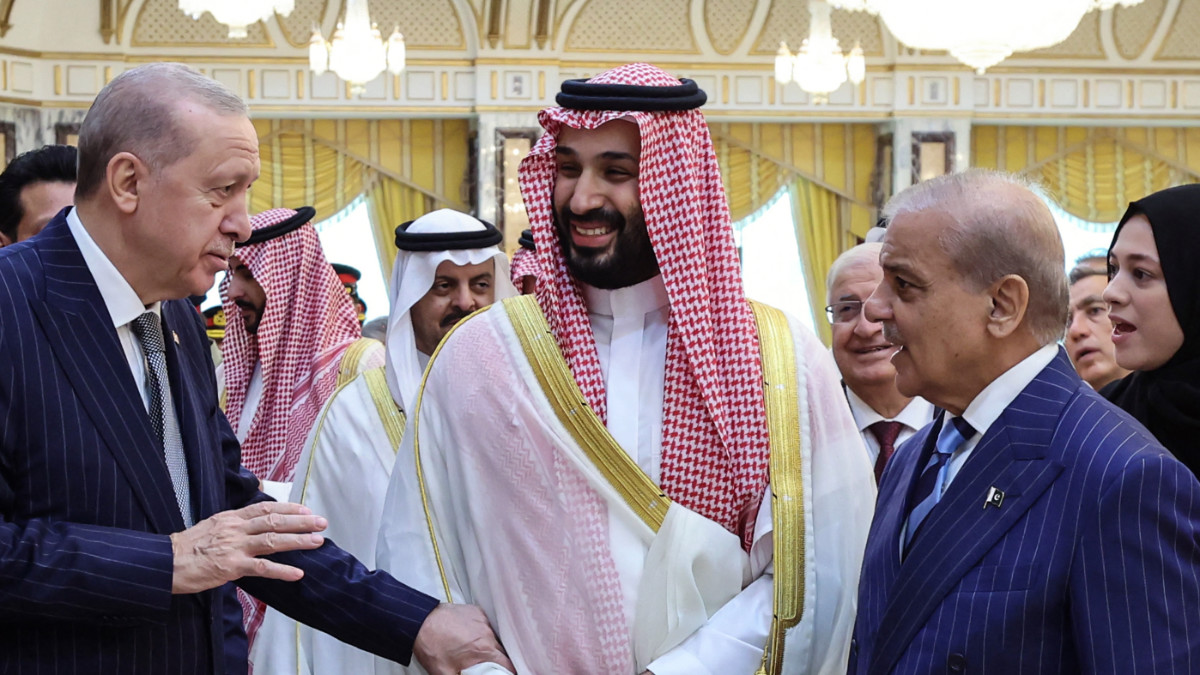
    In stark contrast, the Mecca pact was celebrated with full public fanfare. Saudi Crown Prince Mohammed bin Salman, Pakistani Prime Minister Shehbaz Sharif, and Turkish President Recep Tayyip Erdoğan joined together for Friday prayers at Islam’s holiest site, framing the agreement as a unifying project for the Muslim world.

    The roots of UAE-Israel cooperation stretch back decades, but the 2020 Abraham Accords brought the partnership into the open. The two countries are united by shared opposition to Iran and the Muslim Brotherhood, and Abu Dhabi’s growing regional rivalry with Riyadh – which has refused to normalize ties with Israel – has deepened this shared interest. The accords also cemented the UAE ruling Al-Nahyan family’s enduring support in Washington, even as Abu Dhabi has pursued strategic economic and diplomatic hedging with China in recent years.

    Geopolitical analyst Ayham Kamel, who focuses on Middle East affairs, told Middle East Eye that while the UAE-Israel alliance is framed as a political agreement through the Abraham Accords, its core is defined by military and intelligence collaboration. For the Mecca pact, by contrast, the mutual defence commitment is the foundation, but the agreement carries far broader political and ideological resonance across the region. Former US intelligence officer Theodore Singer notes that while the UAE-Israel bloc has delivered immediate tangible benefits for both partners, the Mecca pact may ultimately gain broader, less transactional support across the region.

    Unlike the small, geographically constrained UAE and Israel, the Mecca bloc brings formidable combined power on paper. Turkey boasts NATO’s second-largest standing military, Saudi Arabia anchors the Arab world’s only G20 economy, and Pakistan remains the Muslim world’s only nuclear-armed state. Saudi Arabia and Pakistan have maintained deep informal alliances for decades: Riyadh provided critical financial backing for Islamabad’s nuclear program, while Pakistani military personnel have long served in senior roles within the Saudi armed forces, and the kingdom has repeatedly provided emergency financial lifelines to Pakistan during periods of economic crisis.

    Yet the new alliance faces significant structural hurdles. The three nations hold differing perspectives on core regional threats: Saudi Arabia views Iran as its primary strategic threat, while Pakistan has maintained far more cordial ties with Tehran and has positioned itself as a neutral mediator between Riyadh and the Islamic Republic. Pakistan also declined to join the 2015 Saudi-led coalition against the Houthis in Yemen, highlighting the gap in threat perceptions. For Turkey and Saudi Arabia, relations only recently normalized after years of open hostility: the two nations clashed for years over support for the Muslim Brotherhood, and ties hit their lowest point in 2019 after Turkey leaked audio recordings exposing the murder of Saudi journalist Jamal Khashoggi inside the Saudi consulate in Istanbul. It has only been in the last two years that the two nations have found common ground in regional hotspots including Syria and Sudan.

    Neil Quilliam, an associate fellow and Gulf expert at London-based think tank Chatham House, explained that the Saudi-Turkey-Pakistan alignment is far more complex than the UAE-Israel bloc, as each nation operates in distinct regional environments and holds vastly different threat perceptions. Building functional interoperability and coordinated action will require sustained political will, significant investment, and years of effort, he noted. By contrast, Quilliam classifies the UAE-Israel bloc as far more actionable, noting that the partnership has matured since the 2020 Abraham Accords and passed multiple real-world tests, with cooperation deepening dramatically since the outbreak of open conflict between Israel and Iran. The outlet also revealed in May that the two nations have established a joint defense procurement fund to formalize their military collaboration.

    Ankara has already announced that the Mecca bloc will hold joint military exercises and expand cooperation in the defence industry, a key priority for Turkey as it markets its domestically produced drones and advanced weapons systems across the Middle East. Pakistan and Turkey already have a history of joint defence production, having co-built small corvette warships and the new Kaan fifth-generation fighter jet, and are currently collaborating on the development of Turkish anti-tank missile systems. Saudi Arabia, meanwhile, is seeking to build out its own domestic defence industry to reduce reliance on foreign arms imports.

    Still, deep military integration poses major challenges for the Mecca bloc. Pakistan’s military is overwhelmingly equipped with Chinese systems, while Turkey has sought to sell its indigenously developed Kaan fighter to Saudi Arabia – even as Riyadh prioritizes acquiring the US-made F-35 stealth fighter. Senior US officials told Middle East Eye that Saudi Arabia is highly unlikely to acquire both platforms, creating a major barrier to unified defence procurement. Unlike the UAE-Israel bloc, which benefits from deep integration with the US defence ecosystem, the three Mecca signatories cannot match the level of US-backed military interoperability that Tel Aviv and Abu Dhabi enjoy. Israel has openly lobbied against Saudi Arabia gaining access to F-35s, protecting its long-held qualitative military edge in the region.

    Elizabeth Dent, a fellow at the Washington Institute for Near East Policy and a former Pentagon Gulf specialist, noted that Israel has a robust domestic defence industry, a battle-proven integrated air and missile defence network, and an extensive global intelligence apparatus all woven into the US-led regional security architecture. The UAE, meanwhile, relies almost entirely on US-made military systems that are fully interoperable with Israeli equipment, backed by substantial financial resources and regional influence.

    Even with these immediate advantages for the UAE-Israel bloc, many analysts argue that the public, formalized nature of the Mecca pact gives it greater room for long-term growth that the discreet, unpopular UAE-Israel alliance cannot match. Dent noted that the Mecca agreement is built around a clear, NATO-style mutual defence commitment that carries far more strategic depth and binding deterrence value than the UAE-Israel alignment. However, she added that the three signatories have not yet built any integrated defence structures, meaning the bloc has a long road ahead to match the operational readiness of its rival.

  • ‘I like Corey’: Ricky Stuart explains decision to not pick Corey Horsburgh after ‘brain explosion’

    ‘I like Corey’: Ricky Stuart explains decision to not pick Corey Horsburgh after ‘brain explosion’

    Canberra Raiders head coach Ricky Stuart has moved to clear up widespread speculation around his relationship with forward Corey Horsburgh, explaining the decision to drop the fiery prop from this weekend’s squad following a costly on-field outburst against the Newcastle Knights last week.

    Last round, Horsburgh was issued a sin bin after lashing out at Knights veteran Dane Gagai, a moment of poor discipline that overturned a penalty that would have leveled the score for Canberra as the club fights to secure a spot in the NRL finals. The incident not only earned the forward a fine from the NRL’s match review committee but also a post-match reprimand from Stuart, who ultimately left Horsburgh out of the line-up to face the Cronulla Sharks this Saturday.

    Following the loss to the Knights, Stuart did not mince words when criticizing the mistake, noting that the ill-timed error had cost Canberra a critical opportunity to keep their semi-finals push on track. He added that the team had already paid for poor discipline and a sense of entitlement earlier in the season, emphasizing that 16 other players had put in massive effort only for one poor decision to undermine their work.

    Speaking publicly on Friday morning, Stuart addressed the growing rumors around Horsburgh – including widespread reports that the prop is on the verge of signing a deal with new expansion franchise the Perth Bears, who are set to enter the NRL competition in 2028. The veteran coach pushed back hard on claims the incident had created a permanent rift between him and the forward, stressing that his relationship with Horsburgh remains unchanged.

    “I decided to give him a rest. I spoke to Corey about that, and he was comfortable,” Stuart told reporters. “Not from my point of view, and not from my couple of chats with Corey would I say that our relationship has changed. Corey knows I like Corey. There is no one who could say that I dislike Corey because I don’t. I’ve worked with Corey for a long time and I can’t strongly enough say that there is no ill feeling from myself towards Corey. I’ve been comfortable talking to Corey this week and explaining the situation.”

    Horsburgh is not the only Raiders forward linked with a move to an incoming expansion side. Representative star Hudson Young has been heavily linked with the PNG-based expansion franchise the Chiefs, who have already locked in high-profile signings including Penrith Panthers winger Brian To’o ahead of their 2028 debut. Young would be a marquee addition for the new club, with Canberra openly working to retain his services for the long term. When asked about the transfer rumors on Friday, Stuart dismissed the speculation, saying he is only focused on preparing for this weekend’s match against the Sharks.

  • CommBank report flags surprise timeline for economic relief

    CommBank report flags surprise timeline for economic relief

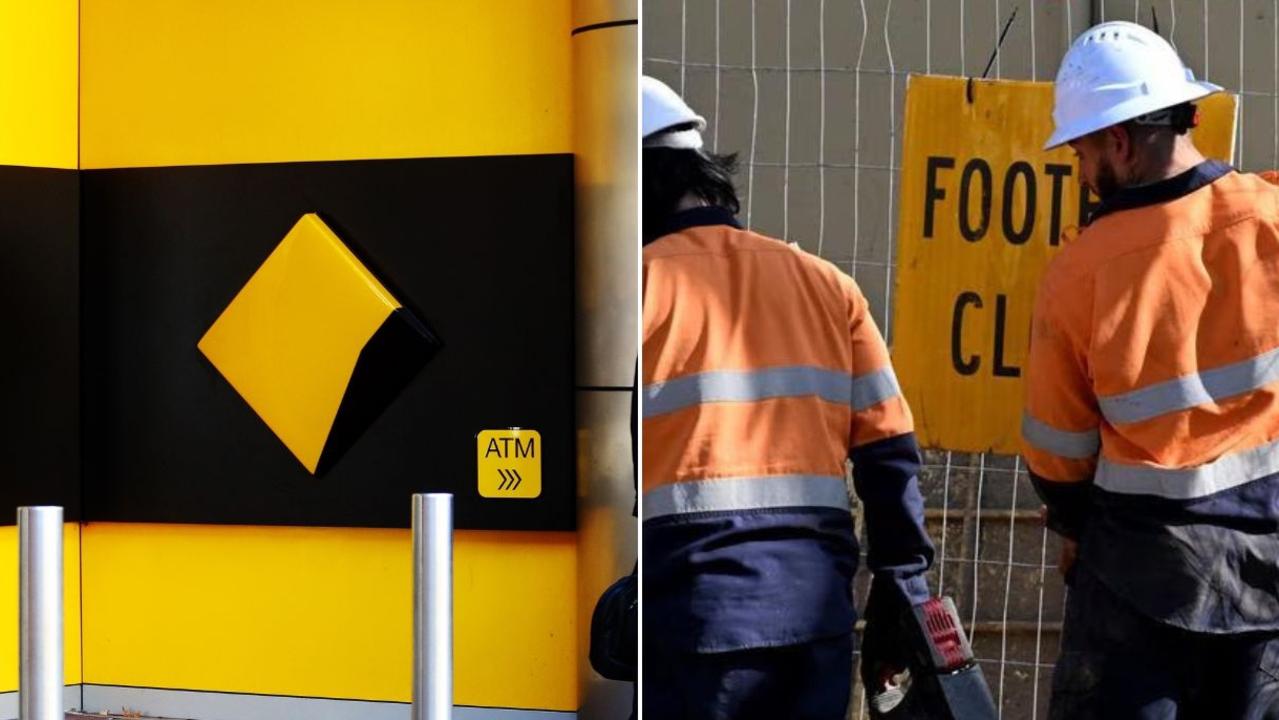
    For millions of Australian households grappling with soaring everyday expenses and elevated mortgage costs, a new report from the country’s largest financial institution has delivered a surprisingly optimistic outlook: the crippling cost-of-living crisis could begin to unwind sooner than most forecasts have projected.

    Released Friday, Commonwealth Bank of Australia’s (CommBank) July Wage and Labour Insight report outlines emerging trends in the national labour market and inflation that point to gradual relief on the horizon, even as consumers continue to feel immediate financial pressure.

    The report finds that Australia’s annual wage growth has climbed to 3.2%, a reading that signals the country’s job market remains surprisingly resilient amid broader economic tightening. CommBank economist Harry Ottley noted that job seekers still face relatively favourable conditions, stating that most people actively searching for work can still secure employment with relative ease. Persistent labour shortages, however, continue to impact a range of industries across different regions of the country, keeping supply-demand imbalances in place for many roles.

    Official data from the Australian Bureau of Statistics (ABS), released Thursday, added more context to wage trends: growth in average weekly earnings for full-time working adults hit 1.6% over the six months ending May 2026, marking the slowest six-month increase since 2022. At present, wage growth continues to trail overall inflation, which currently sits at 3.8% — still above the Reserve Bank of Australia’s (RBA) official 2-3% target range.

    Ottley acknowledged that this gap between wage gains and rising prices continues to put strain on household budgets, noting that real income growth remains slower than it has been in previous periods. “For the time being and through the rest of this year, cost-of-living pressure will be a little bit more elevated again,” he explained. “There is a little bit of squeeze on at the moment, but it should improve if the economy evolves as we expect it to.” In the longer term, Ottley projected that if inflation continues its downward trajectory and the RBA holds off on further interest rate increases — matching CommBank’s baseline forecast — economic conditions will improve markedly by 2027 and 2028.

    The RBA opted to hold the national cash rate steady at 4.35% at its August 2026 meeting, following three consecutive rate hikes earlier in the year. While the decision to pause was widely expected by markets, the central bank framed its position as hawkish, warning that it would not hesitate to implement additional hikes if inflation proves more persistent than projected. In its official statement, the RBA noted that inflationary impacts from the ongoing US-Iran conflict have been milder than initially anticipated, though overall headline inflation still remains unacceptably high.

    Ottley said that the latest soft wage growth data is a positive sign for the RBA’s inflation fight. “The fact we’re not seeing any sort of acceleration in wages is actually a good thing for the cash rate and gives the RBA probably a little bit of comfort,” he said. CommBank’s current forecast calls for no additional interest rate increases from the RBA for the remainder of 2026, a projection that would bring much-needed relief to Australian mortgage holders who have faced soaring repayment costs in recent years.

    Beyond wages and interest rates, the report also found that national employment grew by an estimated 21,000 new jobs in July, a result Ottley described as solid. This level of job growth is close to the “break-even” rate needed to prevent the national unemployment rate from rising, he added.

    Overall, the data points to a gradual rebalancing of the Australian labour market after years of widespread labour crunches. Businesses are now finding it slightly easier to recruit qualified workers, reducing the need to offer large wage premiums to attract staff, which in turn takes pressure off broader inflation. “Overall, it would imply that the labour market’s a little bit more balanced, and that sort of demand-supply balance between businesses and people looking for jobs is a little bit more balanced than it was,” Ottley concluded.

    For Australian households that have spent years navigating soaring grocery, energy, and housing costs, the projection of coming relief comes as welcome news, even as near-term financial pressure remains elevated.