博客

  • Home loan applications plummet as controversial tax changes hit Australian housing market

    Home loan applications plummet as controversial tax changes hit Australian housing market

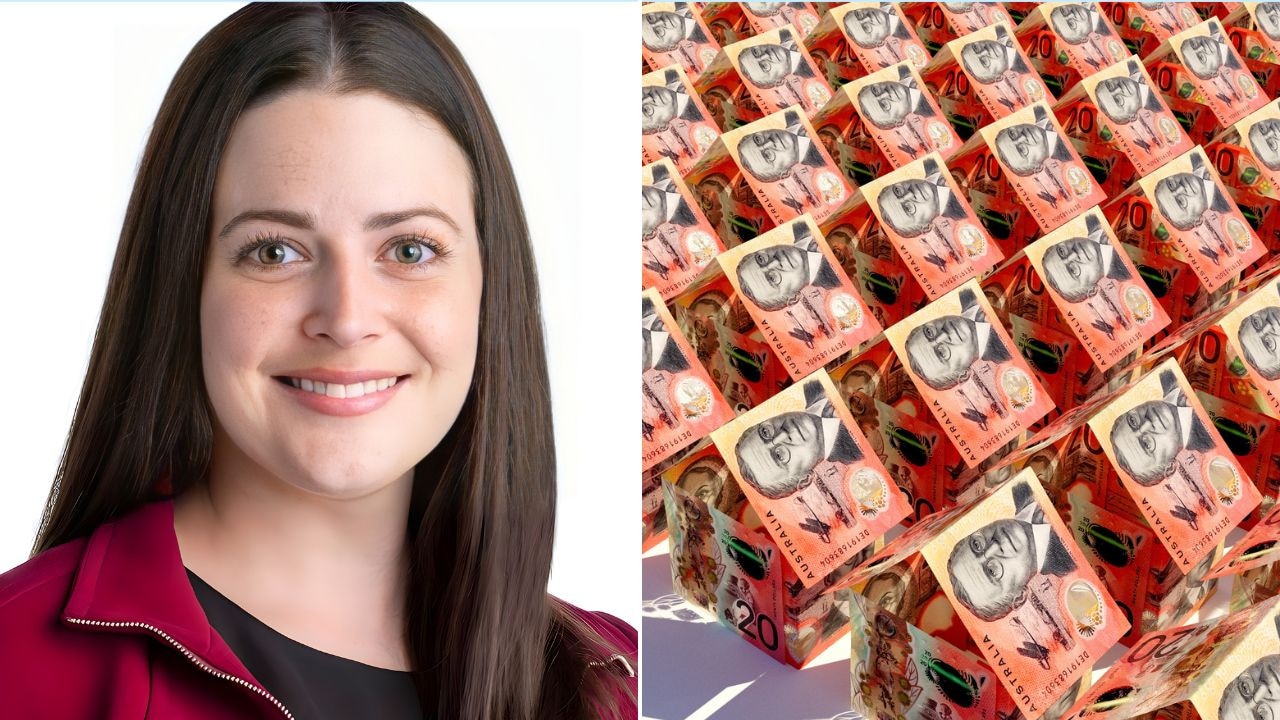
    Australia’s national housing market is facing a sharp downturn, with new official data showing home loan commitments falling for the second consecutive quarter, a drop that leading economists have directly linked to the federal Labor government’s recent overhauls of negative gearing and capital gains tax rules.

    New figures released for the June quarter show nationwide home loan commitments dropped 5.2% to $97.6 billion, following a 3.4% decline in the first three months of the year. The slump has left open house inspections across the country noticeably quieter, with far fewer prospective buyers turning out to view properties as investor activity retreats from the market.

    Maree Kilroy, lead economist at Oxford Economics Australia, told reporters that the tax changes introduced by the government in May have severely eroded investor confidence in the residential property sector. “The changes to negative gearing and capital gains tax have soured investor sentiment,” Kilroy explained. “As expected, driving much of this contraction was investor lending which fell 10.2% in the quarter.”

    To understand the impact of the reforms, it is necessary to break down the changes themselves. Negative gearing is a long-standing tax strategy that allows property investors to offset short-term rental losses against their personal taxable income, reducing their overall annual tax bill. The government’s reforms restricted this benefit, while changes to the Capital Gains Tax replaced a 50% discount for properties held over one year with an indexation model that adjusts for inflation when calculating taxable profit on property sales. The new structure typically leaves investors facing a larger tax bill when they sell their investment properties.

    The downturn has been felt across every major Australian state, with investor lending leading the decline. The only segment of the market that avoided a fall in the total value of lending was first home buyers, even as the raw number of first home buyer loans also slipped. Kilroy noted this anomaly is likely explained by the ongoing uptake of the government’s 5% Deposit Scheme, which allows first time buyers to enter the market with a very small deposit, pushing up average loan sizes and offsetting the decline in loan volumes.

    Treasurer Jim Chalmers has pushed back against criticism from investors and pushed forward with defending the tax reforms, framing the shifts as a deliberate policy to rebalance the housing market in favour of aspiring first time buyers. “It’s early days but these figures are an encouraging sign that the market is shifting in favour of first homebuyers,” Chalmers said. “Our tax reform agenda is all about helping more first homebuyers into the housing market and we expect to see those benefits play out over years, not months. We recognise that people are under pressure and we’re taking action.”

    Data from the Australian Bureau of Statistics (ABS) confirmed the broad nature of the downturn, with lending falling across all borrower categories in the June quarter, bringing total activity back to levels seen at the same time last year. ABS head of finance statistics Mish Tan also noted that the Reserve Bank of Australia lifted the national cash rate for the third time in 2026 during the quarter, adding additional pressure to borrowing conditions. “While the value of home loans increased 6.8 per cent since June quarter 2025, this was lower than the 19.1 per cent annual growth recorded in the March quarter,” Tan said. She added that the 10.2% drop in investor lending marked the largest single-quarter fall for that segment since September 2022.

    The slump in loan demand has already hit the country’s largest lenders, with all four major banks reporting double-digit declines in new mortgage applications through the third quarter of the year. Westpac recorded a 20% drop in applications, while the National Australia Bank and Commonwealth Bank of Australia both saw 15% falls. Looking ahead, Kilroy projected that the slowdown will continue through the coming financial year, predicting that total property turnover across Australia will fall by one fifth in the 2026-27 fiscal year.
  • Billy Slater stands down as Queensland State of Origin coach

    Billy Slater stands down as Queensland State of Origin coach

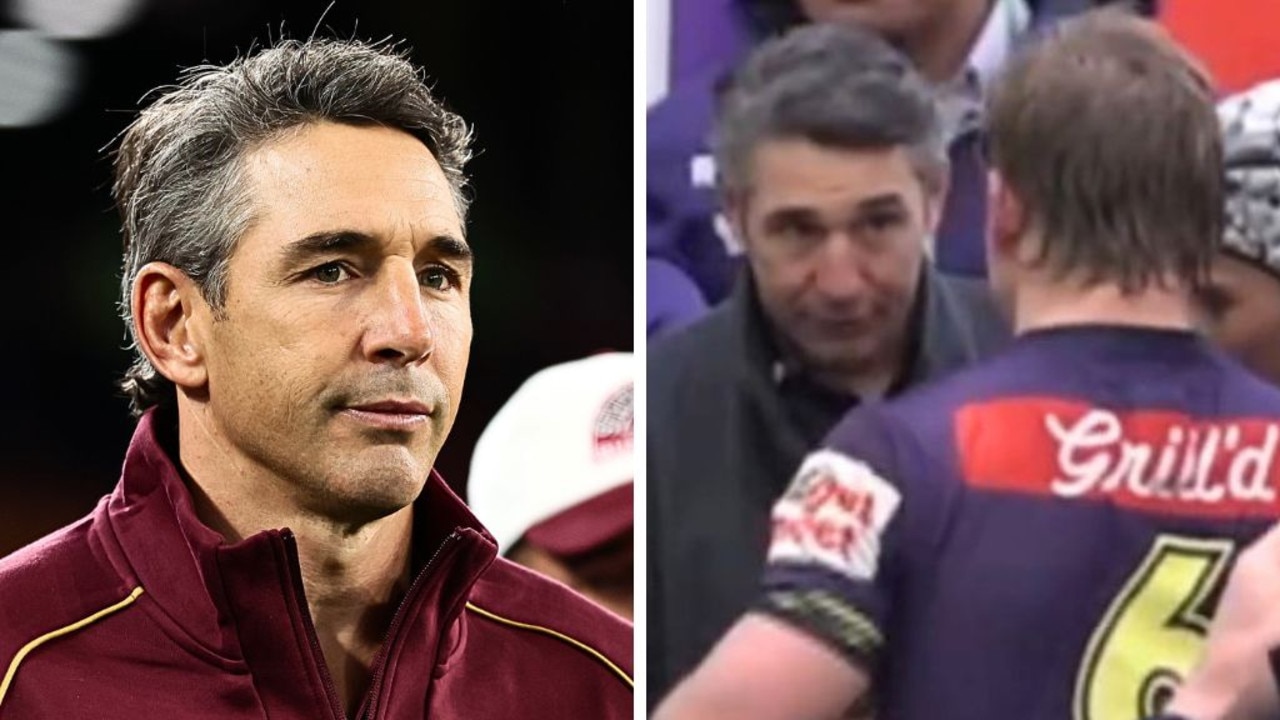
    In a stunning Friday announcement that has sent ripples through the National Rugby League (NRL), Queensland Maroons State of Origin head coach Billy Slater has confirmed he will step down from his role ahead of the 2027 series, leaving both Queensland and New South Wales needing new head coaches for the next edition of Australian rugby league’s most iconic annual interstate rivalry.

    A legendary former fullback who earned 31 caps for the Maroons during his playing career, Slater took over the coaching reins in 2022 and delivered unprecedented immediate success for Queensland, leading the side to three consecutive State of Origin series titles. His three-year tenure ended earlier this year, however, after the Maroons fell to a devastating game three decider defeat on home soil, a result that ultimately pushed the fan favorite coach to decide to move on from the role.

    Queensland Rugby League (QRL) now faces a pressing search for a new leader to take on the side against New South Wales’ new coach Matt King, who replaced long-serving Blues mentor Laurie Daley earlier this month.

    Slater’s sudden departure has reignited long-running NRL speculation that the Queensland icon is positioning himself to take over as head coach of his long-time club side, the Melbourne Storm. Current Storm head coach Craig Bellamy has already confirmed he plans to retire from the role at the end of the 2027 NRL season, leaving a high-profile vacancy that many NRL analysts see as a perfect fit for Slater.

    In a public statement released alongside his resignation announcement, Slater reflected on the profound honor of coaching the Maroons, a role he described as one of the most rewarding experiences of his life. “From being a boy who idolised this team, to a player, to guiding a group that has inspired our State, this has been one of the most rewarding things I’ve done in my life,” Slater said. “I want to thank the players, this group gave everything for the jersey, for each other and our State, and I’m proud of what we’ve built together. To the staff, and to the QRL for the opportunity to lead this team, thank you. And to my fellow Queenslanders, thank you for the trust you put in me to be our coach. Being a Queenslander has always been a huge part of who I am, and that will never change.”

    Across his tenure as Maroons coach, Slater compiled an 8-7 win-loss record. QRL officials are now weighing two potential paths to replace him: hiring an already established senior NRL coaching figure, or turning to another Queensland rugby league legend, with fan favorites Cameron Smith and Johnathan Thurston repeatedly named as top potential candidates for the role.

    QRL chair Brian Canavan paid tribute to Slater’s far-reaching contributions to Queensland rugby league across his decades involved with the program, both as a player and a head coach. “Billy has made an extraordinary contribution to Queensland Rugby League, both as a player and as a coach,” Canavan said. “Over the past five seasons he has led the Maroons with authenticity, pride and a deep understanding of what it means to represent this state. He has helped shape a new generation of Queensland players, sharing the values and standards that have defined the Maroons for decades. On behalf of the Queensland Rugby League, I want to sincerely thank Billy for his commitment, leadership and service. His impact on our organisation and on Queenslanders everywhere will be felt long after his tenure as coach concludes.”

  • US markets strive for a positive week ahead of retail sales data and signs of cooling inflation

    US markets strive for a positive week ahead of retail sales data and signs of cooling inflation

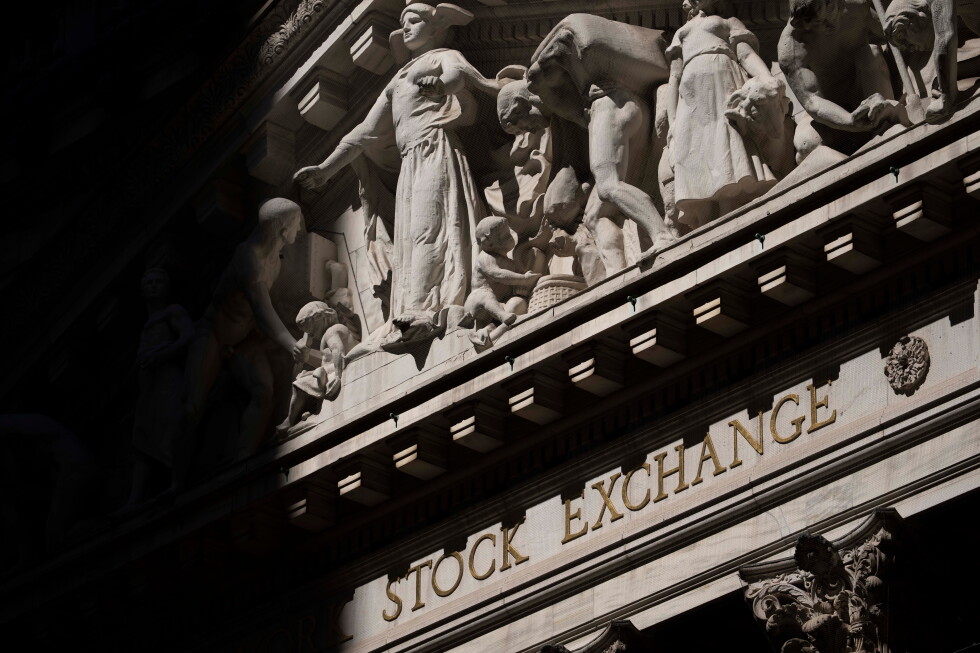
    As Wall Street prepares to close out what is on track to be a winning week, U.S. equity futures were pointing to a mixed session Friday, with investors awaiting the release of closely watched July retail sales data that could shape the Federal Reserve’s next interest rate move.

    Early Friday trading saw the S&P 500 futures tick up 0.1%, while Nasdaq 100 futures also added 0.1%. In contrast, Dow Jones Industrial Average futures slipped 0.1% as investors locked in recent gains following a record-setting day on Wall Street Thursday.

    Thursday’s session closed with U.S. major stock indices hitting all-time highs, fueled by softer-than-expected July inflation data that reinforced bets the Federal Reserve will hold interest rates steady at its next policy meeting. The inflation report showed price growth cooled across key sectors last month, and a concurrent pullback in energy prices amplified market optimism. That upbeat sentiment has shifted slightly Friday, however, as crude oil prices rebounded following attacks on two United Arab Emirates-flagged oil tankers transiting the Strait of Hormuz, a critical global chokepoint that carries roughly 20% of the world’s daily oil supply.

    The upcoming retail sales report, due for release shortly before U.S. markets open Friday, comes after consumer spending slowed in June following two months of strong gains driven by tax refund disbursements to U.S. households. While overall consumer spending has remained resilient through months of elevated interest rates and price hikes, shoppers have shifted their habits, allocating larger shares of their paychecks to essential costs like groceries and gasoline, pulling back on discretionary purchases in the process.

    Energy prices have emerged as a key source of volatility for households and businesses alike, as ongoing Middle East tensions and strained geopolitics keep markets swinging. Data from automotive group AAA showed the national average price for a gallon of regular gasoline rose overnight to $4.08, marking a 92-cent year-over-year increase. Early Friday, Brent crude, the global benchmark for oil, climbed 24 cents to settle at $87.31 per barrel, while U.S. West Texas Intermediate crude rose nearly 1% to $81.83 per barrel.

    Persistent energy volatility has been compounded by fading hopes for a new nuclear deal between the U.S. and Iran that would unlock additional global oil supplies, leaving the Strait of Hormuz facing ongoing congestion and security risks. This uncertainty has made long-term budgeting for fuel and shipping costs far more challenging for both businesses and household budgets across the country.

    Market analysts note that the latest inflation data has shifted expectations for Fed policy significantly. “The disinflation ducks are starting to line up, and with oil also backing off [earlier this week], the market has steadily stripped away the case for another near-term Fed hike,” Stephen Innes, managing director of SPI Asset Management, said in a client commentary Friday. If inflation continues to cool, the Federal Reserve is widely expected to hold interest rates steady, avoiding the economic drag that would come from additional borrowing cost increases.

    In pre-market equity trading Friday, Reddit jumped more than 12% after the social media giant confirmed it would join the S&P 500 index next week, a move that will force index-tracking funds to buy billions of dollars in RDDT shares. On the downside, chip manufacturing equipment maker Applied Materials slumped after its second-quarter financial results missed analyst expectations, dragging down semiconductor sector futures slightly.

    Global equity markets were also mixed on Friday. Britain’s FTSE 100 dipped 0.1% to 10,761.60, following a high-profile special parliamentary election that saw former UK Independence Party leader Nigel Farage reclaim the seat he resigned from a month prior, defeating independent candidate Count Binface, a satirical comic who ran dressed as a trash can. In continental Europe, Germany’s DAX index gained 0.7% to 26,476.21, while France’s CAC 40 edged less than 0.1% lower to 8,654.97. In Asian markets, Tokyo’s Nikkei 225 added 0.6% to close at 68,713.80, and South Korea’s Kospi jumped 2.4% to end the day at 6,977.94.

    In currency markets, the U.S. dollar saw barely perceptible movement against major pairs, dipping only slightly to 159.15 Japanese yen from 159.16 yen in the prior session. The euro also edged fractionally lower to $1.1555 from $1.1556.

  • Two children admitted to hospital after contracting bacterial infection from Melbourne petting zoo

    Two children admitted to hospital after contracting bacterial infection from Melbourne petting zoo

    An ongoing investigation by Victoria’s Department of Health has been launched after an outbreak of shiga toxin-producing Escherichia coli (STEC), a dangerous foodborne and zoonotic bacterial pathogen, linked to a Melbourne petting zoo left two young children hospitalized, with one facing lifelong health impacts and a potential kidney transplant.

    Four weeks ago, a 3-year-old child was admitted to Monash Children’s Hospital following infection contracted during a visit to the interactive animal attraction. The toddler has already developed permanent brain damage and acute kidney failure, with clinical teams indicating a kidney transplant may be necessary to sustain long-term health. A second infected child, aged 2, spent more than two weeks receiving life-sustaining dialysis at the same hospital unit after falling ill from the same outbreak.

    According to Australia’s Centre for Disease Control (CDC), STEC bacteria naturally reside in the gastrointestinal tract and faeces of many animals, with cattle being the most common carrier. The agency records more than 1,000 confirmed STEC infections across the country annually, and the pathogen can trigger severe gastrointestinal distress and catastrophic kidney dysfunction in vulnerable populations. In the most serious cases, STEC infection progresses to haemolytic uraemic syndrome (HUS), a life-threatening condition that destroys red blood cells and causes irreversible kidney damage. Both STEC infection and HUS disproportionately affect children under five years old, and no vaccine currently exists to prevent infection.

    Typical symptoms of STEC infection, including watery or bloody diarrhoea, abdominal cramping, nausea, and vomiting, develop three to four days after initial exposure. Infected children can carry and spread the bacteria for up to three weeks, while adults typically remain contagious for approximately one week. The CDC confirms that direct contact with animals at petting zoos and farms is a well-documented transmission route, but infection can also occur through swallowing contaminated recreational water, or consuming contaminated food or beverages.

    Victoria’s Chief Health Officer Caroline McElnay has issued a public warning urging parents and caregivers to prioritize rigorous hand hygiene to reduce infection risk. “Good hand hygiene is one of the most effective ways to protect yourself and your family from infections that can, in rare cases, lead to serious illness such as haemolytic uraemic syndrome,” McElnay stated. “While HUS is very rare, young children can become seriously unwell, so it’s important to wash your hands, and help children wash theirs, after using the toilet and after contact with animals.”

    The Department of Health’s investigation into the source and scope of the outbreak remains ongoing as of press time.

  • Former CFMEU boss John Setka charged over alleged threats to union administrators

    Former CFMEU boss John Setka charged over alleged threats to union administrators

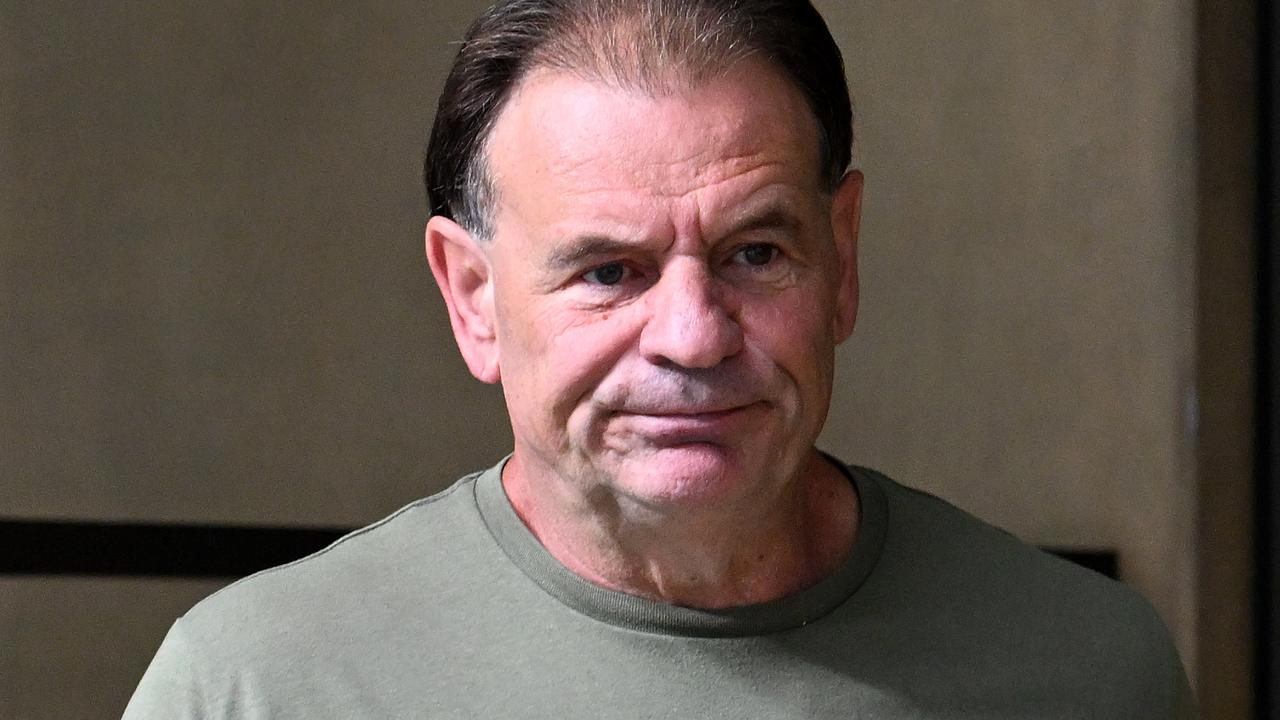
    A once-powerful figure in Australia’s construction union movement has landed back in police custody, marking the third time in 12 months he has faced criminal charges linked to alleged threats against the administrators of his former organization. John Setka, 61, who stepped down as national secretary of the Construction, Forestry, Maritime, Mining and Energy Union (CFMEU) just six months ago, was arrested early Friday at his residential address in Melbourne’s inner-western suburb of Footscray, Victoria Police confirmed in an official statement.

    Law enforcement alleges Setka sent harassing and insulting messages via an online communication channel this Monday. Following his arrest, he has been formally charged with four criminal offences: two counts of improper use of a telecommunications device — one for menacing conduct and one for offensive conduct — plus two additional charges of committing an indictable offence while released on bail. He is scheduled to make his first court appearance on this latest round of charges at the Melbourne Magistrates’ Court later Friday afternoon.

    Setka’s departure from his decades-long leadership role at the CFMEU in July 2024 came amid mounting pressure, when he announced his resignation blaming “ongoing false allegations” that organized crime groups had infiltrated the union under his watch. This latest arrest is not an isolated incident: Taskforce Hawk detectives, the specialized police unit investigating the allegations, first took Setka into custody in November 2023, when he was hit with seven counts of using telecommunications to menace, harass and offend. He faced a second set of charges including improper use of a carriage service for harassment in February 2025. Setka has repeatedly maintained his innocence and has publicly stated he will fight all charges in court. In a prior claim earlier this year, Setka himself alleged he had been the target of death threats related to the ongoing investigations.

  • Nigel Farage beats Count Binface in widely mocked election

    Nigel Farage beats Count Binface in widely mocked election

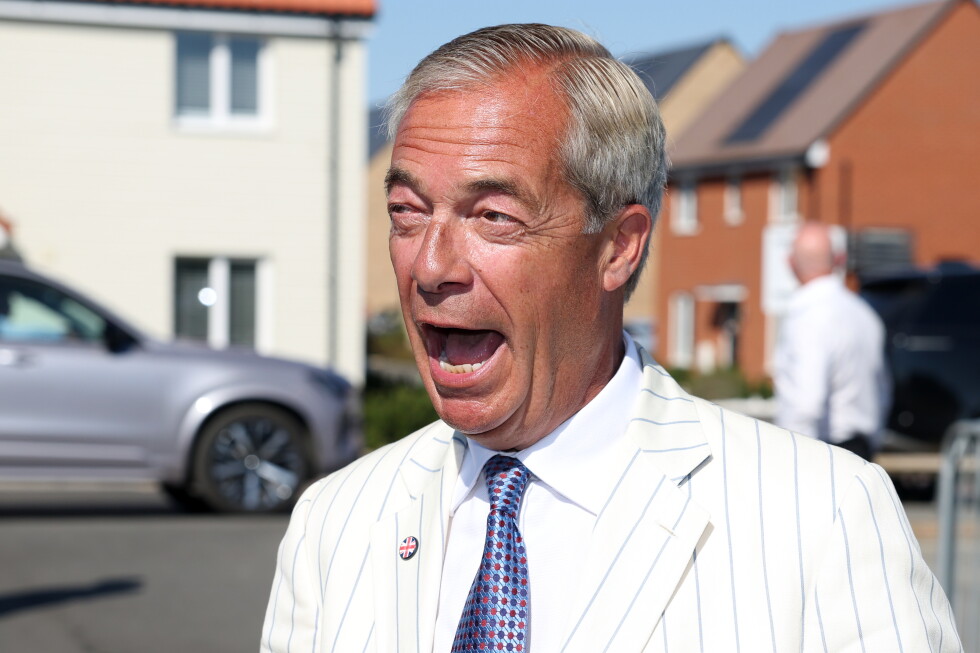
    On what was recorded as the hottest day of 2024 in the UK, a widely derided special by-election in the Clacton constituency delivered a decisive win for Nigel Farage, leader of the anti-immigration Reform UK party, who defeated satirical comic candidate Count Binface to reclaim the parliamentary seat he deliberately vacated just one month prior. The unconventional political showdown, which grew out of Farage’s strategic gambit to prove his voter mandate amid a financial ethics probe, captivated British political audiences with its unusual mix of high-stakes partisan politics and satirical humor.

    Farage, a towering figure in UK politics who led the successful 2016 Brexit campaign and has been touted by some supporters as a potential future prime minister, stepped down from his Clacton seat abruptly in July. His resignation came as the parliamentary standards watchdog launched an investigation into his failure to report a £5 million ($6.7 million) gift from Christopher Harborne, a Thailand-based cryptocurrency billionaire. Farage has dismissed the inquiry as a coordinated “establishment hit job” and a media-orchestrated “witch hunt,” arguing he voluntarily resigned to trigger a by-election that would let him demonstrate he retained the backing of local voters.

    When votes were counted early Friday, Farage secured a landslide share of 63% of the vote, confirming his strong base of support in the coastal east England constituency. The second-place finisher was Count Binface, a self-styled space alien from the planet Sigma IX whose real identity is middle-aged comedian Jon Harvey. Binface, a perennial novelty candidate who has run against multiple current and former prime ministers, took 27% of the vote — the best performance of his eight electoral runs to date.

    The by-election was marked by an unusual candidate field: all major UK political parties boycotted the contest, dismissing it as a pointless political stunt orchestrated by Farage for personal gain. That left a field of 34 candidates, most of whom were independent or represented fringe small parties, including a slate of novelty and joke candidates such as Howling Laud Hope of the Official Monster Raving Loony Party and a representative from the Everyone is God Party. Binface emerged as the de facto main challenger to Farage, leaning into his satirical platform that included pledges to “cut your taxes, and raise everyone else’s,” build a single affordable home, and nationalize beloved British singer Adele.

    His strong performance earned him more than the 5% of the vote required to reclaim his £500 ($675) candidate deposit, a milestone that cements his status as one of Britain’s most recognizable satirical political figures. In comments after the result, Harvey framed his repeated candidacies as a celebration of British democracy, noting that the system allows even a novelty candidate to challenge the country’s most high-profile politicians on equal footing.

    Turnout for the contest, held amid sweltering summer heat, reached 44%, a number that many analysts call surprisingly solid for a by-election widely written off as a stunt. In a chaotic twist after voting closed, Farage did not appear for the official result declaration, where he would have shared the stage with the full field of rival candidates. He claimed he stayed away because Essex Police had alerted him to an “organized campaign to disrupt and degrade the result,” adding that there was a “credible threat” to his personal safety. However, a spokesperson for Essex Police directly disputed that claim, saying the force had implemented a “proportionate and robust policing operation” to guarantee the safety and security of every person at the vote count.

    Despite his clear victory on Friday, Farage’s hold on the Clacton seat remains uncertain. The parliamentary standards investigation into the undeclared donation, which was put on hold when he resigned his seat in July, is now expected to resume. If the watchdog finds Farage violated parliamentary rules, he could still be forced to leave the seat, triggering yet another special election for the constituency.

    Nationally, Farage remains a prominent figure in British politics, with Reform UK consistently posting strong polling numbers in 2024. But his support has slipped in recent months amid ongoing public scrutiny of his personal finances and political donations, adding a new layer of uncertainty to his future political career after the by-election.

  • Tunnel collapses at an Indian hydropower project, killing at least 7

    Tunnel collapses at an Indian hydropower project, killing at least 7

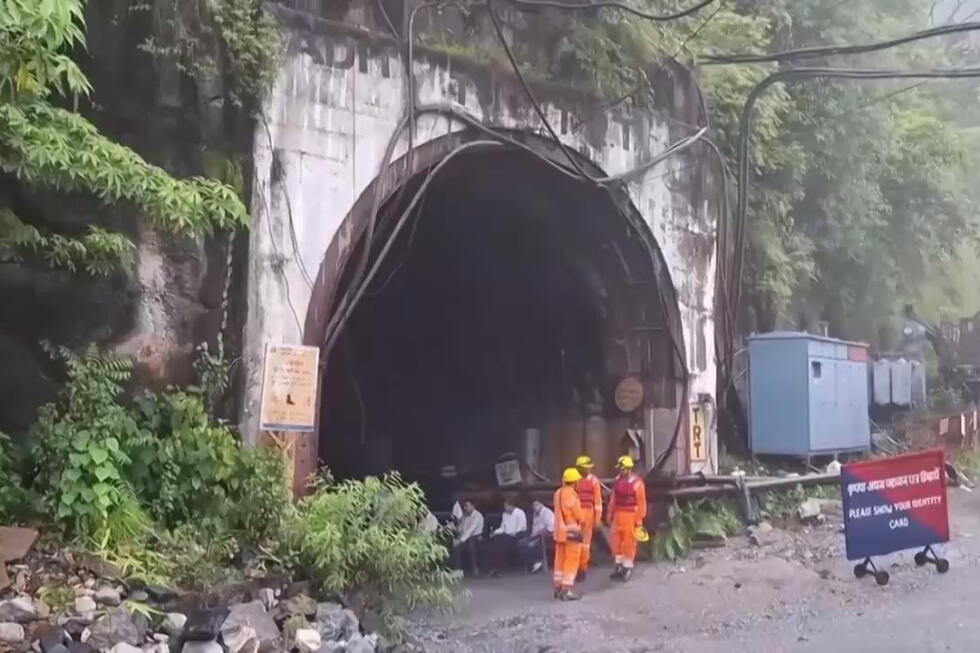
    A catastrophic overnight collapse at an under-construction hydropower tunnel in India’s northern Himalayan state of Uttarakhand has left at least seven workers dead, with three more still unaccounted for, local officials confirmed in a press briefing Friday.

    The incident unfolded late Thursday at the Vishnugad-Pipalkoti hydroelectric project located in Uttarakhand’s Chamoli district. A sudden surge of water mixed with rocky debris breached the unfinished tunnel, trapping construction crews who were on-site when the collapse occurred, according to Gaurav Kumar, the top district administrative officer. Immediately following the disaster, a large-scale multi-agency rescue mission was deployed to reach trapped workers and clear the blocked passage.

    State Chief Minister Pushkar Singh Dhami confirmed that out of the 22 workers who were inside the tunnel when the accident happened, 12 have been pulled out alive, with seven confirmed dead and three remaining missing as of Friday.

    Rescue teams drawn from the National Disaster Response Force, state Disaster Response Force, Indo-Tibetan Border Police, and local fire services are currently working against hazardous conditions to locate the three missing workers. Amrit Lal Meena, commander of the NDRF team deployed to the site, described the challenging operational environment. “When our team first arrived and launched operations, the tunnel was already flooded, with water actively seeping through the rock walls,” Meena explained. “Since we started, water levels have risen substantially, which is slowing our progress significantly.”

    The collapse shines a renewed spotlight on the persistent safety crisis plaguing India’s booming infrastructure sector. Fatal construction accidents are far too common across the country, as rapid development of large-scale projects often clashes with unstable geological formations, inconsistent construction oversight, extreme weather patterns, and lax enforcement of workplace safety standards.

    This risk is amplified exponentially in India’s Himalayan region, where naturally fragile mountain formations, frequent seismic activity, and unpredictable underground geological conditions make large tunneling projects inherently dangerous. The latest disaster is just one in a string of fatal infrastructure accidents in the country in recent years. In February 2024, an explosion at an underground coal mine in the northeastern state of Meghalaya claimed the lives of at least 18 workers. In 2023, another major tunnel collapse in Uttarakhand trapped 41 construction workers for 17 days before a dramatic, high-profile rescue operation successfully extracted all of them alive.

  • ‘Unprecedented’ rains in Japan kill four people

    ‘Unprecedented’ rains in Japan kill four people

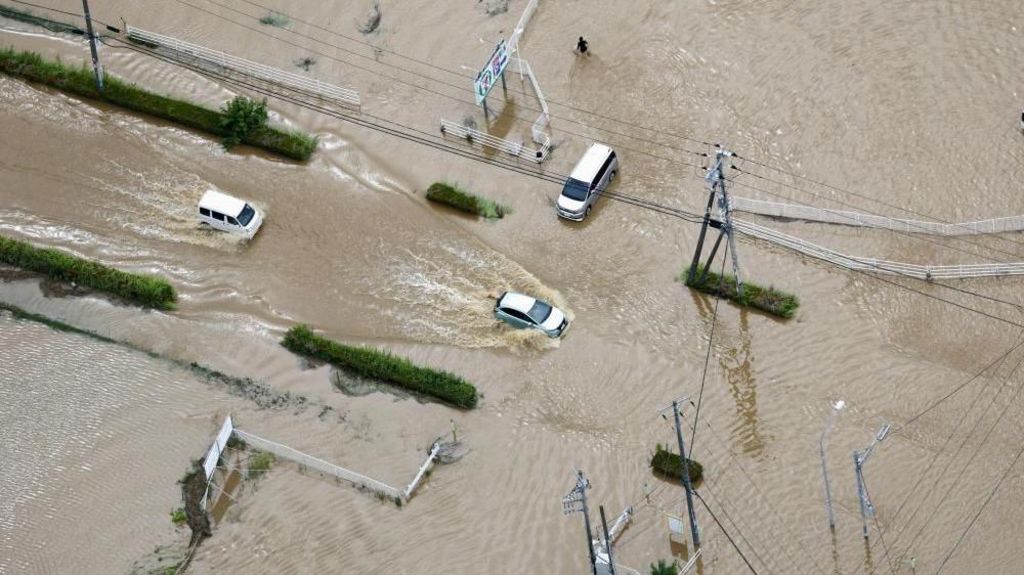
    One of the most extreme rainfall events in modern Japanese history has devastated Chiba Prefecture, the populous eastern region adjacent to Tokyo, leaving at least four people dead and five others injured after days of unprecedented downpour.

    Local officials first activated Japan’s highest-level Level 5 emergency warning on Thursday as hourly rainfall topped 100mm – three times the average August precipitation for the region and the highest hourly accumulation ever recorded in the country. By Friday morning, the alert was stepped down to Level 4, but authorities continued to urge caution, warning that residual risks of landslides and flash flooding remained high across the area.

    The extreme weather has left widespread disruption in its wake: more than 20,000 households lost power, more than 100,000 households were ordered to evacuate, and roughly 7,000 air travelers were stranded overnight at Tokyo’s major Narita International Airport as transport networks collapsed. Vehicles were left abandoned on inundated streets in the city of Oamishirasato, while around 1,800 residents took shelter overnight at the Chiba Prefectural Government building. Rail lines and major highways remained out of service on Friday morning, though airport officials confirmed that regular flight operations were set to resume by the end of the day, with only minor delays expected from major carriers.

    Japan Meteorological Agency experts explained that the extreme downpour formed when warm, moisture-heavy air flowing into eastern Japan collided with upper-level cold air, creating highly unstable atmospheric conditions that prolonged the rain. Forecasters projected the rainfall would continue through late Friday.

    Chiba Governor Toshihito Kumagai described the event as an extraordinary anomaly even for a disaster-prone nation like Japan. “This case was an extremely unusual situation, even by Japan’s historical weather standards,” Kumagai told reporters Friday. “I have responded to many disasters in the past, but I have never experienced a case like this.” The governor confirmed that search and rescue operations would remain the top priority for local authorities in the coming days.

    Local resident accounts highlight the sudden and destructive nature of the flood. One small business owner in Ichikawa city told public broadcaster NHK that the storm struck with no warning, leaving her concerned about the future of her enterprise amid extended power outages.

    The deadly Chiba deluge is part of a broader pattern of extreme storm activity across East Asia this week, forecasters confirm. The region is currently experiencing what has been projected to be an unusually active Pacific typhoon season, with three back-to-back storms – Dolphin, Chan-Hom, and Peilou – having swept across Japan, the Philippines, and China earlier this week.

    Storm Dolphin previously hit Japan’s Okinawa island, cutting power to tens of thousands of structures, felling trees, and forcing hundreds of flight cancellations. When the same system made landfall in eastern China over the weekend as the year’s strongest typhoon to hit the country, Chinese authorities evacuated more than one million residents to safety. To the south, Philippine officials have suspended classes and government operations across most of the country’s northern regions amid ongoing flood threats.

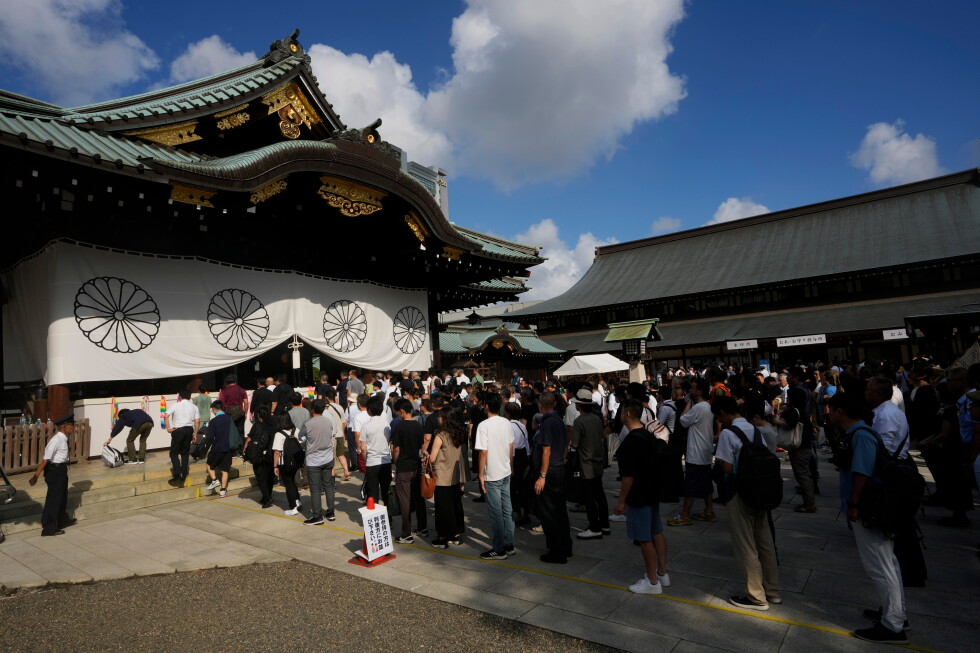
  • A look at the history and beliefs behind Japan’s controversial shrine to the war dead

    A look at the history and beliefs behind Japan’s controversial shrine to the war dead

    Nestled in the heart of central Tokyo, Yasukuni Shrine is far more than a simple Shinto memorial: it is a site of profound spiritual meaning for some, and a persistent source of diplomatic friction that has strained Japan’s relations with its neighboring nations for decades. The story of this controversial shrine begins in the earliest days of the Meiji Restoration, when Japan underwent a dramatic transformation from a feudal military state to a modern imperial power.

    In 1868, after more than 250 years of rule by the Tokugawa shogunate, imperial authority was restored to the Japanese emperor. Just one year into the new Meiji era, Emperor Meiji ordered the construction of a memorial to honor those who had died fighting for the imperial cause. On an initial visit to the site in 1874, the emperor pledged that the names of all who sacrificed their lives for the nation would be commemorated there in perpetuity. The shrine was eventually renamed Yasukuni, drawn from Japanese characters meaning “peaceful country,” and today it honors more than 2.4 million people who died in service to Japan.

    The founding of Yasukuni was deeply tied to the rise of State Shinto, a state-sponsored ideological framework that blended religious tradition with nationalist fervor. Under longstanding Shinto belief, Japanese emperors are direct descendants of the sun goddess Amaterasu, but the narrative of the emperor’s divine status was amplified during the Meiji era to unify the new nation. “Yasukuni Shrine was initially conceived as a way to send a message to the Japanese people,” explained Akiko Takenaka, a history professor at the University of Kentucky. “The message was about the emperor; the message was about a new Japan.” In this new order, dying for the emperor and empire was framed as the highest honor a citizen could receive, and the emperor himself was positioned as the source of that honor.

    Under State Shinto, the Japanese government controlled the shrine’s operations and funding, and the line between religious practice and national patriotism was intentionally erased. As Susumu Shimazono, a leading scholar of religion and modern Japan, wrote in the *Japanese Journal of Religious Studies*, “The Meiji reformers believed that they were establishing an ideal nation in which the people and the sacred emperor maintained a spiritual union.” This arrangement ended abruptly after Japan’s surrender in World War II. In December 1945, occupying U.S. General Douglas MacArthur issued an order abolishing State Shinto, cutting off government funding for shrines and removing Shinto teachings from public institutions to enforce the constitutional separation of religion and state. Yasukuni was reorganized as a private religious corporation, a status that has not erased persistent questions about the meaning of official visits by sitting Japanese leaders.

    It is the enshrinement of convicted war criminals that has made Yasukuni the most divisive site in Japanese post-war memory. Unlike traditional cemeteries, Yasukuni does not hold the remains of the deceased; instead, those commemorated are enshrined as kami, or sacred spirits, in the Shinto tradition. The honorees include ordinary soldiers, female battlefield medics, student wartime workers, and even foreign nationals who died in Japanese service. But the most contentious enshrinements are 14 convicted Class-A war criminals — Japanese wartime leaders found guilty of “crimes against peace” for planning and waging aggressive war across Asia, including wartime Prime Minister Hideki Tojo, a key architect of the 1941 attack on Pearl Harbor.

    These 14 war criminals were secretly enshrined at Yasukuni by the shrine’s head priest in 1978, three years after Emperor Hirohito’s last visit to the site. When Hirohito learned of the enshrinement, he never returned to Yasukuni to avoid international criticism, according to Mark R. Mullins, a professor of Japanese and religious studies at the University of Auckland. Neither of Hirohito’s successors has visited the shrine in person, though both have sent official emissaries to attend key annual rites. The controversy extends beyond war criminals: dozens of enshrinements of Buddhists, Christians, and colonial subjects from Korea and Taiwan have been contested by family members who say their relatives were added without consent. Many of these families have taken legal action to remove their relatives’ spirits, but Japanese courts have repeatedly rejected these efforts.

    For many Japanese people, particularly bereaved families of fallen soldiers, Yasukuni holds deeply personal meaning that is separate from its political baggage. Before deploying to war, Japanese soldiers were often told that if they died in service, their spirits would reside at Yasukuni. “They told their families: ‘I want you to come see me at Yasukuni Shrine,’” said Toshiei Mizuochi, president of the Japan War-Bereaved Families Association. Mizuochi’s own father, a navy officer, was killed in a bombing just six days before Japan’s surrender on August 15, 1945. Of the more than 2.4 million Japanese soldiers who died overseas in World War II, roughly 1 million still have not had their remains recovered. “For that reason, the vast majority of bereaved families who received neither remains nor personal belongings believe that the spirits of the war dead are at Yasukuni Shrine,” Mizuochi explained. Many relatives visit the shrine year-round, not just on the annual August 15 anniversary of Japan’s surrender, to mark family milestones, commemorate death anniversaries, and connect with the spirits of their loved ones. Mizuochi says he visits dozens of times a year, and every time he prays, he sees his father’s face in his mind.

    Other visitors frame their trips as a matter of spiritual reflection, not glorification of war. “I have absolutely no intention of glorifying war,” said Kana Shindo, a member of Tokyo’s Minato City Assembly, who visits to purify her mind and give thanks for the peace modern Japan enjoys. “I visit because I believe that the peaceful Japan in which we live today exists upon the lives and accumulated history of the people who lived before us,” she added.

    But for neighboring countries that endured decades of Japanese imperial occupation and aggression, including China and South Korea, Yasukuni is an unmistakeable symbol of Japanese militarism. Visits by sitting Japanese prime ministers and other government leaders regularly draw fierce diplomatic condemnation, with both nations arguing that such trips are evidence that Japan has not fully reckoned with or taken full responsibility for its wartime atrocities. Adjacent to the shrine, the private Yushukan Museum, which displays wartime artifacts, has drawn widespread criticism from scholars for its biased retelling of Japanese military history, which erases the suffering of Chinese and Korean people under imperial rule. “By eliminating the enemy, the Yushukan remembers a war that was only ever glorious,” John Breen, a professor at the International Research Center for Japanese Studies, wrote in an analysis of the shrine’s memorial practice. For nationalist groups that seek to reverse post-war reforms and restore Japan’s pre-war imperial identity, Yasukuni holds particular symbolic meaning, deepening the divides around the site.

    Today, Yasukuni remains what it has been for more than 150 years: a site that reflects competing visions of Japan’s history, identity, and place in the world, carrying meaning that shifts dramatically depending on who is asked.

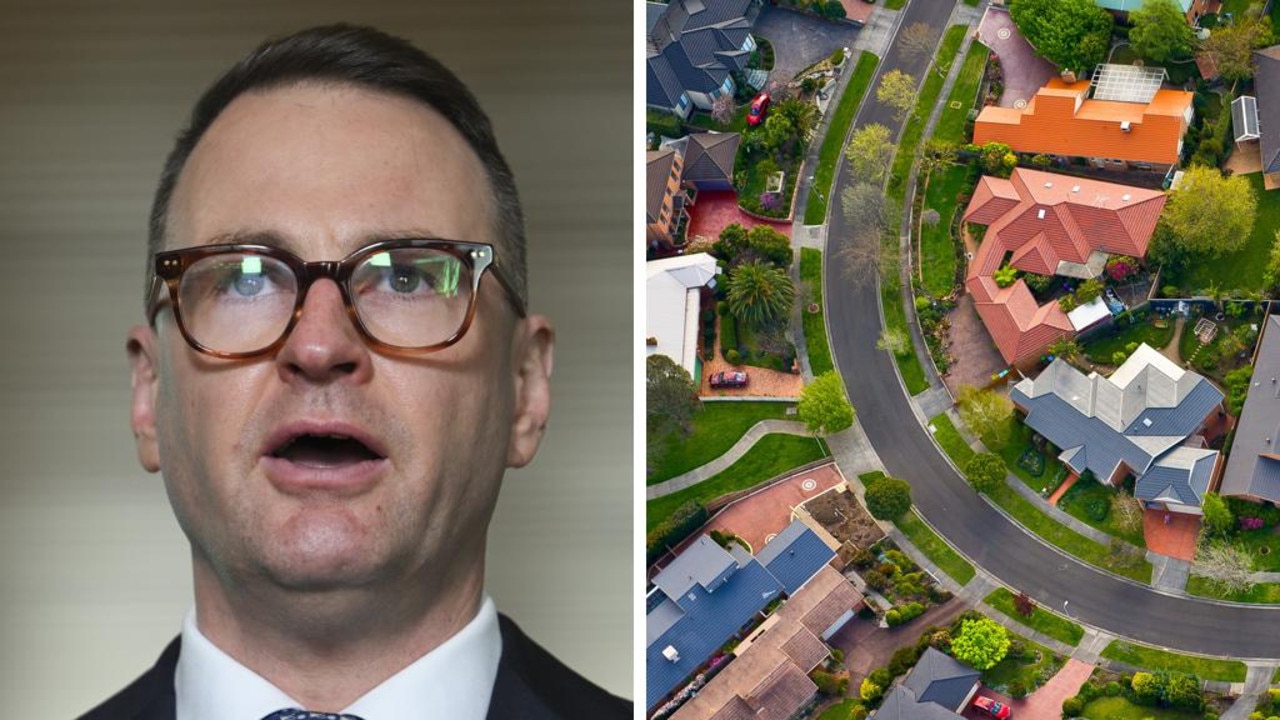
  • Liberal’s Andrew Braggs ‘misheard’ question before substandard housing claim

    Liberal’s Andrew Braggs ‘misheard’ question before substandard housing claim

    A senior opposition lawmaker in Australia has walked back a controversial remark that sparked fierce backlash, after he appeared to confirm that his party’s planned overhaul of national building rules would force low-income Australians to accept lower-quality housing.

    Senator Andrew Bragg, the Liberal Party’s shadow housing spokesperson, launched the Coalition’s new housing affordability plan at Canberra’s National Press Club this Wednesday. The centerpiece of the proposal is a dramatic reduction of Australia’s National Construction Code, cutting the document down from roughly 2,000 pages to just 80 pages, with the stated goal of slashing building costs to unlock more affordable home construction across the country.

    The following day, during an interview on ABC Radio National, host Sally Sara asked Senator Bragg whether the plan would mean low-income households would have to accept substandard housing to access an affordable property. In his on-air response, Bragg plainly stated “yes, definitely,” adding that Australian voters needed to be honest about the necessary trade-offs to resolve the country’s ongoing housing affordability crisis.

    He went on to frame the proposal as a practical response to record low housing supply, arguing that securing a roof over one’s head was a more urgent priority than extra non-essential features, referencing Maslow’s hierarchy of needs to contextualize his point.

    But just one day later, Senator Bragg issued a public correction across his social media channels, claiming he had misheard Sara’s original question and had never intended to back the claim that the Coalition’s new code would produce substandard housing. “I did not intend to agree that houses complying with the Basic Australian Standard (the Coalition’s reduced code) would be ‘substandard’. They wouldn’t be,” he said in the statement.

    Bragg clarified that homes built under the revised code would meet strict safety standards, retaining all core basic amenities including insulation, plumbing and sewerage. He added that the framework had received strong support from Australia’s construction industry, with all non-essential features—such as mandatory accessibility ramps, flat shower flooring and reinforced walls—set to become optional add-ons rather than required builds. “The house won’t be gold plated but it won’t fall apart. It will be safe,” he said in his original press club address.

    The policy pitch comes as the Liberal-National opposition ramps up pressure on Prime Minister Anthony Albanese’s Labor government over its housing performance, two years into the federal government’s landmark National Housing Accord. The ambitious bipartisan plan targets the construction of 1.2 million new well-located homes by mid-2029, but official updates have repeatedly shown the project is falling well behind its delivery targets. In his speech, Bragg argued that current overly restrictive building rules have made low-cost home construction effectively illegal in Australia, and the Coalition’s streamlined code would cut construction costs to boost supply.

    But the proposal has already drawn sharp criticism from affordable housing advocacy groups. Maiy Azize, spokesperson for leading advocacy organization Everybody’s Home, accused the Coalition of pushing changes that would only benefit private developers, allowing them to increase profit margins by building unlivable, low-quality homes during a national housing crisis. “Everyone deserves a safe, decent and affordable home. It’s where people sleep, study, raise their families and build their lives,” Azize said.