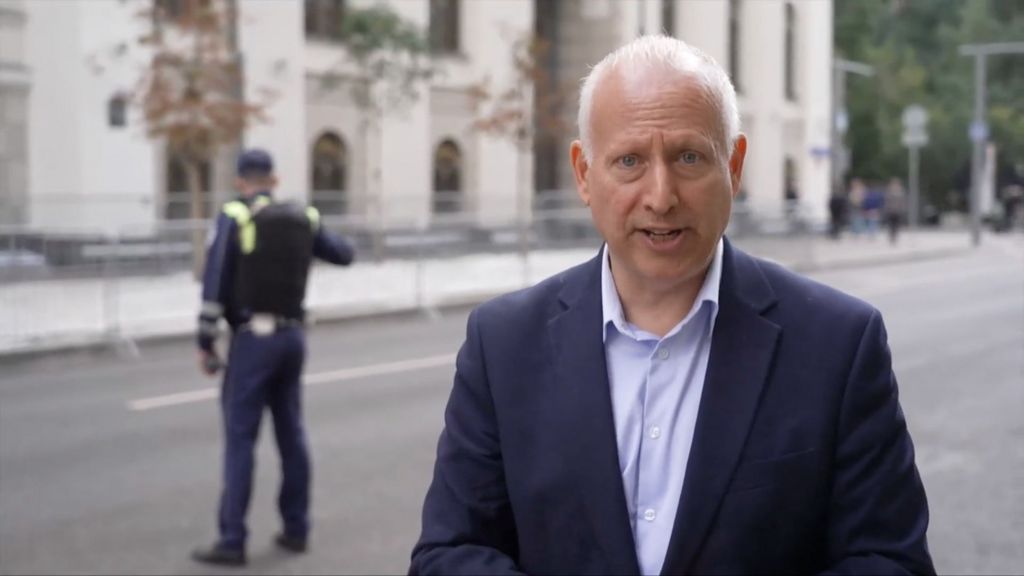
In a move that further narrows political opposition ahead of September’s parliamentary elections, Russia’s Supreme Court has rejected an appeal from Yabloko, the country’s only openly anti-war political party, confirming the organization’s exclusion from the upcoming vote. Following the court’s ruling, security forces carried out detentions of dozens of people connected to the party, according to on-the-ground reports. Yabloko, which has long positioned itself as a voice for liberal opposition and outspoken criticism of Russia’s military operations, had challenged the initial ban that barred it from placing candidates on the ballot. The party’s leadership had argued that the exclusion was a politically motivated attempt to eliminate anti-war sentiment from the official electoral process. The Supreme Court’s decision to uphold the ban solidifies the elimination of any registered anti-war opposition from the September election ballot, drawing quiet concern from international observers who have repeatedly raised alarms about the shrinking space for political dissent in Russia in recent years. The detentions of dozens of Yabloko supporters and members following the ruling add to a pattern of crackdowns on opposition voices that have intensified since the start of the full-scale military campaign in Ukraine. Rights groups note that this ban is part of a broader series of actions targeting any political organization that does not align with the Kremlin’s current policy agenda, leaving voters with no officially registered option to express opposition to the ongoing war through the parliamentary election process.
博客
-
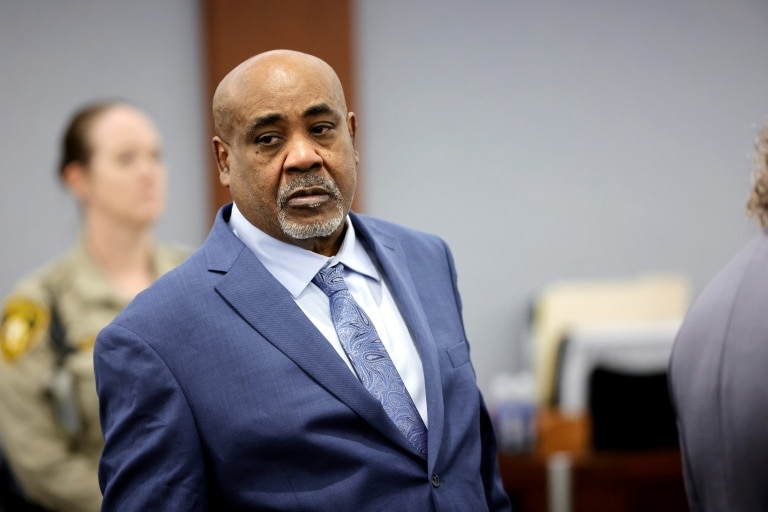
Tupac Shakur’s accused killer was out for ‘revenge’, jury hears
Thirty years after the iconic rapper Tupac Shakur was gunned down in a Las Vegas drive-by shooting, one of the most high-profile cold cases in American entertainment history finally moved into a courtroom on Monday. Prosecutors opened the trial of 63-year-old Duane “Keffe D” Davis, a former leader of Los Angeles’ South Side Compton Crips gang, by laying out a narrative of planned gang retaliation that ended the life of one of hip-hop’s most influential figures at just 25 years old.
Lead prosecutor Binu Pilal told the Las Vegas jury that the fatal attack was a direct act of revenge for a public, on-camera beating of Davis’ nephew, Orlando Anderson, earlier the same night. On September 7, 1996, Shakur and Death Row Records founder Marion “Suge” Knight were in Las Vegas to attend a boxing match featuring Mike Tyson. The pair confronted Anderson, a Crips member, after he was accused of assaulting a Death Row Records employee, resulting in a humiliating public beating that left Davis enraged, Pilal said. Just two and a half hours after the altercation, Shakur was shot dead when a white Cadillac pulled alongside his vehicle and opened fire.
According to prosecutors, Davis did not fire the fatal shots himself. Instead, he provided the weapon to a passenger in the back seat of the Cadillac and explicitly ordered the attack on Shakur. Over the decades following the murder, Pilal noted, Davis repeatedly confessed to his role in the killing — to law enforcement, to media outlets, and even in his own 2019 autobiography. “Over the years, in private interviews, in public statements, and even in private calls, Duane Davis has repeatedly told us over and over again about the anger he felt, and his own role in the revenge drive-by shooting of Tupac Shakur,” Pilal told the jury. “And now, nearly 30 years later, we’re going to ask you to finally hold Duane Davis accountable.”
The killing of Tupac Shakur has long been tied to the infamous 1990s hip-hop rivalry between the U.S. East Coast and West Coast. Born to a Black Panther activist and raised in Harlem and Baltimore, Shakur rose to fame as the face of West Coast hip-hop after signing with Los Angeles-based Death Row Records, delivering career-defining hits including *California Love* and *All Eyez on Me*. Death Row was affiliated with the Mob Piru Bloods gang, while East Coast label Bad Boy Records — founded by Sean “Diddy” Combs and home to rival rapper The Notorious B.I.G. — hired the South Side Compton Crips as personal security, setting the stage for escalating gang tensions that preceded the shooting. The Notorious B.I.G. was himself murdered in a drive-by shooting just six months after Shakur’s killing, deepening the legacy of violence tied to the rivalry.
For nearly 25 years, the Shakur murder case stalled due to a lack of actionable evidence. The investigation was reignited only after Davis published his memoir in 2019, in which he confirmed he was in the front seat of the Cadillac the night of the shooting and handed the gun to the back-seat shooter, though he never named who pulled the trigger. All other occupants of the vehicle have since died. Davis has since walked back his memoir’s claims, arguing they were overstated bluster crafted by a ghostwriter to boost book sales. He has entered a full plea of not guilty to all charges against him.
If convicted on the murder charge, Davis faces a mandatory sentence of life in prison without the possibility of parole. The trial is expected to run for more than a month, revisiting decades-old gang ties, hip-hop industry rivalries, and one of the most enduring mysteries in modern American popular culture.
-
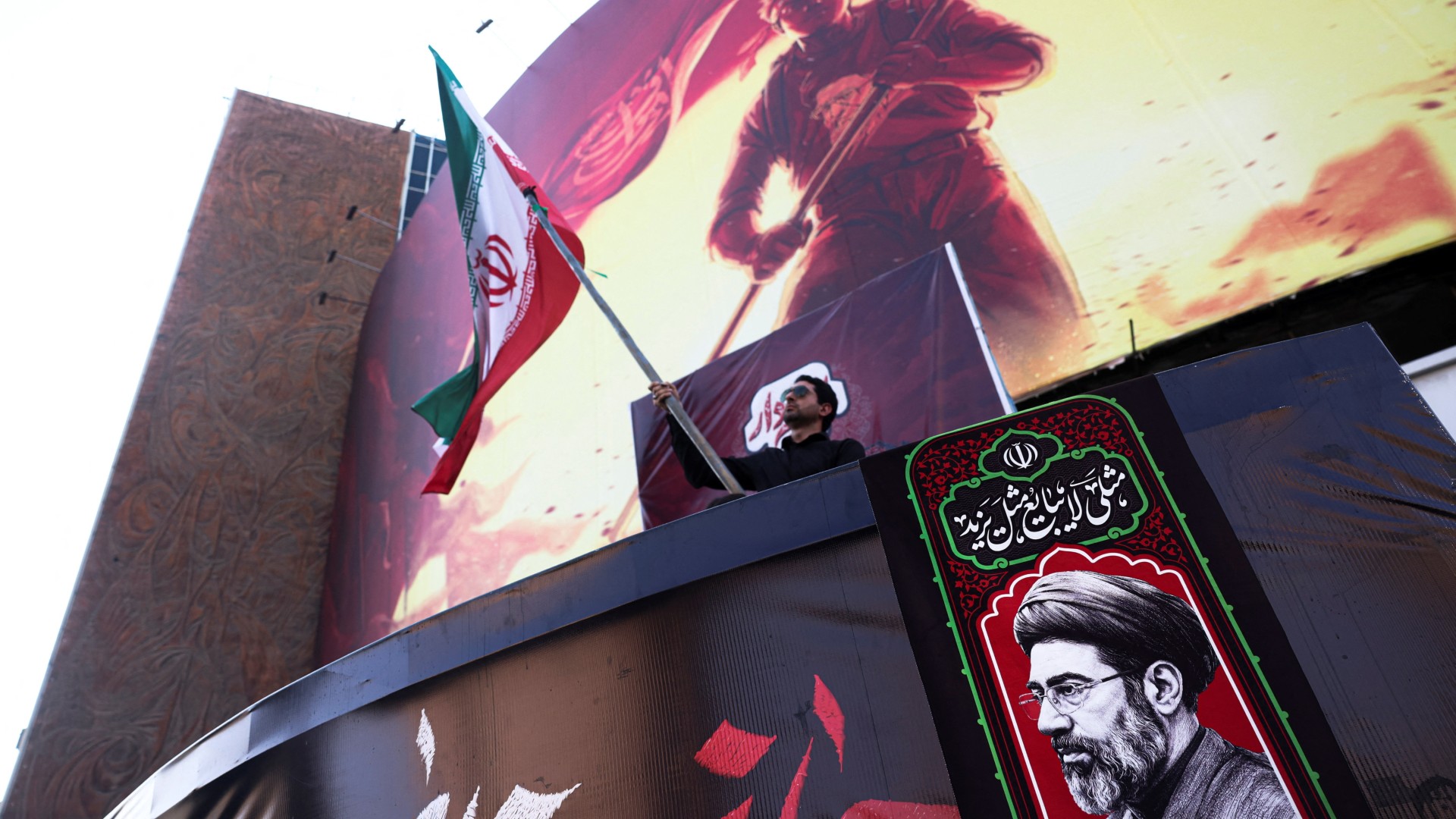
Iran warns enemies to ‘anticipate strategic surprises’ as it shifts from a defensive stance
A dramatic escalation in regional geopolitical tensions across the Middle East took shape on Monday, as a top Islamic Revolutionary Guard Corps (IRGC) official announced Iran is preparing to shift its long-held military posture from defensive to offensive, warning global adversaries to prepare for unexpected strategic moves.
Yadollah Javani, head of the IRGC’s political bureau, stated in an interview with Iranian state media Monday morning that Iran will never be caught off-guard by enemy aggression. “Instead, it is the enemy that must anticipate strategic surprises,” Javani emphasized. He added that all necessary measures to defend Iran’s territorial integrity, maintain national security, and neutralize hostile threats will be carried out at the moment Iran deems appropriate.
Javani’s stark warning coincided with a dramatic, unforeseen slowdown in commercial shipping traffic through the Strait of Hormuz, the world’s most critical energy chokepoint that carries roughly one-fifth of global oil and liquefied natural gas supplies. New ship tracking data compiled by analytics firm Kpler shows that just five commodity-carrying vessels passed through the strait on Saturday, with zero recorded transits on Sunday. This marks a massive drop from the previous weekend, when 31 vessels completed transits through the waterway.
Amid the shipping disruptions, Iran continued joint negotiations with Oman on Monday to design a new secure maritime transit corridor through the strait. Iranian foreign ministry spokesman Esmaeil Baghaei pinned the recent security complications and delays on aggressive military activity by the United States and Israel, noting that talks have stretched longer than initially anticipated due to ongoing geopolitical unrest. “The issue is inherently complex,” Baghaei added. The proposed new mechanism is designed to protect the sovereign rights and economic interests of both Iran and Oman, while upholding guaranteed safe passage for all commercial shipping traffic transiting the strait. According to Baghaei, this framework marks the first initiative that simultaneously safeguards the sovereignty of the two coastal nations and ensures unimpeded movement for global commercial vessels. Intensive negotiations are still underway to finalize a joint official statement, he confirmed.
Baghaei also used Monday’s press briefing to formally disavow a 60-day timeline outlined in a June 17 memorandum of understanding between Tehran and Washington, accusing the U.S. of violating the terms of the agreement within weeks of it being signed. “There is no provision in the memorandum of understanding referring to a ‘60-day deadline’, and the Islamic Republic of Iran never formulates its policies under pressure, ultimatums or time limits,” Baghaei stated. He clarified that the original text only referenced a 60-day window for talks on U.S. sanctions relief and the Iranian nuclear program, with an option to extend the period if no breakthrough was reached. However, he said “gross and widespread” U.S. violations of the agreement prevented talks from ever launching, making the 60-day timeline “entirely moot.”
In a separate development overnight Sunday, two Iranian drones targeted the office of Iraq’s Kurdistan regional Prime Minister Masrour Barzani and the private residence of the autonomous region’s intelligence chief, local authorities confirmed Monday. Barzani confirmed the attack in a post on the social platform X, noting that counterterrorism investigators had verified that his personal office and the intelligence chief’s home were struck. “This is a dangerous escalation and a direct threat to the security and stability of the Kurdistan region,” Barzani wrote. The regional counterterrorism directorate added that no casualties were reported in the strikes. This attack is part of a broader pattern of aggression: since February 2024, when cross-border hostilities intensified, the Kurdistan region— which hosts U.S. military personnel, international energy companies, and exiled Iranian opposition groups— has faced more than 1,000 attacks from Tehran and Iran-aligned armed groups operating inside Iraq.
On the environmental front, Baghaei blamed decades of U.S. military intervention and warfare in the region for widespread pollution in Persian Gulf waters, following recent reports of multiple large oil spills. “This environmental damage stems from the US military presence and the wars it has waged in the region over the past five decades,” Baghaei said Monday, adding that harm to the marine ecosystems of the Persian Gulf and Sea of Oman is not limited to current ongoing conflicts. He called for the U.S. to be held legally and financially accountable, estimating total environmental damage at trillions of dollars. The comments come one week after Iran demanded compensation for an oil slick that reached protected beaches and a sensitive mangrove forest on Qeshm Island. Initial investigations pointed to a foreign bulk carrier as the source of the spill, which Iranian officials have confirmed is now completely cleaned up.
In a final diplomatic standoff, Baghaei confirmed that Iran will continue to classify three missing Iranian pilots as prisoners held by Qatar, despite repeated denials from Doha, until full clarity is provided on their fate. Tehran claims the pilots went missing during a March 2 operation targeting the U.S. Al Udeid Air Base in Qatar. On Saturday, Iranian authorities publicly alleged for the first time that the three had been captured by Qatari forces, after months of stating that one pilot had been killed and three others remained unaccounted for. “Until the pilots’ situation is clarified, we consider them prisoners and will spare no effort to shed light on their fate,” Baghaei said. Qatar denies holding the airmen, and says it extended an invitation to Iranian officials in April to receive a full briefing on search and rescue operations, which Tehran has not yet accepted. Last month, Iran’s military announced it had recovered the body of pilot Majid Kazemi, who it confirms was killed in the attack on Al Udeid, the largest U.S. military base in the Middle East that hosts forward command for U.S. Central Command and American air and special operations units. In early March, Qatar’s defense ministry announced it had shot down two Iranian Su-24 bombers, though it has not confirmed these were the same aircraft involved in the March 2 operation.
-

Mushroom murderer Erin Patterson is appealing – here’s what you need to know
One year after one of Australia’s most sensational criminal trials concluded with a life sentence, the so-called “mushroom murder” case has reclaimed national headlines, as the perpetrator seeks to overturn her conviction and prosecutors push for a far harsher penalty.
In September 2024, 51-year-old Erin Patterson was sentenced to life in prison after being found guilty of murdering three family members and attempting to kill a fourth by serving a lunch laced with toxic death cap mushrooms at her Leongatha, Victoria home in 2023. The victims were Patterson’s 70-year-old in-laws Don and Gail Patterson, and Gail’s 66-year-old sister Heather Wilkinson, all of whom died within days of eating the poisoned beef Wellington Patterson prepared individually for each guest. Heather’s husband Ian Wilkinson, a local pastor, survived after weeks of intensive care but continues to live with long-term health complications linked to the poisoning. Patterson’s estranged husband Simon Patterson, who had claimed his wife repeatedly tried to poison him over multiple years, had been expected to attend the lunch but canceled at the last minute; post-trial disclosures revealed he once fell into a coma after eating one of Patterson’s meals, required emergency surgery to remove a large section of his bowel, and was given last rites twice by medical staff who did not expect him to survive.
Throughout the original trial, Patterson maintained her innocence, arguing the deaths were a tragic accident caused by misidentification of wild mushrooms she foraged as a hobby. She claimed her inconsistent statements and attempts to dispose of evidence after the lunch stemmed only from panic over being wrongfully blamed for the deaths. Now, from the maximum-security Dame Phyllis Frost Centre on Melbourne’s outskirts where she is serving her sentence, Patterson is appealing her conviction via video link, arguing she was denied a fair trial on seven separate grounds.
Her legal team argues multiple pieces of prejudicial evidence that should never have been presented to the jury were allowed, including mobile phone tracking data showing Patterson traveled to areas where death cap mushrooms grow, and social media messages from Patterson to Facebook contacts where she ranted negatively about her estranged husband and in-laws, calling Simon a “deadbeat”. The defense adds that exculpatory evidence supporting the accident claim — including photos documenting Patterson’s long-time mushroom foraging hobby — was wrongfully excluded from trial.
Patterson’s team also level criticism at the prosecution’s conduct: they say prosecutors were inconsistent about their argument for motive, opening the trial by declining to name a specific motive before implying one during closing arguments. They also label the five-day cross-examination of Patterson by lead prosecution barrister Nannette Rogers, which included repeated accusations of lying, as “unfair and oppressive”.
The most notable claim in the appeal, however, centers on a serious irregularity during jury deliberations. Due to intense media interest in the high-profile case, the jury was sequestered in supervised hotel accommodation during deliberations to prevent outside influence. But due to room shortages in the regional area surrounding the courthouse caused by the influx of reporters, the sequestered jury ended up staying in the same hotel as prosecution team members, a key police witness, and journalists covering the trial. While the original trial judge found no evidence of improper contact between the jury and those connected to the case, and no objections were raised during the trial, Patterson’s legal team says this mishap “fatally undermined” the integrity of the verdict, and requires the convictions to be thrown out and a new trial ordered, to uphold the principle that justice must both be done and be seen to be done.
Parallel to Patterson’s appeal against her conviction, prosecutors from the Victorian Department of Public Prosecutions are appealing her original sentence. The trial judge, Justice Christopher Beale, ruled that Patterson could apply for parole after serving 33 years of her life sentence, a decision informed by the fact that Patterson had already served 15 months in solitary confinement ahead of sentencing, and would likely remain in isolated conditions for years to come due to safety risks stemming from the high profile of her case. Prosecutors argue the 33-year minimum before parole eligibility is “manifestly inadequate” and that Patterson should spend the rest of her life behind bars with no chance of release.
Court of Appeal hearings for both appeals are now underway, presided over by three judges. A final decision will not be delivered immediately after the hearings conclude, with a ruling expected to take several months. If the court overturns Patterson’s conviction, she could either be acquitted or ordered to face a new trial. If prosecutors succeed in their sentence appeal, her minimum parole period could be extended beyond 33 years, or she could be re-sentenced to life imprisonment without the possibility of parole.
-
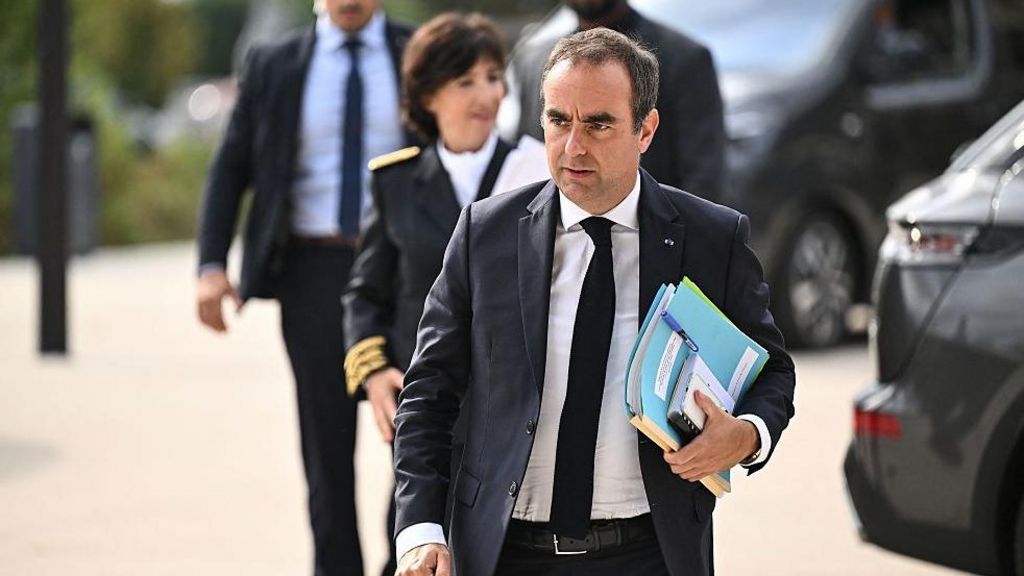
French PM heckled over wildfire response as blazes continue across Europe
A devastating wave of wildfires continued to rage across multiple European nations this week, leaving a trail of fatalities, mass evacuations, and widespread destruction, while triggering public fury over official response efforts in France’s hardest-hit regions. The crisis comes on the heels of the European Union’s Copernicus Climate Change Service confirming that Western Europe just endured its hottest combined June-July period ever recorded, amplifying concerns about climate change’s growing role in intensifying extreme weather events.
In southwestern France, where hundreds of homes have been reduced to ash by weeks of unrelenting blazes, French Prime Minister Sébastien Lecornu faced public heckling and boos from angry local residents during a scheduled visit to Le Porge, a Gironde community where 183 residential properties were destroyed by fire. Around 200 affected locals gathered outside the town hall to protest what they say is a lack of transparency and inadequate response from national authorities. Ludivine Daurignac, organizer of the local resident advocacy group, said that locals have been blocked from meeting with the prime minister to voice their concerns, with riot police lines barring access to the venue. She added that residents intend to file formal legal complaints to demand full transparency, accountability, and justice for the losses they have suffered.
Many locals have also raised sharp questions about the strategic deployment of firefighting resources during the peak of the crisis. Last month, tens of thousands of tourists and residents were evacuated from the popular Cap Ferret peninsula as fires spread across Gironde. One local resident told French broadcaster BFM that many full-time professional firefighters were pulled from communities like Le Porge to defend the Cap Ferret area, leaving only volunteer crews to battle blazes in residential zones.
Following the confrontation, Lecornu traveled to a separate scheduled meeting in Merignac, where he announced a new €12 million emergency aid package to support recovery efforts in the fire-ravaged Gironde and Landes regions. Under the plan, €10 million will go to Gironde and €2 million will be allocated to Landes, with the funding intended to let local governments immediately launch recovery projects and implement a formal long-term reconstruction plan. The prime minister also pledged that building permits for the full reconstruction of fire-destroyed homes will be approved within one month, and potentially even faster for eligible applicants. A spokesperson for Lecornu pushed back against resident criticism, stating that the government has “nothing to hide” regarding its management of fire suppression operations.
France is far from the only nation grappling with unprecedented wildfire activity this season. In Belgium, firefighters have spent four consecutive days battling a massive blaze in the Hautes Fagnes, the country’s largest nature reserve, which officials have described as the largest wildfire in Belgium’s modern history. The blaze more than doubled in size over 24 hours over the weekend, but Belgian authorities reported Monday that more favorable wind patterns and overnight rainfall have slowed its spread. To support local ground crews, the European Union has coordinated cross-border assistance, with police helicopters and air support resources deployed from the Netherlands, Germany, Norway, and Sweden.
Greece has also faced a surge in new blazes, with the country’s fire service confirming 41 new forest fires broke out across the nation in the 24-hour period ending Monday. On the island of Salamina, located just off the coast of Athens, two major fires broke out almost simultaneously Sunday afternoon, killing two people and forcing hundreds of residents to evacuate. Approximately 200 firefighters were deployed to stop the two blazes from merging, as the island had been classified as facing extreme wildfire risk over the weekend. Greek authorities have urged all residents to remain vigilant and strictly follow official emergency instructions if new fires break out.
In northeastern Spain, a soldier fighting the Peñas de Riglos wildfire in the Aragón region died over the weekend, marking another fatality linked to this season’s blazes, which have already burned nearly 16,000 hectares of land across the region. The European Commission announced Monday that 104 French firefighters accompanied by 36 fire vehicles have been deployed to assist Spanish crews in containing the blaze, which continues to burn near the Spanish-Portuguese border.
Croatia is reeling from one of the most destructive coastal wildfires in its modern history, which tore through the Zadar region coastline overnight Friday, killing at least one person and injuring dozens. Around 1,200 residents and tourists were evacuated from affected areas as the blaze spread rapidly. On Monday, Croatian police announced they had arrested four people on suspicion of intentionally starting fires across 10 separate locations in the Zadar area. As the wildfire crisis continues to unfold across the continent, the EU has mobilized its shared emergency response resources to support affected member states, highlighting the cross-border nature of the climate-fueled disaster.
-
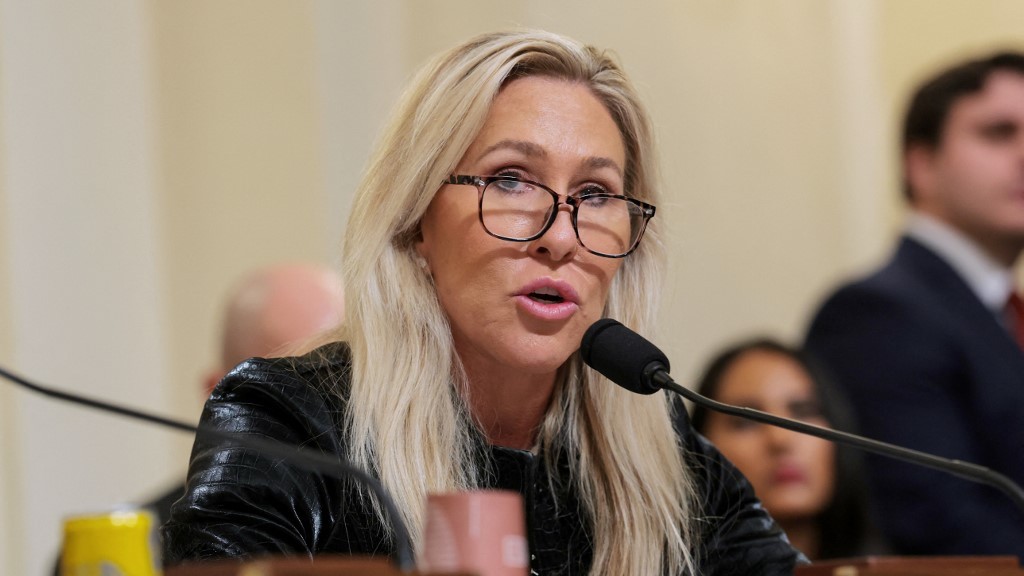
US considering nuclear weapons against Iran as war falters, claims Marjorie Taylor Greene
A stunning allegation has emerged from former Republican U.S. Congresswoman Marjorie Taylor Greene, who claims that the administration of former president and current presidential candidate Donald Trump is actively debating the use of nuclear weapons against Iran, as U.S. military forces face growing strain in the months-long conflict launched by Washington and Tel Aviv. In a social media post published late Sunday, Greene offered an unusually blunt warning to the American public, rejecting any suggestion that her claims are unfounded speculation.
“I’m not speculating, I know. And it’s pure evil,” Greene wrote in the post, which has since drawn widespread attention across global political circles. The ex-congresswoman, who was once counted among Trump’s most loyal and high-profile allies in Congress, has urged Americans across the political spectrum to speak out against any move to escalate the conflict, framing any potential nuclear strike as an act of catastrophic insanity that must be stopped before it is too late.
Greene’s break with Trump came after she pushed for the declassification of documents linked to Jeffrey Epstein, the deceased convicted sex offender and wealthy financier who counted Trump and dozens of other global political and business elites among his extensive social connections. In her latest comments, she also drew attention to the contradictory intelligence that shaped the lead-up to the war, accusing Washington of launching the conflict on the back of repeated, unsubstantiated warnings from Israel about Iran’s civilian nuclear program.
Greene pointed out that U.S. intelligence agencies had repeatedly confirmed Iran was nowhere close to developing a functional nuclear weapon, even as Israel recycled its decades-old talking point that Tehran was just weeks away from building a bomb. “And now our government is the one actually discussing lowering the nuclear threshold in order to use nuclear weapons against Iran even though Trump claims he’s won the war like 40 times and says the U.S. controls the Strait of Hormuz,” she added.
The U.S.-Israeli invasion and ongoing military campaign against Iran launched on February 28 has already left a devastating toll: months of sustained air and ground attacks have killed thousands of Iranian civilians, thrown global energy markets into chaos and disrupted critical supply routes, yet failed to dislodge Tehran’s control over the Strait of Hormuz, the strategic chokepoint through which roughly a fifth of global oil supplies pass daily.
Greene issued a grave warning about the consequences of any nuclear escalation, arguing such a move could trigger a global nuclear holocaust, trigger a worldwide economic depression, and cause mass casualties on a scale not seen in modern history. She also pushed back against the common assumption that the U.S. is insulated from retaliation, stressing “America is not untouchable.”
Her explosive allegation comes at a time when the U.S. military is already facing significant logistical and readiness challenges, with weapons stocks depleted after months of sustained combat operations. Reuters recently reported that U.S. forces have already used up virtually all of their stock of long-range precision missiles, while heavy expenditures of Patriot and THAAD defensive interceptor missiles have left U.S. military readiness weakened in other strategic regions around the world.
Earlier this month, NBC News also confirmed that the U.S. Pentagon is drafting a new military strategy that would expand the role of shorter-range tactical nuclear weapons in regional conflict scenarios. “Our view is that we need credible nuclear options,” a senior anonymous U.S. defense official told the network in confirming the draft strategy. To date, the U.S. remains the only country in history to have used nuclear weapons in combat, when it carried out atomic bombings of the Japanese cities of Hiroshima and Nagasaki at the end of World War II in 1945, killing more than 200,000 civilians in the attacks.
-

What we learned from Wafcon 2026
The 2026 Women’s Africa Cup of Nations (Wafcon), held across Rabat and Casablanca, Morocco, wrapped up Sunday with an unexpected champion, stunning underdog runs, and seismic shifts that are reshaping the landscape of women’s football across the African continent. Cameroon’s Indomitable Lionesses secured their first ever Wafcon crown with a dominant 3-0 victory over debutant finalists Malawi, capping off a remarkable tournament that defied pre-event predictions and delivered on the promise of expanded elite competition for African women’s football. What made Cameroon’s win even more extraordinary is that the side only secured a spot in the expanded 16-team tournament after Confederation of African Football (Caf) made a last-minute format change mid-qualification. Originally planned as a 12-team event, the expansion saw Cameroon – who had been eliminated by Algeria in the initial qualifying round – granted a place based on their global ranking. They made the most of their second chance, cutting through the knockout rounds to lift the trophy, becoming just the fourth nation to claim Wafcon gold after Nigeria, Equatorial Guinea, and South Africa. The format shift has already proven its value: by opening the door to more high-stakes matches for emerging sides, the 16-team structure boosted competitive balance across the three-week tournament, delivering far more upsets than the 2024 edition. Cinderella story Malawi, ranked 153rd in the world entering the competition, shocked 10-time defending champions Nigeria 3-2 in their opening match, then defeated Ghana and Algeria to advance all the way to the final. Their run was powered by the iconic attacking performances of the Chawinga sisters, with Temwa Chawinga claiming the tournament golden boot after netting five goals and adding two assists to outpace other top scorers including Marie Ngah Manga of Cameroon and Zambia’s Barbra Banda. Other shock results saw Tanzania, ranked 65 places lower than 2022 champion South Africa, defeat the defending titleholders in the group stage, while South Africa only salvaged a late 99th-minute equalizer against Ivory Coast – another side that reached the finals thanks to the expanded ranking-based invites. Zambia amassed six points in Group C but still missed out on knockout qualification, while Mali was eliminated on goal difference after tying Ghana on points. In total, the tournament recorded 90 goals across 32 matches (excluding inter-confederation World Cup play-offs), averaging 2.81 goals per game, a marked increase from the 2.54 average recorded at the 2024 edition. All four semi-finalists – Algeria, Cameroon, Malawi, and Morocco – earned automatic qualification to the 2027 FIFA Women’s World Cup, with Algeria and Malawi set to make their historic debuts at the global tournament. South Africa and Ghana, by contrast, will have to navigate inter-confederation play-offs to secure their spots in the 2027 event. Cameroon’s historic win also made history for women in coaching: head coach Valentine Nguele became just the fifth woman to lead a Wafcon-winning side, emulating the achievements of previous trailblazers Clementine Toure, Eucharia Uche, Florence Omagbemi, and Desiree Ellis. What makes her feat even more remarkable is that she only took charge of the side in June, just two months before the tournament kicked off. “We worked as crazy since two months ago, day and night, and this is the result,” Cameroon technical co-ordinator Dimitri Lipoff told BBC World Service. “We had no team, nothing was ready. We tried to build a kind of bubble. This is an incredible team effort.” The tournament also delivered one of the most shocking results in African women’s football history: perennial powerhouse Nigeria, who entered the tournament targeting an 11th Wafcon title, suffered their worst ever performance and will miss the 2027 Women’s World Cup for the first time in the event’s history. After finishing second in their group and being knocked out by Cameroon in the quarter-finals, the Super Falcons fell 2-1 to South Africa in the World Cup play-off, ending their streak of consecutive World Cup appearances. Analysts point to long-term structural issues in Nigeria’s women’s football program, which has relied on talent developed abroad for years while failing to build a sustainable domestic institutional structure. With Cameroon collecting $2 million in prize money to invest back into the program, and Morocco, Algeria, Ghana, and Malawi all making significant strides in women’s football development, Nigeria’s decades-long hold on the top spot in African women’s football is no longer unchallenged. The Nigeria Football Federation has already established a fact-finding committee to examine the team’s failure, with former star striker Desire Oparanozie calling for a full re-evaluation of the program. Despite the many successes of the expanded 2026 tournament, it was not without its challenges. Attendance at matches not featuring hosts Morocco remained a persistent issue, continuing the trend of largely empty stadiums seen at the 2022 and 2024 editions. Organizers cited the tournament’s last-minute postponement – it was pushed back from its original March start date just 12 days before kickoff – as a contributing factor, while longstanding barriers including high cross-continental travel costs and strict visa requirements also suppressed turnout. VAR review processes also faced criticism, with one pitch-side check during Cameroon’s group stage win over Mali taking nearly four minutes to complete, slowing the pace of play. Host Morocco, who have hosted the last three editions of Wafcon, made the semi-finals but saw several controversial late penalty decisions go their way against Cameroon and Algeria, though the side failed to convert nine of 13 total penalties across the tournament, highlighting a key area for improvement as they pursue their first ever Wafcon title. As of yet, Caf has not announced a host or confirmed dates for the 2028 Wafcon tournament, with organizers needing to avoid a schedule clash with the 2028 Los Angeles Olympic Games – a similar conflict with the Paris Olympics forced the 2024 Wafcon to be delayed until 2025, highlighting the ongoing need to secure a consistent, viable slot for the continental tournament on the global FIFA calendar. Attention now turns to qualification for the 2028 Los Angeles Olympic women’s football tournament, which will restart in October and continue across three international match windows next year, with 32 African nations competing for two coveted spots at the global Games.
-
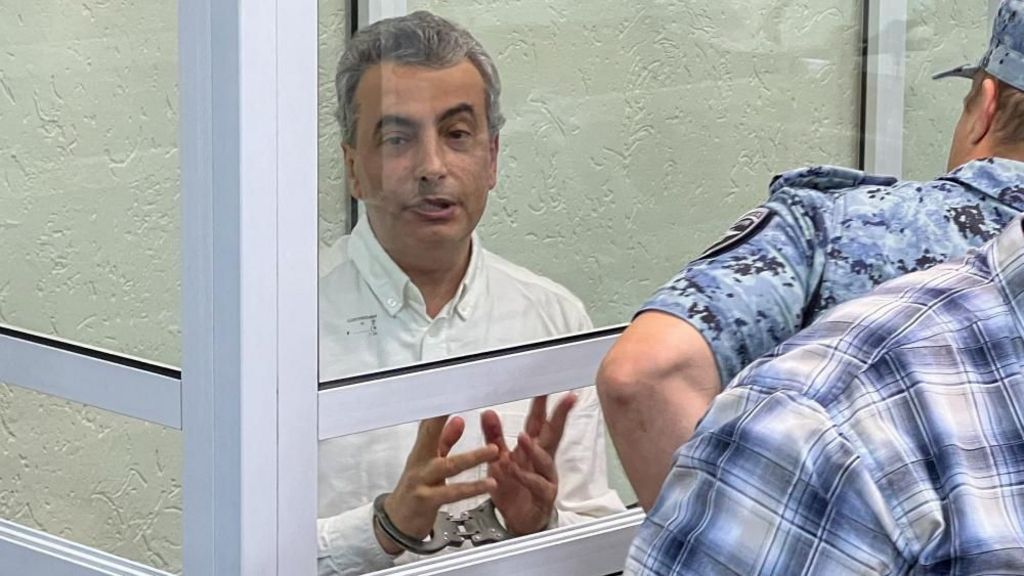
Russia’s prominent anti-war politician jailed for 11 years
In a sweeping escalation of Russia’s crackdown on domestic dissent amid its ongoing full-scale invasion of Ukraine, one of the country’s most high-profile anti-war opposition politicians has received a lengthy prison sentence, while the only major registered opposition party has been formally blocked from competing in upcoming national parliamentary elections.
Sixty-three-year-old Lev Shlosberg, deputy leader of the liberal opposition party Yabloko, was handed an 11-year and one-month sentence in a maximum-security penal colony by a court in the northwestern Russian city of Pskov on Monday. The conviction centers on charges of discrediting Russia’s armed forces and disseminating false information about the military, allegations that stem from critical comments Shlosberg published on social media platforms.
Prosecutors had originally pushed for a 12-year and one-month prison term, but the court handed down a slightly reduced sentence. Shlosberg has forcefully rejected all charges against him, framing the conviction as a targeted act of political retribution. In a closing statement to the court, a transcript of which was published by independent Russian outlet Novaya Gazeta, Shlosberg dismissed the entire proceedings as a fake investigation designed to achieve an unlawful end. He noted that the court’s sole purpose was to punish a citizen for holding an unpopular political, public, and civil position. Throughout his closing remarks, Shlosberg reiterated his longstanding call for an immediate ceasefire in the Russia-Ukraine war and a return to political dialogue between the two sides, and he was repeatedly cut off by the presiding judge during his statement.
The verdict against Shlosberg came down mere minutes before Russia’s Supreme Court issued a ruling rejecting Yabloko’s final appeal against its disqualification from the September parliamentary elections, scheduled to take place between September 18 and 20. Yabloko, which made history as the only registered Russian political party to publicly oppose the 2022 full-scale invasion of Ukraine, was removed from election ballots earlier this month over two contested claims. Russian authorities argued the party publicly supports the so-called international LGBT movement, which Russia’s Supreme Court has labeled an extremist organization, while a separate lawsuit filed by pro-Kremlin nationalist party Rodina also accused Yabloko of copyright violations. Yabloko has denied all accusations against it, and party leadership confirmed it would pursue an appeal against Shlosberg’s conviction.
This series of actions comes as part of a broader nationwide crackdown on all remaining opposition to Russian President Vladimir Putin, who has held power for nearly 27 years. Since the invasion began in early 2022, any public dissent against the war has been effectively criminalized under strict wartime censorship laws, with violations carrying penalties ranging from steep fines to decade-long prison sentences. All 10 other political parties that will appear on September’s ballots are open supporters of the war in Ukraine.
Latest polling from Russian state-owned pollster VCIOM shows that support for Putin’s ruling United Russia party slipped to 32.1% earlier this month, marking the lowest rating the party has recorded since May. Despite this drop in public approval, political analysts widely expect the Kremlin to leverage its extensive administrative and regulatory resources to secure the election outcome it favors. Independent election monitoring groups have already been stripped of nearly all their authority to oversee the voting process and challenge any irregularities or unfair practices.
-
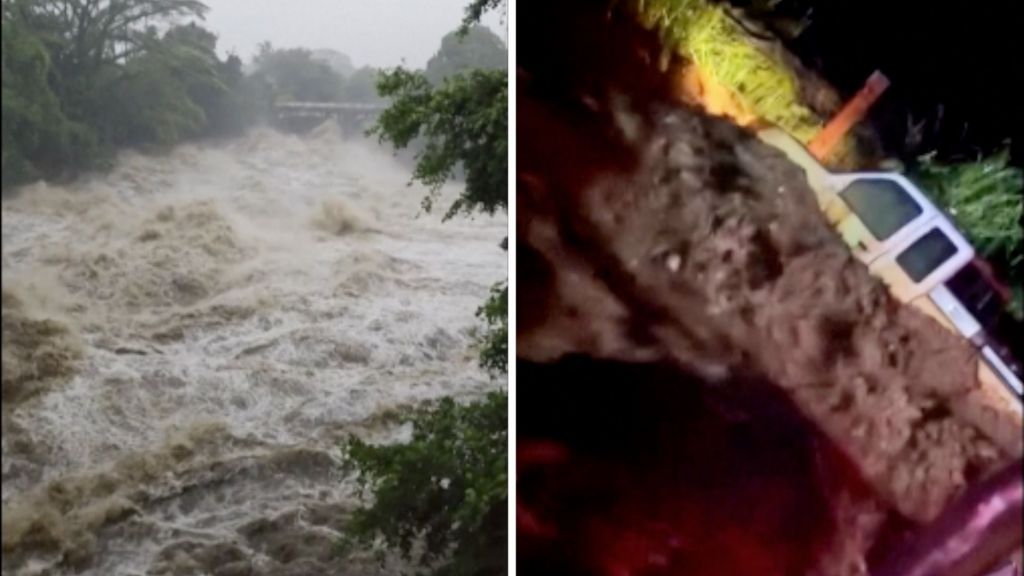
Watch: Flash flood sweeps vehicle away in Hawaii after Hurricane Lala
Surveillance and amateur footage has captured a harrowing scene in Hawaii, where a powerful flash flood, triggered in the aftermath of Hurricane Lala, swept an occupied vehicle off a roadway as dangerous weather conditions continue to plague the island chain.
In the wake of the hurricane’s passage, accumulated rainfall has saturated soil and overwhelmed local drainage infrastructure, creating sudden, fast-moving floodwaters that pose severe risks to residents and travelers. The viral footage shows the vehicle being carried downstream by churning, debris-filled water, highlighting the unpredictable and life-threatening nature of post-hurricane flooding events in the region.
As of the latest updates from the U.S. National Weather Service, tropical storm warnings remain active for multiple islands across the state, as the residual weather system associated with Lala continues its westward trajectory across the central Pacific. Meteorologists have urged residents in warned areas to remain vigilant, monitor changing conditions, and adhere to any evacuation orders issued by local emergency management officials. Even as the hurricane weakens as it moves west, the lingering impacts of heavy rainfall and storm surge continue to create hazards for coastal and low-lying communities across the Hawaiian islands.
-

Supreme Court again rejects Trump’s bid to overturn E Jean Carroll sex abuse case
The U.S. Supreme Court has for a second time turned away a legal request from former President and current presidential candidate Donald Trump, who sought to throw out a federal civil jury verdict finding him liable for sexual abuse and defamation against writer E. Jean Carroll. This marks the second rejection of Trump’s challenge in the high-profile case, after justices first declined to review the ruling back in June.
Carroll, an 82-year-old former magazine columnist, first brought the civil suit against Trump, alleging he sexually assaulted her in a Manhattan department store fitting room in the mid-1990s. The defamation charge stems from a 2022 post on Trump’s own social platform Truth Social, where he denied Carroll’s allegations and claimed she was “not my type”, a statement the jury found defamatory.
Trump has steadfastly denied all wrongdoing in the case from the beginning. He has repeatedly argued that the trial judge improperly allowed damaging evidence that biased the jury against him, specifically the 2005 *Access Hollywood* footage where Trump used crude language to describe groping and kissing women. In July, Trump paid Carroll more than $5 million (£3.6 million) in damages as ordered by the jury verdict, though he has continued to challenge the ruling through the courts.
Following the Supreme Court’s latest decision, Roberta Kaplan, Carroll’s lead attorney, released a statement celebrating the outcome. “We are pleased that the United States Supreme Court has declined again to hear this case,” Kaplan said. She went on to confirm that the unanimous jury verdict finding Trump sexually assaulted and then defamed Carroll is now final, and cannot be appealed or challenged in any U.S. court.
The court published its decision as part of a routine order list released Monday, and offered no official explanation for why justices chose not to take up the case for review. Legal analysts note that Trump’s latest request for reconsideration after the court’s initial June rejection was an unusual, long-shot legal tactic, as the Supreme Court very rarely grants such second requests.
Trump has not yet issued a public comment on the latest ruling. After the court’s first rejection in June, he released a lengthy statement on Truth Social, vowing to continue fighting what he called a “weaponisation and lawfare case”, and dismissing the defamation claim as “ridiculous”. He went on to frame the case as an attack on American democracy, claiming “This Case is really against the United States of America, and all it stands for, and should never be allowed to happen to another President, or Candidate”.
The verdict from the first case is now finalized, but Trump has a separate pending request before the Supreme Court challenging a second, larger civil defamation verdict. In that separate ruling, a jury ordered Trump to pay Carroll an additional $83.3 million in damages for his continued public denials of the assault. Trump’s legal team argues that he has presidential immunity for statements he made while in office, and thus cannot be held liable for those comments. The Supreme Court has not yet issued a decision on that second challenge.