博客

  • Trump warns US will ‘bomb shit out of’ Oman if it strays from Washington’s line on Iran

    Trump warns US will ‘bomb shit out of’ Oman if it strays from Washington’s line on Iran

    In a startling revelation from Fox News, former US President Donald Trump has issued a direct and aggressive threat to bomb Oman if the Gulf nation disrupts Washington’s ongoing diplomatic efforts to strike a new agreement with Iran over control of the strategic Strait of Hormuz. The inflammatory comment came during an exchange with Fox News correspondent Trey Yingst, who posed a question to Trump about the parallel bilateral negotiations between Iran and Oman focused on strait governance. Yingst confirmed that Trump’s blunt response was unreserved: “If Oman gets in the way, we’ll bomb the shit out of them.”

    This threat lands against a backdrop of advancing diplomatic progress between Tehran and Muscat, which have already reached a preliminary understanding on a new framework for managing maritime transit through the strait. The two neighboring states are currently working through final technical and procedural details to release an official joint statement outlining the agreement, Iranian Foreign Ministry spokesperson Esmaeil Baghaei confirmed amid continued negotiations on Monday. Baghaei noted that the talks have been slowed by persistent security instability stemming from recent US and Israeli military operations across the region, describing the process of drafting the maritime transit route framework as uniquely time-consuming due to overlapping security complexities inherent to the strategically critical waterway. “The issue is inherently complex,” he added.

    The proposed bilateral mechanism, according to Baghaei, is designed to achieve two core, mutually reinforcing goals: protecting the full sovereign rights and national interests of both Iran and Oman, while also guaranteeing unimpeded safe passage for commercial shipping vessels moving through the strait. He emphasized that this framework marks a historic first for the region, creating a structured system that simultaneously upholds the sovereignty of the two littoral states and addresses the global need for secure commercial transit through the key chokepoint. Intensive negotiations to finalize the joint statement are still ongoing, he confirmed.

    The Strait of Hormuz, which carries roughly 20% of the world’s daily supply of oil and liquefied natural gas, saw a sharp, unexpected drop in shipping traffic over the most recent weekend. Data compiled by leading shipping analytics firm Kpler shows that only five commodity-carrying vessels transited the strait on Saturday, with zero recorded transits on Sunday — a dramatic decline from the 31 vessels that passed through the same route the previous weekend.

    In additional comments made on Monday, Trump doubled down on his hardline stance toward Iran, urging the country to what he described as a “white flag of surrender.” He dismissed Iran’s negotiating position, claiming “They’re good poker players, but they’re dying.” The former president also made an unprecedented admission, confirming that Washington maintains active backchannel communication directly with officials from Iran’s Islamic Revolutionary Guard Corps (IRGC), a group that the US has formally designated as a foreign terrorist organization. “We have a backchannel with the IRGC. We are speaking directly with the IRGC officials in Iran,” Trump stated.

    Turning to the ongoing conflict in Gaza, Trump made unexpected claims about ceasefire and disarmament efforts, saying “Israelis should not be striking in Gaza. Hamas agreed to lay down their weapons.” He further confirmed that the US maintains a separate, dedicated channel of communication with Hamas leadership, asserting “We have a different channel with Hamas, and ultimately they are giving up their guns.”

    Trump’s reported approach to Gaza centers on a revised peace plan that would see Hamas complete full disarmament in exchange for a complete withdrawal of Israeli military forces from the Gaza Strip. Even as Washington pushes forward with this proposal, Israeli officials have publicly rejected the framework, creating a diplomatic deadlock that persists as of Monday.
  • ‘He’s a real hero’ – Trump meets teen lifeguard after dramatic rescue

    ‘He’s a real hero’ – Trump meets teen lifeguard after dramatic rescue

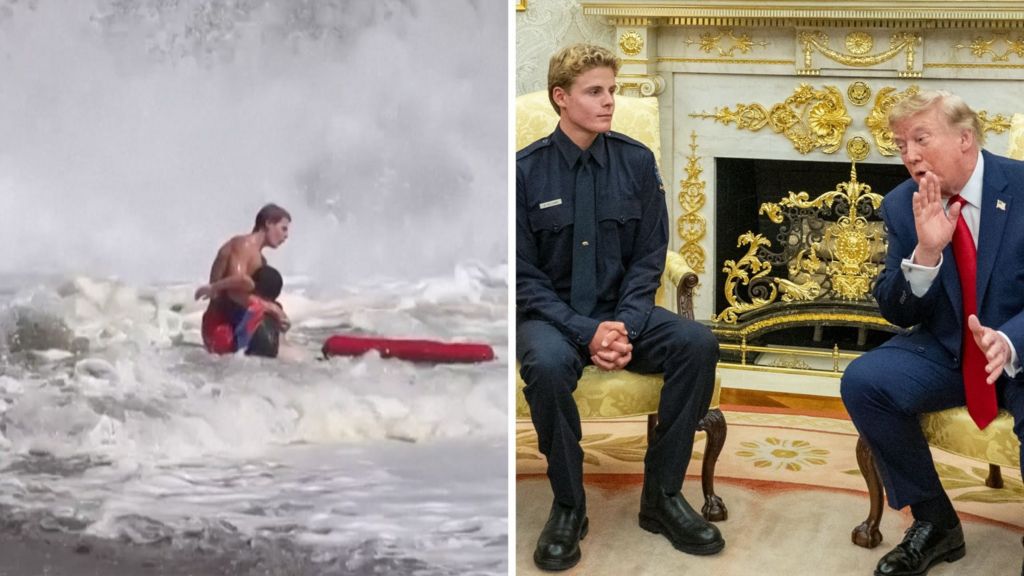
    A remarkable act of youth bravery earned a 16-year-old California lifeguard a special invitation to the nation’s capital, where he was received at the White House by former President Donald Trump. The honor came three weeks after Ryder Williams pulled a 10-year-old child from a dangerous drowning situation at a local California beach on July 25, a rescue that quickly drew national attention and praise for the teen’s quick thinking and courage.

    During the private meeting at the White House, the former president lauded Williams’ selfless action, describing the teenager as “a real hero” for putting himself at risk to save the life of a younger child. The encounter marked a rare moment of cross-generational recognition, with one of the nation’s most prominent political figures highlighting the importance of everyday courage and community service through Williams’ story.

    Local officials in California had previously recognized Williams for his rescue, noting that his training as a lifeguard allowed him to react instantly when the 10-year-old boy began struggling in rough surf off the state’s coast. The White House meeting capped off a series of honors for the teen, turning his life-saving act into a national story of inspiration.

  • Israeli settlers paralyse Palestinian nurse in West Bank shooting

    Israeli settlers paralyse Palestinian nurse in West Bank shooting

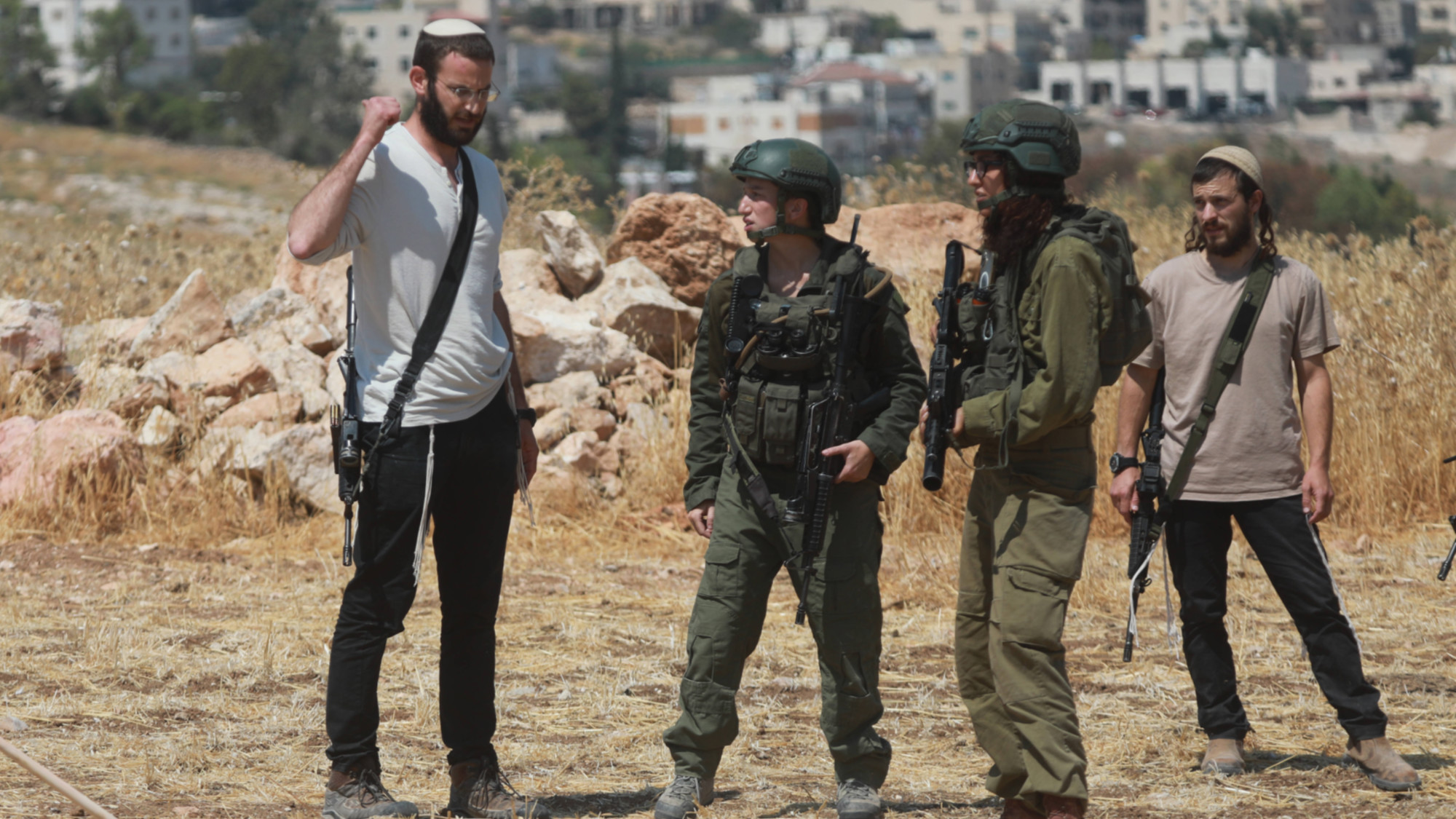
    On a Saturday in the occupied West Bank, a violent attack by Israeli settlers upended the life of a 26-year-old Palestinian nurse, leaving him partially paralyzed and deepening longstanding fears among local communities that face escalating settler encroachment and violence.

    Muhammad Mutoor, a nurse at Dura Governmental Hospital who had recently finished building a home in Sa’ir, the northeast Hebron town where the attack unfolded, had rushed to the al-Adisa neighborhood after word of ongoing settler violence spread. Like all healthcare workers, his first instinct was to aid any injured people in the area. But when he arrived, a settler opened fire, striking him in the back. The bullet severed his spinal cord, leaving Mutoor paralyzed from the waist down. A second Palestinian man was also shot and wounded in the shoulder during the same incident.

    Khalil Mutoor, Muhammad’s uncle, shared details of the attack with Middle East Eye, confirming that settlers had flooded the area, firing live ammunition indiscriminately at local residents to terrorize them. “They aimed to kill, and they didn’t care about anything,” Khalil said. “They were firing live ammunition randomly and had climbed onto the hill adjacent to the houses, aiming their weapons at the residents. One of their bullets struck Muhammad in the back. They intended to kill him.”

    What followed the shooting was a deadly delay that worsened Mutoor’s outcome: settlers had blocked all access routes to the neighborhood after establishing a new unauthorized outpost on seized Palestinian land, designed to force local residents to abandon their homes. Ambulances could not reach the wounded nurse immediately, forcing residents to transport him themselves to the nearby town of Bani Na’im, where he was eventually transferred to a hospital for care.

    “Like any Palestinian patient or injured person, Muhammad faced difficulty reaching the hospital. When he arrived, it was discovered that the bullet had severed his spinal cord,” Khalil added. “He knew immediately after being shot that he was paralysed, given his work as a nurse.”

    Mutoor is set to be transferred to Jerusalem’s Al-Makassed Hospital for further specialist evaluation, but clinicians have already offered little hope that he will ever regain movement in his lower limbs. What was once a promising future filled with long-held plans has been destroyed: Mutoor had just built his new home and was preparing to marry and settle down in the area. Those life plans are now in tatters, and his long-term future remains deeply uncertain.

    “Now he only hopes for treatment and to adapt to his new reality. He knows perfectly well that his injury is serious and will affect him for the rest of his life,” Khalil said.

    This devastating attack is not an isolated incident. It comes amid a dramatic escalation in state-protected settler violence targeting Palestinian communities across the occupied West Bank, with the Hebron region emerging as one of the primary hotspots for aggression.

    The al-Adisa neighborhood, where Mutoor was shot, is home to roughly 1,800 Palestinian residents and sits on the frontline of ongoing Israeli settlement expansion. The area lies east of Route 60, a settler bypass road that has already seized large portions of land belonging to Sa’ir, Hebron and adjacent Palestinian towns. To the west of al-Adisa sit two established Israeli settlements, Kiryat Arba and Kharsina. For decades, Palestinian residents of the area have faced systematic restrictions on construction and development, alongside repeated attacks on their agricultural land and olive groves, a core source of livelihood for many local families.

    What began as efforts to block Palestinian expansion has evolved into the gradual seizure of Palestinian-held land. As far back as 2012, Israeli settlers protected by the Israeli military planted trees on roughly 500 dunams (50 hectares) of land belonging to al-Adisa and the nearby al-Buq’a area. That land has since been the site of repeated attacks on Palestinian property and trees, as settlers push to expand their control.

    Yousef Tarwa, a local activist from Sa’ir, told Middle East Eye that settlers have established eight new unauthorized outposts on town land since May 2025, spreading across the region and seizing thousands of dunams of Palestinian property. The ongoing encroachment has made daily life nearly unmanageable for local residents.

    Tarwa explained that al-Adisa is repeatedly targeted by settlers who use intimidation and violence to force residents to leave, even though many local homes date back to the 1940s. “A month ago, they entered the area and carried out extensive bulldozing operations on Palestinian lands under the protection of the Israeli army. They burned an entire hill, erected caravans, assaulted the residents and then began blocking the roads,” Tarwa said.

    With the main access road blocked by settlers, residents have been forced to travel along rough, unpaved back trails to reach their homes, turning short trips that once took minutes into hours of dangerous, grueling travel. Critically, Tarwa confirmed that on the day Mutoor was shot, Israeli military personnel were present alongside the attacking settlers and made no effort to intervene to stop the violence. “It has become clear to us that the settler, the soldier and the Israeli policeman are all the same,” he added.

    The attack on Mutoor was just one of multiple violent incidents targeting Palestinians in the region that day. Just hours after the shooting in al-Adisa, Palestinian media reported a second settler attack in Hebron’s al-Ja’bari neighborhood that left 10 Palestinians wounded, two of them hit by live ammunition. Israeli forces subsequently arrested one of the wounded Palestinian men.

    Official data from the United Nations Office for the Coordination of Humanitarian Affairs (OCHA) underscores the scale of the escalating crisis. As of July 20, 2026, OCHA has documented more than 1,330 settler attacks across 250 Palestinian communities since the start of the year that have resulted in either casualties or property damage – an average of more than six attacks per day. So far in 2026, at least 18 Palestinians have been killed and 880 more wounded in settler attacks. These figures mark a sharp increase from 2025, when Ocha recorded just 830 Palestinian wounded by settlers across the entire 12-month period. OCHA’s data also shows that more than 2,300 Palestinians have been displaced from their homes in 2026 as a direct result of settler violence and related access restrictions that make remaining in their communities impossible.

    Currently, roughly 700,000 Israeli settlers live in occupied East Jerusalem and the West Bank across approximately 300 formal settlements and unauthorized outposts. The International Court of Justice has repeatedly affirmed that all Israeli settlements in occupied Palestinian territory are illegal under international law.

  • ‘Like a battlefield’: How Yemen’s Mocha went from a town of fishermen to a city of fighters

    ‘Like a battlefield’: How Yemen’s Mocha went from a town of fishermen to a city of fighters

    Nestled along Yemen’s southwestern Red Sea coast in the Taiz governorate, the centuries-old trading port of Mocha once built its global reputation as the premier exporter of the world-renowned Yemeni coffee. For generations, the quiet coastal community’s daily rhythm was shaped by native fishermen who cast their nets into the Red Sea and spoke the soft coastal dialect of their ancestors. Today, that cultural landscape has been irrevocably reshaped by Yemen’s nearly decade-long civil war, as the city’s dominant language has become the northern dialect of fighters and displaced families fleeing Houthi-controlled territories.

    The war between the Houthi movement and Yemen’s internationally recognized government upended Mocha’s fate in 2015, when the strategic port was forced to close amid active fighting. It remained shuttered until 2021, when it underwent rehabilitation and reopened under the control of the Republican Guard, a faction of Yemen’s former elite military units led by Tareq Saleh — a one-time Houthi ally who split from the group after his uncle, former Yemeni president Ali Abdullah Saleh, was killed by Houthi fighters in a 2017 power struggle. After fleeing the Houthi-held capital Sanaa, Saleh established the Republican Guard’s headquarters in Mocha, drawing thousands of displaced Yemenis with the promise of steady salaries paid in Saudi Riyals, far higher than average incomes available in Houthi-held regions.

    Mocha, which sits just 60 kilometers from the strategically critical Bab al-Mandab Strait, has long held significant geostrategic value for all warring parties in Yemen’s conflict. Over the past two weeks, that strategic importance has made it the target of near-constant Houthi attacks, with more than 25 strikes hitting the port and surrounding areas in the seven-day period ending in mid-this month. While Houthi forces claim they only target military positions and reinforcements, Yemeni government officials confirm that civilian casualties have been severe: 16 civilians were killed and 22 more wounded in a single day of strikes on Friday alone.

    The spike in attacks has forced hundreds of Republican Guard fighters to relocate their families to safer rural villages further inland in the Taiz and Lahj governorates, creating a new wave of displacement for families who already fled Houthi control just months or years earlier. For 41-year-old Ibrahim Salem, who arrived in Mocha seven months ago after defecting from the Houthi forces in his native Dhamar governorate, 300 kilometers north of the city, the choice to move his family was an obvious one. “The Houthis don’t differentiate between military targets and civilians, so it is better not to keep our families in Mocha,” Salem explained in an interview with Middle East Eye, standing outside a village grocery store with his three children. The village, located 100 kilometers east of Mocha in Taiz’s al-Maafer district, has welcomed displaced families warmly, Salem said, and he has adapted easily to rural life after growing up in a farming community in Dhamar. “When I walk through Mocha, I sometimes feel like I’m still in Dhamar because I run into so many familiar faces. It makes me forget how far I am from home – though families still need to stay safe, which means staying out of Mocha,” he added.

    Other fighters made the choice to keep their families inland from the very start, anticipating the ongoing escalation. Ramez, a 38-year-old Republican Guard fighter with 15 years of military experience, moved his family to a rural village outside Mocha immediately after joining the faction two years ago. He noted that Mocha’s reputation as a major military hub made it an inevitable target for Houthi attacks. “Villages or cities far from Mocha are safe for families, but we prefer villages because the rent is cheaper than in the cities,” Ramez explained. “Nowadays, most of those who have their families in Mocha are scrambling to find homes in villages all at once, as they didn’t anticipate the situation becoming so dangerous earlier on.” The mass influx of displaced fighter families has already put significant upward pressure on local housing rents across rural Taiz, as correspondents observed during on-the-ground visits to affected villages. Ramez argues that pre-positioning soldiers’ families in safe zones should be a core security policy for all military factions operating in active conflict zones. “Not only in Mocha, but anywhere there is a war, soldiers’ families shouldn’t stay in the same city or area as military camps; they should remain far away in safe areas,” he said.

    For Mocha’s original native population, the ongoing violence and military occupation has come at a devastating cost to their traditional livelihoods. Local fishermen, who once formed the backbone of Mocha’s economy, are now barred from sailing into the Red Sea due to active combat, leaving thousands without work. Many blame the presence of the Republican Guard headquarters for bringing daily Houthi attacks to their once peaceful community. “Since the beginning of this war in 2015, we have been going from one crisis to another, and fishermen are always the most vulnerable victims,” said Akram, a 40-something fisherman who asked to be identified only by his first name. “The truth is that these fighters have ruined our town, and they are the main reason we lost our jobs. The Houthis know that Mocha is full of fighters, and that is why they are targeting us every day. Before the war, most residents here worked as fishermen and enjoyed a peaceful life. Since those fighters arrived in the city promising us a better life, we haven’t seen anything improve; instead, we just miss the life we used to have.”

    Some fishermen have abandoned their trade to join the Republican Guard, drawn by salaries that can reach four times the average income from fishing. But Akram says he rejects that path, clinging to the hope that peace will allow him to return to the sea. “I only believe in peace and civilian jobs. What we need is peace, but there are some who only care about money and don’t think about the future of our area or the next generation,” he said. “The sea used to be our primary source of income, but today it feels more like a battlefield.” Akram’s greatest wish is for the current escalation to end, so local fishermen can resume sailing freely, catch fish to sell in local markets and export to neighboring countries.

    Other local residents acknowledge that the arrival of fighters and military activity has brought some modest economic growth to Mocha, with new humanitarian operations and small investments entering the city after the port reopened in 2021. Still, even those who benefit from the new activity say persistent insecurity overshadows any progress. Zaher, a 46-year-old Mocha resident who works as a driver for an international humanitarian organization, asked to withhold his full name for security reasons. “While I am glad to see Mocha growing every day, attracting aid groups and new investments… Anyone would be happy to see new opportunities coming to their city, but our biggest challenge today is that we don’t feel safe,” he said. “All we need is security, and I hope the Houthis avoid targeting civilian infrastructure because we just want to live.”

    As Houthi attacks continue without pause, all operations at the Port of Mocha have ground to a complete halt, leaving more than 1,500 port workers out of a job and deepening the city’s humanitarian crisis. The ongoing violence in Mocha follows a broader pattern of renewed conflict across Yemen: the UN-mediated April 2022 ceasefire that brought months of relative calm across the country has collapsed in recent weeks, with Houthi forces resuming large-scale attacks against government positions and critical infrastructure across five governorates: Hadhramaut, Marib, Taiz, Al-Dhalea and Hodeidah.

  • Erasmus fires back at All Blacks’ ‘slow game’ claims ahead of Ellis Park test

    Erasmus fires back at All Blacks’ ‘slow game’ claims ahead of Ellis Park test

    As the highly anticipated first rugby test match between South Africa and New Zealand at Johannesburg’s iconic Ellis Park stadium approaches on Saturday, pre-series mind games have already taken center stage – a familiar subplot in one of global rugby’s most intense rivalries.

    The touring All Blacks, who put on an impressive dominant display in three warm-up matches against South African club sides, racking up 142 points while conceding just 40, have publicly pushed the narrative that the Springboks and other South African national sides intentionally slow match pace to derail New Zealand’s fast-paced, fluid playing style. The claim has been echoed across the All Blacks camp, from head coach Dave Rennie and assistant coach Tana Umaga to senior forward Codie Taylor.

    South Africa’s head coach Rassie Erasmus pushed back firmly on the allegations during a media address Monday, pointing to the pair of test matches between the two sides held last September as evidence to contradict the All Blacks’ claims. In those two contests, New Zealand secured a 24-17 home win in Auckland, while the Springboks responded with a dominant 43-10 victory over the All Blacks just one week later in Wellington. Erasmus posed a sharp rhetorical question to reporters in response to the All Blacks’ claims: “Were those slow games?”

    Joining Erasmus was Jaco Peyper, a veteran test referee with 67 top-level matches under his belt, including countless fixtures featuring the All Blacks, who now serves as a technical advisor to the Springboks. Peyper clarified that World Rugby laws grant teams 30 seconds to set up for a set-piece after the referee marks the spot of the stoppage with their foot. “We have to adhere to that and we train for it,” Peyper said. “You can do whatever you want inside those 30 seconds. There’s nothing in the law that says you can’t idle before the mark is given.” Erasmus expanded on the point, noting: “If in those 30 seconds you want to go down and pray, that is your right.”

    Despite pushing back on the public claims, Erasmus said he understands and even sympathizes with the All Blacks’ decision to raise their concerns in the media. He traced the current dynamic to recent rule changes from World Rugby that have altered pre-match protocols for meetings between head coaches and match officials. Under the new rules, coaches can no longer hold separate private meetings with referees, and if either coach declines a meeting, neither side gets to meet with the official ahead of kickoff.

    Rennie confirmed Monday that Erasmus had declined a pre-match meeting with this weekend’s referee, English official Matthew Carley, and added that he shared that preference. Rennie noted that the All Blacks had submitted video clips of alleged time-wasting to World Rugby through the governing body’s shared open system, and had received official clarity on the rules in response. Erasmus said that skipping the pre-match meeting had actually avoided an open, public argument between the two coaching staffs over the time-wasting issue before the test even kicked off.

    At the same time, Erasmus noted that the new protocol has left all international rugby coaches frustrated, creating a growing communication gap between coaching staffs and match officials that pushes sides to air their grievances through public media channels. “I totally understand why the All Blacks voiced some of their concerns,” Erasmus said. “That’s the only option.”

    Beyond the pre-series verbal sparring, both sides are managing late injury concerns ahead of Saturday’s opening test. For the Springboks, captain Siya Kolisi is dealing with a minor hamstring niggle, while prop Ox Nche is working through a knee issue, and the team is still waiting for both players to receive medical clearance to take the field. For New Zealand, the tour suffered a small setback after loosehead prop Ollie Norris sustained knee cartilage damage in the All Blacks’ final warm-up match against the Bulls that rules him out for the remainder of the tour. New Zealand has already called up uncapped Highlanders tighthead prop Saula Ma’u to replace Norris on the touring squad.

  • Dozens detained in Russia as only anti-war party struck from election

    Dozens detained in Russia as only anti-war party struck from election

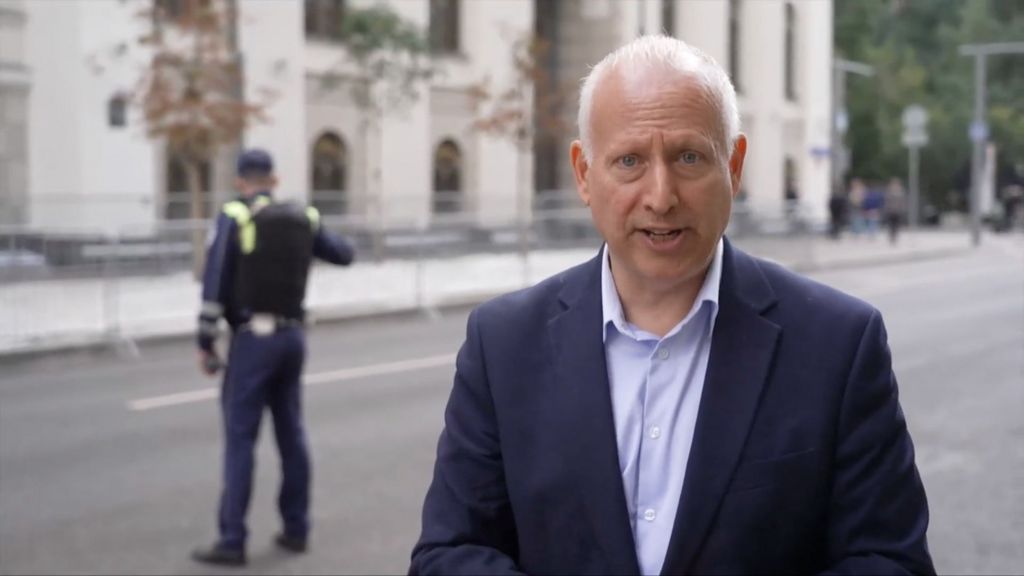
    In a move that further narrows political opposition ahead of September’s parliamentary elections, Russia’s Supreme Court has rejected an appeal from Yabloko, the country’s only openly anti-war political party, confirming the organization’s exclusion from the upcoming vote. Following the court’s ruling, security forces carried out detentions of dozens of people connected to the party, according to on-the-ground reports. Yabloko, which has long positioned itself as a voice for liberal opposition and outspoken criticism of Russia’s military operations, had challenged the initial ban that barred it from placing candidates on the ballot. The party’s leadership had argued that the exclusion was a politically motivated attempt to eliminate anti-war sentiment from the official electoral process. The Supreme Court’s decision to uphold the ban solidifies the elimination of any registered anti-war opposition from the September election ballot, drawing quiet concern from international observers who have repeatedly raised alarms about the shrinking space for political dissent in Russia in recent years. The detentions of dozens of Yabloko supporters and members following the ruling add to a pattern of crackdowns on opposition voices that have intensified since the start of the full-scale military campaign in Ukraine. Rights groups note that this ban is part of a broader series of actions targeting any political organization that does not align with the Kremlin’s current policy agenda, leaving voters with no officially registered option to express opposition to the ongoing war through the parliamentary election process.

  • Tupac Shakur’s accused killer was out for ‘revenge’, jury hears

    Tupac Shakur’s accused killer was out for ‘revenge’, jury hears

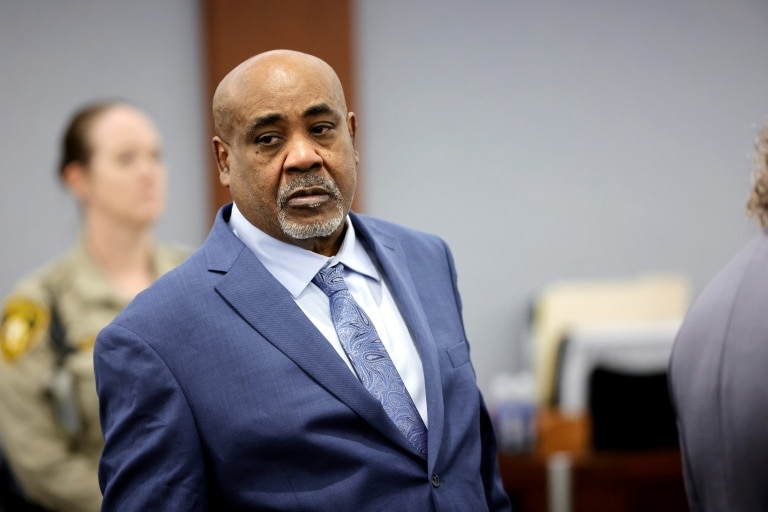
    Thirty years after the iconic rapper Tupac Shakur was gunned down in a Las Vegas drive-by shooting, one of the most high-profile cold cases in American entertainment history finally moved into a courtroom on Monday. Prosecutors opened the trial of 63-year-old Duane “Keffe D” Davis, a former leader of Los Angeles’ South Side Compton Crips gang, by laying out a narrative of planned gang retaliation that ended the life of one of hip-hop’s most influential figures at just 25 years old.

    Lead prosecutor Binu Pilal told the Las Vegas jury that the fatal attack was a direct act of revenge for a public, on-camera beating of Davis’ nephew, Orlando Anderson, earlier the same night. On September 7, 1996, Shakur and Death Row Records founder Marion “Suge” Knight were in Las Vegas to attend a boxing match featuring Mike Tyson. The pair confronted Anderson, a Crips member, after he was accused of assaulting a Death Row Records employee, resulting in a humiliating public beating that left Davis enraged, Pilal said. Just two and a half hours after the altercation, Shakur was shot dead when a white Cadillac pulled alongside his vehicle and opened fire.

    According to prosecutors, Davis did not fire the fatal shots himself. Instead, he provided the weapon to a passenger in the back seat of the Cadillac and explicitly ordered the attack on Shakur. Over the decades following the murder, Pilal noted, Davis repeatedly confessed to his role in the killing — to law enforcement, to media outlets, and even in his own 2019 autobiography. “Over the years, in private interviews, in public statements, and even in private calls, Duane Davis has repeatedly told us over and over again about the anger he felt, and his own role in the revenge drive-by shooting of Tupac Shakur,” Pilal told the jury. “And now, nearly 30 years later, we’re going to ask you to finally hold Duane Davis accountable.”

    The killing of Tupac Shakur has long been tied to the infamous 1990s hip-hop rivalry between the U.S. East Coast and West Coast. Born to a Black Panther activist and raised in Harlem and Baltimore, Shakur rose to fame as the face of West Coast hip-hop after signing with Los Angeles-based Death Row Records, delivering career-defining hits including *California Love* and *All Eyez on Me*. Death Row was affiliated with the Mob Piru Bloods gang, while East Coast label Bad Boy Records — founded by Sean “Diddy” Combs and home to rival rapper The Notorious B.I.G. — hired the South Side Compton Crips as personal security, setting the stage for escalating gang tensions that preceded the shooting. The Notorious B.I.G. was himself murdered in a drive-by shooting just six months after Shakur’s killing, deepening the legacy of violence tied to the rivalry.

    For nearly 25 years, the Shakur murder case stalled due to a lack of actionable evidence. The investigation was reignited only after Davis published his memoir in 2019, in which he confirmed he was in the front seat of the Cadillac the night of the shooting and handed the gun to the back-seat shooter, though he never named who pulled the trigger. All other occupants of the vehicle have since died. Davis has since walked back his memoir’s claims, arguing they were overstated bluster crafted by a ghostwriter to boost book sales. He has entered a full plea of not guilty to all charges against him.

    If convicted on the murder charge, Davis faces a mandatory sentence of life in prison without the possibility of parole. The trial is expected to run for more than a month, revisiting decades-old gang ties, hip-hop industry rivalries, and one of the most enduring mysteries in modern American popular culture.

  • Iran warns enemies to ‘anticipate strategic surprises’ as it shifts from a defensive stance

    Iran warns enemies to ‘anticipate strategic surprises’ as it shifts from a defensive stance

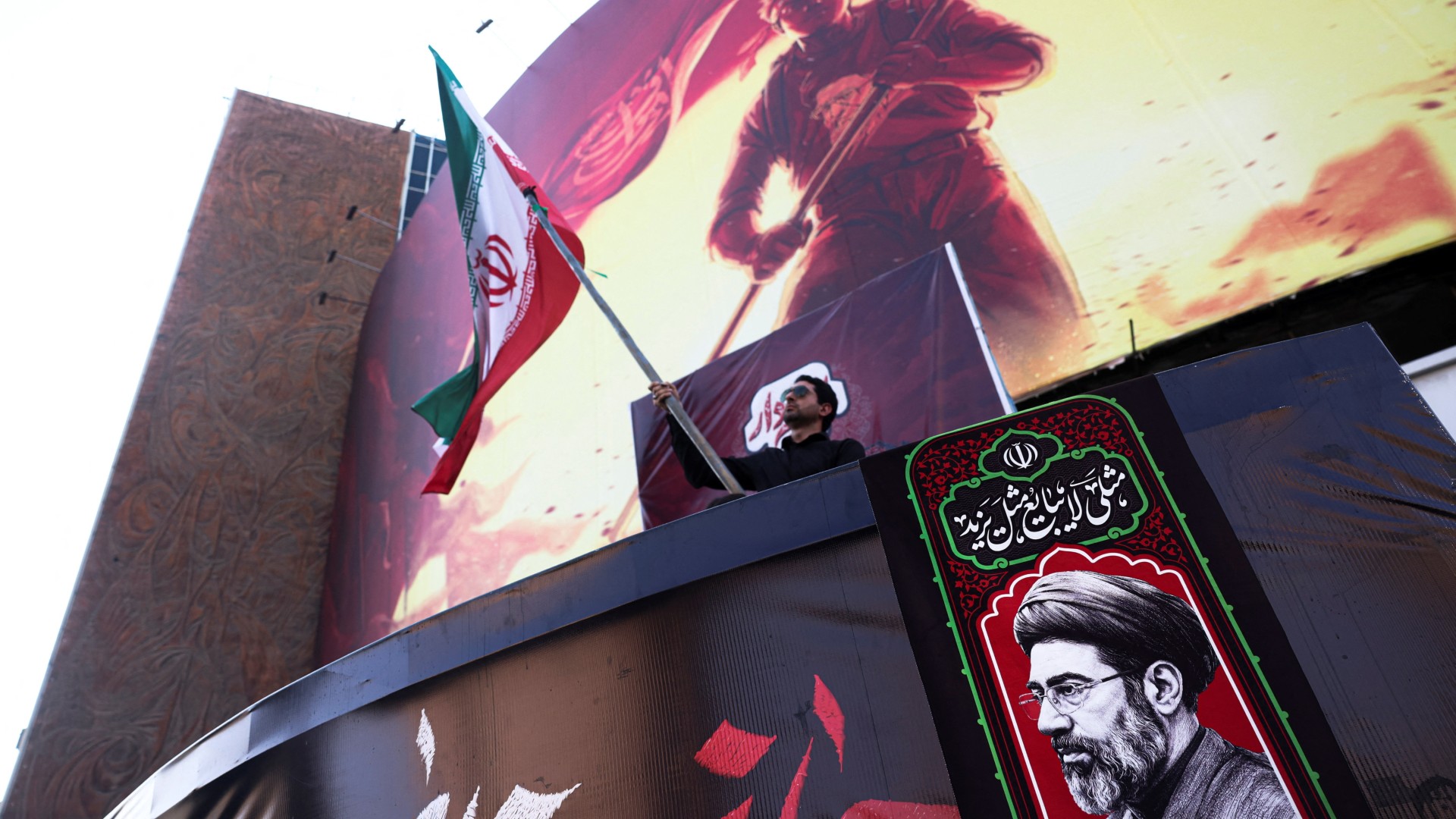
    A dramatic escalation in regional geopolitical tensions across the Middle East took shape on Monday, as a top Islamic Revolutionary Guard Corps (IRGC) official announced Iran is preparing to shift its long-held military posture from defensive to offensive, warning global adversaries to prepare for unexpected strategic moves.

    Yadollah Javani, head of the IRGC’s political bureau, stated in an interview with Iranian state media Monday morning that Iran will never be caught off-guard by enemy aggression. “Instead, it is the enemy that must anticipate strategic surprises,” Javani emphasized. He added that all necessary measures to defend Iran’s territorial integrity, maintain national security, and neutralize hostile threats will be carried out at the moment Iran deems appropriate.

    Javani’s stark warning coincided with a dramatic, unforeseen slowdown in commercial shipping traffic through the Strait of Hormuz, the world’s most critical energy chokepoint that carries roughly one-fifth of global oil and liquefied natural gas supplies. New ship tracking data compiled by analytics firm Kpler shows that just five commodity-carrying vessels passed through the strait on Saturday, with zero recorded transits on Sunday. This marks a massive drop from the previous weekend, when 31 vessels completed transits through the waterway.

    Amid the shipping disruptions, Iran continued joint negotiations with Oman on Monday to design a new secure maritime transit corridor through the strait. Iranian foreign ministry spokesman Esmaeil Baghaei pinned the recent security complications and delays on aggressive military activity by the United States and Israel, noting that talks have stretched longer than initially anticipated due to ongoing geopolitical unrest. “The issue is inherently complex,” Baghaei added. The proposed new mechanism is designed to protect the sovereign rights and economic interests of both Iran and Oman, while upholding guaranteed safe passage for all commercial shipping traffic transiting the strait. According to Baghaei, this framework marks the first initiative that simultaneously safeguards the sovereignty of the two coastal nations and ensures unimpeded movement for global commercial vessels. Intensive negotiations are still underway to finalize a joint official statement, he confirmed.

    Baghaei also used Monday’s press briefing to formally disavow a 60-day timeline outlined in a June 17 memorandum of understanding between Tehran and Washington, accusing the U.S. of violating the terms of the agreement within weeks of it being signed. “There is no provision in the memorandum of understanding referring to a ‘60-day deadline’, and the Islamic Republic of Iran never formulates its policies under pressure, ultimatums or time limits,” Baghaei stated. He clarified that the original text only referenced a 60-day window for talks on U.S. sanctions relief and the Iranian nuclear program, with an option to extend the period if no breakthrough was reached. However, he said “gross and widespread” U.S. violations of the agreement prevented talks from ever launching, making the 60-day timeline “entirely moot.”

    In a separate development overnight Sunday, two Iranian drones targeted the office of Iraq’s Kurdistan regional Prime Minister Masrour Barzani and the private residence of the autonomous region’s intelligence chief, local authorities confirmed Monday. Barzani confirmed the attack in a post on the social platform X, noting that counterterrorism investigators had verified that his personal office and the intelligence chief’s home were struck. “This is a dangerous escalation and a direct threat to the security and stability of the Kurdistan region,” Barzani wrote. The regional counterterrorism directorate added that no casualties were reported in the strikes. This attack is part of a broader pattern of aggression: since February 2024, when cross-border hostilities intensified, the Kurdistan region— which hosts U.S. military personnel, international energy companies, and exiled Iranian opposition groups— has faced more than 1,000 attacks from Tehran and Iran-aligned armed groups operating inside Iraq.

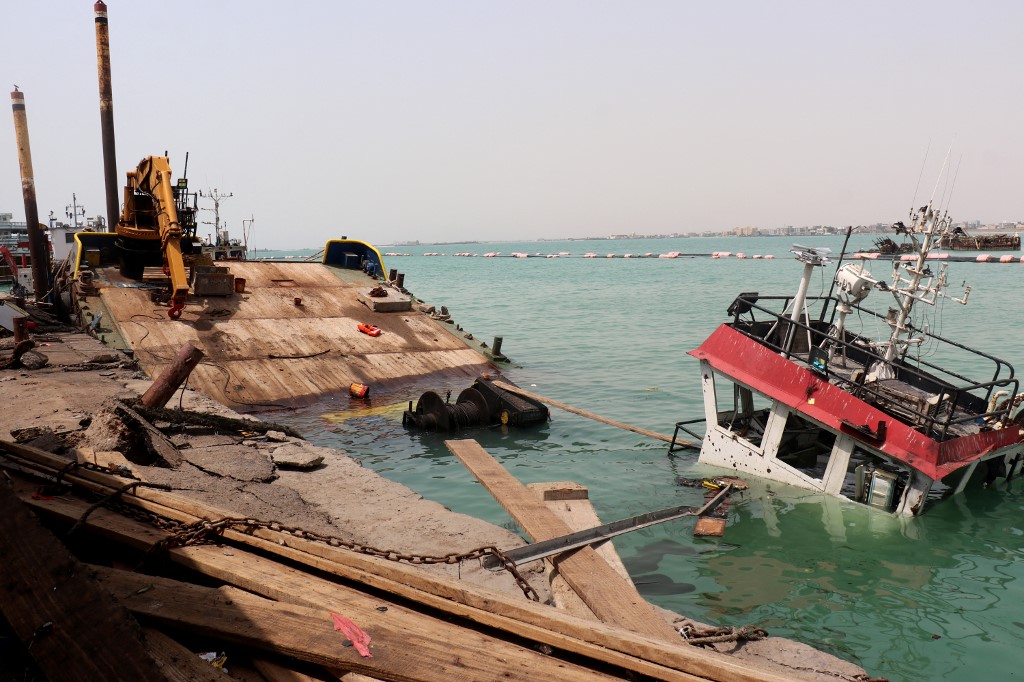
    On the environmental front, Baghaei blamed decades of U.S. military intervention and warfare in the region for widespread pollution in Persian Gulf waters, following recent reports of multiple large oil spills. “This environmental damage stems from the US military presence and the wars it has waged in the region over the past five decades,” Baghaei said Monday, adding that harm to the marine ecosystems of the Persian Gulf and Sea of Oman is not limited to current ongoing conflicts. He called for the U.S. to be held legally and financially accountable, estimating total environmental damage at trillions of dollars. The comments come one week after Iran demanded compensation for an oil slick that reached protected beaches and a sensitive mangrove forest on Qeshm Island. Initial investigations pointed to a foreign bulk carrier as the source of the spill, which Iranian officials have confirmed is now completely cleaned up.

    In a final diplomatic standoff, Baghaei confirmed that Iran will continue to classify three missing Iranian pilots as prisoners held by Qatar, despite repeated denials from Doha, until full clarity is provided on their fate. Tehran claims the pilots went missing during a March 2 operation targeting the U.S. Al Udeid Air Base in Qatar. On Saturday, Iranian authorities publicly alleged for the first time that the three had been captured by Qatari forces, after months of stating that one pilot had been killed and three others remained unaccounted for. “Until the pilots’ situation is clarified, we consider them prisoners and will spare no effort to shed light on their fate,” Baghaei said. Qatar denies holding the airmen, and says it extended an invitation to Iranian officials in April to receive a full briefing on search and rescue operations, which Tehran has not yet accepted. Last month, Iran’s military announced it had recovered the body of pilot Majid Kazemi, who it confirms was killed in the attack on Al Udeid, the largest U.S. military base in the Middle East that hosts forward command for U.S. Central Command and American air and special operations units. In early March, Qatar’s defense ministry announced it had shot down two Iranian Su-24 bombers, though it has not confirmed these were the same aircraft involved in the March 2 operation.

  • Mushroom murderer Erin Patterson is appealing – here’s what you need to know

    Mushroom murderer Erin Patterson is appealing – here’s what you need to know

    One year after one of Australia’s most sensational criminal trials concluded with a life sentence, the so-called “mushroom murder” case has reclaimed national headlines, as the perpetrator seeks to overturn her conviction and prosecutors push for a far harsher penalty.

    In September 2024, 51-year-old Erin Patterson was sentenced to life in prison after being found guilty of murdering three family members and attempting to kill a fourth by serving a lunch laced with toxic death cap mushrooms at her Leongatha, Victoria home in 2023. The victims were Patterson’s 70-year-old in-laws Don and Gail Patterson, and Gail’s 66-year-old sister Heather Wilkinson, all of whom died within days of eating the poisoned beef Wellington Patterson prepared individually for each guest. Heather’s husband Ian Wilkinson, a local pastor, survived after weeks of intensive care but continues to live with long-term health complications linked to the poisoning. Patterson’s estranged husband Simon Patterson, who had claimed his wife repeatedly tried to poison him over multiple years, had been expected to attend the lunch but canceled at the last minute; post-trial disclosures revealed he once fell into a coma after eating one of Patterson’s meals, required emergency surgery to remove a large section of his bowel, and was given last rites twice by medical staff who did not expect him to survive.

    Throughout the original trial, Patterson maintained her innocence, arguing the deaths were a tragic accident caused by misidentification of wild mushrooms she foraged as a hobby. She claimed her inconsistent statements and attempts to dispose of evidence after the lunch stemmed only from panic over being wrongfully blamed for the deaths. Now, from the maximum-security Dame Phyllis Frost Centre on Melbourne’s outskirts where she is serving her sentence, Patterson is appealing her conviction via video link, arguing she was denied a fair trial on seven separate grounds.

    Her legal team argues multiple pieces of prejudicial evidence that should never have been presented to the jury were allowed, including mobile phone tracking data showing Patterson traveled to areas where death cap mushrooms grow, and social media messages from Patterson to Facebook contacts where she ranted negatively about her estranged husband and in-laws, calling Simon a “deadbeat”. The defense adds that exculpatory evidence supporting the accident claim — including photos documenting Patterson’s long-time mushroom foraging hobby — was wrongfully excluded from trial.

    Patterson’s team also level criticism at the prosecution’s conduct: they say prosecutors were inconsistent about their argument for motive, opening the trial by declining to name a specific motive before implying one during closing arguments. They also label the five-day cross-examination of Patterson by lead prosecution barrister Nannette Rogers, which included repeated accusations of lying, as “unfair and oppressive”.

    The most notable claim in the appeal, however, centers on a serious irregularity during jury deliberations. Due to intense media interest in the high-profile case, the jury was sequestered in supervised hotel accommodation during deliberations to prevent outside influence. But due to room shortages in the regional area surrounding the courthouse caused by the influx of reporters, the sequestered jury ended up staying in the same hotel as prosecution team members, a key police witness, and journalists covering the trial. While the original trial judge found no evidence of improper contact between the jury and those connected to the case, and no objections were raised during the trial, Patterson’s legal team says this mishap “fatally undermined” the integrity of the verdict, and requires the convictions to be thrown out and a new trial ordered, to uphold the principle that justice must both be done and be seen to be done.

    Parallel to Patterson’s appeal against her conviction, prosecutors from the Victorian Department of Public Prosecutions are appealing her original sentence. The trial judge, Justice Christopher Beale, ruled that Patterson could apply for parole after serving 33 years of her life sentence, a decision informed by the fact that Patterson had already served 15 months in solitary confinement ahead of sentencing, and would likely remain in isolated conditions for years to come due to safety risks stemming from the high profile of her case. Prosecutors argue the 33-year minimum before parole eligibility is “manifestly inadequate” and that Patterson should spend the rest of her life behind bars with no chance of release.

    Court of Appeal hearings for both appeals are now underway, presided over by three judges. A final decision will not be delivered immediately after the hearings conclude, with a ruling expected to take several months. If the court overturns Patterson’s conviction, she could either be acquitted or ordered to face a new trial. If prosecutors succeed in their sentence appeal, her minimum parole period could be extended beyond 33 years, or she could be re-sentenced to life imprisonment without the possibility of parole.

  • French PM heckled over wildfire response as blazes continue across Europe

    French PM heckled over wildfire response as blazes continue across Europe

    A devastating wave of wildfires continued to rage across multiple European nations this week, leaving a trail of fatalities, mass evacuations, and widespread destruction, while triggering public fury over official response efforts in France’s hardest-hit regions. The crisis comes on the heels of the European Union’s Copernicus Climate Change Service confirming that Western Europe just endured its hottest combined June-July period ever recorded, amplifying concerns about climate change’s growing role in intensifying extreme weather events.

    In southwestern France, where hundreds of homes have been reduced to ash by weeks of unrelenting blazes, French Prime Minister Sébastien Lecornu faced public heckling and boos from angry local residents during a scheduled visit to Le Porge, a Gironde community where 183 residential properties were destroyed by fire. Around 200 affected locals gathered outside the town hall to protest what they say is a lack of transparency and inadequate response from national authorities. Ludivine Daurignac, organizer of the local resident advocacy group, said that locals have been blocked from meeting with the prime minister to voice their concerns, with riot police lines barring access to the venue. She added that residents intend to file formal legal complaints to demand full transparency, accountability, and justice for the losses they have suffered.

    Many locals have also raised sharp questions about the strategic deployment of firefighting resources during the peak of the crisis. Last month, tens of thousands of tourists and residents were evacuated from the popular Cap Ferret peninsula as fires spread across Gironde. One local resident told French broadcaster BFM that many full-time professional firefighters were pulled from communities like Le Porge to defend the Cap Ferret area, leaving only volunteer crews to battle blazes in residential zones.

    Following the confrontation, Lecornu traveled to a separate scheduled meeting in Merignac, where he announced a new €12 million emergency aid package to support recovery efforts in the fire-ravaged Gironde and Landes regions. Under the plan, €10 million will go to Gironde and €2 million will be allocated to Landes, with the funding intended to let local governments immediately launch recovery projects and implement a formal long-term reconstruction plan. The prime minister also pledged that building permits for the full reconstruction of fire-destroyed homes will be approved within one month, and potentially even faster for eligible applicants. A spokesperson for Lecornu pushed back against resident criticism, stating that the government has “nothing to hide” regarding its management of fire suppression operations.

    France is far from the only nation grappling with unprecedented wildfire activity this season. In Belgium, firefighters have spent four consecutive days battling a massive blaze in the Hautes Fagnes, the country’s largest nature reserve, which officials have described as the largest wildfire in Belgium’s modern history. The blaze more than doubled in size over 24 hours over the weekend, but Belgian authorities reported Monday that more favorable wind patterns and overnight rainfall have slowed its spread. To support local ground crews, the European Union has coordinated cross-border assistance, with police helicopters and air support resources deployed from the Netherlands, Germany, Norway, and Sweden.

    Greece has also faced a surge in new blazes, with the country’s fire service confirming 41 new forest fires broke out across the nation in the 24-hour period ending Monday. On the island of Salamina, located just off the coast of Athens, two major fires broke out almost simultaneously Sunday afternoon, killing two people and forcing hundreds of residents to evacuate. Approximately 200 firefighters were deployed to stop the two blazes from merging, as the island had been classified as facing extreme wildfire risk over the weekend. Greek authorities have urged all residents to remain vigilant and strictly follow official emergency instructions if new fires break out.

    In northeastern Spain, a soldier fighting the Peñas de Riglos wildfire in the Aragón region died over the weekend, marking another fatality linked to this season’s blazes, which have already burned nearly 16,000 hectares of land across the region. The European Commission announced Monday that 104 French firefighters accompanied by 36 fire vehicles have been deployed to assist Spanish crews in containing the blaze, which continues to burn near the Spanish-Portuguese border.

    Croatia is reeling from one of the most destructive coastal wildfires in its modern history, which tore through the Zadar region coastline overnight Friday, killing at least one person and injuring dozens. Around 1,200 residents and tourists were evacuated from affected areas as the blaze spread rapidly. On Monday, Croatian police announced they had arrested four people on suspicion of intentionally starting fires across 10 separate locations in the Zadar area. As the wildfire crisis continues to unfold across the continent, the EU has mobilized its shared emergency response resources to support affected member states, highlighting the cross-border nature of the climate-fueled disaster.