博客

  • Oh My Desk: Building a new kind of coworking space and business center in Dubai

    Oh My Desk: Building a new kind of coworking space and business center in Dubai

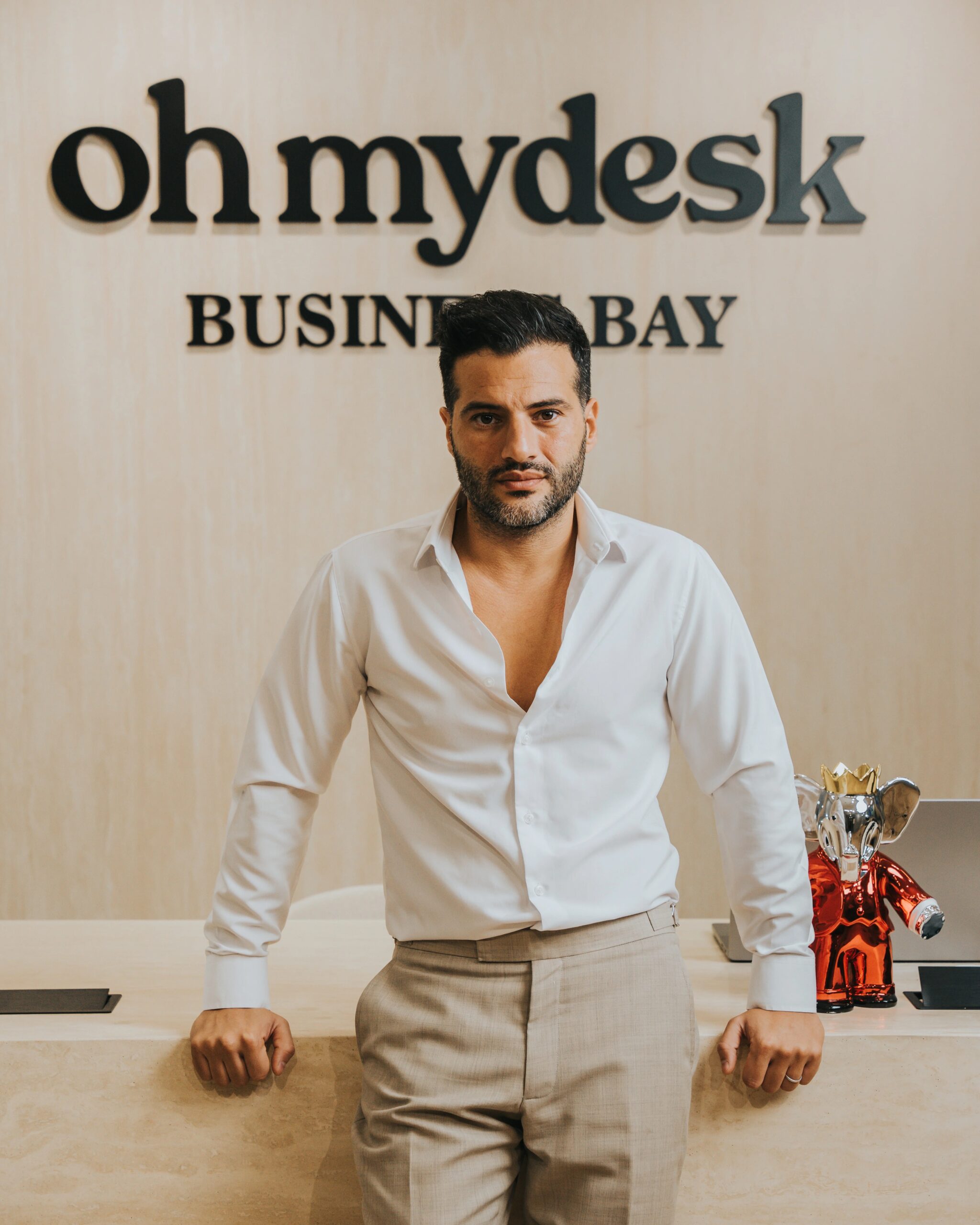
    In Dubai’s competitive business landscape, where grandeur often overshadows functionality, Oh My Desk emerges as a transformative force in the coworking sector. Founded by entrepreneur Guillaume Rassemi, this innovative business center challenges conventional office models by prioritizing human-centered design over superficial extravagance.

    The concept originated from Rassemi’s personal frustration with existing workspaces that prioritized aesthetics over practicality. “Most offices were built either to impress visitors or to maximize square meters,” Rassemi explains. “Very few were designed around how people actually live and work every day.” This realization sparked the creation of workspaces that balance professional functionality with homely comfort.

    Oh My Desk’s distinctive approach manifests through carefully calibrated environments featuring warm materials, natural lighting, and functional layouts that foster concentration rather than distraction. The company consciously avoids both sterile minimalism and over-designed theatricality, instead crafting spaces where professionals can thrive long-term.

    Beyond physical infrastructure, Oh My Desk redefines community building in coworking environments. Unlike venues that force networking, this establishment cultivates organic relationships through thoughtfully designed common areas and optional events. This authentic approach has generated genuine collaborations among its diverse membership of entrepreneurs, consultants, creatives, and international teams.

    Strategically located in Dubai’s prime business districts—Downtown Dubai and Business Bay—the company offers fully serviced private offices, flexible contracts, and all-inclusive pricing. This model particularly appeals to scaling businesses and international companies entering the UAE market, providing operational flexibility without compromising on security or professional standards.

    The leadership combination of Rassemi’s strategic vision and co-founder Amir Mottaghi’s architectural expertise ensures both operational excellence and timeless design. Their disciplined expansion strategy focuses on sustainable growth across the GCC region, with planned locations in Abu Dhabi and Saudi Arabia.

    Oh My Desk’s upcoming flagship in Dubai Design District, featuring a panoramic rooftop space, represents the culmination of their philosophy—demonstrating that in a city known for excess, restraint and human-centered design can become powerful competitive advantages.
  • Luxury dining on a budget? Here are 11 restaurant deals perfect for Valentine’s Day

    Luxury dining on a budget? Here are 11 restaurant deals perfect for Valentine’s Day

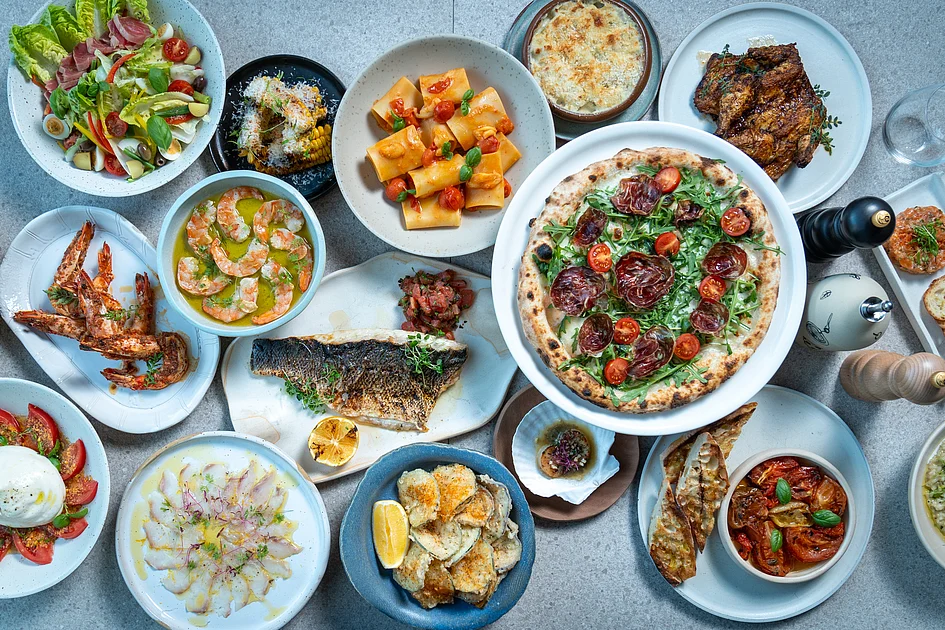
    Romantic fine dining experiences across the UAE no longer require extravagant spending, as numerous acclaimed restaurants now offer premium culinary journeys at accessible price points. From Michelin-recognized establishments to waterfront venues, these 11 carefully curated deals demonstrate how couples can enjoy exceptional gastronomy while maintaining budgetary consciousness.

    Abu Dhabi’s culinary scene shines with Hakkasan’s Cantonese Treasure lunch, featuring signature dim sum baskets with black truffle mushroom and wagyu beef truffle options starting at AED 128. The Michelin-noted establishment maintains its prestigious reputation while offering Saturday lunch service from 12pm to 3:30pm at Emirates Palace Mandarin Oriental.

    Japanese cuisine enthusiasts can experience 99 Sushi Bar & Restaurant’s express 10-course Omakase business lunch for AED 199. This Michelin-starred venue presents signature A8 Wagyu Gyozas, Hamachi Maki, and Black Cod selections from Monday to Friday, earning recognition for blending classical and modern techniques with premium ingredients.

    Dubai’s Indikaya presents a remarkable three-course business lunch starting at AED 99, crafted under Chef Hemant Oberoi’s culinary mastery. The Michelin and Gault&Millau-recognized restaurant offers modern interpretations of Indian flavors including Butter Chicken, Mutton Tariwala, and Paneer Makhani at Shangri-La Dubai.

    Fi’lia redefines Italian dining with three-tiered business lunch options beginning at AED 105. The female-led team on the 70th floor of SLS Dubai offers panoramic city views alongside homemade pasta and risotto dishes, featured among Michelin’s best Italian restaurants in Dubai.

    Additional standout offerings include Mijana’s seafood night at Ritz Carlton Abu Dhabi (AED 325), Taparelle’s alfresco Italian lunch at Manarat Al Saadiyat (AED 85), and Cove Rotana’s brunch-cation package with beach access (from AED 210). The Intercontinental Ras Al Khaimah presents steak frites nights for two at AED 250, while MOLI By SHI offers redesigned contemporary Chinese night brunches from AED 275.

    Korean culinary excellence emerges at HANU’s Hansang Lunch (AED 195) featuring shared dishes and premium grill selections, and IKKA’s ladies night provides Japanese-Peruvian fusion experiences with live portrait artistry from AED 99.

    These diverse offerings demonstrate the UAE’s evolving culinary landscape, where luxury dining experiences become increasingly accessible without compromising quality or atmosphere.

  • Venezuelan MPs approve bill to open up oil sector to private firms

    Venezuelan MPs approve bill to open up oil sector to private firms

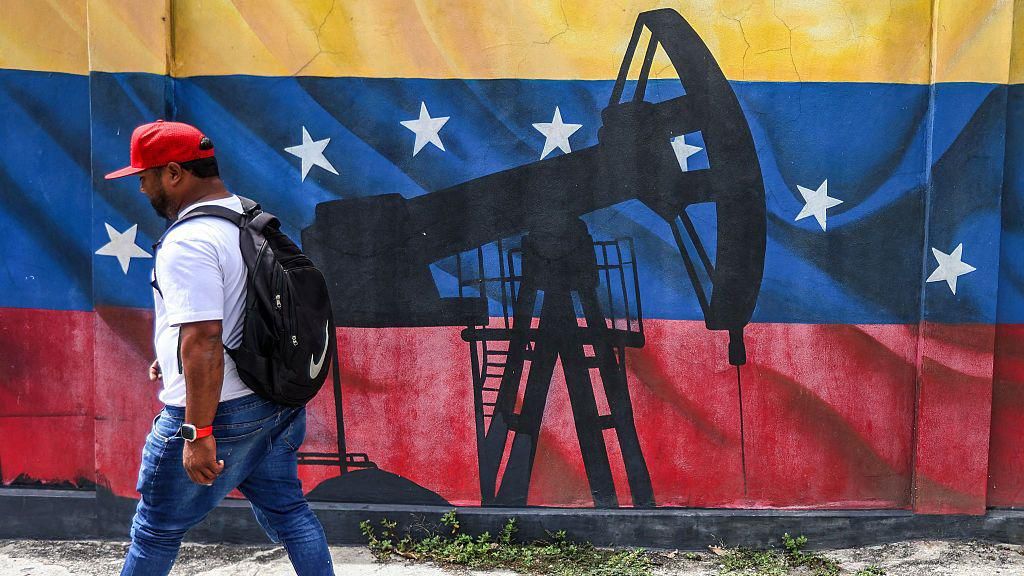
    Venezuela’s National Assembly has passed a transformative reform of its hydrocarbons legislation, marking a significant policy shift that grants private enterprises—including international firms—greater operational autonomy within the nation’s oil industry. The legislative overhaul, which received approval from lawmakers aligned with former President Nicolás Maduro, is poised to reshape the investment landscape in a country possessing the world’s largest proven oil reserves.

    Interim President Delcy Rodríguez, who assumed leadership following Maduro’s detention during a U.S. military operation earlier this month, is expected to formally enact the legislation. This move represents a substantial departure from the state-centric model established under former leader Hugo Chávez in 2006, which had progressively tightened governmental control over petroleum operations.

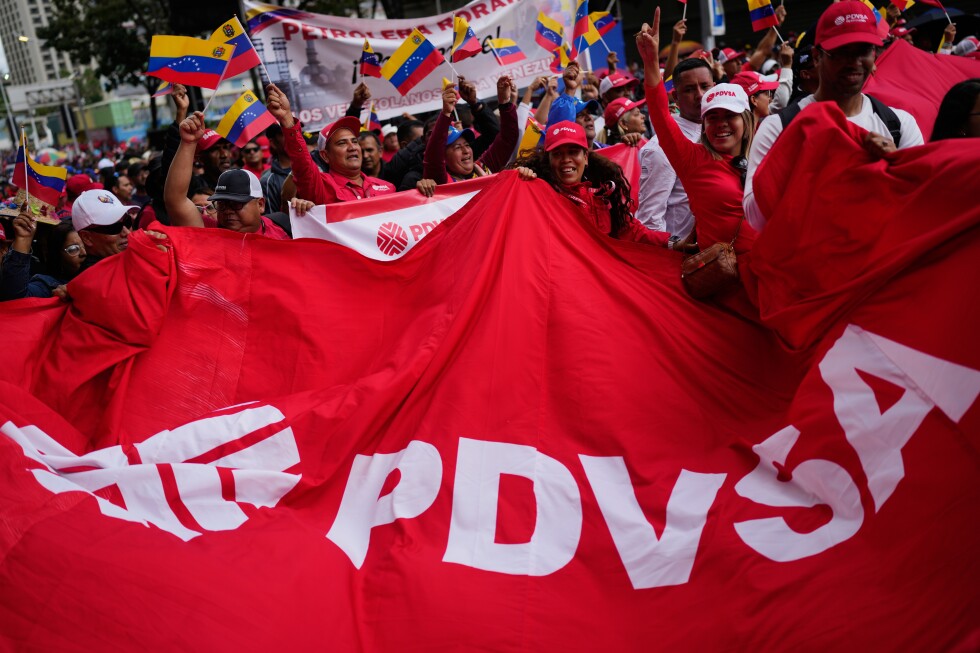
    The reformed framework eliminates previous requirements mandating state-owned PDVSA to maintain majority stakes in joint ventures, thereby allowing foreign companies to exercise enhanced management control and obtain direct access to revenue streams from oil production. This structural change addresses longstanding investor concerns regarding contractual autonomy and financial transparency.

    This legislative development occurs amidst ongoing negotiations between Washington and Caracas concerning the sale of sanctioned Venezuelan crude oil. The United States has authorized the export of tens of millions of barrels, with proceeds being channeled into a Qatar-based account subject to U.S. oversight. These funds are designated for essential public services including law enforcement, sanitation infrastructure, and medical procurement.

    Industry analysts note that the reform could catalyze the return of international energy companies that largely withdrew from Venezuela following nationalization measures and subsequent contractual disputes. While Chevron has maintained operations through special U.S. licensing arrangements, numerous other firms seek compensation for previous contract alterations.

    Despite Venezuela’s immense petroleum potential, the sector has suffered from chronic underinvestment, infrastructure deterioration, and comprehensive international sanctions. The new legal framework aims to counter these challenges by creating a more attractive environment for foreign capital and technical expertise.

  • Australian Open: Supreme Sabalenka and Rybakina set up final showdown

    Australian Open: Supreme Sabalenka and Rybakina set up final showdown

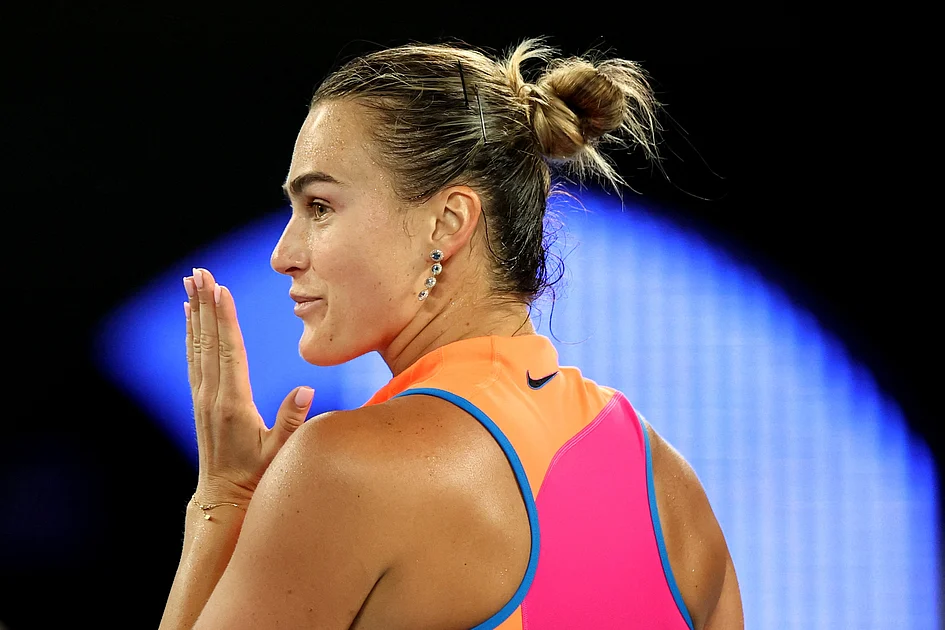
    Melbourne witnessed two commanding performances on Thursday as Aryna Sabalenka and Elena Rybakina powered through their respective semifinal matches to arrange a highly anticipated championship showdown at the Australian Open.

    World number one Sabalenka demonstrated why she reigns supreme at Melbourne Park, securing her fourth consecutive final appearance with a decisive 6-2, 6-3 victory over Ukrainian challenger Elina Svitolina. The Belarusian powerhouse delivered a masterclass in aggressive baseline tennis, overwhelming her opponent with relentless power and precision.

    Meanwhile, Wimbledon champion Elena Rybakina battled through a tense encounter against American Jessica Pegula, ultimately prevailing 6-3, 7-6(7) in a hard-fought contest that showcased her resilience under pressure. The Russian-born Kazakh player’s victory sets up a blockbuster rematch of the 2023 final against her familiar rival Sabalenka.

    The semifinal between Sabalenka and Svitolina carried additional significance beyond tennis, occurring against the backdrop of ongoing geopolitical tensions following Russia’s invasion of Ukraine, for which Belarus has served as a staging ground. Since 2022, players from Russia and Belarus have competed as neutral athletes in Grand Slam events.

    Sabalenka’s achievement places her among tennis legends, becoming only the third woman in the professional era to reach four consecutive Australian Open finals, joining Evonne Goolagong Cawley and Martina Hingis in this exclusive club. The top seed now seeks her third Australian Open title in four years and her fifth Grand Slam trophy overall.

    Rybakina’s path to the final proved more challenging as she faced determined resistance from Pegula, who saved three match points before succumbing in a tiebreak. The victory continues Rybakina’s impressive form after she concluded her 2025 season by defeating Sabalenka to claim the WTA Finals trophy.

    The stage is now set for what promises to be an electrifying championship match between two of women’s tennis most formidable competitors, both seeking to add another major title to their growing legacies.

  • Midland Doctors celebrates 20 years of service at gala dinner in Dubai

    Midland Doctors celebrates 20 years of service at gala dinner in Dubai

    DUBAI – Midland Doctors commemorated its 20th anniversary of humanitarian medical service with a celebratory gala at Park Hyatt Dubai, gathering nearly 400 attendees including healthcare professionals, organizational partners, philanthropic donors, and longstanding supporters. The event served as both a retrospective on two decades of achievement and a forward-looking platform for future initiatives.

    The organization highlighted the operational significance of its MDMI Hospital in Tandali, Muzaffarabad, which has served as a clinical cornerstone for 13 years. Executive leadership announced substantial developments including the inauguration of a new Blood Bank to enhance emergency care capabilities and a specialized Orthopedic Department dedicated to trauma treatment and rehabilitation services. Additional plans were unveiled for expanding the Pediatric Emergency Department to accelerate critical care for young patients.

    Chairman Syed Yusuf Iftikhar emphasized the ongoing commitment to vulnerable communities, detailing programs in Nur Goth that provide free healthcare and daily nutritious meals to schoolchildren alongside educational partnerships with The Citizen Foundation. The organization’s Child Nutrition Program in Mirpur addresses pediatric malnutrition through comprehensive support systems and community involvement.

    The gala fostered significant engagement, with numerous attendees expressing interest in volunteer opportunities and collaborative growth strategies. Chairman Iftikhar concluded: “This celebration honors our historical accomplishments while reinforcing our dedication to ethical, compassionate, and accessible healthcare for marginalized populations, particularly children and expectant mothers.”

    Midland Doctors continues its mission through MDMI Hospital and community-based health initiatives across underserved regions.

  • Usman Nurmagomedov, Alfie Davis among PFL stars to visit Global Village in February

    Usman Nurmagomedov, Alfie Davis among PFL stars to visit Global Village in February

    Dubai’s Global Village is poised to become an unexpected hub for combat sports enthusiasts as it prepares to host an exclusive Professional Fighters League (PFL) open workout event on February 4, 2026. This landmark occasion marks the first time the renowned family destination will showcase world-class mixed martial artists in preparation for the upcoming PFL Championship at Coca-Cola Arena on February 7.

    The event will feature elite fighters including undefeated phenom Usman Nurmagomedov, British standout Alfie Davis, and rising stars Ramazan Kuramagomedov and Shamil Musaev. Attendees will witness live training demonstrations featuring light grappling sessions and pad work under the guidance of veteran commentator Dan Hardy, who will host the MC-led program on the main stage commencing at 6:15 PM.

    This innovative crossover event bridges the gap between elite athletic competition and public accessibility, offering fans unprecedented proximity to combat sports superstars. Global Village continues its 30th season offering with 30 international pavilions representing over 90 cultures, complemented by 3,500 retail outlets and 250 dining establishments alongside 200 amusement rides at Carnaval.

    Admission remains affordable with weekday tickets priced at Dh25 (Sunday-Thursday, excluding holidays) and general admission at Dh30. The venue maintains its policy of complimentary entry for children under three, seniors above 65, and people of determination.

  • Turkey deploys F-16 jets to Somalia as it strengthens economic ties

    Turkey deploys F-16 jets to Somalia as it strengthens economic ties

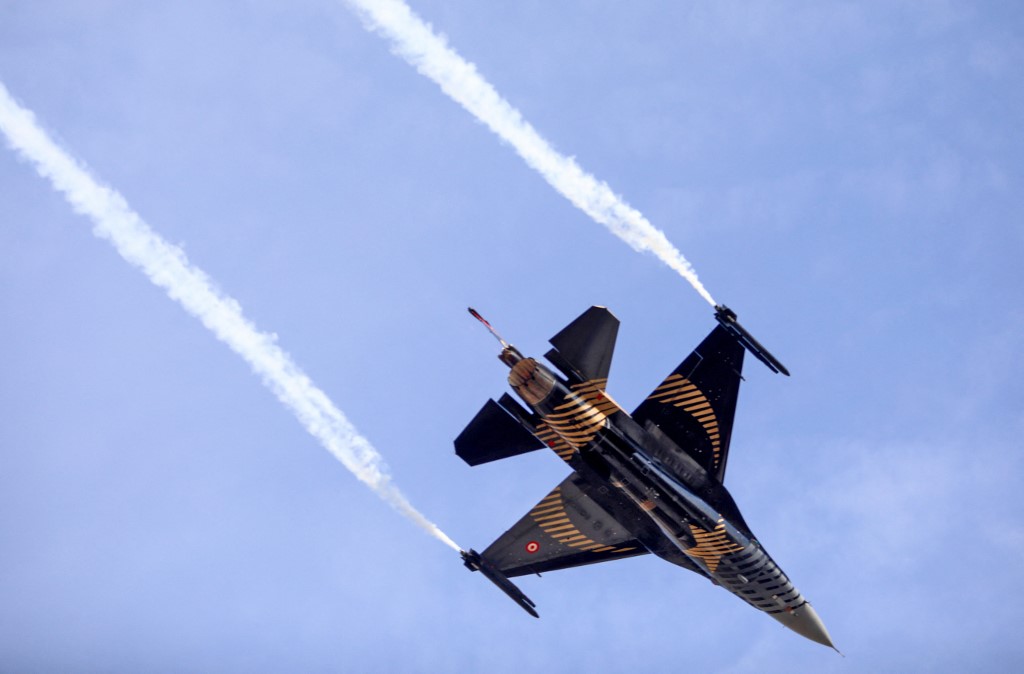
    In a significant strategic move, Turkey has positioned three F-16 fighter jets at Mogadishu’s international airport, marking a substantial escalation of its military and economic footprint in Somalia. This deployment, confirmed on Wednesday, follows months of construction activity at the airport where Turkish engineers have built new hangars and prepared facilities to host the advanced aircraft.

    According to Somali officials and analysis of satellite imagery, the military buildup has been underway since at least September, supported by numerous Turkish cargo flights suspected of delivering essential spare parts and ammunition. While Turkey’s defense ministry declined specific commentary, ministry sources acknowledged maintaining an active air command presence in Somalia, emphasizing their role in enhancing Somalia’s counterterrorism capabilities through training and advisory support.

    This military expansion directly supports Turkey’s broader economic ambitions in the region. Reliable sources indicate the fighter jet deployment precedes Ankara’s planned dispatch of an oil exploration platform to commence offshore drilling later this year. Concurrently, plans are advancing for a spaceport project in northern Mogadishu, signaling Turkey’s multidimensional investment strategy.

    The timing of Turkey’s enhanced military presence coincides with growing regional tensions following Israel’s recent recognition of breakaway Somaliland. Ankara has explicitly reaffirmed its commitment to Somalia’s territorial integrity through formal statements from its National Security Council, the nation’s top defense oversight body.

    Turkey’s deepening engagement extends beyond military cooperation. The recent appointment of Brigadier General Ibrahim Mohamed Mohamud—a Turkish-educated officer with training at Turkey’s Defence University—as commander of Somalia’s National Army illustrates the extensive institutional ties between the nations.

    This deployment builds upon Turkey’s established military assistance, which previously included armed drones and attack helicopters transferred to Somali forces. The comprehensive defense agreement signed in February 2024 further commits Turkey to assisting Somalia in establishing a naval force, with two utility helicopters already delivered to the Somali navy.

    Since 2011, Turkey has invested heavily in Somalia’s infrastructure and humanitarian needs, constructing the world’s largest embassy in Mogadishu, providing over $1 billion in drought relief, and managing critical infrastructure including the city’s airport and port. The Turksom military base has trained approximately one-third of Somalia’s military personnel, cementing Turkey’s role as a primary security partner in the Horn of Africa.

  • Trump says Putin will not attack Ukraine cities during cold week

    Trump says Putin will not attack Ukraine cities during cold week

    In a significant diplomatic development, U.S. President Donald Trump has announced that Russian President Vladimir Putin has agreed to temporarily halt military attacks on Kyiv and other Ukrainian urban centers for one week. The purported ceasefire, attributed by Trump to “extraordinary cold” weather conditions, represents a potential humanitarian reprieve for millions of Ukrainians enduring brutal winter temperatures.

    Speaking during a televised cabinet meeting in Washington DC, Trump revealed he personally requested the military pause from Putin. “I asked President Putin not to fire into Kyiv and the various towns for a week, and he agreed to do that,” Trump stated, characterizing the exchange as unexpectedly productive despite skepticism from advisors.

    The announcement comes as meteorological forecasts predict temperatures in the Ukrainian capital plummeting to -24°C (-11°F) in coming days, creating dangerously cold conditions for civilians already struggling with damaged infrastructure. Russia has not officially confirmed any such agreement, maintaining its characteristic silence on diplomatic communications.

    Ukrainian President Volodymyr Zelensky responded positively to Trump’s announcement via social media, describing it as an “important statement” regarding security provisions during extreme winter conditions. Zelensky indicated that discussions on this matter had occurred during recent trilateral talks in the United Arab Emirates, expressing expectation that agreements would be implemented.

    According to sources familiar with the negotiations, Ukraine has reportedly agreed to reciprocate by temporarily suspending its attacks on Russian oil refineries, suggesting a potential mutual de-escalation arrangement. This development follows the first trilateral talks between Russian, Ukrainian, and U.S. negotiators since the conflict began in 2022, which all parties previously characterized as constructive though without concrete announcements.

    The potential pause offers critical relief for Ukraine’s energy infrastructure, which has suffered intensified Russian attacks during winter months. Previous assaults have crippled power supplies to major cities, leaving millions without heating or electricity despite round-the-clock repair efforts by electrical companies. Even when power is restored, supply typically lasts only a few hours—sufficient for charging devices but inadequate for substantially warming homes.

  • Border tsar Homan promises a ‘draw down’ of forces in Minneapolis

    Border tsar Homan promises a ‘draw down’ of forces in Minneapolis

    The White House announced a partial reduction of federal immigration forces in Minneapolis on Thursday following fatal shootings that claimed the lives of two American citizens, though officials emphasized the administration remains committed to its immigration enforcement mission.

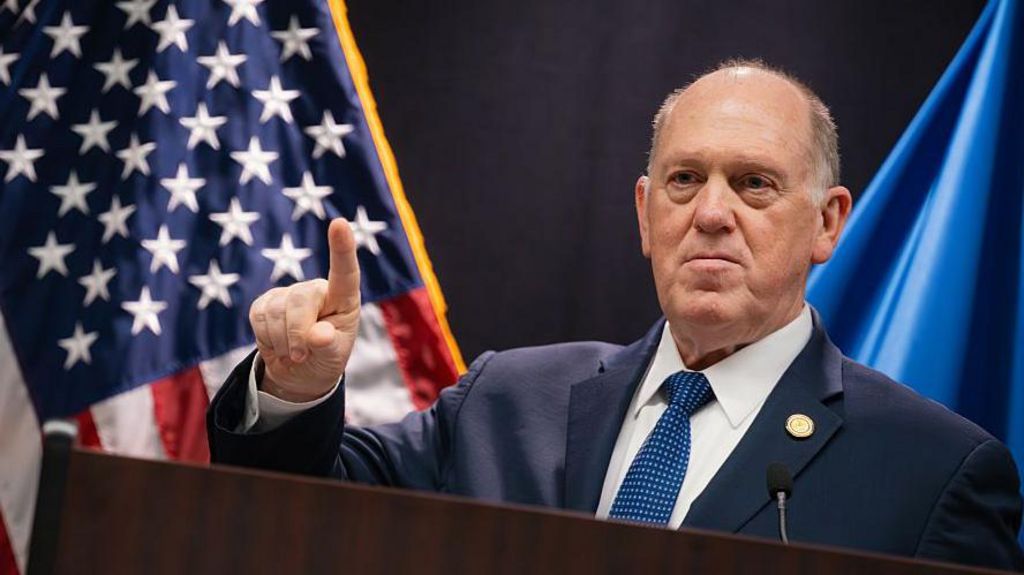
    Tom Homan, the administration’s border operations lead, confirmed the planned drawdown during a press conference in Minneapolis while maintaining that federal authorities would continue their operations with modified tactics. “The draw down is going to happen,” Homan stated, “We are not surrendering our mission at all. We’re just doing it smarter.”

    The announcement comes amid escalating tensions following the deaths of Renee Good and Alex Pretti, who were killed by federal agents implementing President Trump’s immigration crackdown this month. Their deaths have triggered widespread protests across Minneapolis, national outrage, and bipartisan calls for the removal of certain administration officials.

    Minnesota Governor Tim Walz and Minneapolis Mayor Jacob Frey, both Democrats, have demanded complete withdrawal of federal agents from the state’s capital region. The state has simultaneously pursued legal action, petitioning a federal judge to halt “Operation Metro Surge”—a initiative deploying approximately 3,000 immigration, border patrol, and Department of Homeland Security (DHS) personnel.

    Homan indicated that operational adjustments would be contingent on the level of cooperation from state and local authorities, though he noted the administration opposed certain unspecified demands from Minnesota officials. The federal response will become more “targeted,” according to Homan, though he provided no specific details regarding the scale or timeline of the planned reduction.

    The situation has created political ramifications extending beyond Minnesota. Senate Democrats have threatened a partial government shutdown if spending legislation includes new funding for DHS, while seven Senate Republicans joined Democrats in blocking a procedural vote on the spending bill. Legislative negotiations are currently underway to potentially separate DHS funding from the broader spending package.

    Meanwhile, Mayor Frey reported that federal forces in Minneapolis number between 3,000-4,000 personnel, significantly outnumbering the city’s 600 local police officers. He described accounts of citizens being “indiscriminately pulled off the street” and targeted based on ethnic appearance rather than legal justification.

    The administration has defended its immigration enforcement measures, citing improved border security and targeting of undocumented immigrants for deportation as contributing to national safety. According to documents obtained by CBS News, Immigration and Customs Enforcement (ICE) conducted over 480,000 deportations during Trump’s first year back in office—exceeding the previous record set during the Obama administration.

  • Venezuelan lawmakers approve easing state control of oil industry

    Venezuelan lawmakers approve easing state control of oil industry

    Venezuela’s National Assembly has enacted landmark legislation to privatize its oil industry, marking a historic reversal of the socialist policies that defined the nation’s energy sector for over two decades. The sweeping reform, approved Thursday, comes less than a month after the dramatic capture of former President Nicolás Maduro during a U.S. military operation in Caracas.

    The new energy framework, now awaiting signature from Acting President Delcy Rodríguez, fundamentally restructures Venezuela’s approach to oil production and investment. The legislation grants private corporations unprecedented control over petroleum extraction and sales while introducing independent arbitration mechanisms for dispute resolution—a crucial safeguard demanded by international investors.

    The Rodríguez administration designed these changes to reassure major U.S. energy companies that have remained hesitant about re-entering Venezuela’s volatile market. Many firms suffered substantial losses when the government nationalized oil assets under former leader Hugo Chávez in 2006.

    Key provisions include a revised taxation structure that caps royalty rates at 30%, with flexibility for the executive branch to adjust percentages based on project-specific factors including capital requirements and market competitiveness. The legislation additionally removes the previous mandate requiring all legal disputes to be settled exclusively in Venezuelan courts, which foreign investors viewed as susceptible to political influence.

    Orlando Camacho, head of the assembly’s oil committee, hailed the reform as an economic game-changer that “will change the country’s economy.” Meanwhile, opposition lawmaker Antonio Ecarri advocated for enhanced transparency measures, including public disclosure platforms to combat systemic corruption. “Let the light shine on in the oil industry,” Ecarri urged during legislative debates.

    This policy shift represents a stark departure from the Chávez-era doctrine that established state-owned PDVSA as the mandatory majority stakeholder in all major petroleum projects. That previous model, funded by record-high global oil prices in the early 2000s, eventually collapsed due to price volatility, governmental mismanagement, and crippling international sanctions. The subsequent economic crisis prompted over 7 million Venezuelans to flee the country since 2014.

    The current reforms aim to attract foreign capital and technical expertise to revitalize an industry holding the world’s largest proven crude reserves—a strategic priority for the interim government as it seeks to stabilize Venezuela’s devastated economy.