博客

  • Iran war has blocked the Strait of Hormuz, a vital oil chokepoint. Reopening it is a big challenge

    Iran war has blocked the Strait of Hormuz, a vital oil chokepoint. Reopening it is a big challenge

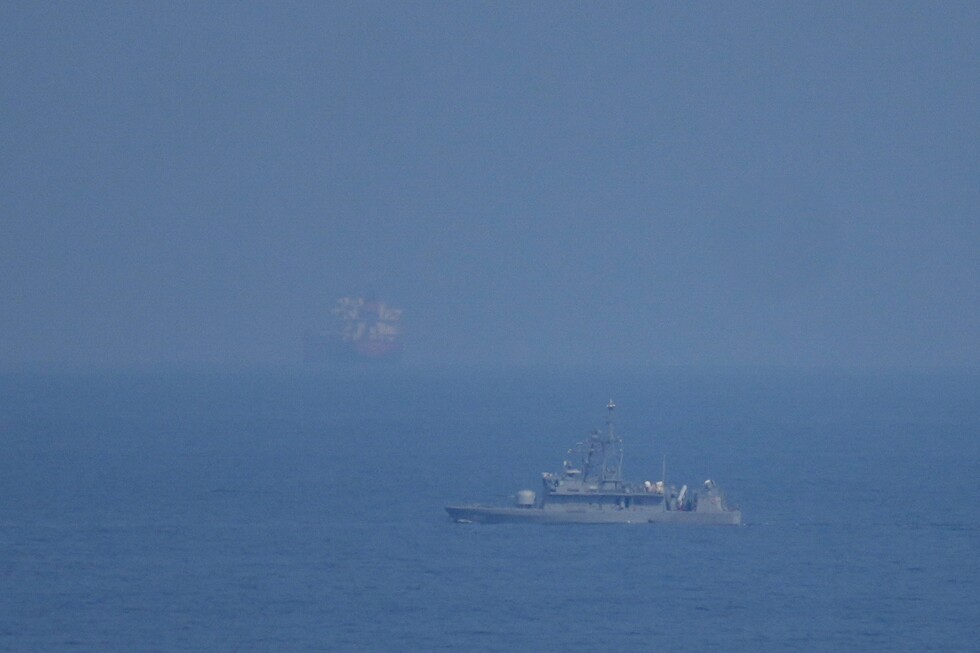
    The ongoing conflict in Iran has triggered a severe global energy crisis through the effective closure of the Strait of Hormuz, sending gasoline prices skyrocketing worldwide. This narrow maritime passage, vital for approximately 21 million barrels of oil daily, represents one of the most critical chokepoints for global energy transportation.

    French President Emmanuel Macron is spearheading international efforts to develop contingency plans for reopening the strategic waterway once hostilities subside. The proposed solution involves multinational naval forces providing armed escorts for commercial tankers and container vessels. However, military experts warn that any attempt to force reopening during active combat operations would prove catastrophic.

    Retired French Vice Admiral Pascal Ausseur characterized such efforts as “suicidal” under current conditions, noting that only a formal ceasefire could reduce the threat level from “suicidal to dangerous.” Naval strategists emphasize that the narrow shipping lanes leave vessels virtually defenseless against Iran’s sophisticated anti-ship capabilities.

    The international naval community has gained valuable experience from Red Sea operations against Houthi rebels, where French, American, and British forces successfully defended commercial shipping from drone and missile attacks. French frigates notably intercepted ballistic missiles while escorting container ships in 2024. However, experts unanimously agree that Iran presents a far greater threat than its Yemeni proxies, possessing advanced Chinese-developed anti-ship cruise missiles, drones, and naval mines that can target vessels throughout the strait and its approaches.

    Beyond military challenges, the economic viability of resuming shipments faces significant hurdles. Insurance premiums for Hormuz transit have reached unprecedented levels, described by France’s transport minister as “insane.” Maritime insurers indicate that rates for oil tankers now approach those charged for Ukrainian grain shipments during the Russia conflict. Industry experts note that even with naval protection, shipping companies cannot operate profitably with current insurance costs, creating a critical barrier to resuming energy flows through the region.

    Military analysts conclude that comprehensive elimination of Iran’s coastal offensive capabilities, coupled with continuous surveillance and intelligence operations, must precede any safe reopening attempt—a scenario unlikely to materialize in the immediate future.


  • America’s AI boom powering electricity squeeze

    America’s AI boom powering electricity squeeze

    A dramatic surge in electricity demand from artificial intelligence infrastructure is triggering a national energy crisis across the United States, creating unprecedented strain on power grids and escalating economic pressures on businesses and households alike.

    The alarming trend manifests in shocking utility bills, exemplified by Artisanal Brew Works in Saratoga Springs, New York, where co-owner Kurt Borchardt witnessed his electricity bill suddenly double with a $3,000-$4,000 monthly increase. This devastating cost spike has become the brewery’s second-largest expense after rent, severely compressing margins during an already challenging slow season.

    This individual case reflects a broader national pattern. Recent data from the U.S. Bureau of Labor Statistics reveals electricity prices surged 6.3% year-over-year in January, dramatically outpacing the overall inflation rate of 2.4%. The accelerating adoption of AI technologies has created an insatiable appetite for computational power, driving exponential growth in data center electricity consumption.

    According to Lawrence Berkeley National Laboratory, data centers accounted for 4.4% of total U.S. electricity consumption in 2023, projected to reach between 6.7% and 12% by 2028. In absolute terms, consumption has tripled from 58 terawatt-hours in 2014 to 176 TWh in 2023, with projections indicating potential growth to 580 TWh within four years—equivalent to powering over 50 million American households annually.

    The infrastructure implications are staggering. PJM Interconnection, serving 13 states and Washington D.C., recently reported its capacity auction fell 6,623 megawatts short of reliability requirements for 2027/2028. This supply-demand imbalance underscores the grid’s inability to keep pace with technology-driven consumption patterns.

    Economic consequences are already materializing. “Higher energy costs will act as a drag on growth and competitiveness for US firms and heighten affordability issues facing US households,” warned Aaron Pacitti, economics professor at Siena University. He emphasized that since electricity represents an inelastic good, these price increases will continue exerting upward pressure on inflation.

    The crisis exposes critical infrastructure vulnerabilities. The U.S. Department of Energy notes that over 70% of transmission lines exceed 25 years old, requiring substantial upgrades that haven’t kept pace with evolving demands. Extreme weather events further compound these systemic weaknesses.

    Internationally, China faces similar challenges but adopts a different approach, directing new data centers to regions with abundant renewable resources. Researcher Kyle Chan from the Brookings Institution notes China generates twice America’s electricity with nearly 6% annual growth, over half from clean energy sources.

    Solutions remain complex. While some experts suggest data centers develop dedicated power generation, such proposals face regulatory hurdles. Without significant acceleration in generation capacity and grid investment, electricity prices will likely maintain upward pressure, influencing both economic conditions and political debates for years to come.

  • Floods and landslides kill 30 in southern Ethiopia

    Floods and landslides kill 30 in southern Ethiopia

    A catastrophic weather event has struck Ethiopia’s Gamo Zone, resulting in at least 30 fatalities from devastating floods and landslides. The disaster occurred after days of torrential rainfall saturated highland slopes, causing them to collapse without warning.

    Regional authorities confirmed that the most severe impact was concentrated in elevated areas where unstable terrain succumbed to water pressure. The town of Arba Minch and surrounding districts have endured two consecutive days of relentless downpours, inflicting substantial damage to residential properties, critical infrastructure, and agricultural lands.

    Southern Ethiopia Regional State President Tilahun Kebede expressed official condolences via social media, stating: “On behalf of the regional government, I convey profound grief over the tragic loss of our citizens in these climate-induced disasters.”

    The crisis forms part of a broader weather emergency affecting East Africa, with neighboring Kenya reporting similar fatalities. Meteorological experts attribute the intensifying storm patterns to climate change, noting a documented increase in both extreme precipitation events and prolonged droughts across the region over the past twenty years.

    Emergency response teams are currently monitoring the situation as mudslides have obstructed major transportation routes and submerged multiple bridges. Officials have issued renewed warnings about potential additional flooding, urging vulnerable communities to exercise extreme vigilance.

    This tragedy echoes previous disasters in the region, including a July 2024 landslide in Geze Gofa Zone that claimed over 229 lives, highlighting the recurring vulnerability of East African nations to extreme weather events.

  • Young people expect little change as the Republic of Congo heads to a presidential election

    Young people expect little change as the Republic of Congo heads to a presidential election

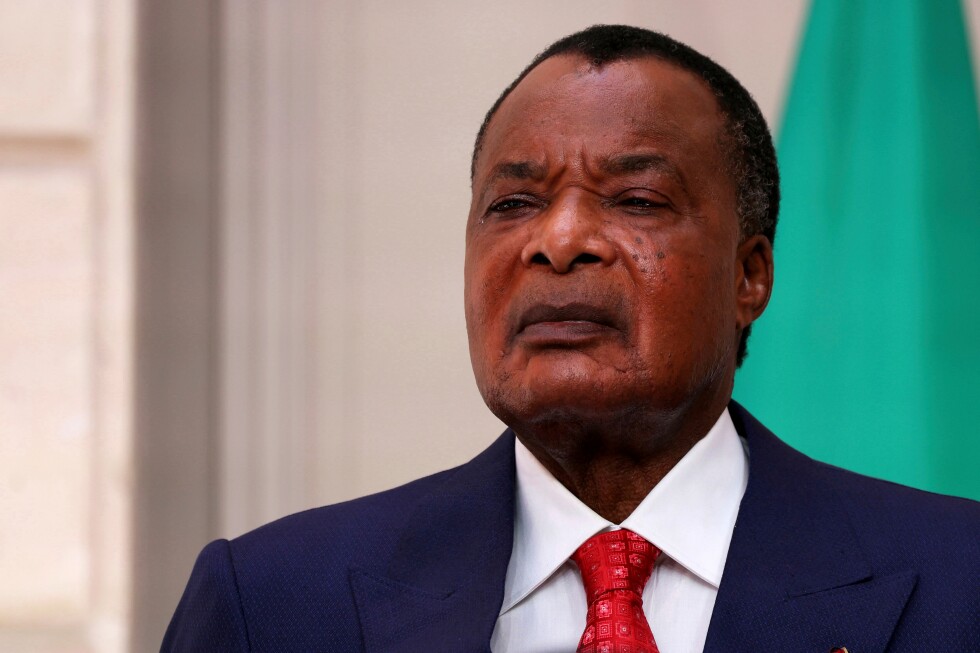
    BRAZZAVILLE, Republic of Congo — As the Republic of Congo prepares for its presidential election this weekend, political analysts anticipate a predetermined outcome with incumbent President Denis Sassou N’Guesso poised to secure another term against a fragmented opposition. The 82-year-old leader, who has governed this Central African nation for a cumulative 42 years, faces minimal challenge from six opposition candidates in an electoral process characterized by widespread public disillusionment.

    Sassou N’Guesso’s political dominance stems from a complex history: initially taking power in 1979, he briefly lost office after finishing third in the 1992 election before reclaiming control through militia leadership following the 1997 civil war. Constitutional amendments in 2015 eliminated presidential age and term limits, effectively cementing his eligibility for perpetual reelection. He currently ranks as Africa’s third-longest serving ruler, trailing only Cameroon’s Paul Biya and Equatorial Guinea’s Teodoro Obiang Nguema Mbasogo.

    The election unfolds against a backdrop of severe economic challenges. Despite the country’s oil wealth, the World Bank reports youth unemployment (ages 15-24) at 41%—nearly double the national average—while the debt-to-GDP ratio has reached 95.4%. This economic distress has fueled electoral apathy, particularly among young citizens who perceive the voting process as meaningless.

    Macaire Epoha, a 38-year-old mathematician working odd jobs in Brazzaville, expressed the prevailing sentiment: “N’Guesso will be re-elected with his usual scores, which are close to 80%. The elections have no bearing on young people.” Similarly, geography graduate Cyprien Massamba, who has driven a taxi for a decade, plans to boycott the election to draw international attention to the nation’s economic crisis.

    Remadji Hoinathy, senior researcher at the Institute for Security Studies, notes that the election primarily serves to “legitimize power without competition.” Opposition candidates face systematic marginalization through intimidation tactics and alleged electoral manipulation, with two major opposition figures already boycotting the process.

    Looking beyond the imminent election, political observers highlight the looming succession question. Given Sassou N’Guesso’s advanced age, this term may represent his final tenure. Attention increasingly focuses on his 51-year-old son, Denis-Christel Sassou Nguesso, currently serving as Minister of International Cooperation, who appears positioned as the political heir.

    Despite campaign promises to accelerate development and agricultural modernization, the government’s message fails to resonate with a population where 47% are under 18. As 28-year-old job seeker Coretta Imongui noted: “The system is locked down by the old guard. However, they will not live forever. I still have hope for my children and grandchildren.”

  • Zelensky sends drone teams to Middle East, touting Ukraine’s expertise

    Zelensky sends drone teams to Middle East, touting Ukraine’s expertise

    In a significant geopolitical shift, Ukraine is now exporting its hard-earned military expertise to Western and Middle Eastern allies, deploying specialist teams to assist in countering Iranian drone threats. President Volodymyr Zelensky confirmed the dispatch of Ukrainian military, intelligence, and defense officials to Qatar, the United Arab Emirates, Saudi Arabia, and Jordan following formal requests for assistance. This development marks a dramatic reversal from Ukraine’s longstanding position as a recipient of international military aid.

    Zelensky emphasized that Ukraine possesses ‘the world’s most extensive practical experience in neutralizing attack drones,’ a capability forged through over four years of relentless aerial assaults from Russia. The Ukrainian approach, which utilizes cost-effective, mass-produced interceptor drones to eliminate incoming threats, offers a financially sustainable alternative to deploying million-dollar missiles against inexpensive Iranian Shahed drones.

    This cooperation carries substantial diplomatic implications for Ukraine, which seeks to strengthen ties with Gulf nations that have previously maintained neutrality in the Russia-Ukraine conflict. National Security and Defense Council Secretary Rustem Umerov is leading negotiations for ‘concrete agreements’ that would formalize these defense partnerships.

    President Zelensky explicitly framed the assistance as reciprocal, stating that nations receiving Ukrainian expertise must continue supporting Ukraine’s defense needs—particularly enhanced air defense systems like Patriot batteries capable of intercepting Russia’s advanced missiles. The strategy serves dual purposes: generating crucial revenue for Ukraine’s depleted military coffers through arms sales while cultivating strategic alliances.

    Despite the diplomatic advantages, the initiative faces domestic criticism regarding resource allocation amid ongoing conflict needs. The presidential office acknowledged that a similar drone defense proposal was declined by the US a year ago, highlighting evolving perceptions of Ukrainian capabilities. This development directly counters former President Donald Trump’s assertions that Ukraine held ‘no cards’ in international negotiations, with Zelensky suggesting his administration had strategically withheld certain capabilities until their value was fully recognized.

    The assistance packages currently under discussion do not involve US direct funding, as the Trump administration has significantly reduced military aid to Ukraine. Instead, European allies are procuring US-made defense systems for subsequent transfer to Kyiv, though deliveries have proceeded slower than required for comprehensive air defense coverage.

  • Oil jumps, stocks drop as Mideast war prolongs market volatility

    Oil jumps, stocks drop as Mideast war prolongs market volatility

    Global financial markets experienced significant turbulence on Wednesday as escalating Middle East hostilities continued to drive volatile trading patterns. Crude oil prices surged dramatically while equity markets predominantly retreated, reflecting investor anxiety over prolonged regional conflict.

    Energy markets witnessed substantial fluctuations with Brent North Sea Crude climbing 4.2 percent to $91.50 per barrel and West Texas Intermediate rising 4.3 percent to $87.03. These movements occurred against a backdrop of renewed attacks on commercial vessels in the Gulf region, though coordinated strategic petroleum reserve releases by several nations helped moderate price spikes.

    European equity indices demonstrated consistent declines, with London’s FTSE 100 dropping 0.8 percent, Paris’s CAC 40 falling 0.7 percent, and Frankfurt’s DAX decreasing 1.2 percent. Asian markets presented a more mixed picture, as Tokyo’s Nikkei 225 gained 1.4 percent and Seoul’s KOSPI finished higher despite both indices experiencing some of the most pronounced swings since the crisis initiation.

    Market analysts identified oil price dynamics as the primary sentiment driver. Neil Wilson, Saxo UK investment strategist, observed that ‘risk sentiment remains fragile with trading dictated by headline developments in the rapidly evolving Middle East conflict.’ The strategic importance of the Strait of Hormuz—a transit corridor for nearly 20% of global oil shipments—has amplified market sensitivity to regional developments.

    Government interventions provided some market stabilization. France’s Finance Minister Roland Lescure characterized reserve releases as ‘part of a highly coordinated strategy,’ with Japan and Germany announcing specific measures to address energy price inflation. The conflict has simultaneously created business opportunities for defense contractors, with Rheinmetall forecasting continued growth based on increased demand for air defense systems.

    Currency markets showed modest movements, with the euro dipping slightly against the dollar while the pound gained ground. Market participants remain attentive to geopolitical developments that could further influence energy supplies and global trade routes.

  • French aid worker killed in DR Congo air strike

    French aid worker killed in DR Congo air strike

    A French humanitarian worker serving with UNICEF has been killed in an overnight drone strike on a residential compound in Goma, eastern Democratic Republic of Congo, a city currently under the control of the Rwanda-backed M23 rebel militia. The incident has drawn international condemnation and heightened concerns over the escalating violence in the mineral-rich region.

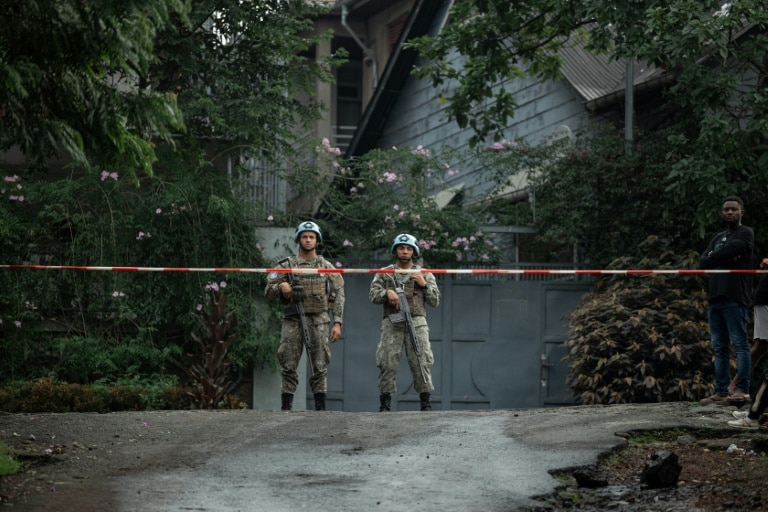
    The strike targeted a house in Himbi, an upscale neighborhood on the shores of Lake Kivu that serves as a base for numerous expatriates and humanitarian organization headquarters. According to multiple humanitarian sources and rescue personnel at the scene, the aid worker was fatally wounded when the residence she was staying in was hit. Witnesses reported hearing two distinct explosions preceded and followed by the characteristic buzzing sound of unmanned aerial vehicles.

    French President Emmanuel Macron confirmed the death on social media platform X, expressing the nation’s solidarity with her family, loved ones, and colleagues while urgently calling for respect for humanitarian law and the protection of personnel committed to saving lives.

    Security sources indicate the strikes were likely intended to target officials or allies of the M23 armed group, with the humanitarian worker’s residence struck by mistake. Large residences in the Himbi area were previously requisitioned by M23 leaders following their seizure of Goma in a lightning offensive in early 2025.

    Emergency teams, firefighters, United Nations employees, and M23 officials were present at the severely damaged site on Wednesday. The building showed extensive damage with a destroyed roof, partially burnt structures, and walls riddled with tiny impact marks. No debris from a drone or projectile has been identified thus far.

    This tragic event occurs amidst continued clashes between the M23 and Congolese forces, despite a peace deal brokered by the United States in early December. The Congolese army regularly conducts long-range drone strikes on M23 positions, while security sources confirm the rebel group likewise employs explosive drones at the front lines.

    The eastern DRC has been embroiled in conflict for three decades, with numerous armed groups vying for control over the region’s vast mineral wealth, including coltan essential for mobile phones and electric car batteries. UN experts assert that Rwanda uses the M23 as a proxy to control these critical mineral veins, leading the US to recently announce sanctions against the Rwandan army. Rwanda denies direct military support for the M23 but maintains it faces existential threats from genocidal armed groups operating in the eastern DRC.

  • G7 welcomes potential record release of oil reserves as prices surge

    G7 welcomes potential record release of oil reserves as prices surge

    In an unprecedented move to stabilize global energy markets, G7 nations have unanimously endorsed a coordinated release of strategic petroleum reserves following emergency consultations with the International Energy Agency (IEA). This decisive action comes as the ongoing US-Israel conflict with Iran has severely disrupted oil flows through the critical Strait of Hormuz, a maritime chokepoint that typically handles approximately 20% of global oil shipments.

    The proposed intervention would represent the largest market stabilization effort in IEA history, potentially releasing 300-400 million barrels from strategic reserves. This volume dramatically exceeds the 180 million barrels released during the 2022 Ukraine crisis and represents approximately three to four days of global oil consumption. The disruption has caused regional production to plummet and export activity to virtually halt through the vital waterway.

    While the announcement has temporarily stabilized prices that had surged following the conflict’s outbreak, energy experts caution that reserve releases offer only temporary relief. The mechanics of reserve deployment involve making additional barrels available to refineries rather than creating an immediate supply surge. However, industry analysts note significant constraints in global refining capacity that may limit the effectiveness of this measure.

    Former BP strategy chief Nick Butler emphasized the strategic dilemma: “Once you release these reserves, they’re gone. This is essentially a one-time tool that removes our buffer against future disruptions.” The complex reserve system involves stockpiles maintained by major producers like Shell and BP at terminals and refineries worldwide, with designated barrels counting toward national reserve requirements of 90 days’ consumption.

  • IEA agrees to record release of emergency oil reserves in an effort to calm surging prices

    IEA agrees to record release of emergency oil reserves in an effort to calm surging prices

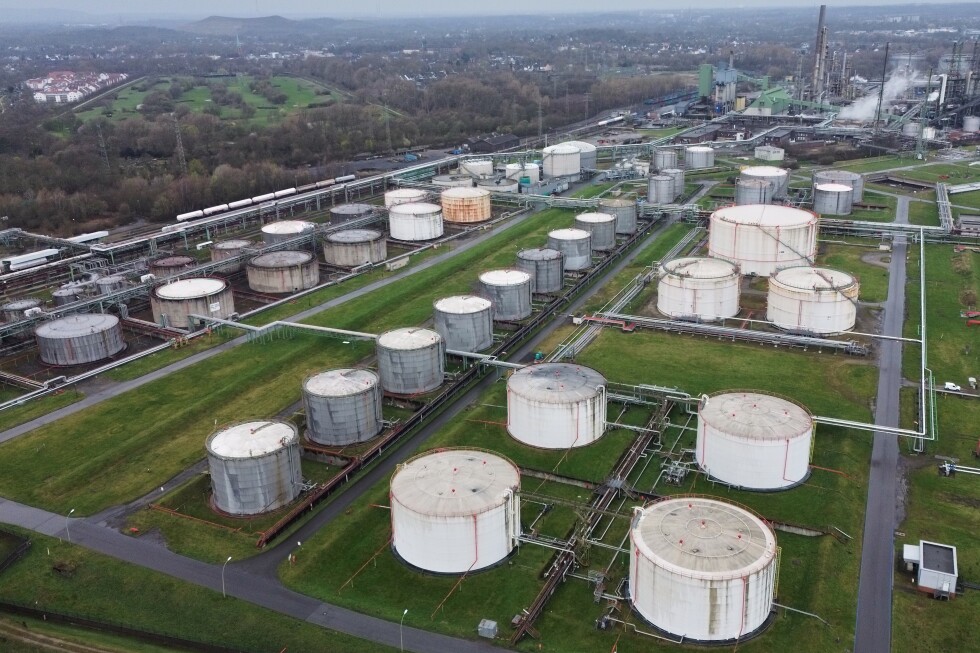
    In an unprecedented response to escalating Middle East tensions, the International Energy Agency (IEA) has authorized the largest emergency oil reserve release in its five-decade history. The Paris-based consortium of 32 nations will deploy 400 million barrels from strategic petroleum reserves to stabilize global energy markets disrupted by Iran’s blockade of critical shipping channels.

    The decision, ratified Wednesday, more than doubles the previous record of 182.7 million barrels released during the 2022 Ukraine crisis. This coordinated action follows emergency consultations among G7 energy ministers who endorsed proactive measures to address supply disruptions that have reduced Persian Gulf exports to less than 10% of pre-conflict levels.

    Iran’s military campaign has effectively halted maritime traffic through the Strait of Hormuz—a vital corridor transporting approximately 20% of globally traded oil. Attacks on commercial vessels, oil fields, and refineries across Gulf Arab states represent a calculated strategy to inflict economic pressure on the United States and Israel through energy market manipulation.

    Germany and Austria immediately committed to the reserve release, with Japan scheduled to begin deployments Monday. IEA members collectively maintain over 1.2 billion barrels of public emergency stocks, supplemented by 600 million barrels of industry reserves under government mandate.

    Concurrently, European nations are implementing consumer protection measures. Germany will restrict fuel stations to single daily price adjustments, while Austria will limit increases to three times weekly—safeguards against speculative pricing during supply emergencies.

    The strategic petroleum reserve system, established after the 1973 Arab oil embargo, has been activated during previous conflicts including the Gulf Wars, Libyan civil war, and Russia’s invasion of Ukraine. Current disruptions represent the most significant challenge to global energy security since the reserve’s inception.

  • UK couple die after being pulled from water at Australian beach

    UK couple die after being pulled from water at Australian beach

    A peaceful morning at Shellharbour Beach in New South Wales turned tragic when a British married couple lost their lives despite valiant rescue efforts by bystanders and emergency responders. The incident occurred on Wednesday at approximately 11:10 AM local time when witnesses reported two swimmers in distress in the turbulent waters.

    According to NSW Police statements, several beachgoers immediately sprang into action upon noticing the struggling swimmers. Among the responders were two off-duty nurses and a young man who courageously entered the water to retrieve the couple. The rescuers managed to pull both individuals—identified as a 66-year-old man and 64-year-old woman from the United Kingdom—from the ocean and immediately initiated cardiopulmonary resuscitation on the beach.

    Paramedics arrived shortly thereafter and continued advanced life support measures, but despite exhaustive efforts, both individuals were pronounced dead at the scene. The Foreign Office of the United Kingdom confirmed they are providing consular support to the bereaved family and maintaining communication with Australian authorities.

    Lake Illawarra Police District Inspector Luke Geradts addressed media representatives, describing the event as profoundly tragic while extending official condolences to the family. Inspector Geradts particularly highlighted the extraordinary efforts of the civilian rescuers, emphasizing that their swift action had provided the couple with their best possible chance of survival. He noted that while the outcome was devastating, the selfless response demonstrated the community’s courage and compassion.

    The inspector further emphasized that this incident serves as a sobering reminder of the ocean’s inherent dangers and unpredictable nature, especially for visitors unfamiliar with Australian beach conditions. While the investigation remains ongoing, preliminary reports indicate no suspicious circumstances surrounding the deaths. Australian authorities have commenced standard procedures for international fatalities while supporting the family through repatriation processes.